Quebec Travel Guide

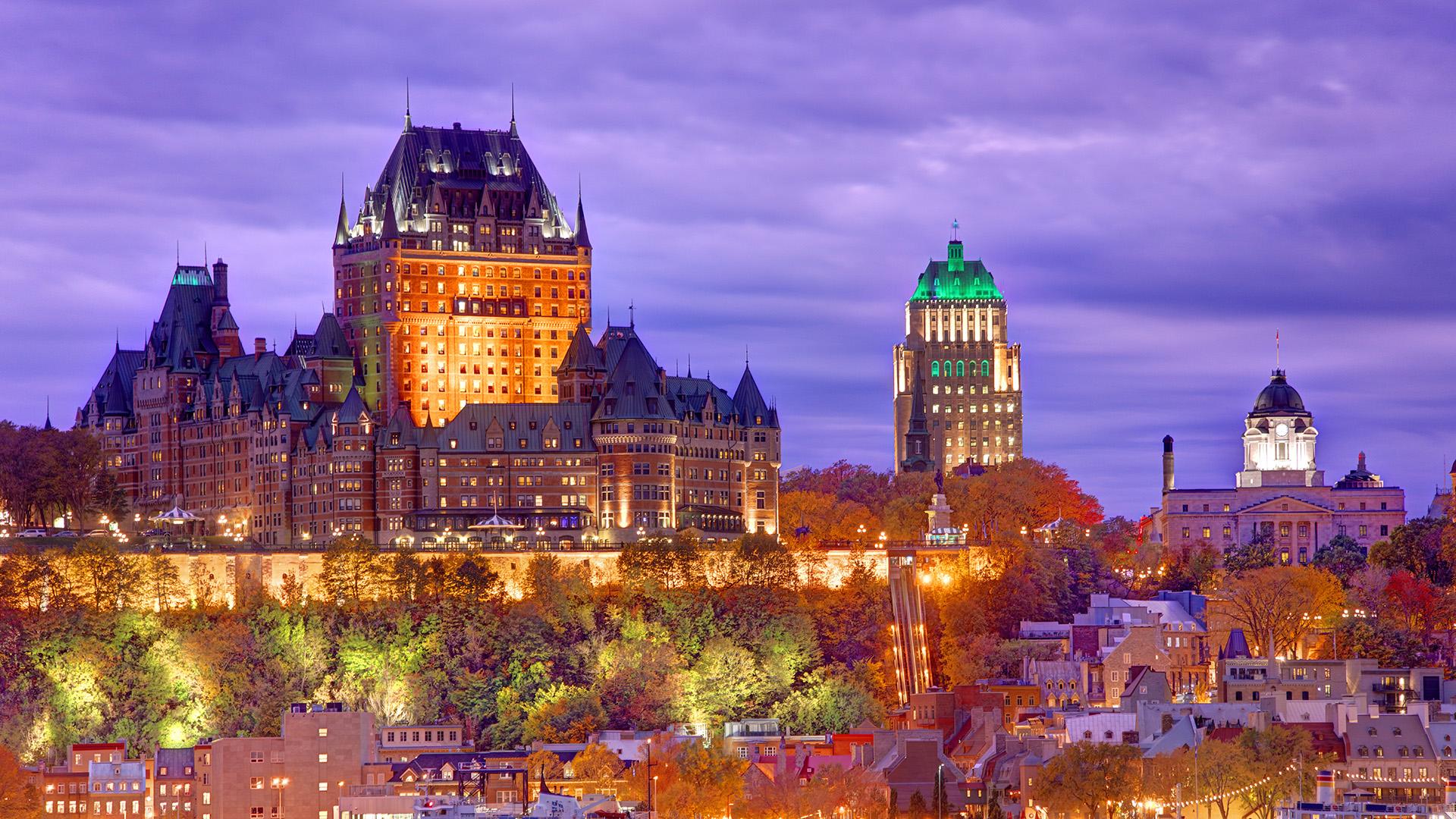
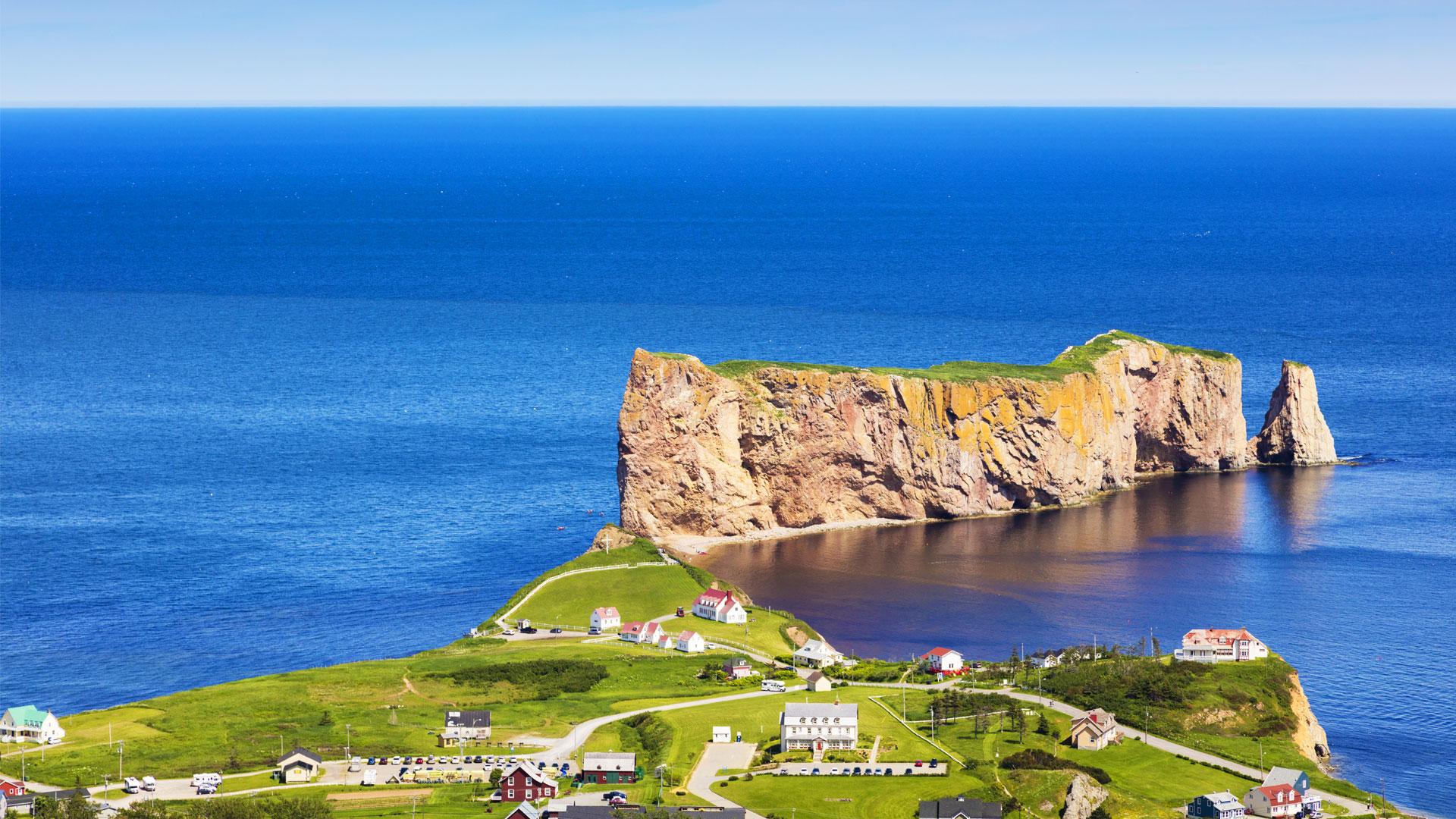
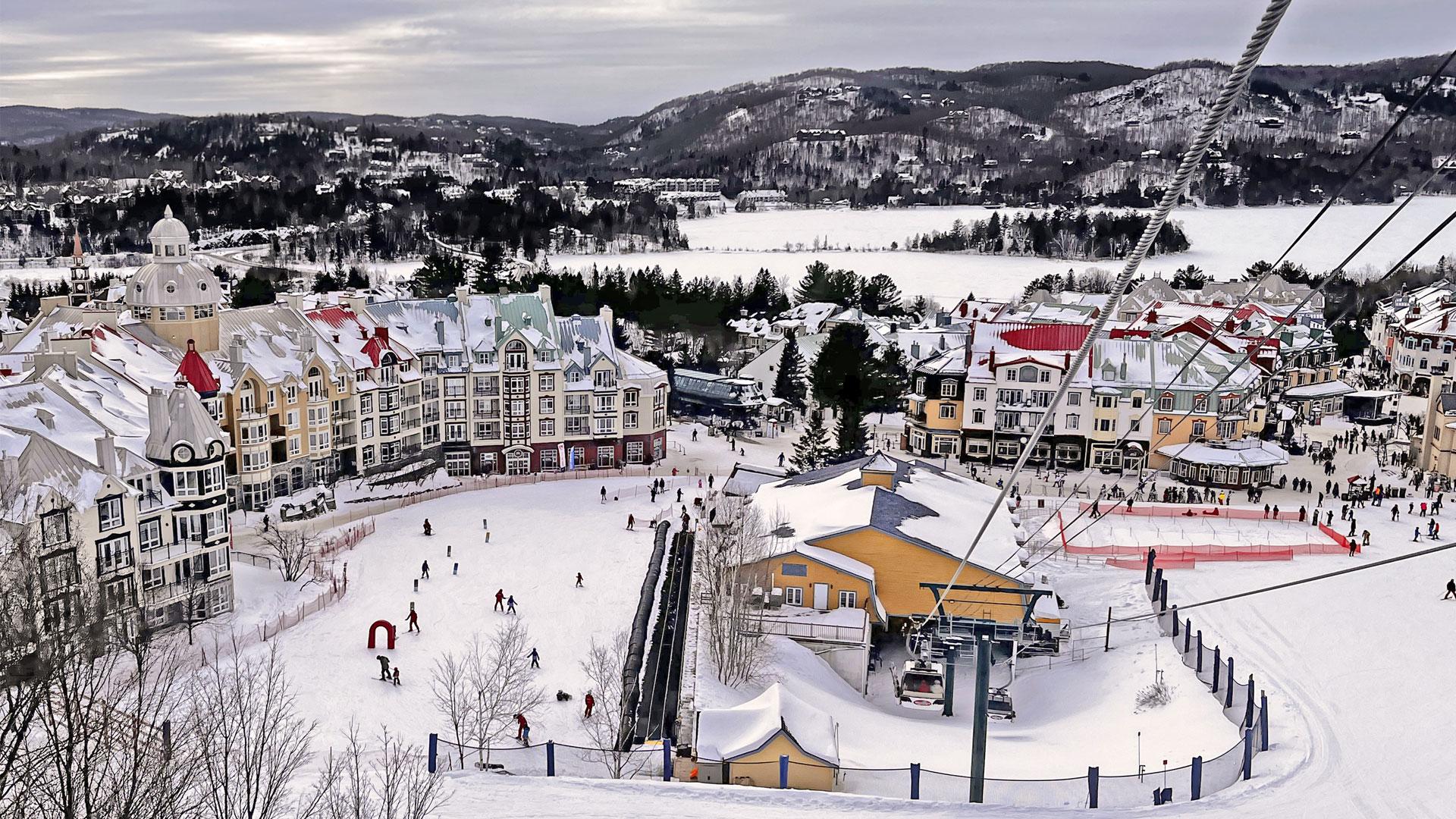
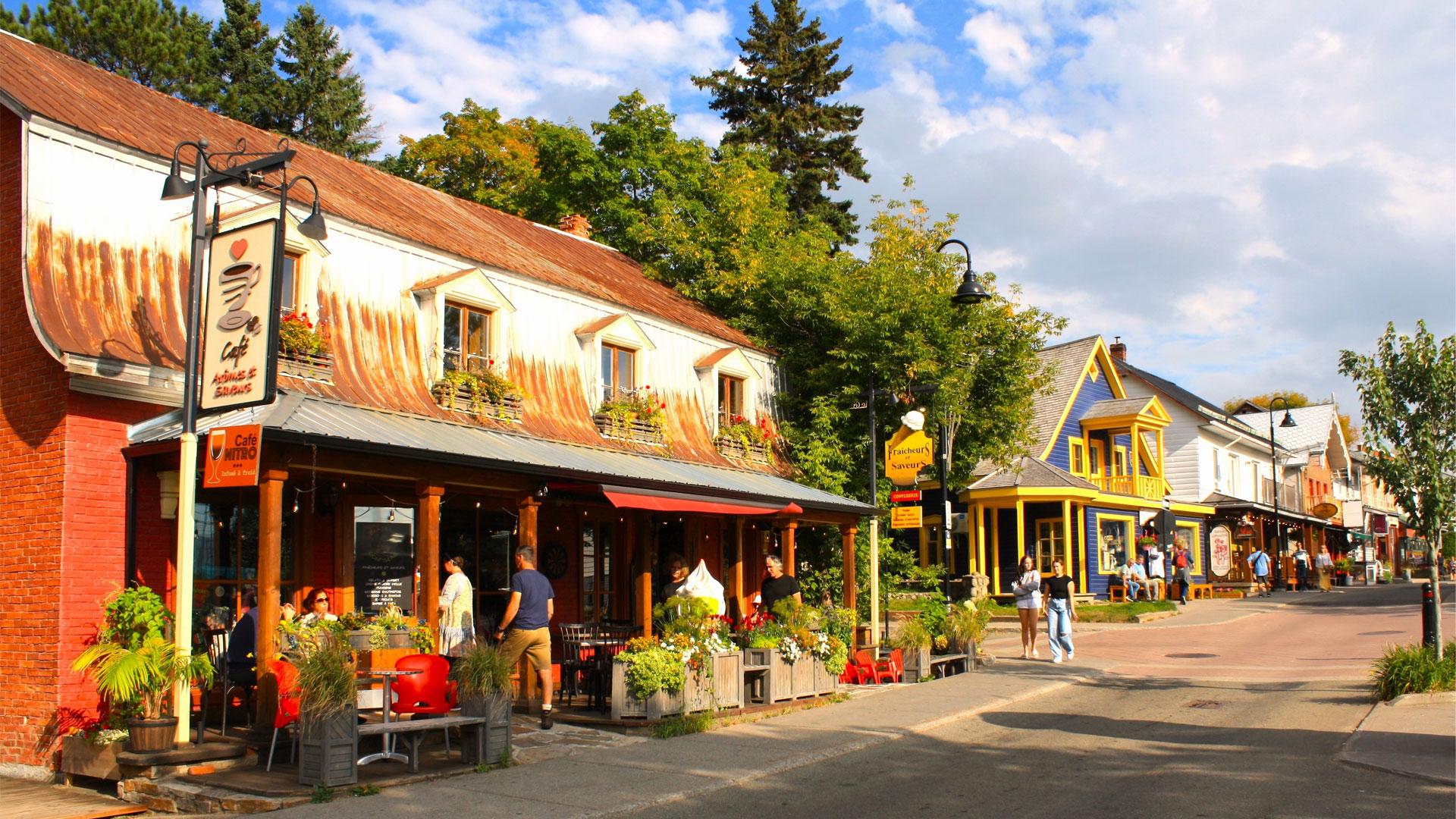
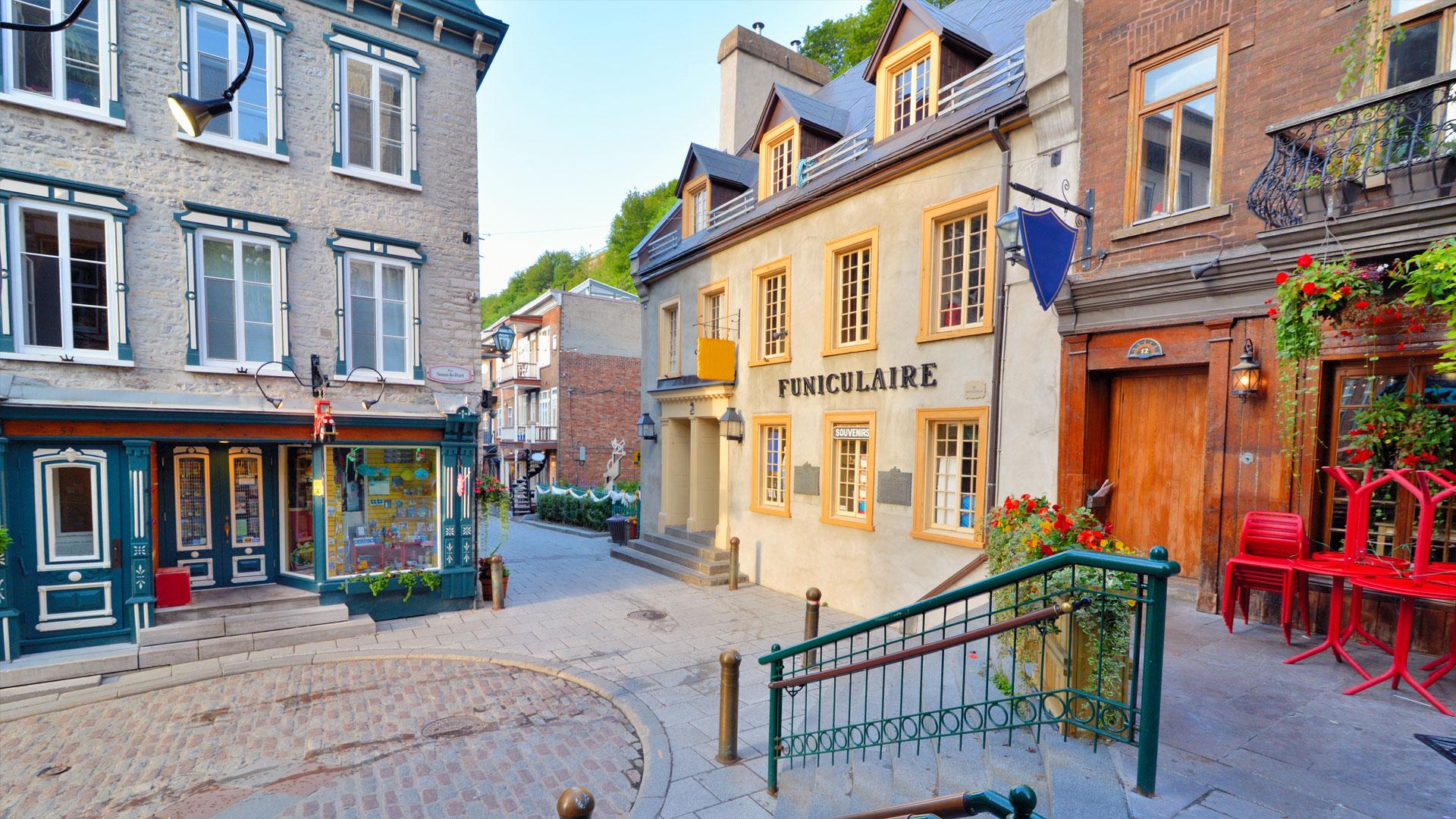
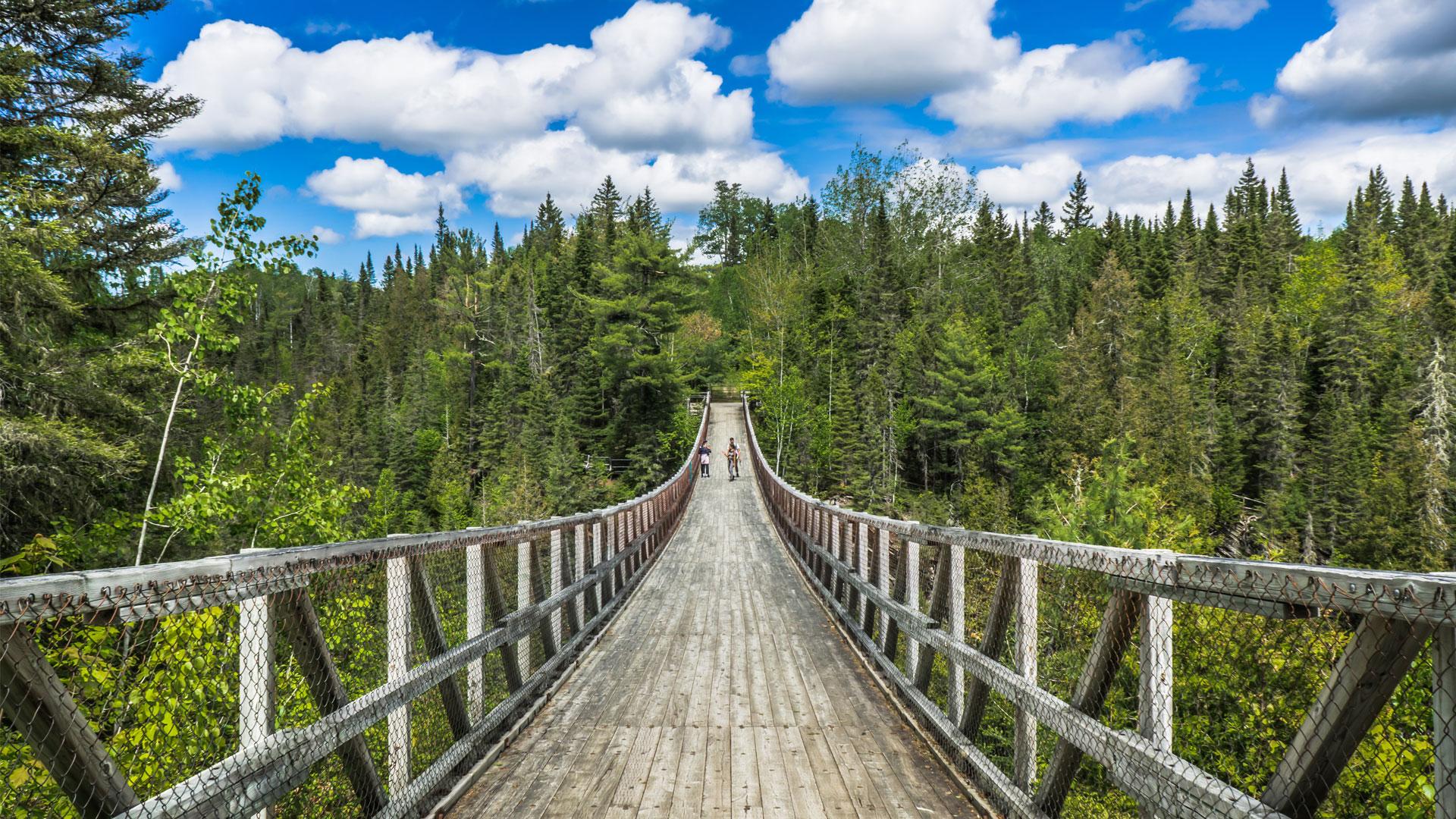
Quebec is where breathtaking natural landscapes, vibrant French-speaking culture, and cherished traditions come together. From the historic charm of Old Quebec to the lively streets of Montreal, the scenic coastal drives of Gaspesie, and the mountain landscapes of the Laurentians, this province offers unforgettable experiences in every season.

Useful information

Official language(s)

French is the official language spoken in Quebec. English is also widely spoken in major cities and tourist areas.

Time zone difference

Quebec time zone:
0h ahead of Quebec (EST)
0h ahead of Quebec (EDT)

Currency

Canadian dollar (CAD)

Credit cards (Visa, Mastercard, etc.) are widely accepted in shops, restaurants, hotels, gas stations, and tourist attractions across Quebec. It is still a good idea to carry some cash for small businesses, local markets, and activities in more rural areas.

Tips

In Quebec, tipping is expected as it is an important part of employees’ income. In restaurants, it is customary to leave 18% to 20% of the total bill. In bars, one to two dollars per drink is generally sufficient. For taxis and tour guides, a tip of 10% to 20% is standard.

Safety

Quebec is a safe destination for travellers. When enjoying outdoor activities, you should exercise caution in the mountains and forests and near bodies of water. You should also check local conditions and safety guidelines before heading out on any excursion.

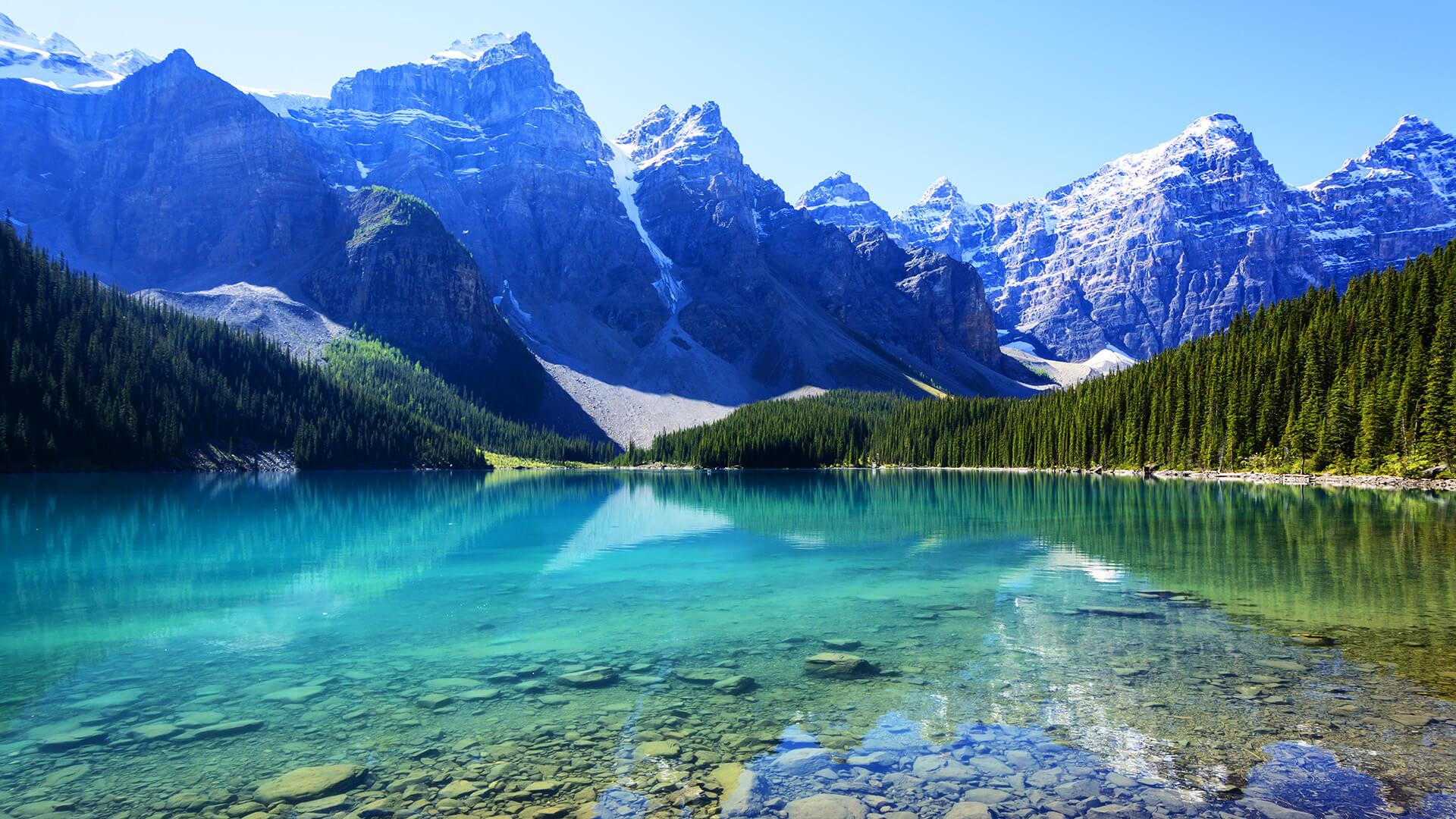
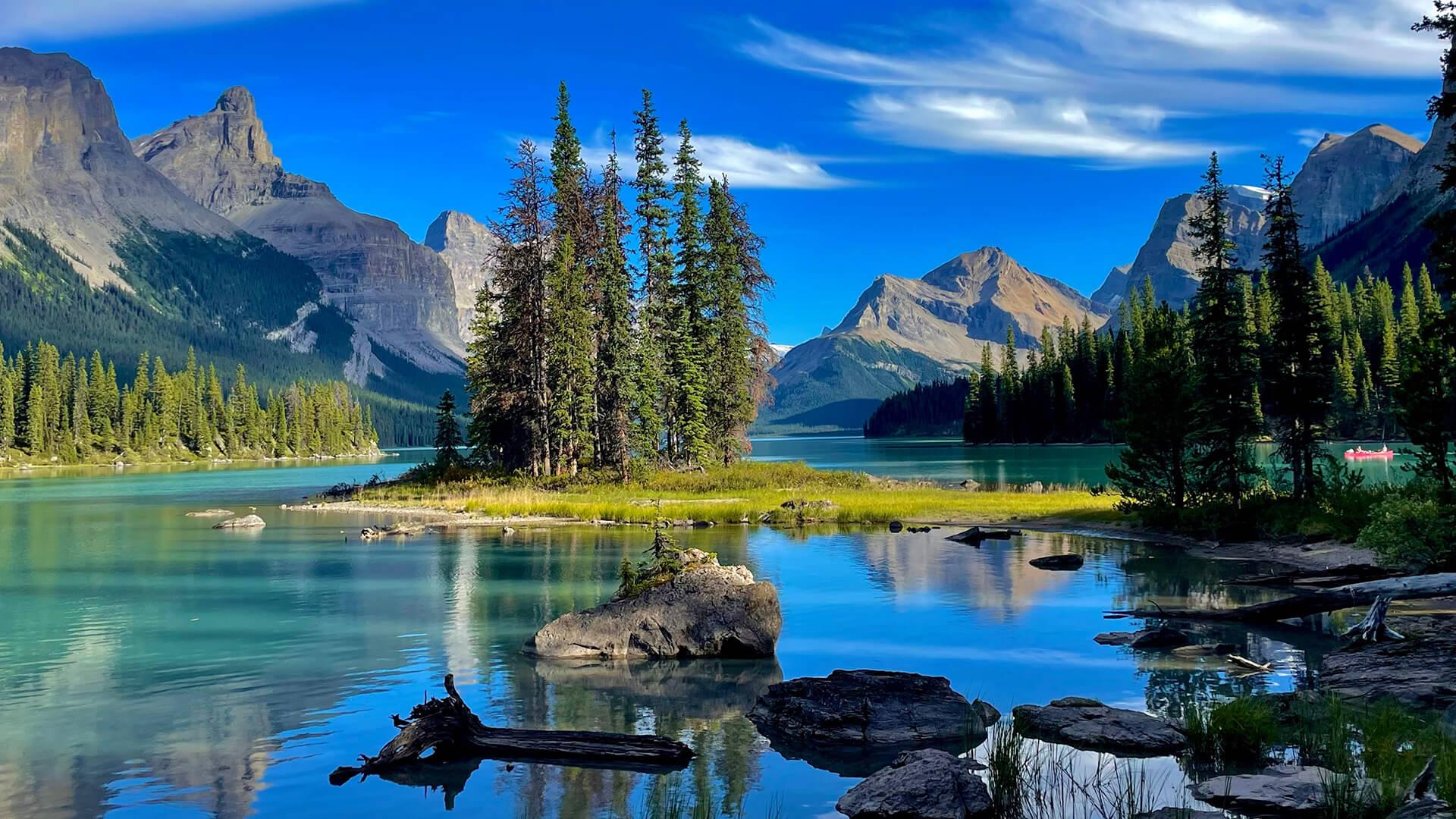
  • Grand, easily accessible natural landscapes with forests, lakes, mountains, and fjords across the province.
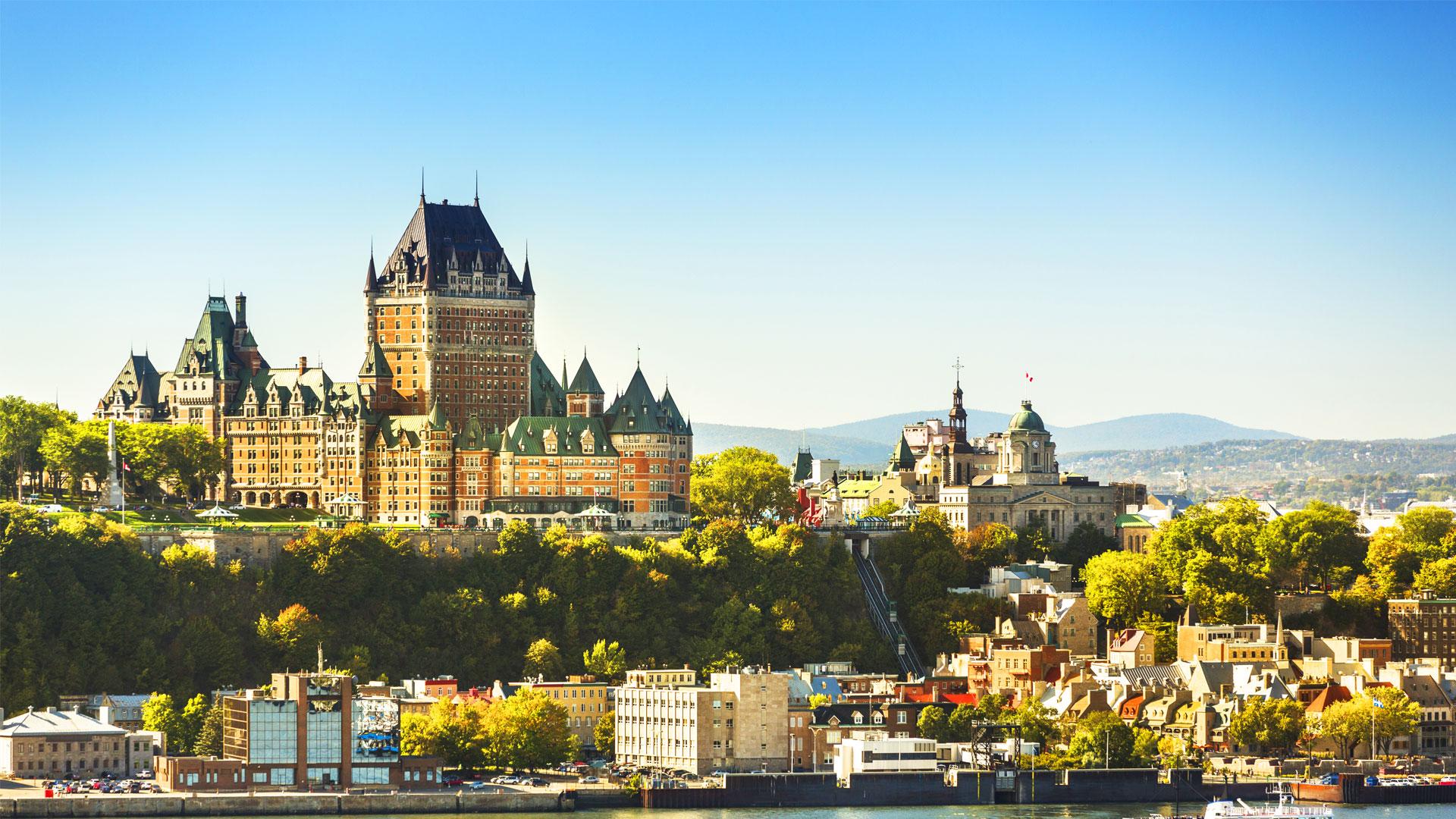
  • A unique historical heritage in North America.
  • A destination to discover year-round, changing with the seasons.
  • Renowned hospitality of its people.
Keep in mind

  • Distances between regions are significant, and a car is generally necessary to explore the province.
  • Many popular destinations are very busy in summer, so it is best to book early.
  • Quebec winters are harsh, especially in January and February, with wind chill temperatures that can reach -30°C.

Good to know

  • Every region has its own personality and traditions.
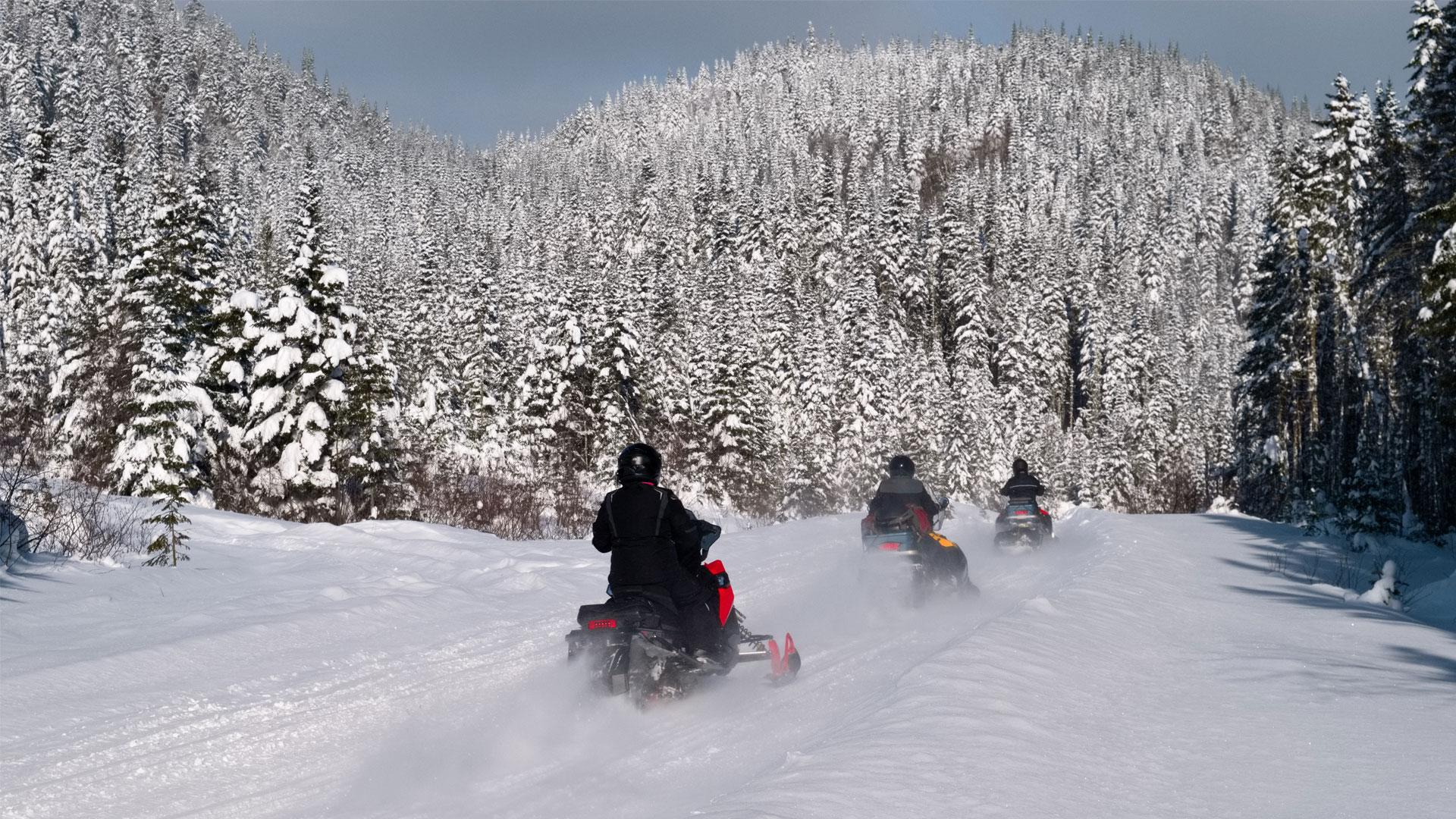
  • Winter is ideal for snow sports, with numerous ski resorts, snowmobile trails, and winter resorts throughout the province.
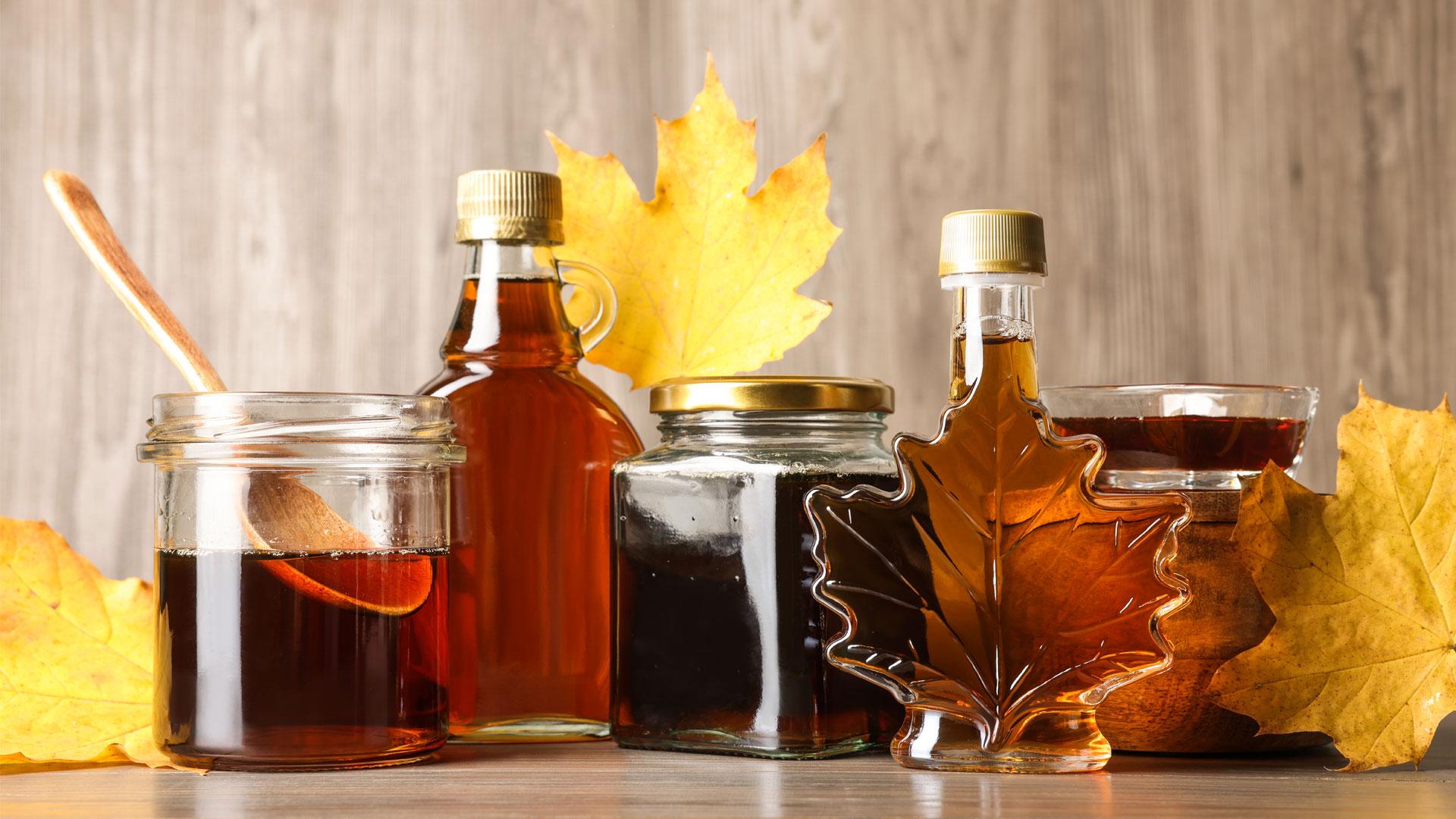
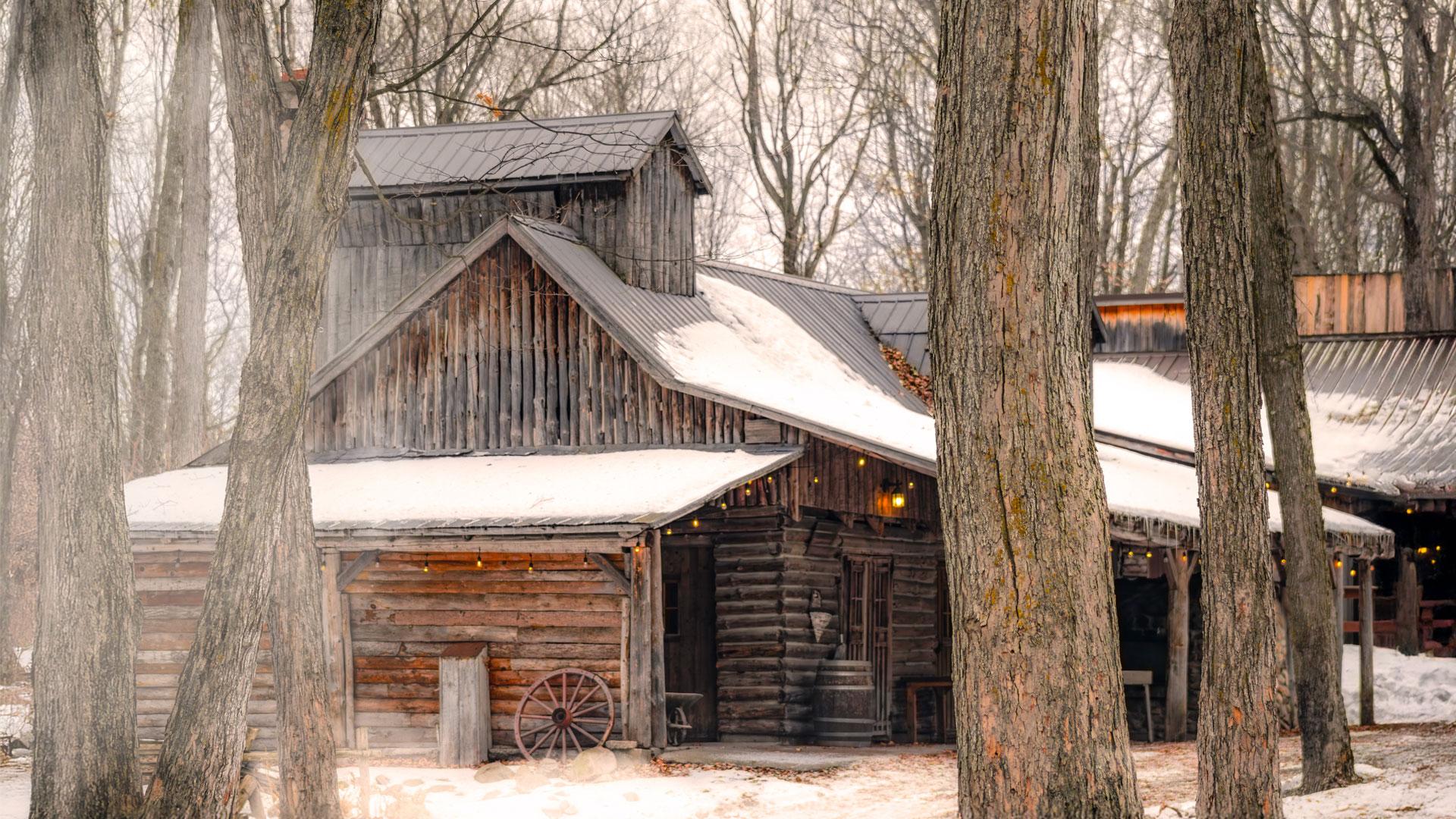
  • March and April mark sugar shack season, the perfect time to enjoy maple taffy on snow.
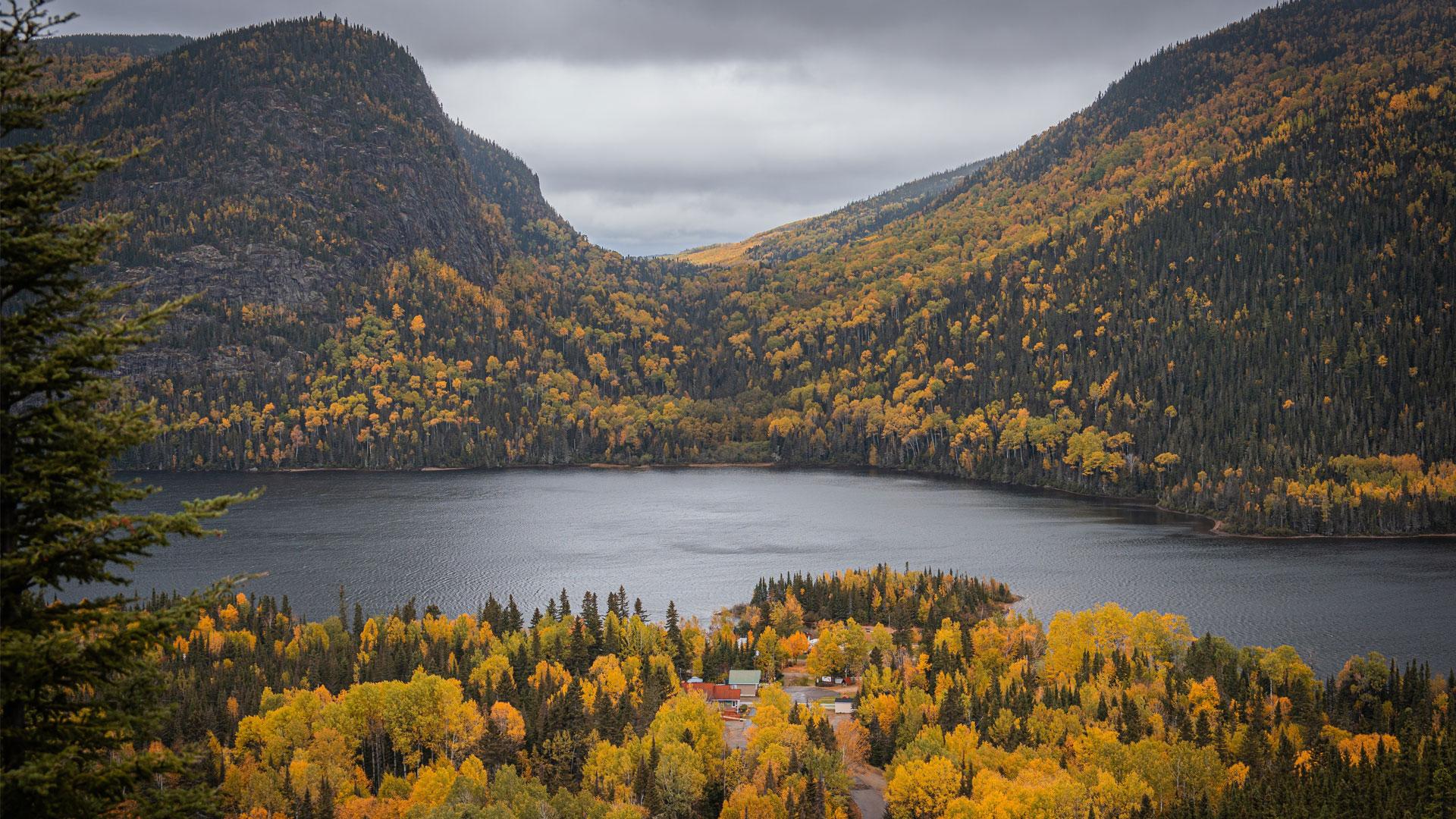
  • Summer is the season for festivals, outdoor dining on terraces, and national parks, whereas fall is known for its spectacular colours.
  • Quebec is the only predominantly French-speaking province in Canada.

Frequently asked questions

Quebec is a year-round destination, with each season offering a different experience. Summer is perfect for enjoying the pleasant weather, the cities, the regions, scenic drives, and festivals. Fall offers some of the most beautiful hiking, as the landscapes turn spectacular shades of colour. In winter, the focus shifts to ski resorts, snowmobiling, and the Carnaval de Québec. In spring, sugar shack season offers a delicious experience rooted in Quebec’s traditions.

Driving is the best way to get around Quebec, especially in the rural regions, where public transportation is often unavailable. Quebec’s road network is extensive, making travel flexible, but distances can be significant. Buses are also a practical option, connecting regions to urban centres. Most large cities have efficient public transportation systems. Depending on your itinerary, flights or ferries may also be useful for reaching remote destinations, such as the Côte-Nord or the Magdalen Islands.

14 to 21 days.

Two weeks is enough to explore a good share of Quebec’s central regions at a comfortable pace, including Montreal, the Eastern Townships, Quebec City, Charlevoix, and the Bas-Saint-Laurent region. With 21 days, you can add other regions such as the Laurentians, the Côte-Nord, Saguenay–Lac-Saint-Jean, and the Gaspé Peninsula, and enjoy the journey without rushing.

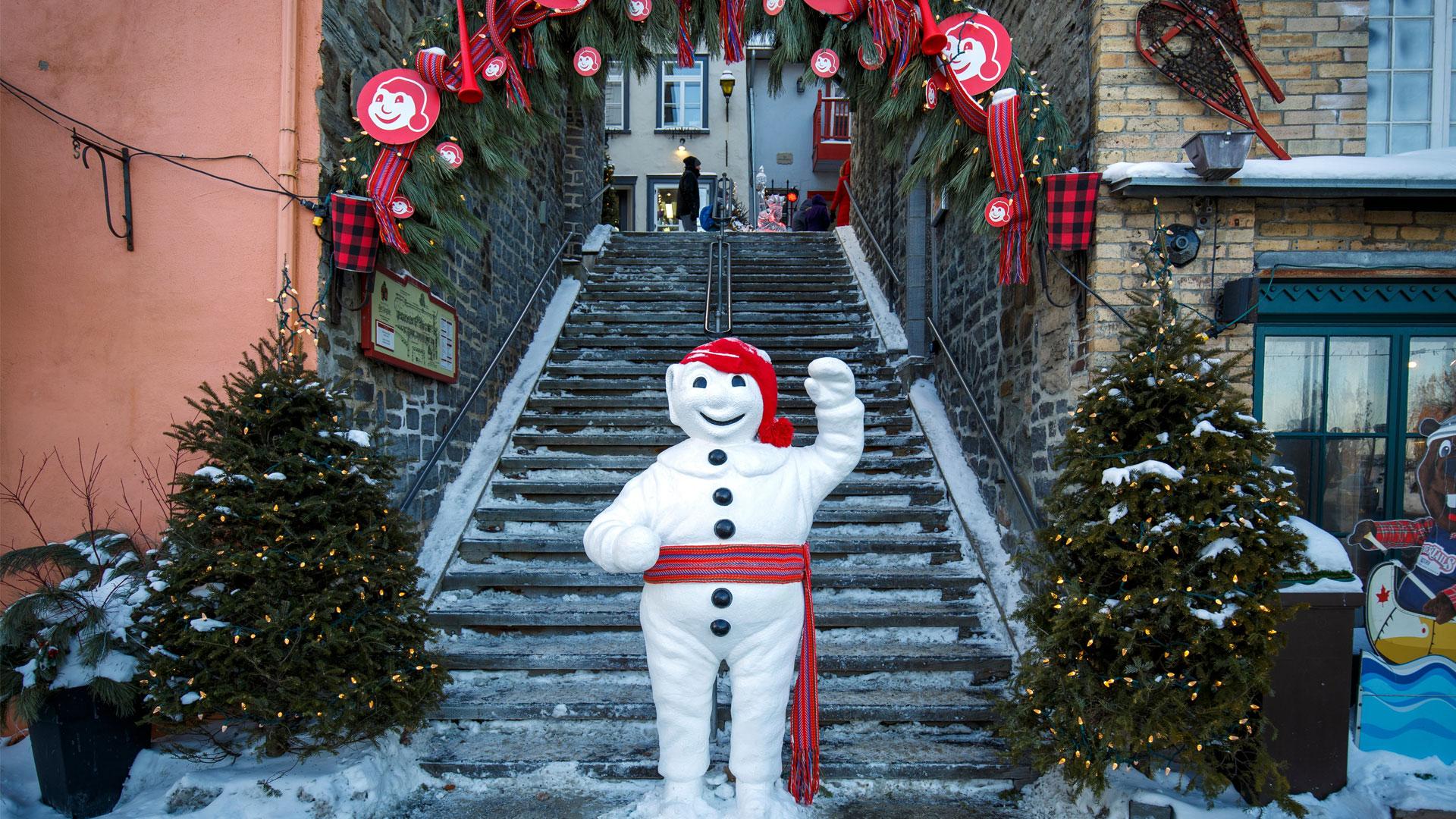
  • Quebec Winter Carnival, from late January to mid-February, in Quebec City. The world’s largest winter carnival celebrates northern culture in a festive atmosphere, with its parades, ice palace and ice sculptures, and outdoor activities.
  • Montreal International Jazz Festival, from late June to early July, in Montreal. The world’s largest jazz festival brings the Quartier des spectacles to life with more than 350 concerts featuring artists from here and abroad.
  • Quebec City Summer Festival (FEQ), in early July, in Quebec City. For more than 10 days, performances and major concerts by international artists from virtually every musical genre take over the city. The Plains of Abraham are turned into a vast open-air venue.
  • Le Festif! de Baie-Saint-Paul, in July, in Baie-Saint-Paul. This must-see festival blends music and circus arts in an inspiring Charlevoix setting. Artists perform in a wide range of unusual venues, from the wharf to a church and even the river.
  • Les Francos de Montreal, in mid-June, in Montreal. This festival celebrates the French-language music scene in the urban, festive, and friendly atmosphere at the heart of the Quartier des spectacles.