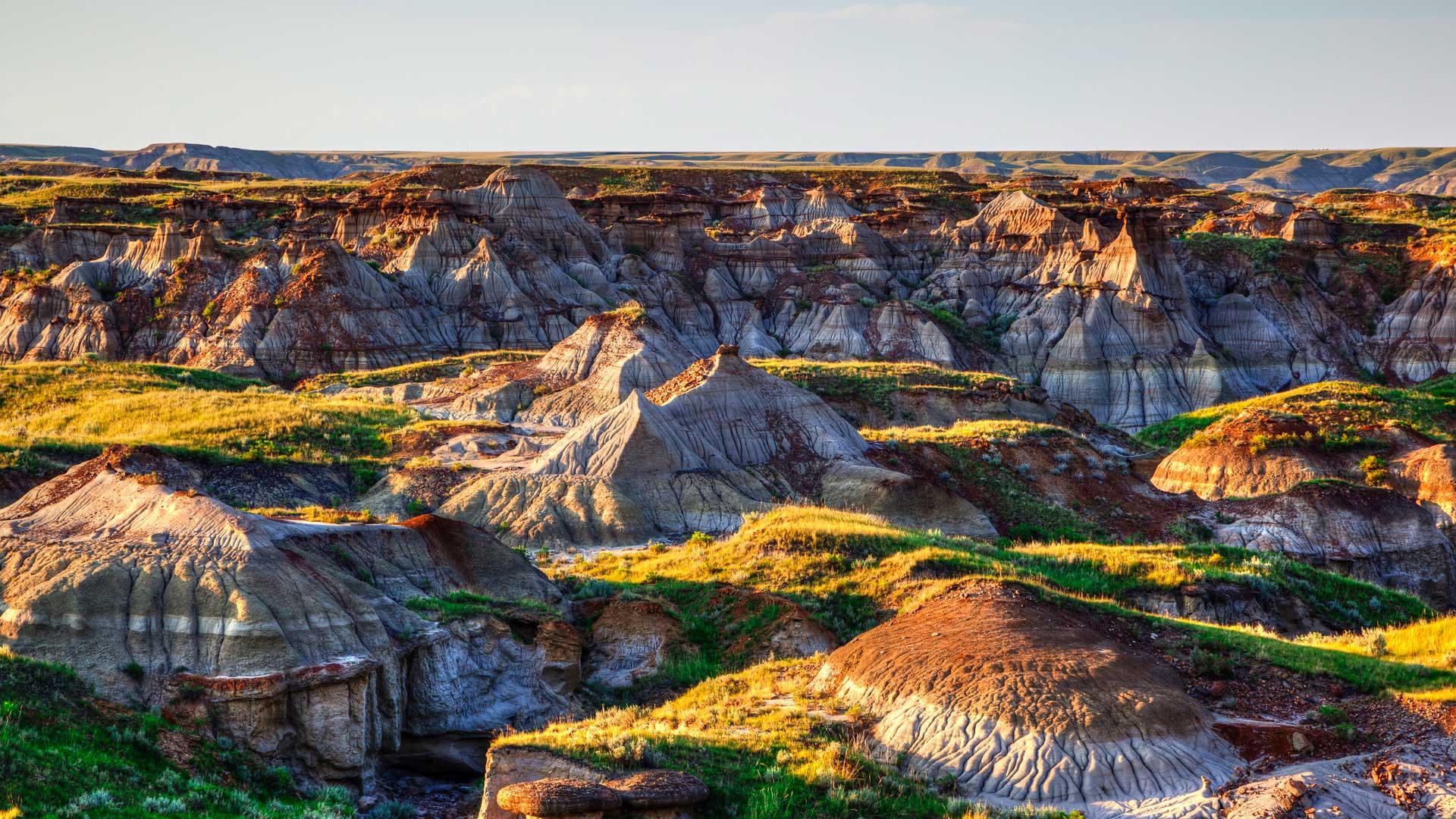
Western Canada Travel Guide

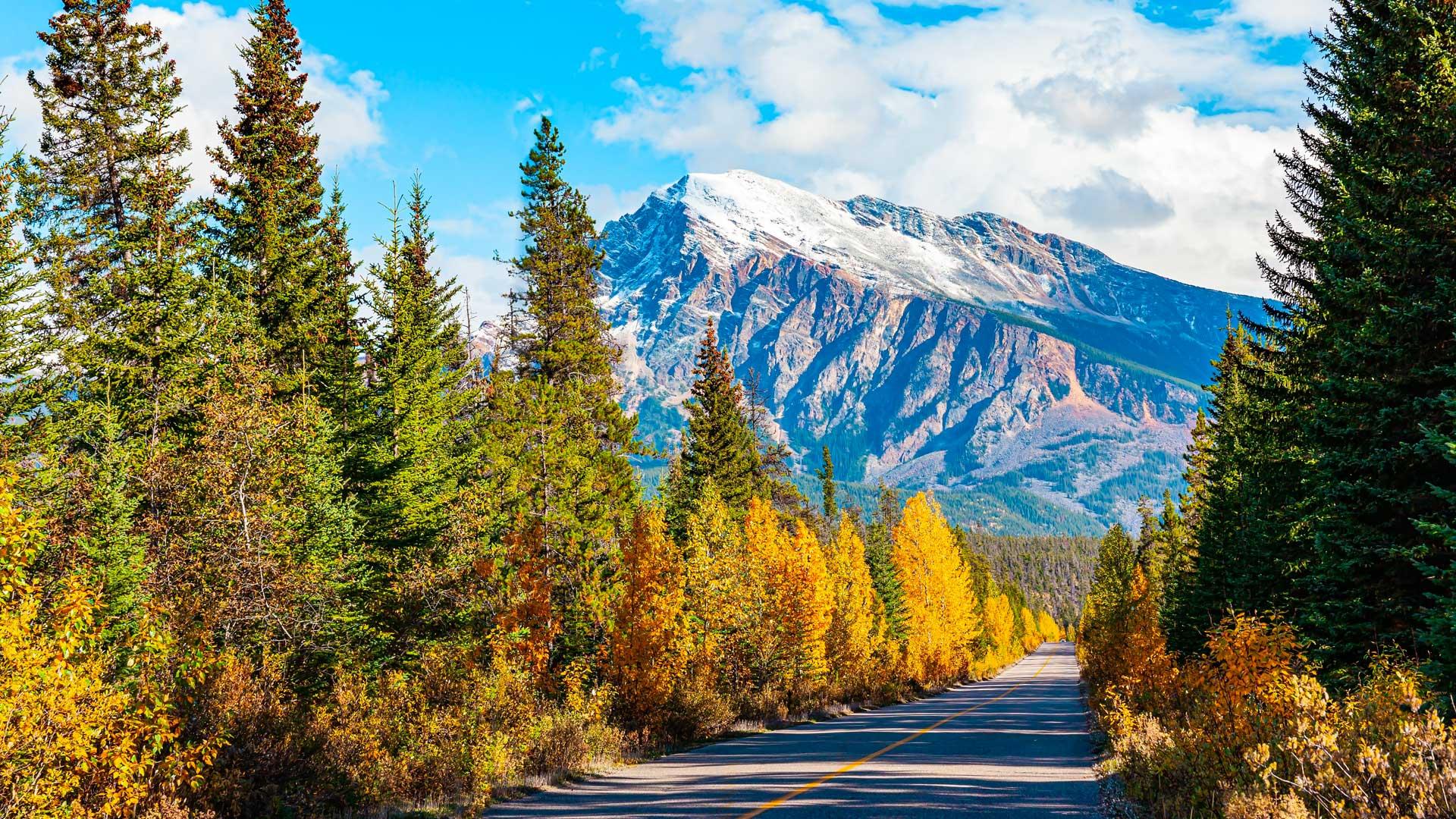
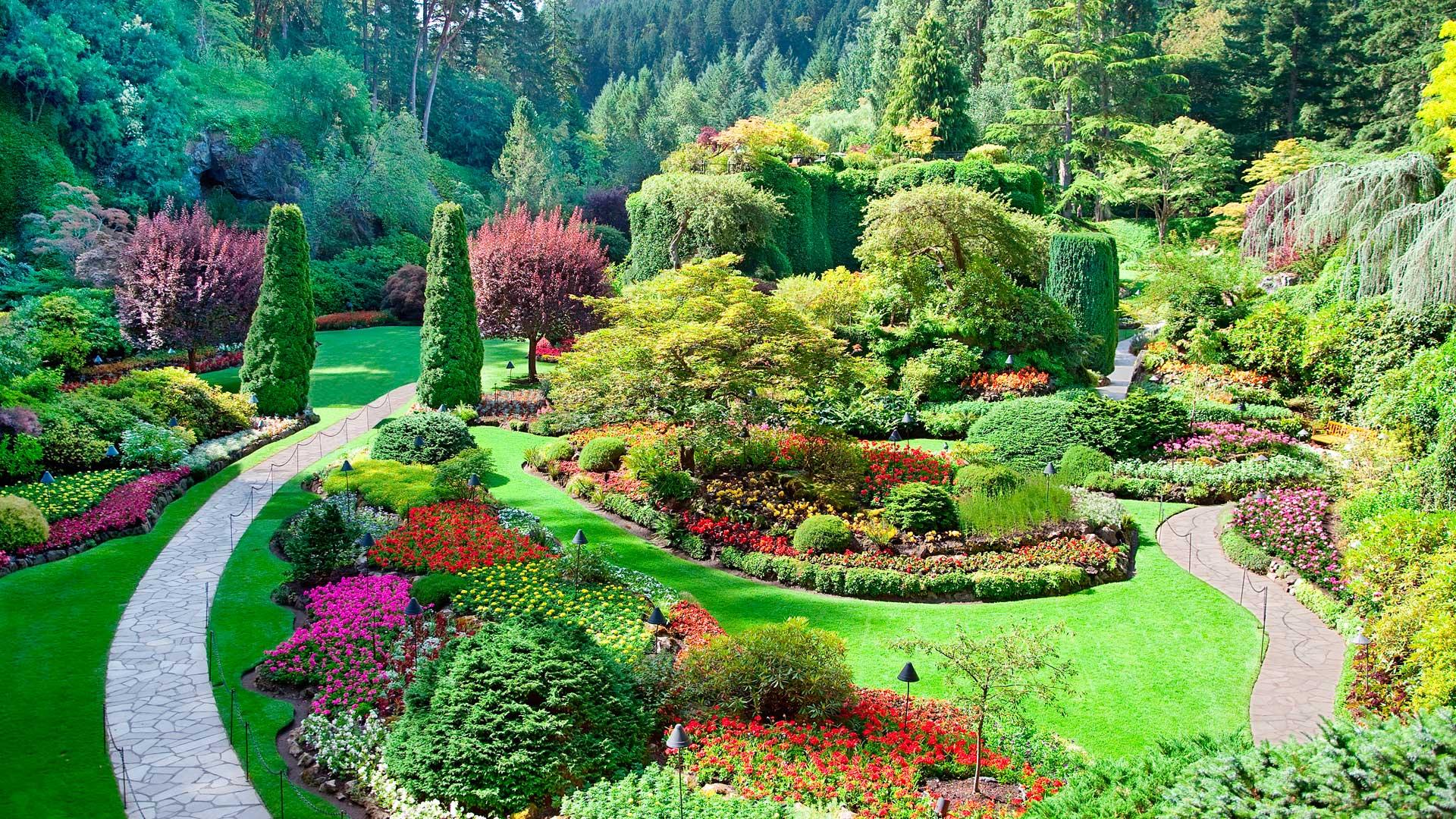
Vast and absolutely breathtaking, Western Canada embodies the spirit of the great outdoors. From vibrant Vancouver to the wild beaches of Tofino and from Banff’s turquoise lakes in the heart of the Rockies to Whistler and the Okanagan Valley, this destination will charm you with its dramatic landscapes, world-class ski resorts and renowned wine regions.

Useful information

Official language(s)

English and French are the two official languages spoken in Canada.
However, in Western Canada, English is the primary language used in daily life and in the tourist industry.

Flight duration

Direct flight: 4h to 5h30 depending on the destination
Connecting flight: 6h to 8h (depending on connection times)

Time zone difference

Western Canada time zones:
British Columbia: UTC-8
3h behind Quebec (EST)
3h behind Quebec (EDT)

Alberta: UTC-7
2h behind Quebec (EST)2h behind Quebec (EDT)

Currency

Canadian dollar (CAD).
Credit cards (Visa, Mastercard, etc.) are widely accepted. Carrying cash is recommended for local markets, street vendors and tipping.

Tips

Tipping is customary in Western Canada and an important part of service workers’ income. In restaurants, 15%–20% of the total bill is standard if service is not included. In bars, $1–$2 per drink is sufficient. For taxis and tour guides, 10%–15% is common.

Safety

Western Canada is a safe travel destination. Taking standard safety precautions is advised in large cities. When enjoying outdoor activities, proper preparation is essential, particularly regarding wildlife, weather and terrain. When driving, distances can be long and gas stations scarce—monitor your fuel level closely.

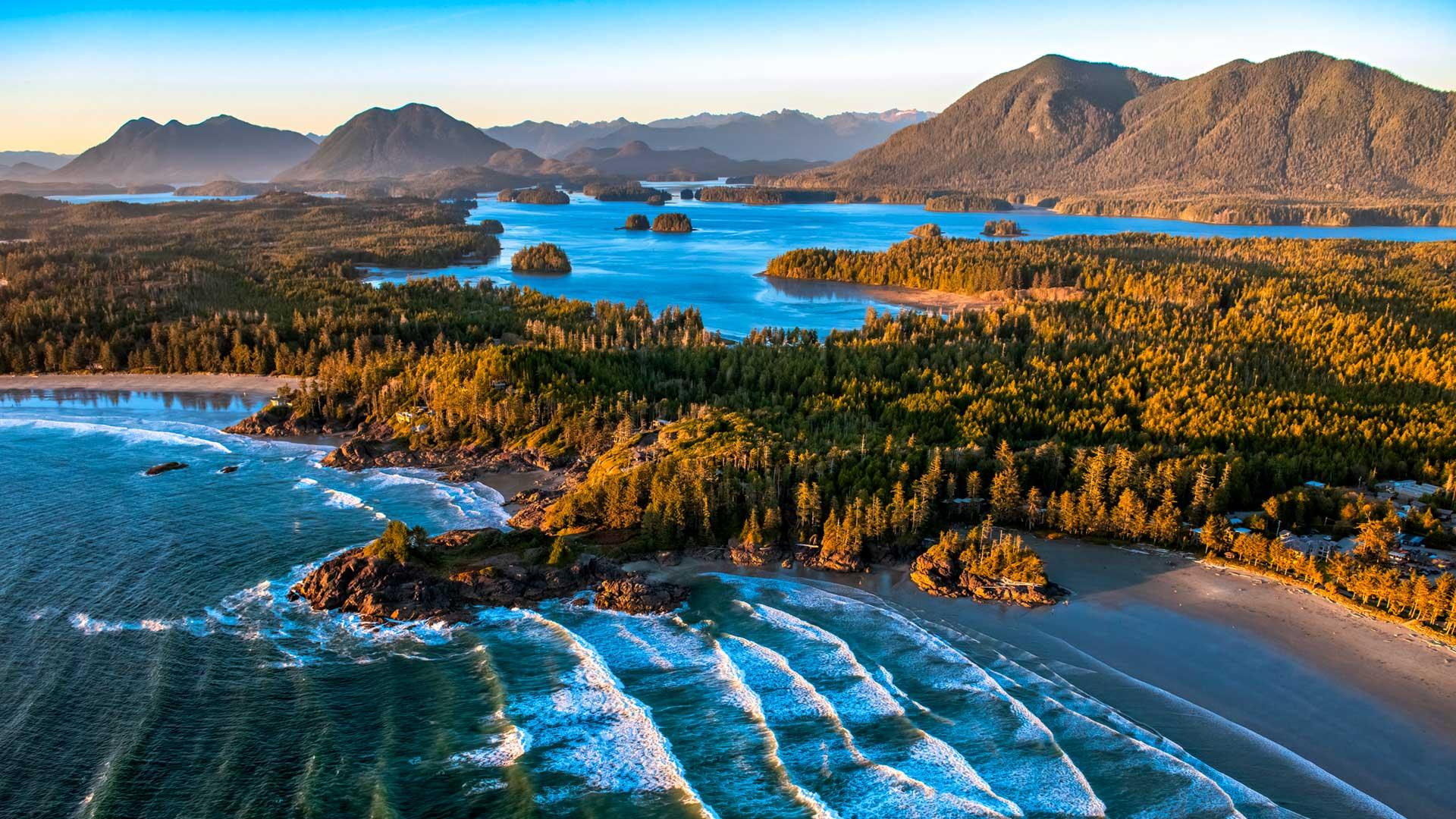
  • Spectacular Pacific coastline, wild beaches and lush coastal rainforests.
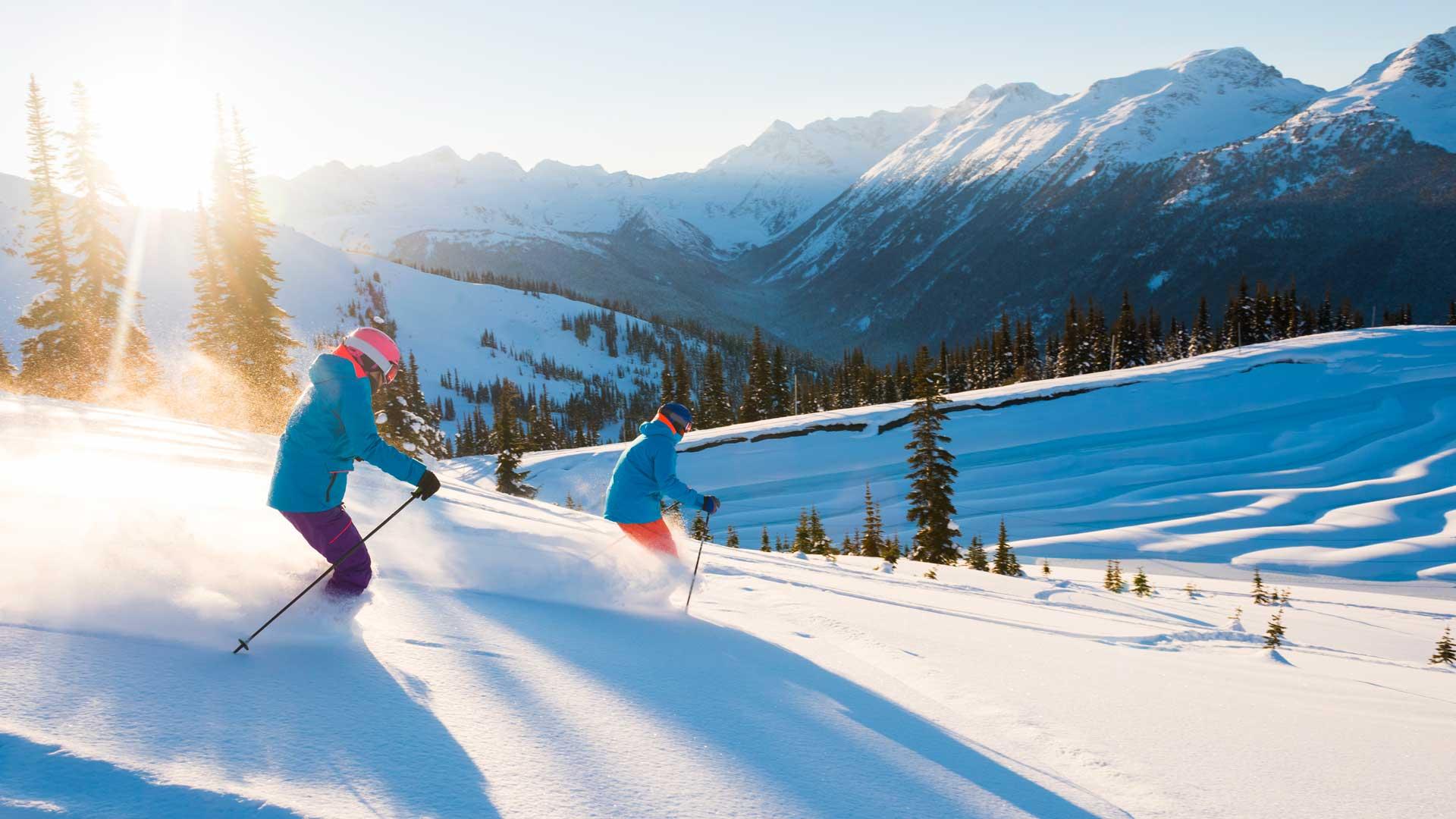
  • World-class ski resorts.
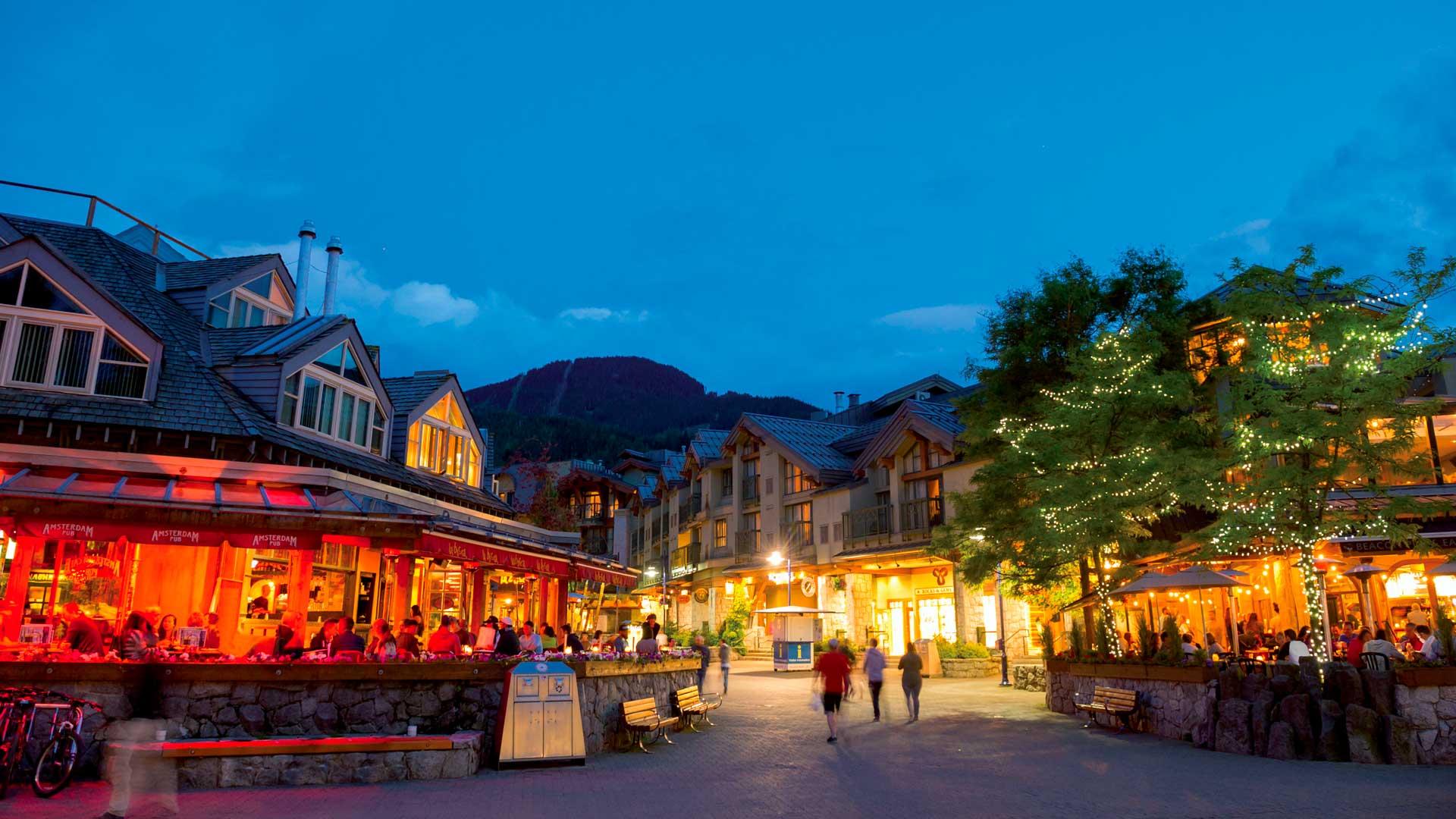
  • Charming alpine villages and vibrant cosmopolitan cities.
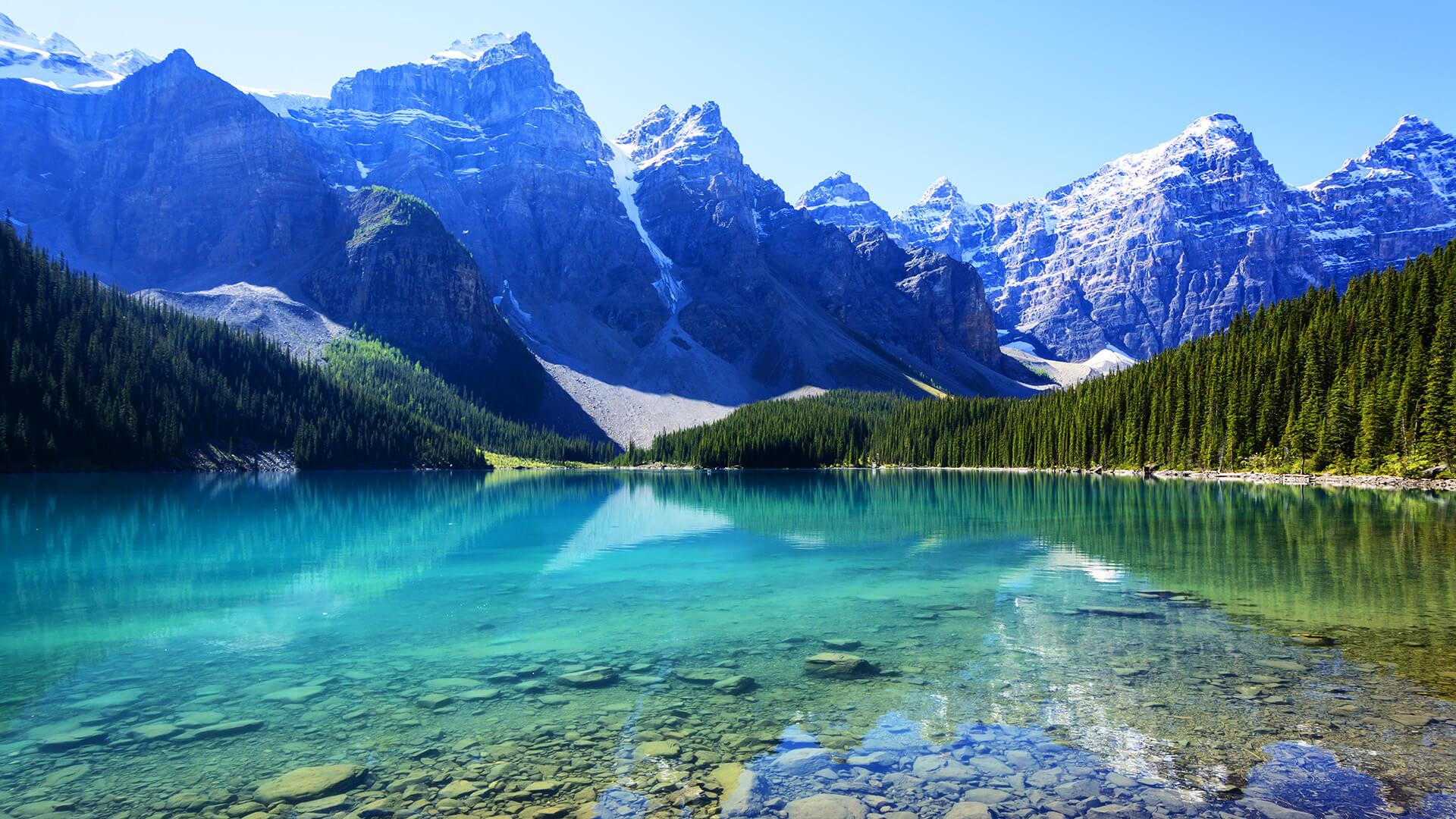
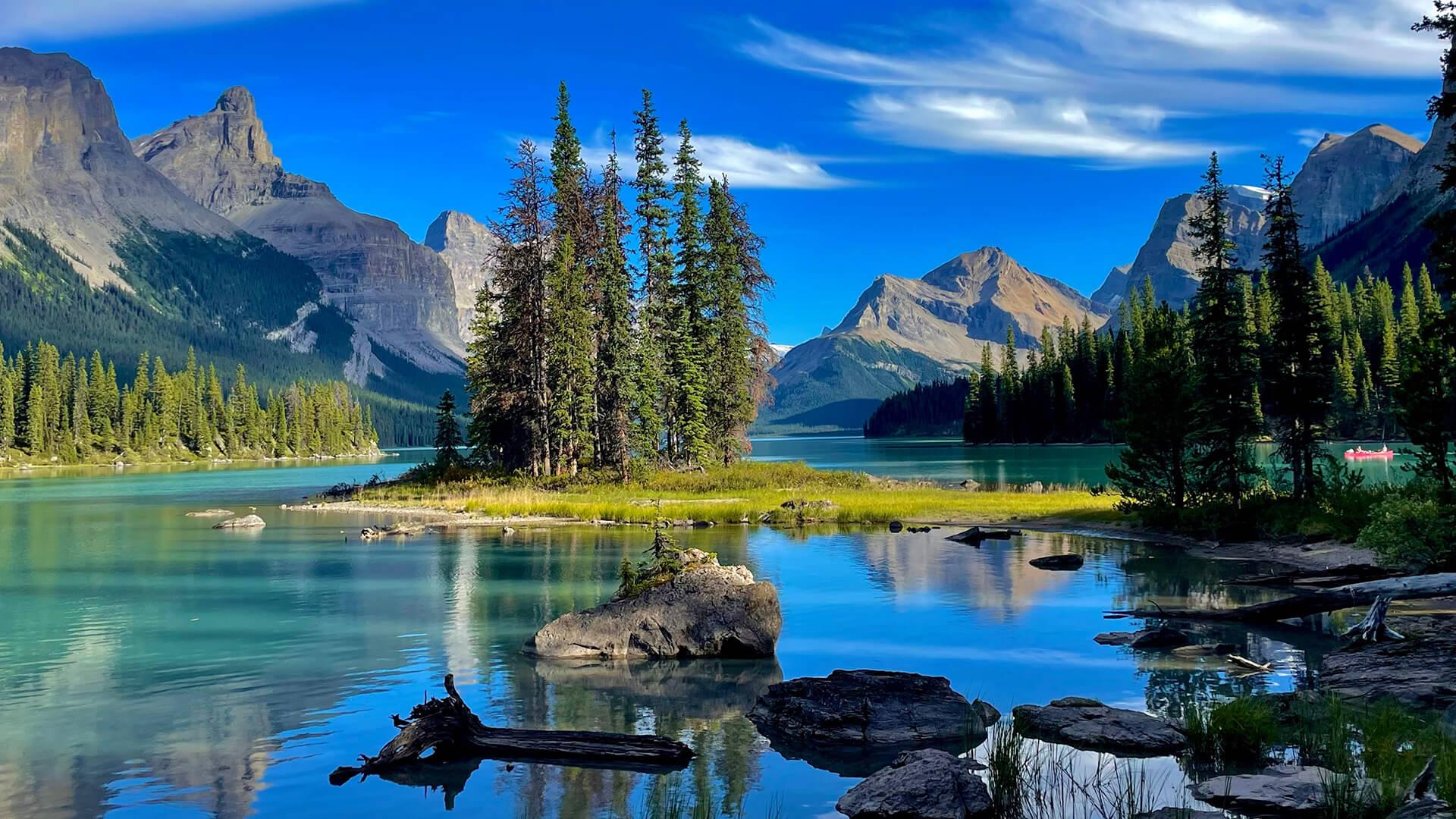
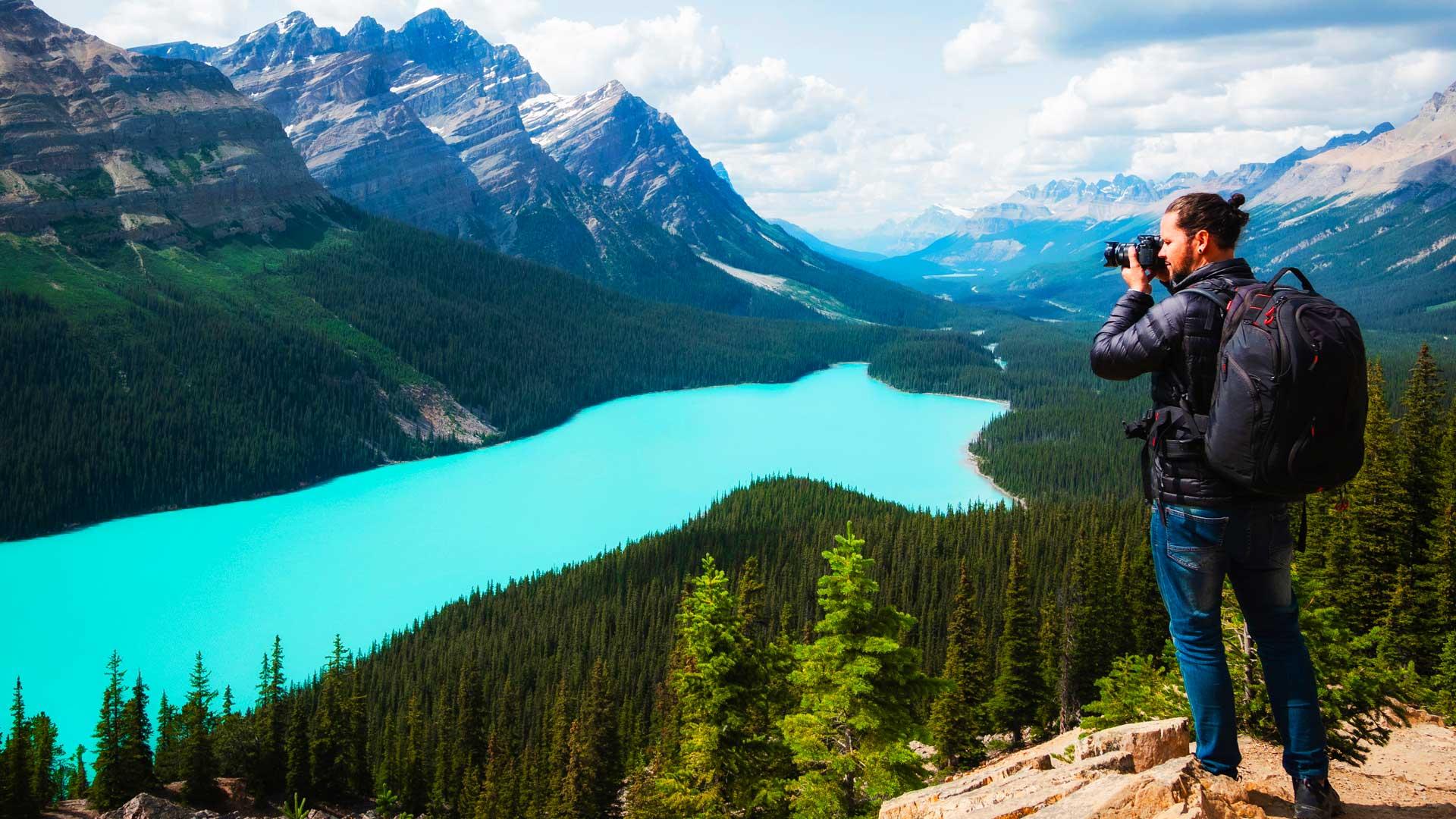
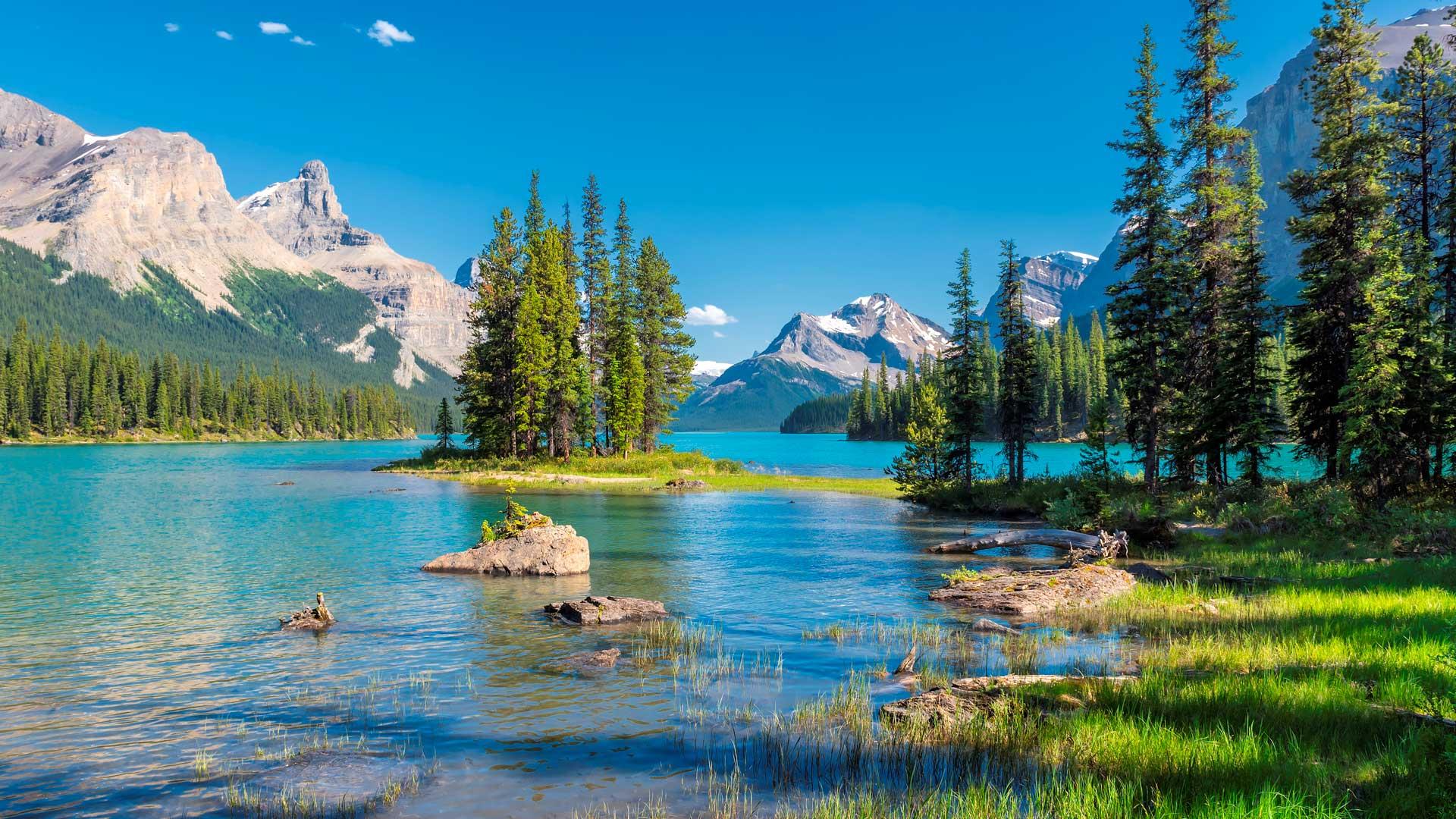
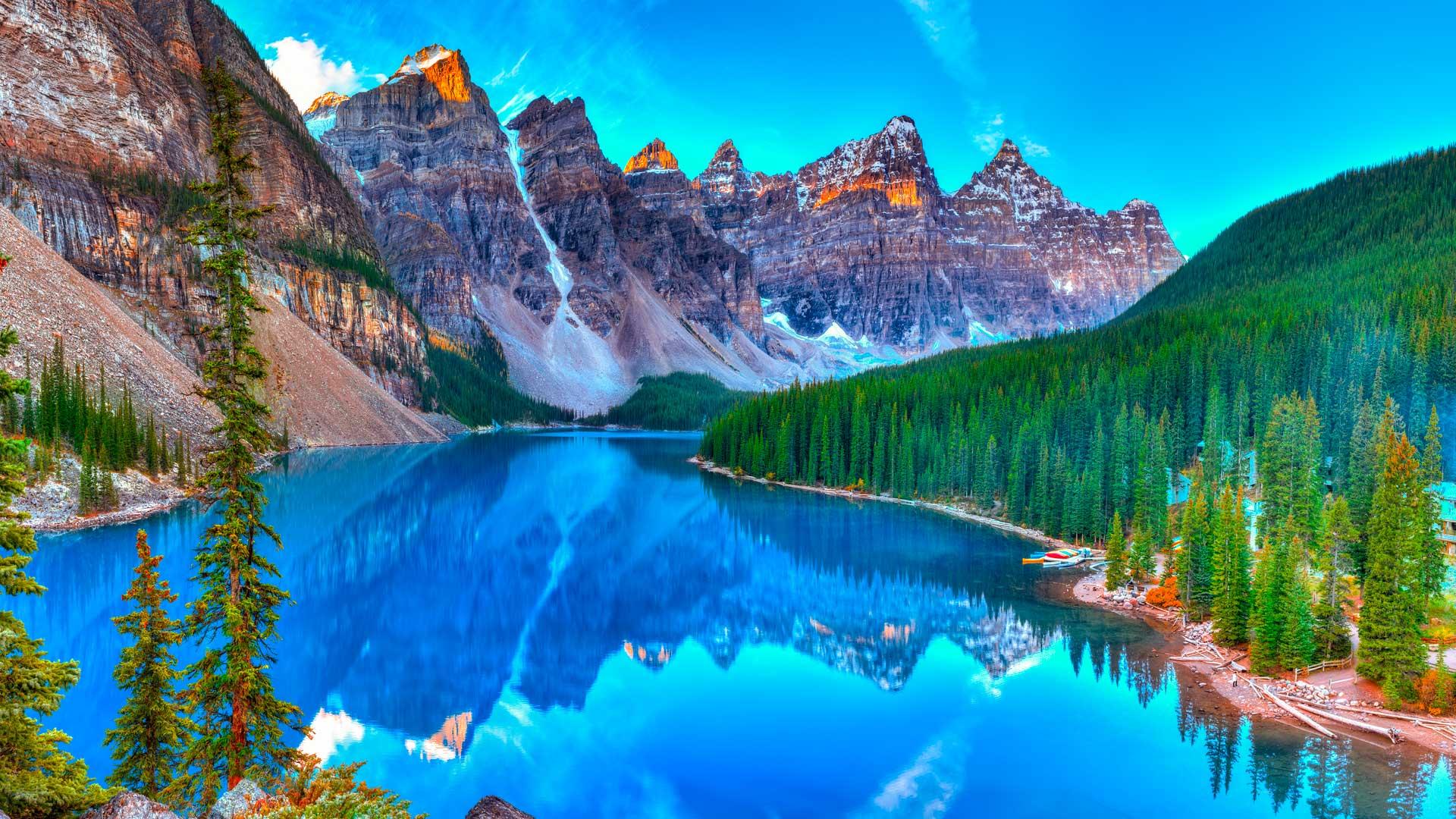
  • Breathtaking views of the Canadian Rockies and turquoise lakes among the most beautiful in the world.


Keep in mind

  • Returning a rental car in a different city may incur additional drop-off fees.
  • Vancouver is nicknamed “Raincouver” because of frequent rainfall outside the summer season. Packing a waterproof jacket is recommended.
  • Distances between cities and national parks can be long. Careful itinerary planning is essential.
Top pick

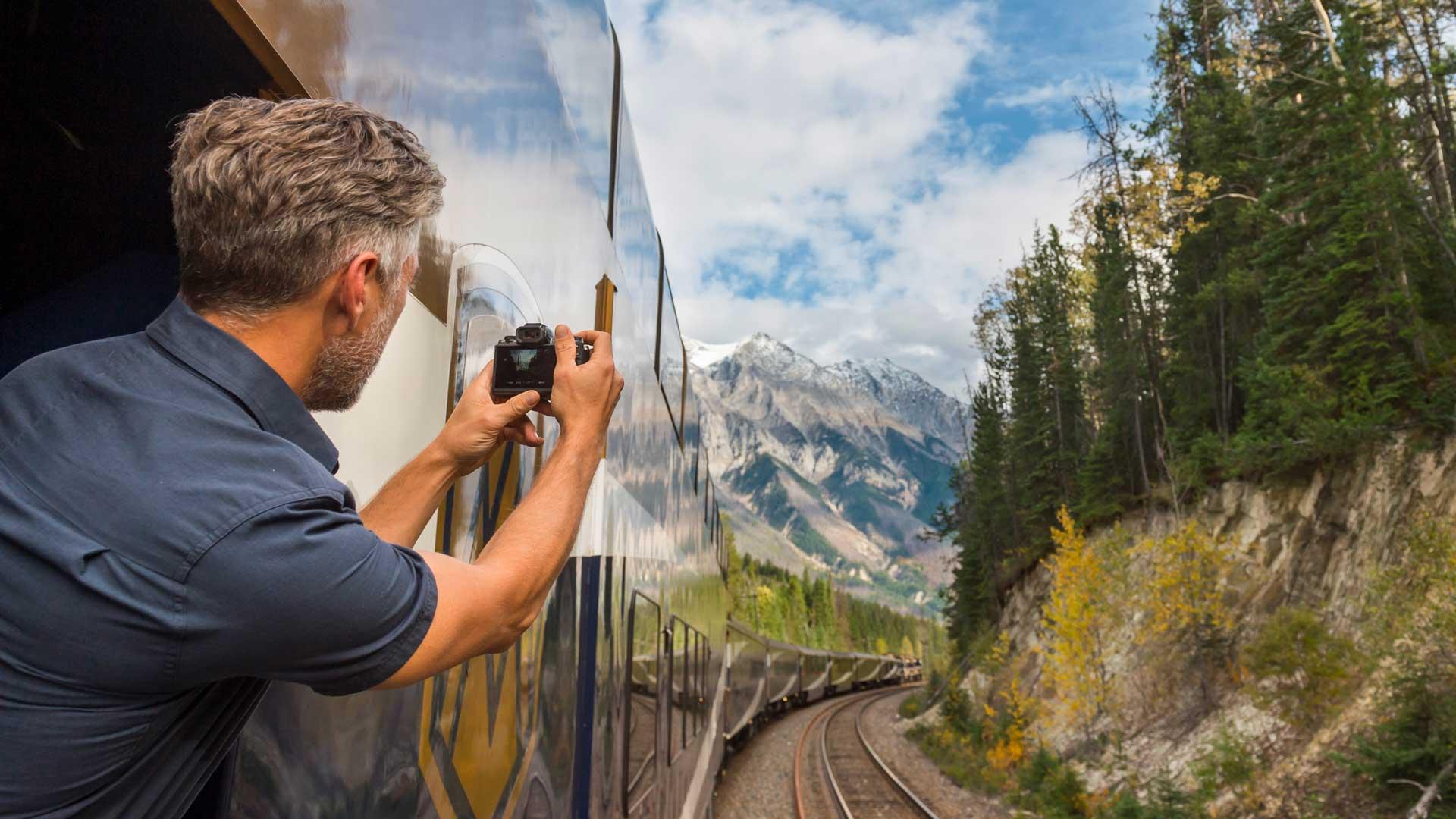
“Travelling aboard the Rocky Mountaineer was an absolute highlight. This panoramic train journey crosses spectacular scenery: sparkling glaciers, deep canyons, wild rivers and towering peaks. It’s a truly unique experience, elevated by gourmet meals served onboard and exceptional service.”

Carole RivardTravel Counsellor, Montréal Travel Centre

Salmon and Labneh Tartines with Sugar Snap Pea and Pickled Cherry Salad

Inspired by the freshness of Vancouver, this recipe features delicately smoked wild Canadian West Coast salmon. Paired with creamy labneh and crunchy snap peas, it offers a bold and refined contrast. A true coastal journey to savor from the very first bite! (Video in French only)

Good to know

  • Pack for all weather conditions, as temperatures can vary significantly from one region to another because of changes in altitude
  • The Canadian Rockies are a popular travel destination. In small towns like Jasper, hotel availability is limited—booking six to seven months in advance is recommended.
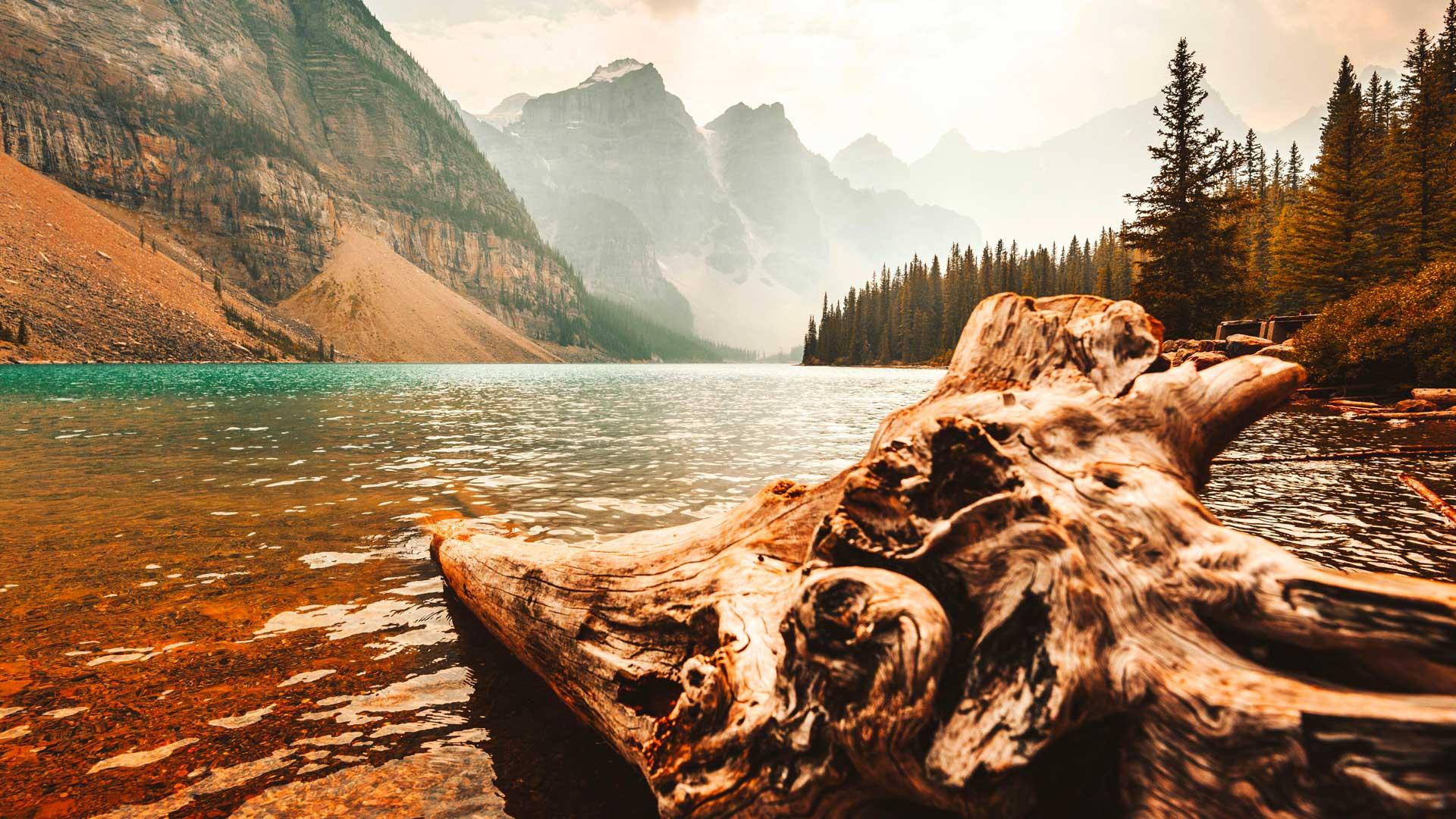
  • Moraine Lake, famous for its turquoise waters, is considered the most beautiful lake in Western Canada. One hour away from Banff, it is less crowded than Lake Louise.
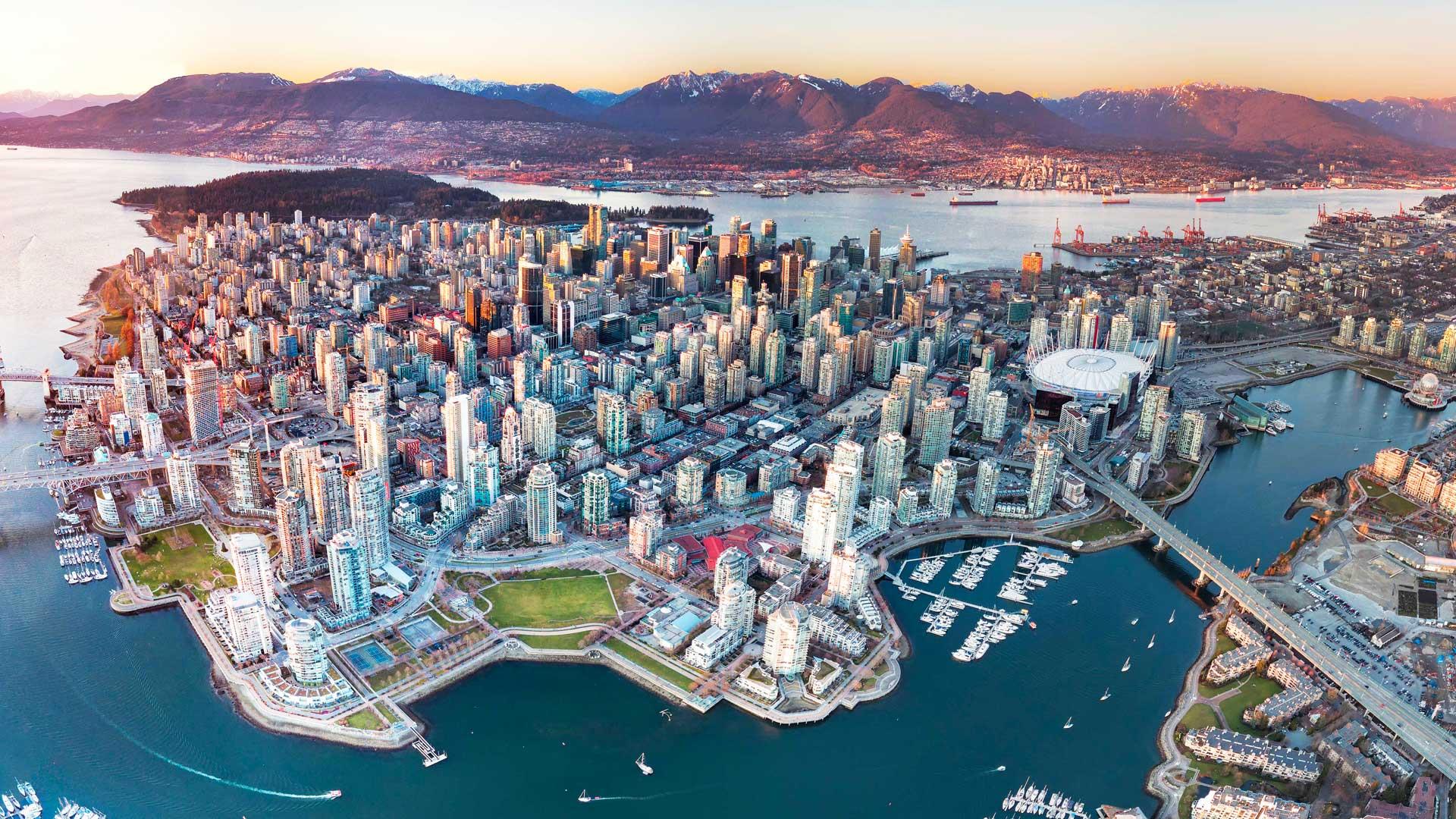
  • Vancouver is home to the largest Chinese population in Canada. Exploring Chinatown is therefore a must during your visit.

Frequently asked questions

For a first trip to Western Canada, the best time to visit is from May to September. May and June are the least crowded months, while July and August are busier. Summer remains the most enjoyable and rewarding season, with mild weather, long days and ideal conditions to fully appreciate the natural scenery.

 Winter is also an excellent time to visit, especially from December to March, when ski resorts in Whistler, Banff and Jasper offer outstanding conditions for winter sports.

Because of the long distances, driving is the ideal way to get around Western Canada. Renting a car offers the freedom to explore the Canadian Rockies, the Okanagan Valley and less accessible regions. In cities such as Vancouver or Victoria, several public transportation options are available. SkyTrain and ferries combine practicality with sightseeing. For longer distances, domestic flights provide quick connections between Vancouver, Calgary, Tofino and Kelowna.

12 to 14 days.

This time frame allows you to explore major cities and enjoy attractions in nature as well as the national parks of Western Canada at a comfortable pace.

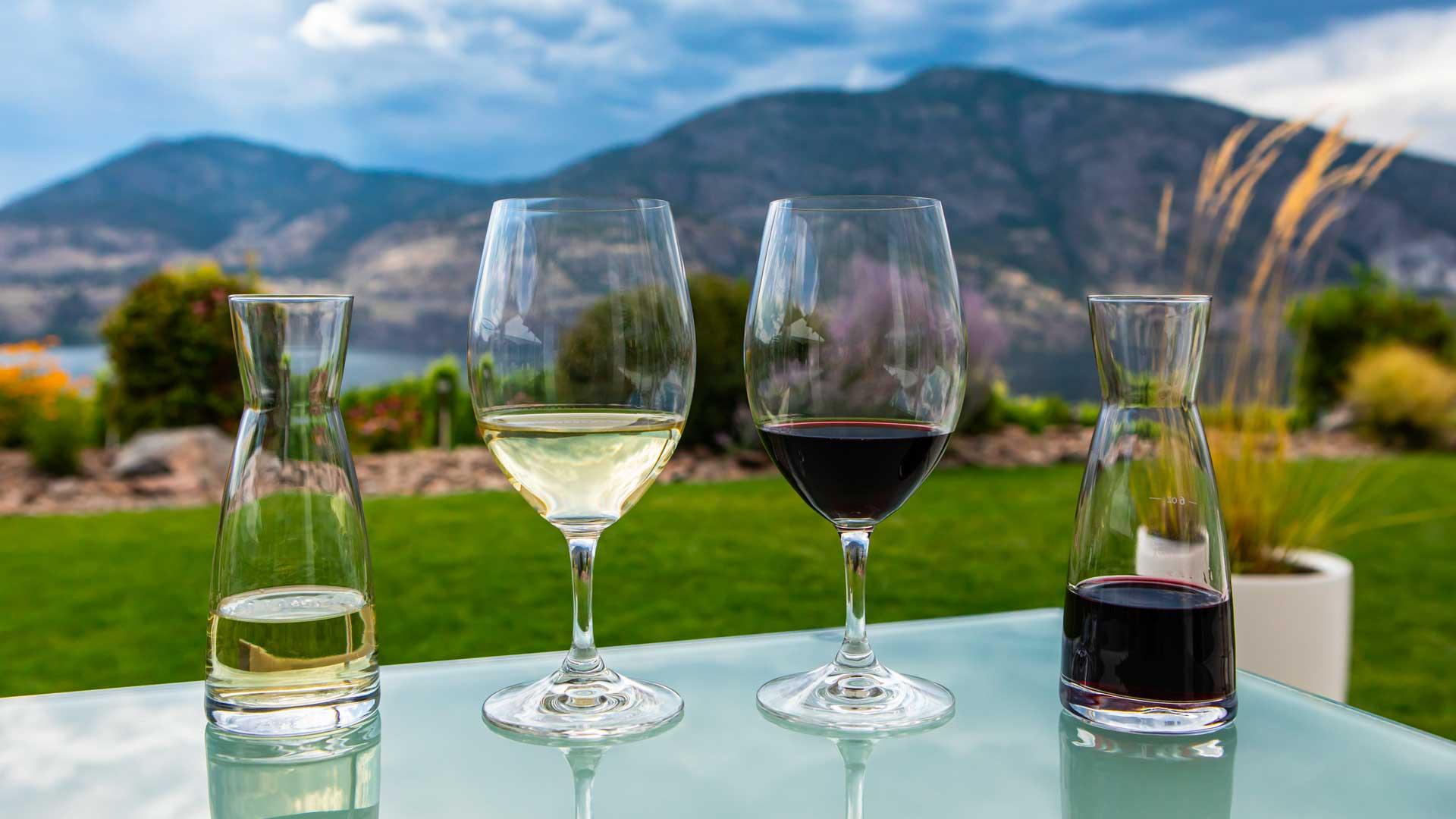
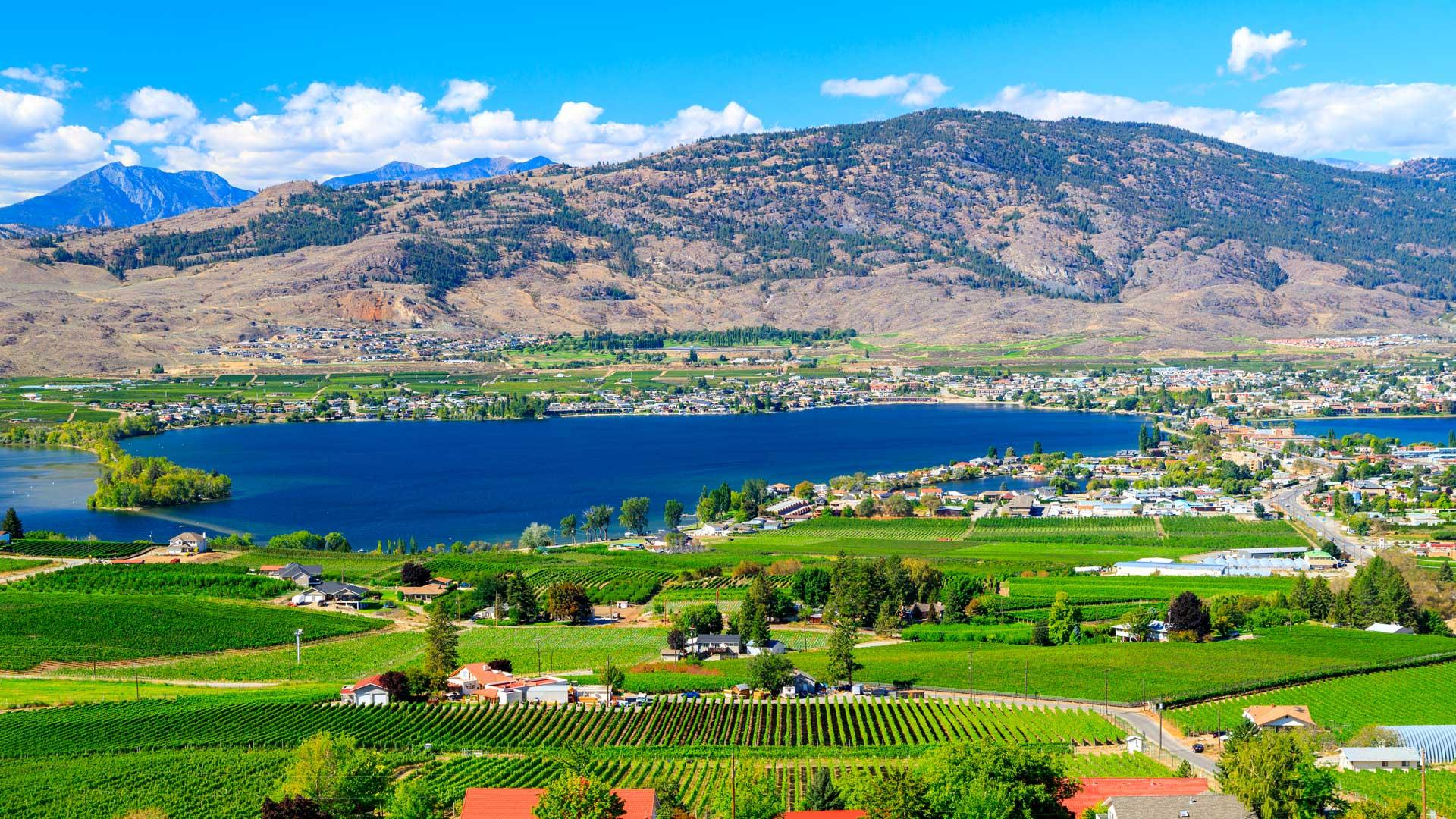
  • Okanagan Wine Festival, from September to October in the Okanagan Valley. One of the largest wine festivals in Canada, featuring wine tastings, meet-and-greets with winemakers and spectacular scenery.
  • Celebration of Light, in late July over English Bay in Vancouver. This world-renowned international fireworks competition can be enjoyed from the shoreline or aboard a cruise.
  • Calgary Stampede, in July in Calgary. This massive western festival is a must-see, with spectacular rodeos, equestrian competitions, parades, concerts and midway attractions.
  • Whale Festival, from March to October off the coast of Tofino and Vancouver Island. This event offers the chance to observe majestic grey whales, orcas and humpback whales in their natural habitat.