
Highlights
Numerous hot springs
Majestic waterfalls and geysers
Breathtaking northern lights and midnight sun
Vast glaciers and icebergs


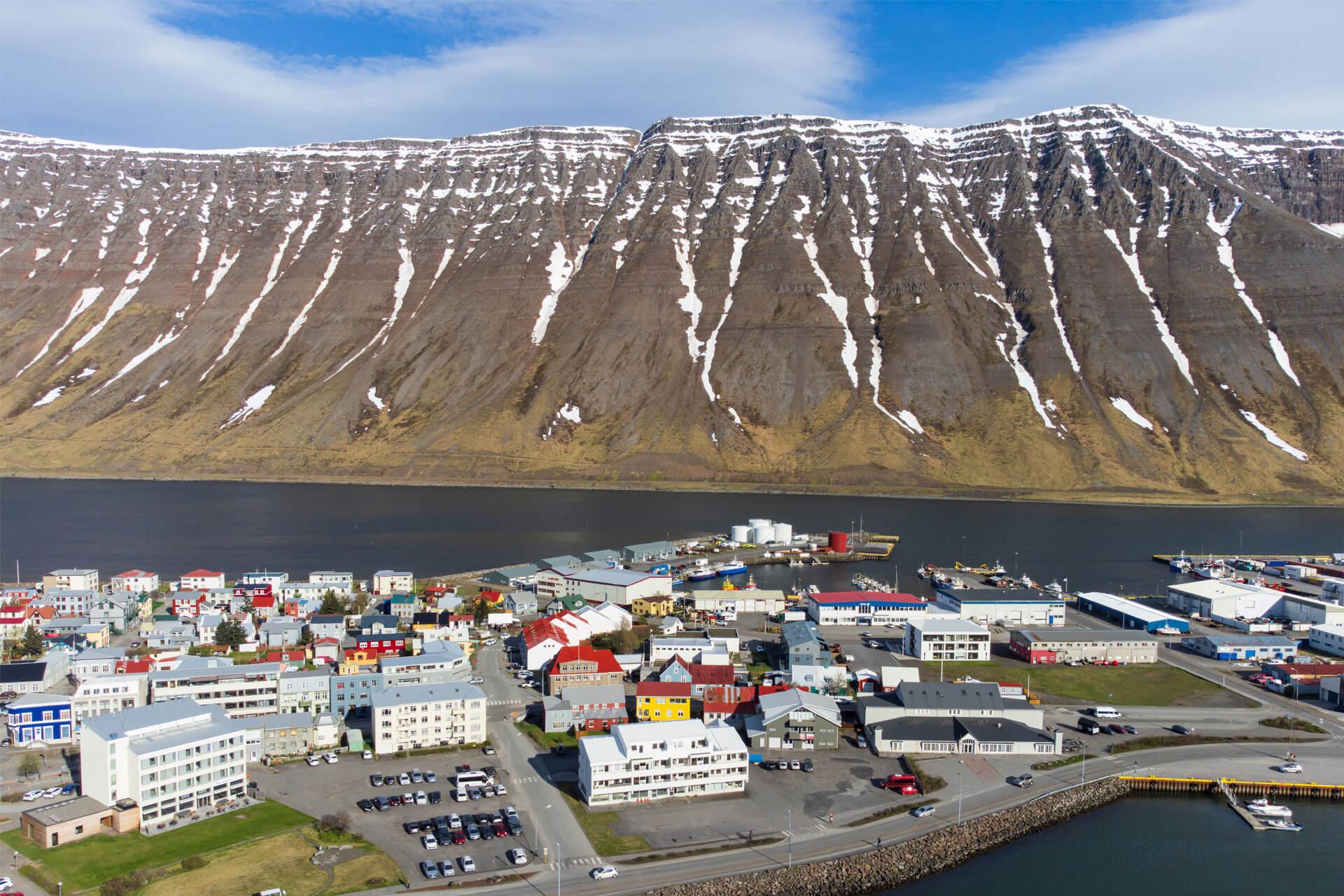
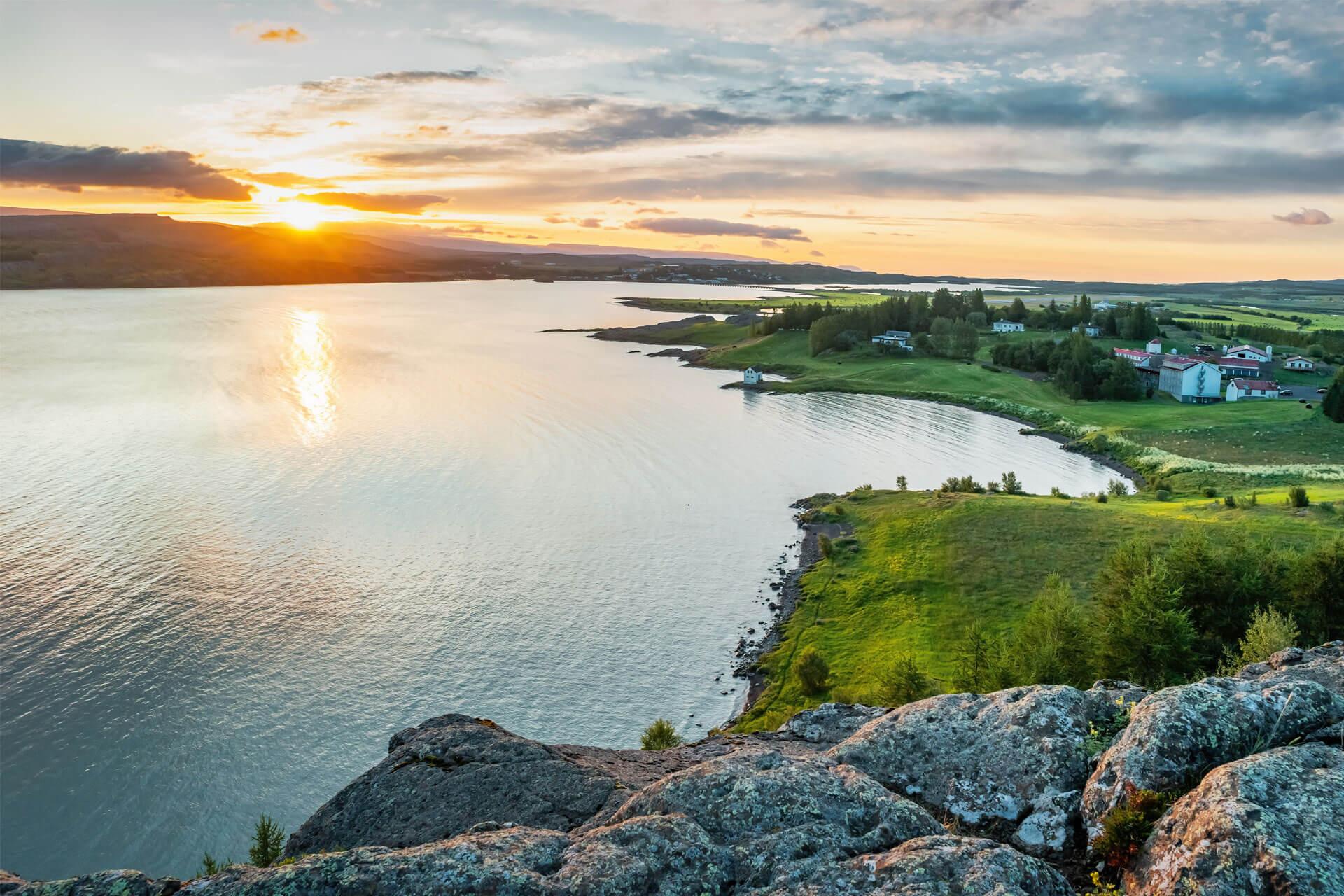
Icelandic is the country’s official language and the native tongue of 97% of the population.
English is widely spoken by most Icelanders and is common in tourist areas.
Direct flight: There are no direct flights to Iceland from Quebec.
Connecting flight: 10h à 19h (depending on connection times)
Iceland time zone: UTC+0
5h ahead of Quebec (EST)
4h ahead of Quebec (EDT)
Credit and debit cards (Visa, Mastercard, etc.) are widely accepted throughout Iceland, so carrying cash is not necessary. However, cash can be easily withdrawn from ATMs if needed.
In Iceland, service charges and taxes are included in the prices. Tips are not expected, but rounding up the bill is appreciated.
Iceland is one of the safest countries in the world. Take normal safety precautions, but stay alert: changing weather, geysers, and sneaker waves—sudden powerful waves on some beaches—can catch you by surprise.
Before any foreign trip, visit the Government of Canada’s Iceland Travel Advice page to find out about the current situation in the country.


Located in South Iceland, Vík offers a unique setting: the black sand beach of Reynisfjara; the Reynisdrangar sea stacks rising from the waves; and Víkurkirkja, the red-roofed church guarding the village. With its raw beauty and Nordic folklore, Vík is sure to captivate you.

In Vatnajökull National Park lies the vast Ásbyrgi canyon. According to legend, it was formed by the hoofprint of Sleipnir, the eight-legged horse of God Odin. Majestic cliffs, lush forests, and peaceful trails make it a place where folklore and nature come together as one.

Skagafjörður is a gem of Northwest Iceland with a rich cultural heritage. Famous for its Icelandic horse breeding, the region invites you to explore its towering mountains, majestic fjords, and crystal-clear rivers on horseback.

Dimmubórgir, which translates to “dark castle,” gets its name from its strange black lava formations that resemble the walls of a fortress. Caves, volcanic pillars, and arches create a surreal landscape, making this one of North Iceland’s most mysterious sites.

At Námafjall, near Lake Mývatn, the ground smokes and rumbles—bubbling mud pots, sulfurous fumaroles, and vivid colours make you feel like you are walking on another planet. The strong smell of sulfur only adds to this truly otherworldly experience.

White and majestic, Hallgrímskirkja is one of Reykjavik’s most iconic landmarks. Its modern architecture is inspired by Iceland’s basalt lava columns. The top of its bell tower unfolds magnificent views of the capital, the sea, and the surrounding mountains.
Located in South Iceland, Vík offers a unique setting: the black sand beach of Reynisfjara; the Reynisdrangar sea stacks rising from the waves; and Víkurkirkja, the red-roofed church guarding the village. With its raw beauty and Nordic folklore, Vík is sure to captivate you.
In Vatnajökull National Park lies the vast Ásbyrgi canyon. According to legend, it was formed by the hoofprint of Sleipnir, the eight-legged horse of God Odin. Majestic cliffs, lush forests, and peaceful trails make it a place where folklore and nature come together as one.
Skagafjörður is a gem of Northwest Iceland with a rich cultural heritage. Famous for its Icelandic horse breeding, the region invites you to explore its towering mountains, majestic fjords, and crystal-clear rivers on horseback.
Dimmubórgir, which translates to “dark castle,” gets its name from its strange black lava formations that resemble the walls of a fortress. Caves, volcanic pillars, and arches create a surreal landscape, making this one of North Iceland’s most mysterious sites.
At Námafjall, near Lake Mývatn, the ground smokes and rumbles—bubbling mud pots, sulfurous fumaroles, and vivid colours make you feel like you are walking on another planet. The strong smell of sulfur only adds to this truly otherworldly experience.
White and majestic, Hallgrímskirkja is one of Reykjavik’s most iconic landmarks. Its modern architecture is inspired by Iceland’s basalt lava columns. The top of its bell tower unfolds magnificent views of the capital, the sea, and the surrounding mountains.
Numerous hot springs
Majestic waterfalls and geysers
Breathtaking northern lights and midnight sun
Vast glaciers and icebergs

Part of Icelandic tradition for over 1000 years, skyr is a fresh dairy product similar to yogurt. It is enjoyed plain, with sugar or honey, cream, or paired with wild berries, rye bread, or dry biscuits. Skyr is a filling food and high in protein.

Pylsur, Iceland’s traditional hot dog, features a sausage made from lamb, pork, and beef. It is served in a soft brioche-style bun with onions, ketchup, sweet mustard, and remoulade sauce: a perfect blend of sweet, salty, crispy, and creamy — a must-try in Iceland.

Distinctive to Iceland, hákarl is made from fermented Greenland shark that is air-dried. Its flesh, toxic when fresh, becomes edible after several months. It has a strong, salty, and distinctive taste. Hákarl is eaten in small cubes, often accompanied by a glass of brennivín, a local spirit.

Brennivín is a traditional Icelandic spirit. Clear in colour, it is made from potatoes, grains, and caraway seed. With about 40% alcohol content, it has a dry, spicy, and herbal flavor. It is served chilled and sipped in small amounts during traditional meals or celebrations.

Kjötsúpa is a traditional Icelandic soup. It is made with lamb, carrots, turnips, potatoes, and herbs. It is a flavourful and comforting dish, most appreciated in Iceland’s cool northern climate.
Part of Icelandic tradition for over 1000 years, skyr is a fresh dairy product similar to yogurt. It is enjoyed plain, with sugar or honey, cream, or paired with wild berries, rye bread, or dry biscuits. Skyr is a filling food and high in protein.
Pylsur, Iceland’s traditional hot dog, features a sausage made from lamb, pork, and beef. It is served in a soft brioche-style bun with onions, ketchup, sweet mustard, and remoulade sauce: a perfect blend of sweet, salty, crispy, and creamy — a must-try in Iceland.
Distinctive to Iceland, hákarl is made from fermented Greenland shark that is air-dried. Its flesh, toxic when fresh, becomes edible after several months. It has a strong, salty, and distinctive taste. Hákarl is eaten in small cubes, often accompanied by a glass of brennivín, a local spirit.
Brennivín is a traditional Icelandic spirit. Clear in colour, it is made from potatoes, grains, and caraway seed. With about 40% alcohol content, it has a dry, spicy, and herbal flavor. It is served chilled and sipped in small amounts during traditional meals or celebrations.
Kjötsúpa is a traditional Icelandic soup. It is made with lamb, carrots, turnips, potatoes, and herbs. It is a flavourful and comforting dish, most appreciated in Iceland’s cool northern climate.

This classic is reinvented with the unique creaminess of skyr and a touch of vanilla. Crack the thin layer of caramelized sugar and savor Iceland in every spoonful! (Video in French only)


The best time to visit Iceland depends on your interests and budget. In winter, from October to April, it is the low season: long nights offer great chances of seeing the northern lights. In May and September, days are more balanced, prices are lower, and crowds are smaller. In summer, from June to August, it is the high season: festivals are in full swing and the sun barely sets, giving you more time to explore.
Driving is the most practical way to get around Iceland, especially for exploring landscapes outside the main cities. Renting a 4x4 vehicle is recommended in winter or for mountain roads. The only downside is that car rental and fuel can be quite expensive. Buses and guided tours are also a good option if you prefer not to drive.
7 to 10 days to explore Reykjavik, the Golden Circle, and part of the South Coast.
12 to 14 to complete the full loop around the island on Ring Road.
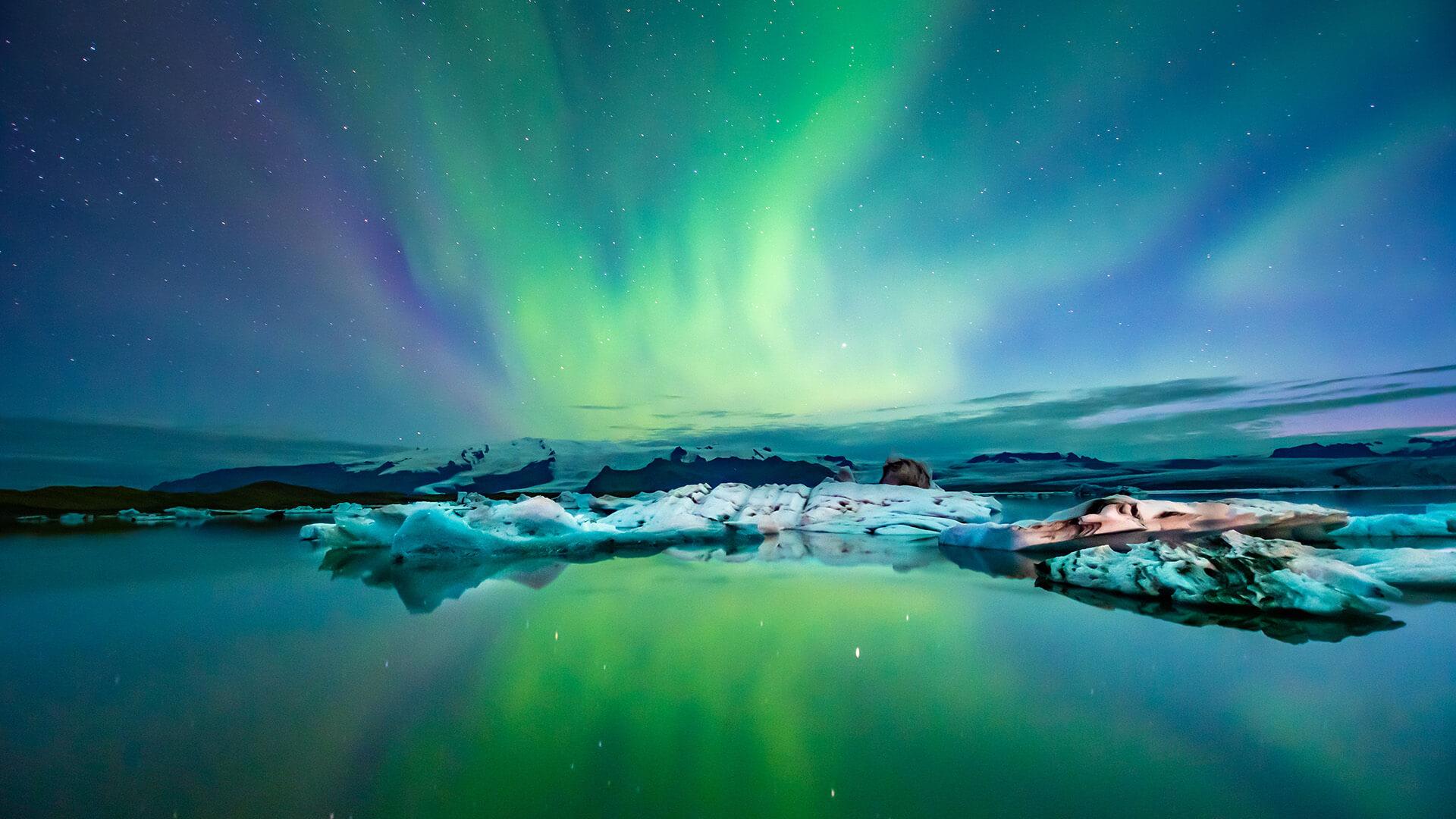

Iceland
Departures: Dec 12, 2026, Dec 19, 2026 + 10 other dates
Price from $2,769 $2,630
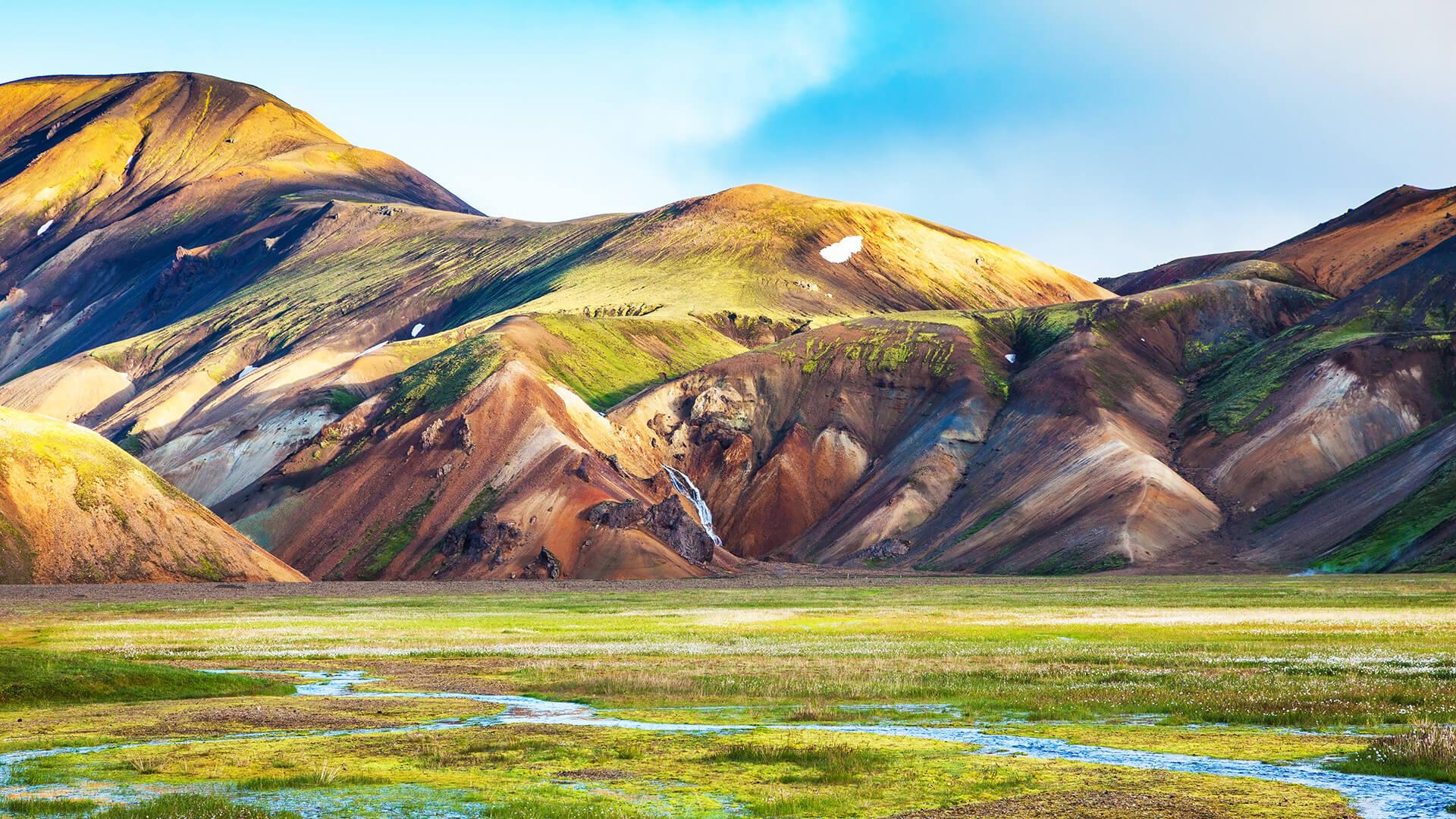
Iceland
Departures: May 29, 2027, Jun 05, 2027 + 7 other dates
Price from $4,069
North Sea
Departure: Jun 14, 2027
Price from $8,849 $8,774
Travel in complete peace of mind.
Fast, compliant and guaranteed service.
Useful for driving abroad.
Online application service.
Double-check the rules before you travel.
Suitcases, anti-theft bags, and more!
Create your personalized travel itinerary.
The world is full of wonders waiting to be discovered. After exploring the beauty of Iceland, let yourself be captivated by new places that promise unforgettable experiences.


