Poland Travel Guide

Poland is a fascinating mix of history, culture, nature, and flavours. From Warsaw to Kraków and the Baltic coast to the Tatra Mountains, discover a country shaped by World War II and figures such as Copernicus and Marie Curie. Castles, cathedrals, markets, museums, historic districts, and delicious food make Poland a captivating destination.

Useful information

Official language(s)

Polish is the official language of Poland. In major cities, tourist areas, hotels, and restaurants, English is generally well understood.

Flight duration

Direct flight: No direct flights from Quebec

Connecting flight: 11h15 to 20 hours (depending on connection times)

Time zone difference

Poland time zone: UTC+1

6 hours ahead of Quebec (EST)
6 hours ahead of Quebec (EDT)

Currency

Polish złoty (PLN)

Credit cards are widely accepted throughout Poland, particularly in hotels, restaurants, shops, and tourist attractions. Euros may occasionally be accepted, but using złotys is preferable in small shops, local markets, and food stalls as well as when leaving tips. Therefore, carrying a small amount of cash is recommended.

Tips

Tipping is not required in Poland, but it is appreciated for good service. In restaurants, leaving around 10% of the bill is common. In cafés, bars, and taxis, you can simply round up the bill or leave a few extra złotys.

Safety

Poland is considered a safe country for travellers. Standard safety precautions are recommended in major cities and crowded areas. Extra vigilance is also advised in bars and during large gatherings.

Before any foreign trip, visit the Government of Canada’s Poland Travel Advice page to find out about the current situation in the country.

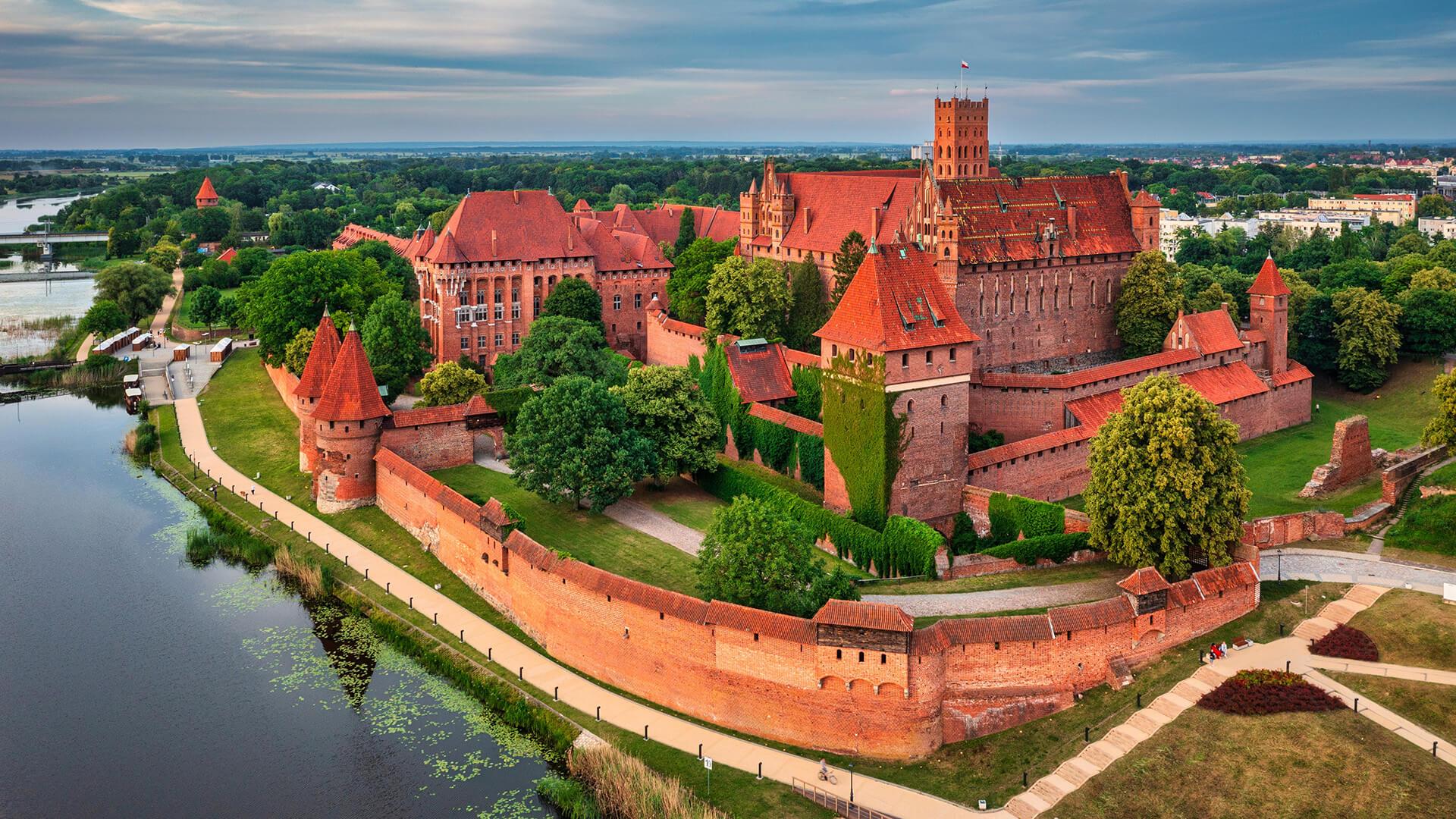
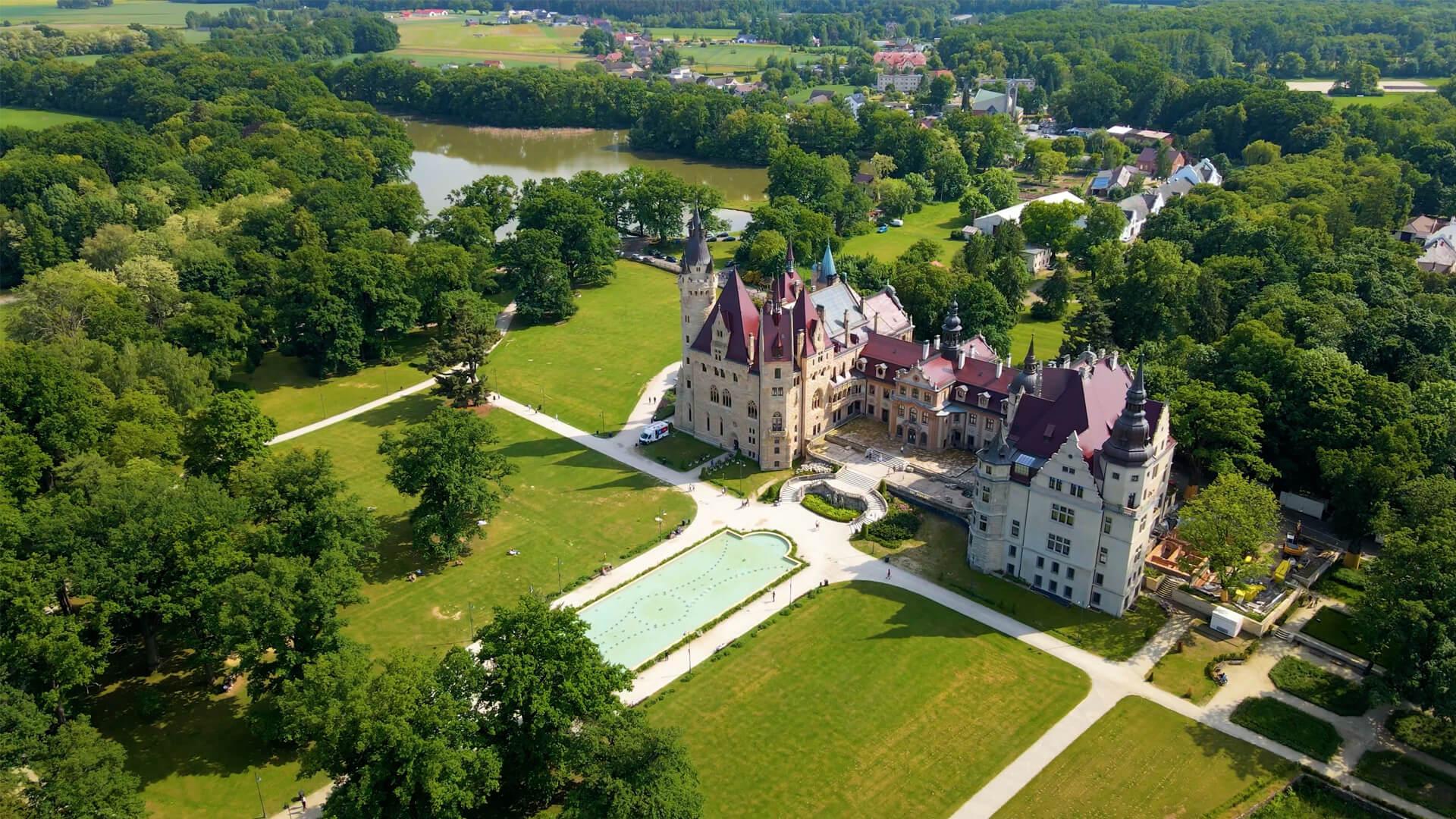
  • A remarkable historical heritage, including medieval cities, castles, and UNESCO World Heritage Sites.
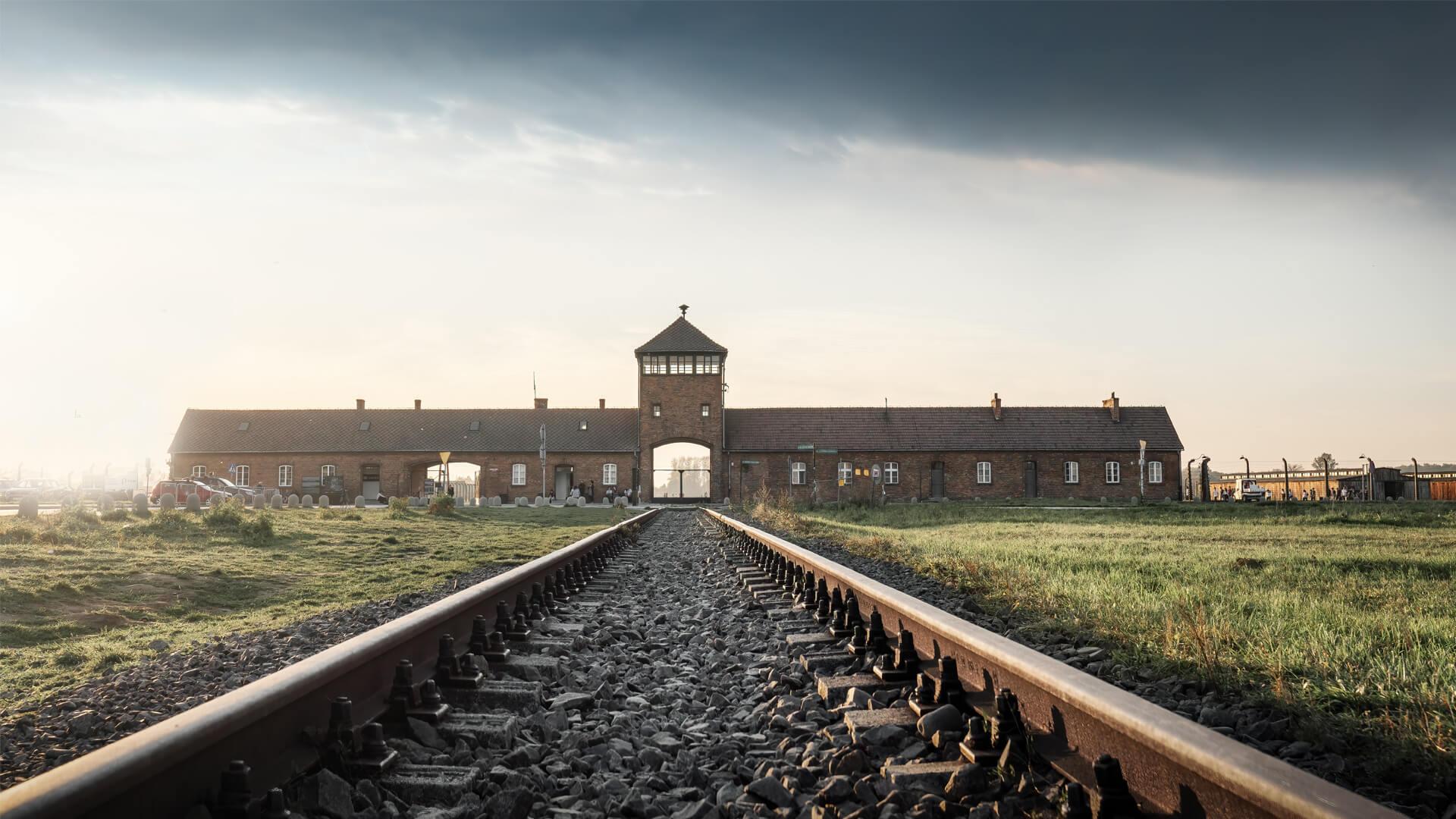
  • A meaningful destination for learning more about the history of World War II.
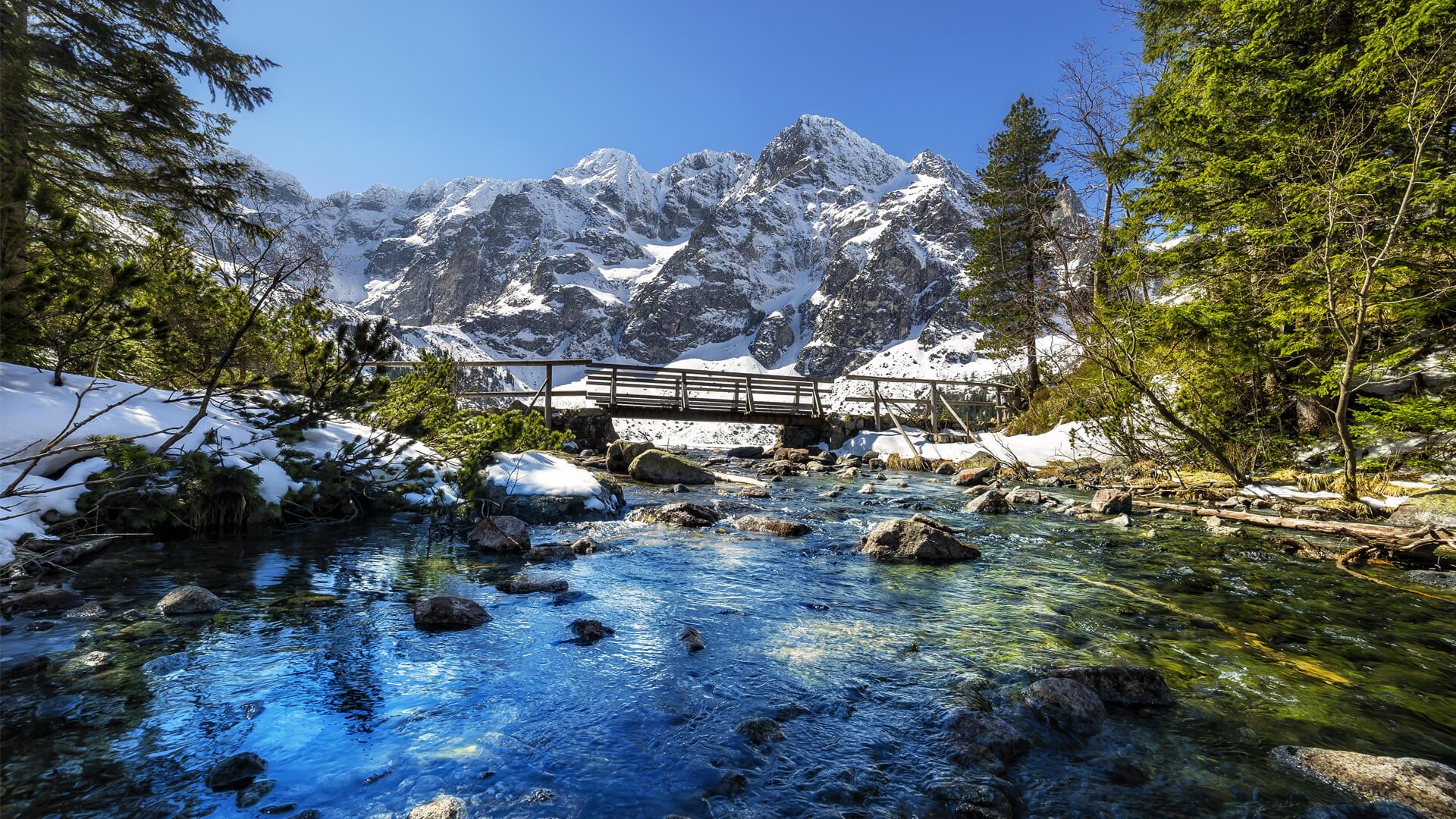
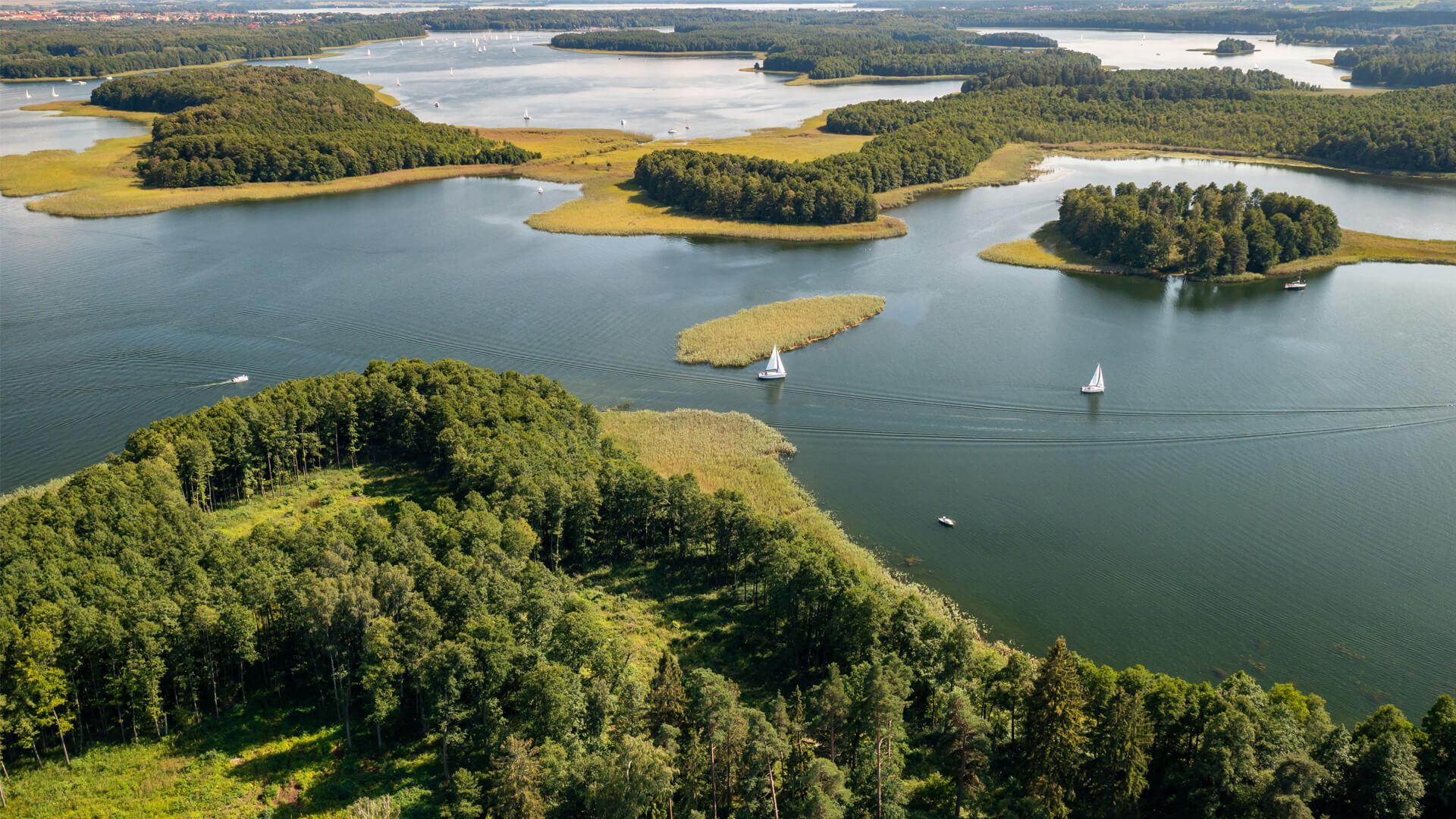
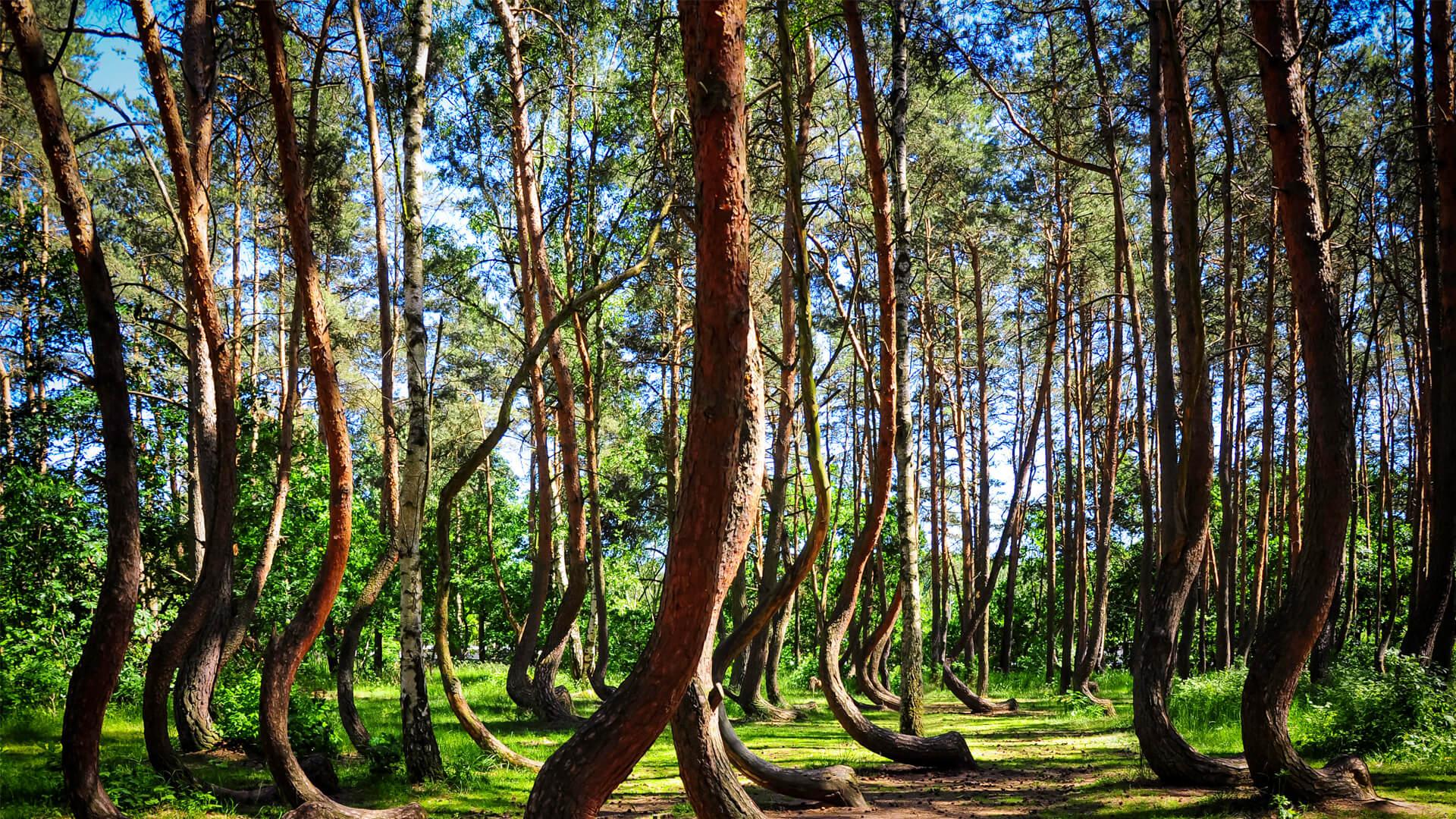
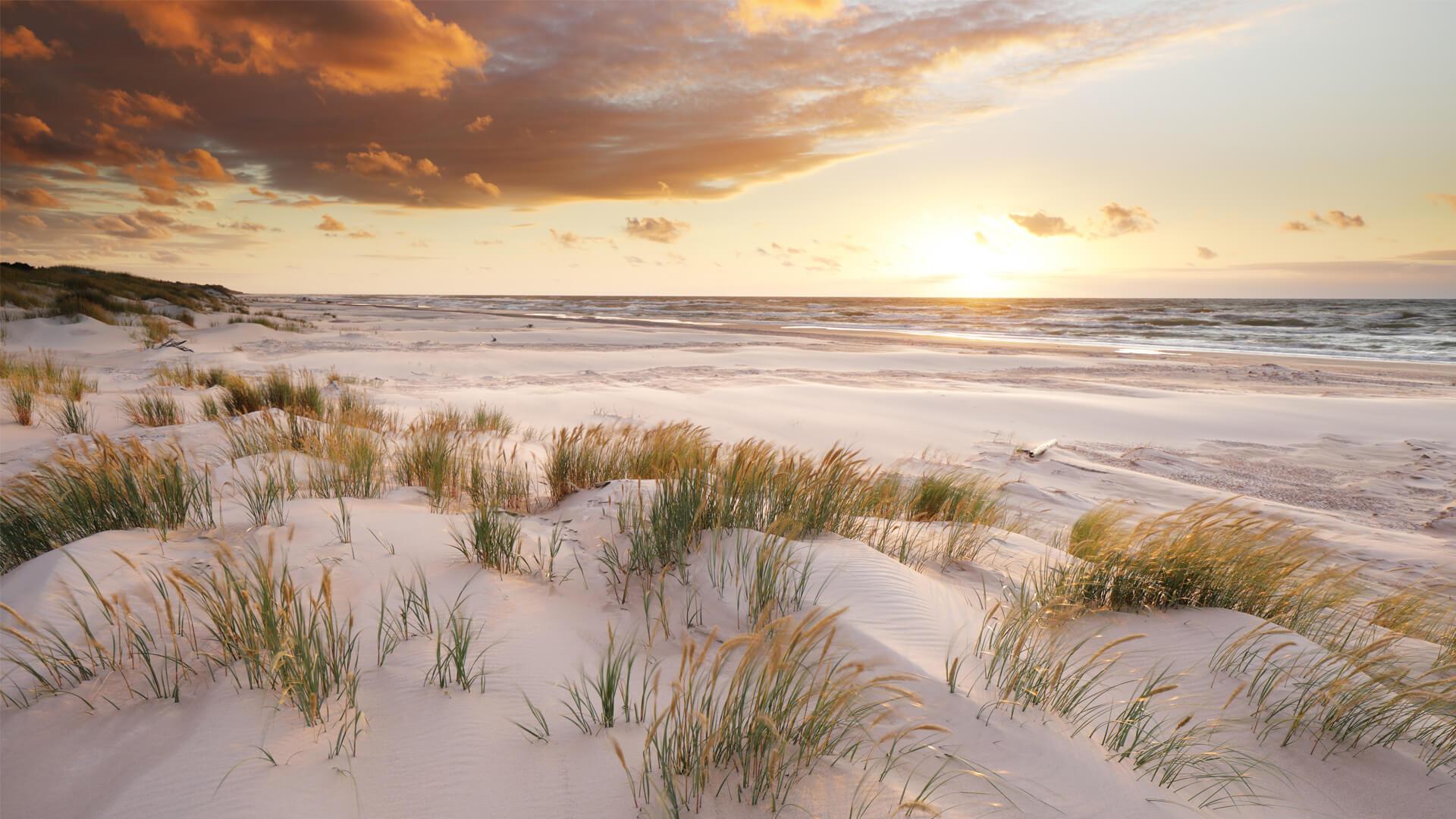
  • A wide variety of beautiful landscapes, from the Tatra Mountains and Masurian Lakes to forests and the Baltic coast.
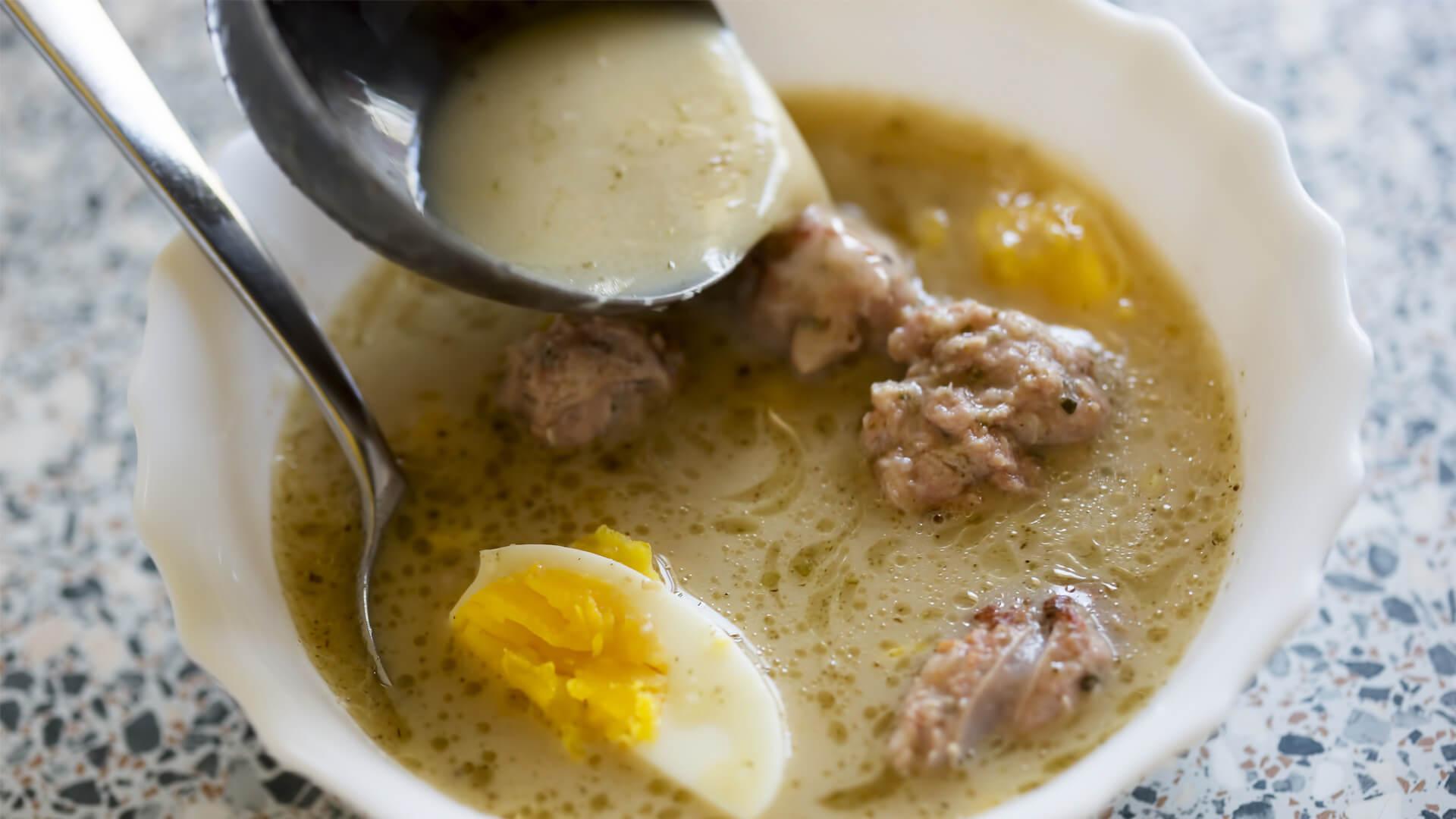
  • Hearty, comforting cuisine.
Keep in mind

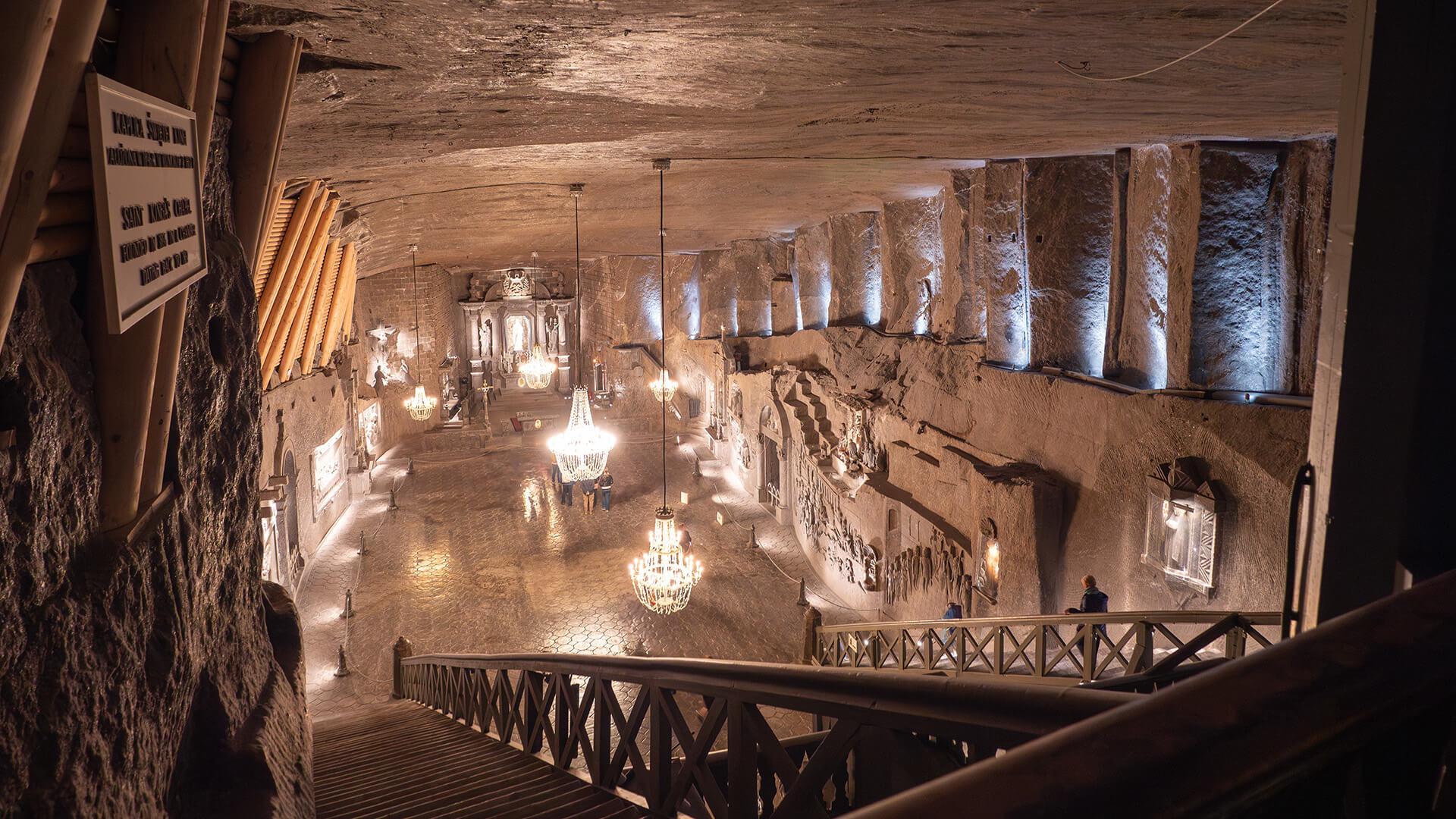
  • Popular tourist sites such as Kraków, Wieliczka, Auschwitz-Birkenau, and Zakopane can be very crowded, especially in summer.
  • Historic sites connected to the war can be emotionally challenging to visit.
  • Language can be a barrier outside major cities and popular tourist areas.
Top pick

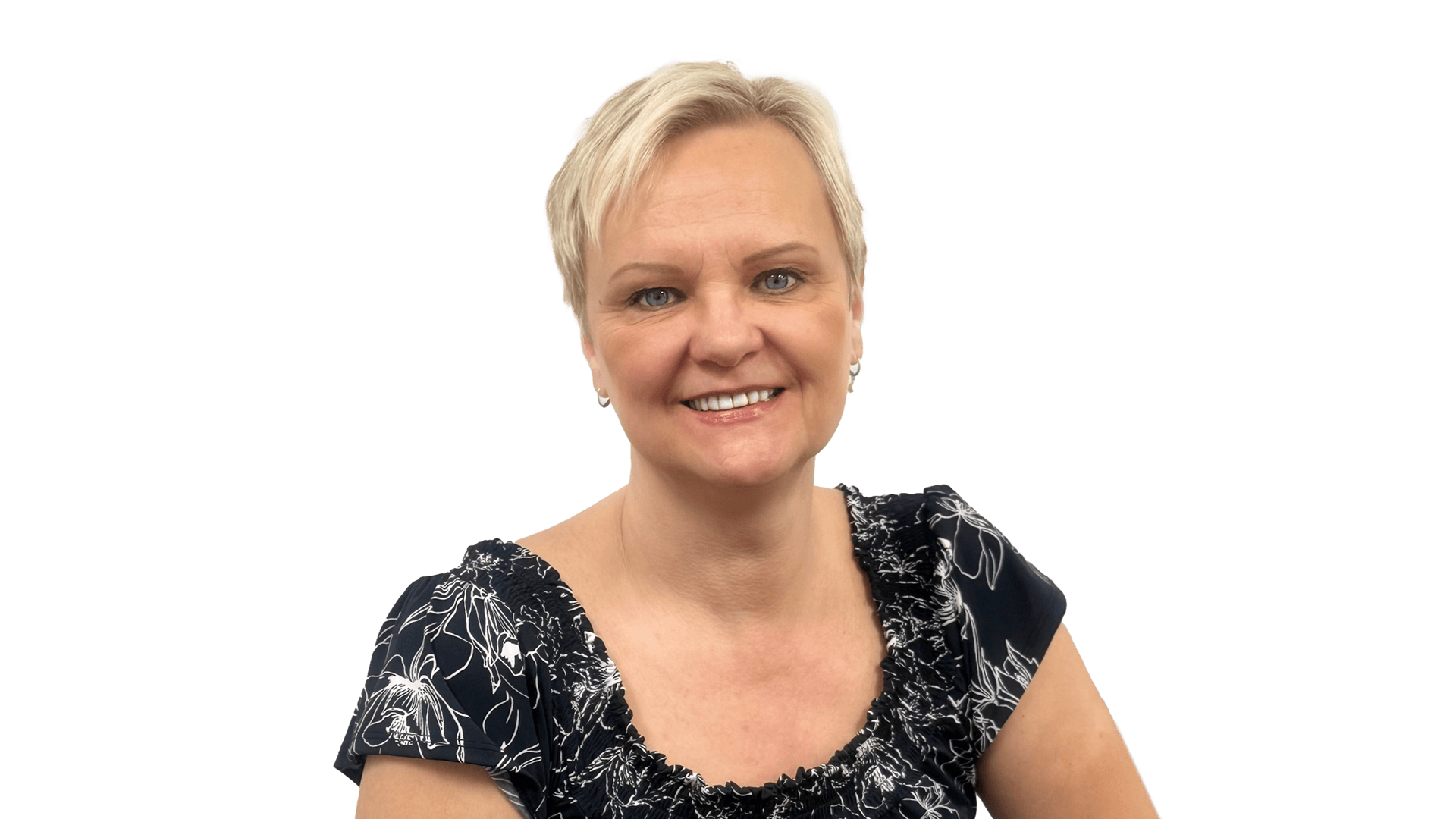
“Poland will always hold a special place in my heart: it’s the country where I grew up. That precious connection drives me to share it with others, as it has so many treasures to offer. Between its history, culture, and hospitality, it truly deserves the time it takes to explore.”

Joanna Magierowska Travel Counsellor, Pointe-Claire Travel Centre

Good to know

  • Poland is part of the Schengen Area. Depending on your nationality, you may be able to stay for up to 90 days without a visa, or you may need to apply for a Schengen visa before travelling. Check the entry requirements that apply to your citizenship before departure.
  • Shops are usually closed on Sundays, with a few exceptions, so it is a good idea to plan your shopping in advance.
  • Poland is a large country, so allow enough time for travel, especially when planning an itinerary that includes several regions outside major cities.
  • For hiking and outdoor activities, bring sturdy footwear and clothing suited to the conditions. In the mountains, the weather can change quickly.

Frequently asked questions

Poland can be visited year-round, with each season offering a different experience. May, June, September, and October are especially pleasant, with mild temperatures and landscapes that are either lush green or filled with seasonal colour. These months are ideal for exploring cities, discovering the country’s heritage, and enjoying hiking trails.

In Poland, the train is the most practical way to travel between major cities such as Warsaw, Kraków, Gdańsk, and Wrocław. The rail network is well developed, and journeys are generally fast. Within cities, public transit is an excellent option. To explore rural areas, national parks, and the mountains, renting a car offers greater flexibility.

10 to 14 days.

This is an ideal time frame to visit the country’s major cities while also discovering some of its natural and historic highlights.

  • Open’er Festival, in early July, in Gdynia. One of Poland’s largest music festivals, it brings together major international artists and thousands of festivalgoers on the Baltic coast in a lively atmosphere.
  • St. Dominic’s Fair, from late July to early August, in Gdańsk. For more than three weeks, this tradition dating back over 760 years transforms the Old Town into a huge open-air market filled with crafts, food, antiques, and souvenirs.
  • International Chopin Festival in Duszniki-Zdrój, in August, in Duszniki-Zdrój. Chopin’s work is celebrated through piano recitals and concerts featuring internationally renowned performers. The program also includes exhibitions, lectures, talks, and a variety of activities inspired by the composer’s universe.