Austria Travel Guide

In the heart of Europe, Austria captivates with the elegance of Vienna and Salzburg, and the breathtaking landscapes of the Alps. From Alpine villages and crystal-clear lakes to UNESCO World Heritage sites, it offers an inspiring journey. Enjoy a river cruise and experience the magic of nature, classical music and local traditions.

Useful information

Official language(s)

The official language of Austria is German. English is widely spoken in tourist areas and major cities, while in smaller villages or rural regions, it may be less common.

Flight duration

Direct flight: 7h15 to 8 hours
Connecting flight: 10 to 18 hours (depending on connection times) 

Time zone difference

Austria time zone: UTC+1
6h ahead of Quebec (EST)
6h ahead of Quebec (EDT) 

Currency

Euro (EUR)

Credit and debit cards are widely accepted throughout Austria. It is also recommended to carry some cash for small purchases, tips, markets and visits to smaller villages.

Tips

Tipping in Austria is appreciated but not mandatory. In restaurants, cafés, taxis or for tour guides, it is common to round up the bill or leave 5–10% of the total. Even when paying by card, it is best to give tips in cash.

Safety

Austria is a safe destination. Standard safety precautions are recommended in major cities. For outdoor activities, it is important to be well prepared and consider the wildlife, weather and terrain conditions.

Before any foreign trip, visit the Government of Canada's Austria Travel Advice page to find out about the current situation in the country.

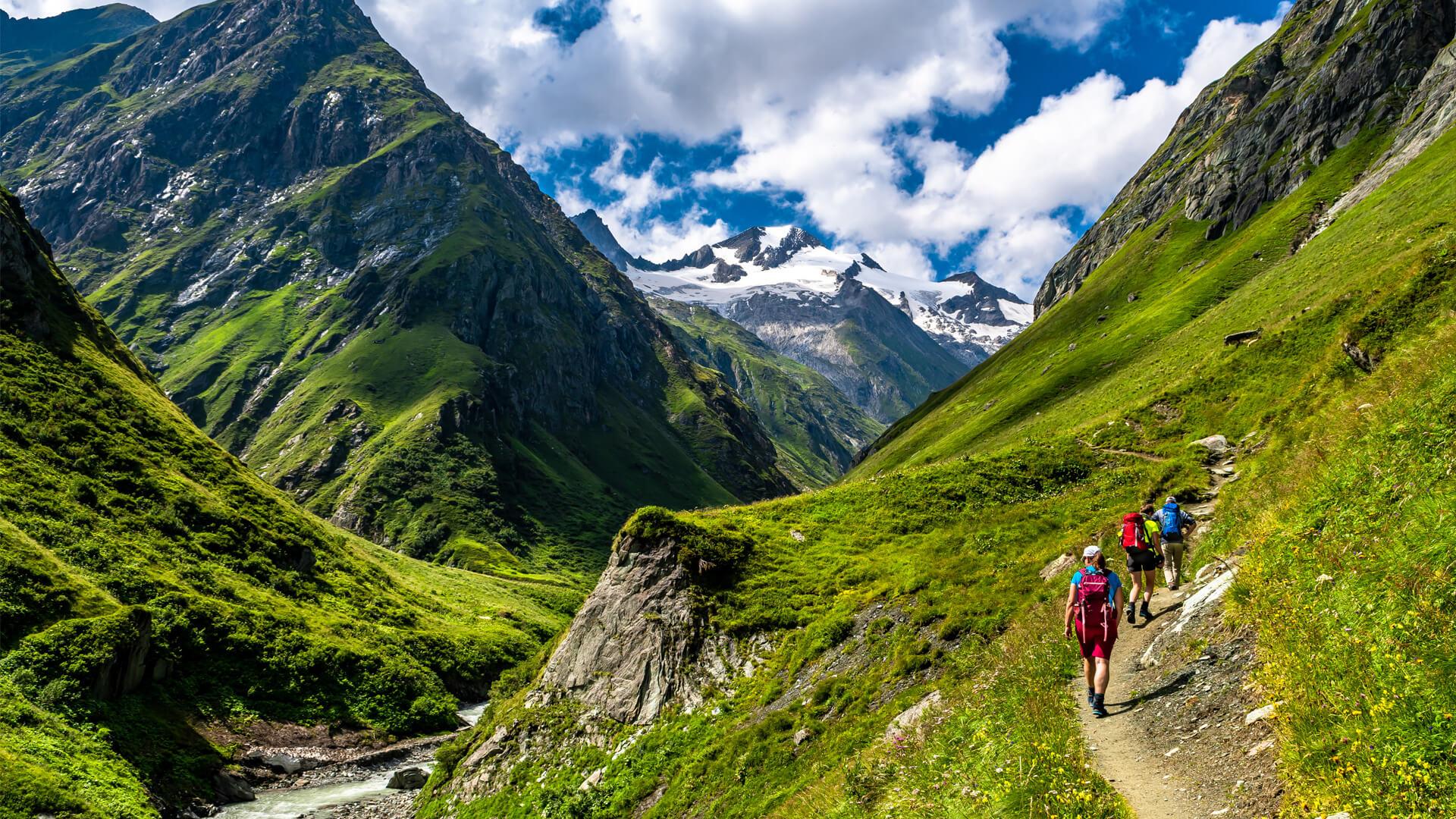
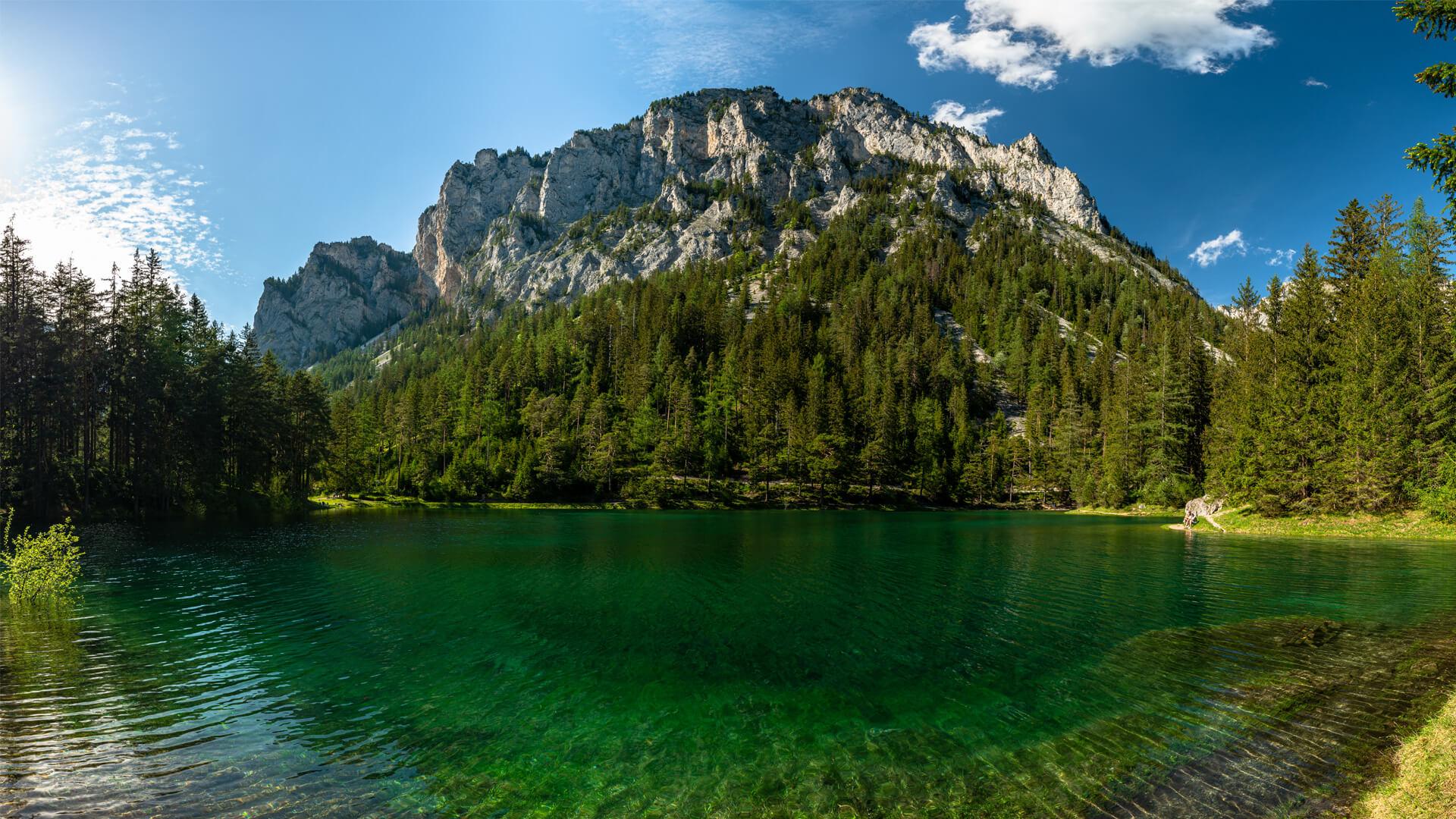
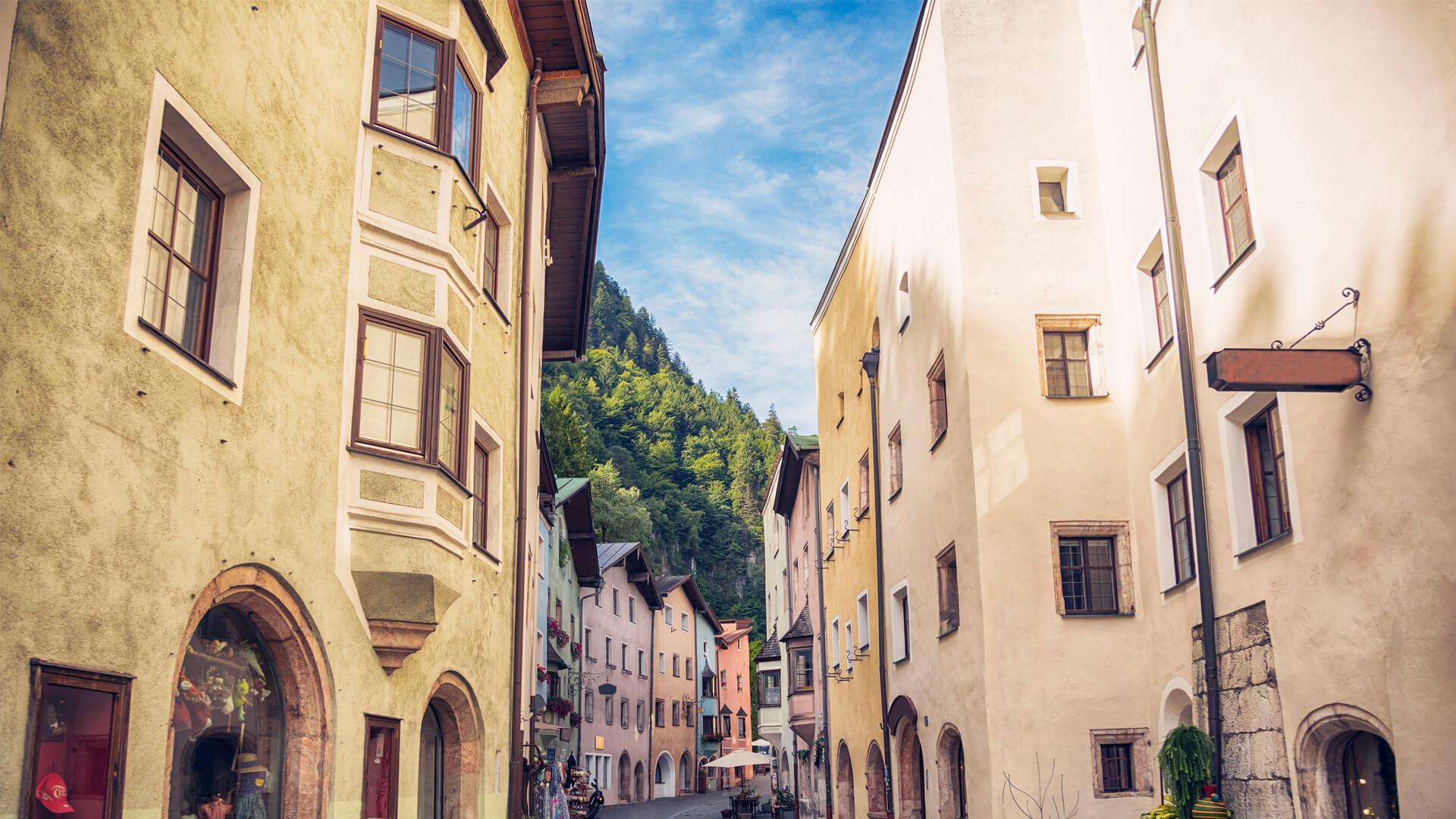
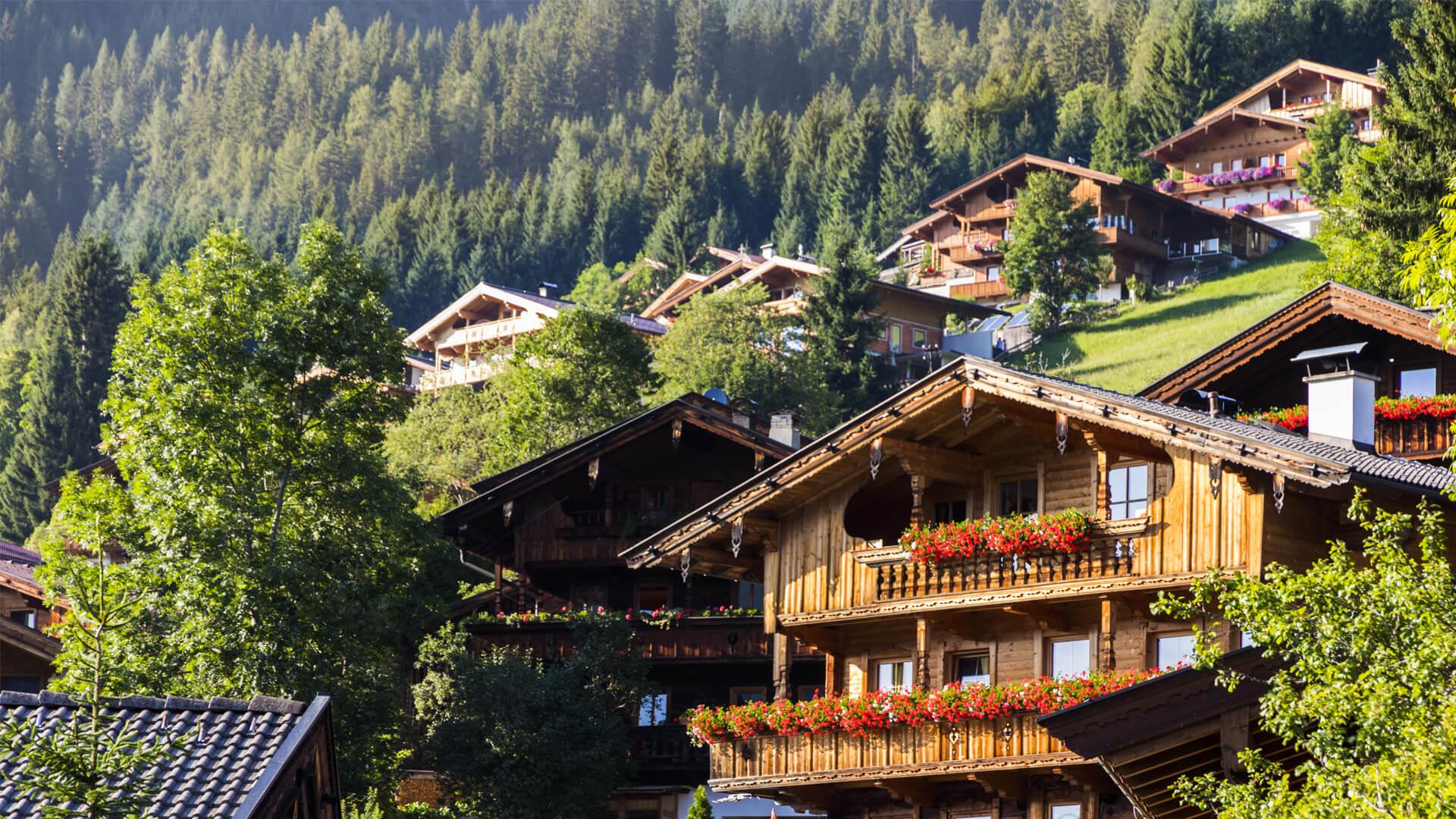
  • Spectacular landscapes: the Alps, emerald lakes and picturesque villages.
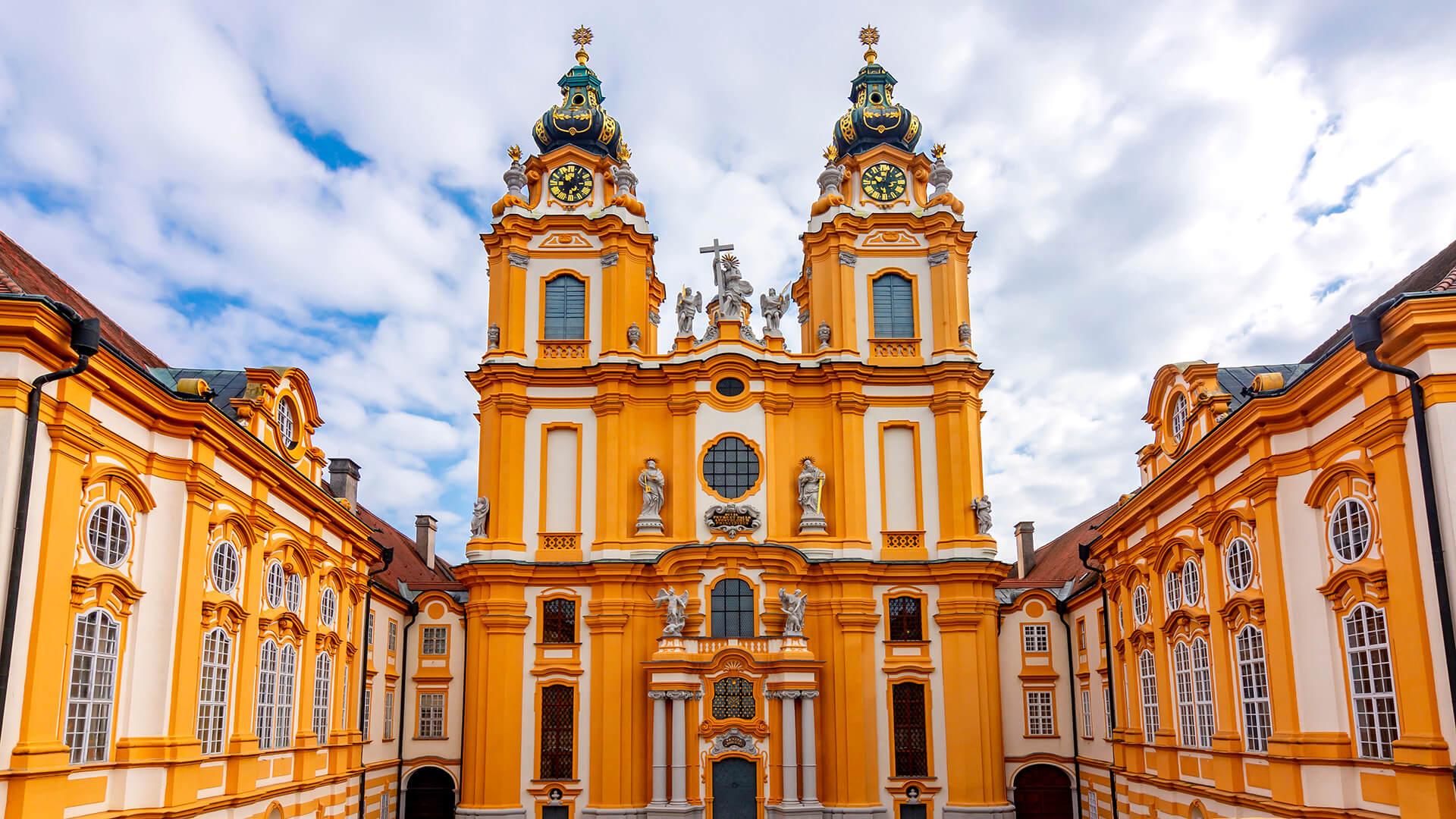
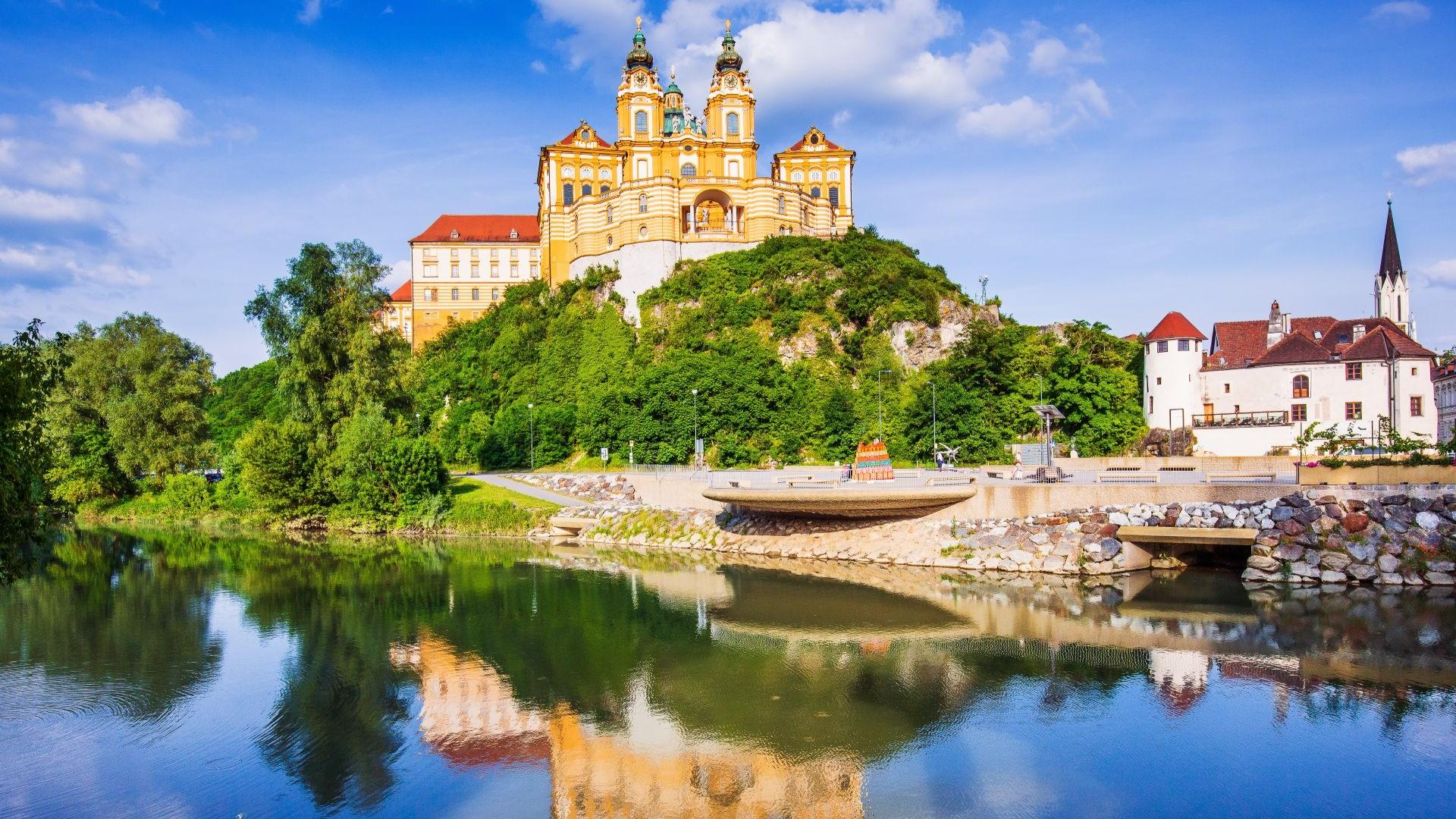
  • Rich cultural heritage: the historic centres of Vienna and Salzburg, both UNESCO World Heritage sites.
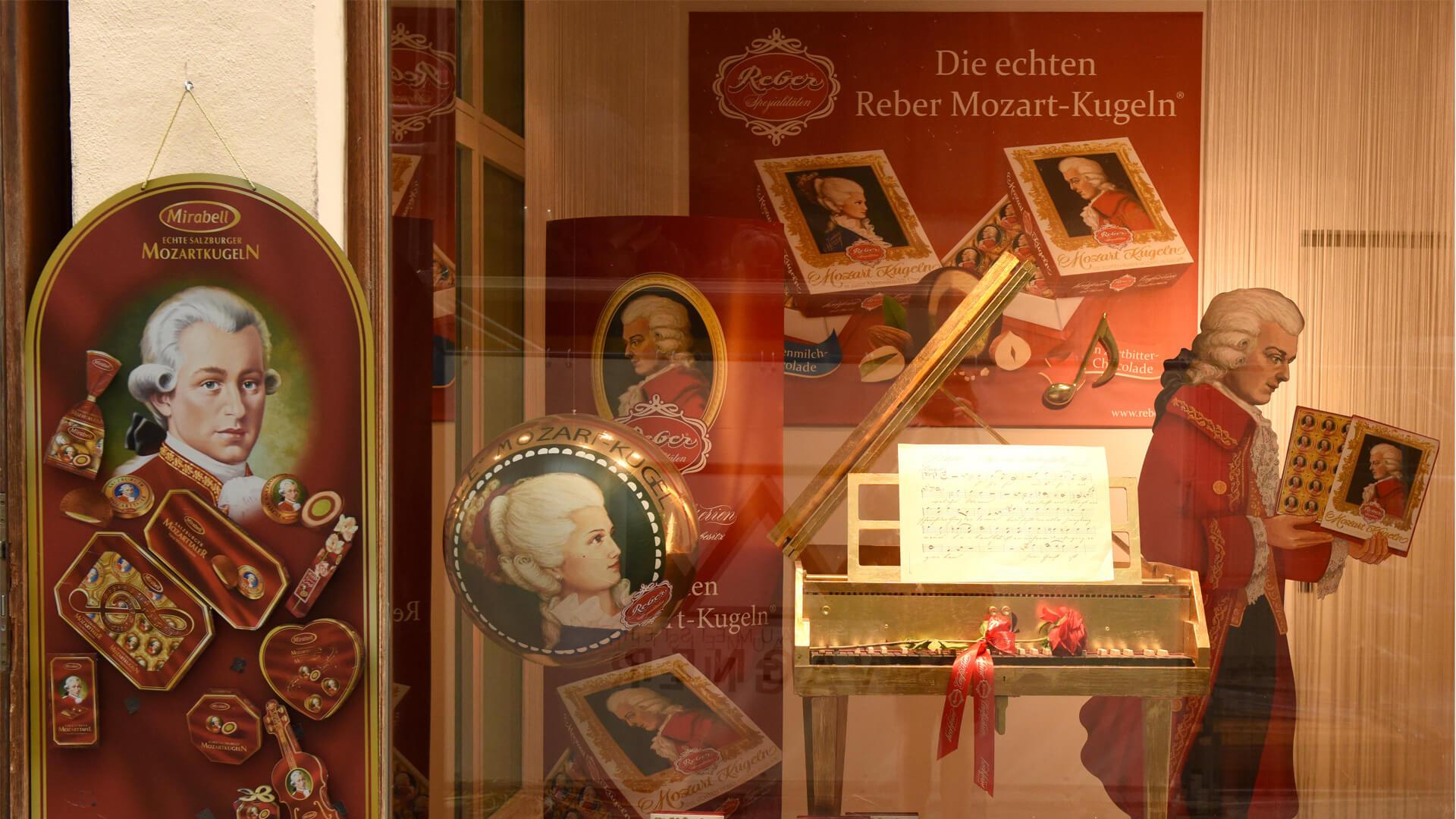
  • A strong classical music tradition: Mozart, Haydn, Schubert and Strauss.
  • Renowned ski resorts.
Keep in mind

  • A high cost of living.
  • Many businesses are closed on Sundays.
Top pick

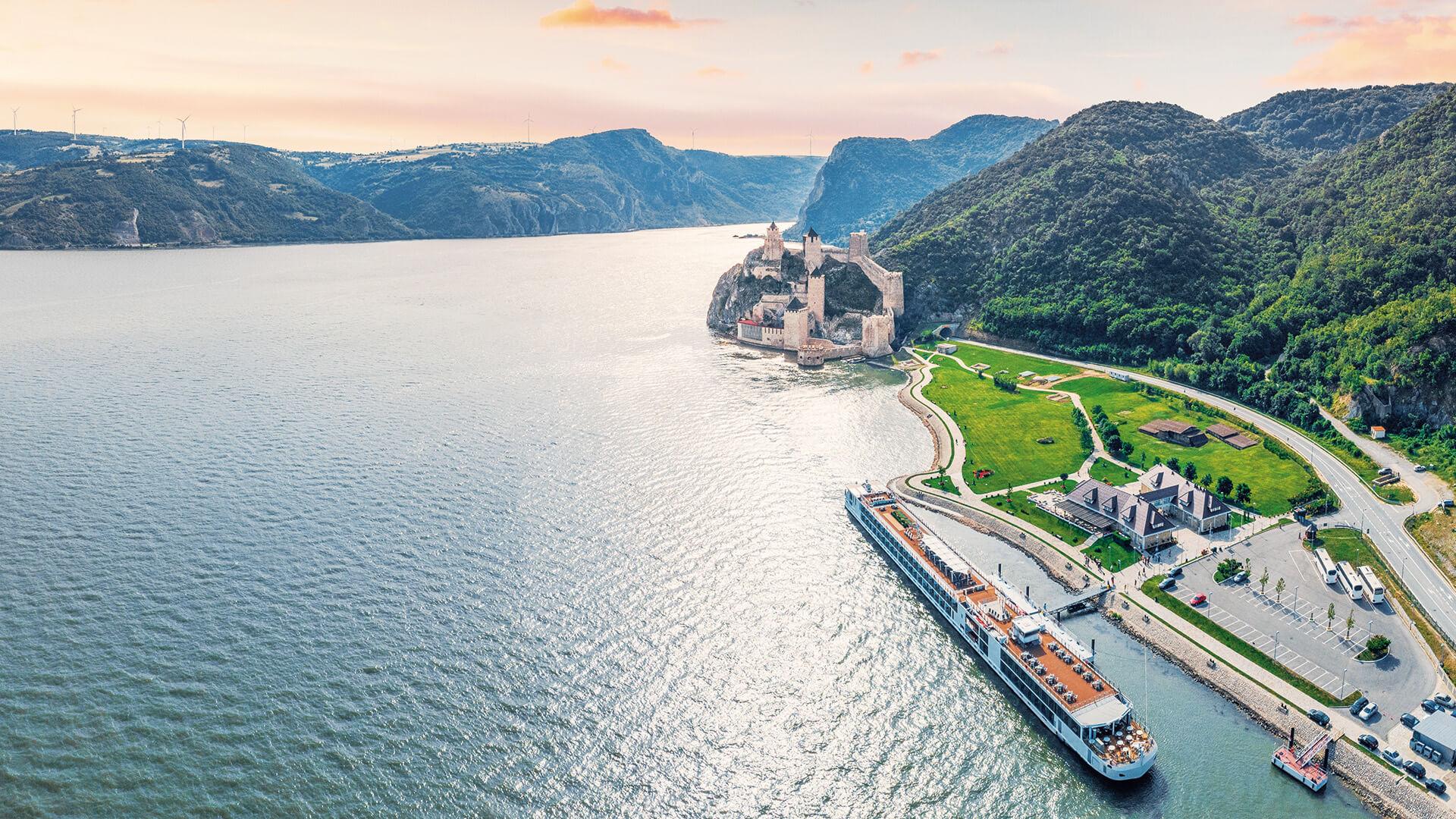
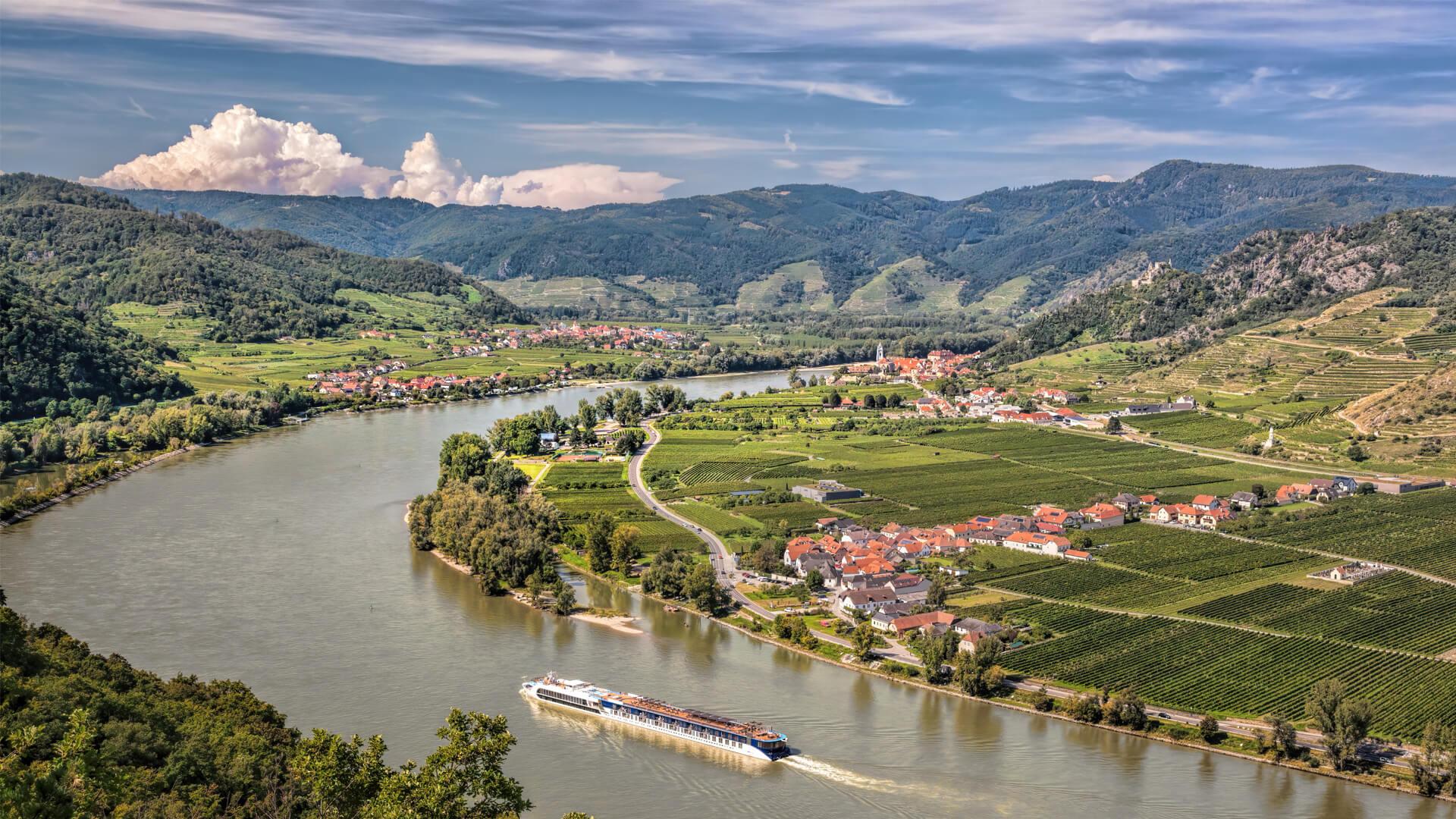
“Taking a cruise on the Danube is a unique way to experience Austria. From the elegance and refinement of Vienna to the peaceful landscapes lining the river, each stop reveals a fascinating blend of culture, history and natural beauty.”

Anick LauzonTravel Counsellor, Laval Travel Centre

Good to know

  • Cafés are a true institution-places to settle in, enjoy a Viennese coffee topped with whipped cream, read the newspaper and soak up the local atmosphere.
  • The stunning Danube Cycle Path stretches for miles along the river, both to the north and to the south.
  • A Danube cruise offers a pleasant and original way to discover Austria's landscapes and villages.

Frequently asked questions

The best time to visit Austria depends on what you want to experience. From June to September, the high season brings warm temperaturesideal for exploring cities, the Alps and enjoying festivals. In winter, Christmas markets run from mid-November to late December, while ski season typically lasts from mid-December to March. May and October are quieter months, great for hiking.

Austria's train and bus network is an excellent way to get aroundthey are reliable, and connect all major cities. Public transportation, including trams, buses and metro systems, is also highly developed. Renting a car remains the best option for exploring Alpine regions and more remote villages.

10 to 14 days.

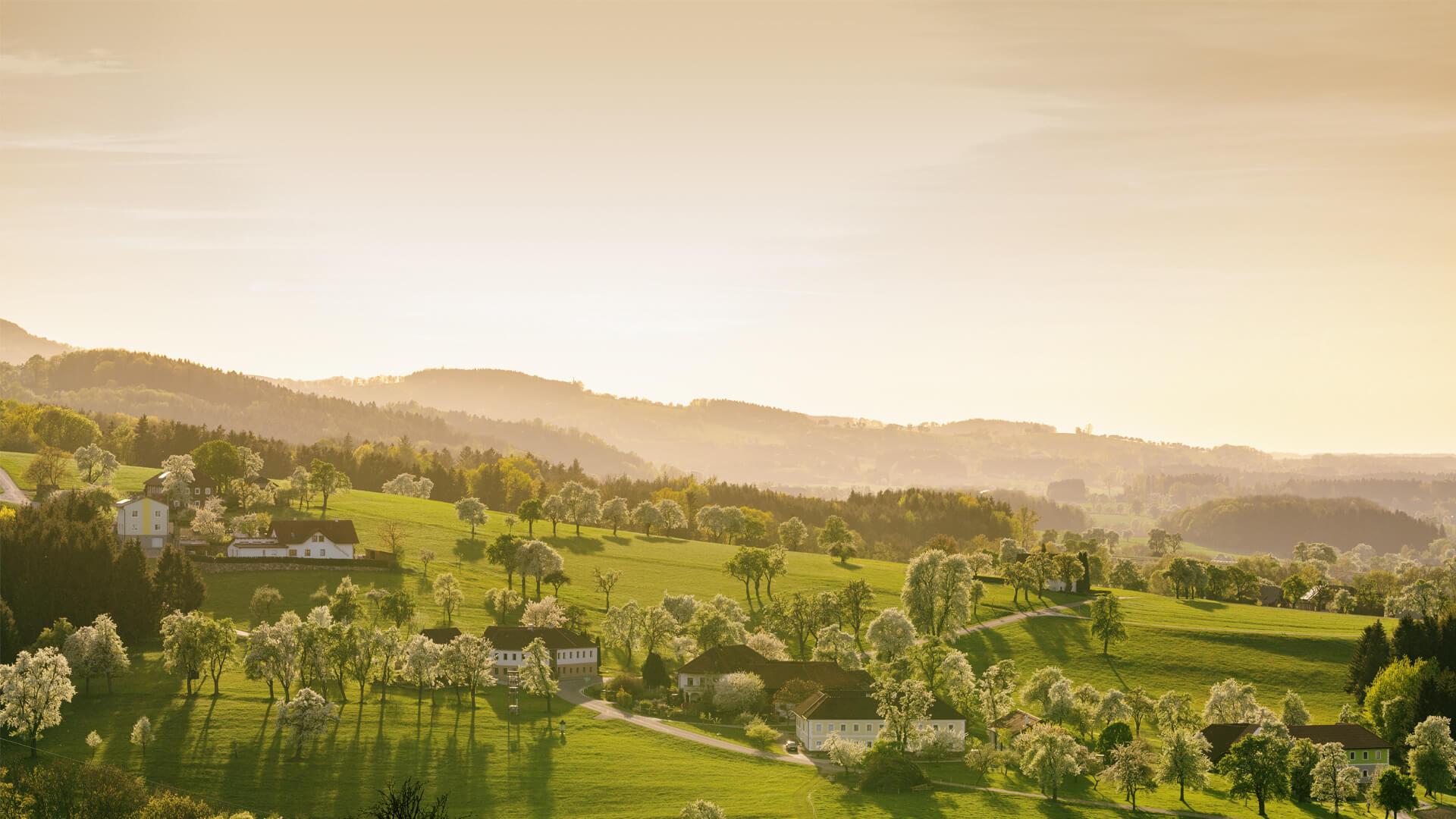
This time frame is ideal for discovering Austria's highlights, including the cities of Vienna and Salzburg, the rolling orchards of the Mostviertel, the Tyrolean Alps and the lakes of the Salzkammergut-while allowing enough time to fully appreciate the scenery.

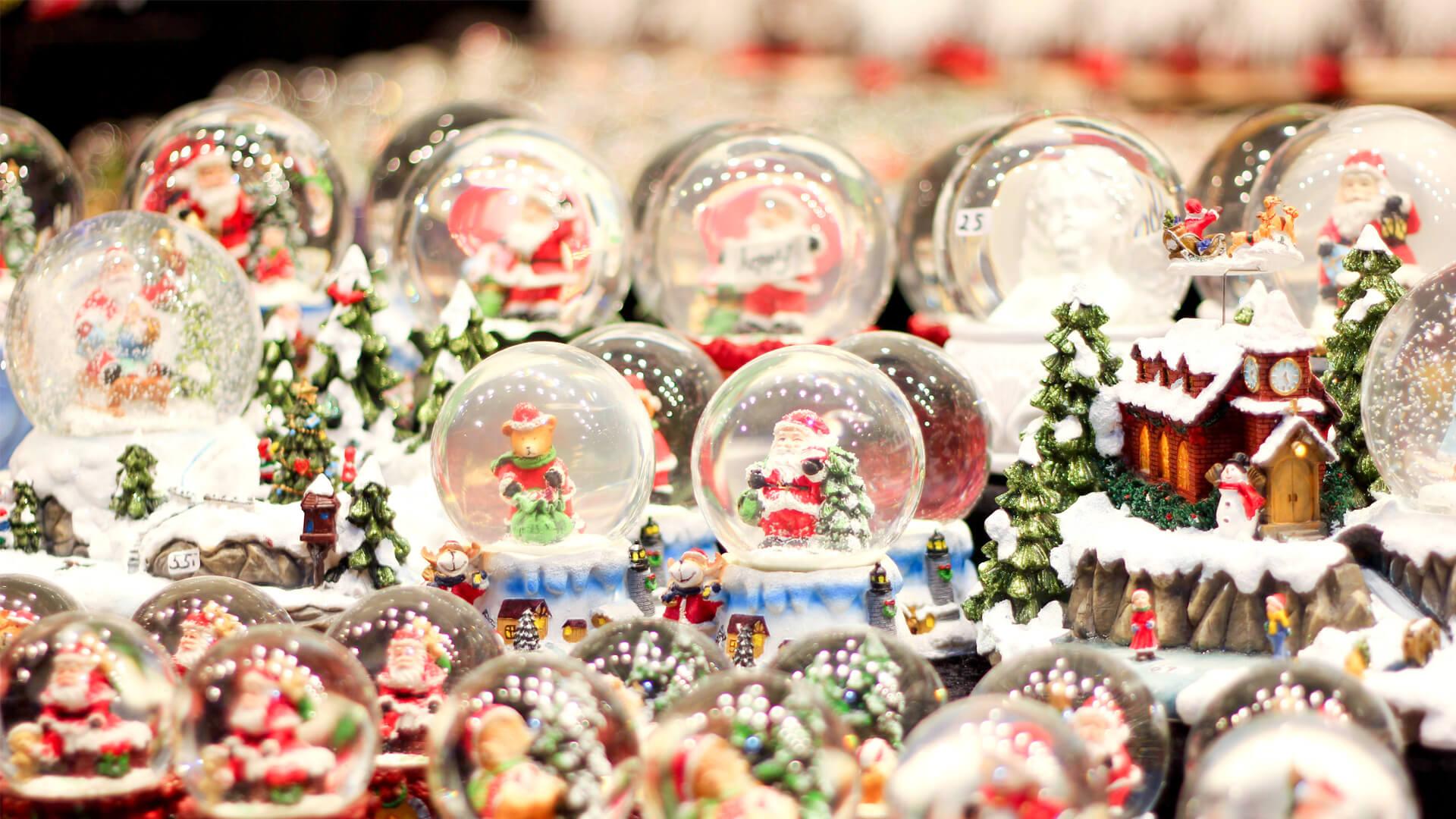
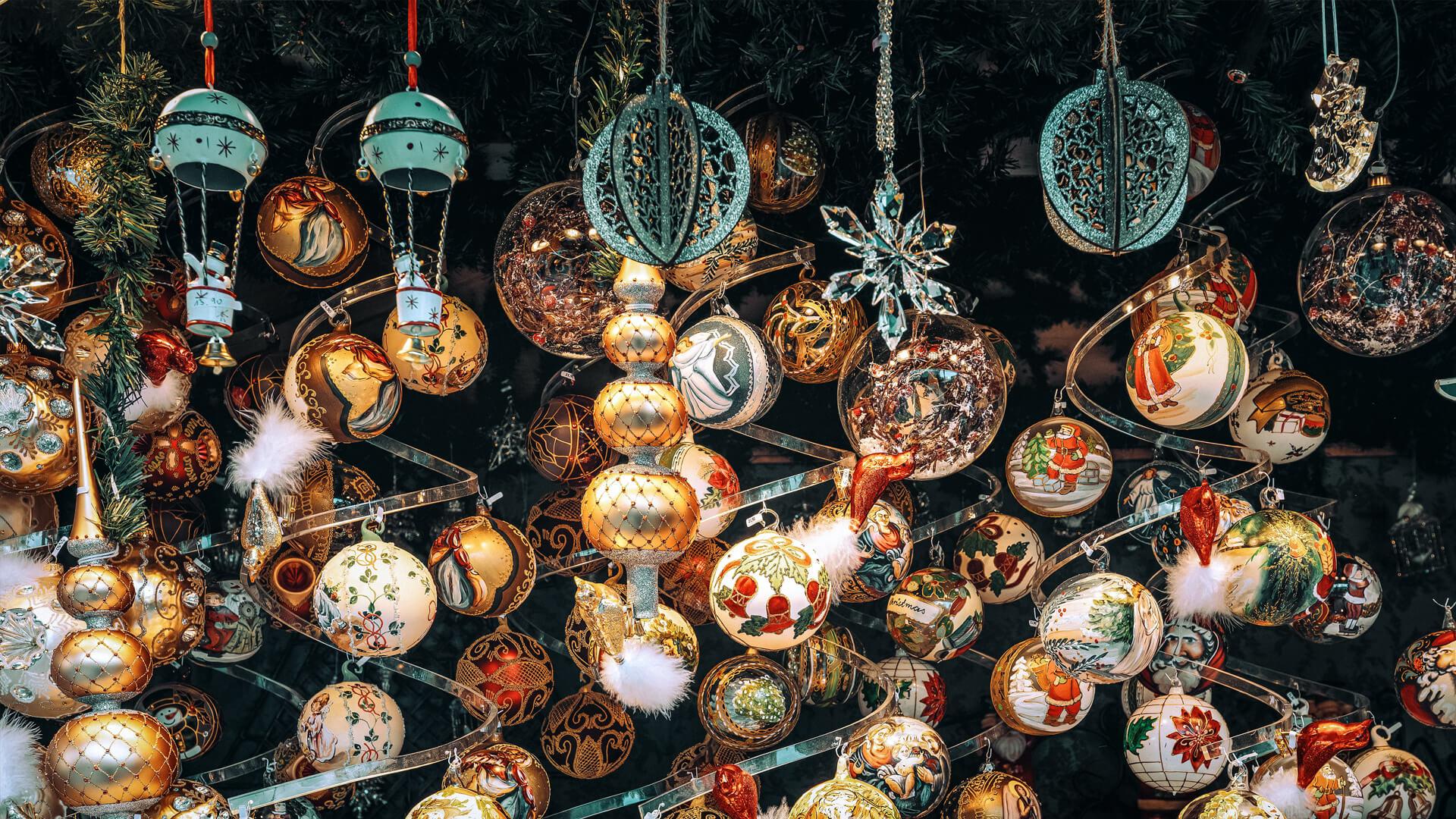
  • Christmas markets, from mid-November to late December, in Vienna, Salzburg, Graz and Innsbruck. City squares come alive with lights, wooden stalls and festive stands offering handicrafts, local products and mulled wine in a fairytale atmosphere. 
  • New Year’s Concert in Vienna, December 30–31 and January 1, in Vienna. The Vienna Philharmonic celebrates the New Year with works by Johann Strauss. Tickets for the January 1 concert are allocated by lottery, with registration open from February 1 to 28. 
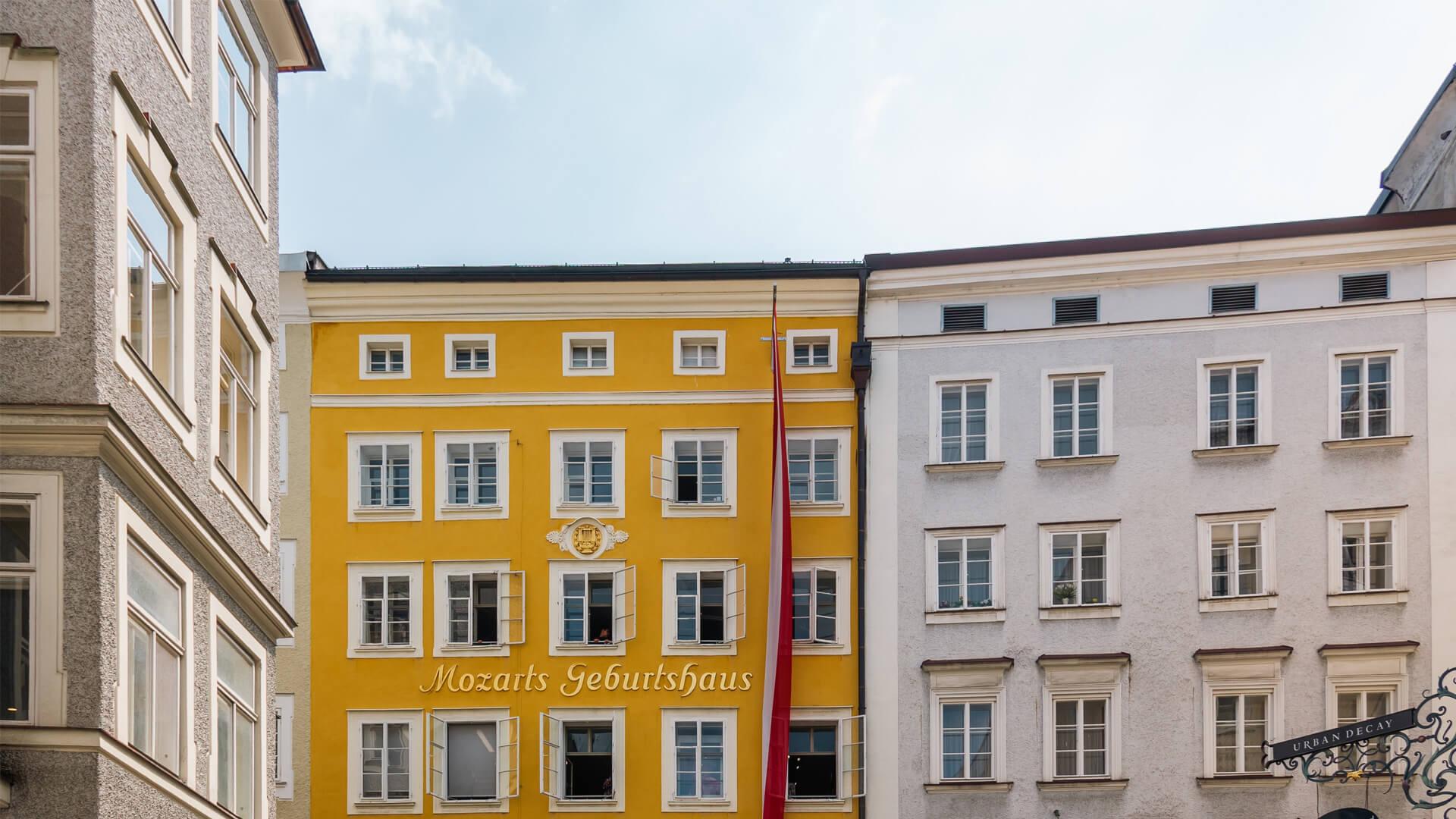
  • Mozart Week (Mozartwoche), late January, in Salzburg. A week dedicated to Mozart, featuring many concerts.
  • Vienna Festival, from May to June, in Vienna. The capital hosts international artists for a diverse program of dance, theatre and music performances across the city.