
Highlights
A rich historical heritage
Stunning architectural landmarks
Friendly and welcoming locals
Affordable prices


The official language of Hungary is Hungarian. English is widely understood in major tourist cities such as Budapest, Szeged, and Debrecen.
Direct flight: No direct flights from Quebec.
Connecting flight: 10 to 17 hours (depending on connection times)
Hungary time zone: UTC+1
6h ahead of Quebec (EST)
5h ahead of Quebec (EDT)
Hungarian Forint (HUF)
Credit cards are widely accepted in major cities and tourist areas, but visitors should carry some cash for markets, small shops, or villages.
In Hungary, tipping is customary. In restaurants and cafés, leave 10–15% of the bill, as service is often not included in the price of the meal. For taxis, round up or give 5–10%. Tips should always be given in cash, even when paying by credit card.
Hungary is considered a safe country for travellers. Major cities such as Budapest, Debrecen, and Szeged are generally safe even at night, but it is advisable to stay alert for pickpockets on public transport and at tourist sites. As everywhere, keep your valuables under close watch.
Before any foreign trip, visit the Government of Canada’s Hungary Travel Advice page to find out about the current situation in the country.


Kőszeg is a charming town nestled at the foot of the mountains, where time seems to have stood still. Its elegant main square, colourful façades, and cobbled streets tell a fascinating medieval story. Between its well-preserved heritage and surrounding nature, Kőszeg offers a peaceful, authentic getaway.

Sopron, one of Hungary’s best-preserved medieval towns, enchants with its renowned vineyards, rolling landscapes, and medieval and Baroque architecture. From the main square to the Fire Tower and along its cobbled streets, the town delights history lovers as well as wine and nature enthusiasts.

A secret world lies beneath the town of Tapolca: a network of caves and tunnels maintained at 20 °C, connected by crystal-clear water. Explore this 13.7-million-year-old natural gem by boat, admiring limestone formations and rock vaults contrasting with the vivid turquoise waters.

A UNESCO World Heritage site, Hollókő is a picturesque village seemingly frozen in time. Its white houses with ochre-tiled roofs and exposed timber line the cobbled streets that wind through the hills. Here, Palóc traditions and local crafts bring the village to life, offering a glimpse of Hungary’s rural soul.
Kőszeg is a charming town nestled at the foot of the mountains, where time seems to have stood still. Its elegant main square, colourful façades, and cobbled streets tell a fascinating medieval story. Between its well-preserved heritage and surrounding nature, Kőszeg offers a peaceful, authentic getaway.
Sopron, one of Hungary’s best-preserved medieval towns, enchants with its renowned vineyards, rolling landscapes, and medieval and Baroque architecture. From the main square to the Fire Tower and along its cobbled streets, the town delights history lovers as well as wine and nature enthusiasts.
A secret world lies beneath the town of Tapolca: a network of caves and tunnels maintained at 20 °C, connected by crystal-clear water. Explore this 13.7-million-year-old natural gem by boat, admiring limestone formations and rock vaults contrasting with the vivid turquoise waters.
A UNESCO World Heritage site, Hollókő is a picturesque village seemingly frozen in time. Its white houses with ochre-tiled roofs and exposed timber line the cobbled streets that wind through the hills. Here, Palóc traditions and local crafts bring the village to life, offering a glimpse of Hungary’s rural soul.
A rich historical heritage
Stunning architectural landmarks
Friendly and welcoming locals
Affordable prices

Hungarian goulash is a hearty beef stew slowly simmered with tender onions, soft potatoes, and a generous amount of paprika. Its rich, aromatic red sauce coats every bite with smoky, mildly spicy flavours.

Töltött káposzta is a traditional Hungarian dish made of cabbage leaves stuffed with a savoury mix of ground pork, rice, and onions, slowly simmered in a paprika-flavoured tomato sauce. Rich and comforting, it is especially popular during the winter months.

Lángos is a must-try Hungarian street food. This golden, crispy fried dough is traditionally topped with tangy sour cream, grated cheese, and garlic. Served hot, it is enjoyed on the go at markets, by Lake Balaton, or during summer festivals.

Kürtőskalács, also known as chimney cake, is a cylindrical brioche baked on a wooden mold over an open fire. Its golden, caramelized crust is sprinkled with cinnamon sugar, nuts, or cocoa, and sometimes filled with Nutella. Best enjoyed warm at markets and festivals.

Pálinka is a traditional Hungarian fruit brandy made from plums, apricots, pears, or cherries. This spirit offers intense ripe fruit aromas and a strong warming effect, with an alcohol content of 40–50%. It is typically enjoyed in small quantities, often as an aperitif or during celebrations.
Hungarian goulash is a hearty beef stew slowly simmered with tender onions, soft potatoes, and a generous amount of paprika. Its rich, aromatic red sauce coats every bite with smoky, mildly spicy flavours.
Töltött káposzta is a traditional Hungarian dish made of cabbage leaves stuffed with a savoury mix of ground pork, rice, and onions, slowly simmered in a paprika-flavoured tomato sauce. Rich and comforting, it is especially popular during the winter months.
Lángos is a must-try Hungarian street food. This golden, crispy fried dough is traditionally topped with tangy sour cream, grated cheese, and garlic. Served hot, it is enjoyed on the go at markets, by Lake Balaton, or during summer festivals.
Kürtőskalács, also known as chimney cake, is a cylindrical brioche baked on a wooden mold over an open fire. Its golden, caramelized crust is sprinkled with cinnamon sugar, nuts, or cocoa, and sometimes filled with Nutella. Best enjoyed warm at markets and festivals.
Pálinka is a traditional Hungarian fruit brandy made from plums, apricots, pears, or cherries. This spirit offers intense ripe fruit aromas and a strong warming effect, with an alcohol content of 40–50%. It is typically enjoyed in small quantities, often as an aperitif or during celebrations.


The best time to visit Hungary is from May to September. Temperatures are pleasant, terraces are lively, and festivals are abundant, especially in Budapest. July and August tend to be hotter and busier, while May, June, and September offer a milder, more relaxed atmosphere. December is also worth considering if you want to experience the festive Christmas markets.
Getting around Hungary is easy and affordable. In Budapest, the metro and trams are efficient, providing easy access between major districts and attractions. Trains connect the country’s main cities and regions well. Renting a car can be useful for exploring rural areas and vineyards, but a motorway vignette is required. Many cycling paths crisscross the country, and most city centres and villages are best explored on foot.
A 7-day trip allows you to experience the highlights of Hungary: Budapest with its thermal baths and architecture, Lake Balaton, historic villages, and some wine regions. With 12 days, you can also include Eger, Pécs, the Tokaj wine region, or Hortobágy National Park for a more complete immersion.
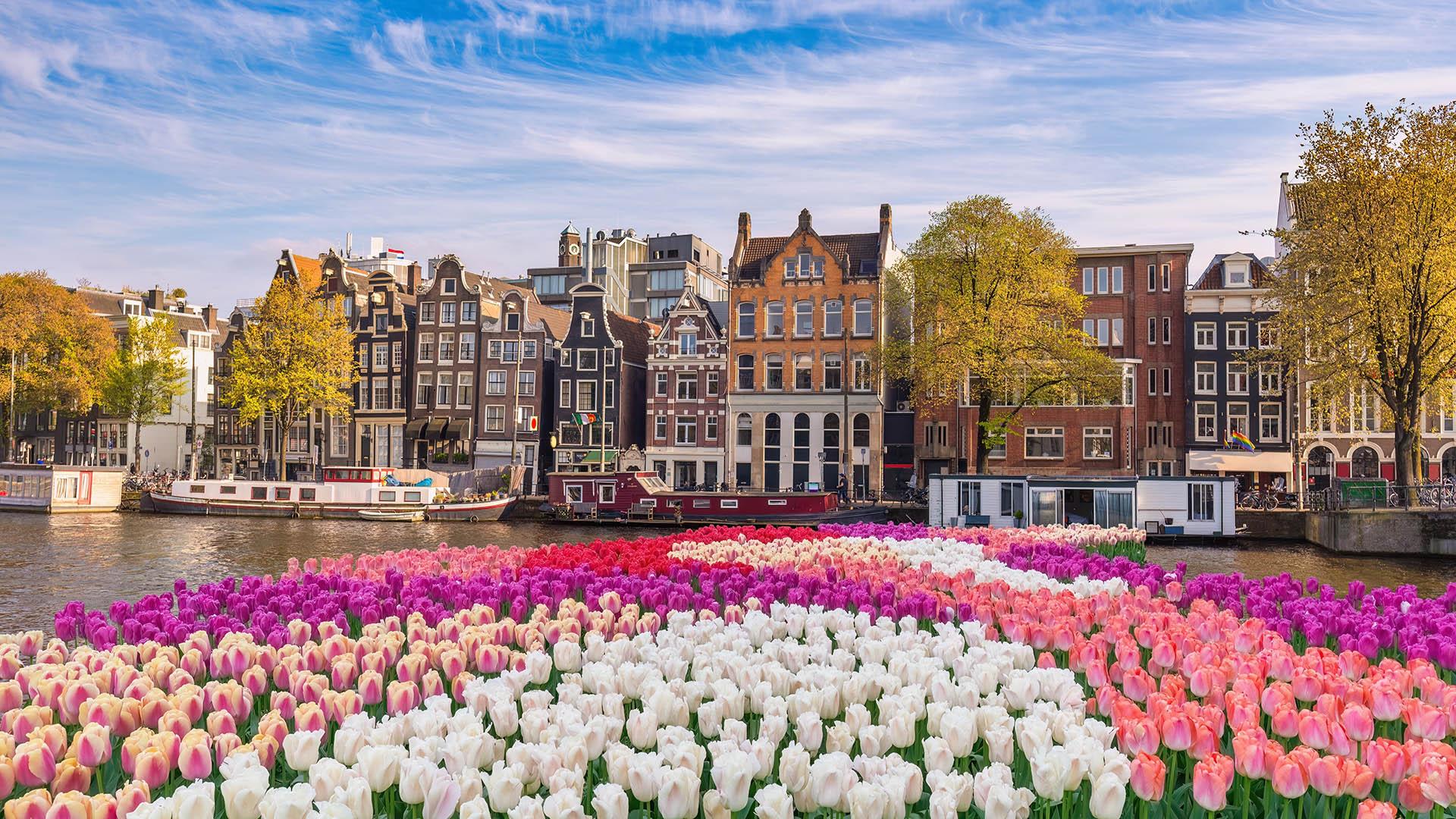

Trans-European
Departure: Apr 17, 2027
Price from $11,149 $11,074
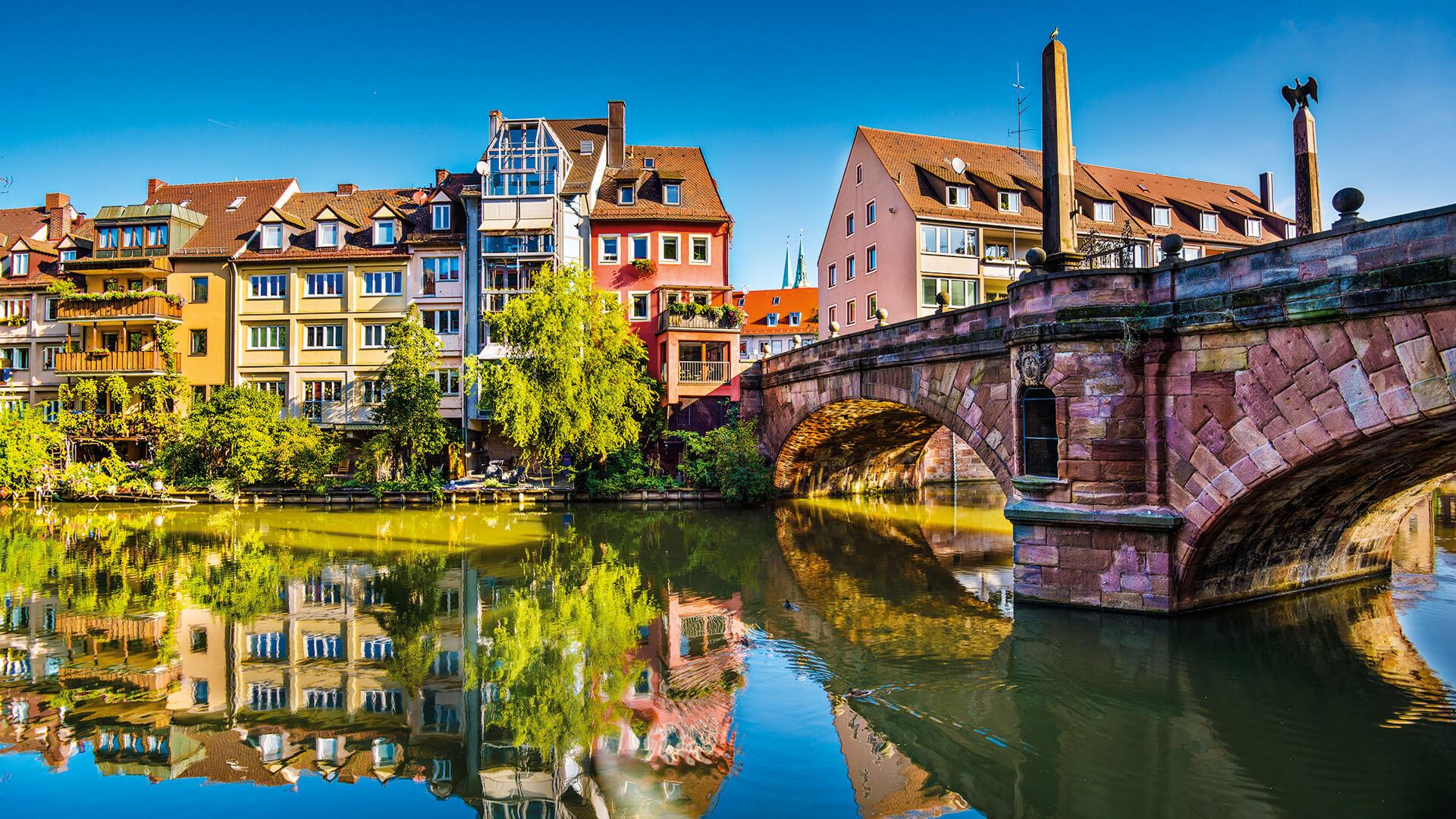
Central Europe
Departures: May 10, 2027, Jun 10, 2027 + 1 other date
Price from $9,259 $8,824
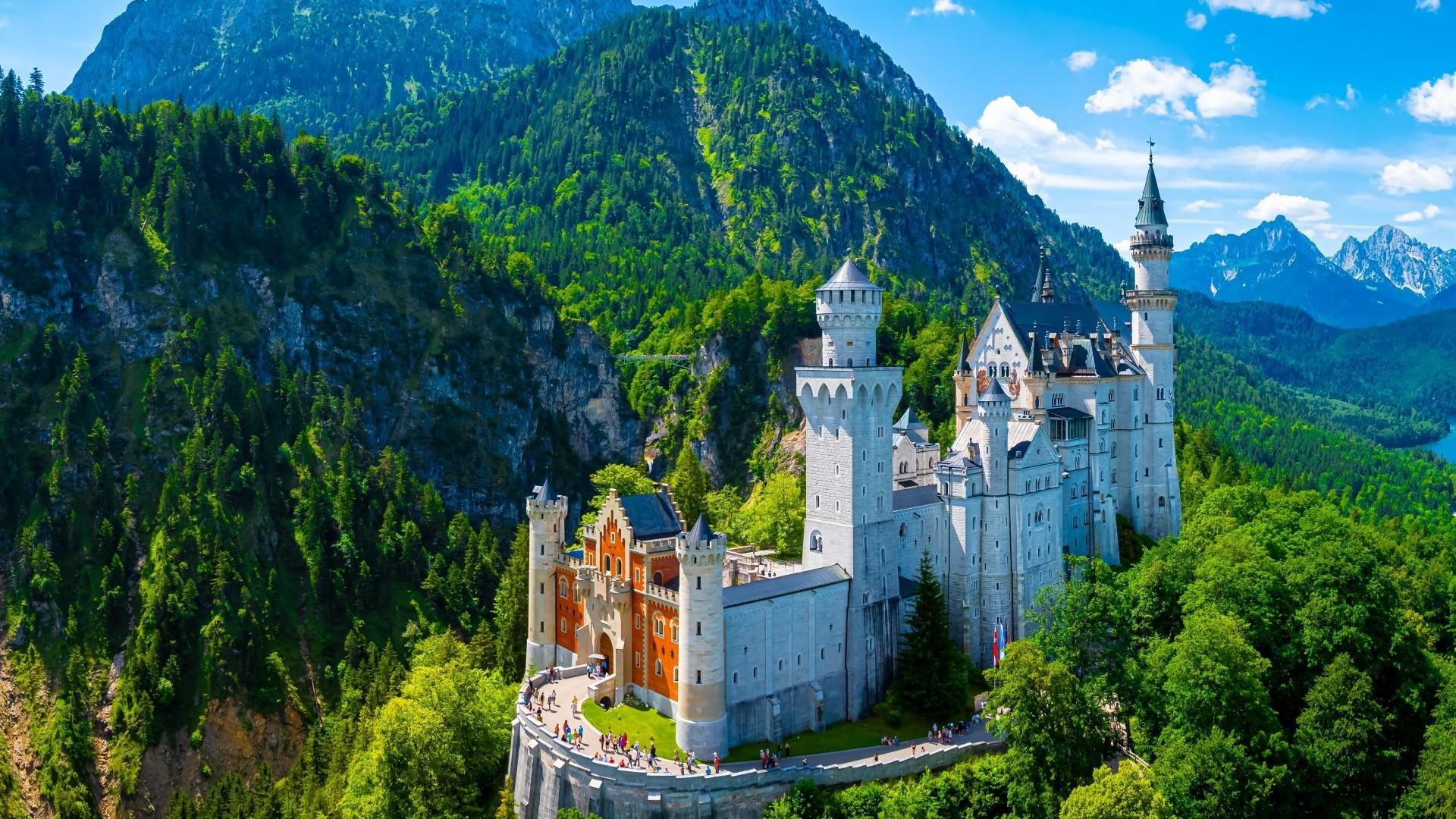
Central Europe
Departures: Jun 10, 2027, Sep 09, 2027
Price from $8,269 $8,194
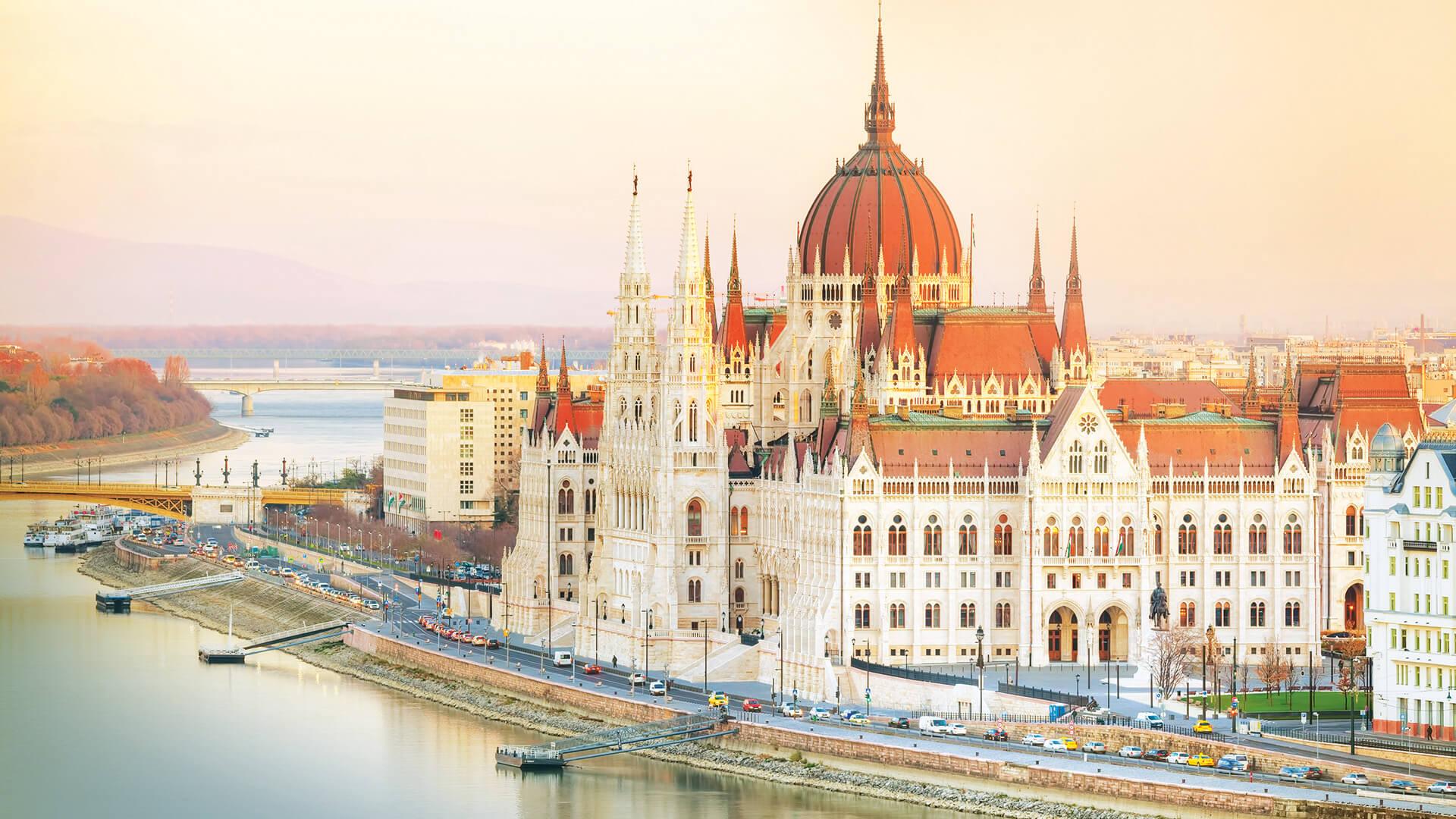
Central Europe
Departures: Jun 19, 2027, Aug 30, 2027 + 1 other date
Price from $11,999 $11,504
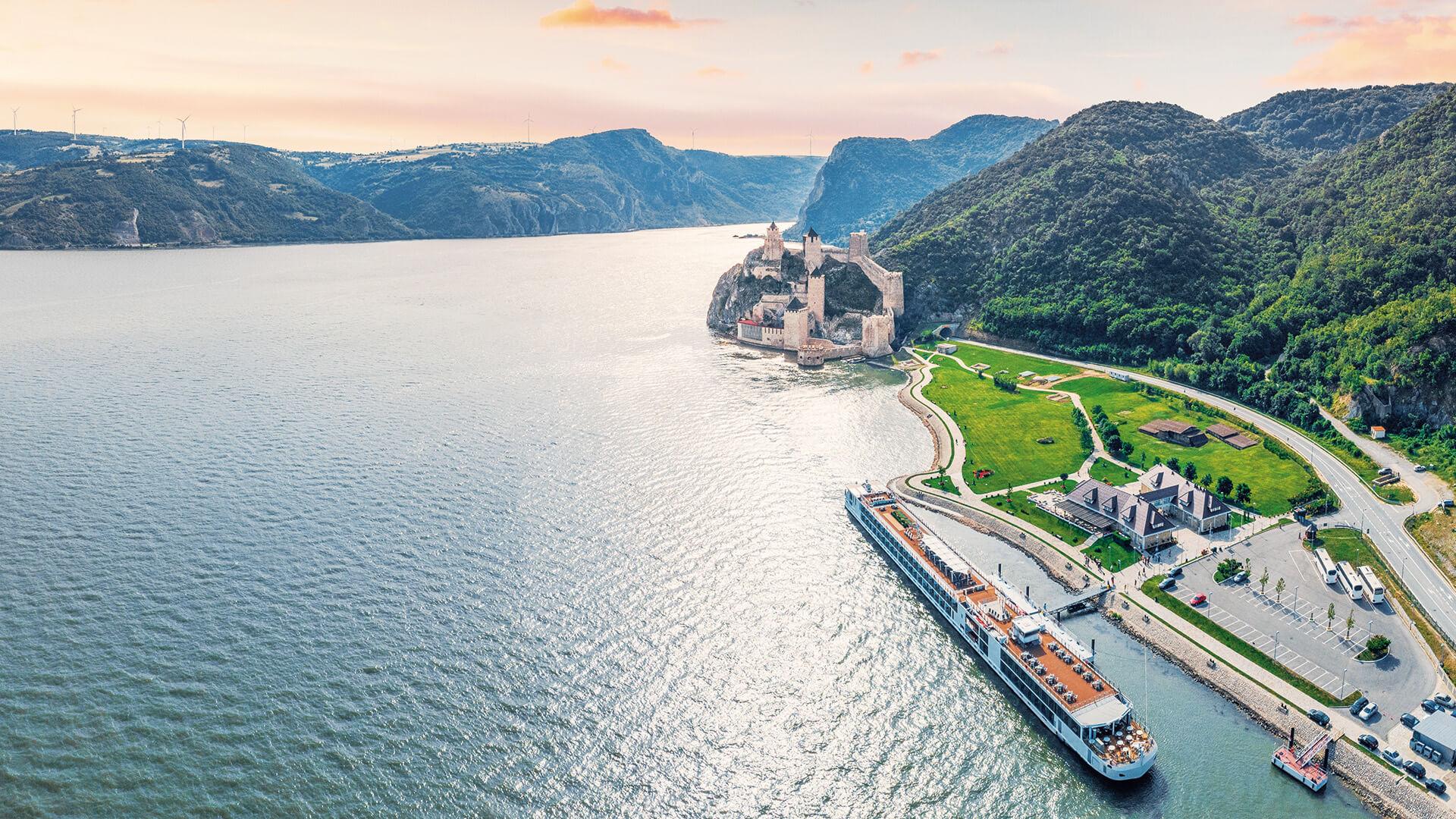
Eastern and Central Europe
Departure: Sep 15, 2027
Price from $14,399 $14,204
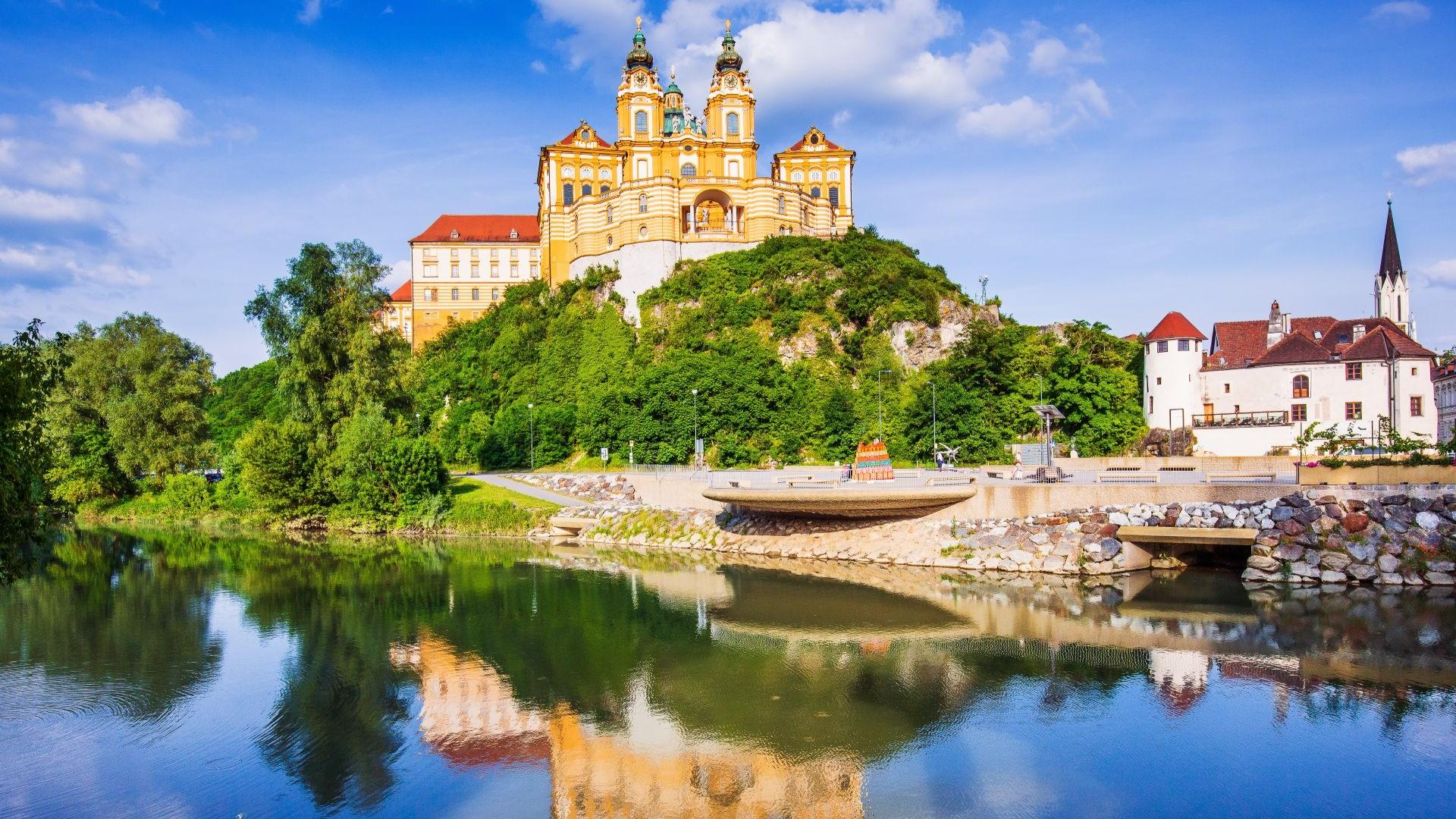
Germany, Austria & Hungary
Departure: Sep 13, 2028
Price from $15,459 $15,384
Travel in complete peace of mind.
Fast, compliant and guaranteed service.
Useful for driving abroad.
Online application service.
Double-check the rules before you travel.
Suitcases, anti-theft bags, and more!
Create your personalized travel itinerary.
Road guides and road maps.
The world is full of wonders waiting to be discovered. After exploring the beauty of Hungary, let yourself be captivated by new places that promise unforgettable experiences.


