France Travel Guide

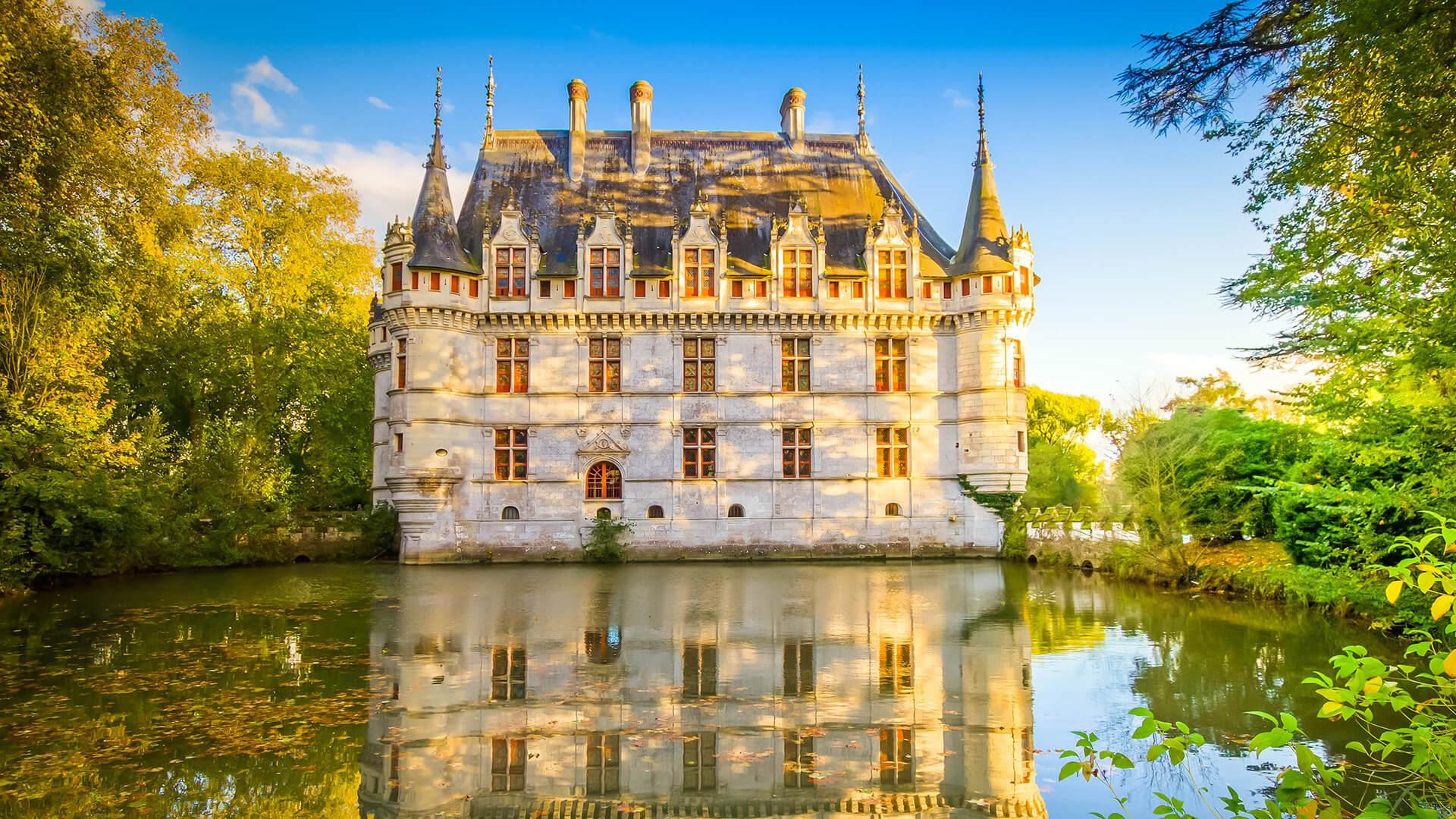
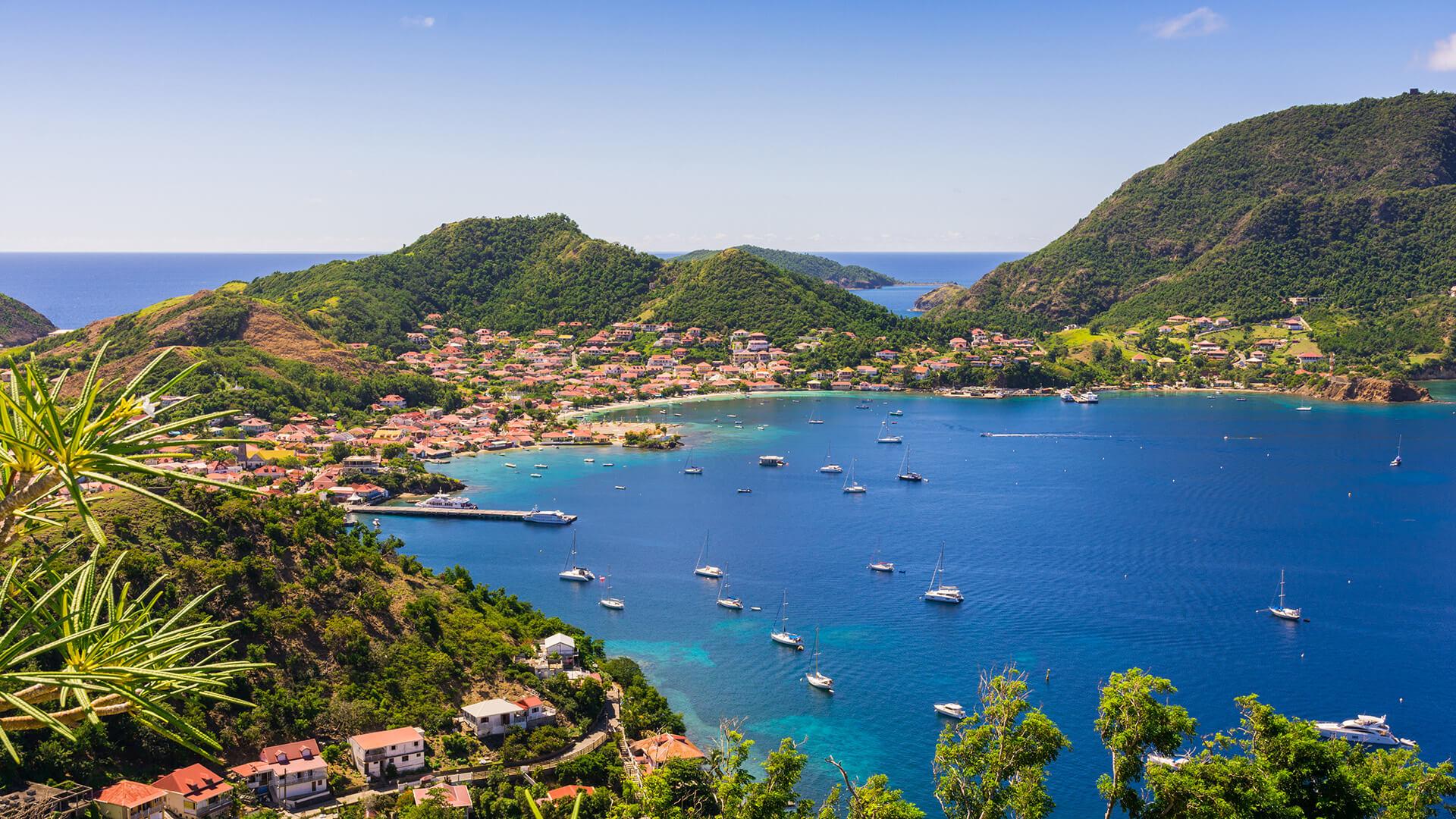
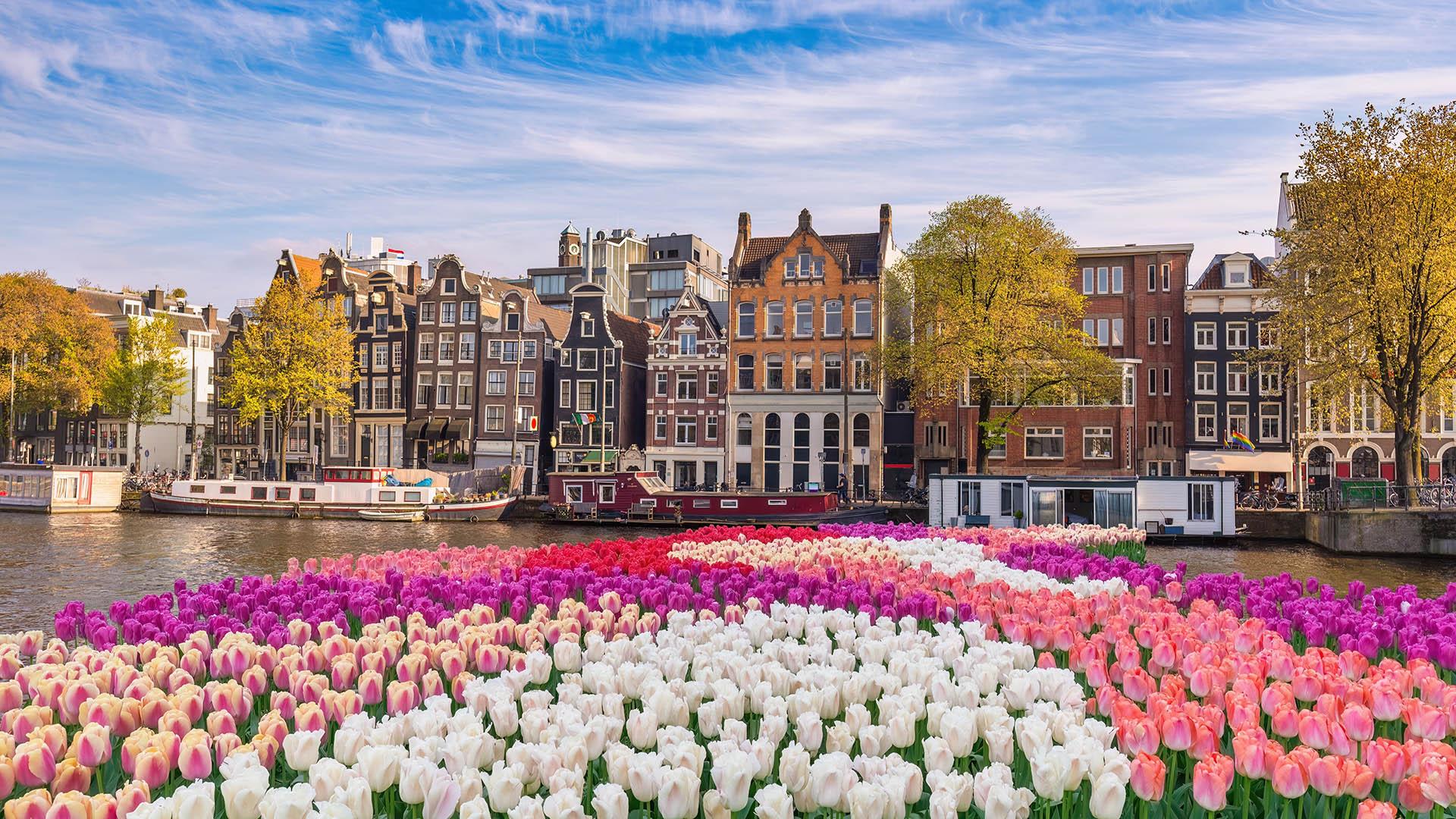
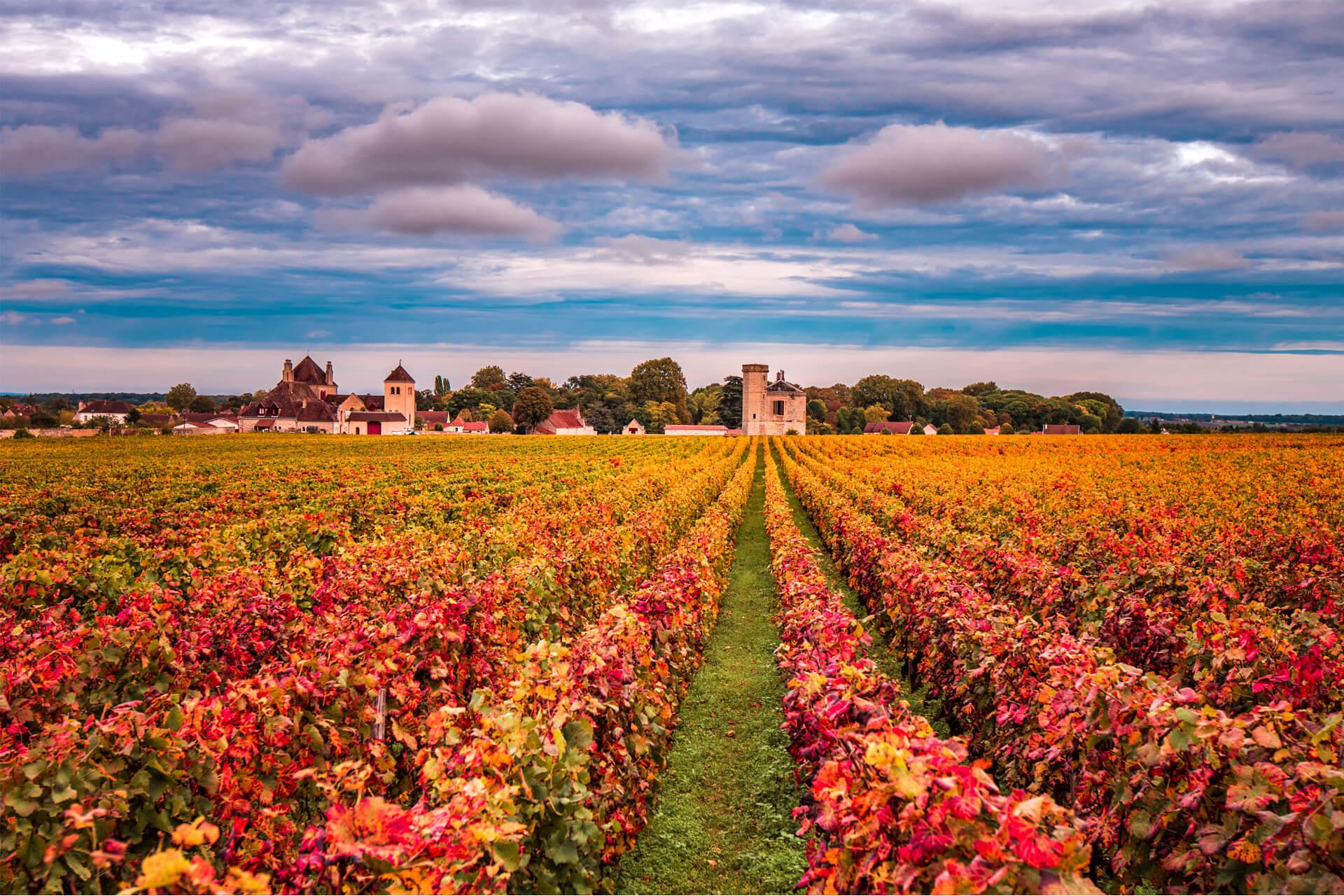
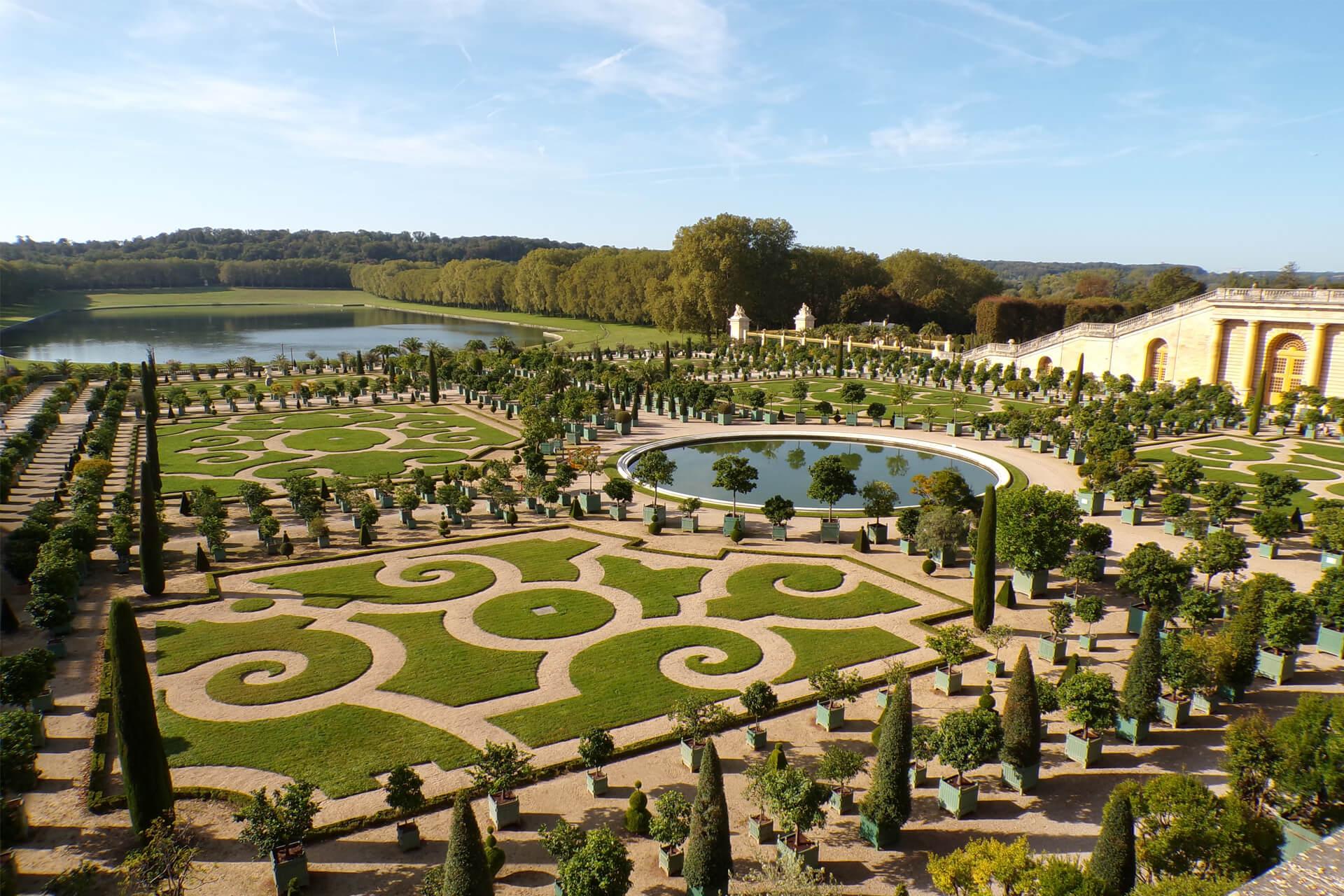
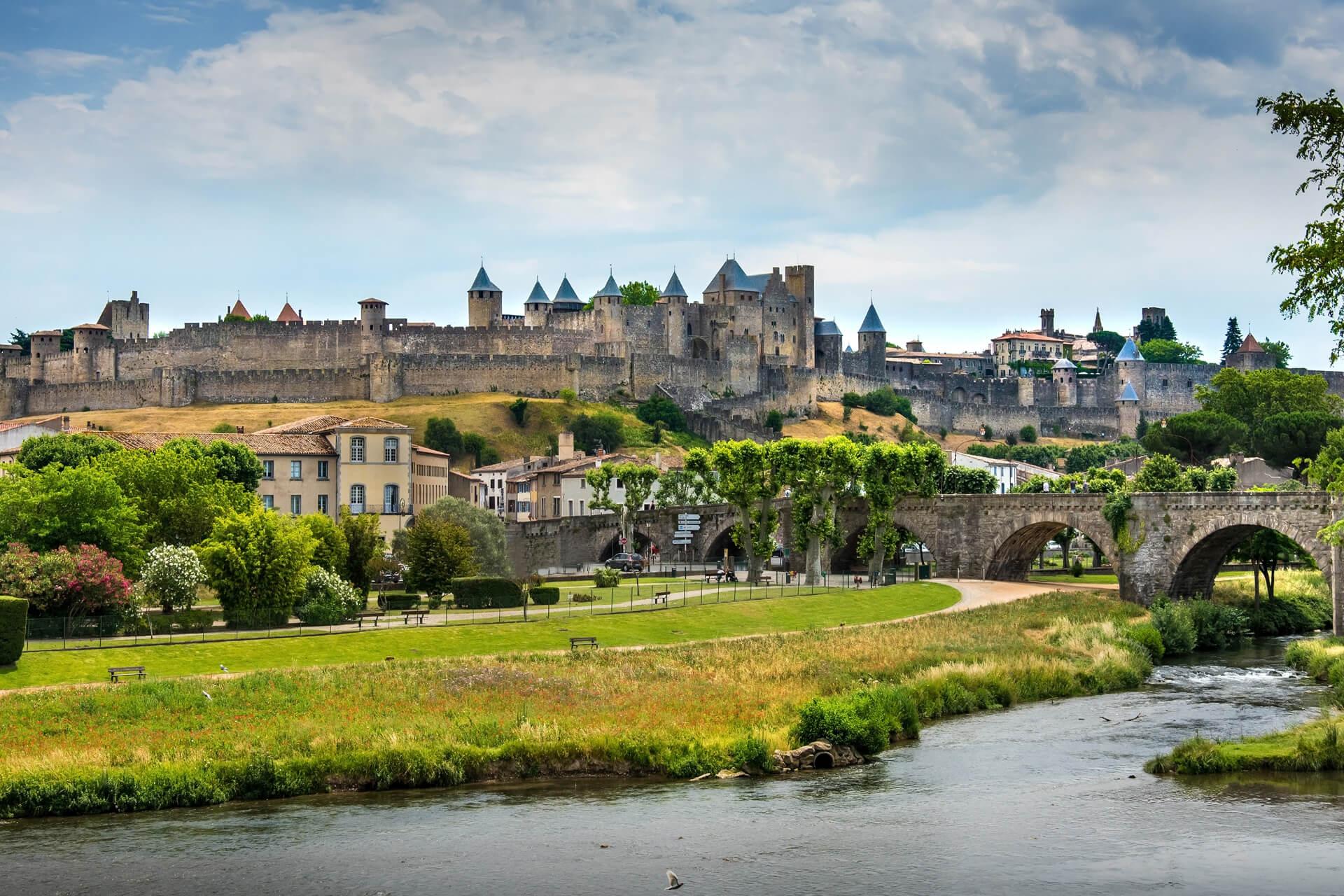
France invites you to go on a journey that awakens the senses and nourishes the soul. From rolling vineyards and grand castles to art-filled cities and exquisite cuisine, every region reveals a story worth exploring. Travel through France and let its beauty, culture, and emotion carry you away.

Useful information

Official language(s)

French is the official language of the country. 

English is widely understood in big cities and tourist areas.

Flight duration

Direct flight: Approximately 7h 
Connecting flight: 10h to 15h (depending on connection times)

Time zone difference

France time zone: UTC+1 
6h ahead of Quebec (EST)   
6h ahead of Quebec (EDT)

Currency

Euro (EUR) 

Credit cards are widely accepted. We recommend keeping a bit of cash on hand for small purchases, tips, parking, markets, bakeries, and visits to small villages.

Tips

In France, tipping is not required but always appreciated. At restaurants, if service is not included, leaving 15% is customary. For taxi fares, we recommend 5% to 10%. For guides or hotel staff, €1 to €5 is appropriate.

Safety

Travellers should stay alert while visiting France. Petty theft and pickpocketing are common in busy tourist areas. It is best to keep money and valuables in an antitheft bag. 

Before any foreign trip, visit the Government of Canada’s France Travel Advice page to find out about the current situation in the country.

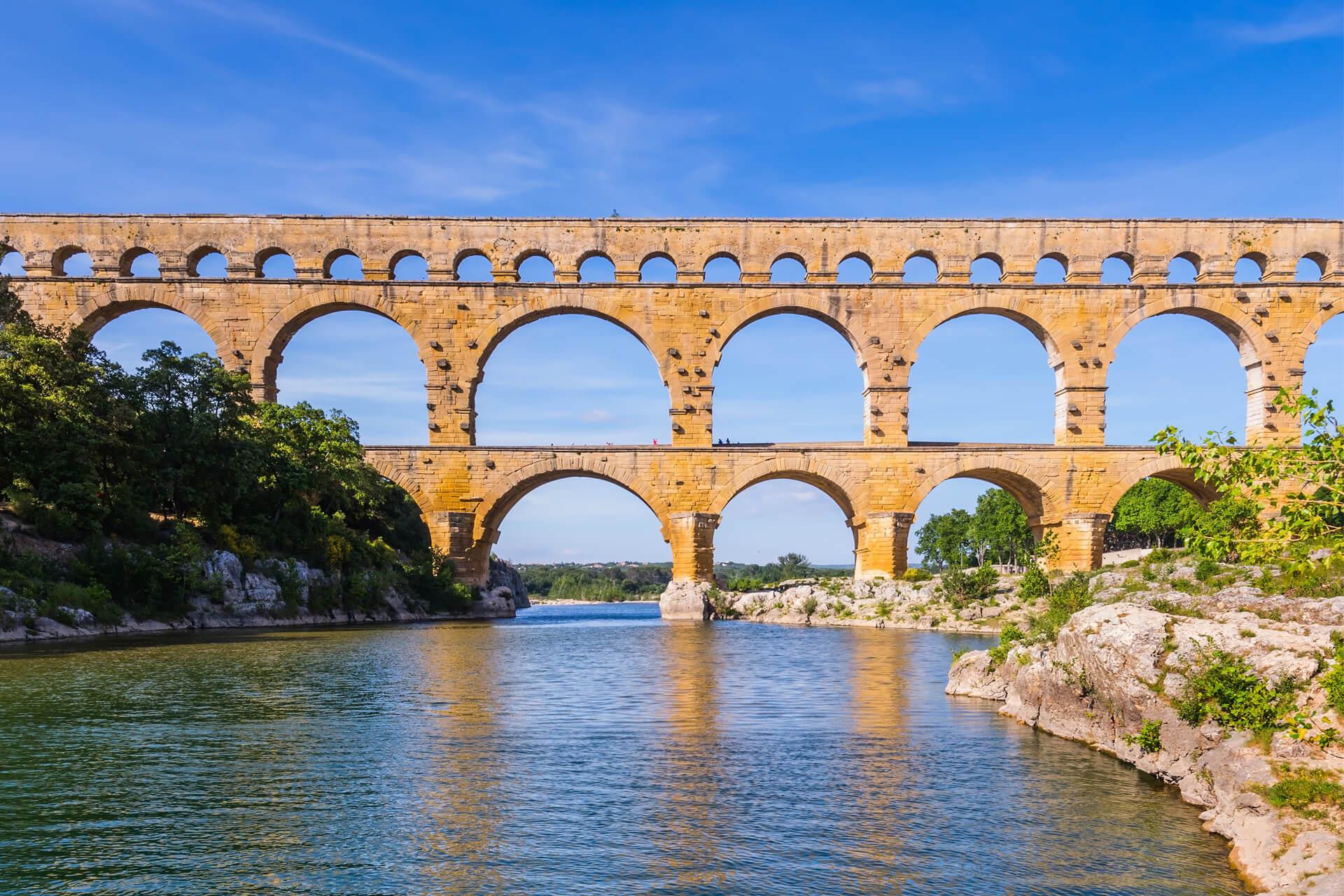
  • Vast cultural heritage with museums and art collections among the finest in the world.

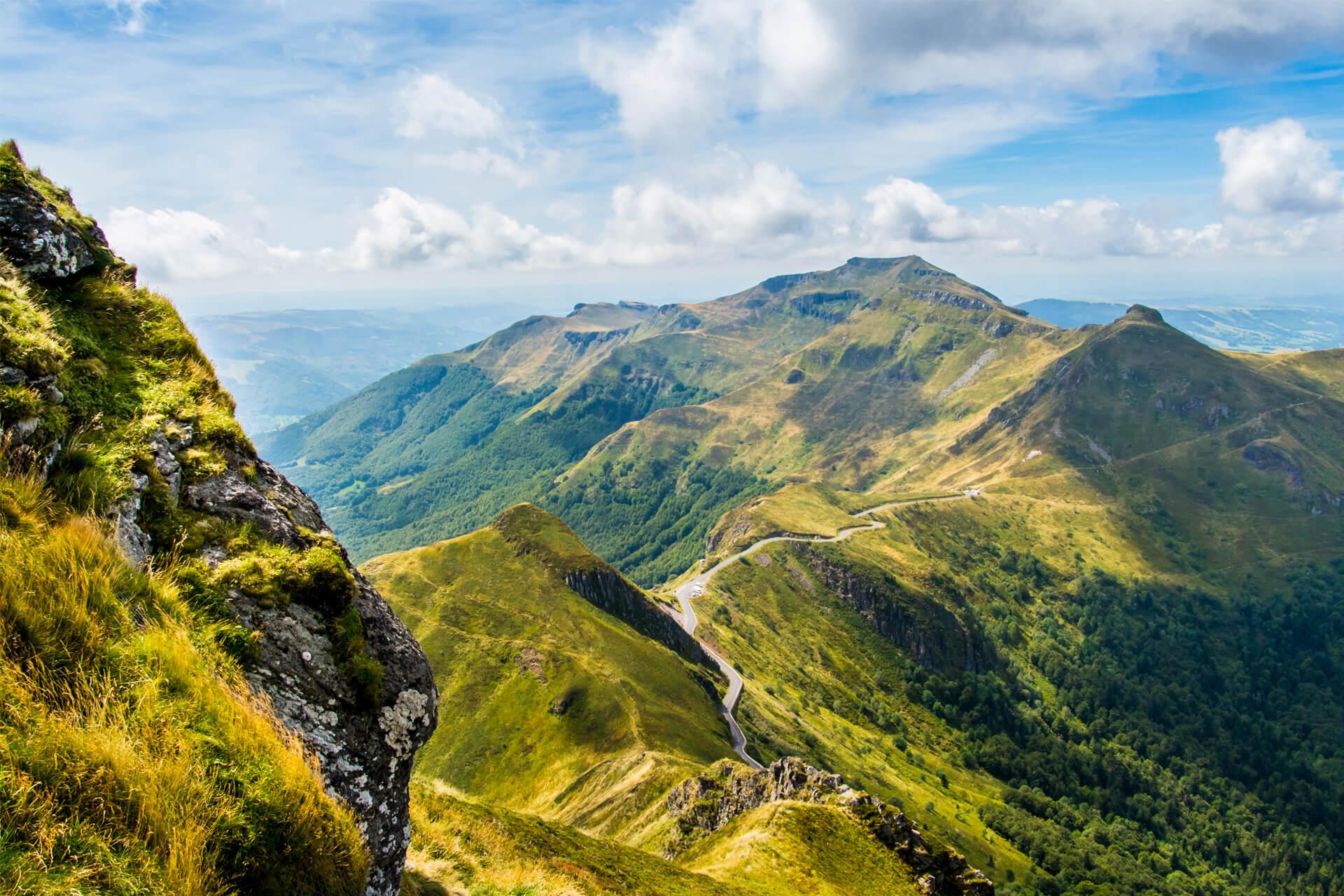
  • Diverse natural landscapes and a varied climate, from the sunny Mediterranean coast to the snow-covered Alpine resorts.

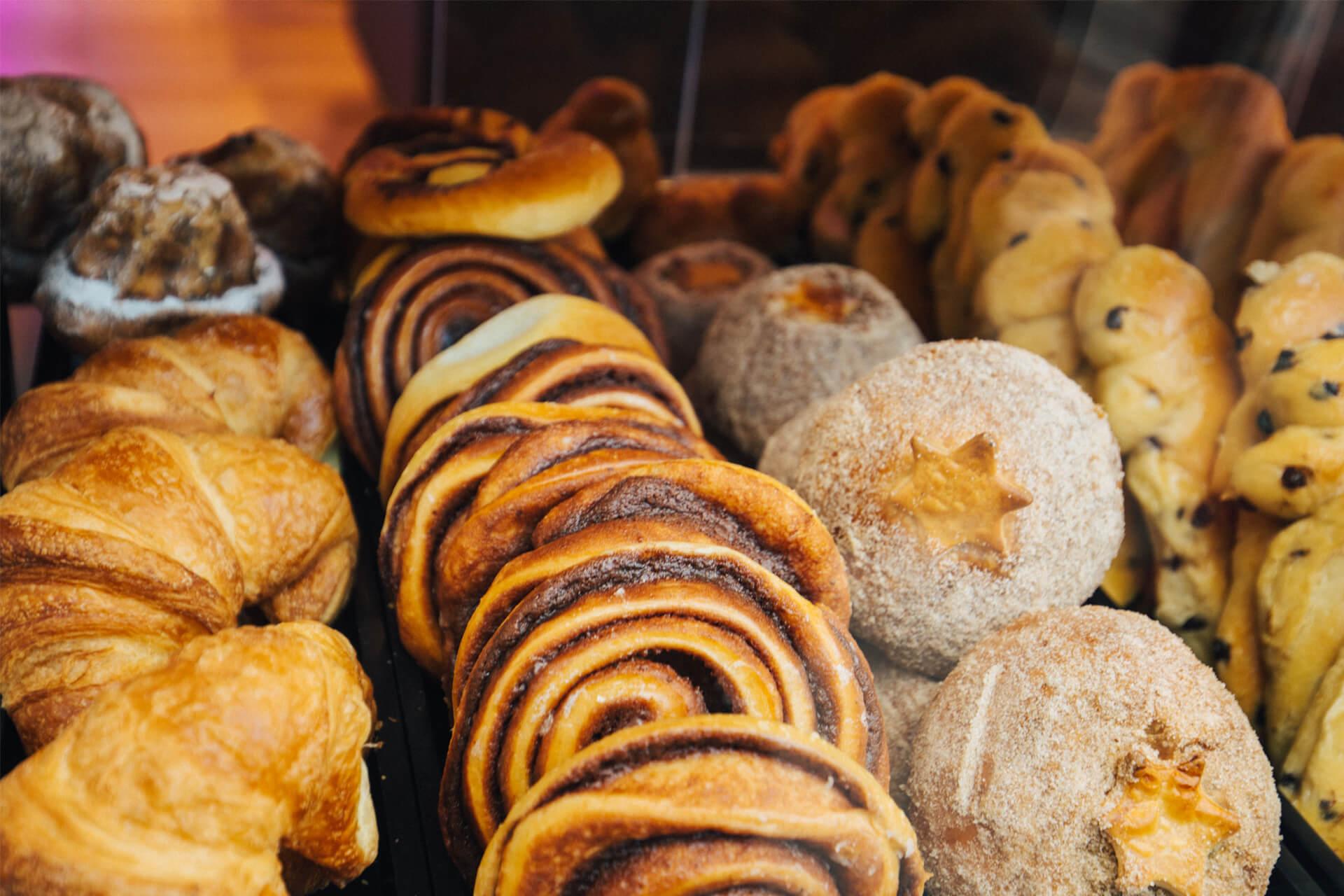
  • Gastronomy recognized by UNESCO as part of the Intangible Cultural Heritage of Humanity.

  • Cradle of the French language and heart of francophone culture.
Keep in mind

  • The French consider greetings a fundamental mark of respect. Always greet staff with “Bonjour” (hello) or “Bonsoir” (good evening) when entering a restaurant or a store.

  • Meal times in France differ from those in North America. Dinner is typically served later, usually between 7:30 p.m. and 10 p.m.

  • Theft of rental cars or their contents is common near southern beaches and at highway rest stops. We recommend keeping all valuables out of sight.

Top pick

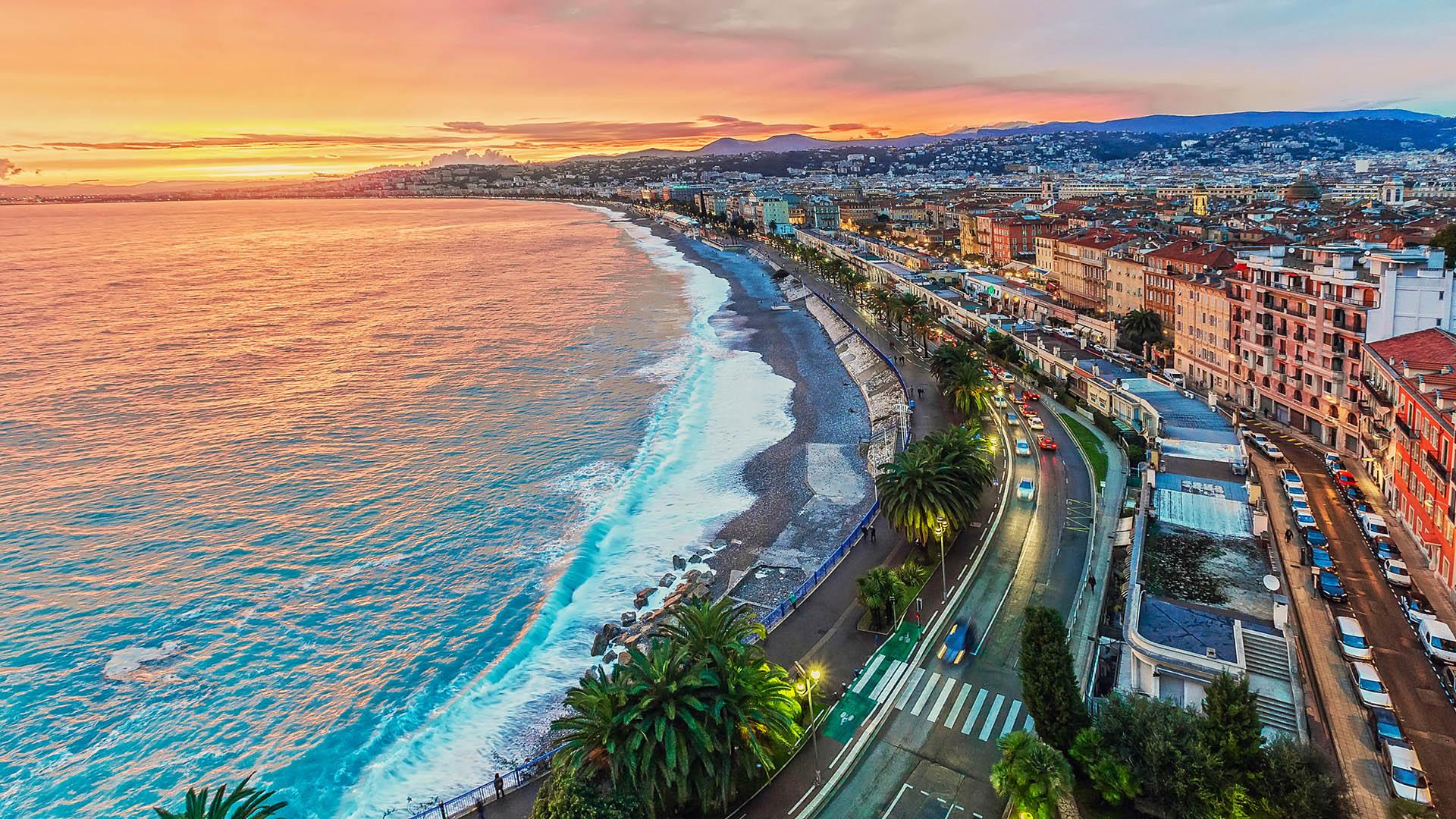
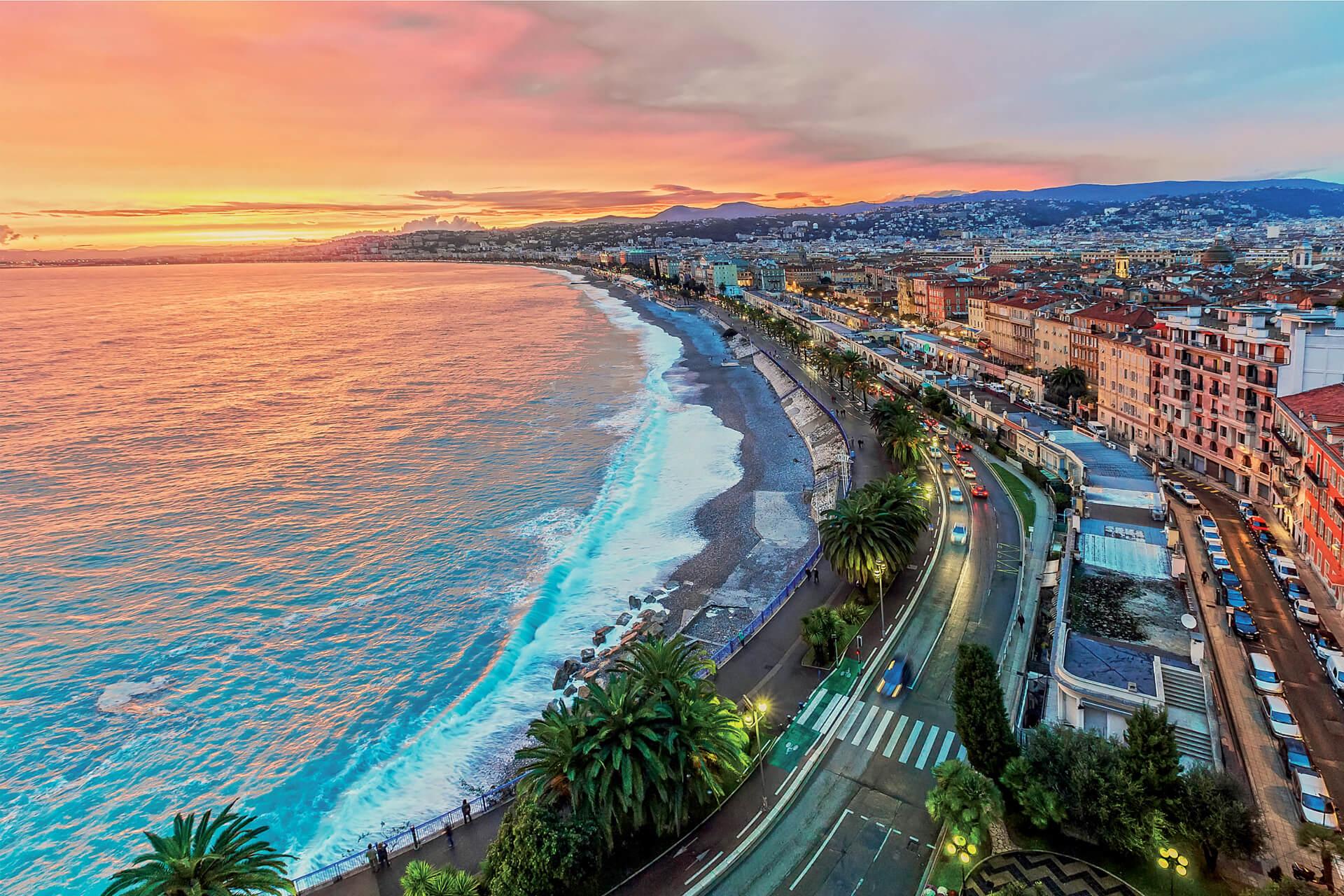
“The French Riviera completely won me over with its hilltop villages, colourful markets, and pebble beaches lining the sparkling Mediterranean Sea. From Monaco’s luxury to the elegance of cities such as Nice, every stop offers a unique and unforgettable experience.”

Jackie Michaud Travel Counsellor, Québec Travel Centre (Sainte-Foy)

Good to know

  • In France, coffee terminology differs from that in Quebec. If you want a larger cup of coffee, ask for an “American coffee” (or “café allongé”). Otherwise, you will typically be served an espresso.
  • In French restaurants, servers bring only one bill per table, regardless of the number of guests. Servers do not split the check—it is up to the clients to do so themselves.
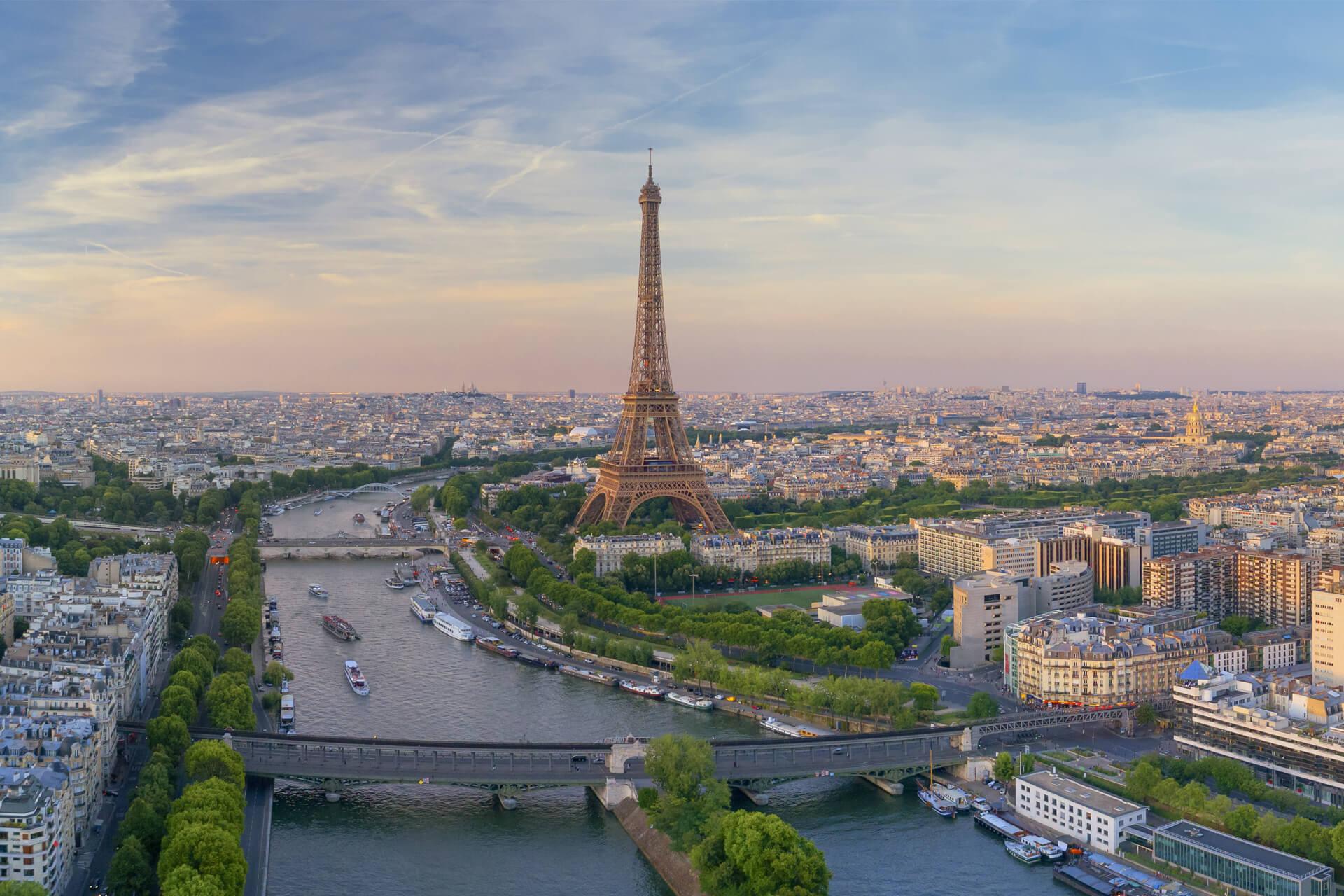
  • Ordering a drink or meal on a terrace will usually cost more than dining indoors, especially in Paris.
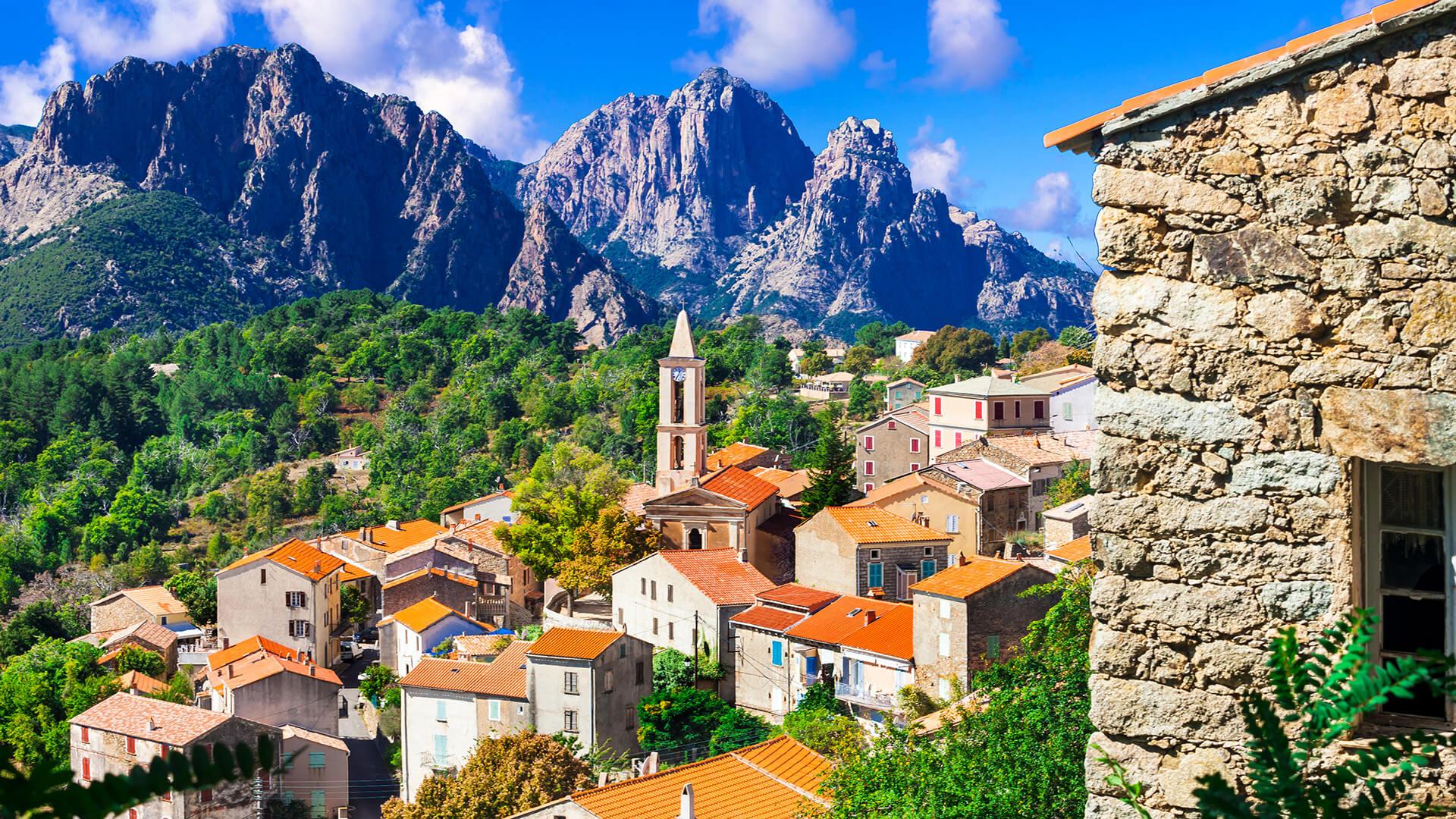
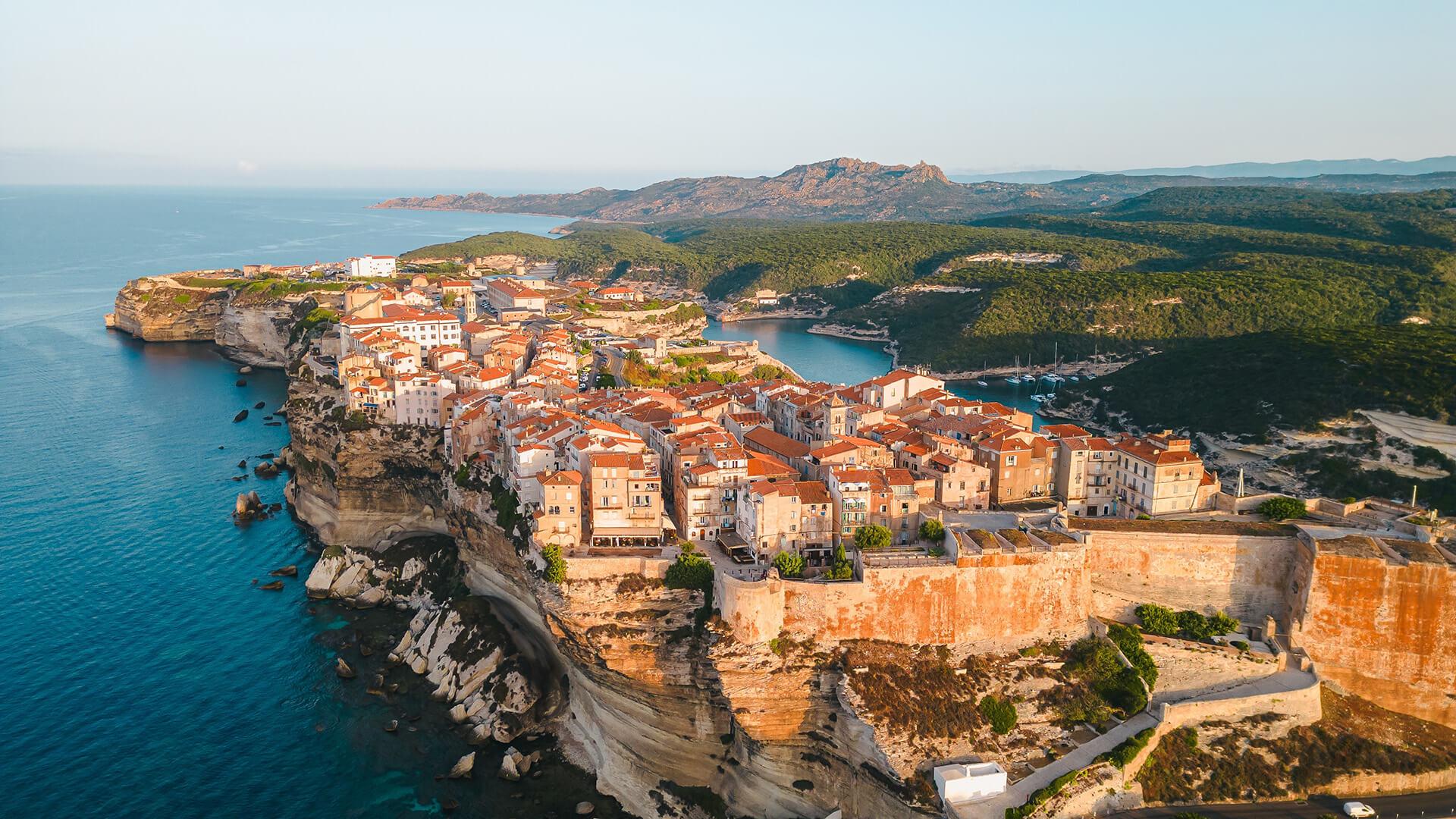
  • It is advisable to explore Corsica counterclockwise, starting from Bastia, so you stay on the seaside lane and enjoy the best scenic views along the way.
  • Tourist sites in Nice are easily accessible by buses and small trains. Because it is a small city, it is also perfect for discovering on foot.

Frequently asked questions

The best time to visit France is during spring, from April to June. The weather is pleasant, tourist attractions are less crowded, and many gardens are in full bloom. 

Autumn, particularly September and October, is also a great time to explore France. The fall colours are stunning, there are fewer tourists, and it is the season of grape harvests in wine regions. 

During summer, tourist sites are often packed, prices are higher, and many locals go on vacation—meaning some shops and restaurants may be closed.

In France, the high-speed train (TGV) is the fastest and most convenient way to travel between major cities. For getting around within cities, public transportation—such as buses and the metro—is efficient and affordable. If you are planning to explore the countryside, small villages, or the mountains, renting a car is highly recommended for greater flexibility and access.

10 to 14 days. 

It offers the perfect balance between exploring major cities and discovering regional highlights.

  • Cannes Film Festival, in May, for approximately 12 days. As the most prestigious film festival in the world, it is a unique chance to spot celebrities on the red carpet, soak in the glamorous atmosphere, and even watch free outdoor film screenings. Even without tickets, the experience is well worth the trip.

  • Montmartre Grape Harvest Festival, held each October in Paris’s Montmartre district. This week-long festival celebrates the grape harvest from the Montmartre vineyard. Enjoy wine tastings, regional food, parades, concerts, and a joyful mix of culture, gastronomy, and tradition.

  • Nice Carnival, during two weeks in February. One of Europe’s largest and most colourful carnivals, it features vibrant parades, elaborate floats, dazzling costumes, live music, and the famous Flower Battle along the Promenade des Anglais. It is a perfect way to soak up Nice’s culture and the Mediterranean lifestyle’s charm.

  • Alsace Christmas Markets, mainly in Strasbourg, Colmar, and Mulhouse, from late November to late December. Those Christmas markets are among the most magical in Europe. Twinkling lights, festive decorations, and a cozy atmosphere transform the towns into a winter wonderland. Expect Alsatian delicacies, handmade crafts, and plenty of family-friendly activities.