Italy Travel Guide

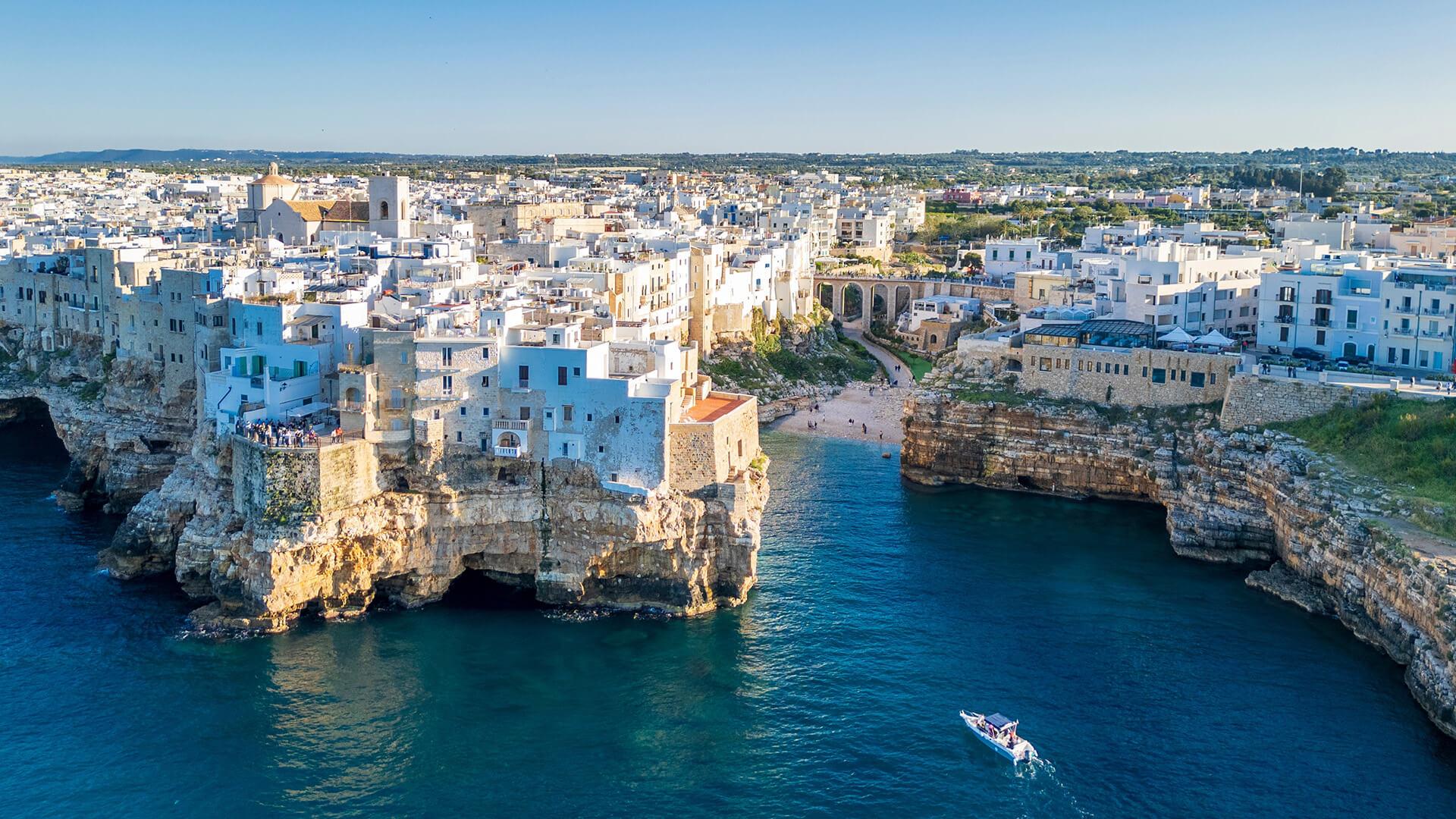
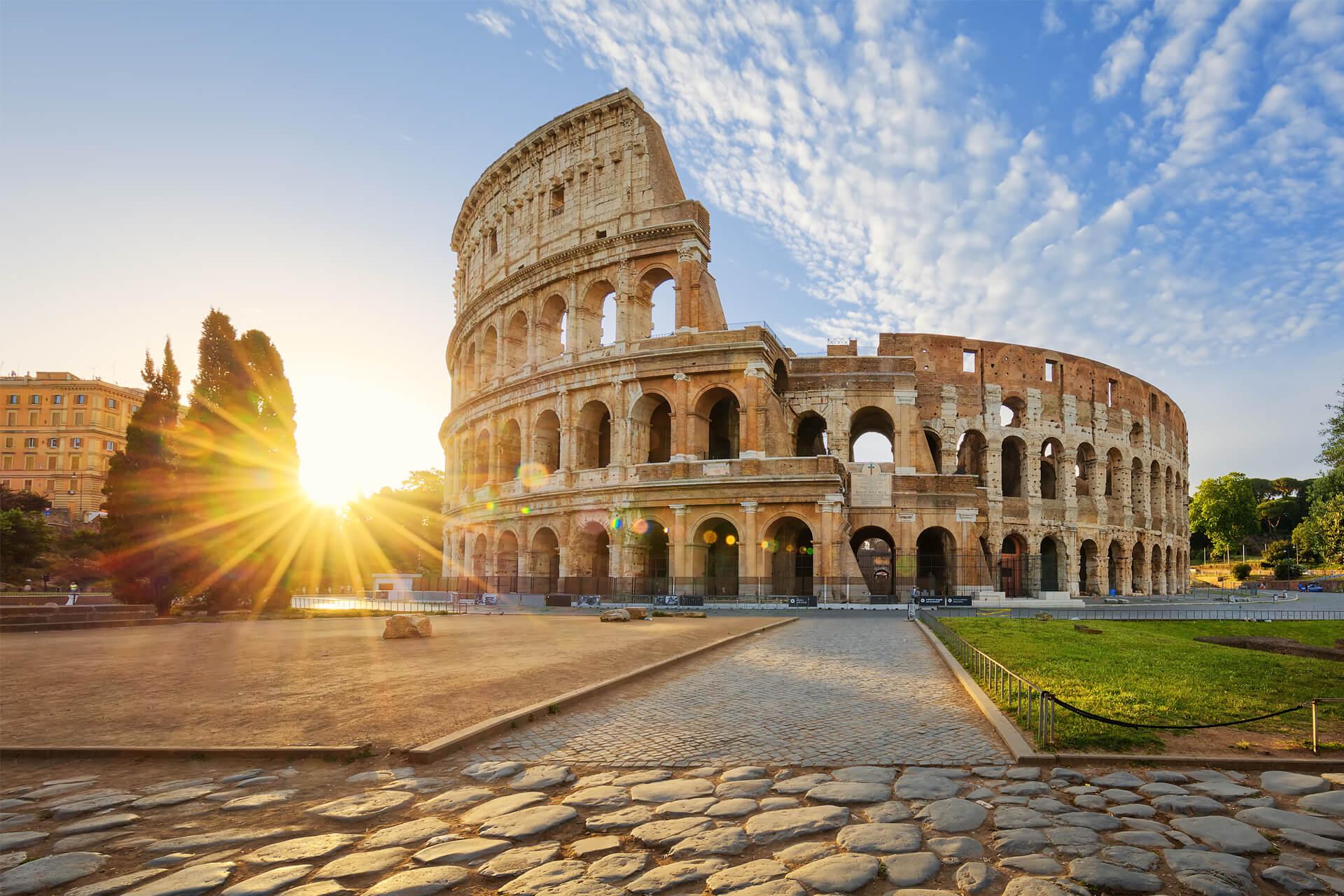
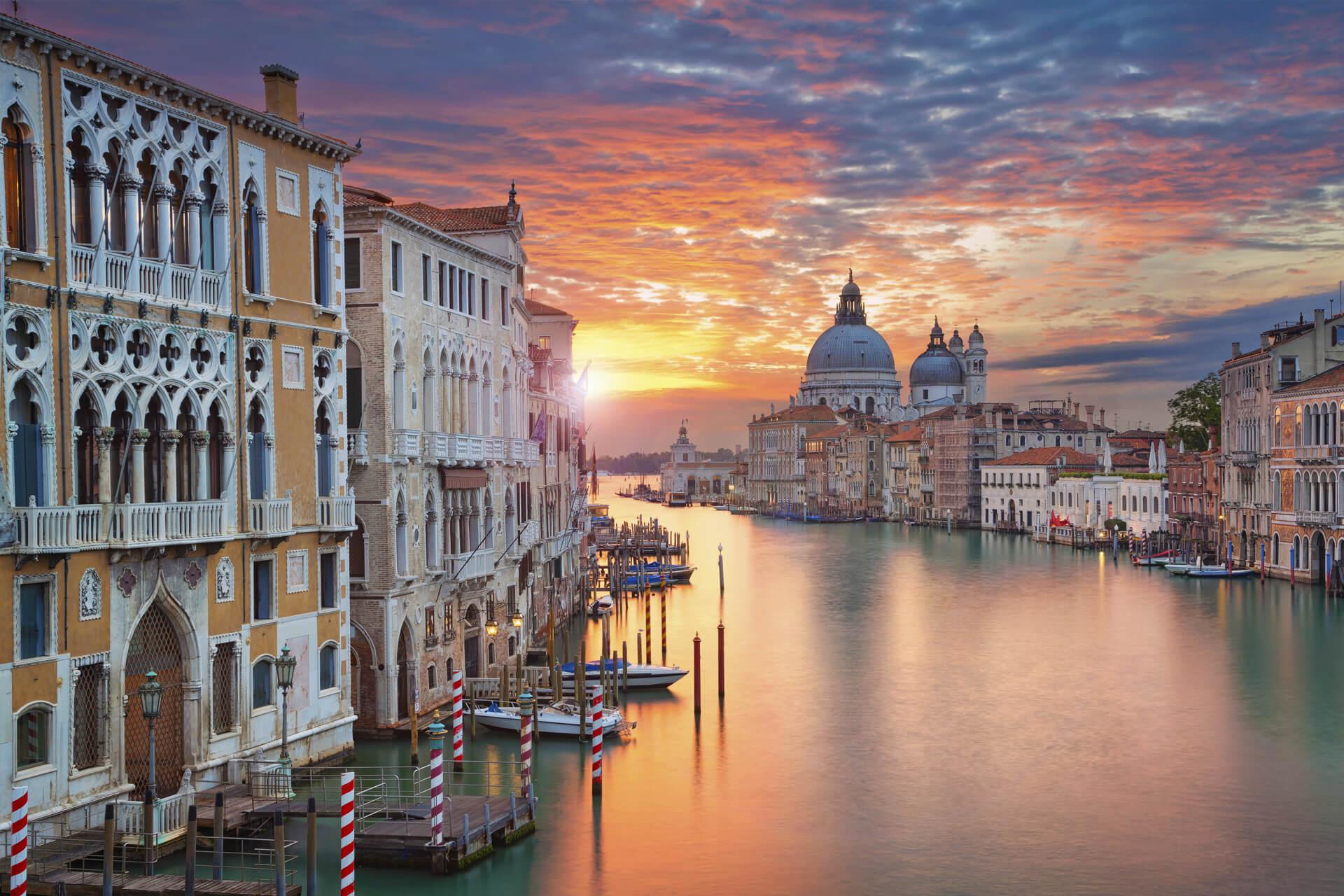
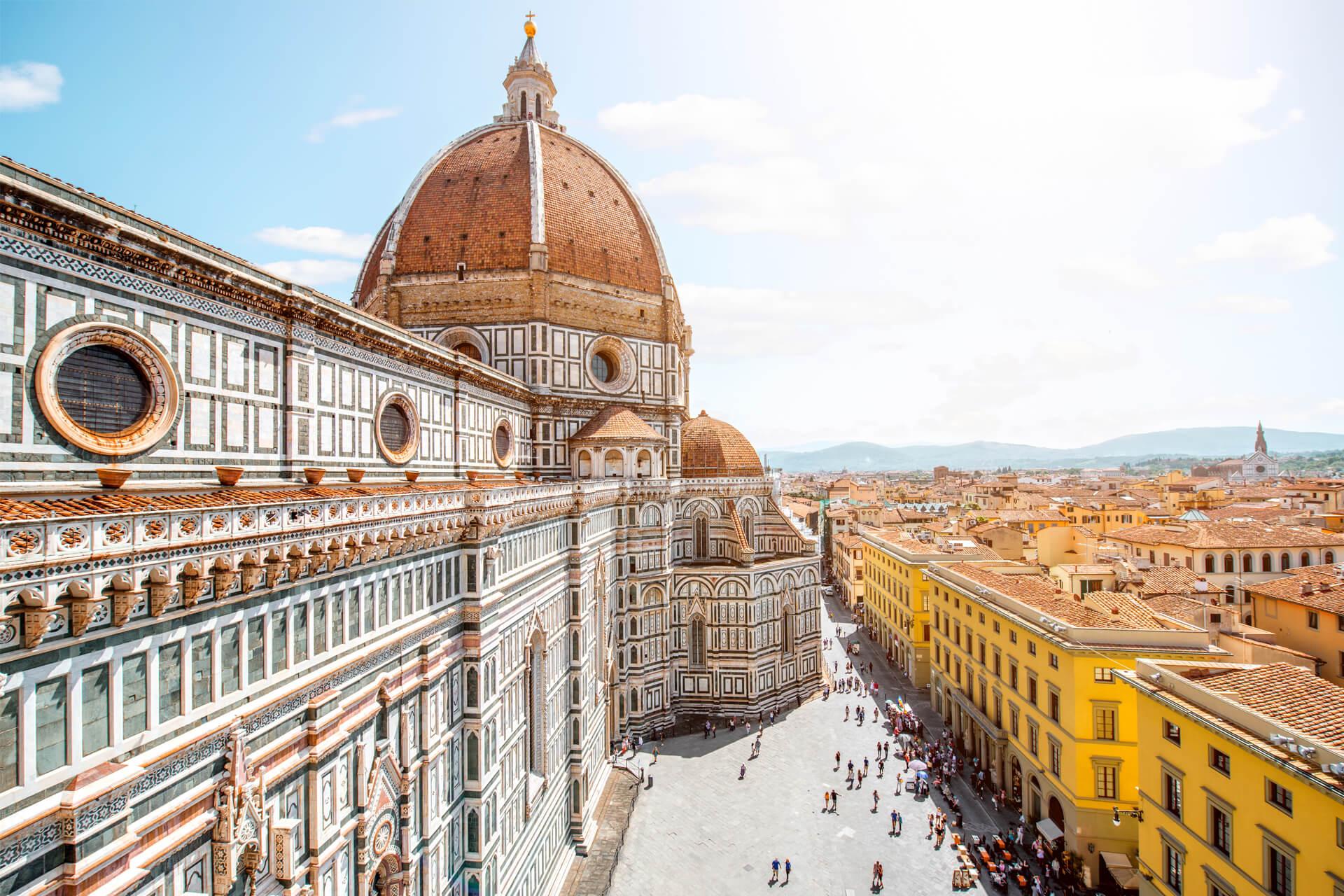
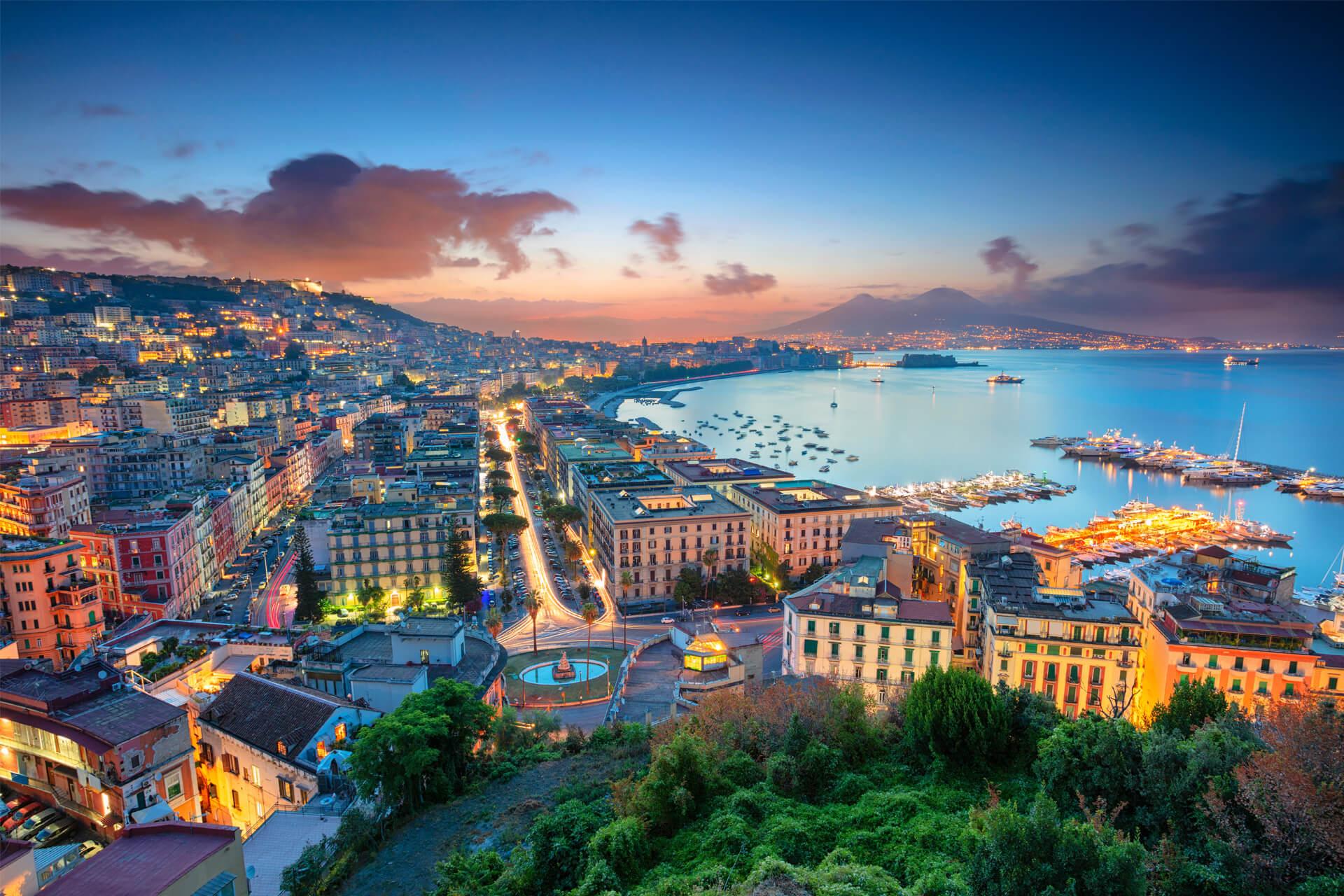
Italy is the art of living at its finest: sun-soaked vineyards and olive groves, dreamy coastal towns, centuries of history woven into breathtaking architecture, and cities where romance fills the air at every turn. Add in unforgettable cuisine, and you have got the true essence of la dolce vita.

Useful information

Official language(s)

Italian is the official language of the country.  

English is generally well understood in major cities and popular tourist spots.  

Flight duration

Direct flight: Approximately 8h 

Connecting flight: 12h to 9h (depending on connection times) 

Time zone difference

Italy time zone: UTC+2 (summer), UTC+1 (winter) 

6h ahead of Quebec (EST)   

6h ahead of Quebec (EDT)

Currency

Euro (EUR) 

Credit cards (Visa, Mastercard, etc.) are accepted almost everywhere. However, it is recommended to also carry cash in euros for small purchases, tips, parking, local markets, and visits to smaller villages.

Tips

In Italy, tipping is not mandatory but is appreciated for good service. In restaurants, if the service charge is not already included in the bill, it is customary to leave around 5% to 10%. For taxis, guides, and hotels, a tip of 1 to 5 euros is sufficient.

Safety

Travelers should be cautious in Italy. Pickpockets are common, and thefts are frequent in crowded areas. It is recommended to keep your valuables and cash in an anti-theft bag. 

Before any foreign trip, visit the Government of Canada’s Italy Travel Advice page to find out about the current situation in the country.

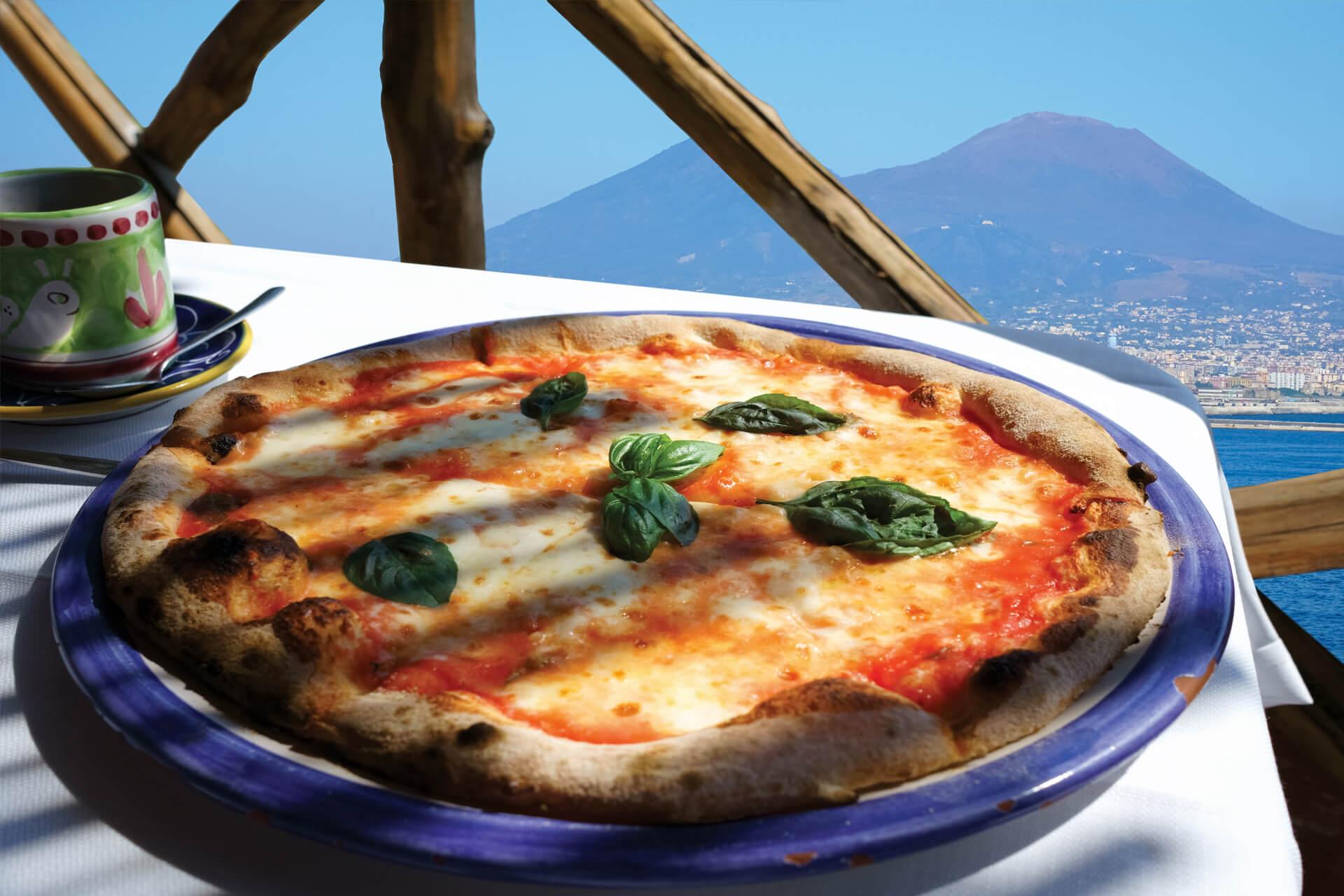
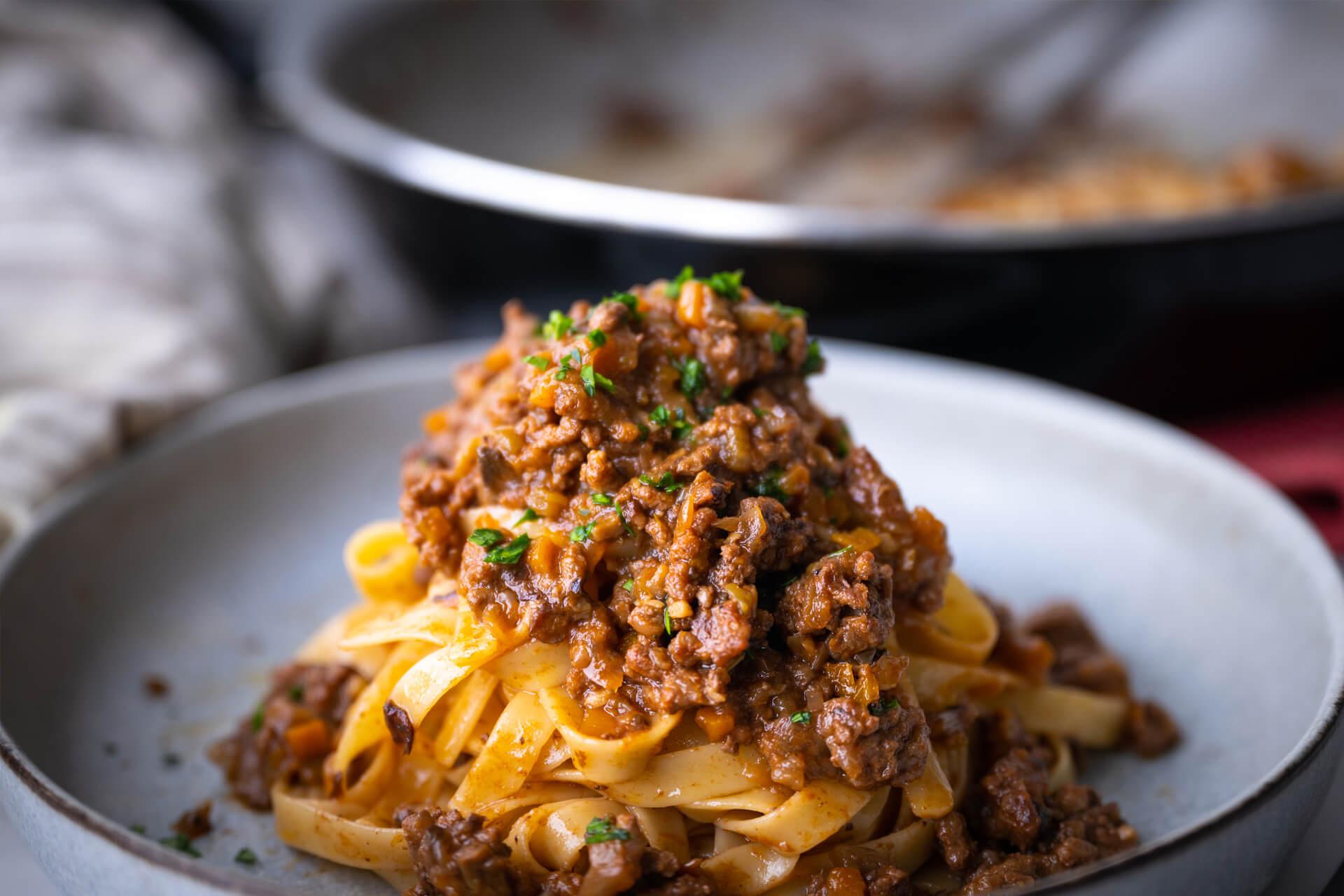
  • World-renowned gastronomy.

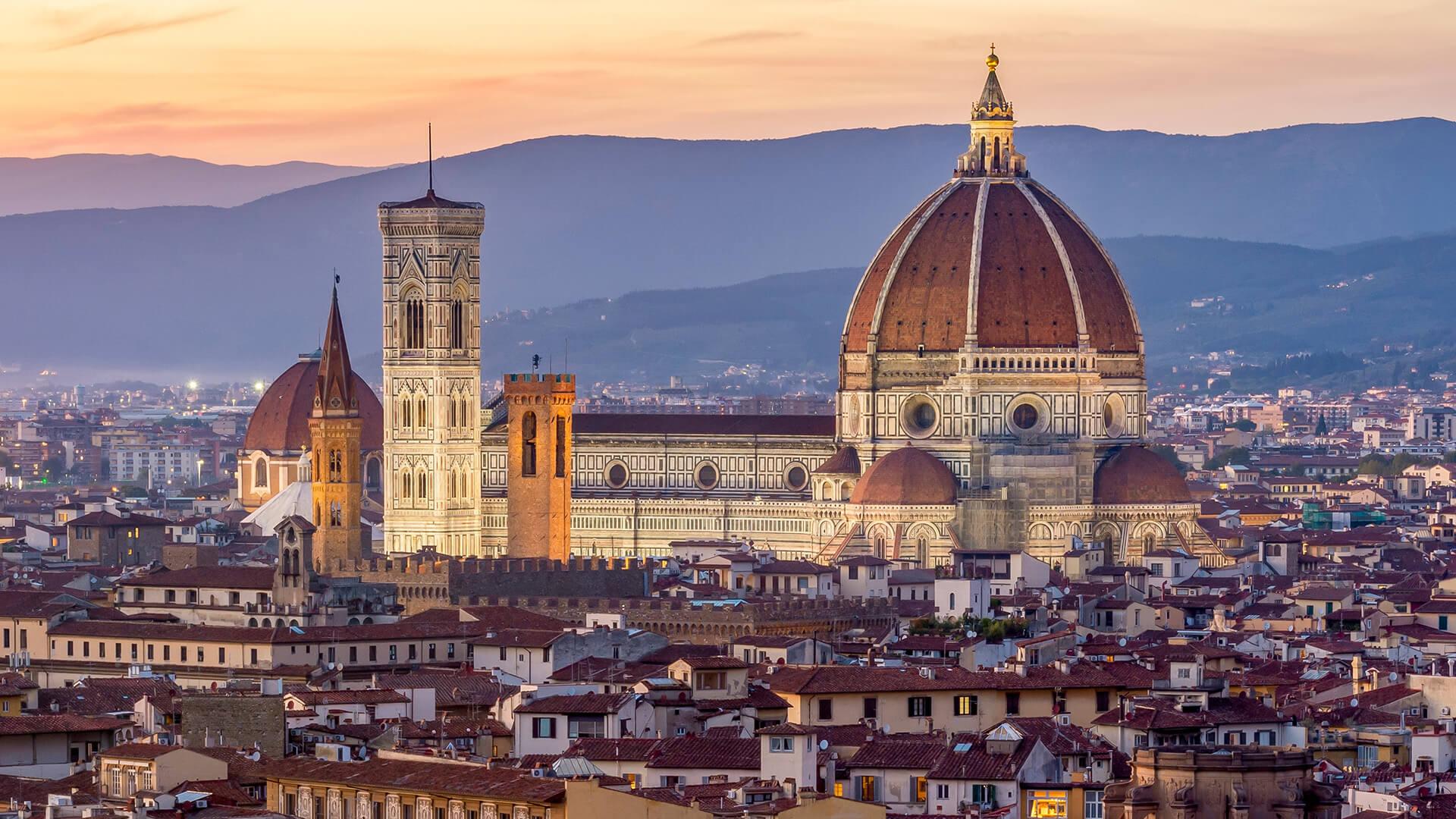
  • Unique cultural heritage: museums, monuments, and Renaissance art.

  • Philosophy of la dolce vita, celebrating the pleasures of food and life: sharing a meal, tasting wine, enjoying landscapes and good company, and living in the moment.

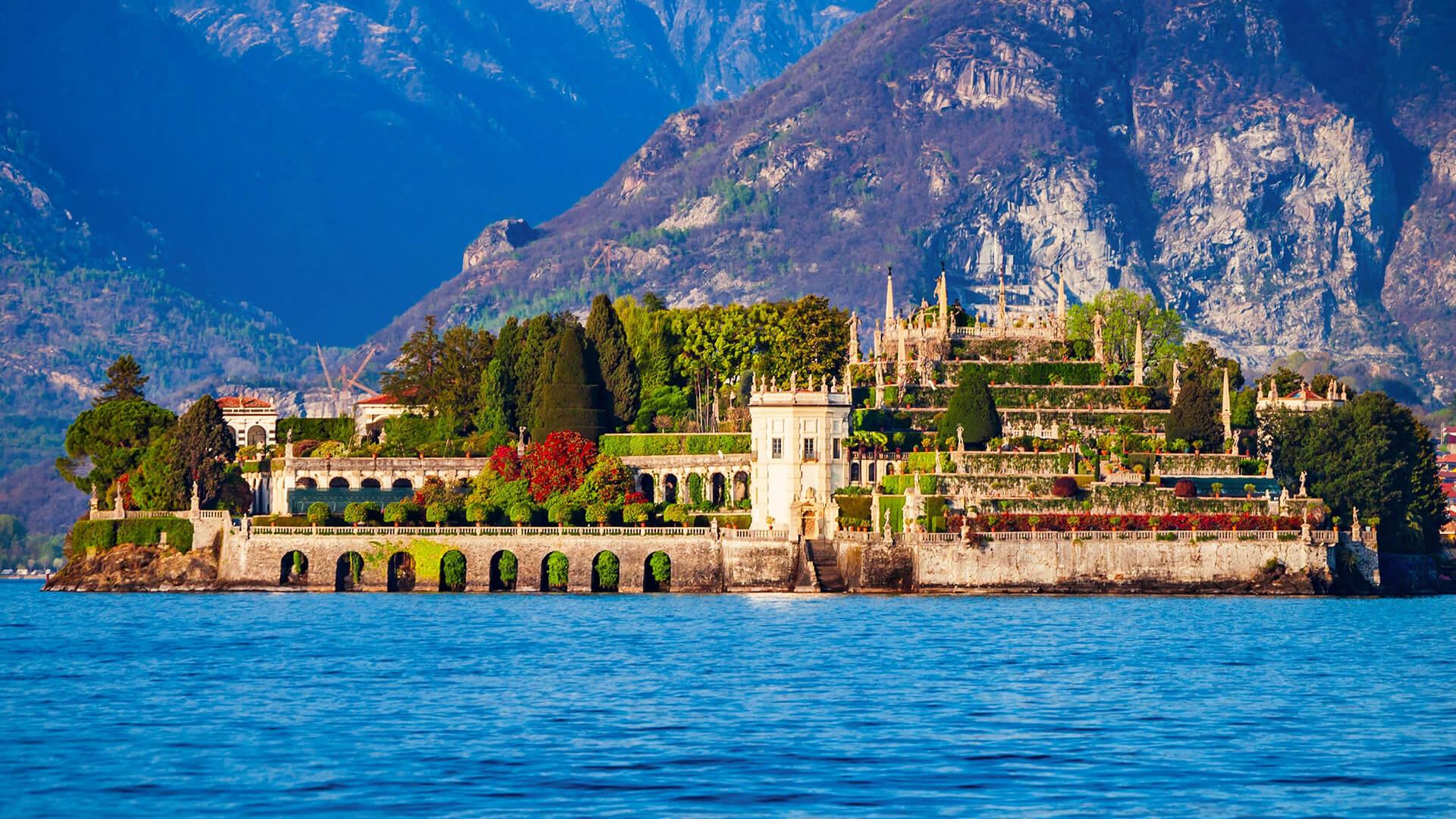
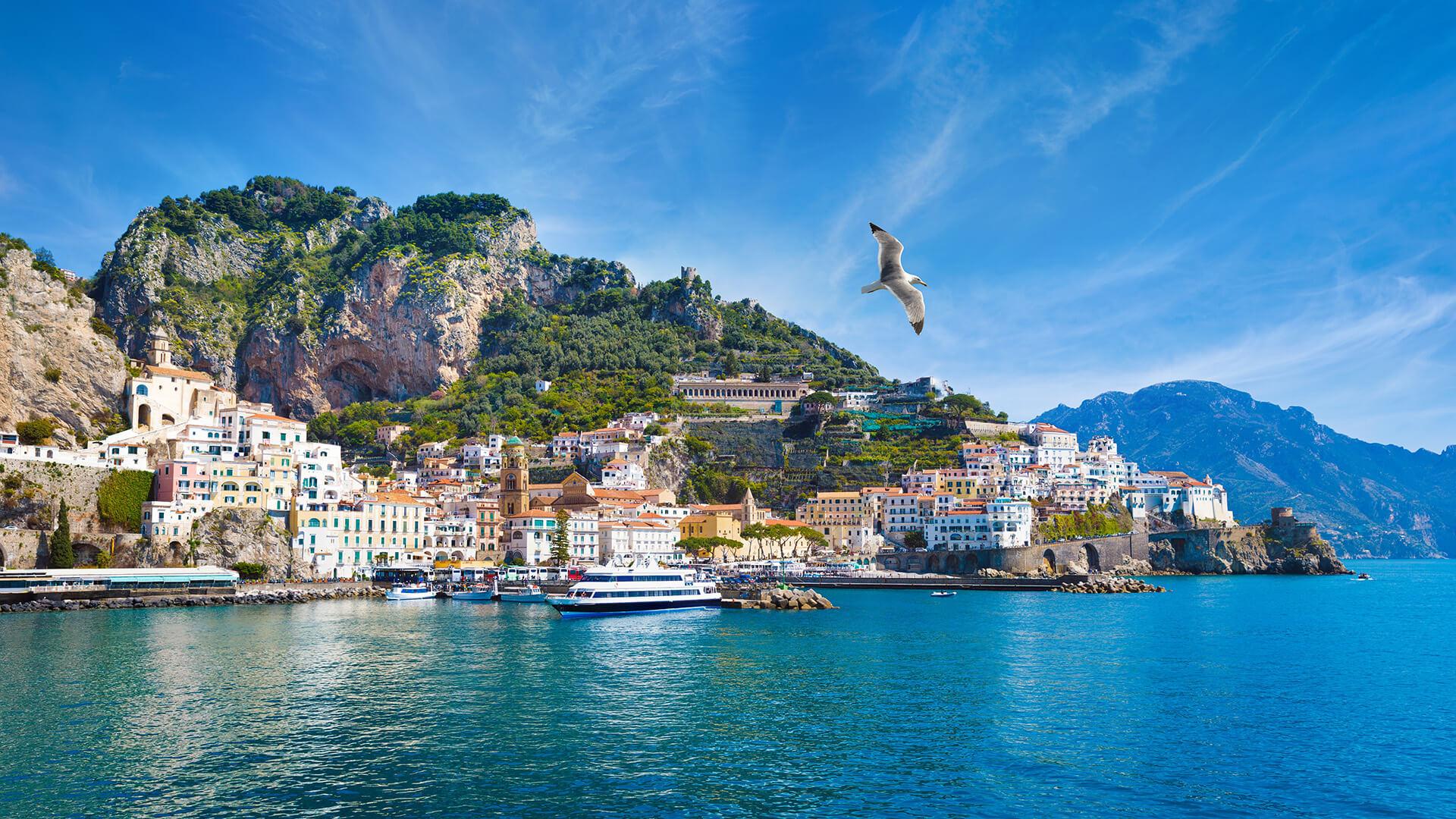
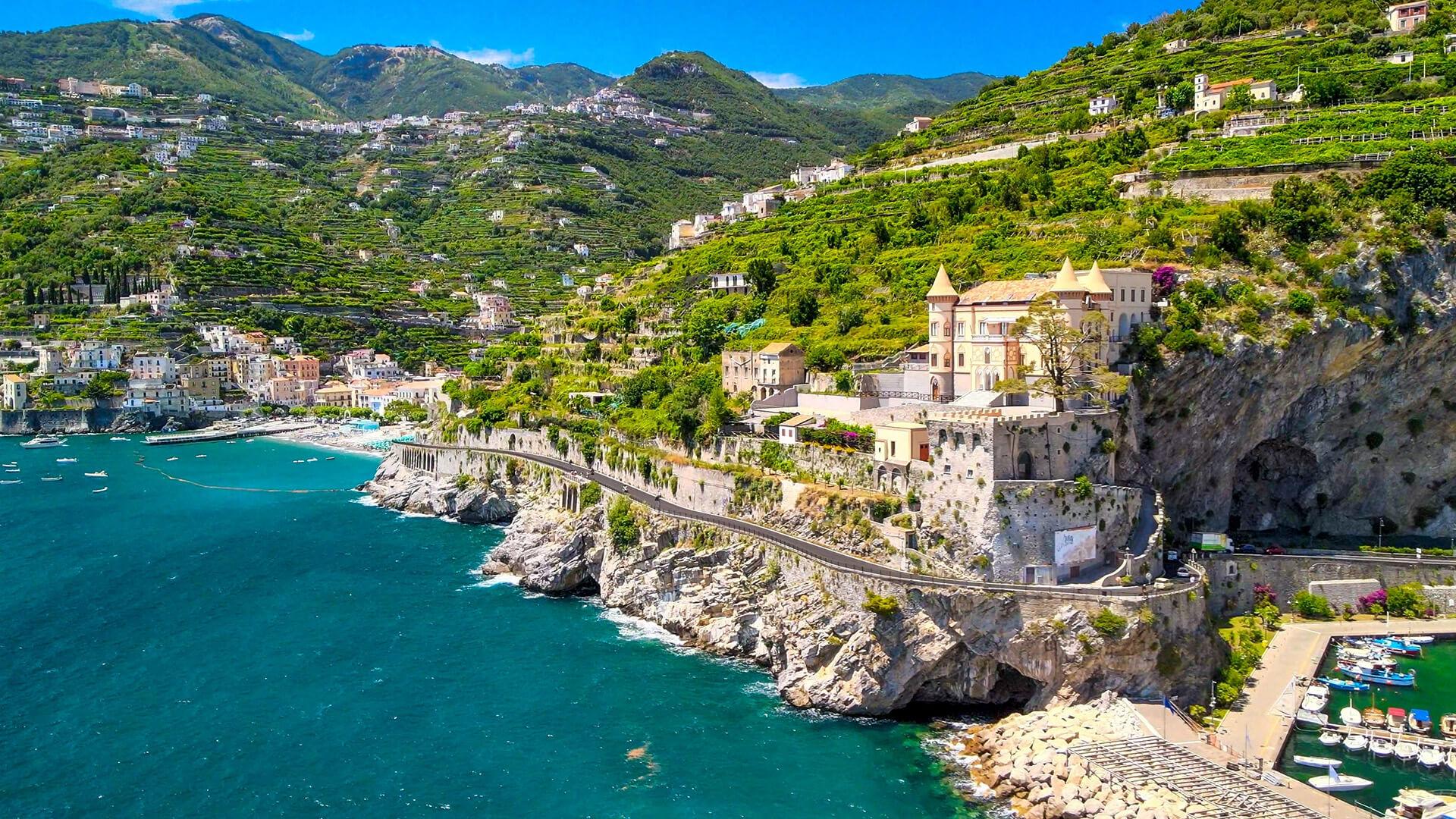
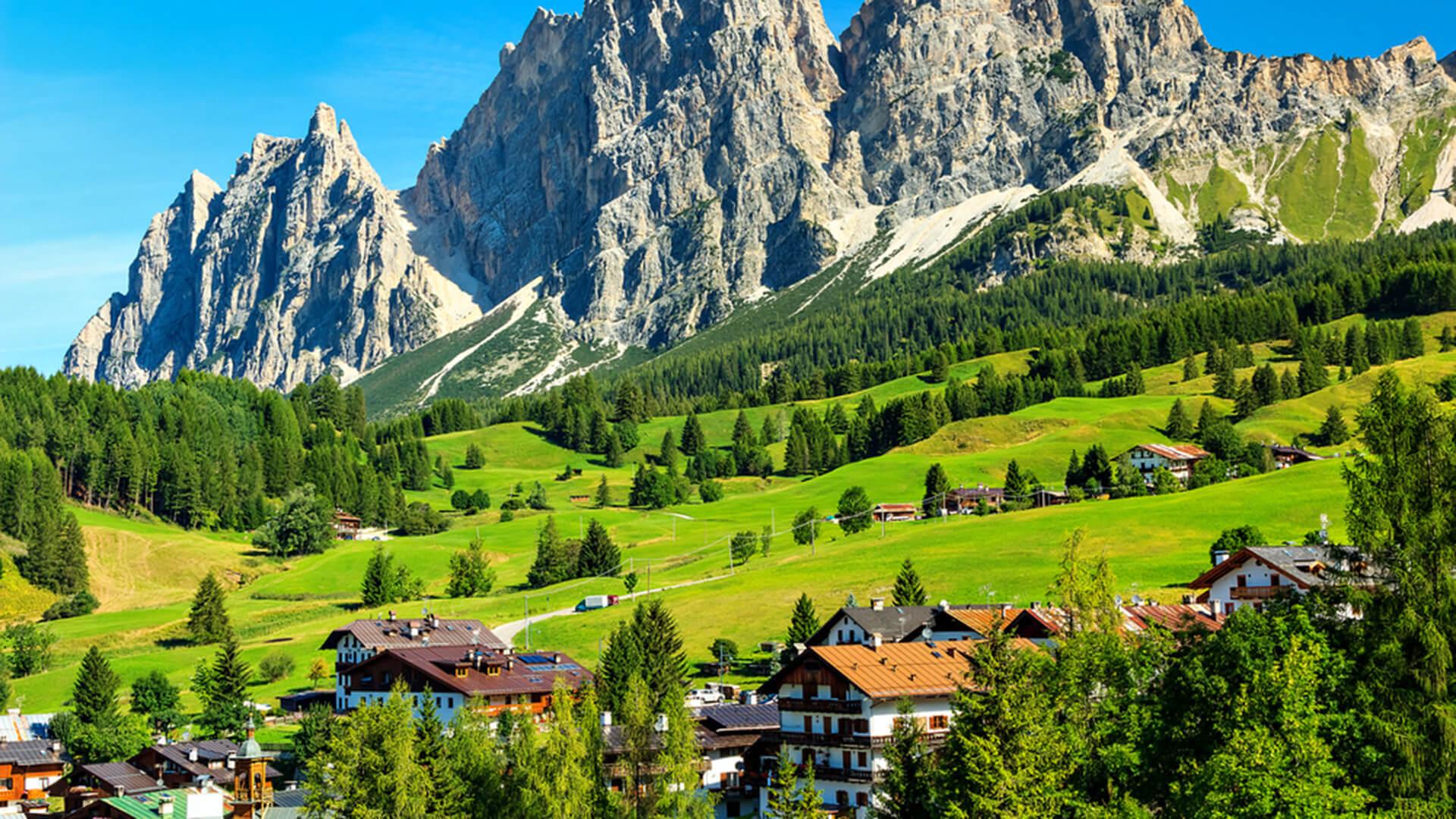
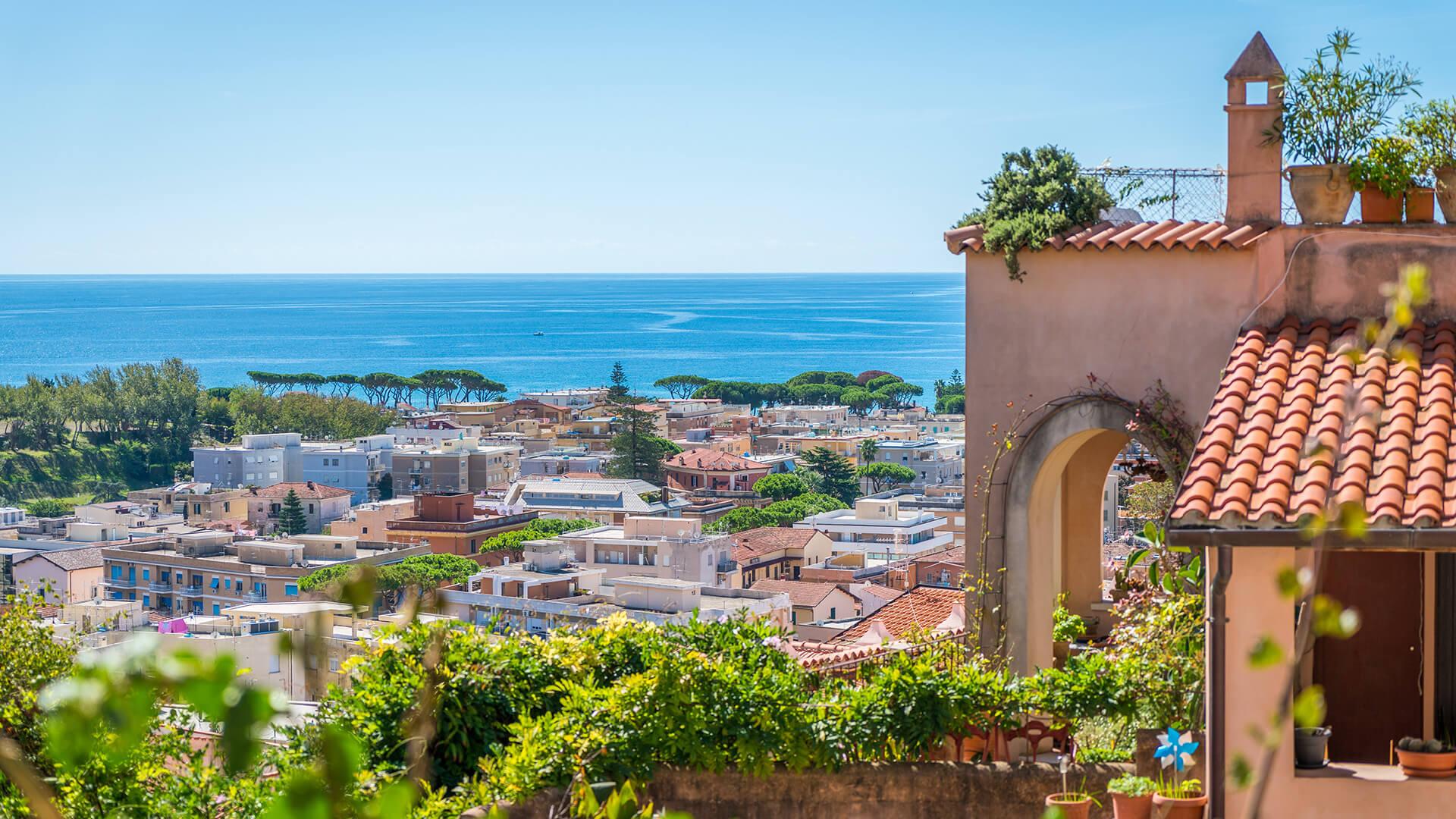
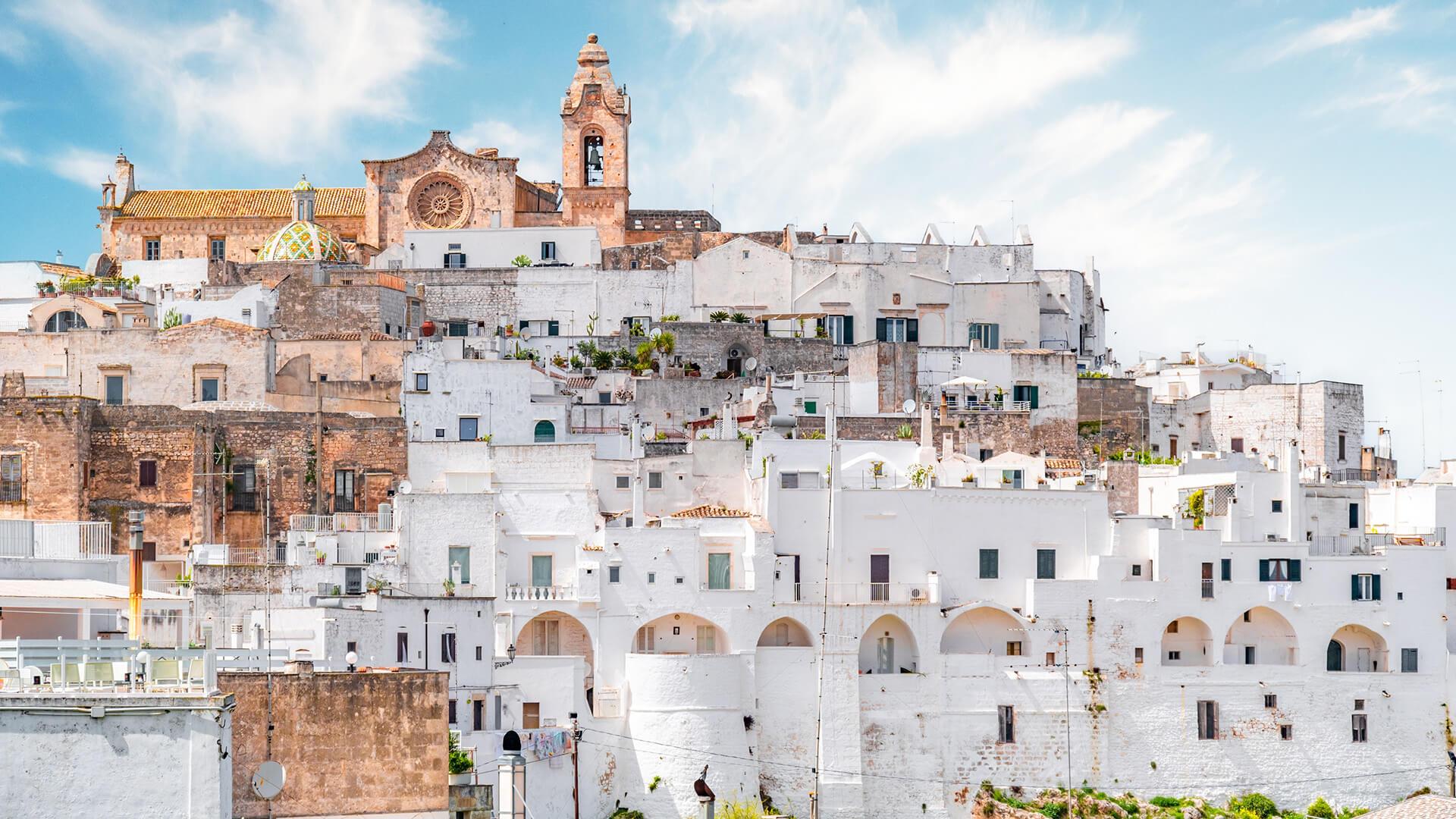
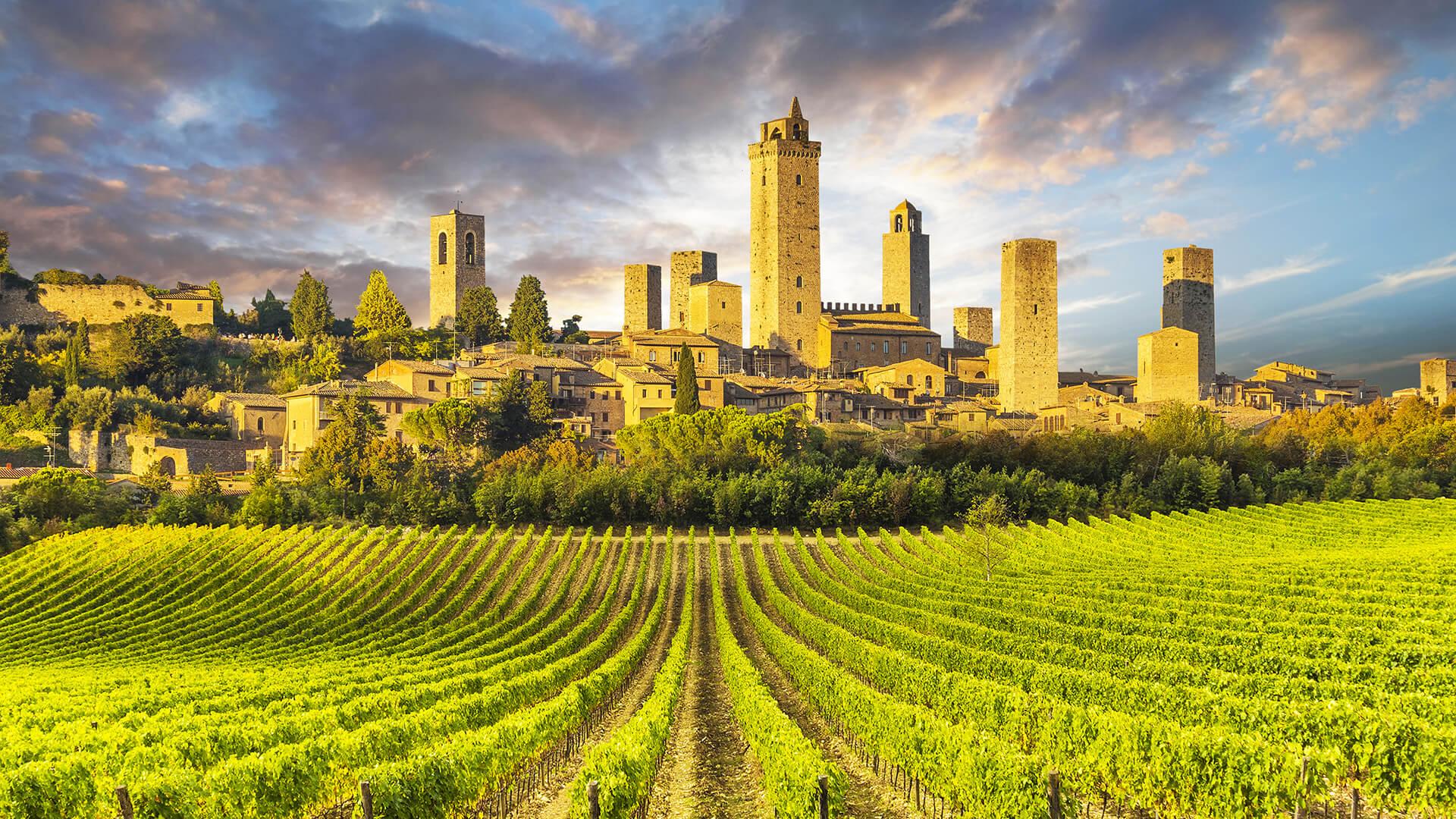
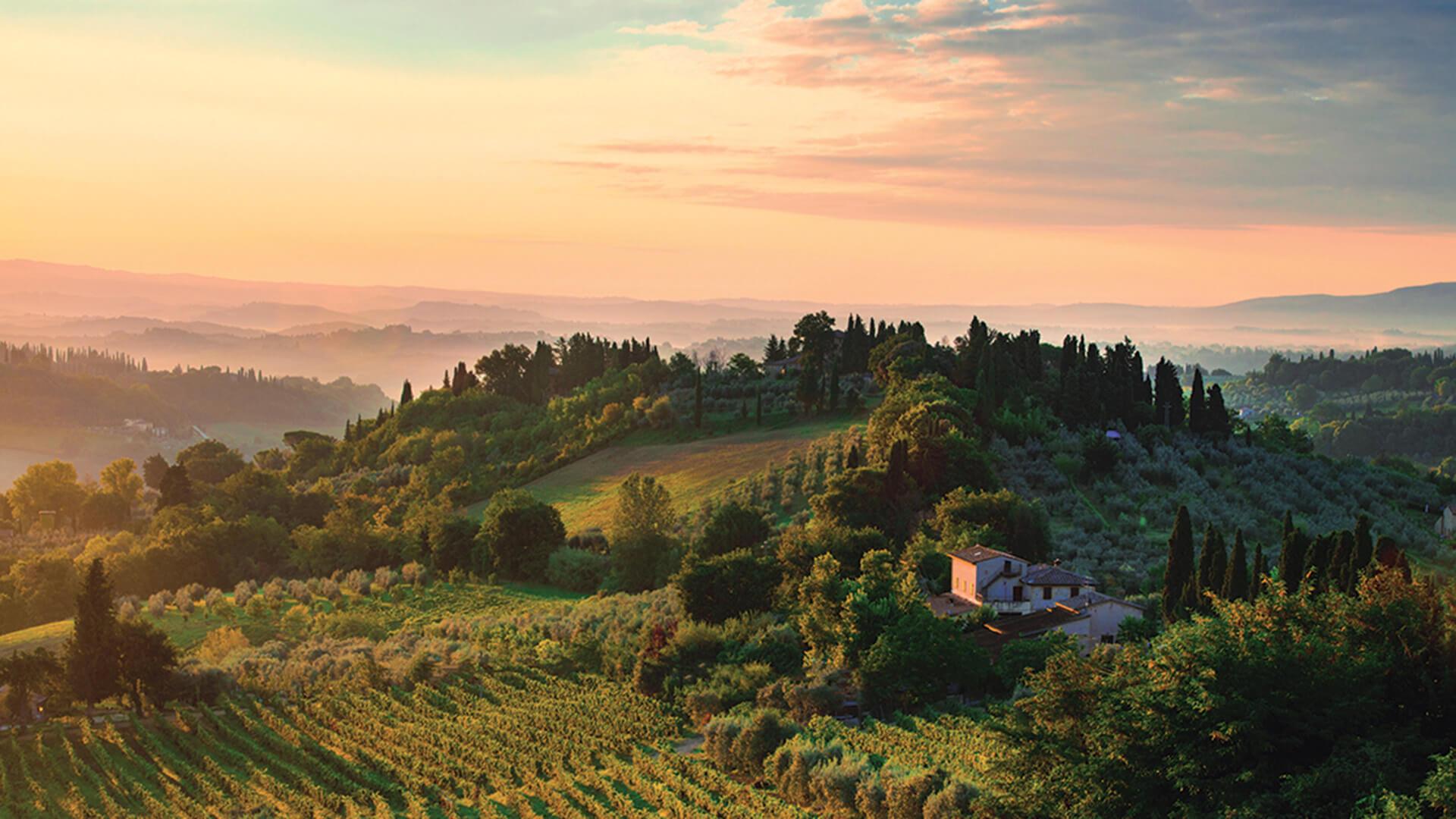
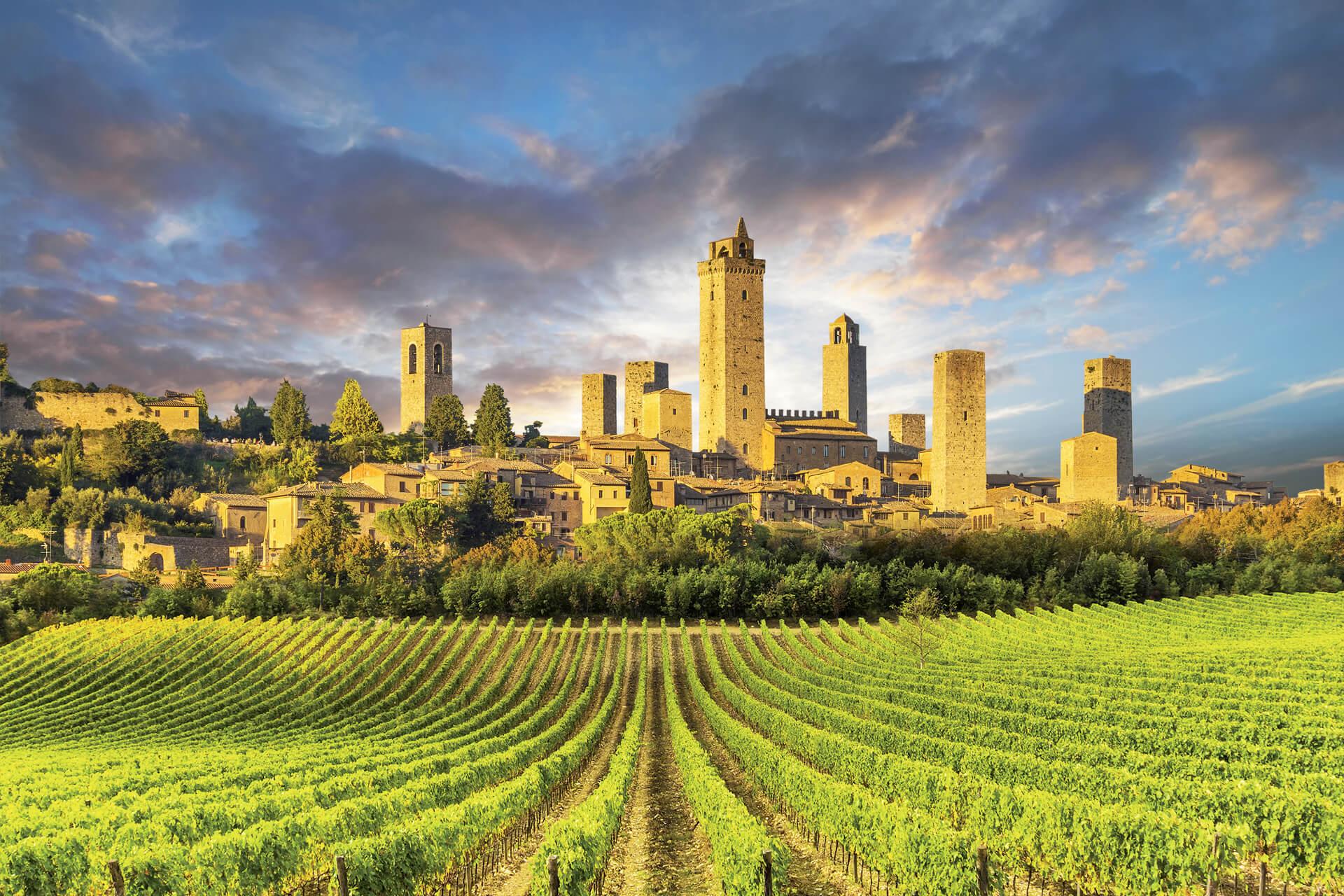
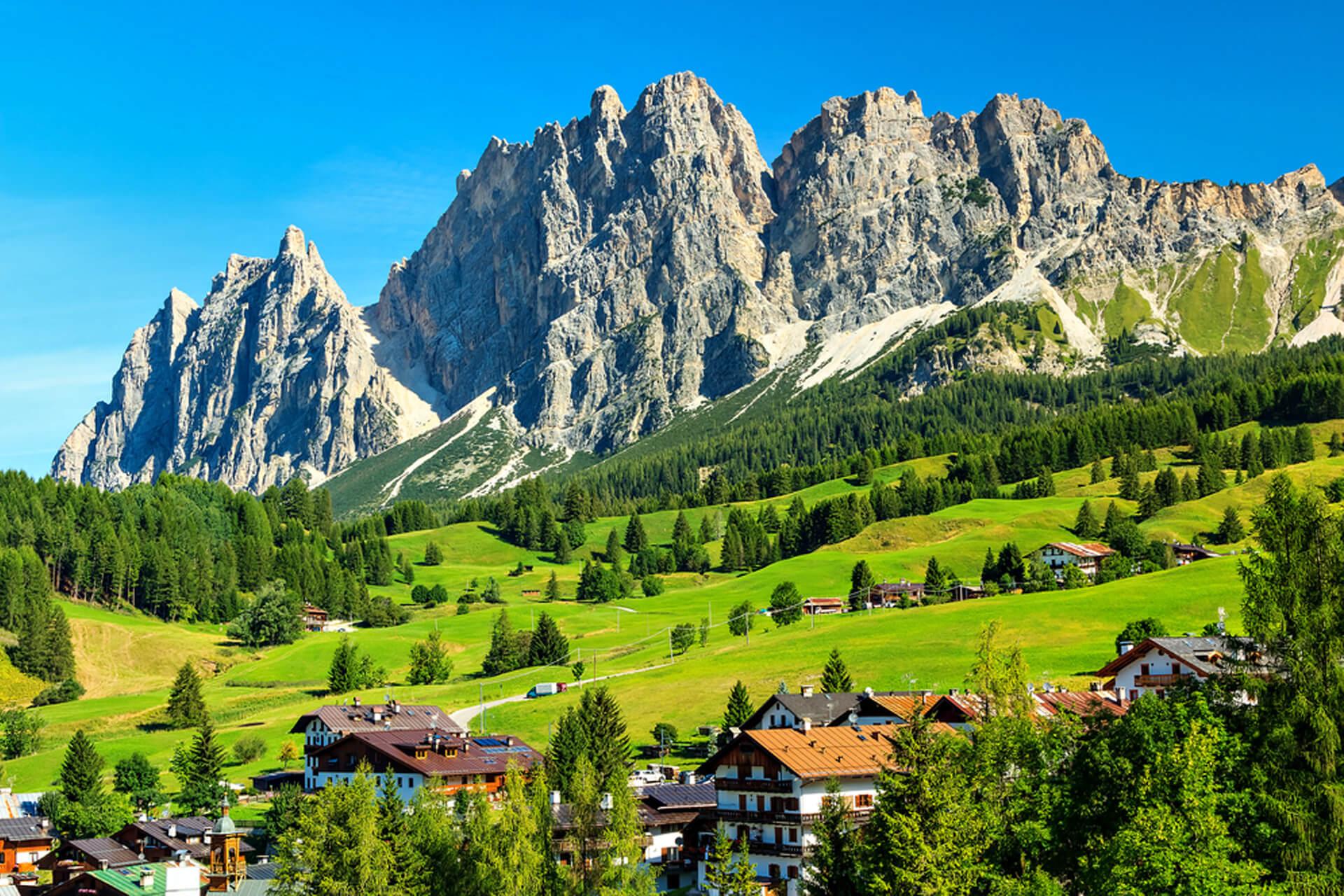
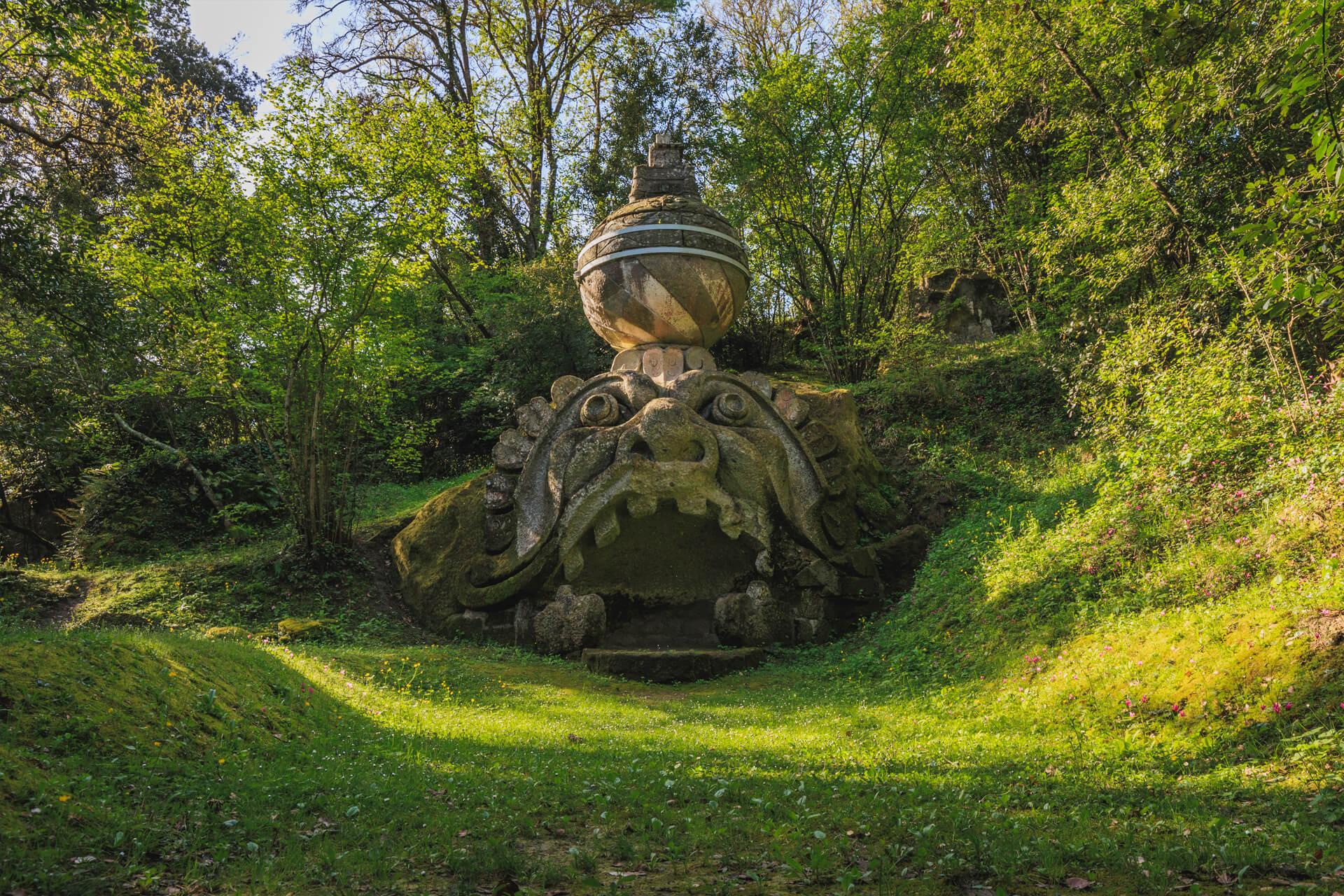
  • Wide variety of landscapes: Mediterranean beaches, picturesque villages, Tuscan vineyards, romantic lakes, and alpine peaks.
Keep in mind

  • Italian trains are convenient, but delays of 10 to 20 minutes are common, especially on regional lines. Please keep this in mind if you have a tight connection.

  • Be cautious on countryside roads. Scooter riders often drive fast and overtake freely, even on curves or solid lines. Stay alert!

  • Watch out for pickpockets in busy tourist areas and historic sites and on public transportation.

Sun-Dried Tomato & Ricotta Sicilian Pesto

A twist on the classic, featuring ricotta cheese and sunflower seeds. Close your eyes, take a bite... and experience Italy like never before! (Video in French only)

Good to know

  • To avoid long waiting lines and get the best prices, purchase your museum and attraction tickets online in advance.
  • Along the highways, rest areas, known as autogrills, offer simple, affordable meals such as pizza, sandwiches, and daily specials. They are also the perfect place to fill up on gas.
  • In train stations, museums, and other public spaces, washrooms are often pay-per-use, so be sure to keep a few coins on hand.

Frequently asked questions

The best time to visit Italy is in the fall, from September to October. The weather is warm and pleasant, and popular tourist sites are less crowded. Spring, from April to June, is another ideal season, with mild temperatures and fewer tourists than in the summer. It’s best to avoid the peak summer months, when heat waves, heavy crowds, and higher prices can detract from the experience.

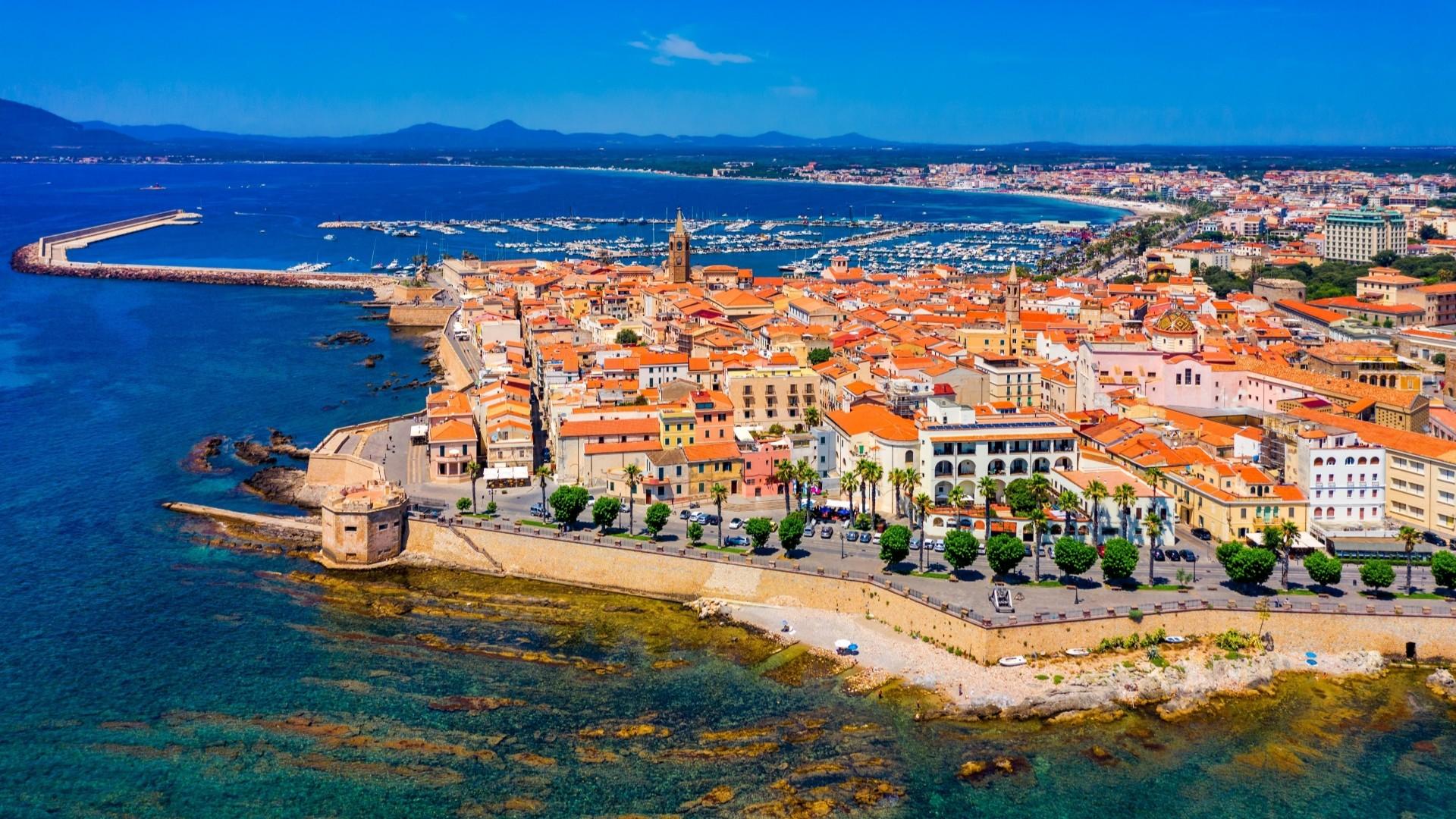
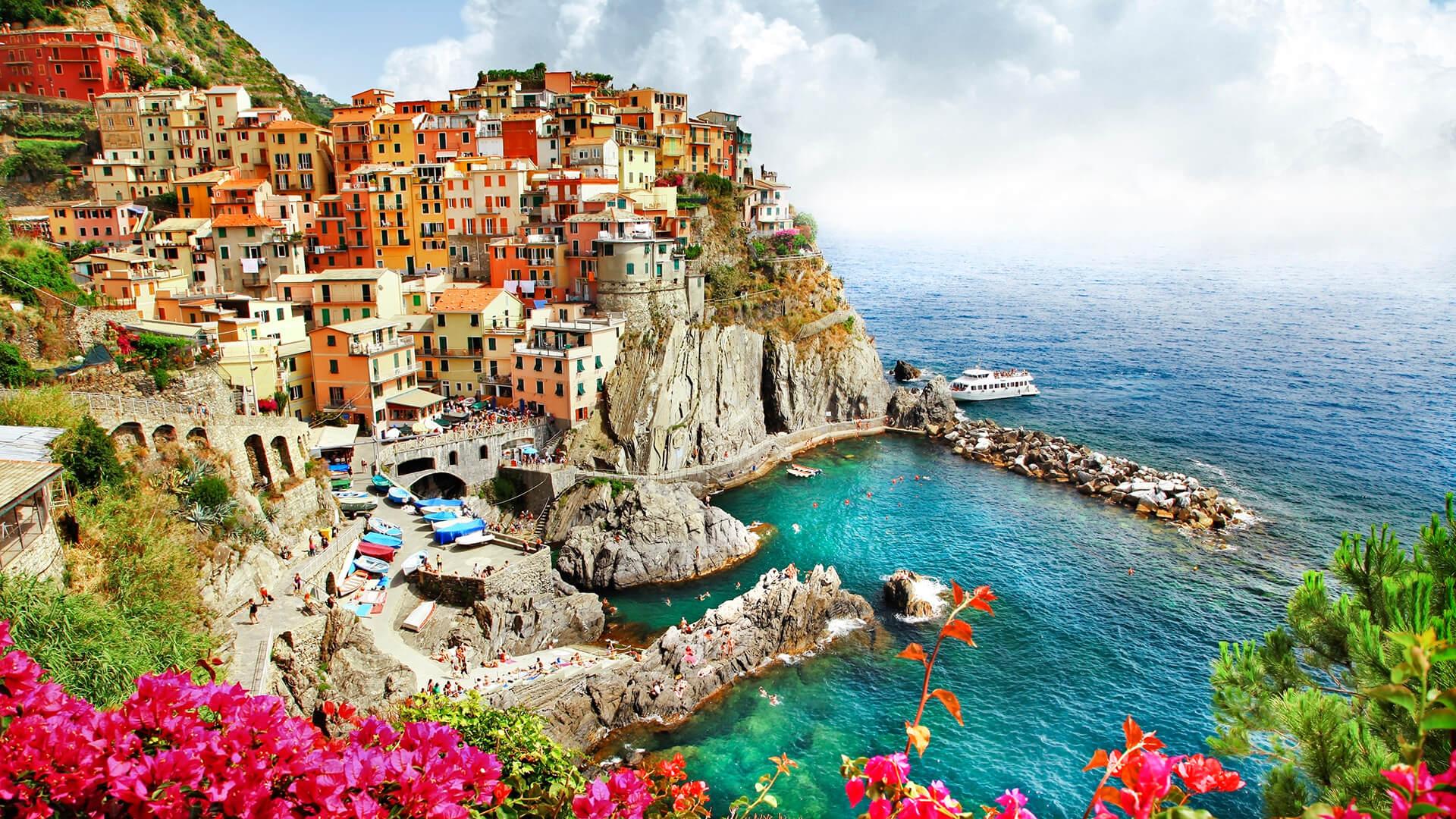
In Italy, high-speed trains are the fastest and most convenient way to travel between major cities, but for exploring rural regions such as Tuscany, Puglia, and Sicily, renting a car is recommended. It offers greater freedom and easy access to remote areas. Be sure to carry an international driver’s license and confirm that insurance is included in your rental. Ferries and boats are also popular for reaching islands and coastal destinations such as Capri, Cinque Terre, and Sardinia. 

10 to 14 days 

This is the perfect amount of time to experience Italy’s rich diversity—its major cities, charming countryside, and coastal villages.

  • Wine harvests and festivals take place in September and October across wine-growing regions such as Piedmont, Veneto, and Tuscany. It’s a time to celebrate the end of the grape harvest and promote winemakers’ agricultural traditions. Visitors can enjoy tastings, tour wine cellars, and stroll through picturesque vineyards directly at the producers’ estates.

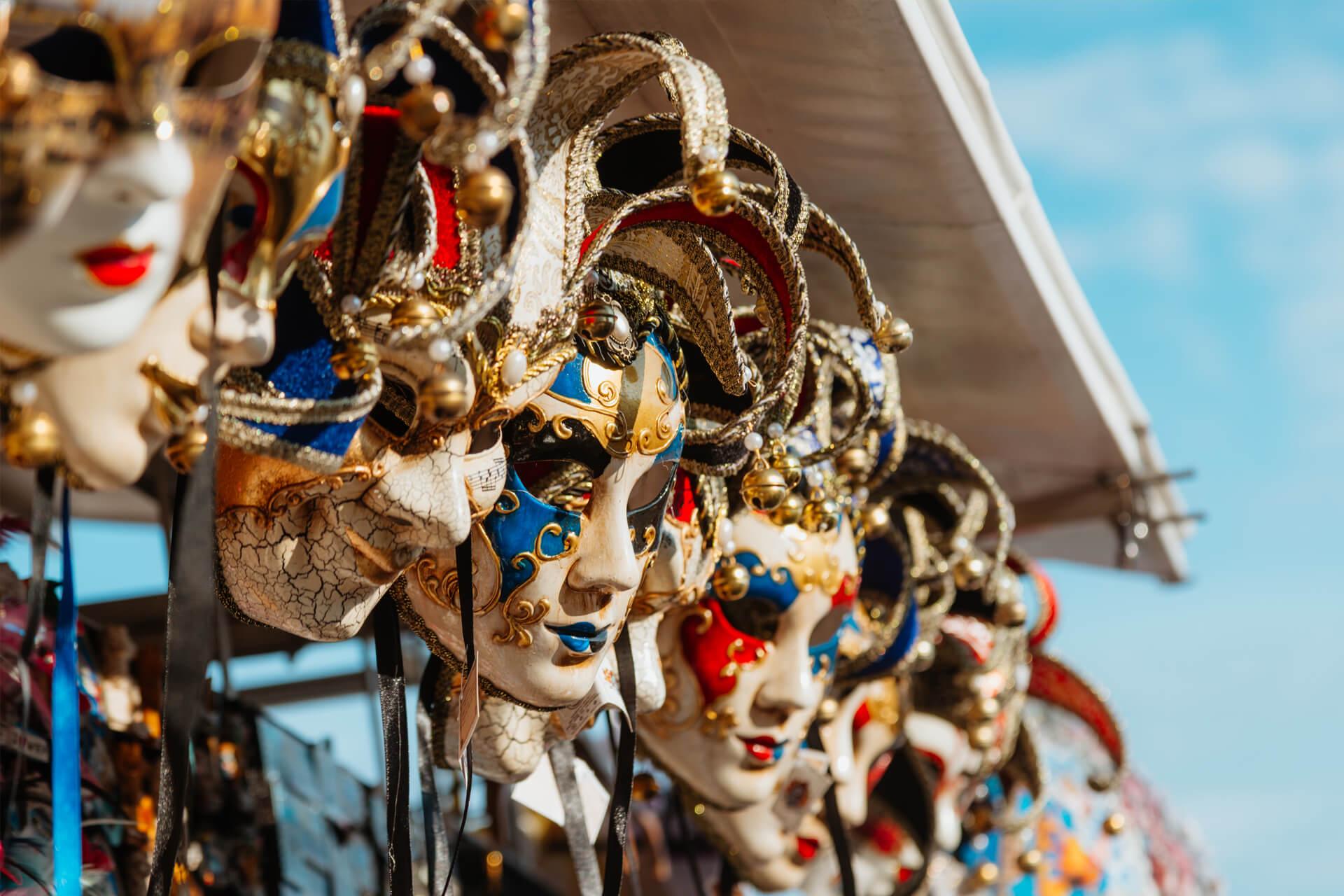
  • The Venice Carnival, held in Venice in February, is one of Italy’s most iconic events. The atmosphere is romantic, mysterious, and festive. Visitors can admire costumed and masked characters, attend parades, and visit traditional mask-making workshops, among many other activities.

  • Christmas markets, from late November to early January, light up Northern Italy in cities such as Bolzano, Trento, Merano, and Verona. The atmosphere is magical—wooden cottages, ice rinks, handmade crafts, mulled wine tastings, regional specialties, breathtaking decorations, and so much more.