Highlights
Warm, welcoming nature of the Portuguese people.
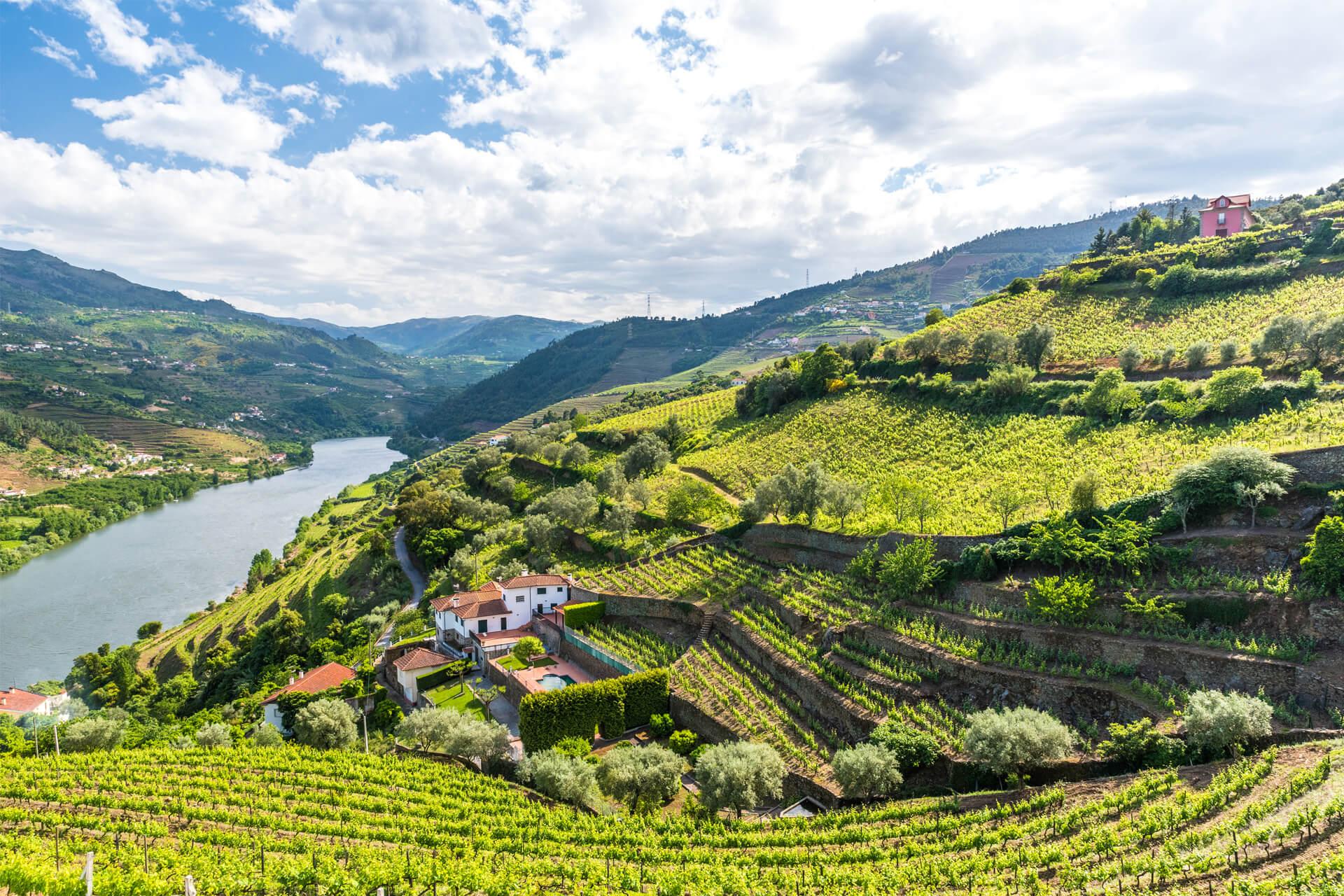
Renowned Port wine vineyards and cellars.
Rich cultural and historical heritage recognized by UNESCO.


Portuguese
English is well understood, especially in tourist areas and among the young generations.
Direct flight: Approximately 6h30
Connecting flight: 9h to 15h (depending on connection times)
Portugal time zone: UTC+0 (winter) and UTC+1 (summer)
5h ahead of Quebec (EST)
4h ahead of Quebec (EDT)
Euro (EUR)
Credit cards (Visa, Mastercard, etc.) are accepted in most restaurants, hotels, shops, and supermarkets. However, some small businesses and markets operate on a cash-only basis, so it’s recommended to keep euros on hand.
A tip of 5% to 10% is customary in restaurants and cafés if service isn’t already included. For taxis, rounding up the fare is common practice.
Portugal is safe destination. Still, like in any major city, beware of pickpockets and minor scams. On the road, stay alert—Portuguese drivers can be fast and unpredictable, particularly in urban areas.
Before any foreign trip, visit the Government of Canada’s Portugal Travel Advice page to find out about the current situation in the country.


The medieval town of Óbidos is one of Portugal’s most beautiful, fortified villages. Its narrow cobblestone streets and whitewashed houses draped in flowers make it truly unique. Whether you wander its alleys, tour its castle, or taste its local ginjinha, Óbidos will make you travel back in time.

Mateus Palace is a gem of Portuguese Baroque architecture, renowned for its elegant façade perfectly reflected in a water mirror. Behind the palace lie meticulously maintained gardens, adorned with hedges and statues. Visitors can enjoy the famous Mateus wines produced in the Douro region.

The fishing port of Nazaré, located on Portugal’s Atlantic coast, is authentic and surrounded by spectacular scenery. Among the colourful boats, you can watch the daily work of local fishermen, visit the fish market, and taste regional specialties.

Celorico da Beira is a small, authentic, and little-known town in Portugal. It is the perfect place to discover the traditional process of making Serra da Estrela cheese, visit the town’s historic castle, explore the surrounding villages, and enjoy the beautiful scenery.
The medieval town of Óbidos is one of Portugal’s most beautiful, fortified villages. Its narrow cobblestone streets and whitewashed houses draped in flowers make it truly unique. Whether you wander its alleys, tour its castle, or taste its local ginjinha, Óbidos will make you travel back in time.
Mateus Palace is a gem of Portuguese Baroque architecture, renowned for its elegant façade perfectly reflected in a water mirror. Behind the palace lie meticulously maintained gardens, adorned with hedges and statues. Visitors can enjoy the famous Mateus wines produced in the Douro region.
The fishing port of Nazaré, located on Portugal’s Atlantic coast, is authentic and surrounded by spectacular scenery. Among the colourful boats, you can watch the daily work of local fishermen, visit the fish market, and taste regional specialties.
Celorico da Beira is a small, authentic, and little-known town in Portugal. It is the perfect place to discover the traditional process of making Serra da Estrela cheese, visit the town’s historic castle, explore the surrounding villages, and enjoy the beautiful scenery.
Warm, welcoming nature of the Portuguese people.
Renowned Port wine vineyards and cellars.
Rich cultural and historical heritage recognized by UNESCO.
Portuguese people speak little French. English is widely used, and while they generally understand Spanish well, it is less commonly spoken than English.

“Visiting the Óbidos Mercado Medieval felt like stepping back in time. It was a unique, unforgettable experience. Everything is in place to immerse you in the atmosphere of the Middle Ages: locals wearing period costumes, parades, medieval combat, and traditional meals cooked the old-fashioned way and served with wooden utensils—a must-see event!”

Pastéis de nata are small puff pastry tarts filled with a creamy egg and milk custard, lightly caramelized during baking. Traditionally served warm and sprinkled with cinnamon or powdered sugar, they are an iconic Portuguese pastry.

This traditional soup from northern Portugal is made with potatoes, finely shredded cabbage (couve galega), and a drizzle of olive oil. It is often served with slices of chouriço, a type of Portuguese sausage.

Cozido à portuguesa is a traditional Portuguese stew made with a variety of meats (pork, beef, chicken, sausage), vegetables (cabbage, carrots, turnips, potatoes), and sometimes rice. This hearty, generous dish is slow-cooked in a flavourful broth.

Grilled fish is a must-try dish in Portugal’s coastal villages. Sardines, sea bream, sea bass, or tuna are seasoned with salt and a drizzle of olive oil, then cooked over charcoal or wood grills. This cooking method gives the fish its distinctive smoky aroma and flavour.

Port wine is a fortified wine produced exclusively in the Douro Valley. It is known for its rich aromas; natural sweetness; and wide range of styles, including fruity ruby, nutty and caramel-flavoured tawny, fresh and floral white, and complex and powerful vintage.
Pastéis de nata are small puff pastry tarts filled with a creamy egg and milk custard, lightly caramelized during baking. Traditionally served warm and sprinkled with cinnamon or powdered sugar, they are an iconic Portuguese pastry.
This traditional soup from northern Portugal is made with potatoes, finely shredded cabbage (couve galega), and a drizzle of olive oil. It is often served with slices of chouriço, a type of Portuguese sausage.
Cozido à portuguesa is a traditional Portuguese stew made with a variety of meats (pork, beef, chicken, sausage), vegetables (cabbage, carrots, turnips, potatoes), and sometimes rice. This hearty, generous dish is slow-cooked in a flavourful broth.
Grilled fish is a must-try dish in Portugal’s coastal villages. Sardines, sea bream, sea bass, or tuna are seasoned with salt and a drizzle of olive oil, then cooked over charcoal or wood grills. This cooking method gives the fish its distinctive smoky aroma and flavour.
Port wine is a fortified wine produced exclusively in the Douro Valley. It is known for its rich aromas; natural sweetness; and wide range of styles, including fruity ruby, nutty and caramel-flavoured tawny, fresh and floral white, and complex and powerful vintage.


The best time to visit Portugal is in the spring (April to June) or early fall (September to October), when the weather is nice, and there are fewer tourists. June and July can get very hot, especially inland. Winter is mild (around 16°C to 18°C) in this coastal country at the gateway to Europe.
In Portugal, public transportation is one of the most efficient ways to get around. Buses, trains, and trams—including the renowned Tram 28—are efficient and widely available. Major cities such as Lisbon and Porto are also served by well-developed metro systems. For those wishing to explore rural areas, renting a car is a convenient option that allows greater flexibility and access to remote destinations.
10 to 14 days.
It is the perfect length for exploring the country at a relaxed pace because the country offers a wide variety of landscapes and experiences.
Festa de São João in Porto (night of June 23 and 24): This is one of the country’s biggest celebrations. Expect fireworks, music, dancing, and the playful tradition of gently tapping people on the head with plastic hammers!
Carnaval de Torres Vedras (held annually in Lisbon, the week before Mardi Gras): Often described as the most authentically Portuguese carnival, this event features a lively, satirical atmosphere; colourful parades; festive crowds; and decorated floats.

Portugal
Departures: Sep 19, 2026, Sep 23, 2026 + 17 other dates
Price from $2,559 $2,431

Portugal
Departures: Sep 20, 2026, Sep 23, 2026 + 50 other dates
Price from $1,989 $1,889
Portugal
Departures: Oct 01, 2026, Oct 08, 2026 + 1 other date
Price from $2,119 $2,013
Portugal, Spain, and Morocco
Departures: Oct 03, 2026, Oct 24, 2027
Price from $8,939 $6,699
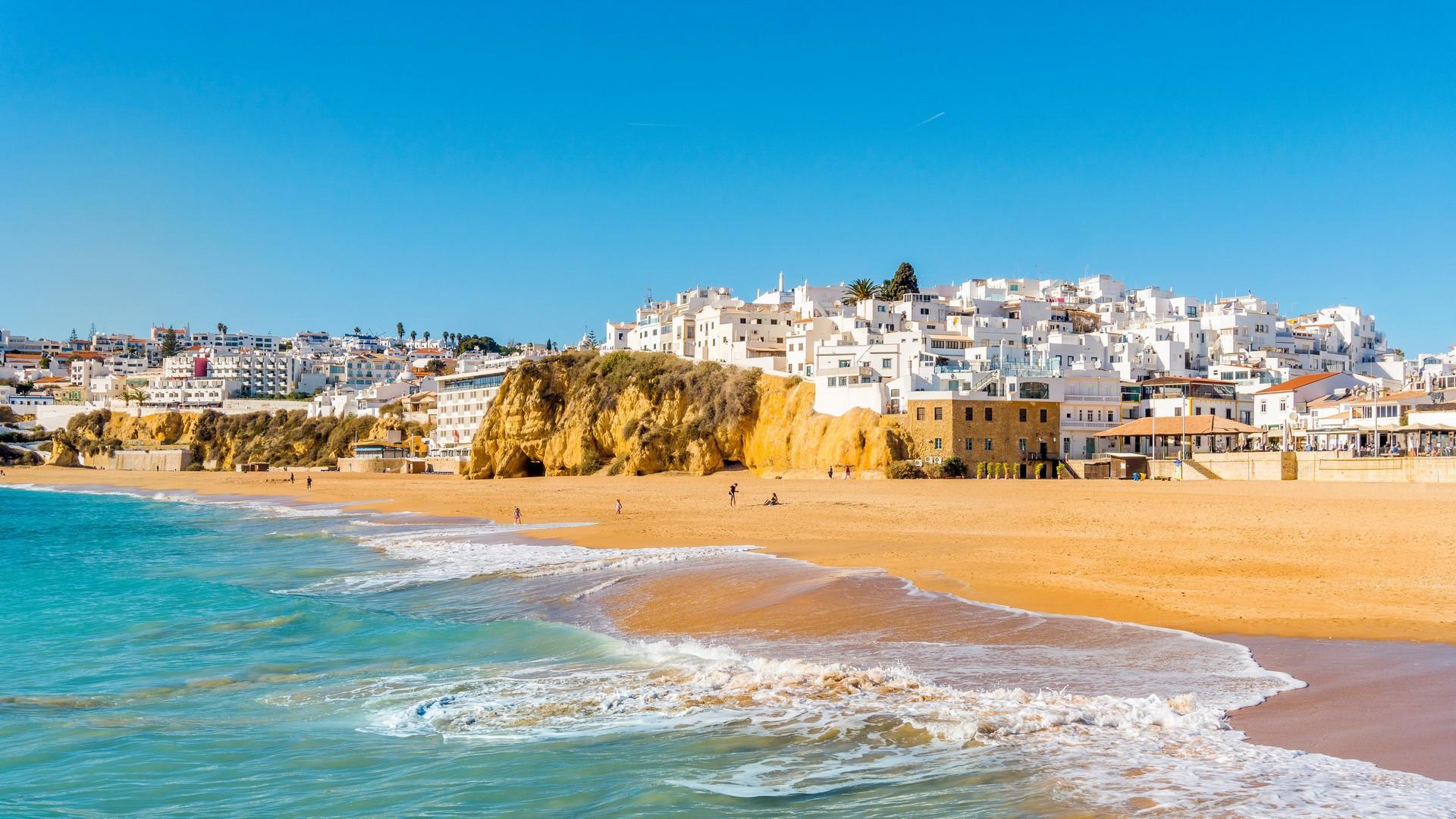
Portugal
Departure: Mar 01, 2027
Price from $4,799 $4,724
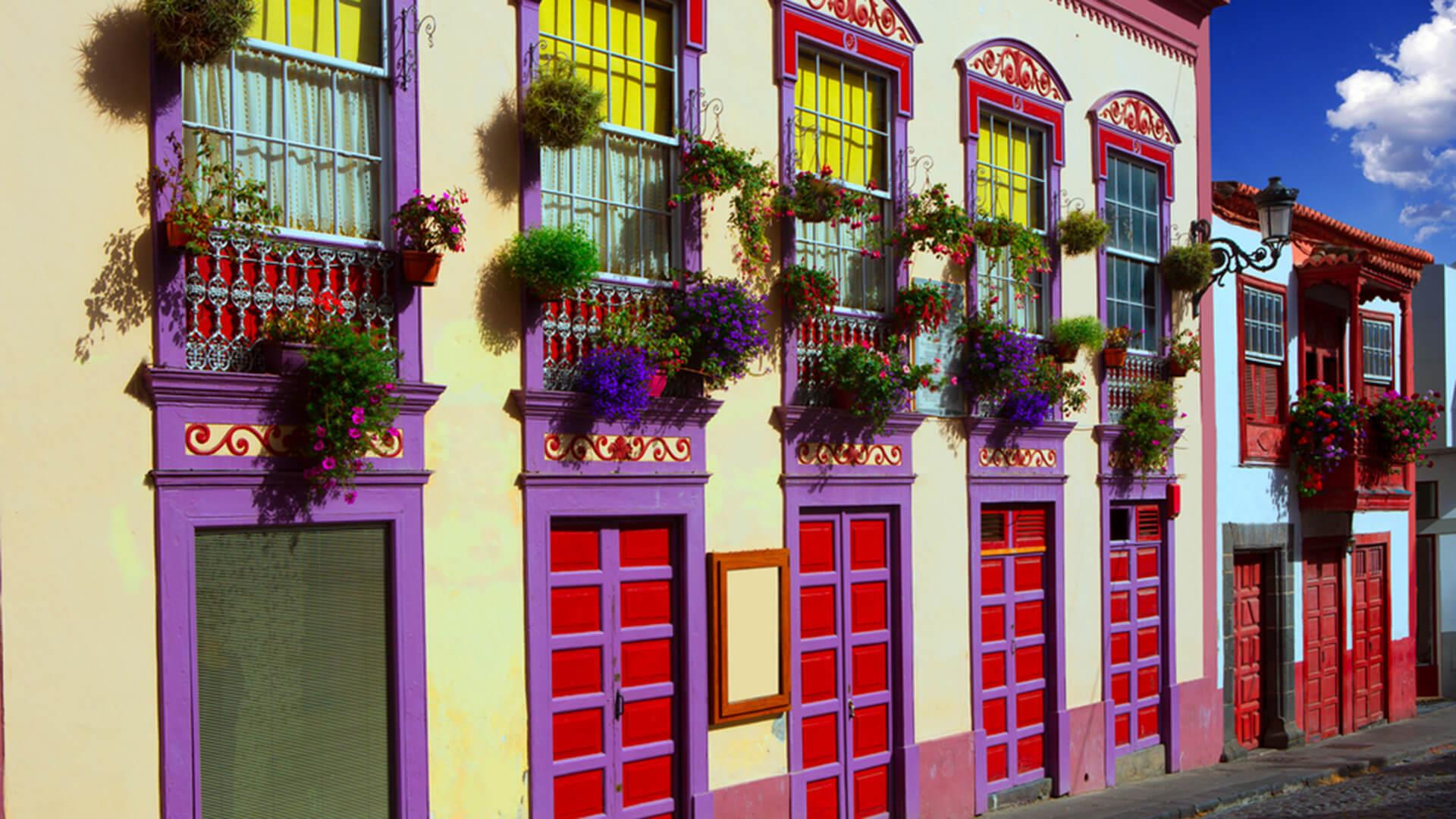
Mediterranean Sea and Atlantic Ocean
Departure: Mar 26, 2027
Price from $7,549 $7,474
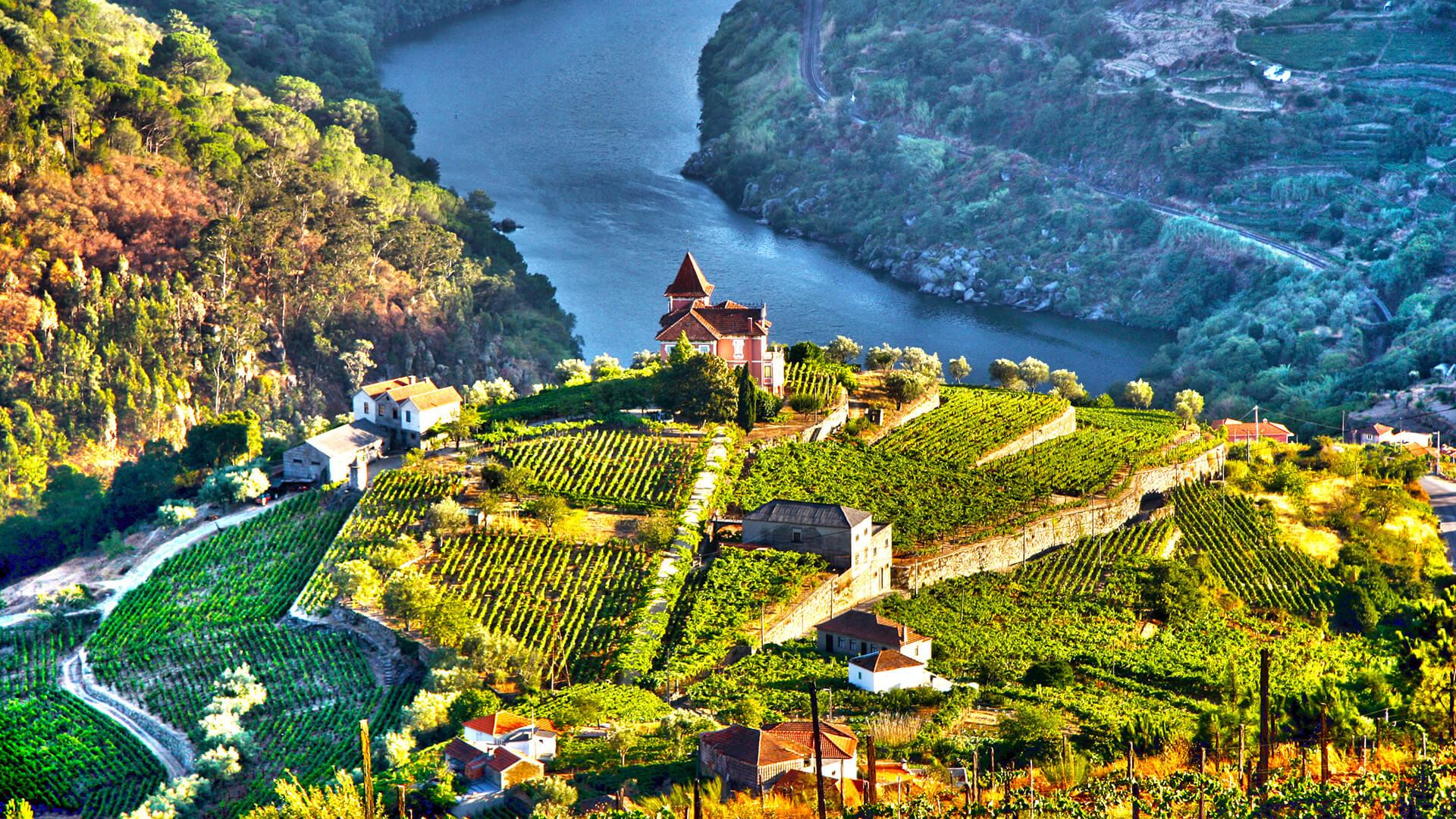
Mediterranean Sea
Departure: May 17, 2027
Price from $6,299 $6,224

Portugal
Departure: May 20, 2027
Price from $6,899 $6,824

Portugal
Departures: May 24, 2027, Aug 15, 2027
Price from $9,479 $9,404

Azores
Departure: May 31, 2027
Price from $6,569 $6,494
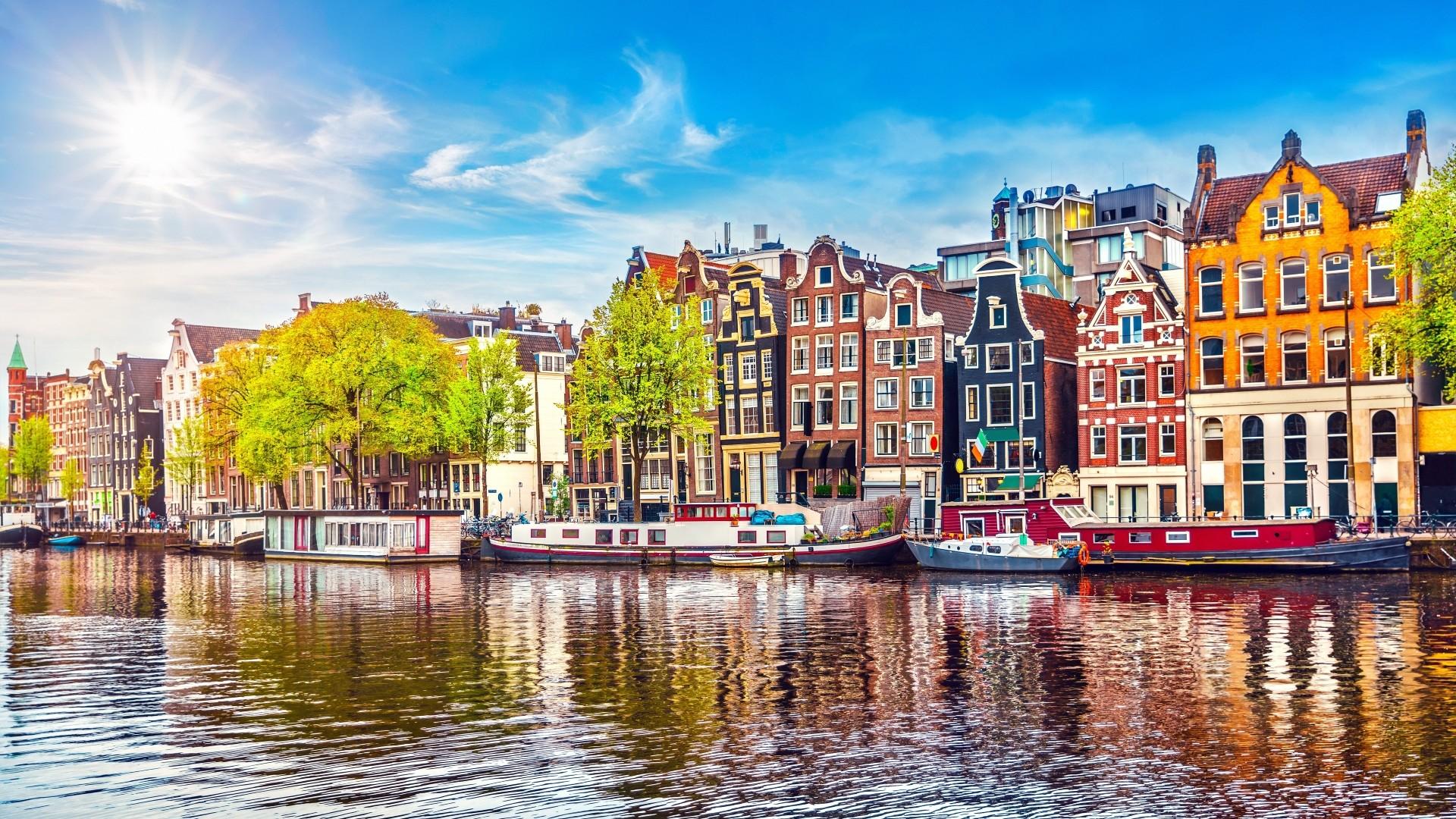
France, Spain, Portugal
Departure: Aug 29, 2027
Price from $7,939 $7,864
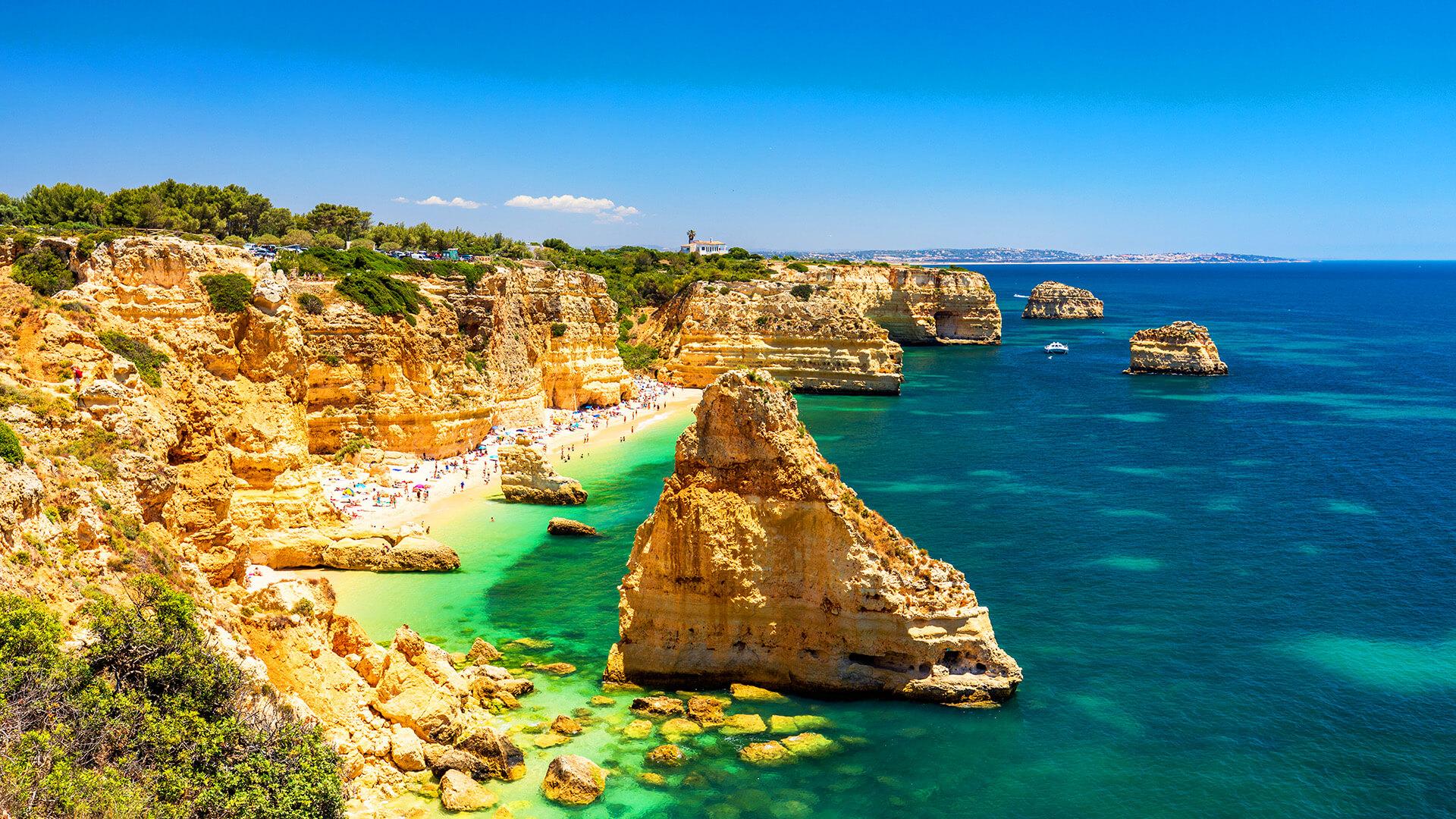
Portugal
Departure: Sep 11, 2027
Price from $7,199 $7,124
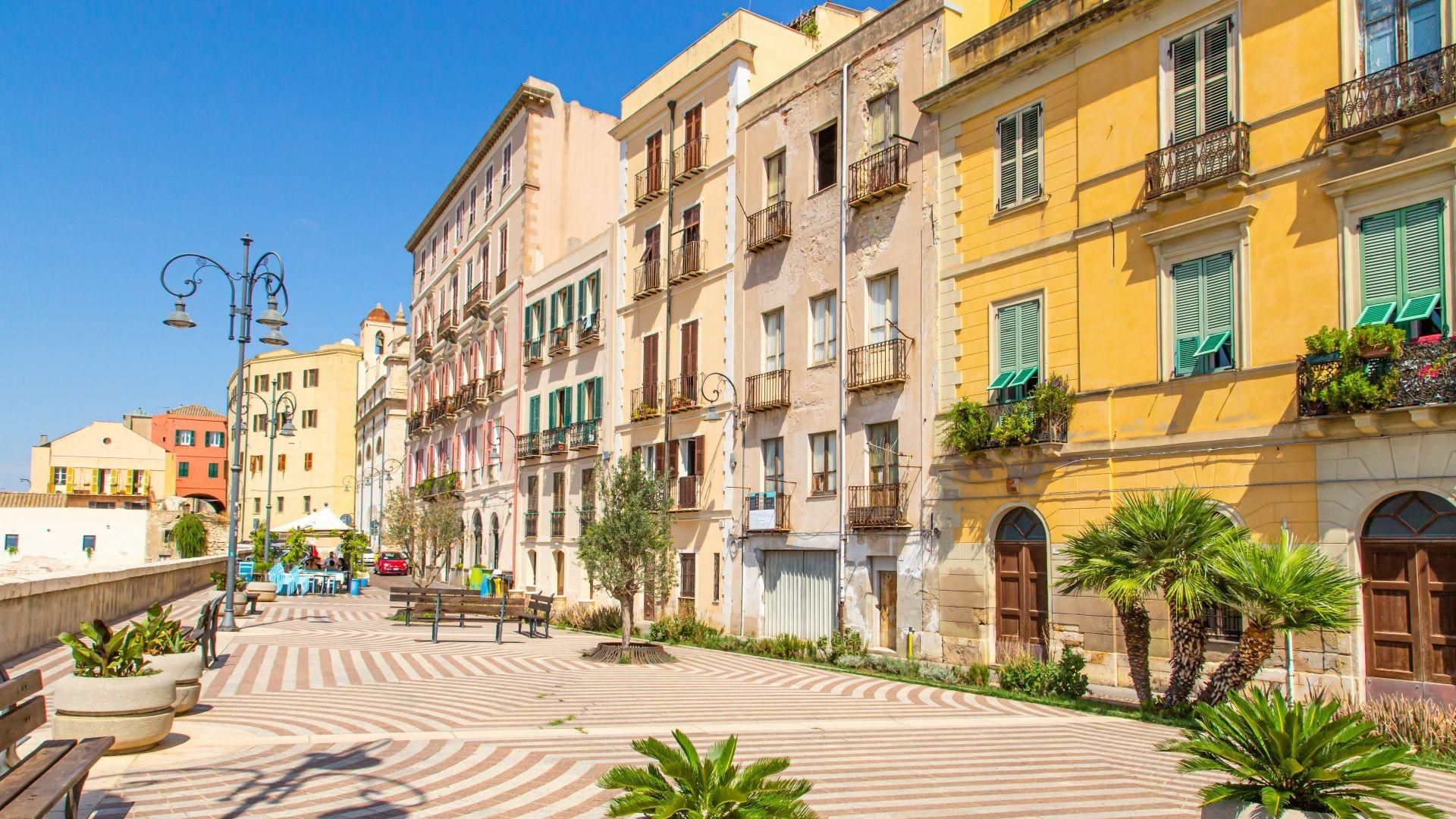
Spain, Portugal, Morocco and Italy
Departure: Sep 15, 2027
Price from $8,499 $8,424
Travel in complete peace of mind.
Fast, compliant and guaranteed service.
Useful for driving abroad.
Online application service.
Double-check the rules before you travel.
Suitcases, anti-theft bags, and more!
Create your personalized travel itinerary.
Road guides and road maps.


