Highlights
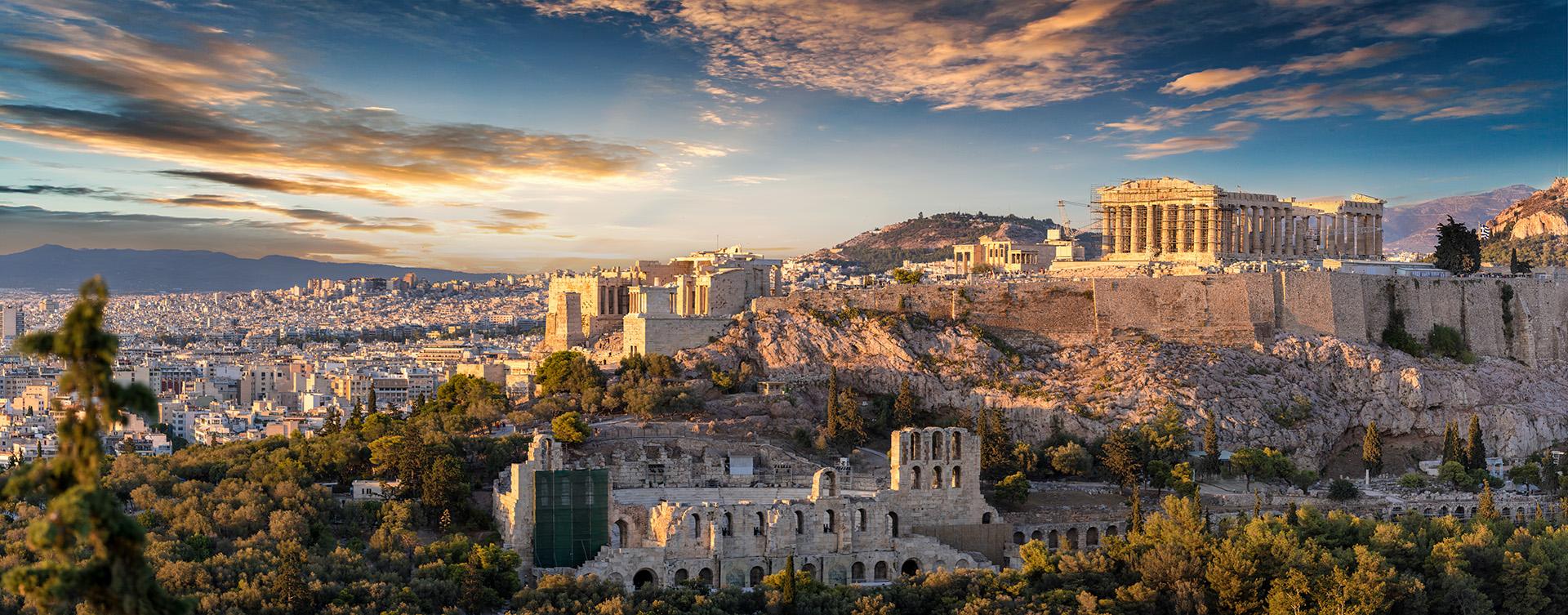
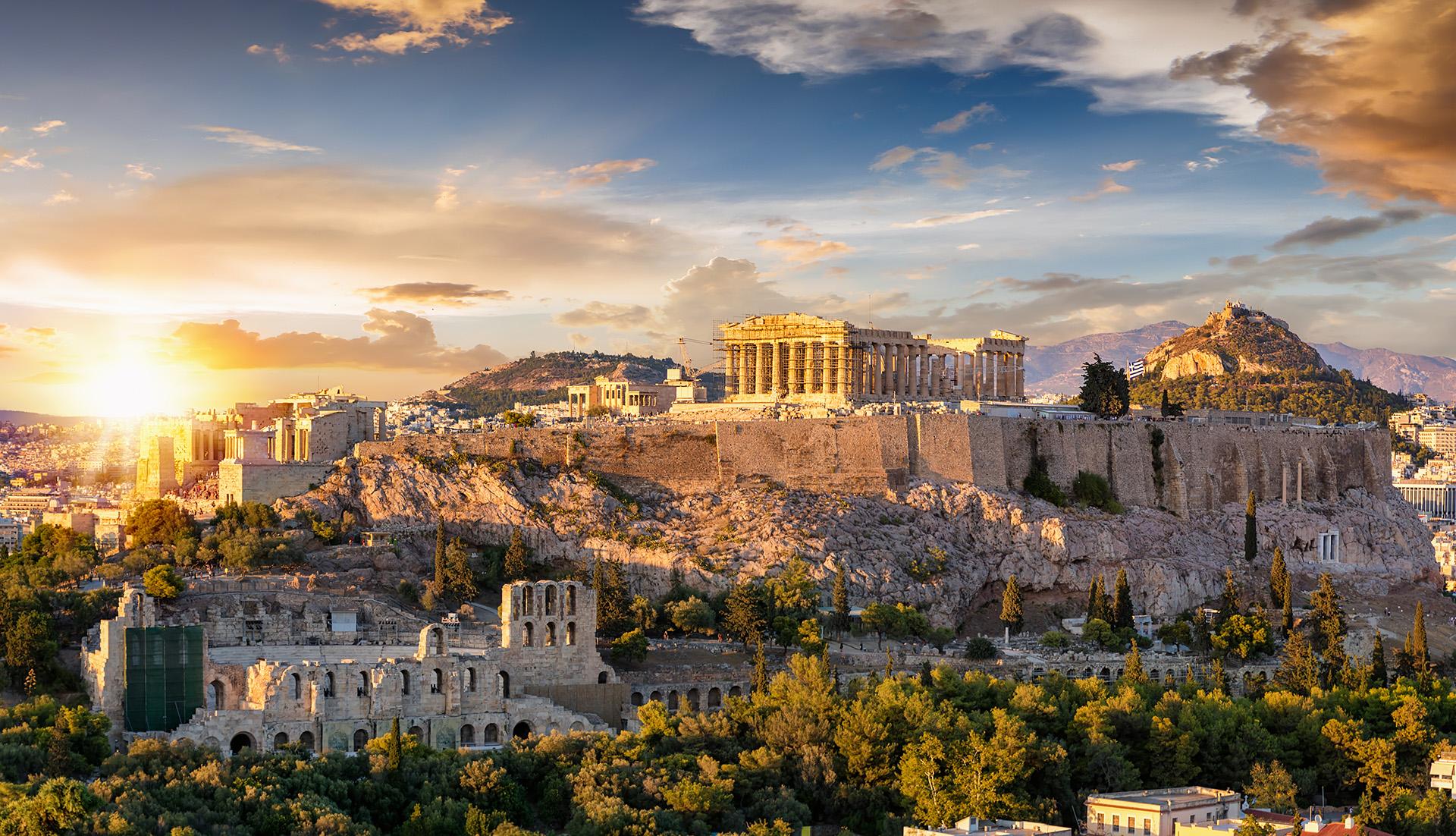
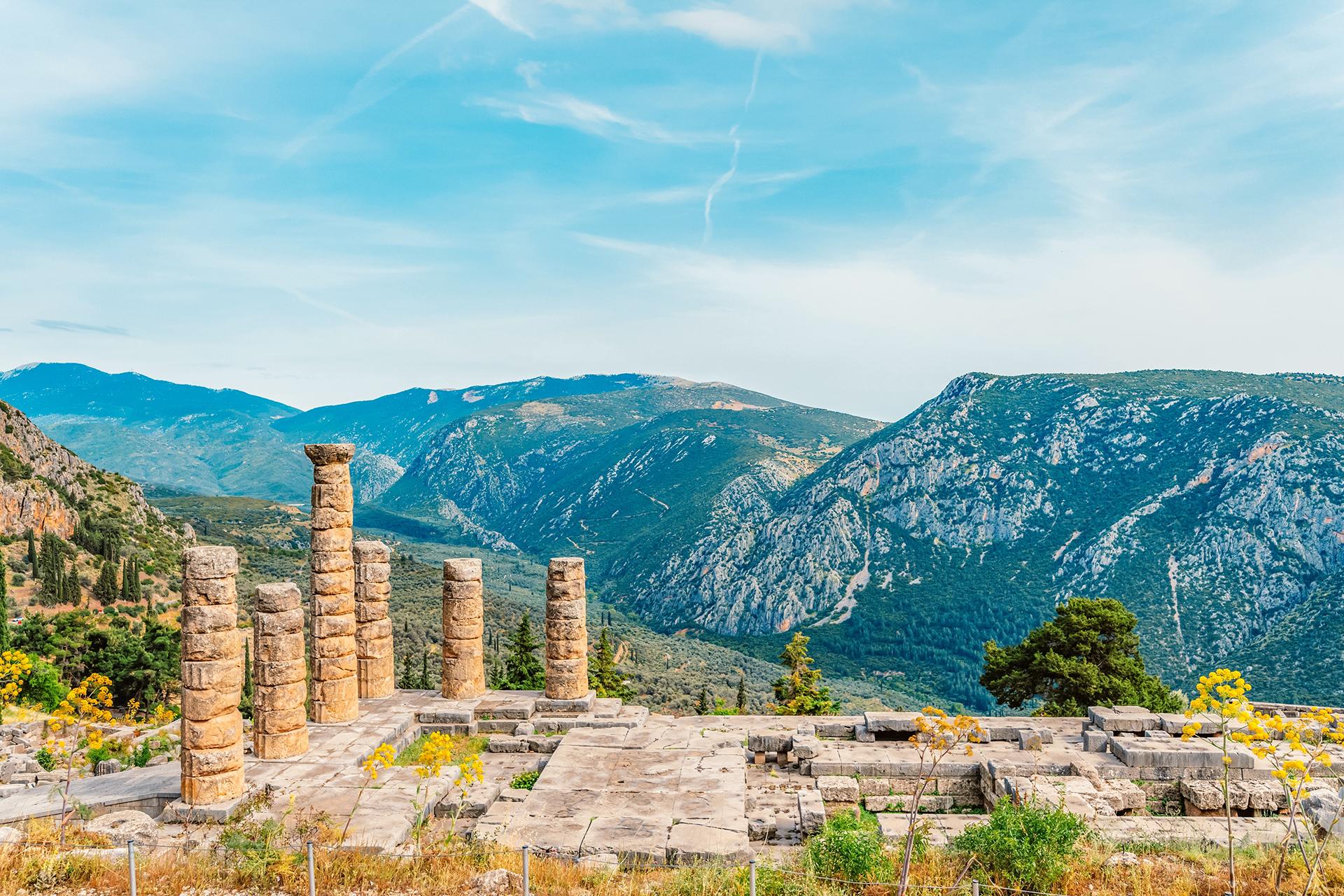
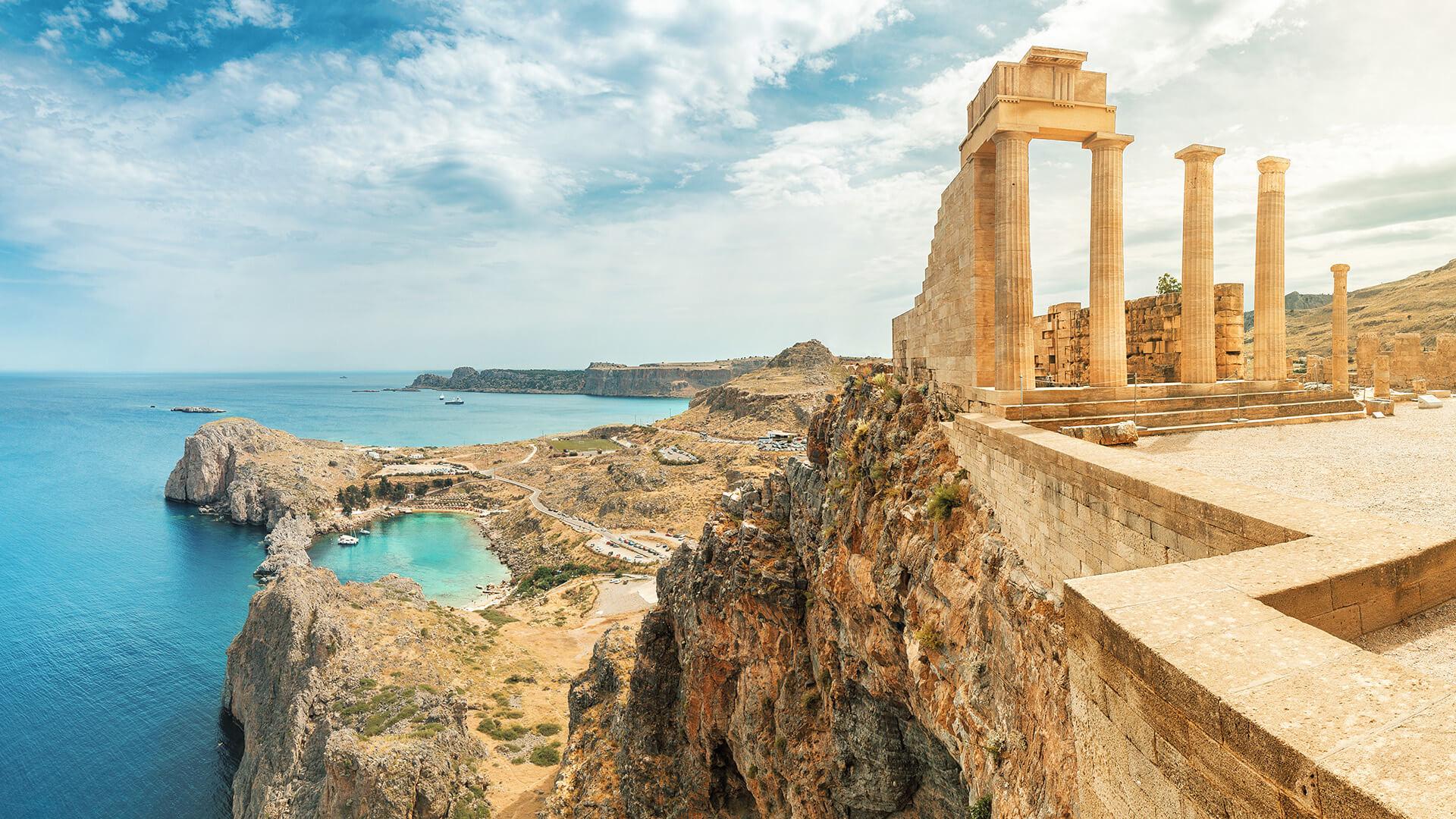
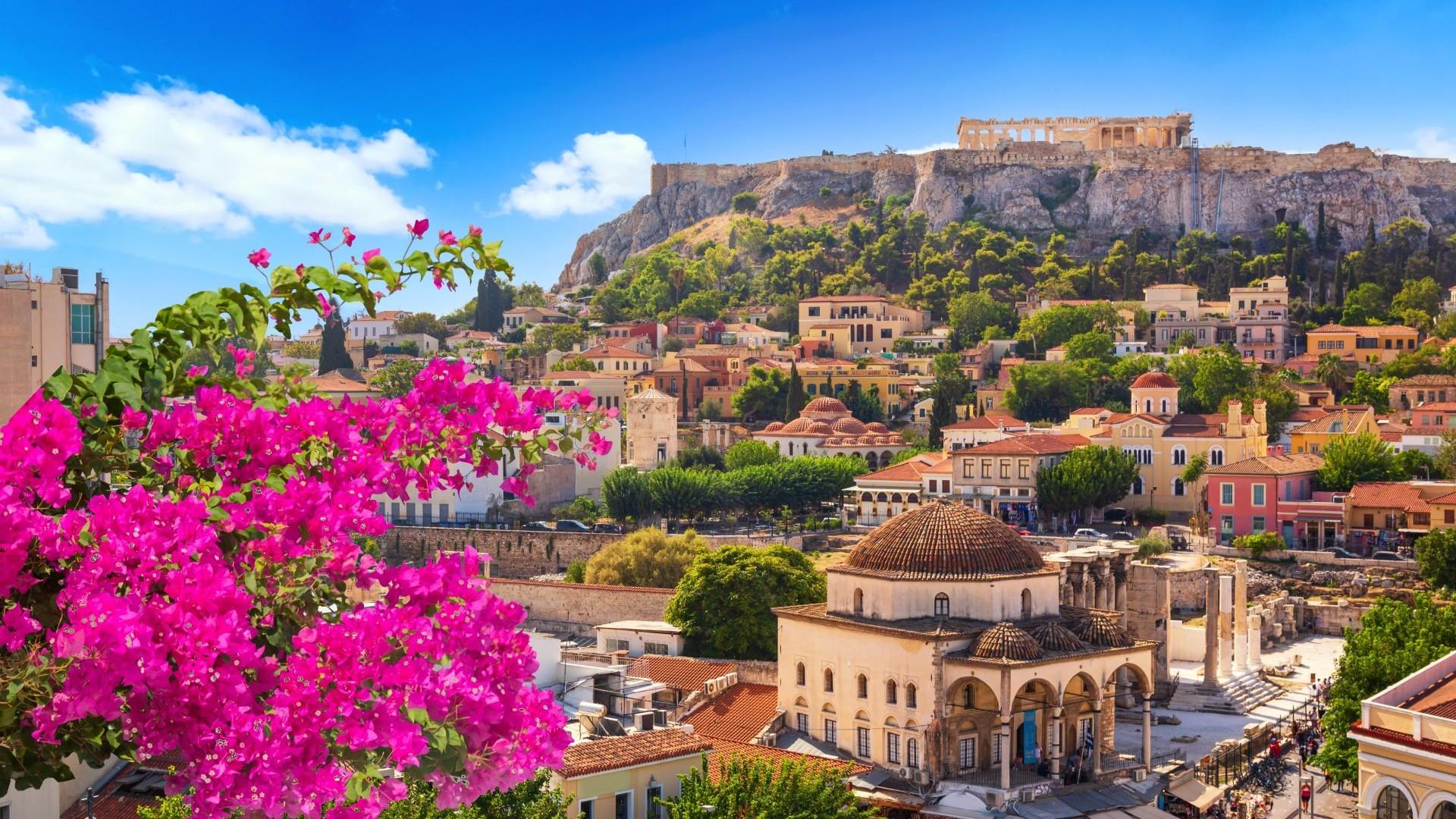
- Fascinating archaeological sites that bring ancient history to life
- A warm, sunny climate with over 300 days of sunshine a year
- Greek hospitality and generosity
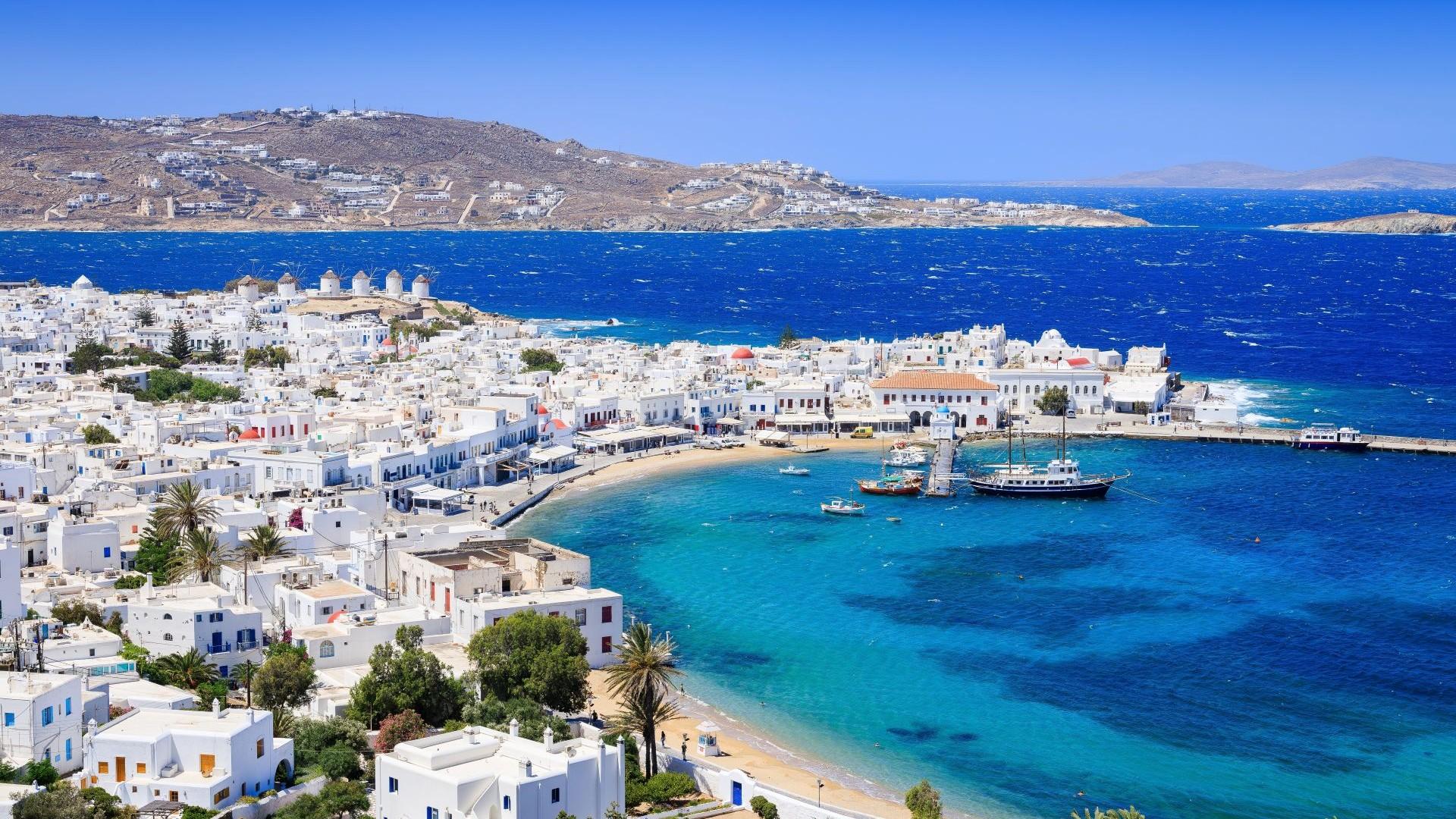
- Stunning beaches lined with turquoise waters


Greek is the official language of the country.
English is widely understood, especially in tourist areas, hotels, and restaurants in major cities and on popular islands as well as among younger generations.
Direct flight: No direct flights to Greece from Quebec.
Connecting flight: 11 to 14 hours (depending on connection times)
Greece time zone: UTC +2
7h ahead of Quebec (EST)
6h ahead of Quebec (EDT)
Euro (EUR)
Credit cards (Visa, Mastercard, etc.) are accepted in most hotels, restaurants, and tourist shops but less frequently in small villages. It is recommended to carry cash in small bills, as merchants rarely have change.
Tipping in Greece is not mandatory but appreciated.
In restaurants and tavernas, leave 5%–10% if a tip is not included in the bill. For taxis, cafés, or hotels, one to two euros is sufficient.
Greece is a safe, welcoming destination for tourists. Normal safety precautions are advised. Pickpockets may be present in major cities and tourist areas. It is recommended to keep valuables and cash in a closed bag worn in front of you.
Before any foreign trip, visit the Government of Canada’s Greece Travel Advice page to find out about the current situation in the country.


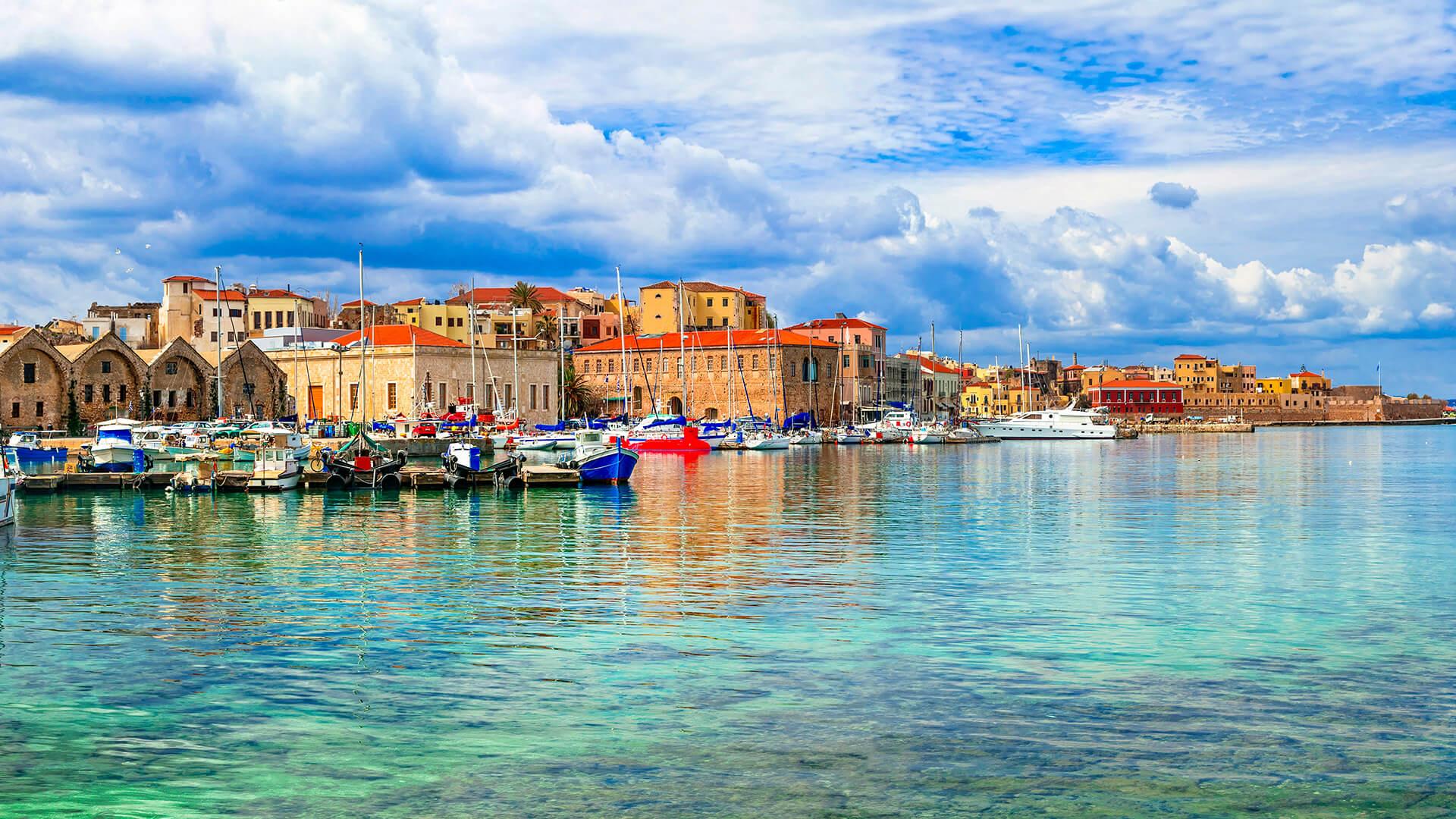
Chania, a city in northwestern Crete, enchants with its cobbled streets, authentic old harbor, and colourful houses. Considered the most picturesque, beautiful town on the island, it blends Greek, Venetian, and Ottoman influences in a charming setting.

Nestled along the Aegean Sea, Nafplio is a romantic destination. It charms visitors with its colourful streets and picturesque harbour. Enjoy crystal-clear beaches and unforgettable sunsets, and explore the Acronauplia Citadel and the Bourtzi Fortress.

Messenia, the birthplace of Kalamata olives, offers rolling hills of olive groves as far as the eye can see. Discover ancient ruins; picturesque villages, such as Stoupa and Pylos; and idyllic beaches with turquoise waters. The scenery is breathtaking, and the atmosphere is warm and welcoming.

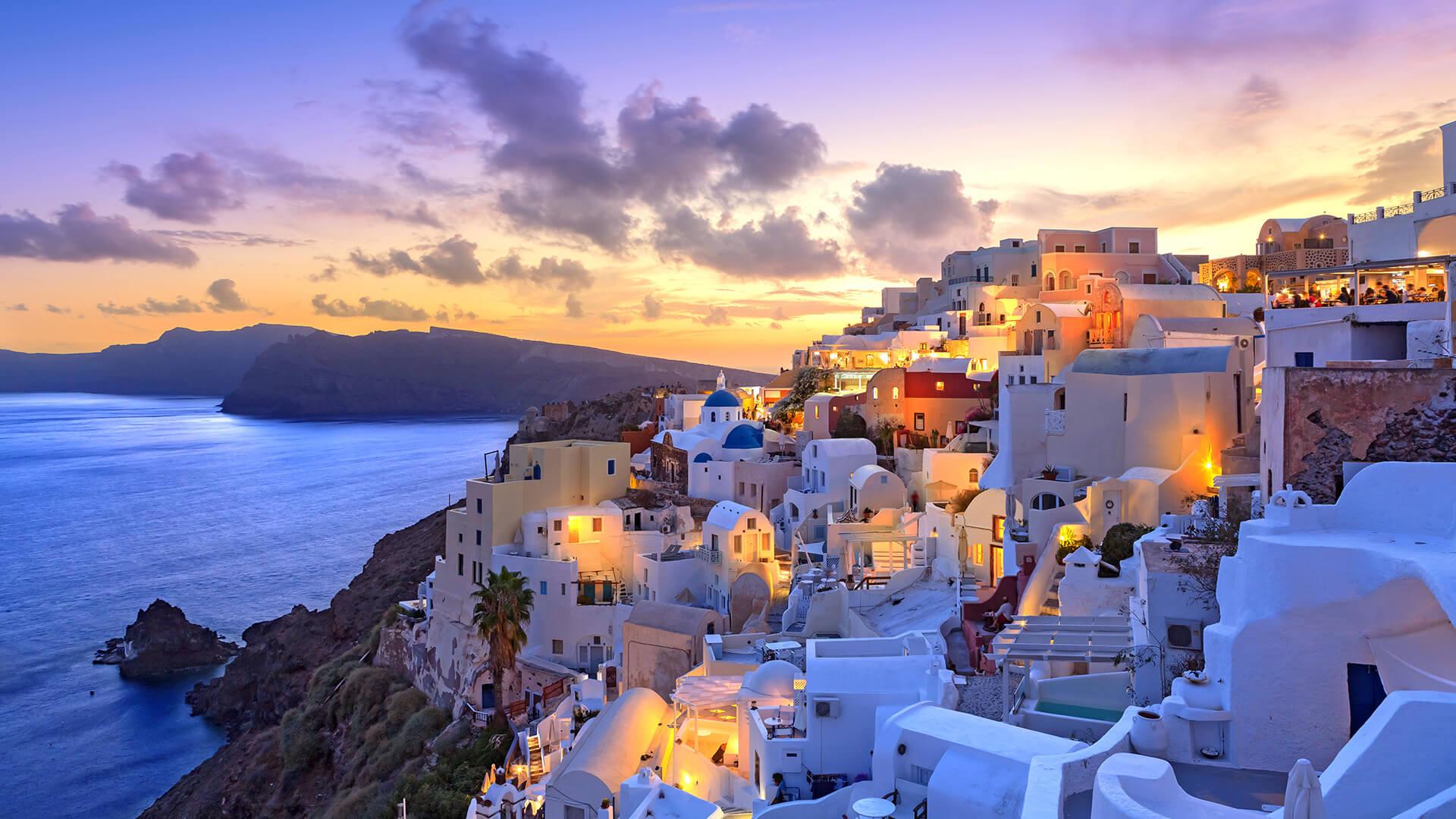
Amorgos Island, also known as the “Big Blue Island” in reference to Luc Besson’s film, is the easternmost of the Cyclades. Rocky cliffs, whitewashed villages, and pebble beaches with crystal-clear waters define its charm. A paradise for hikers, its trails offer spectacular views over the Aegean Sea.
Chania, a city in northwestern Crete, enchants with its cobbled streets, authentic old harbor, and colourful houses. Considered the most picturesque, beautiful town on the island, it blends Greek, Venetian, and Ottoman influences in a charming setting.
Nestled along the Aegean Sea, Nafplio is a romantic destination. It charms visitors with its colourful streets and picturesque harbour. Enjoy crystal-clear beaches and unforgettable sunsets, and explore the Acronauplia Citadel and the Bourtzi Fortress.
Messenia, the birthplace of Kalamata olives, offers rolling hills of olive groves as far as the eye can see. Discover ancient ruins; picturesque villages, such as Stoupa and Pylos; and idyllic beaches with turquoise waters. The scenery is breathtaking, and the atmosphere is warm and welcoming.
Amorgos Island, also known as the “Big Blue Island” in reference to Luc Besson’s film, is the easternmost of the Cyclades. Rocky cliffs, whitewashed villages, and pebble beaches with crystal-clear waters define its charm. A paradise for hikers, its trails offer spectacular views over the Aegean Sea.
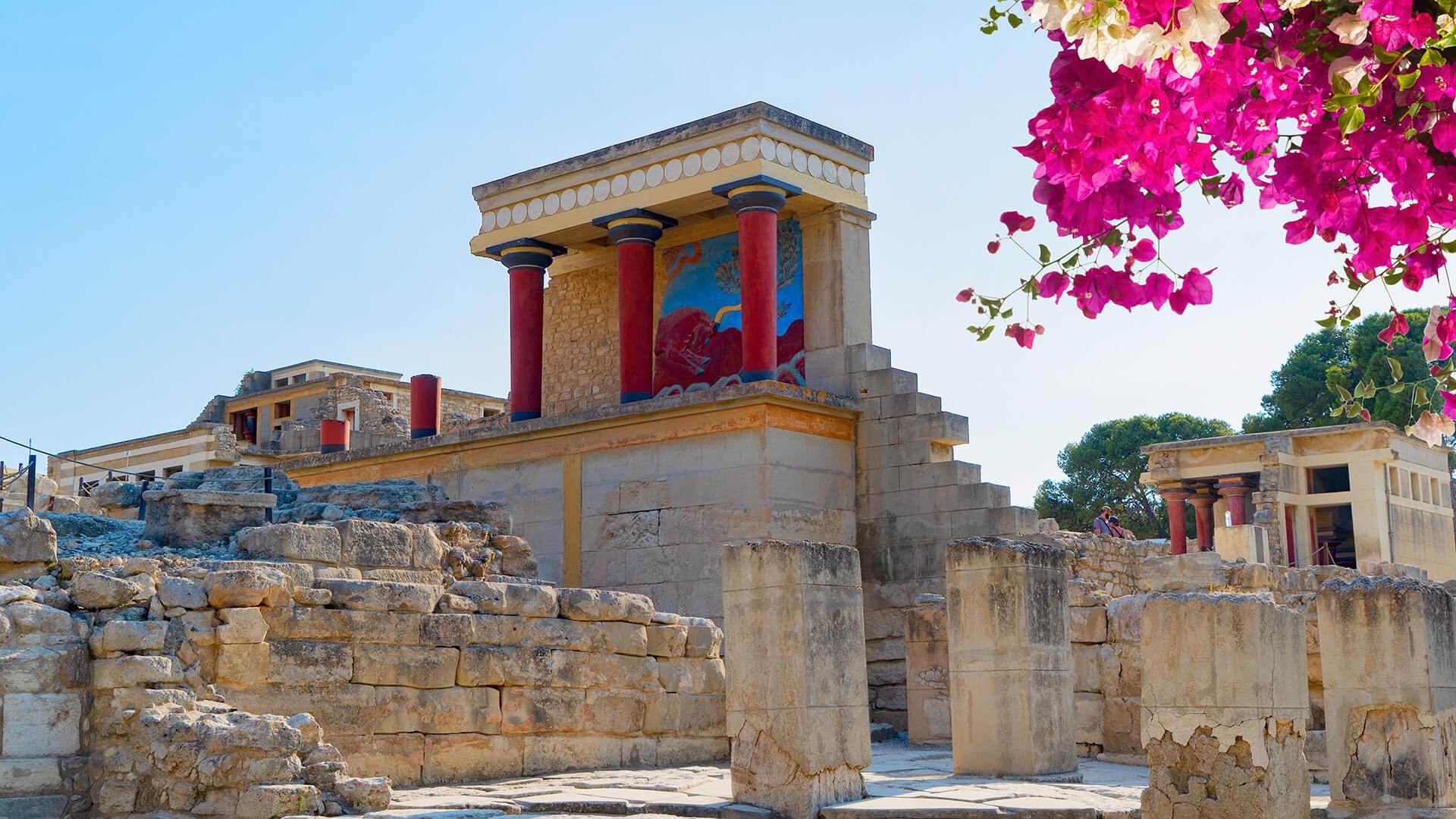
Travelers with physical limitations may find it difficult to visit most ancient sites. Often located on elevated terrain, these sites are accessible only on foot.

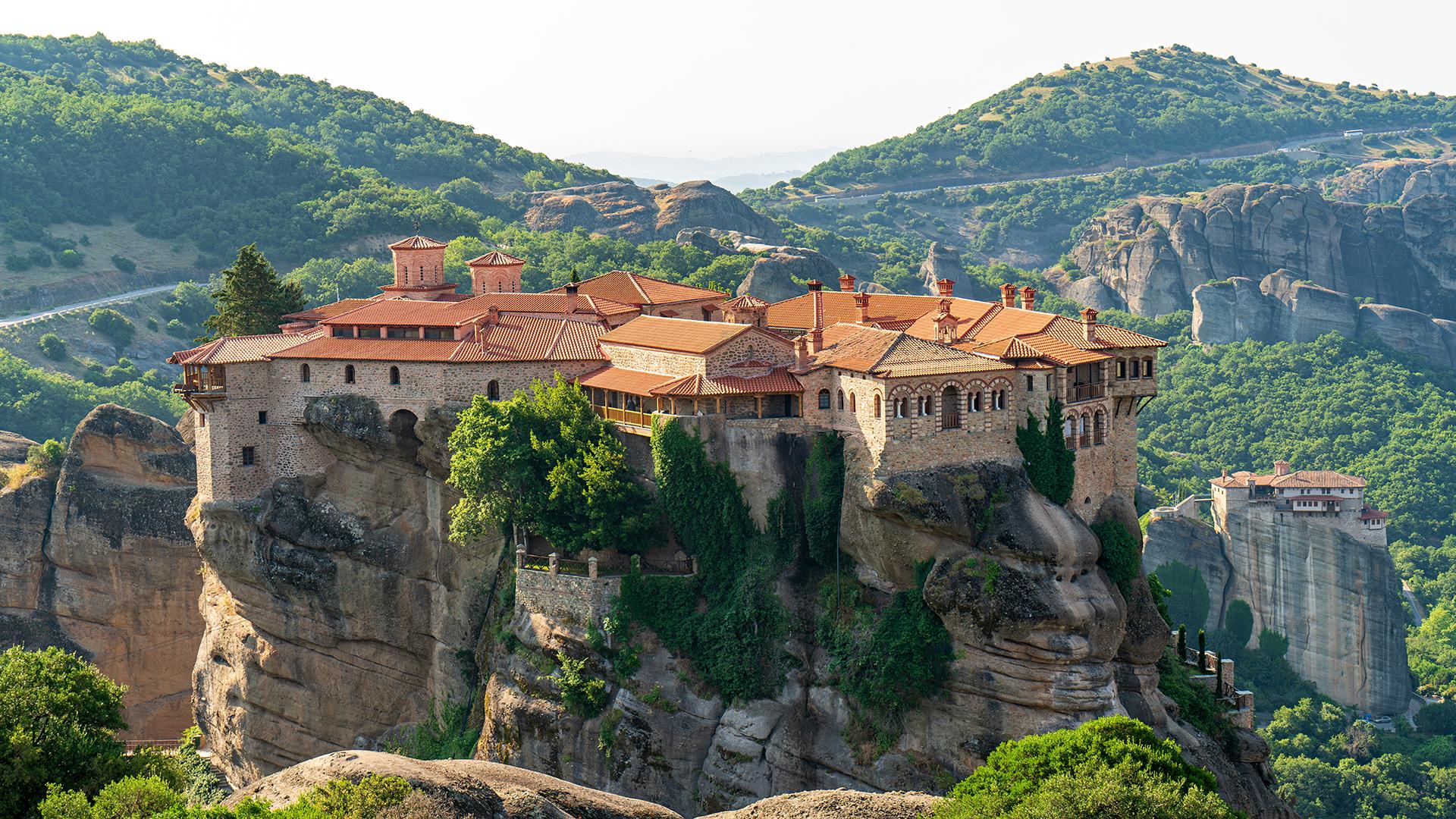
“Visiting the Meteora monasteries felt like stepping into a fairy tale. Perched atop massive, time-sculpted rocks, these monasteries offer a surreal panorama full of magic—a truly unique landscape that is a must-see.”

Feta embodies the richness of Greek terroir. Firm, crumbly, and creamy, it delivers a unique salty and tangy flavour, made from sheep’s or goat’s milk and matured in brine. In salads, pastries, or drizzled with olive oil and oregano, it’s Greece in every bite.

Moussaka layers tender eggplant, tomato-based minced meat, and creamy béchamel sauce. Baked to golden perfection, this rich and flavourful dish, both hearty and refined, embodies the warmth of Greek taverns.

A must-try Greek specialty, spanakopita is a golden phyllo pastry filled with spinach, fresh herbs, and feta cheese. Crispy on the outside and creamy inside, it’s enjoyed hot or cold, often with a salad or drizzle of olive oil.

Ouzo is a refreshing Greek aperitif flavoured with anise. Typically served in a tall glass with ice or cold water, it turns cloudy and whitish on contact. A symbol of conviviality, it is often enjoyed with mezzés like olives, seafood, and cheeses.

A Greek must-try, frappé coffee is a whipped iced coffee made with instant coffee, sugar, cold water, and ice cubes. Shaken until frothy, it is enjoyed chilled, sometimes with a splash of milk. Refreshing and energizing, it is the iconic drink of Greek cafés.
Feta embodies the richness of Greek terroir. Firm, crumbly, and creamy, it delivers a unique salty and tangy flavour, made from sheep’s or goat’s milk and matured in brine. In salads, pastries, or drizzled with olive oil and oregano, it’s Greece in every bite.
Moussaka layers tender eggplant, tomato-based minced meat, and creamy béchamel sauce. Baked to golden perfection, this rich and flavourful dish, both hearty and refined, embodies the warmth of Greek taverns.
A must-try Greek specialty, spanakopita is a golden phyllo pastry filled with spinach, fresh herbs, and feta cheese. Crispy on the outside and creamy inside, it’s enjoyed hot or cold, often with a salad or drizzle of olive oil.
Ouzo is a refreshing Greek aperitif flavoured with anise. Typically served in a tall glass with ice or cold water, it turns cloudy and whitish on contact. A symbol of conviviality, it is often enjoyed with mezzés like olives, seafood, and cheeses.
A Greek must-try, frappé coffee is a whipped iced coffee made with instant coffee, sugar, cold water, and ice cubes. Shaken until frothy, it is enjoyed chilled, sometimes with a splash of milk. Refreshing and energizing, it is the iconic drink of Greek cafés.


Spring and fall are the best periods to visit Greece.
From mid-April to mid-June, the weather is mild, tourist sites are less crowded, and prices are affordable. From September to mid-October, the sea is warm, the temperature is pleasant, and the atmosphere is peaceful.
It is best to avoid the peak season (mid-June to late August), which is very hot, expensive, and crowded, as well as the off-season (mid-October to mid-April), when most tourist facilities close on the islands, and ferries are less frequent.
The most convenient way to get around Greece is by combining car, ferries, and domestic flights. Renting a car allows for flexible exploration of the mainland. Fast or slow ferries connect the islands efficiently, while interisland flights, often priced the same as fast ferries, save time. In cities, buses and metros are reliable and affordable. On some islands, renting an ATV makes navigating narrow streets easier.
10 to 12 days to explore mainland Greece and one or two Greek islands in the Cyclades.
18 to 21 days to explore the mainland and visit multiple iconic destinations across the Ionian, Saronic, Cyclades, Dodecanese, and Sporades islands.
Chania Rock Festival: In July, in Chania, Crete, music lovers gather for a series of outdoor concerts featuring Greek and international artists, creating a festive atmosphere by the sea.
Santorini International Music Festival: In September, the town of Fira hosts classical artists from around the world, performing in venues with exceptional acoustics.

Greece
Departures: Sep 19, 2026, Sep 26, 2026 + 1 other date
Price from $1,679 $1,595
Greece
Departures: Sep 19, 2026, Oct 03, 2026
Price from $1,879 $1,785
Greece
Departures: Sep 19, 2026, Sep 20, 2026 + 10 other dates
Price from $2,099
Greece
Departure: Oct 04, 2026
Price from $1,969 $1,870
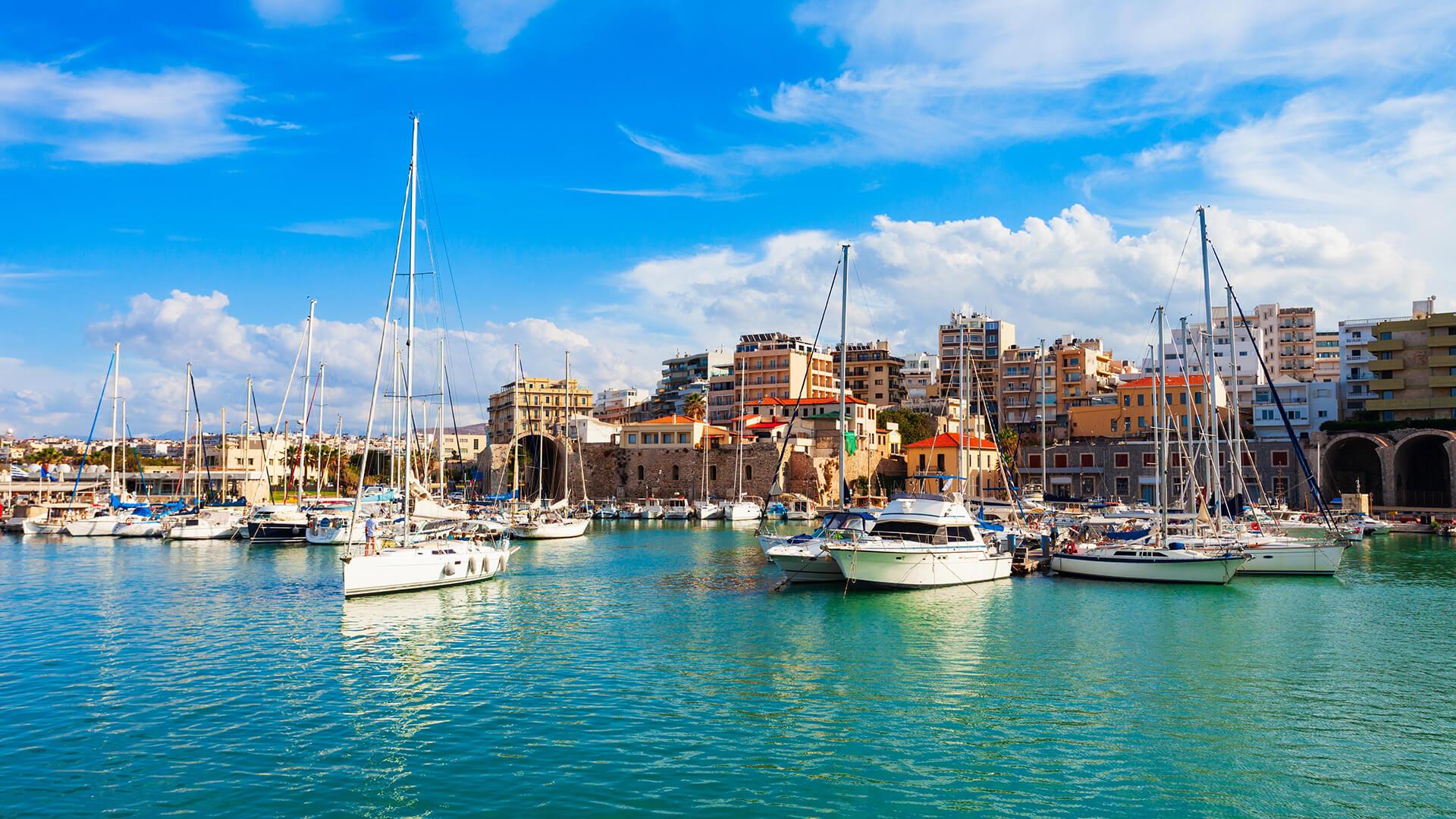
Greece
Departure: Apr 03, 2027
Price from $6,999 $6,924
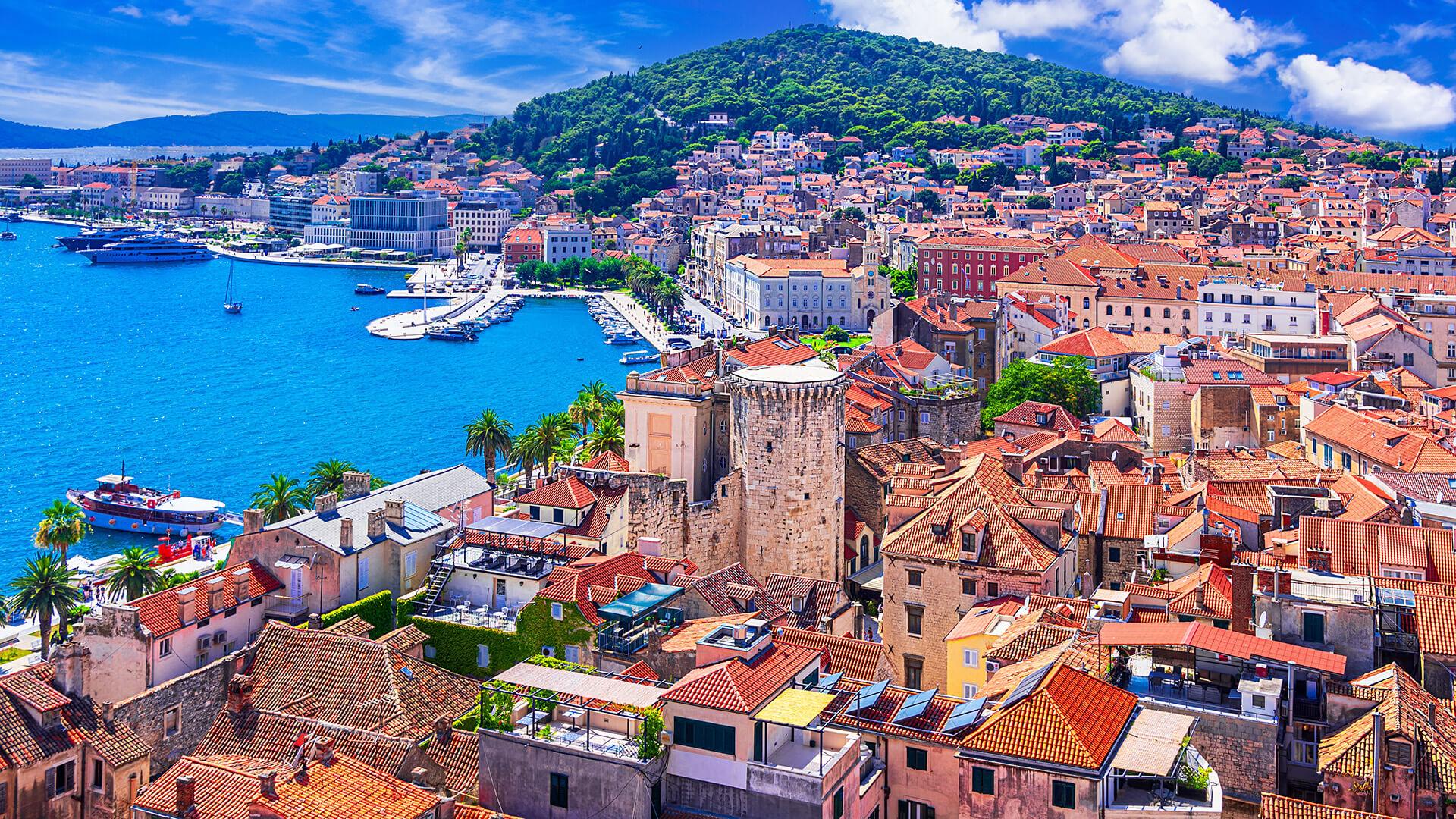
The Mediterranean Sea and the Adriatic Sea
Departure: May 04, 2027
Price from $7,969 $7,894
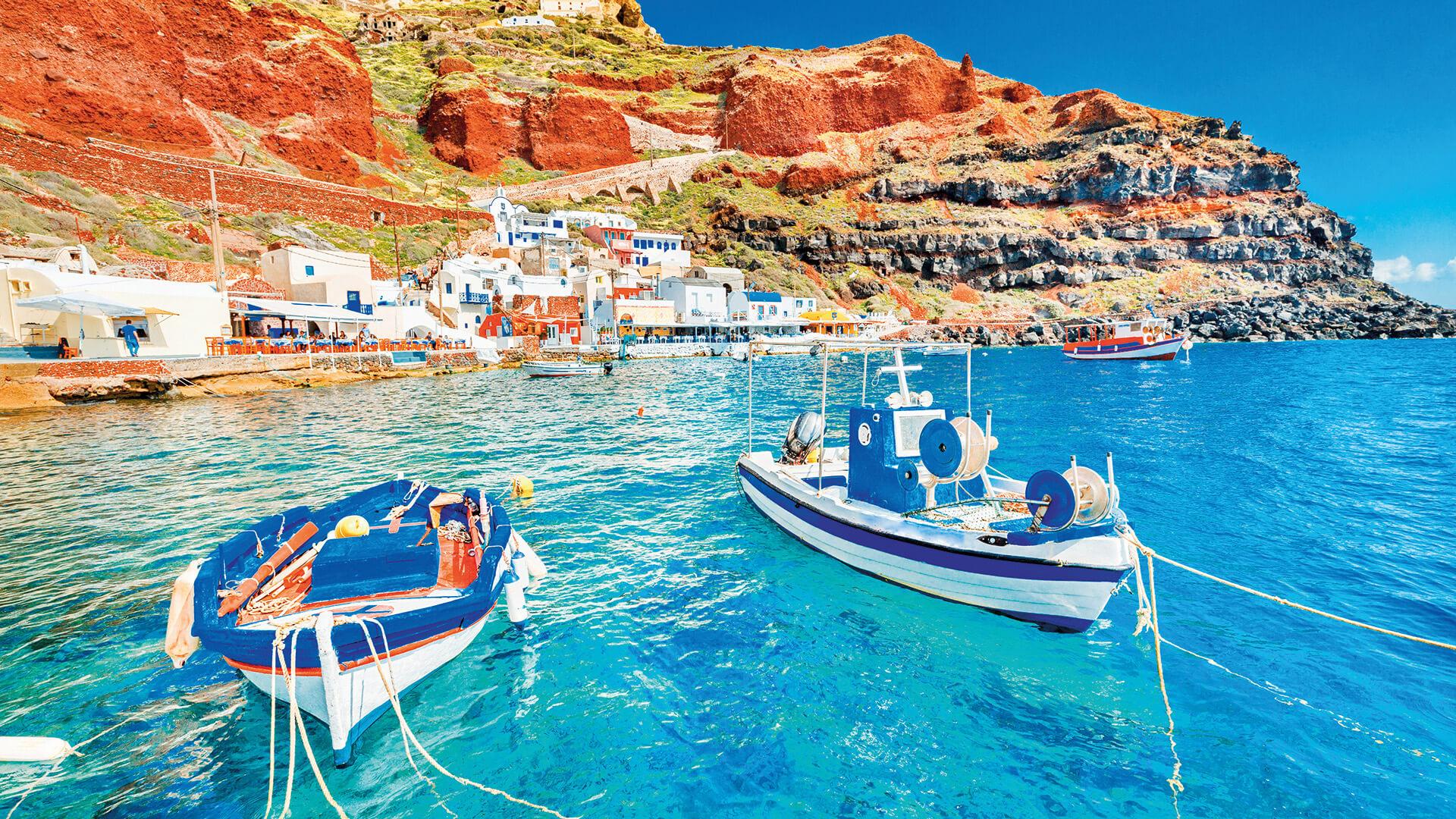
Greece
Departures: May 15, 2027, Sep 11, 2027
Price from $7,299 $7,224
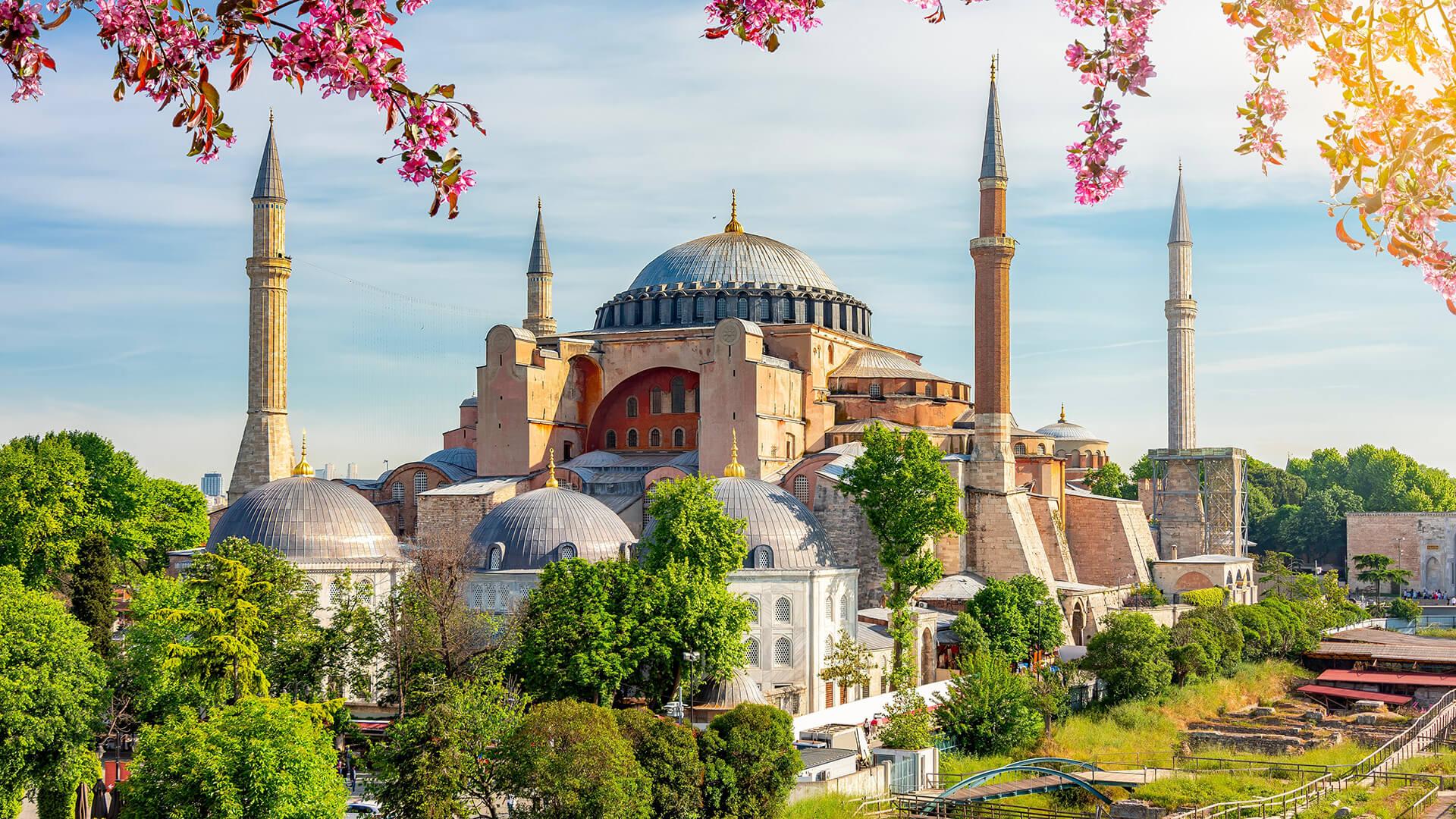
Europe
Departure: Sep 01, 2027
Price from $8,639 $8,564
Mediterranean Sea
Departure: Sep 24, 2027
Price from $6,379 $6,304
Mediteranean Sea
Departure: Oct 04, 2027
Price from $6,399 $6,324
Adriatic Sea and Aegean Sea
Departure: Oct 19, 2027
Price from $7,699 $7,624
Mediterranean Sea
Departure: Oct 22, 2027
Price from $7,099 $7,024
Travel in complete peace of mind.
Suitcases, anti-theft bags, and more!
Fast, compliant and guaranteed service.
Useful for driving abroad.
Online application service.
Double-check the rules before you travel.
Create your personalized travel itinerary.
Road guides and road maps.


