Czechia Travel Guide

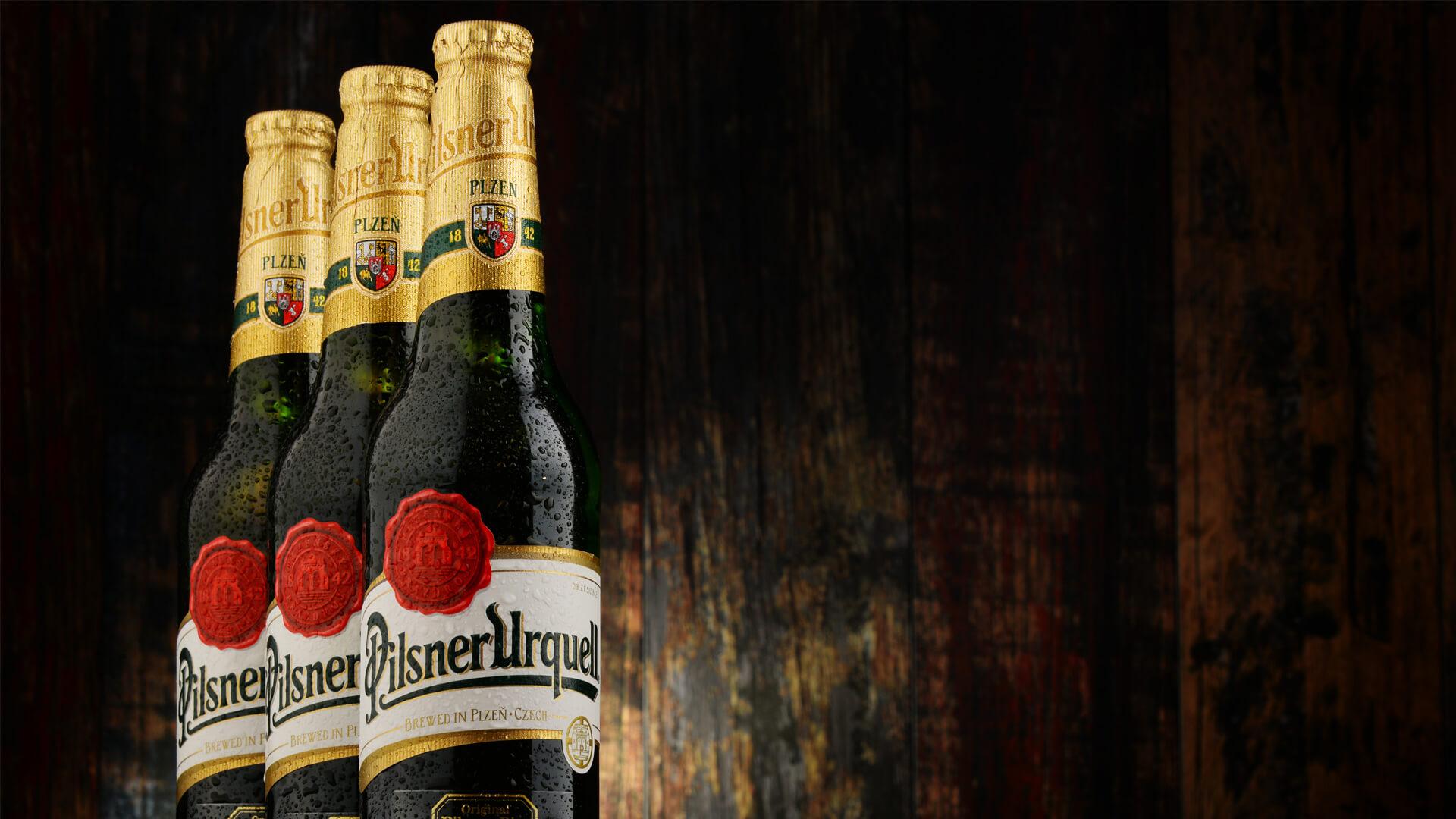
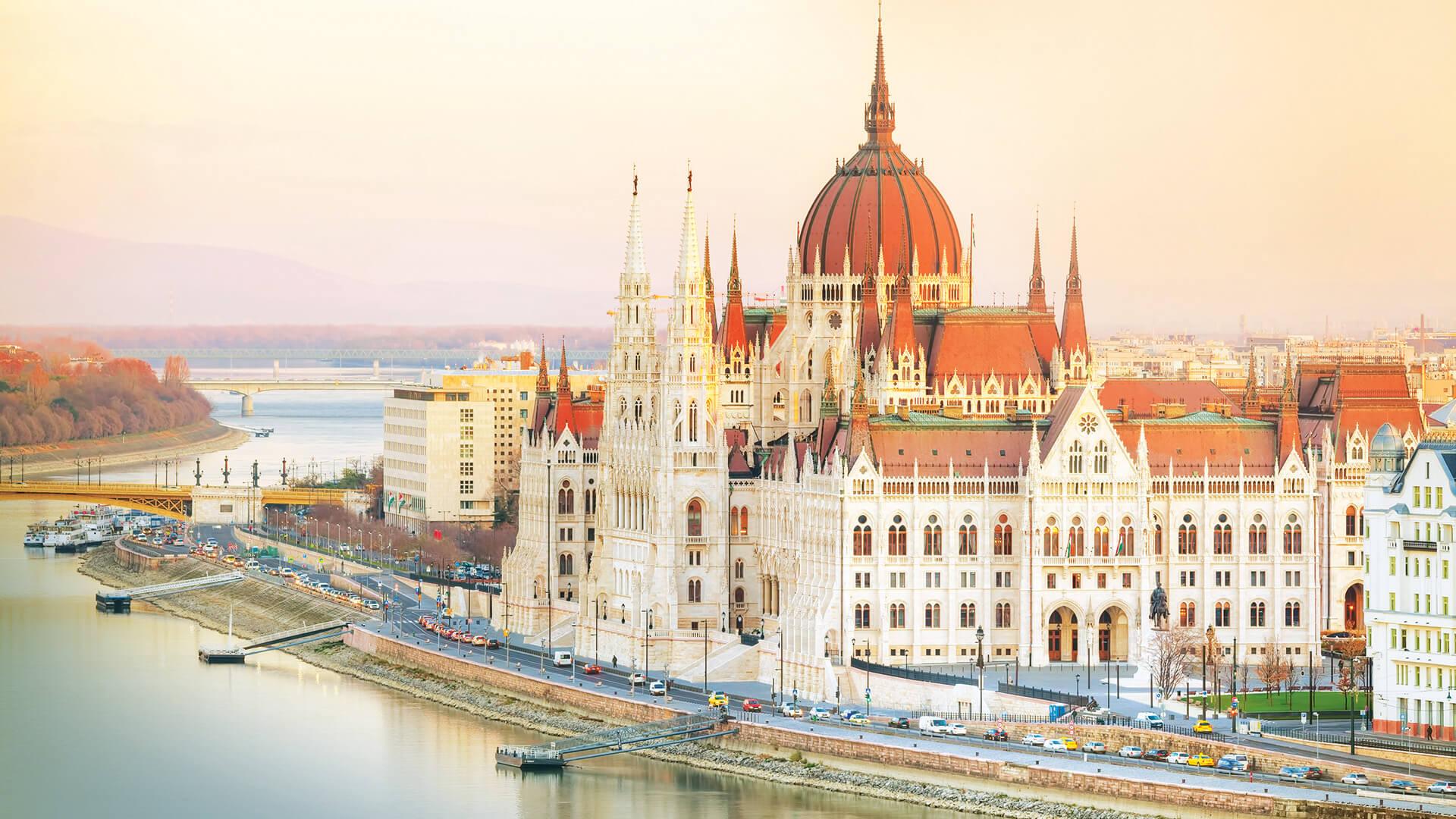
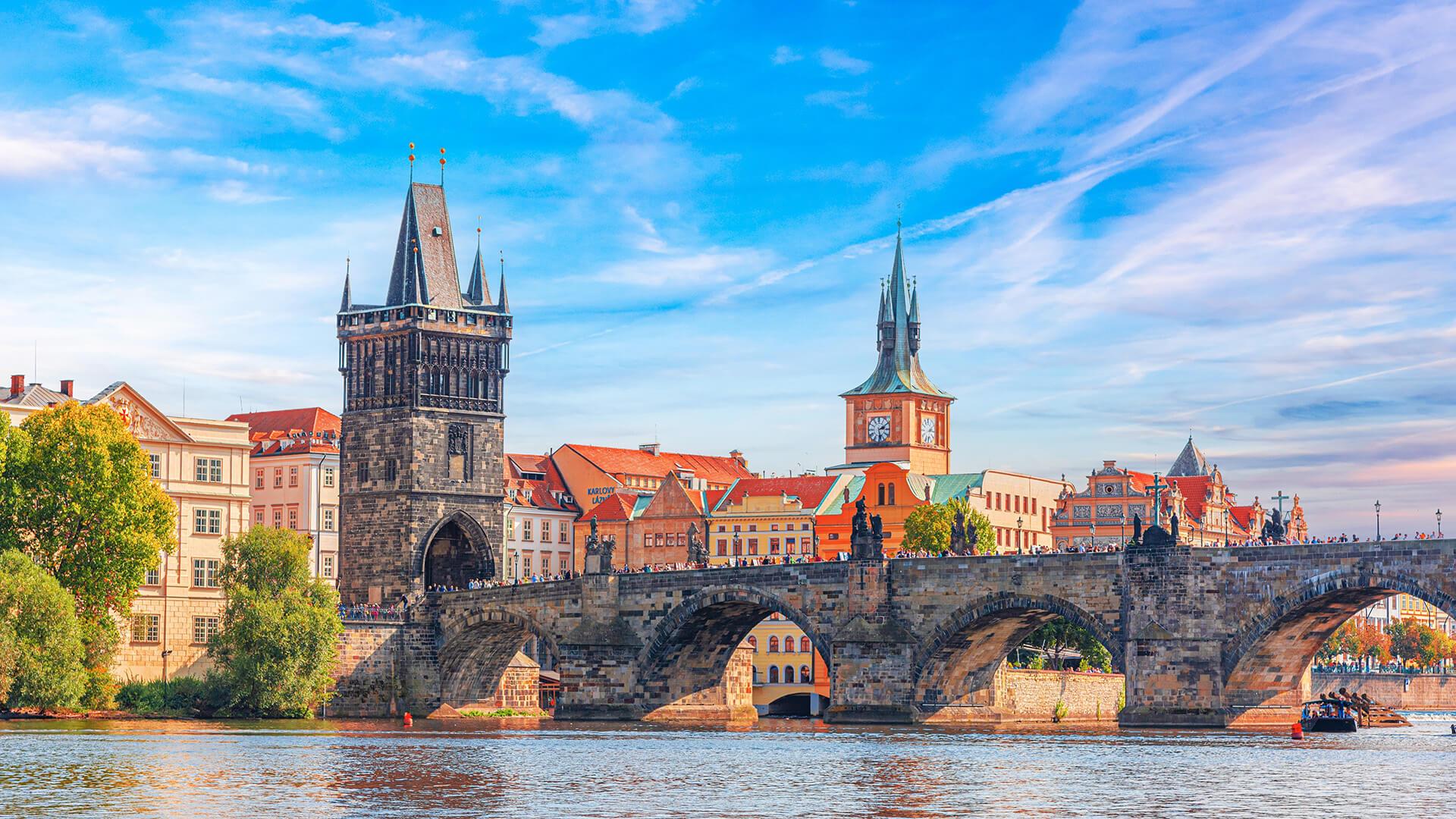
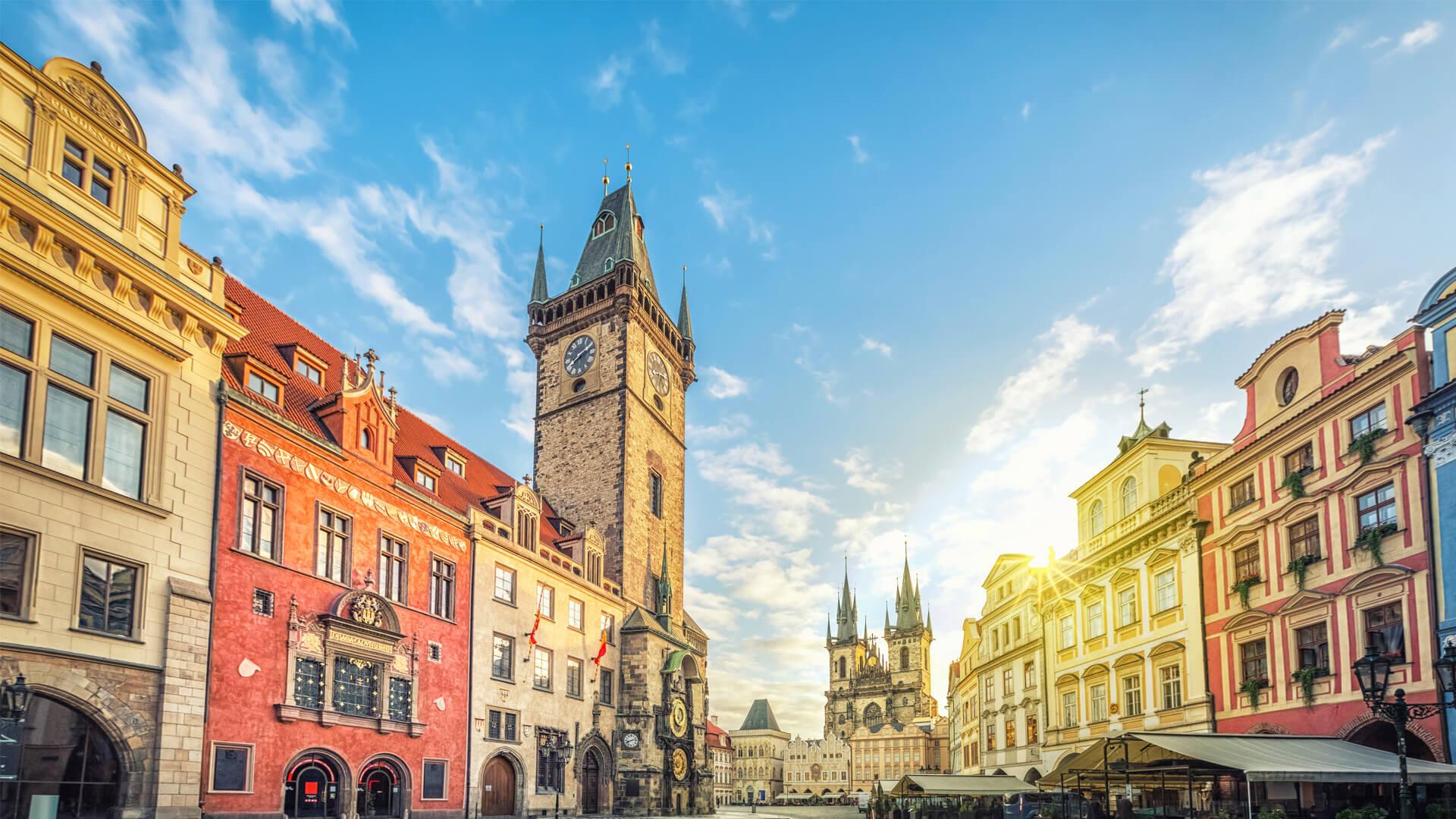
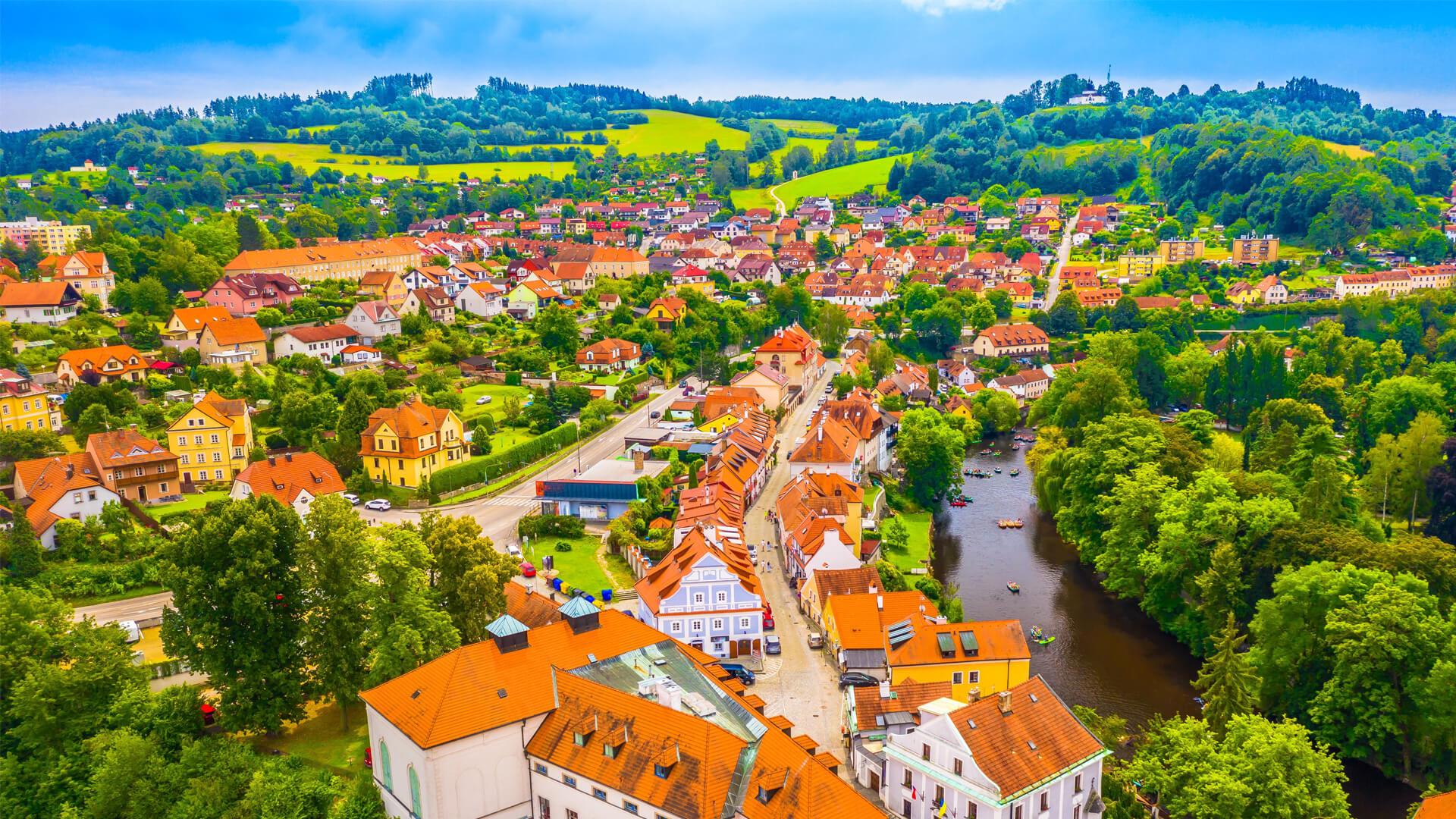
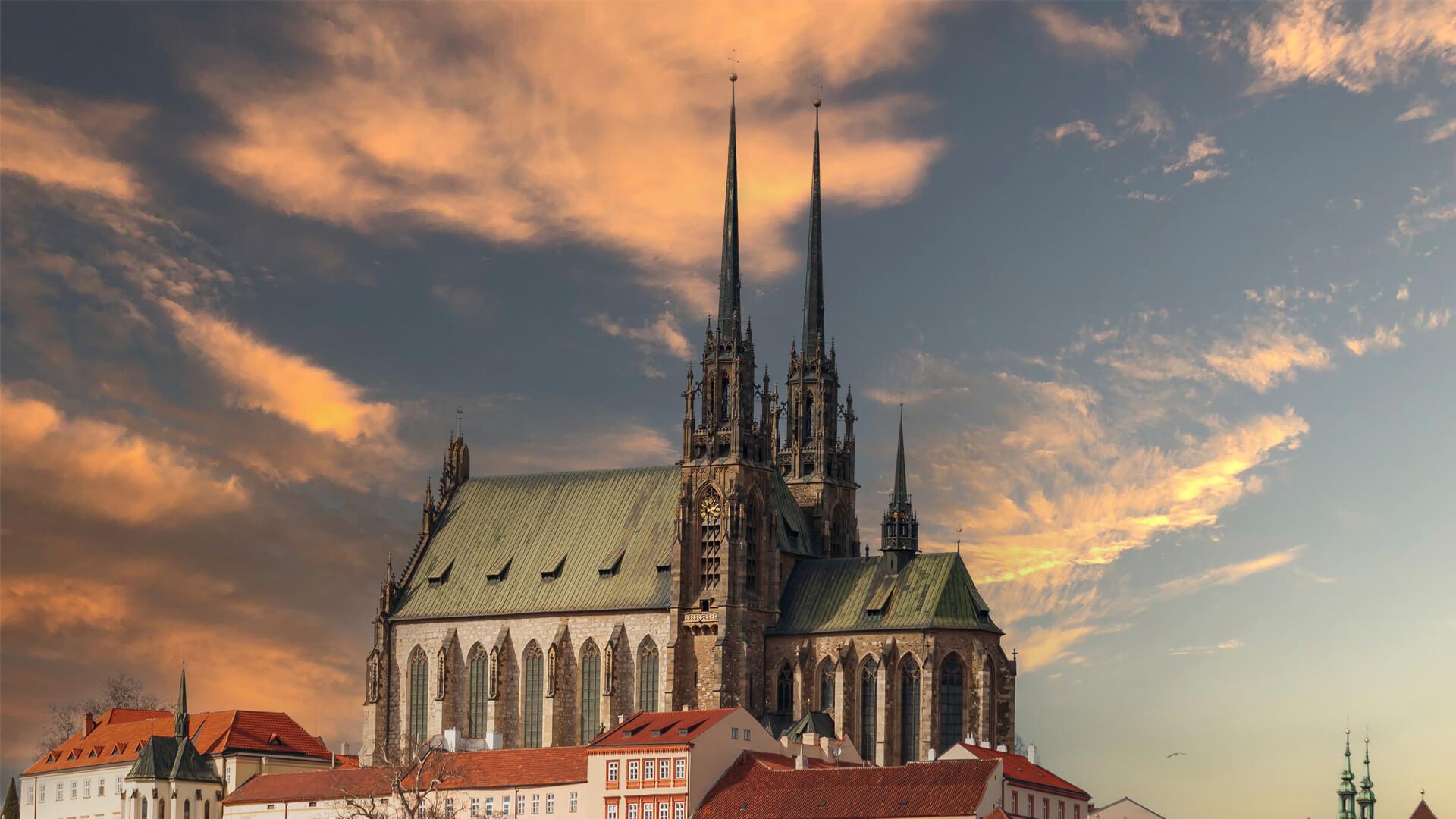
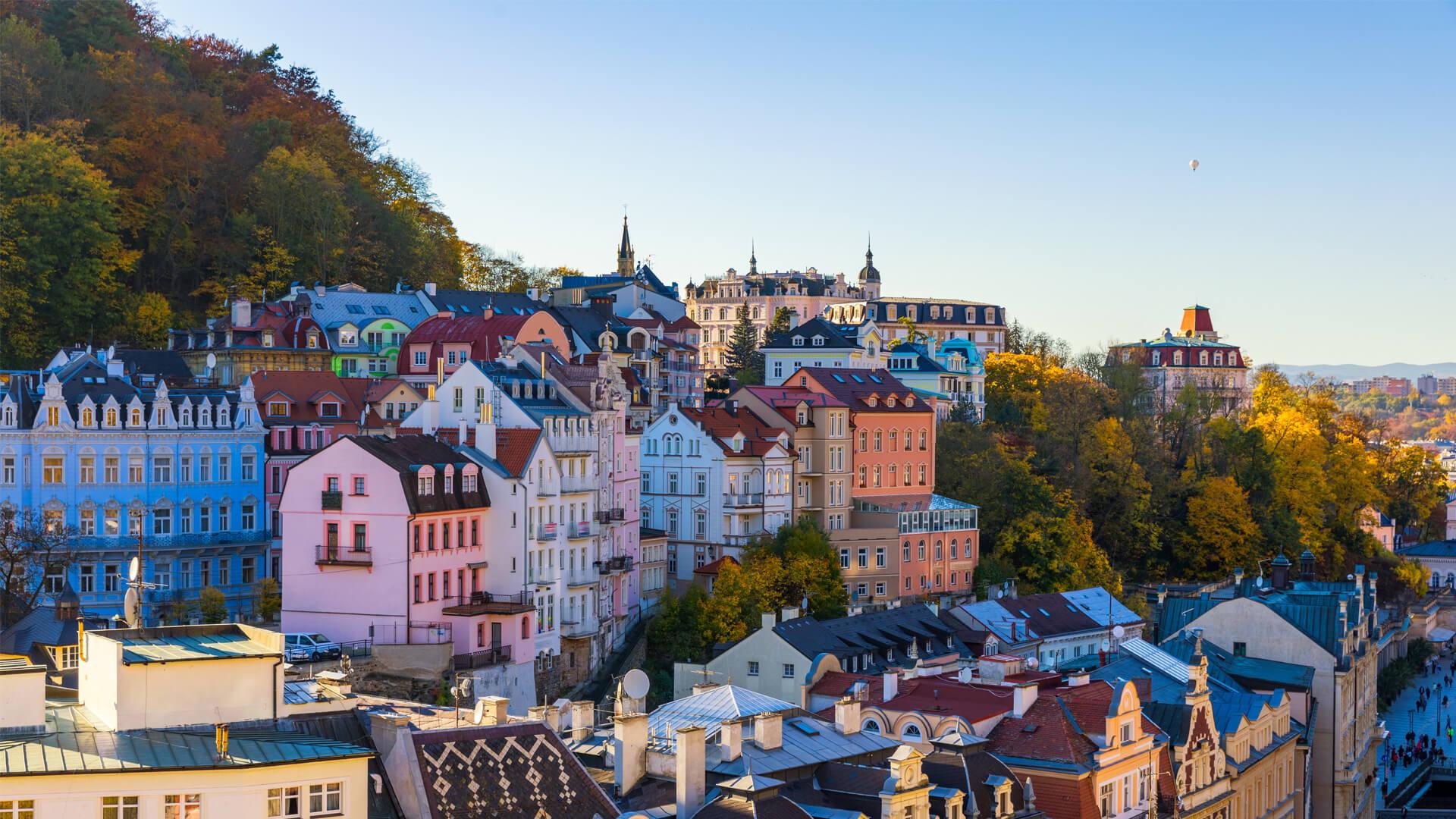
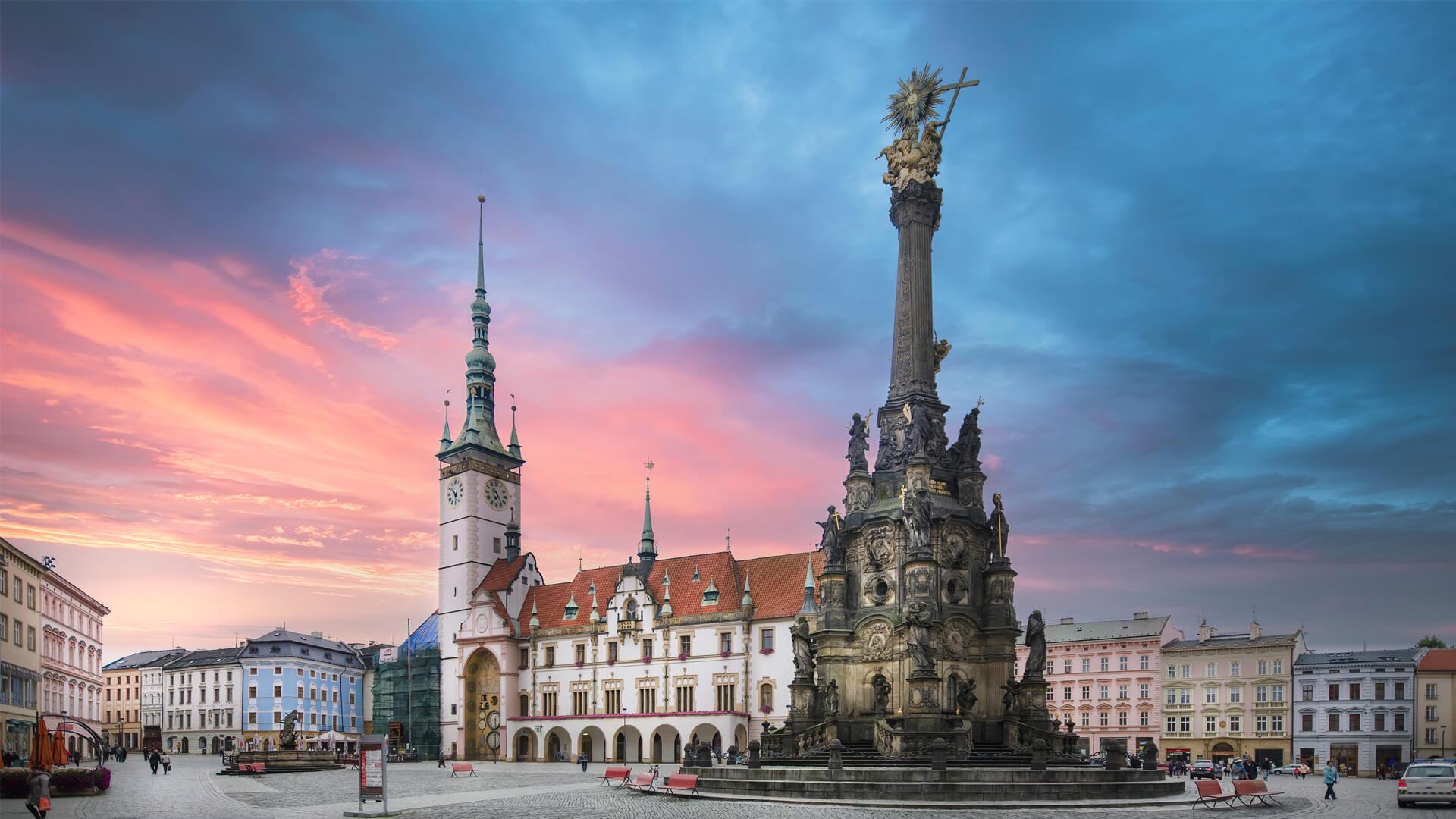
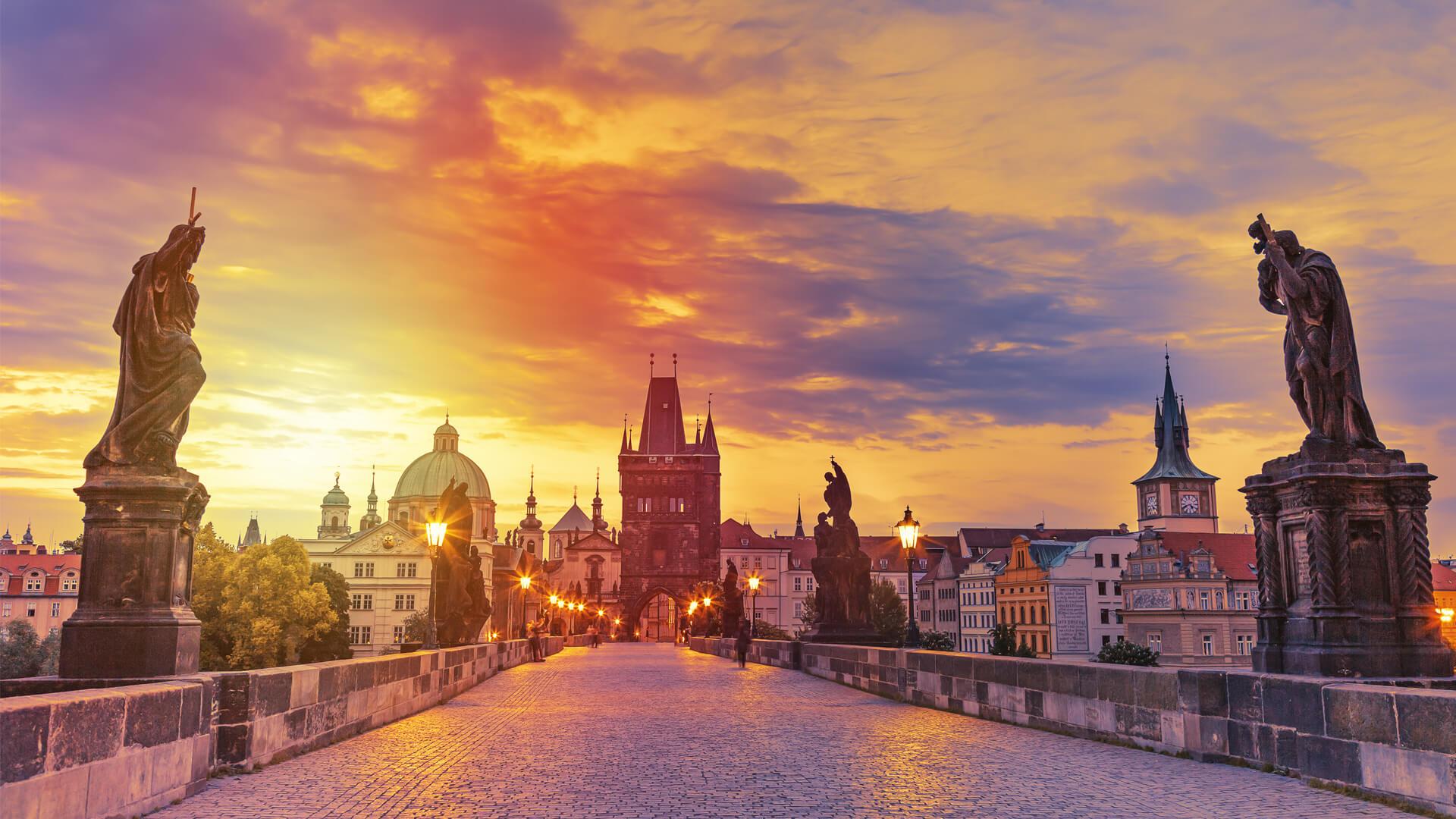
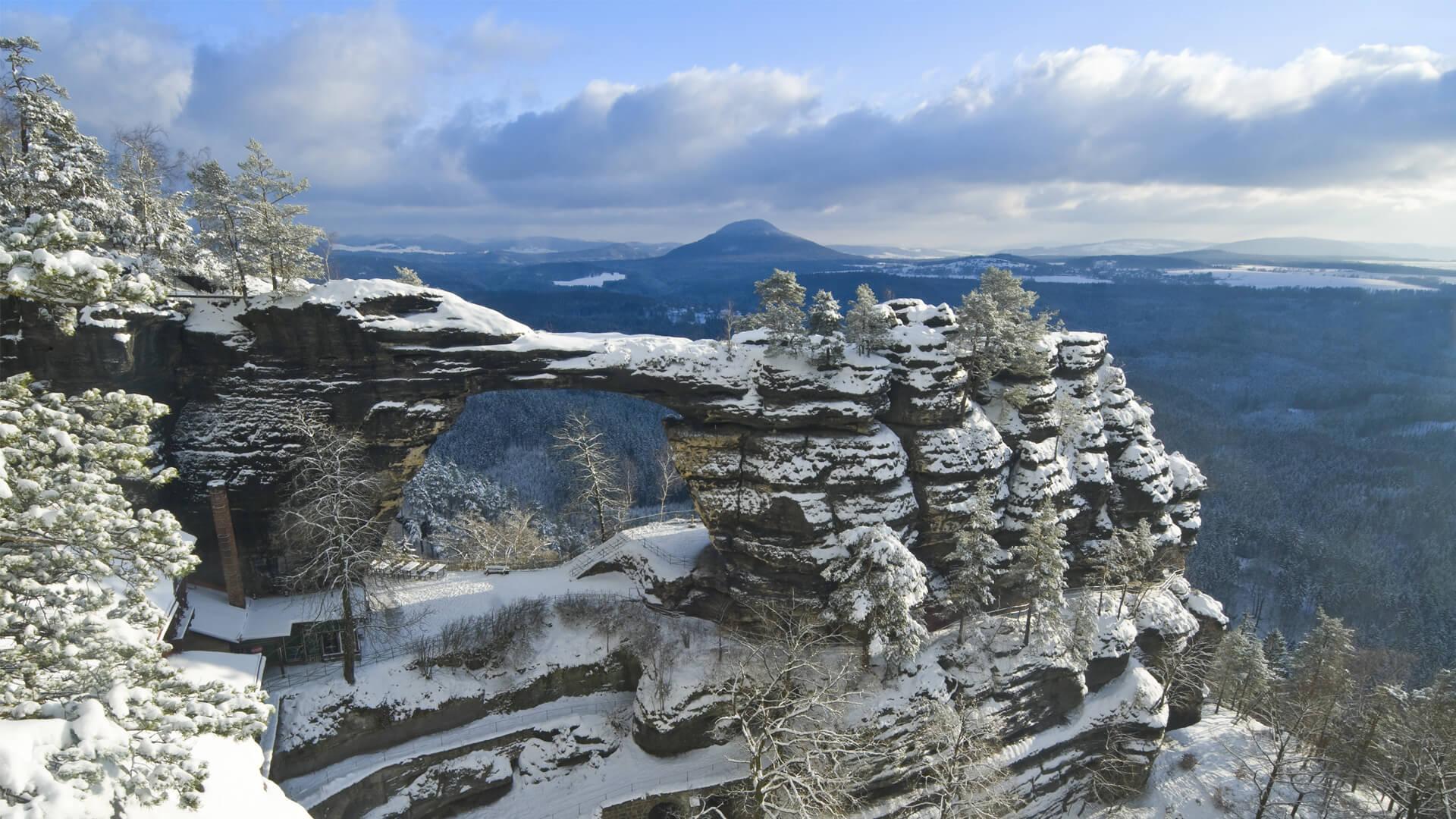
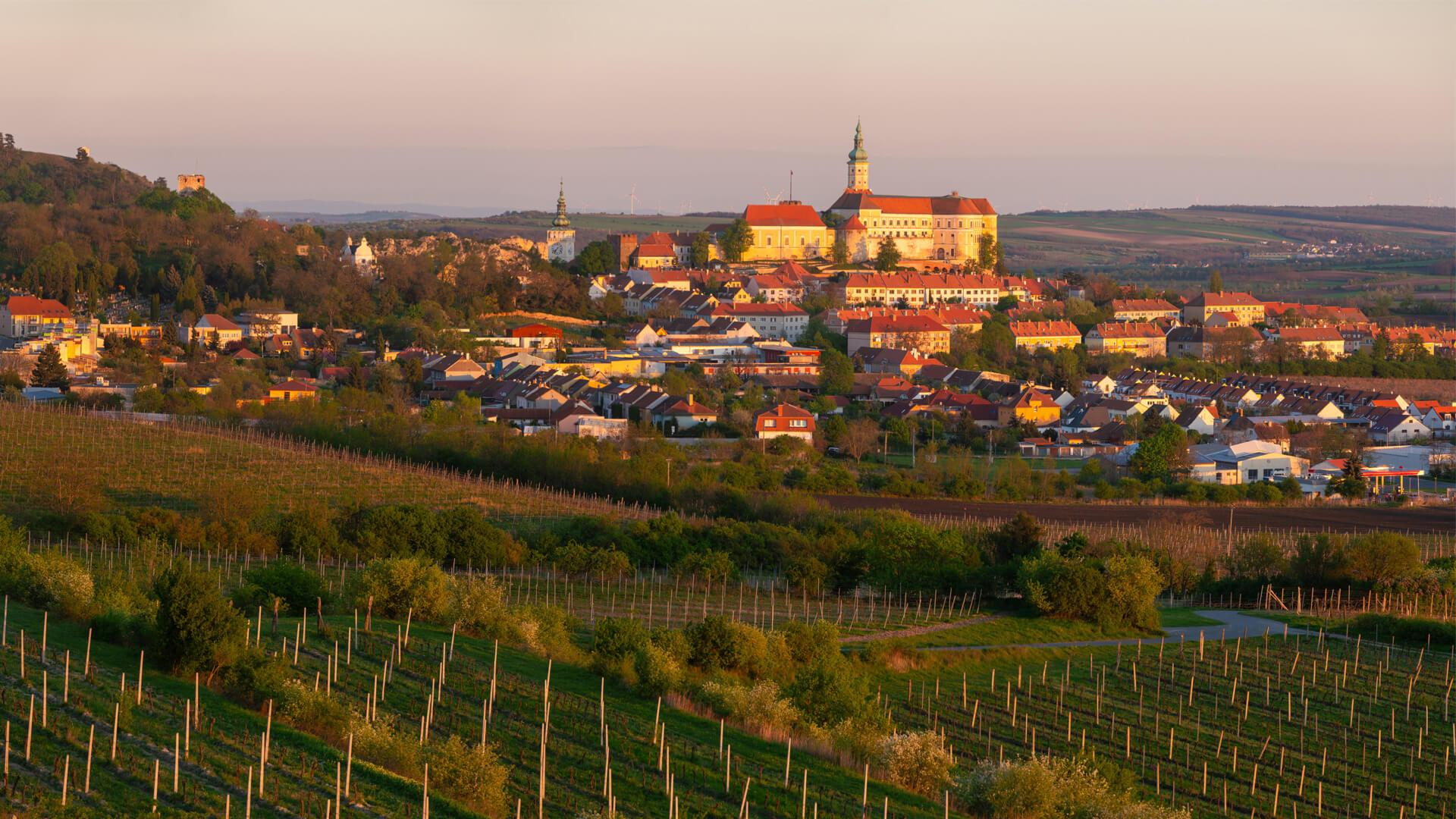
Czechia captivates with its medieval towns, majestic castles, and picture-perfect villages. From the charm of Prague and the iconic Charles Bridge to the beauty of Český Krumlov and the landscapes of Bohemian Switzerland, each corner unveils a rich heritage. Savour Pilsner beer, enjoy classical music, and discover traditional crafts for an unforgettable stay.

Useful information

Official language(s)

The official language of Czechia is Czech. English is widely understood in tourist areas and major cities, especially in Prague.

Flight duration

Direct flight: 8 hours
Connecting flight: 10 to 16 hours (depending on connection times)

Time zone difference

Czechia time zone: UTC+1 
6h ahead of Quebec (EST)
5h ahead of Quebec (EDT) 

Currency

Czech Crown (CZK) 

Credit cards and the euro are accepted in hotels, restaurants, and major shops but rarely on the streets. It is recommended to carry Czech crowns for purchases at small shops, local markets, and food stalls as well as for tipping.

Tips

In Czechia, tipping is not mandatory but appreciated for good service. In restaurants, it is common to leave 5%–10% of the total bill. For street food, small cafés, and taxis, rounding up the fare is typical. In bars, a few crowns per drink is sufficient.

Safety

Czechia is considered a safe country for travellers. It is recommended to take standard safety precautions in major cities. 

Before any foreign trip, visit the Government of Canada’s Czechia Travel Advice page to find out about the current situation in the country. 

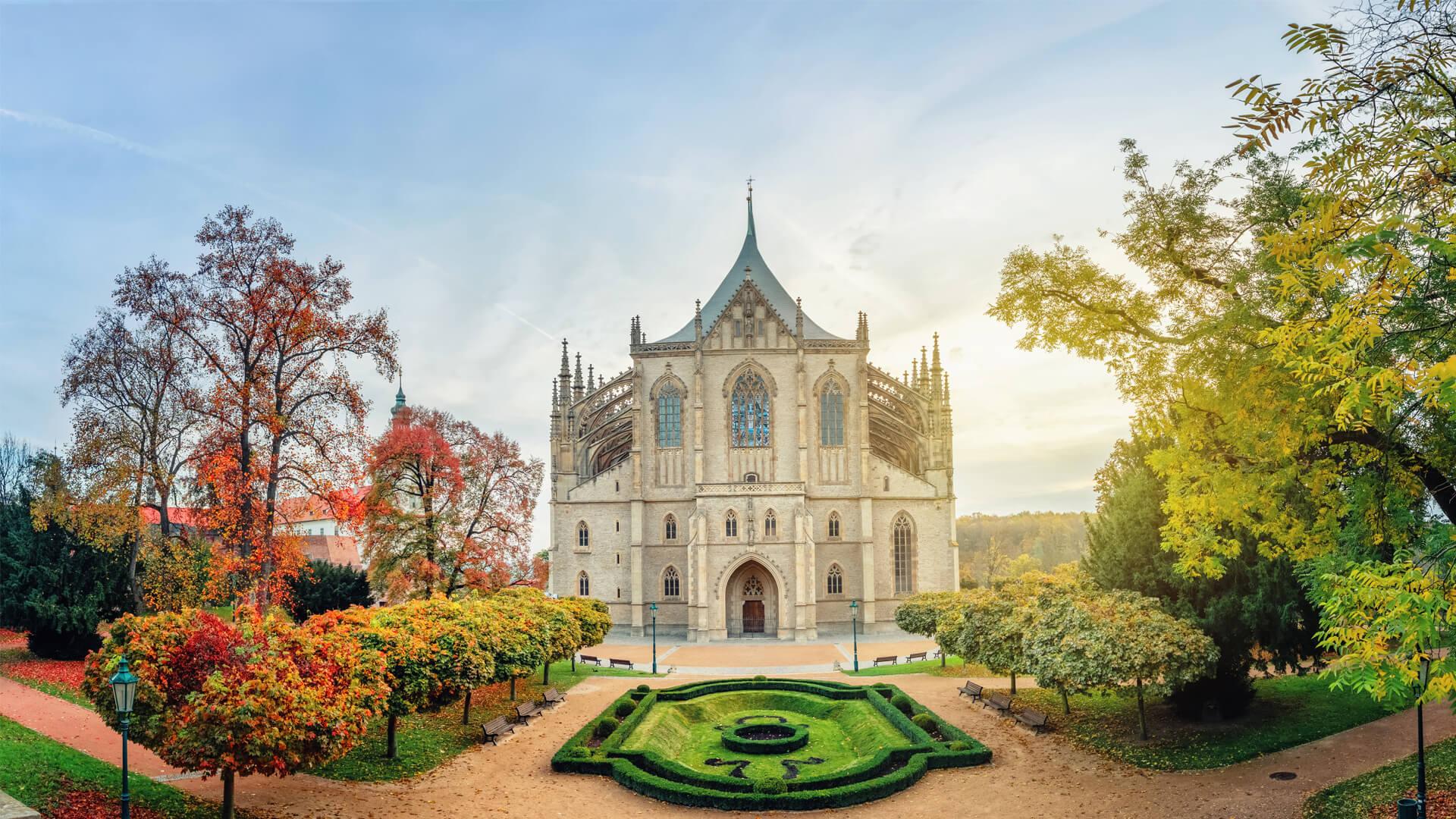
  • Exceptional historical heritage: medieval towns, majestic castles, and numerous UNESCO-listed sites.
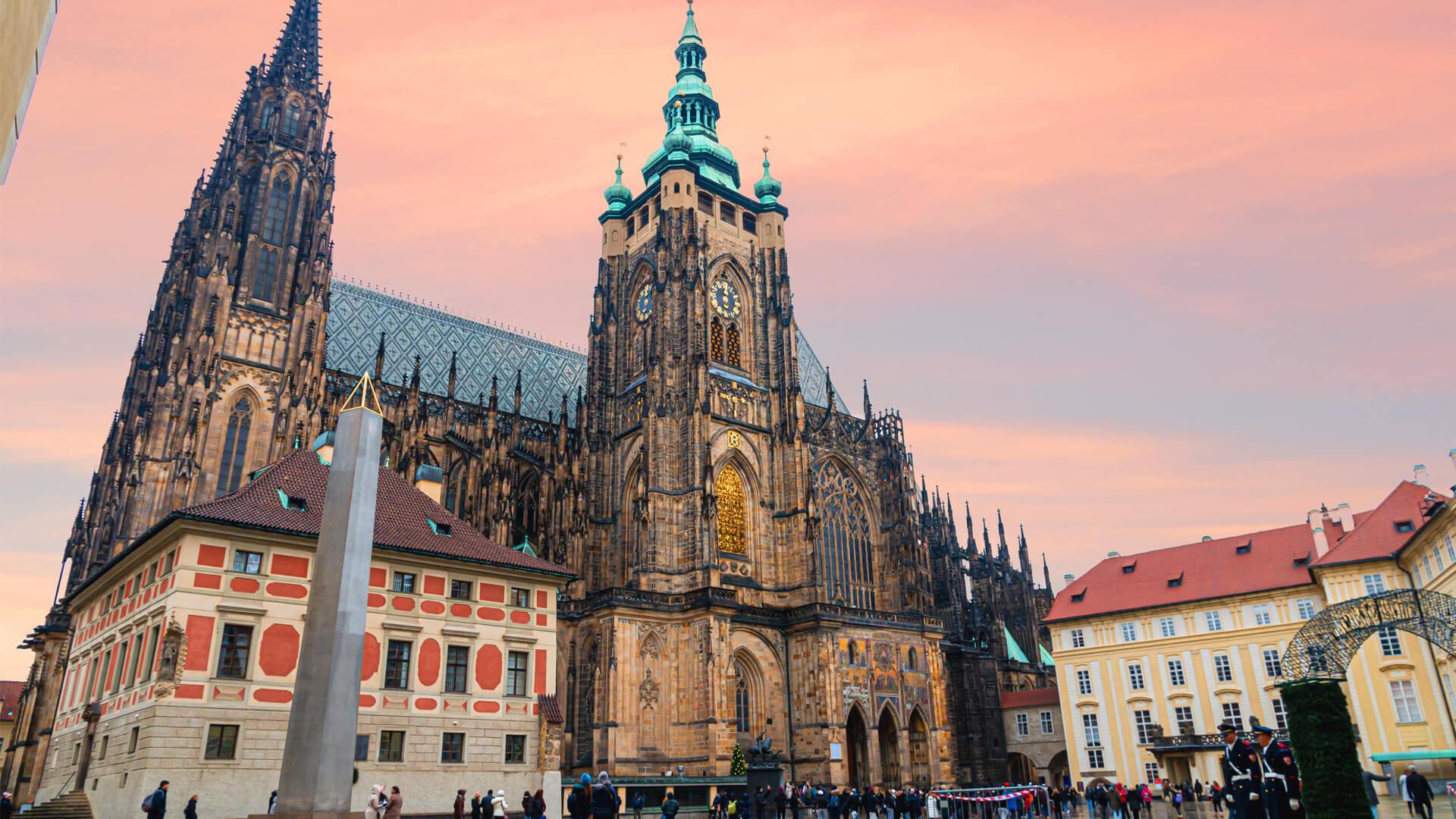
  • Diverse architecture: Gothic, Baroque, Renaissance, and modern styles.
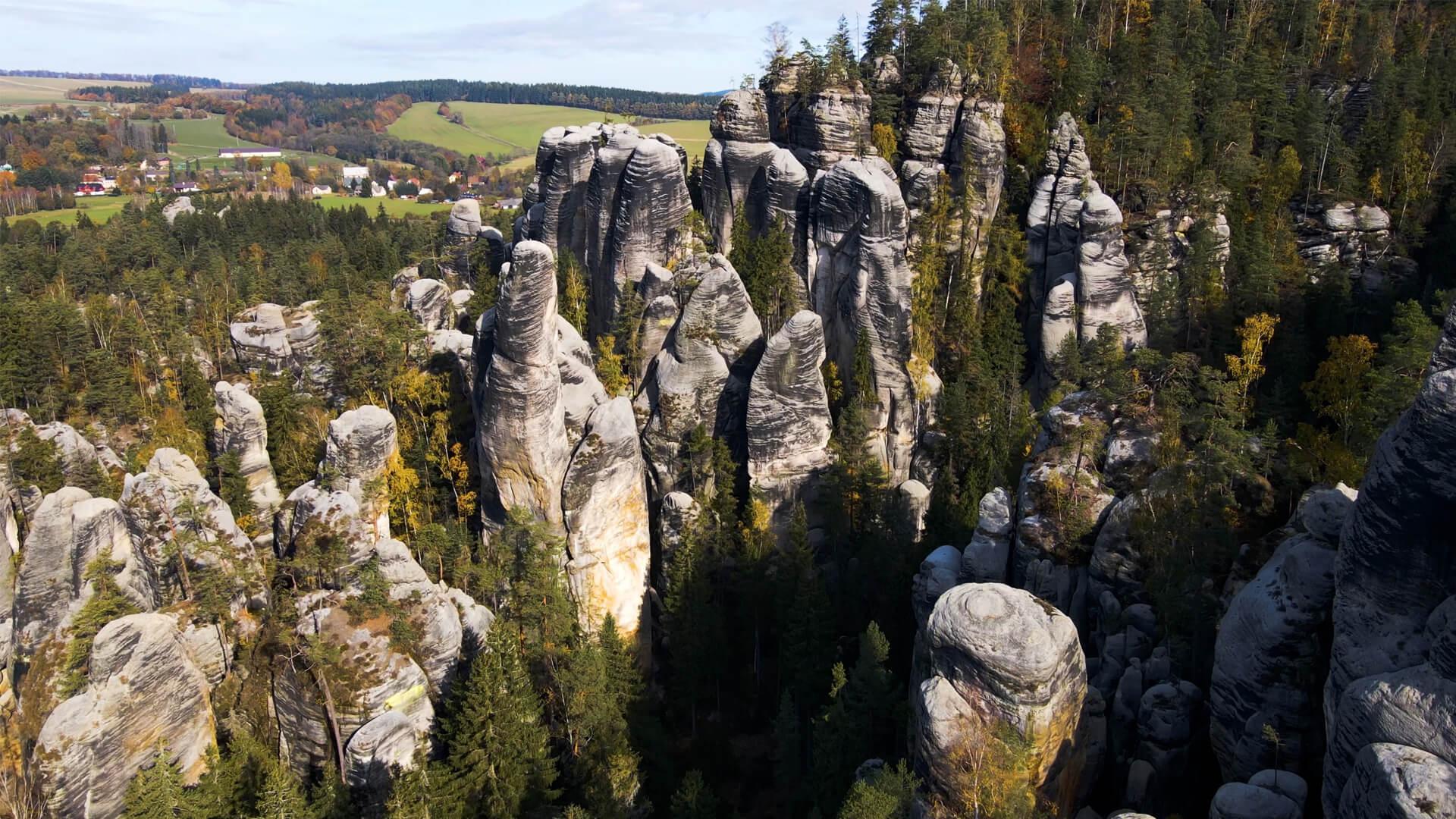
  • Stunning scenic landscapes: forests, mountains, and national parks, including Bohemian Switzerland and the spectacular rock formations of Adršpach-Teplice.
Keep in mind

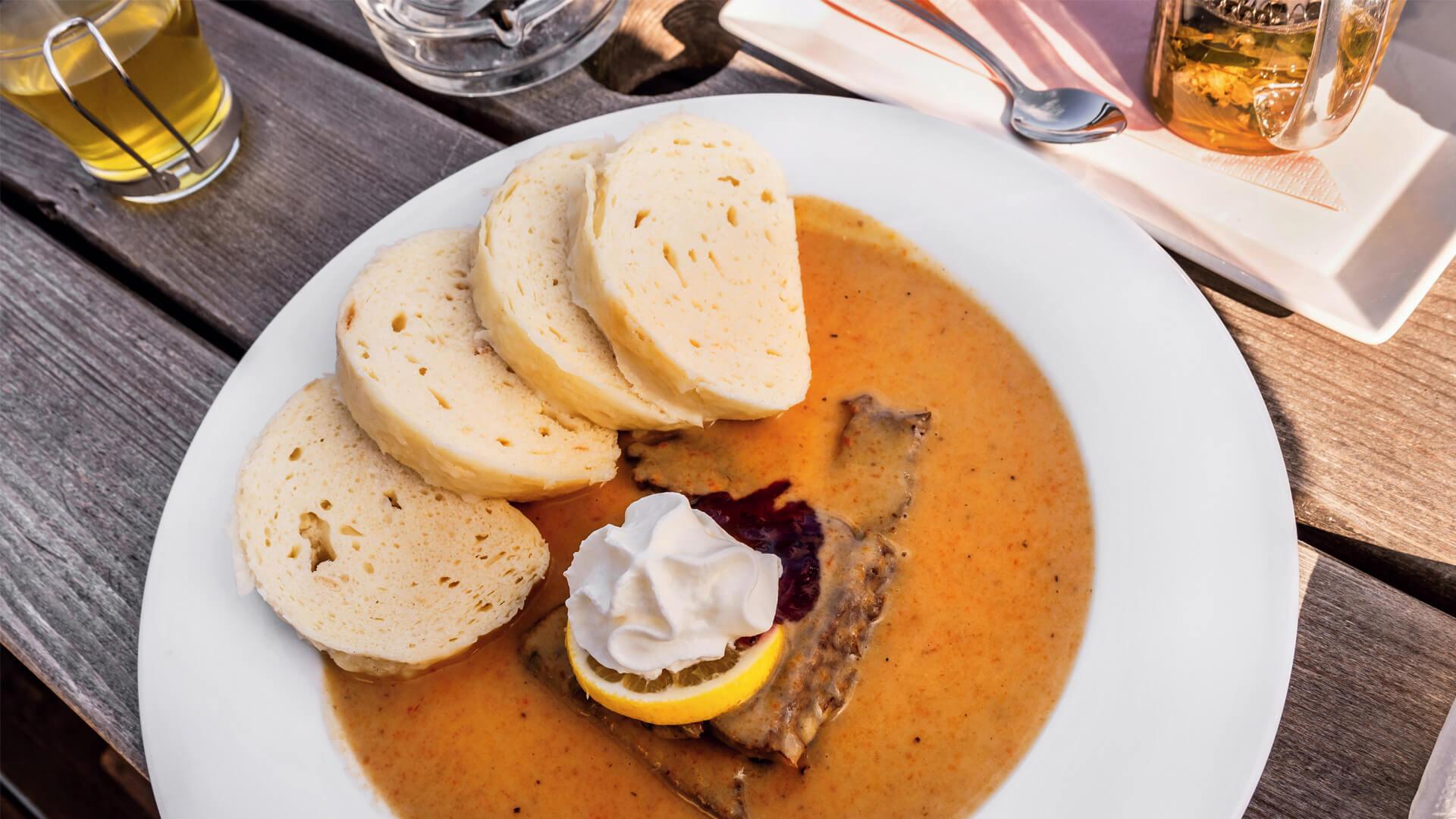
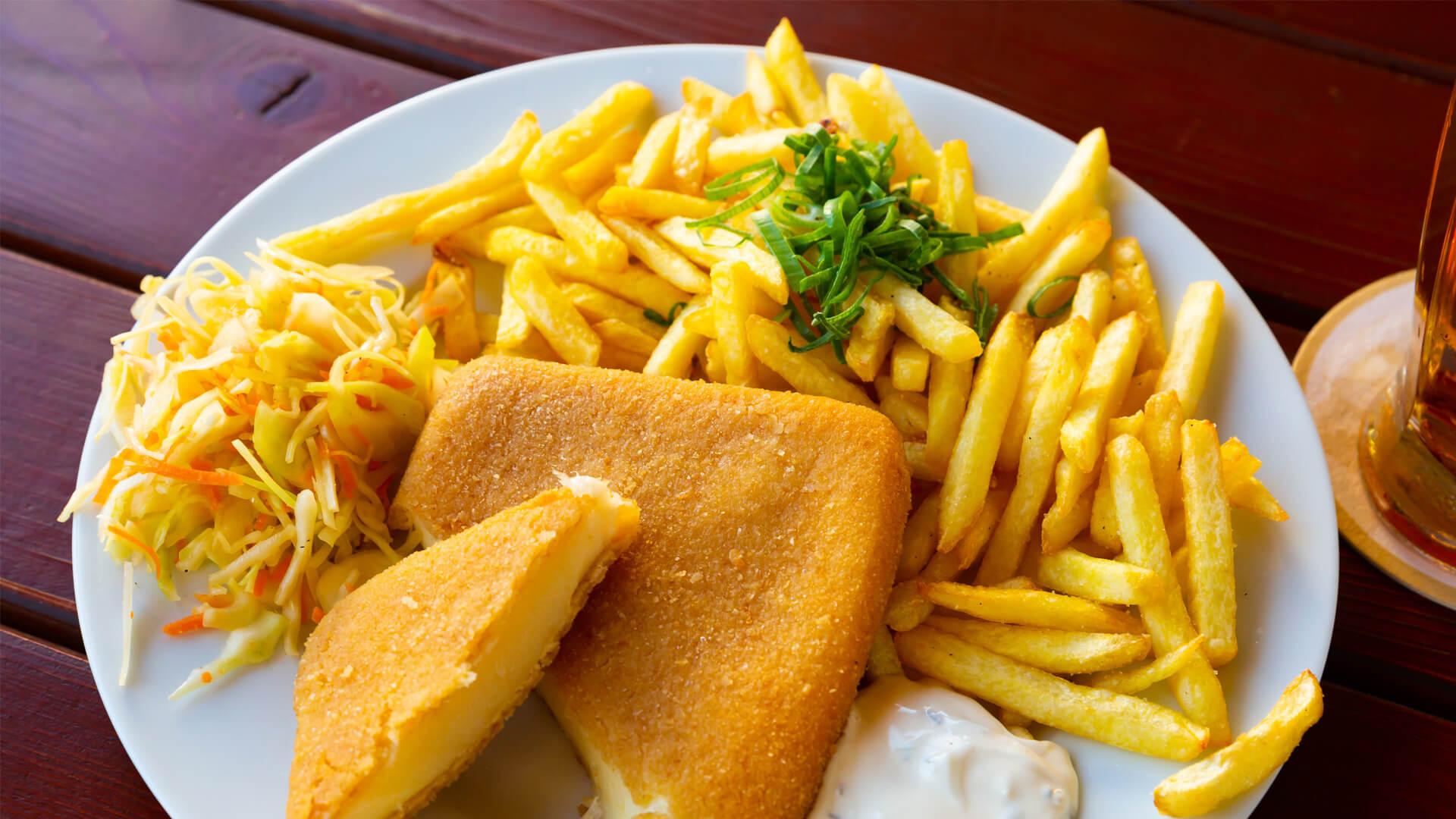
  • Czechs are fond of meats and cured products, so it may not be the ideal destination for vegetarians.
  • In the regions, many castles, museums, and attractions close between November and March, making tourist options limited.
  • Outside major cities, English is not widely spoken, and Czech can pose a challenge for travellers.

Good to know

  • Eating on restaurant terraces is often more expensive than sitting indoors.
  • In restaurants, bread and condiments are not included in meal prices; if you consume them, they will be added to your bill.
  • Many small shops close early or are closed on Sundays, so it is wise to plan your shopping and sightseeing accordingly.
  • When visiting churches or religious sites, it is recommended to keep shoulders and legs covered.

Frequently asked questions

Czechia can be visited year-round, but May, June, and September are especially pleasant, with temperatures ranging from 15° to 23°C. July and August mark the peak season, warm and particularly lively in Prague. Winter is cold and often snowy, but the atmosphere becomes magical during Christmas markets, from mid-November to the end of December. Many castles and museums in the regions close during the low season, from November to March.

The easiest way to get around in Czechia is by public transport. Reliable and affordable, trains and buses connect major cities such as Prague, Brno, and Český Krumlov efficiently. In historic centres, everything is easily explored on foot, whereas in larger cities, tram networks make getting around simple and convenient.

7 to 10 days 

This time frame allows you to explore Prague as well as other must-visit cities like Brno and Český Krumlov, while taking the time to tour castles, admire the Bohemian landscapes, and enjoy the country’s wine regions.

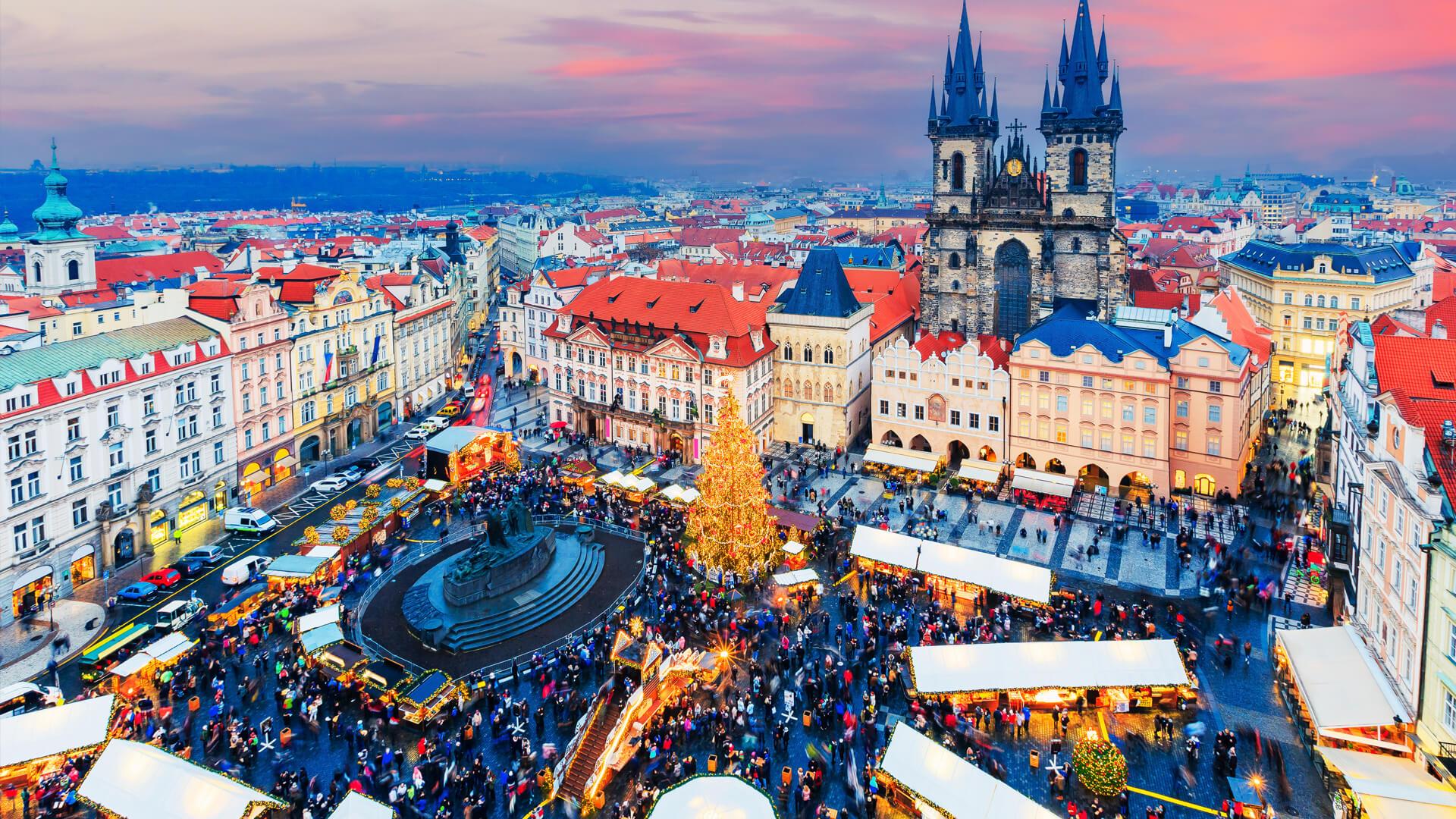
  • Christmas markets, held from late November to late December in Prague and other cities, are among the most renowned in Europe. They transform public squares into magical villages with decorated wooden stalls; twinkling lights; festive music; and traditional treats, creating a warm and enchanting atmosphere.
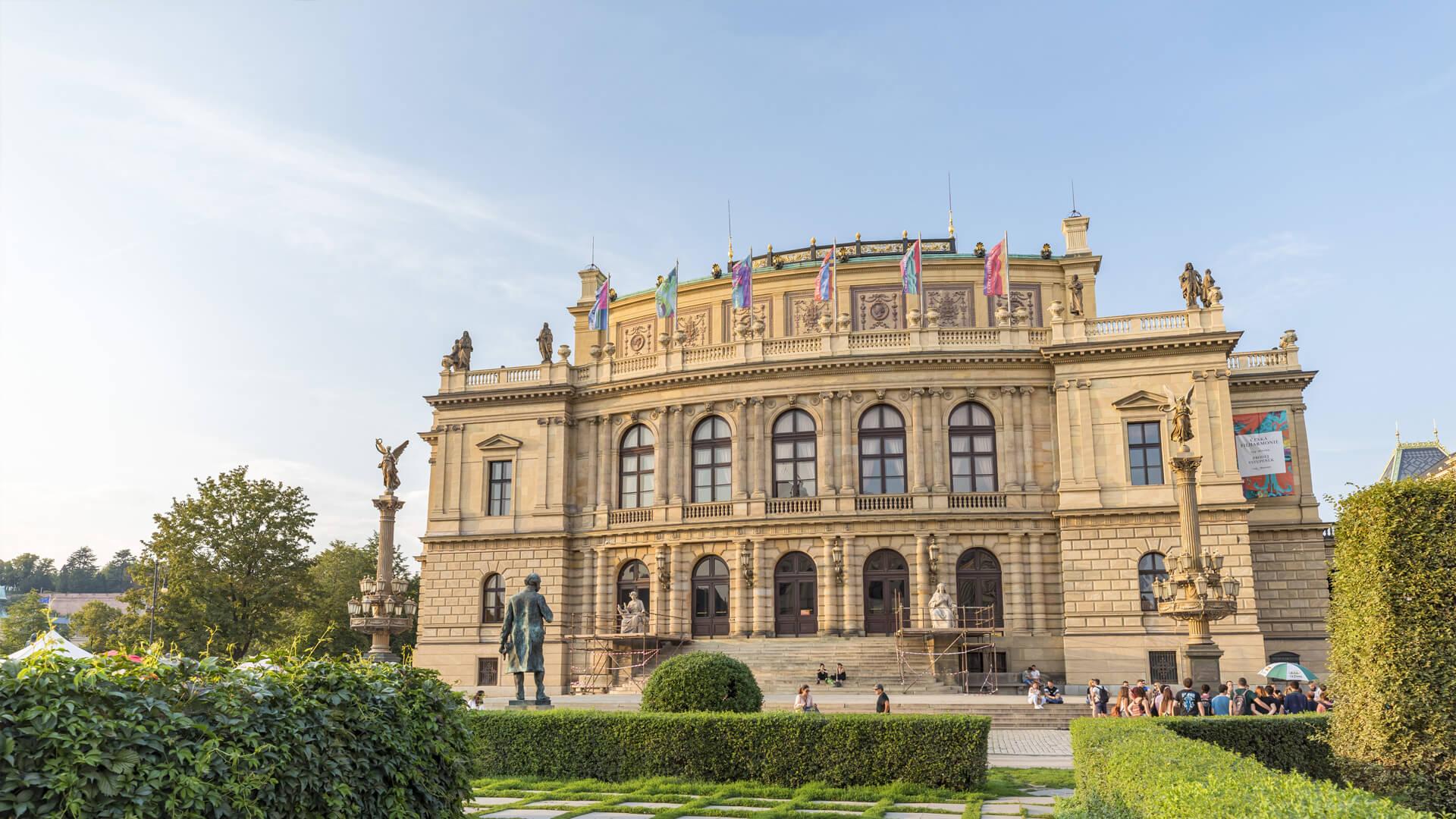
  • The Prague Spring (Pražské jaro) starts on May 12 in Prague. The country’s most prestigious classical music festival welcomes internationally renowned conductors, musicians, and orchestras in exceptional historic venues.