Your radon test shows a level above 200Bq/m³*? Corrective measures are needed to limit health risks, ranging from simple repairs to more significant and costly work. Here is what to do, step by step, to reduce radon in your home, guide your mitigation work, or prevent radon gas from entering a new home.
Moderate radon concentration
These mitigation measures may be effective if your radon test kits show concentrations below 600Bq/m³:
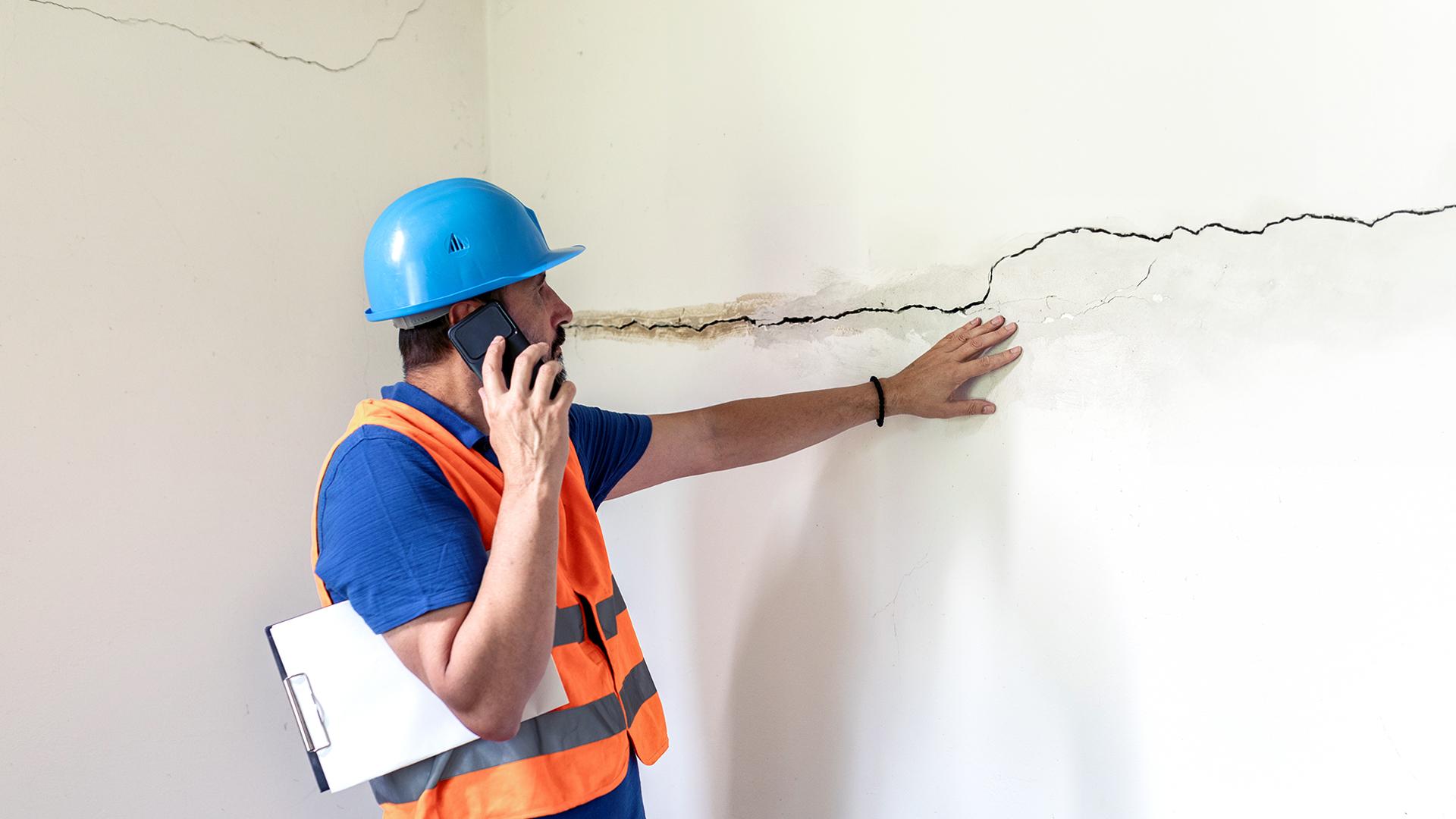
- Seal cracks in foundation walls and the floor slab.
- Seal openings around pipes and ducts.
- If there is no concrete slab, install a vapour barrier (polyethylene sheet, minimum 3 mils) in the crawl space.
- Seal the top of concrete block walls with mortar or expanding foam.
- Add trap seals to floor drains.
- Seal open sump pits.
- Improve ventilation, for example with an air exchanger.
High radon concentration
When radon levels exceed 600Bq/m³, the installation of a mitigation system is generally recommended.
This sub-slab depressurization system involves installing a pipe beneath the floor slab connected to a fan. It draws the radioactive gas from the soil and vents it outside. This effectively reduces radon concentrations in your home.
How much does a depressurization system cost, and is financial assistance available?
A depressurization system can cost several thousand dollars, but it can often reduce radon levels by up to 95%.
Some financial assistance may be available, including from:
- The Canadian Lung Association (up to $1500 for low-income households or individuals with lung cancer)
- Municipal programs such as Habitation Durable (e.g., Victoriaville, Varennes, or Plessisville)
Consult the list of available home renovation grants.
How to find the right specialist for your mitigation work?
To effectively reduce radon in your home, hire a qualified radon contractor who can measure radon levels, assess your situation, and carry out or supervise the work according to recognized standards and building codes:
Find a mitigation specialist:
Good to know
CAA-Quebec’s Residential Advisory Services can help members find a mitigation specialist. Some contractors recommended by CAA-Quebec have completed Health Canada training. They can carry out or supervise the work to ensure its effectiveness.
How to prevent radon from entering a new home?
It is difficult to predict how much radon a home might contain before it is even built. However, some simple measures can help limit infiltration:
- Install a vapour-proof polyethylene membrane under the floor slab and foundation walls.
- Install a vent pipe beneath the concrete slab.
- Seal the joints between the concrete slab and the foundations.
- Install a proper ventilation system from the design and construction phase.
Reducing radon in your home is essential to protect indoor air quality and the health of occupants (risk of lung cancer). And if you do nothing, could radon lower your property value? Find out about the possible impacts when buying or selling a home.
FAQ – Eliminating and preventing radon
1. Is it possible to eliminate radon in a home?
Yes, it is possible to significantly reduce radon with the right solutions.
2. Is sealing basement cracks enough to block radon?
Sometimes, but this solution has its limits. An assessment by a specialist is recommended.
3. Does my home insurance cover radon?
No. Mitigation work is generally not covered by home insurance, as it does not result from a sudden loss or accident.
4. I have a radon diagnosis—is it urgent to carry out the work?
Yes, it is important to act quickly, especially if your radon level exceeds 200Bq/m³, and even more so above 600Bq/m³. The urgency of taking action depends on the radon concentration. The higher it is, the more mitigation work is recommended without delay to reduce radon in your home.
*Bq/m³: Becquerels per cubic metre, the unit used to measure radon concentration in the air. Radon is a colourless, odourless radioactive gas found in homes throughout Quebec and poses a risk of developing lung cancer.

Benefit from personalized advice
Do you have questions about your home, need specific information, or are you looking for referrals to find an Approved Supplier?
To contact our Residential Advisory Services
1-877-803-1118