Guide
Radon
Published on May 29, 2026
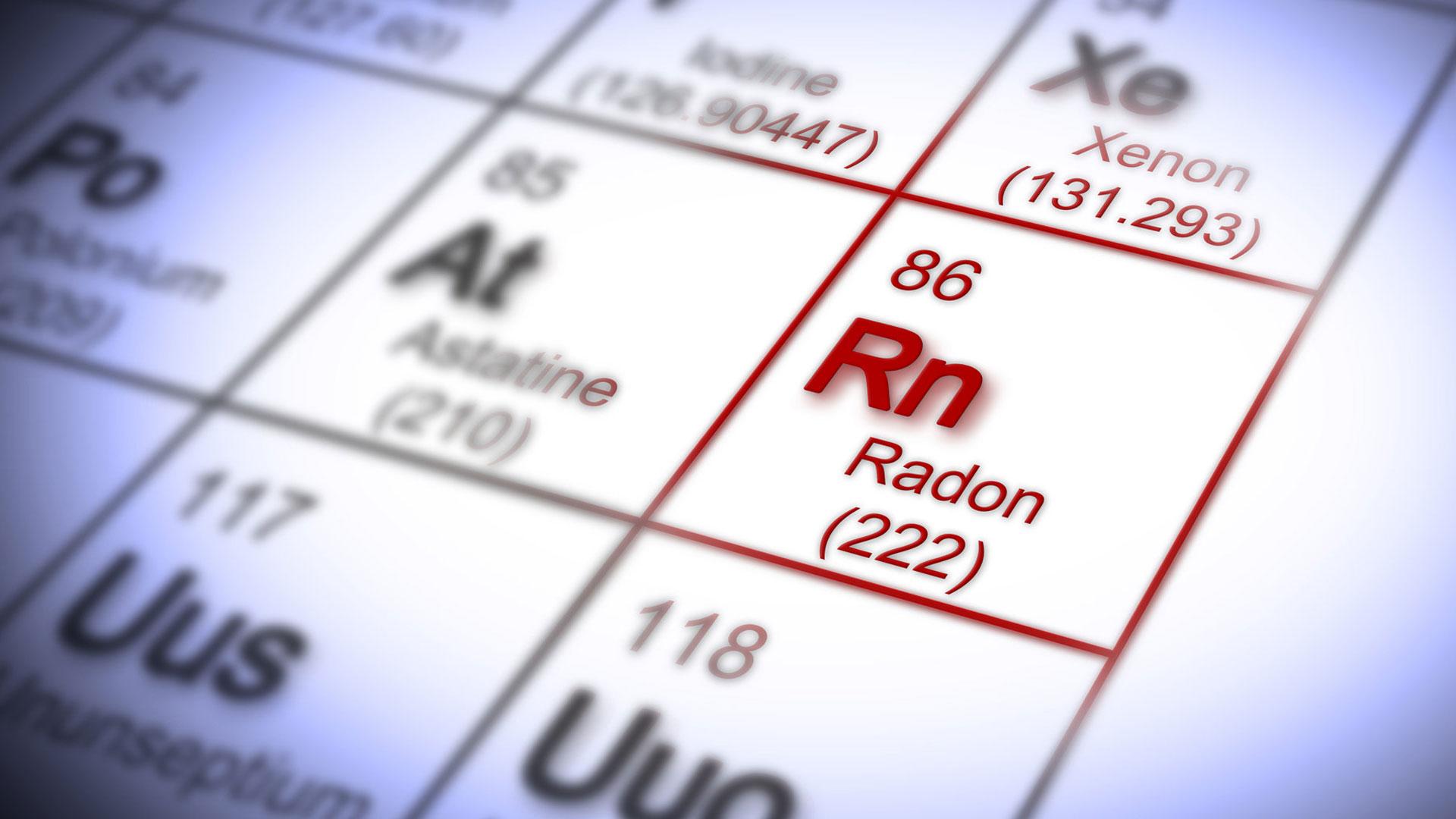
A colourless, odourless and radioactive gas, radon often circulates unnoticed in homes and can potentially cause lung cancer. But how exactly? Find the answer in our guide. You’ll also learn how to detect and eliminate radon, and how to prevent its appearance in new homes.


Reader Notice
Please note that a new procedure now applies to make it easier to ship dosimeters to the United States via Canada Post.
Discover our other guides






Do you need personalized advice on your home?
Our Residential Advisory Services counsellors are there to answer your questions and support you when you need it. Ask for their advice as often as you like. It’s one of the benefits of membership.

Your questions about radon
Radon can be found in almost every home in North America, regardless of the year it was built. Regions known to be most affected are the Basses-Laurentides (Oka, Saint-Joseph-du-Lac and Saint-André d’Argenteuil), the Mont-Saint-Hilaire area, the RCM of Antoine-Labelle, and the Mont-Laurier area.
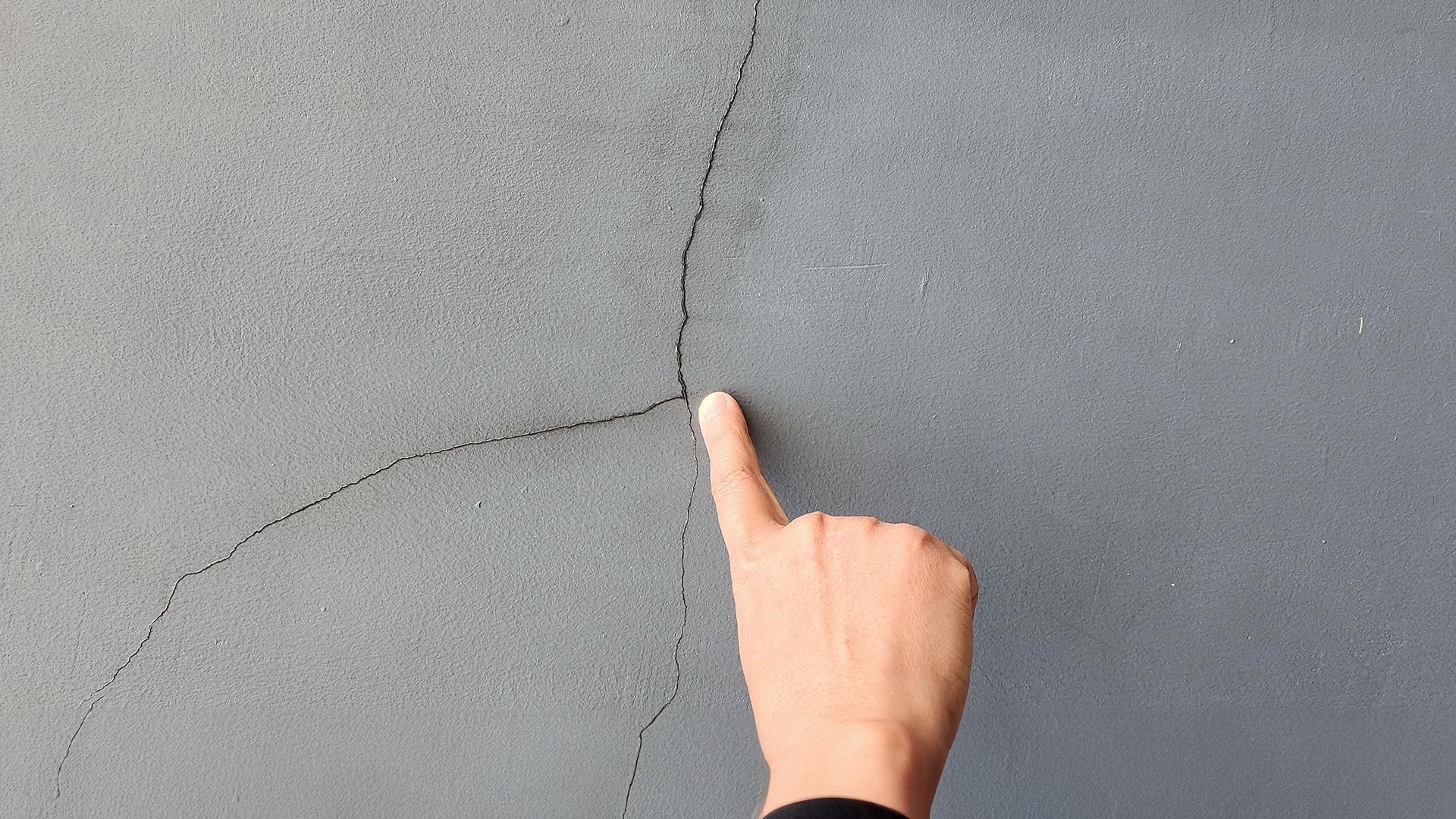
Radon can leak into (or rather be sucked into) a home through any opening that is in contact with the ground: cracks in foundation walls and floor slabs, construction joints, gaps around service pipes and support studs, floor drains and sump pumps, cavities in walls and water supplies, etc.
The only way to detect the presence of radon in a home is to measure its concentration using a device specially designed for this purpose, called a dosimeter.
Health Canada recommends mitigation measures to reduce radon levels to as low as reasonably achievable as soon as a radon test result exceeds 200Bq/m3. However, the World Health Organization (WHO) recommends that modifications be made as soon as a radon test result exceeds 100Bq/m3.
- Ensure there is balanced ventilation in the basement.
Seal all cracks and openings in the foundation walls and slab, as well as any gaps around pipes and drains.
Paint the foundation walls and slab.
Renovate basement floors, especially dirt floors.
Depressurize the soil underneath the concrete slab by installing a fan that blows radon back out before it enters the house.
Some municipalities, but not all, require new-home builders to install a passive system under the basement slab to vent radon to the outside.
The cost of implementing special techniques, usually carried out by a specialized contractor, ranges from a few hundred to several thousand dollars. The cost will be much lower if a passive system has been installed during construction, but a test is necessary to establish that it is working properly. There are currently no radon-related subsidy programs.
The Canadian Lung Association can provide financial assistance to help reduce radon levels for homeowners diagnosed with lung cancer, or for those with a low or moderate income.
No, you are not required by law to do so. You can sell your home regardless of radon levels. However, if you have already tested your home for radon and taken the necessary remedial steps to reduce radon levels, you must declare this to the potential buyer.
If there is no such specification, the buyer could make an offer contingent on measurement tests being carried out (at their own expense). Should radon concentrations prove too high, the purchase price could be revised downward, or the offer cancelled.