
What is radon exposure and what are its health effects?
Published on May 29, 2026
3 mins reading time

Radon is a naturally occurring radioactive gas that seeps into homes. Prolonged radon exposure is associated with an increased risk of lung cancer. Here is what you need to know about this gas and its health risks.
What is radon?
Invisible and odourless, radon comes from the breakdown of uranium found in soil and rock. Because it is highly radioactive, only a test using a dosimeter can detect it inside your home. Its concentration is measured in becquerels per cubic metre of air (Bq/m³).
Is radon present in all homes in Quebec?
Yes. Radon can be present in any home in Quebec, regardless of its age or location. Average concentrations can vary from one home to the next. In Canada, approximately one in five homes has elevated radon levels, according to Health Canada.
How does radon enter a home?
A pressure difference between indoor air and the soil creates a suction effect that draws the gas into the home, primarily through openings in contact with the ground:
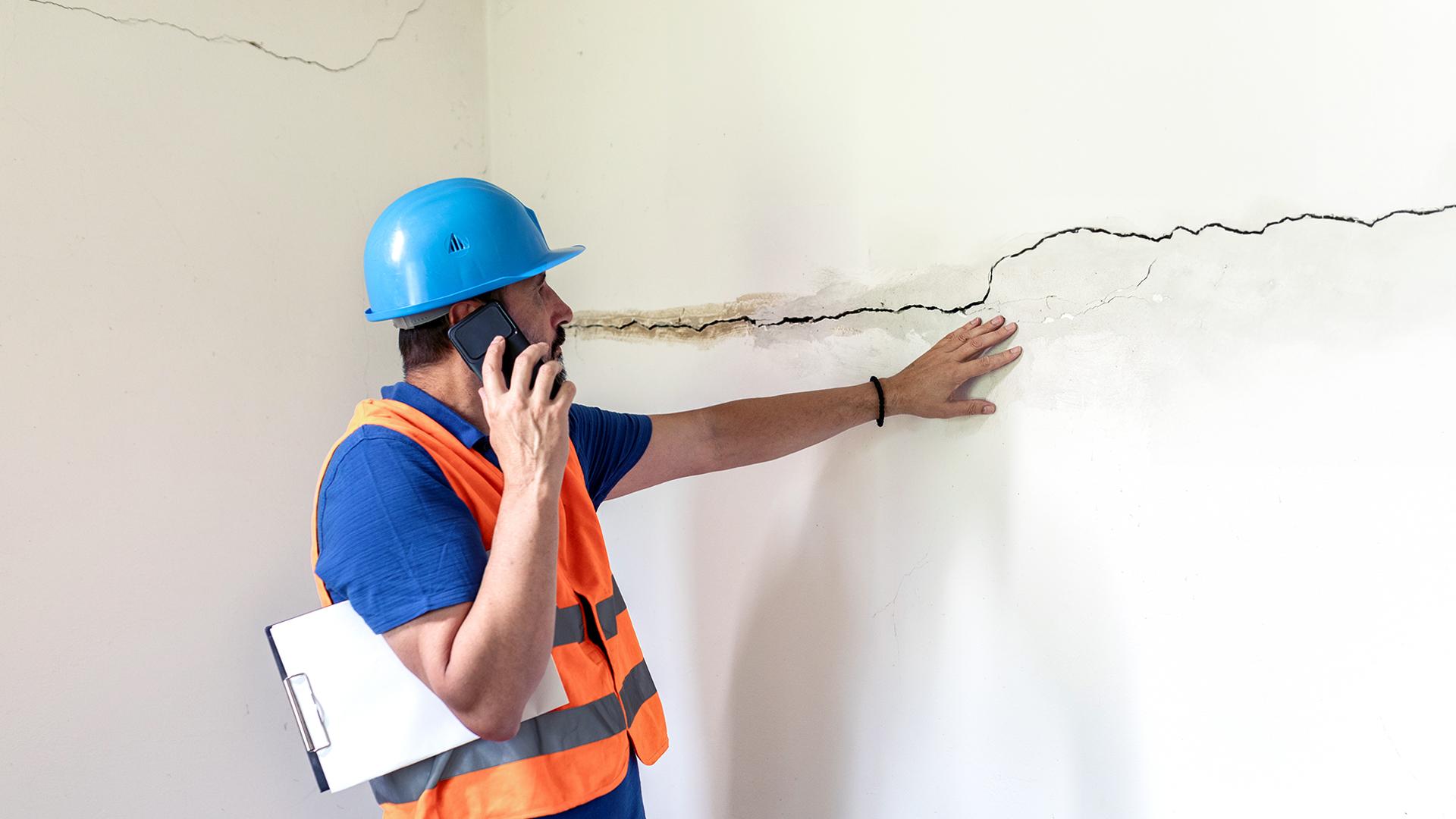
- Cracks in the foundation or floor slab
- Drains and plumbing pipes
- Unsealed joints
- Crawl spaces (earthen floors)

Expert’s insight
“Winter often creates conditions that are favourable to radon infiltration. A well-heated, airtight home amplifies pressure differences with the soil, which can encourage radon entry. Take advantage of your home’s winter maintenance to conduct a radon test!”
Yves AllardAssistant Director, Residential, CAA-Quebec
Where does radon accumulate in a home?
Radon accumulates primarily in the lowest areas of a home, such as the basement—which is also the best place to conduct a reliable test. Since radon is heavier than air, its concentration decreases on upper floors, but does not disappear entirely.
The risk of radon exposure is higher if you spend several hours a day in the basement, for example, in a home office, a guest room, a child’s bedroom, or a family room.
The longer the exposure, the higher the risk. If your home has no basement or crawl space, the ground floor may also show elevated radon concentrations.
Can well water contain radon?
Yes. Radon can be present in well water and be released into the air—for example, during a shower or while doing laundry. However, concentrations are generally not high enough to pose a health risk.
Is radon dangerous to your health?
Yes. According to Health Canada, radon is associated with an increased risk of lung cancer and is the leading cause of lung cancer among non-smokers.
The risk is even higher for people who smoke AND are exposed to high radon concentrations (above 200 becquerels per cubic metre) for several hours a day.
When you breathe the indoor air in your home, you inhale particles produced by the radioactive decay of this gas, which often bind to dust. Over time, this radiation exposure can damage your lung cells and increase the risk of developing lung cancer.
This risk is linked to exposure over many years, not short-term contact. Occasional trips to the basement—such as doing laundry once a week—generally do not pose a danger.
Radon produces no immediate symptoms: it causes no cough, headache, or irritation.
Can radon be eliminated from the body?
No. There is currently no medical way to “reverse” the effects of radon after it has been inhaled. Particles can accumulate in the lungs and damage cells over time.
Radon can affect your health. Do you know how to detect radon in your home?


Benefit from personalized advice
Do you have questions about your home, need specific information, or are you looking for referrals to find an Approved Supplier?
To contact our Residential Advisory Services
1-877-803-1118