Highlights
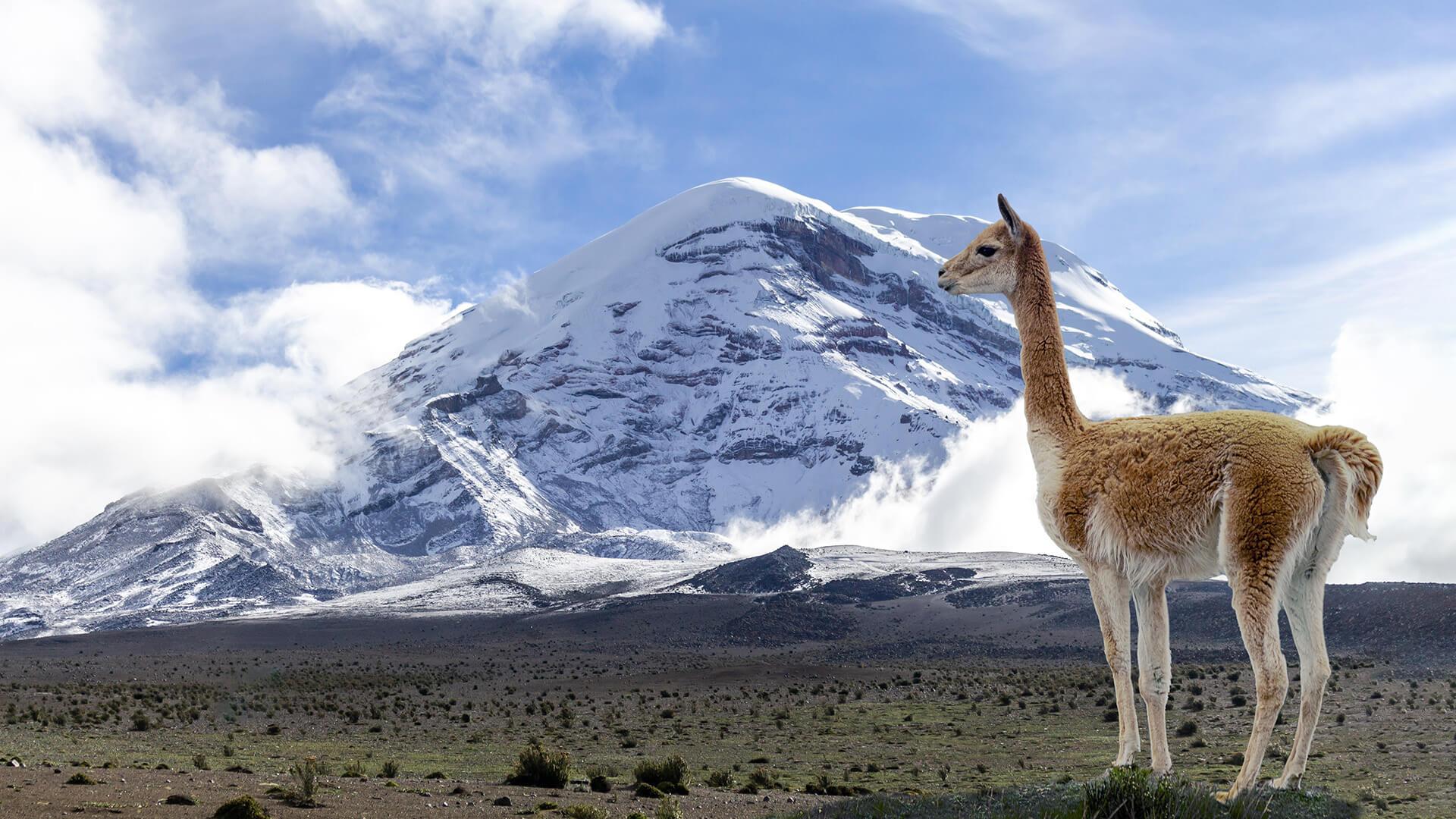
Remarkable wildlife diversity found nowhere else on Earth, with opportunities for close-up encounters
Spectacular volcanic landscapes
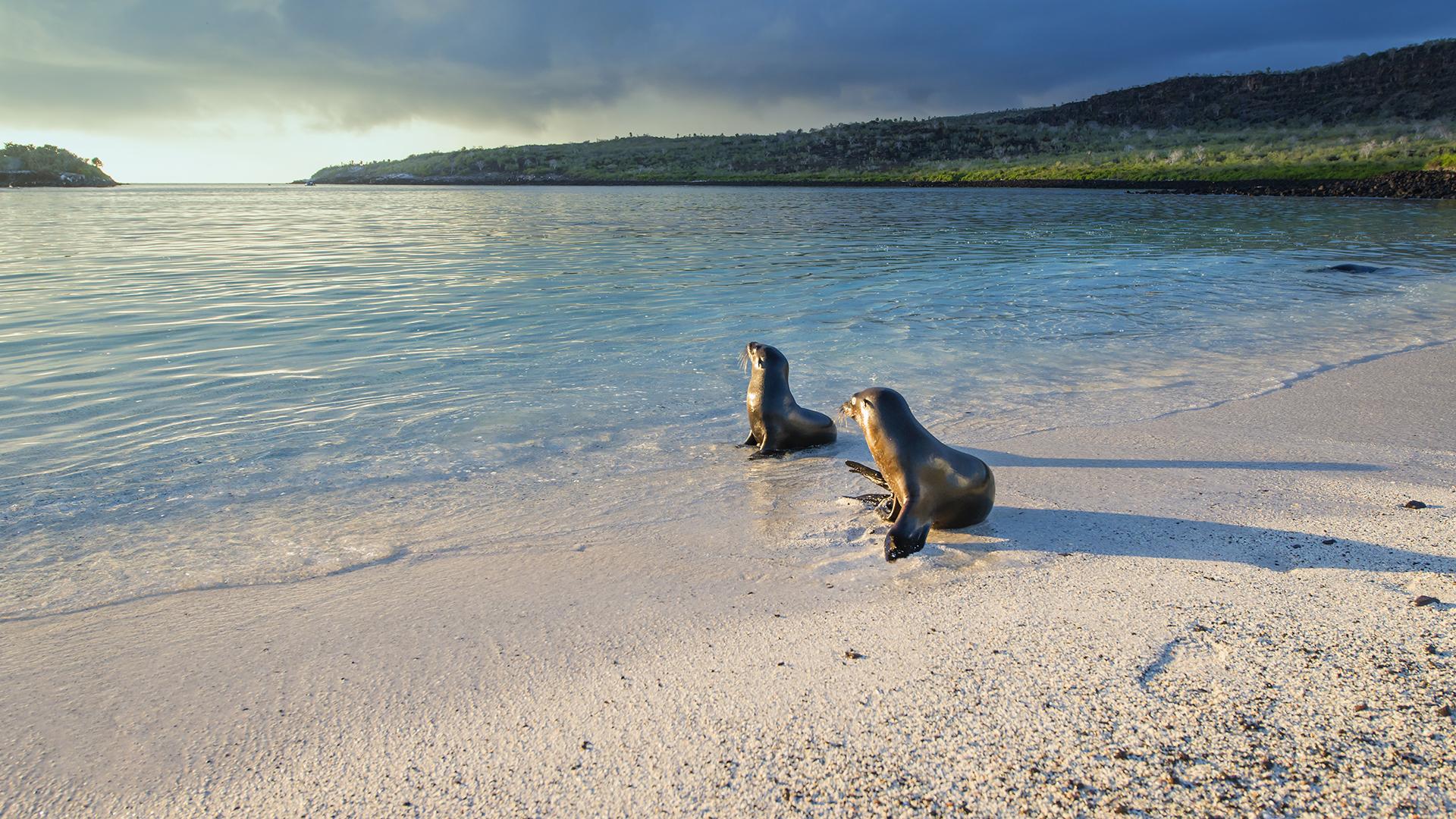
Abundant marine life and crystal-clear waters, perfect for snorkelling and scuba diving


Spanish is the official language of the Galapagos Islands. English is widely spoken and understood in most tourist establishments and services.
Direct flight: No direct flights from Quebec
Connecting flight: 16 to 30 hours (depending on connection times)
Galapagos Islands time zone: UTC-6
1h behind Quebec (EST)
2h behind Quebec (EDT)
US dollar (USD)
Credit cards (Visa, Mastercard, etc.) are generally accepted in hotels, restaurants, and major tourist establishments. However, you should carry cash for shops, taxis, and excursions. Smaller denominations, especially US$5, US$10, and US$20 bills, are more widely accepted on the islands.
In the Galapagos Islands, tipping is not mandatory, but it is appreciated for good service. In restaurants, it is customary to leave around 10% of the bill if service is not already included. For guides and expedition cruise crews, a general guideline is US$5 to US$10 per person per day for the guide and US$10 to US$15 per person per day for the crew. These amounts may vary depending on the company. For taxis and drivers, it is common to round up the fare or leave a small tip.
The Galapagos Islands are generally safe for travellers, and standard safety precautions are recommended. Particular care should be taken during water activities and boat travel, as ocean currents can be strong and sea conditions can change quickly. For excursions, scuba diving, and snorkelling, choose reputable operators and always follow your guide’s instructions.
Before any foreign trip, visit the Government of Canada’s Ecuador Travel Advice page to find out about the current situation in the country.


Genovesa is a paradise for wildlife and photography enthusiasts. The trails at Darwin Bay and Prince Philip’s Steps offer opportunities to spot a wide variety of species, including red-footed boobies, Nazca boobies, frigatebirds, and swallow-tailed gulls. The surrounding waters are also ideal for snorkelling, with chances to encounter sea lions, sea turtles, sharks, and manta rays.

North Seymour is an exceptional place to observe wildlife up close. On the island’s hiking trails, you can encounter land iguanas, blue-footed boobies, frigatebirds, and swallow-tailed gulls. Between arid landscapes and rugged coastline, the island is home to a remarkable concentration of emblematic Galapagos species.

Santa Fé stands out for its wildlife, vegetation, and rugged landscapes. The island is home to the impressive Santa Fé land iguana, which can be spotted while hiking through a forest of giant cacti. Galapagos hawks and lava lizards also inhabit the island. Snorkelling in its crystal-clear waters offers the chance to swim with sea lions, sea turtles, and rays.

Nestled at an altitude of 700 metres in the crater of an extinct volcano, El Junco Lagoon is one of the few freshwater lakes in the Galapagos Islands. A trail leads to this spectacular site, offering panoramic views over San Cristóbal. It is also a prime spot for watching frigatebirds bathe, along with several other bird species.
Genovesa is a paradise for wildlife and photography enthusiasts. The trails at Darwin Bay and Prince Philip’s Steps offer opportunities to spot a wide variety of species, including red-footed boobies, Nazca boobies, frigatebirds, and swallow-tailed gulls. The surrounding waters are also ideal for snorkelling, with chances to encounter sea lions, sea turtles, sharks, and manta rays.
North Seymour is an exceptional place to observe wildlife up close. On the island’s hiking trails, you can encounter land iguanas, blue-footed boobies, frigatebirds, and swallow-tailed gulls. Between arid landscapes and rugged coastline, the island is home to a remarkable concentration of emblematic Galapagos species.
Santa Fé stands out for its wildlife, vegetation, and rugged landscapes. The island is home to the impressive Santa Fé land iguana, which can be spotted while hiking through a forest of giant cacti. Galapagos hawks and lava lizards also inhabit the island. Snorkelling in its crystal-clear waters offers the chance to swim with sea lions, sea turtles, and rays.
Nestled at an altitude of 700 metres in the crater of an extinct volcano, El Junco Lagoon is one of the few freshwater lakes in the Galapagos Islands. A trail leads to this spectacular site, offering panoramic views over San Cristóbal. It is also a prime spot for watching frigatebirds bathe, along with several other bird species.
Remarkable wildlife diversity found nowhere else on Earth, with opportunities for close-up encounters
Spectacular volcanic landscapes
Abundant marine life and crystal-clear waters, perfect for snorkelling and scuba diving
The Galapagos Islands are a relatively expensive destination. Flights, accommodations, excursions, entrance fees, and inter-island transportation can quickly add up.
Travel between islands can be time-consuming, with some transfers and excursions requiring several hours by boat.
Comfort can be limited, as hotels and infrastructure on some islands are less developed than in traditional tourist destinations.

Encebollado is a warm fish soup made with albacore tuna, cassava, onion, and cilantro. Its fragrant, lightly spiced broth is topped with pickled onions and is typically enjoyed with chifles (thin slices of fried plantain). This hearty dish is enjoyed as early as breakfast.

Arroz marinero is a hearty seafood rice dish that is very popular in the Galapagos Islands. Made with shrimp, squid, mussels, and other seafood, it is seasoned with garlic, bell pepper, cilantro, and spices. Lightly spiced, it is typically served with patacones (fried plantains), avocado, lime, and pickled onions.

Bolón de verde is a traditional Ecuadorian dish made from green plantain, cooked and mashed before being shaped into a ball with fresh cheese, chicharrón (crispy pork), or a combination of both. Tender with a lightly crisp texture, it brings together rich flavours and satisfying contrasts. Commonly enjoyed for breakfast, it is often served with an egg and a cup of coffee.

Helado de paila is a traditional Ecuadorian ice cream made in a copper paila using fruit juice or pulp. Chilled over a bed of ice and salt, it develops a smooth yet slightly grainy texture. Available in fruity flavours such as blackberry, passion fruit, and mango, this refreshing treat is well worth trying in the Galapagos Islands.

Higos con queso is a traditional Ecuadorian dessert that pairs green figs preserved in a cinnamon-scented panela syrup with mildly salty fresh cheese. Tender, sweet, and delicately spiced, the figs create a delicious sweet-and-savoury contrast with the generous serving of cheese.
Encebollado is a warm fish soup made with albacore tuna, cassava, onion, and cilantro. Its fragrant, lightly spiced broth is topped with pickled onions and is typically enjoyed with chifles (thin slices of fried plantain). This hearty dish is enjoyed as early as breakfast.
Arroz marinero is a hearty seafood rice dish that is very popular in the Galapagos Islands. Made with shrimp, squid, mussels, and other seafood, it is seasoned with garlic, bell pepper, cilantro, and spices. Lightly spiced, it is typically served with patacones (fried plantains), avocado, lime, and pickled onions.
Bolón de verde is a traditional Ecuadorian dish made from green plantain, cooked and mashed before being shaped into a ball with fresh cheese, chicharrón (crispy pork), or a combination of both. Tender with a lightly crisp texture, it brings together rich flavours and satisfying contrasts. Commonly enjoyed for breakfast, it is often served with an egg and a cup of coffee.
Helado de paila is a traditional Ecuadorian ice cream made in a copper paila using fruit juice or pulp. Chilled over a bed of ice and salt, it develops a smooth yet slightly grainy texture. Available in fruity flavours such as blackberry, passion fruit, and mango, this refreshing treat is well worth trying in the Galapagos Islands.
Higos con queso is a traditional Ecuadorian dessert that pairs green figs preserved in a cinnamon-scented panela syrup with mildly salty fresh cheese. Tender, sweet, and delicately spiced, the figs create a delicious sweet-and-savoury contrast with the generous serving of cheese.
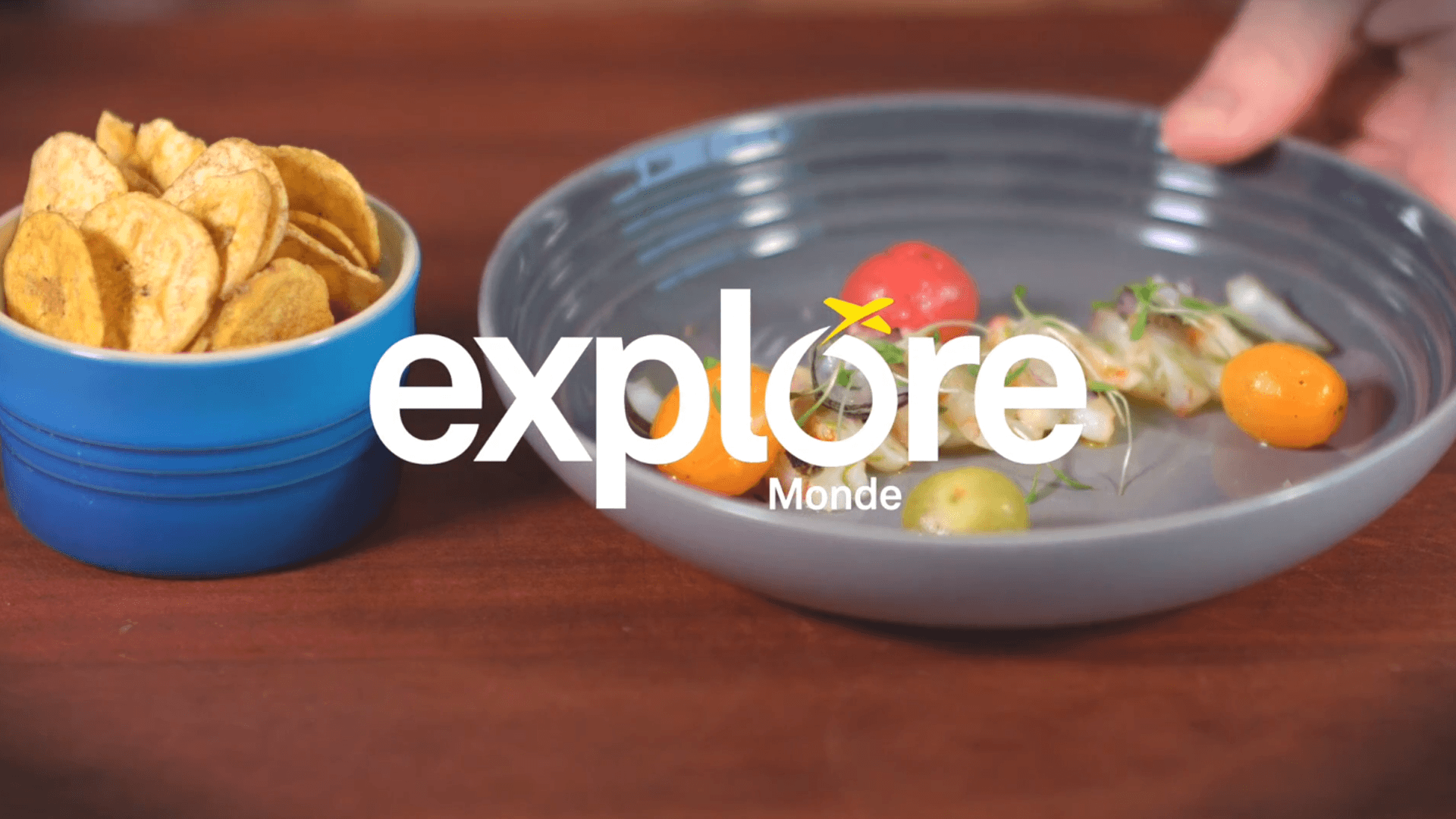
Inspired by the Galápagos Islands, this ceviche recipe pays tribute to the vibrant flavors of Ecuador. The delicate shrimp, enhanced by zesty lime and fresh cilantro, pairs perfectly with the crunch of plantain chips. A sunny, gourmet getaway in the heart of the Pacific! (Video in French only)


The Galápagos Islands can be visited year-round, with each season offering a different experience. The warmer season, from December to May, brings higher water temperatures, calmer seas, and greener landscapes, creating excellent conditions for snorkelling. From June to November, cooler waters attract abundant marine life, making this period especially appealing for diving and wildlife watching.
Travel between the islands is mainly by speedboat or plane. Boat transfers usually take about two to three hours, while inter-island flights offer a faster alternative. Once on the islands, visitors can get around on foot or by bicycle, taxi, or bus, or join organized tours to access more remote sites.
7 to 10 days.
This time frame is ideal for discovering several islands and enjoying a variety of experiences, including hiking, snorkelling, and wildlife watching.
Travel in complete peace of mind.
Fast, compliant and guaranteed service.
Useful for driving abroad.
Online application service.
Double-check the rules before you travel.
Suitcases, anti-theft bags, and more!
Create your personalized travel itinerary.
Road guides and road maps.
The world is full of wonders waiting to be discovered. After exploring the beauty of Galápagos Islands, let yourself be captivated by new places that promise unforgettable experiences.