Highlights
- Remarkable biodiversity.
- A pioneering destination in ecotourism and sustainability, leading the way in responsible travel.
- The Pura Vida philosophy reflects Costa Rica’s spirit of joy, optimism, and simple living.


Spanish is the official language of the country and is spoken by more than 95% of the population.
Direct flight: Approximately 6h
Connecting flight: 9h to 12h (depending on connection times)
Costa Rica time zone: UTC-6
1h behind Quebec (EST)
2h behind Quebec (EDT)
Costa Rican colón (CRC)
Credit cards are widely accepted in most tourist areas. US dollars are also commonly used, but paying in colones is recommended for taxis, local markets, and small rural towns.
A 10% service charge is typically included in restaurant bills, so there’s no need to add an extra tip. However, leaving 5%–10% for drivers or tour guides is appreciated, and rounding up taxi fares is a common and courteous practice.
Travellers should stay alert while visiting Costa Rica. Petty theft and pickpocketing can occur in busy tourist areas. It is best to keep valuables out of sight.
Before any foreign trip, visit the Government of Canada’s Costa Rica Travel Advice page to find out about the current situation in the country.
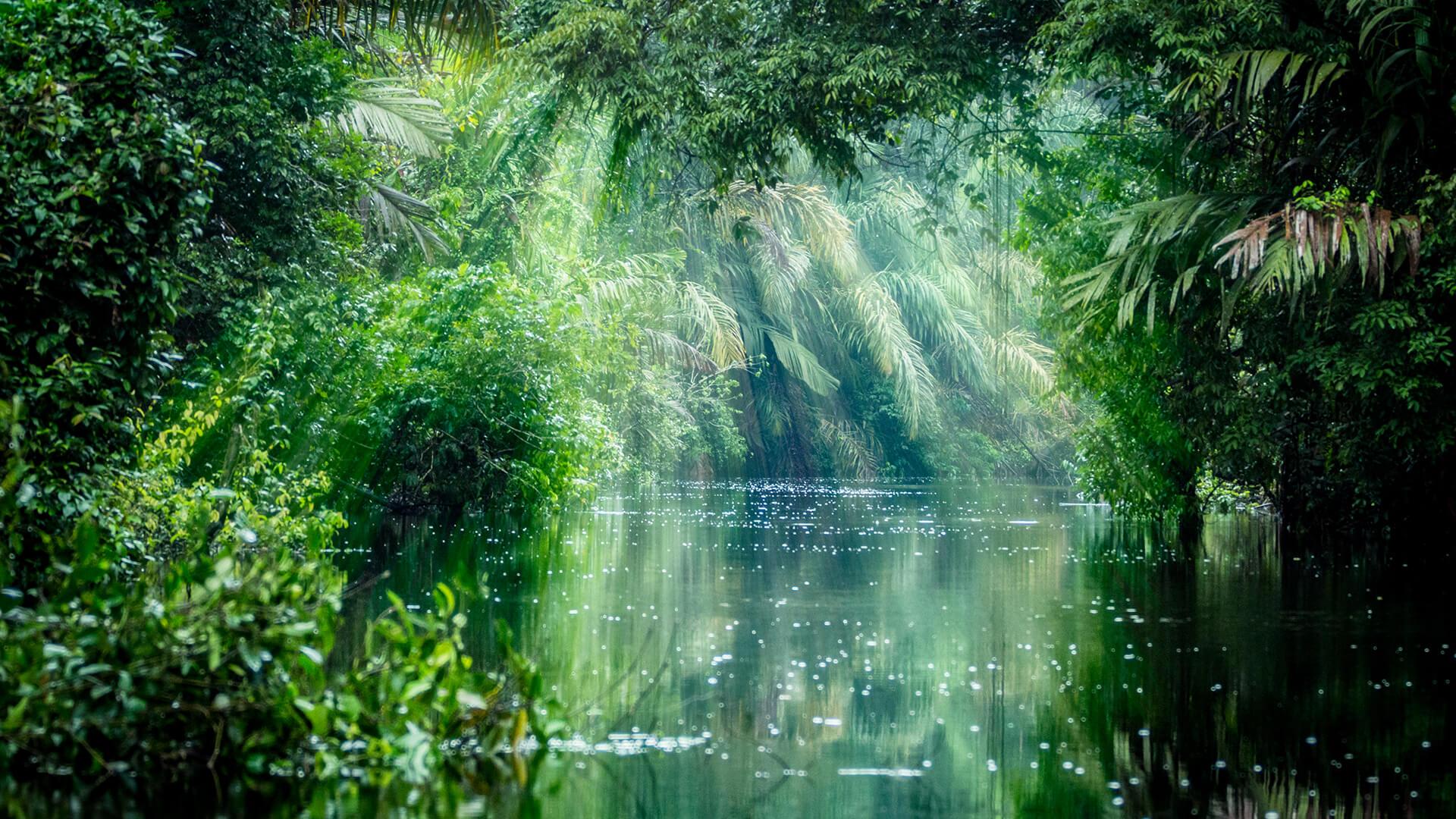
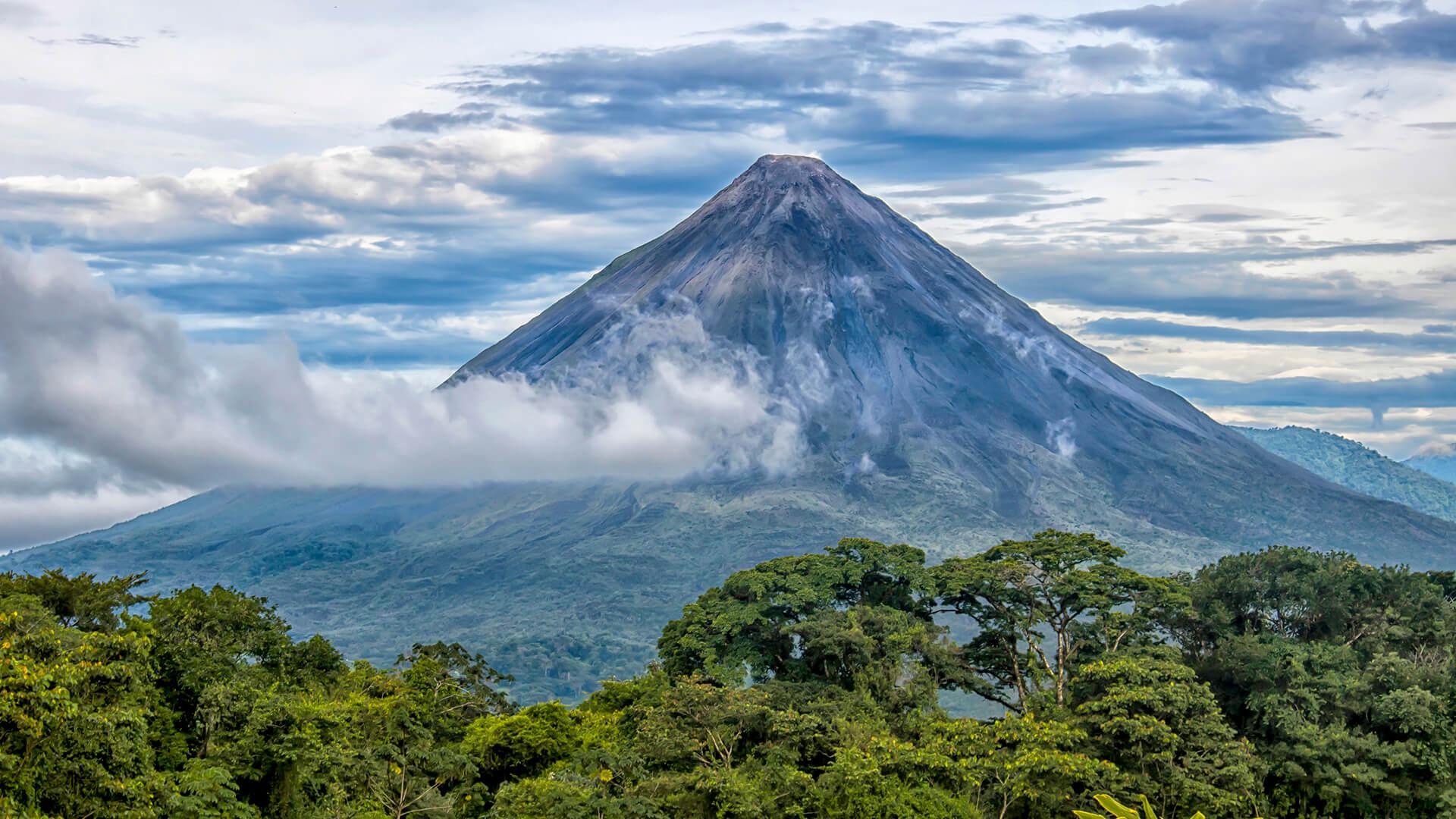


Rincón de la Vieja National Park invites travellers on an unforgettable adventure into the heart of the tropical rainforest. This pristine reserve is a land of active volcanoes, steaming hot springs, majestic waterfalls, and rich biodiversity.

Playa Ocotal, a peaceful, pristine beach on Costa Rica’s Pacific coast, is known for its volcanic sand and crystal-clear waters. Quieter and more intimate than nearby beaches, it is perfect for swimming, relaxing, and snorkelling.

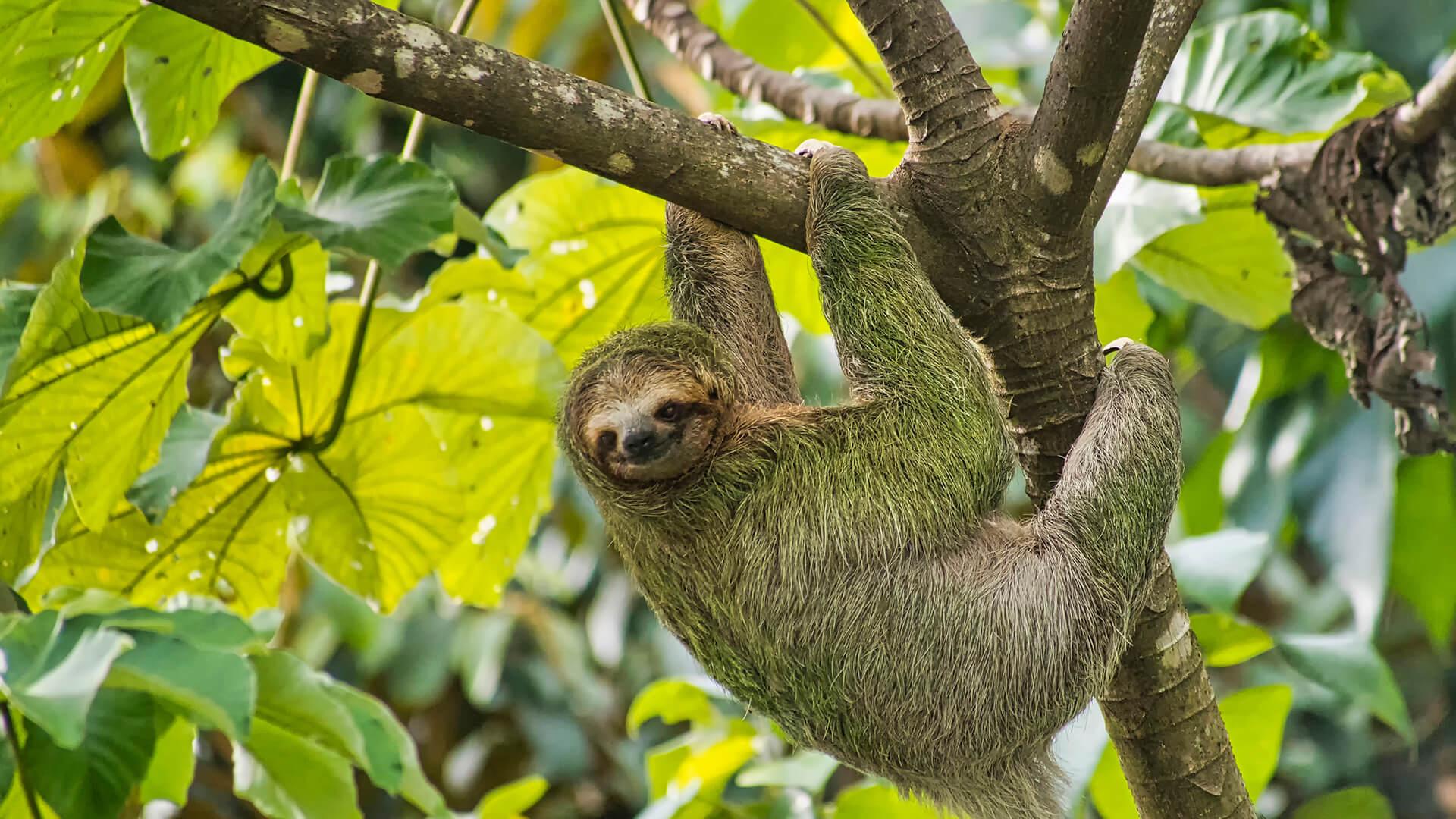
Located in the heart of Costa Rica’s tropical rainforest, Tirimbina offers a truly immersive nature experience. Walk along trails through dense jungle, cross hanging bridges above the canopy, and spot monkeys, tropical birds, sloths, and much more.
Rincón de la Vieja National Park invites travellers on an unforgettable adventure into the heart of the tropical rainforest. This pristine reserve is a land of active volcanoes, steaming hot springs, majestic waterfalls, and rich biodiversity.
Playa Ocotal, a peaceful, pristine beach on Costa Rica’s Pacific coast, is known for its volcanic sand and crystal-clear waters. Quieter and more intimate than nearby beaches, it is perfect for swimming, relaxing, and snorkelling.
Located in the heart of Costa Rica’s tropical rainforest, Tirimbina offers a truly immersive nature experience. Walk along trails through dense jungle, cross hanging bridges above the canopy, and spot monkeys, tropical birds, sloths, and much more.
Rincón de la Vieja National Park invites travellers on an unforgettable adventure into the heart of the tropical rainforest. This pristine reserve is a land of active volcanoes, steaming hot springs, majestic waterfalls, and rich biodiversity.
Playa Ocotal, a peaceful, pristine beach on Costa Rica’s Pacific coast, is known for its volcanic sand and crystal-clear waters. Quieter and more intimate than nearby beaches, it is perfect for swimming, relaxing, and snorkelling.
Located in the heart of Costa Rica’s tropical rainforest, Tirimbina offers a truly immersive nature experience. Walk along trails through dense jungle, cross hanging bridges above the canopy, and spot monkeys, tropical birds, sloths, and much more.

“My favourite memory from Costa Rica was sleeping in a lodge at the foot of the Arenal Volcano. It was an unforgettable moment, surrounded by lush rainforest and waking up every morning to the calls of toucans, monkeys, and parrots—an experience forever etched in my heart.”

Casado is a classic Costa Rican dish meaning “married” because it combines several foods on one plate—rice, black beans, salad, crispy plantains, and meat or fish. Served for lunch or dinner, it is a generous, flavourful meal that truly captures the warmth and hospitality of the local culture.

This dish, wrapped in a banana leaf, is made from a corn dough filled with meat, rice, vegetables, and spices. Steamed and traditionally served during celebrations and gatherings, it offers a burst of authentic flavours.

Patacones are slices of green plantains that are flattened and then fried. Golden and crispy on the outside, soft and tender on the inside, they are served as a side dish or snack, often accompanied by local sauces and toppings.

A chorreador is a traditional handcrafted coffee maker consisting of a wooden stand and a cloth filter. This brewing method relies on slow, gravity-based infusion, which brings out the smooth and delicate flavours of Costa Rican coffee.

A moist carrot cake, delicately spiced, often topped with cream cheese frosting and a drizzle of dulce de leche. This dessert is the perfect sweet treat to enjoy with a cup of chorreador coffee.
Casado is a classic Costa Rican dish meaning “married” because it combines several foods on one plate—rice, black beans, salad, crispy plantains, and meat or fish. Served for lunch or dinner, it is a generous, flavourful meal that truly captures the warmth and hospitality of the local culture.
This dish, wrapped in a banana leaf, is made from a corn dough filled with meat, rice, vegetables, and spices. Steamed and traditionally served during celebrations and gatherings, it offers a burst of authentic flavours.
Patacones are slices of green plantains that are flattened and then fried. Golden and crispy on the outside, soft and tender on the inside, they are served as a side dish or snack, often accompanied by local sauces and toppings.
A chorreador is a traditional handcrafted coffee maker consisting of a wooden stand and a cloth filter. This brewing method relies on slow, gravity-based infusion, which brings out the smooth and delicate flavours of Costa Rican coffee.
A moist carrot cake, delicately spiced, often topped with cream cheese frosting and a drizzle of dulce de leche. This dessert is the perfect sweet treat to enjoy with a cup of chorreador coffee.


The best time to visit Costa Rica is during the winter months, from December to April. It is the dry season, with sunny weather across most of the country, temperatures ranging from 25 to 30°C, better road conditions, and fewer mosquitoes. It is best to avoid the monsoon period, from May to November, because it is the rainy season in Costa Rica.
In Costa Rica, the most efficient way to get around is by car—ideally a rented 4x4—to enjoy greater freedom. Take a few precautions to avoid theft: do not leave valuables in plain sight, opt for secure parking areas, always lock the doors, and choose a good insurance plan. Public buses, taxis, and Uber are also great options for getting around in the cities. In some regions, such as Tortuguero or the Osa Peninsula, boats are commonly used.
10 to 15 days.
It is the ideal amount of time for exploring the country at a comfortable pace because the country offers an incredible diversity.
Fiestas de Palmares, in Palmares, Alajuela Province—This is Costa Rica’s biggest celebration, held every January. Expect lively horse parades, carnivals, concerts, fireworks, and much more.
Envision Festival, in Uvita—Taking place from late February to early March, this unique festival blends music, art, wellness, sustainability, and spirituality. The event is set in a stunning location that spans both jungle and beach.
Carnaval de Limón, in Puerto Limón—Held in October, this vibrant week-long celebration highlights Afro-Caribbean culture with music, dancing, local traditions, and parades.

Costa Rica
Departures: Oct 07, 2026, Nov 18, 2026 + 2 other dates
Price from $3,369 $3,200
Costa Rica
Departures: Jan 11, 2027, Jan 25, 2027 + 16 other dates
Price from $2,959
Costa Rica
Departures: Jan 28, 2027, Feb 18, 2027 + 8 other dates
Price from $6,259
Costa Rica
Departures: Feb 07, 2027, Mar 07, 2027
Price from $6,979 $6,904

Panama Canal
Departure: Apr 17, 2027
Price from $7,789 $7,714
Travel in complete peace of mind.
Fast, compliant and guaranteed service.
Useful for driving abroad.
Online application service.
Double-check the rules before you travel.
Suitcases, anti-theft bags, and more!
Create your personalized travel itinerary.
Road guides and road maps.


