
Highlights
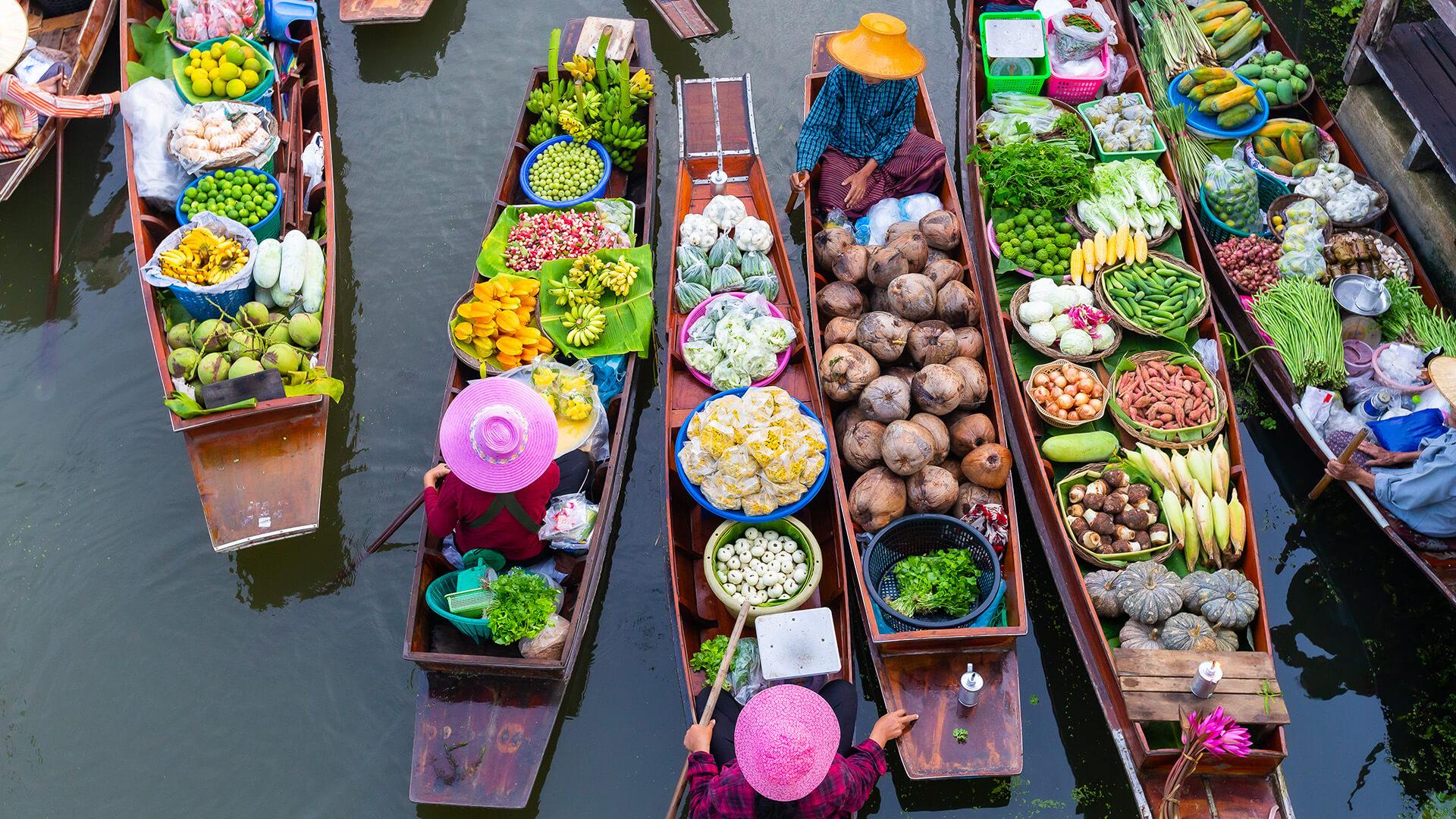
- Authentic cuisine made with fresh ingredients
- Affordable tourism options
- The stunning beaches of southern Thailand
- The extreme politeness and friendliness of the Thai people




Thai (also called Siamese)
In Thailand, tourism is so well-developed that English is widely understood. Road signs, menus, and transport schedules are generally displayed in English as well.
Direct Flight: There are no direct flights from Quebec to Thailand.
Connecting Flight: 20 to 25 hours (depending on connection times)
Thailand time zone: UTC+7
12 hours ahead Quebec (EST)
11 hours ahead Quebec (EDT)
Thai Baht (THB)
Visitors to Thailand should always carry some Thai baht because cash is used in markets, small shops, and taxis. US dollars are also widely accepted, though the exchange rate is less favourable. ATMs are plentiful and reliable, and credit cards (Visa, Mastercard, etc.) are accepted in most hotels and restaurants in major cities.
Tipping is not mandatory, but it is customary to leave around 10% in restaurants if service is not included. For taxis or street food, rounding up the bill is common. Allocate approximately 150 THB per day for a guide and 65 THB for a private driver.
Stay alert in tourist areas to avoid theft and scams. Driving can be chaotic, with heavy traffic, left-hand driving, and frequent disregard for traffic rules. Southern border areas near Malaysia should be avoided due to local tensions.
Before any foreign trip, visit the Government of Canada’s Thailand Travel Advice page to find out about the current situation in the country.


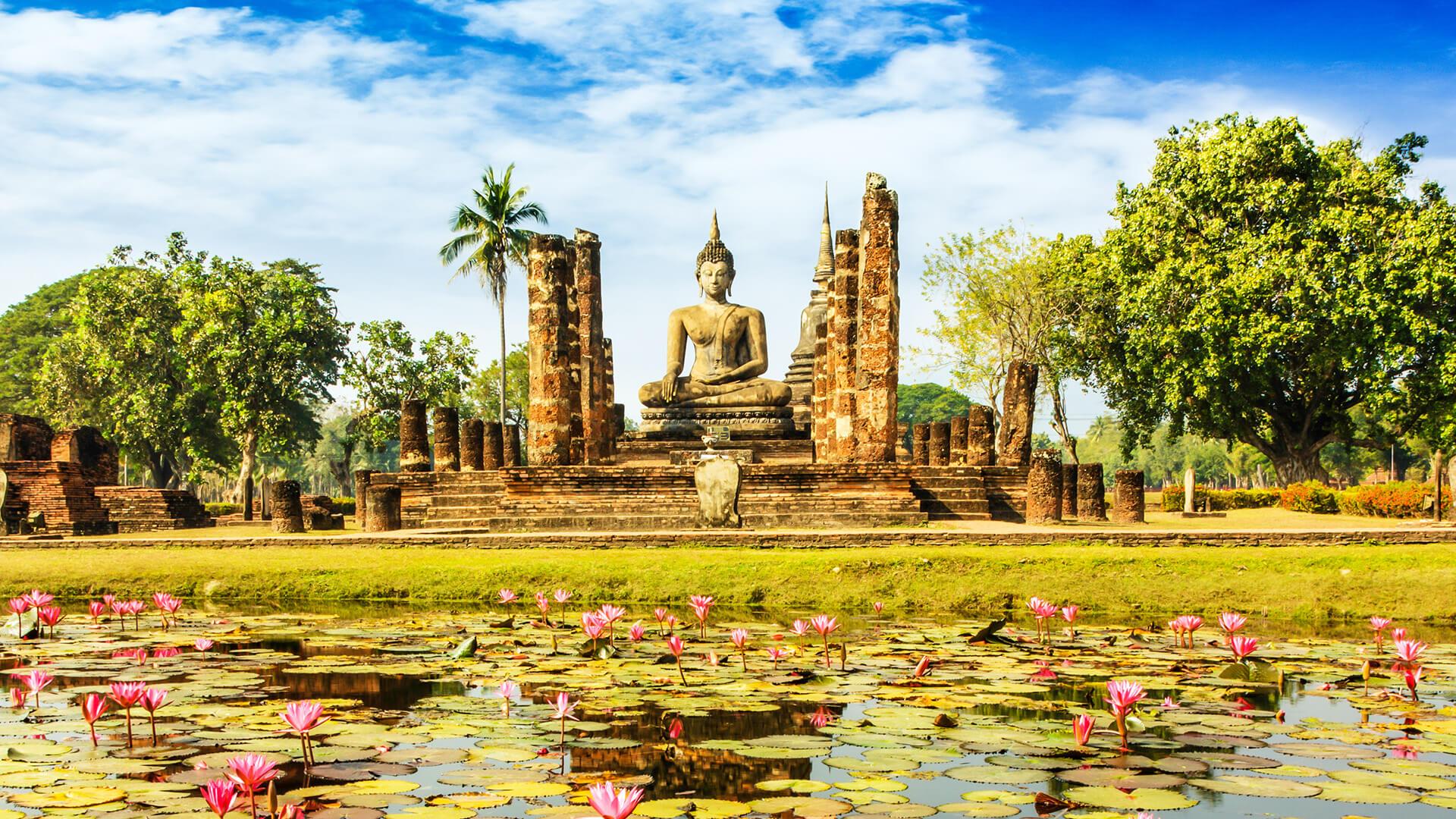
Sukhothai Historical Park, the cradle of the first Thai kingdom, is a UNESCO World Heritage site. It is home to over 70 temples, Buddha statues, and ruins set amidst nature. Whether on foot or by bike, it is a must-see for history enthusiasts.

Located in northern Thailand, Lampang is a peaceful, less-touristy city. It charms visitors with its rich heritage and authentic character. Discover temples and houses made from teak, lively traditional markets, horse-drawn carriage rides, and an elephant sanctuary for a unique northern Thai experience.

Laem Haad Beach is the true gem of Koh Yao Yai. Less than an hour from Phuket or Krabi, a long stretch of white sand extends into the turquoise waters of the sea. It’s a paradise for relaxing, strolling under Thailand’s warm sun, and capturing unforgettable memories.

Khao Sok National Park is a true natural gem. It features an ancient tropical rainforest, limestone cliffs, rivers, and the stunning Cheow Lan Lake, lined with floating bungalows. Hiking, kayaking, cave exploration, and wildlife await visitors.
Sukhothai Historical Park, the cradle of the first Thai kingdom, is a UNESCO World Heritage site. It is home to over 70 temples, Buddha statues, and ruins set amidst nature. Whether on foot or by bike, it is a must-see for history enthusiasts.
Located in northern Thailand, Lampang is a peaceful, less-touristy city. It charms visitors with its rich heritage and authentic character. Discover temples and houses made from teak, lively traditional markets, horse-drawn carriage rides, and an elephant sanctuary for a unique northern Thai experience.
Laem Haad Beach is the true gem of Koh Yao Yai. Less than an hour from Phuket or Krabi, a long stretch of white sand extends into the turquoise waters of the sea. It’s a paradise for relaxing, strolling under Thailand’s warm sun, and capturing unforgettable memories.
Khao Sok National Park is a true natural gem. It features an ancient tropical rainforest, limestone cliffs, rivers, and the stunning Cheow Lan Lake, lined with floating bungalows. Hiking, kayaking, cave exploration, and wildlife await visitors.

A traditional Thai dish, pad thai consists of stir-fried rice noodles with shrimp, tofu, chicken, eggs, bean sprouts, peanuts, and fresh herbs. It is flavoured with a savoury sauce made from tamarind, palm sugar, and fish sauce.

An iconic Thai soup, tom yum is spicy, tangy, and aromatic. Made with a fragrant, clear broth of lemongrass, galangal, kaffir lime leaves, and chili, it is typically served with shrimp, mushrooms, and fresh herbs.

Originating from northeastern Thailand, som tam is a fresh and crunchy salad. It is made with shredded green papaya and pounded in a mortar with chili, garlic, lime juice, fish sauce, tomatoes, and roasted peanuts. It is typically served cold.

Mango sticky rice is the quintessential Thai dessert. Simple yet delicious, it consists of steamed sticky rice topped with sweet coconut milk and served with fresh sliced mango. This delicious combination offers creamy, fruity sweetness and a soft, chewy texture.

Singha and Chang are the two main beers of Thailand. Singha is a pale, full-bodied beer with a dry, slightly bitter taste, making it a perfect match for spicy dishes. Chang is a light, smooth lager, ideal for hot days.
A traditional Thai dish, pad thai consists of stir-fried rice noodles with shrimp, tofu, chicken, eggs, bean sprouts, peanuts, and fresh herbs. It is flavoured with a savoury sauce made from tamarind, palm sugar, and fish sauce.
An iconic Thai soup, tom yum is spicy, tangy, and aromatic. Made with a fragrant, clear broth of lemongrass, galangal, kaffir lime leaves, and chili, it is typically served with shrimp, mushrooms, and fresh herbs.
Originating from northeastern Thailand, som tam is a fresh and crunchy salad. It is made with shredded green papaya and pounded in a mortar with chili, garlic, lime juice, fish sauce, tomatoes, and roasted peanuts. It is typically served cold.
Mango sticky rice is the quintessential Thai dessert. Simple yet delicious, it consists of steamed sticky rice topped with sweet coconut milk and served with fresh sliced mango. This delicious combination offers creamy, fruity sweetness and a soft, chewy texture.
Singha and Chang are the two main beers of Thailand. Singha is a pale, full-bodied beer with a dry, slightly bitter taste, making it a perfect match for spicy dishes. Chang is a light, smooth lager, ideal for hot days.


The best time to visit Thailand is from November to February. The weather is dry, temperatures range between 25°C and 30°C, and rainfall is minimal. However, the Christmas period is not ideal, as many businesses are closed.
It is best to avoid travelling to Thailand from May to October, which is the monsoon season.
In Thailand, the most efficient way to cover long distances is by plane. Flying to your destination is fast, reliable, and affordable, and it helps avoid long hours on buses or trains. In Bangkok, it’s best to use the subway and the Grab app (similar to Uber) to get around easily and avoid heavy traffic. For a local experience, a short tuk-tuk ride is worth trying. Between the islands, boats are the preferred mode of transport. Keep in mind that in Thailand, driving is on the left, which requires some adjustment, whether crossing the street or when driving a vehicle.
14 to 21 days.
It is an ideal duration for a well-paced trip and will allow you to enjoy Thailand’s full diversity without feeling rushed.

Thailand
Departures: Sep 18, 2026, Oct 09, 2026 + 5 other dates
Price from $1,899 $1,804

Asia
Departure: Jan 21, 2027
Price from $9,899 $9,824
Thailand
Departure: Feb 04, 2027
Price from $7,599 $7,524
Asia
Departure: Feb 15, 2027
Price from $8,999 $8,924
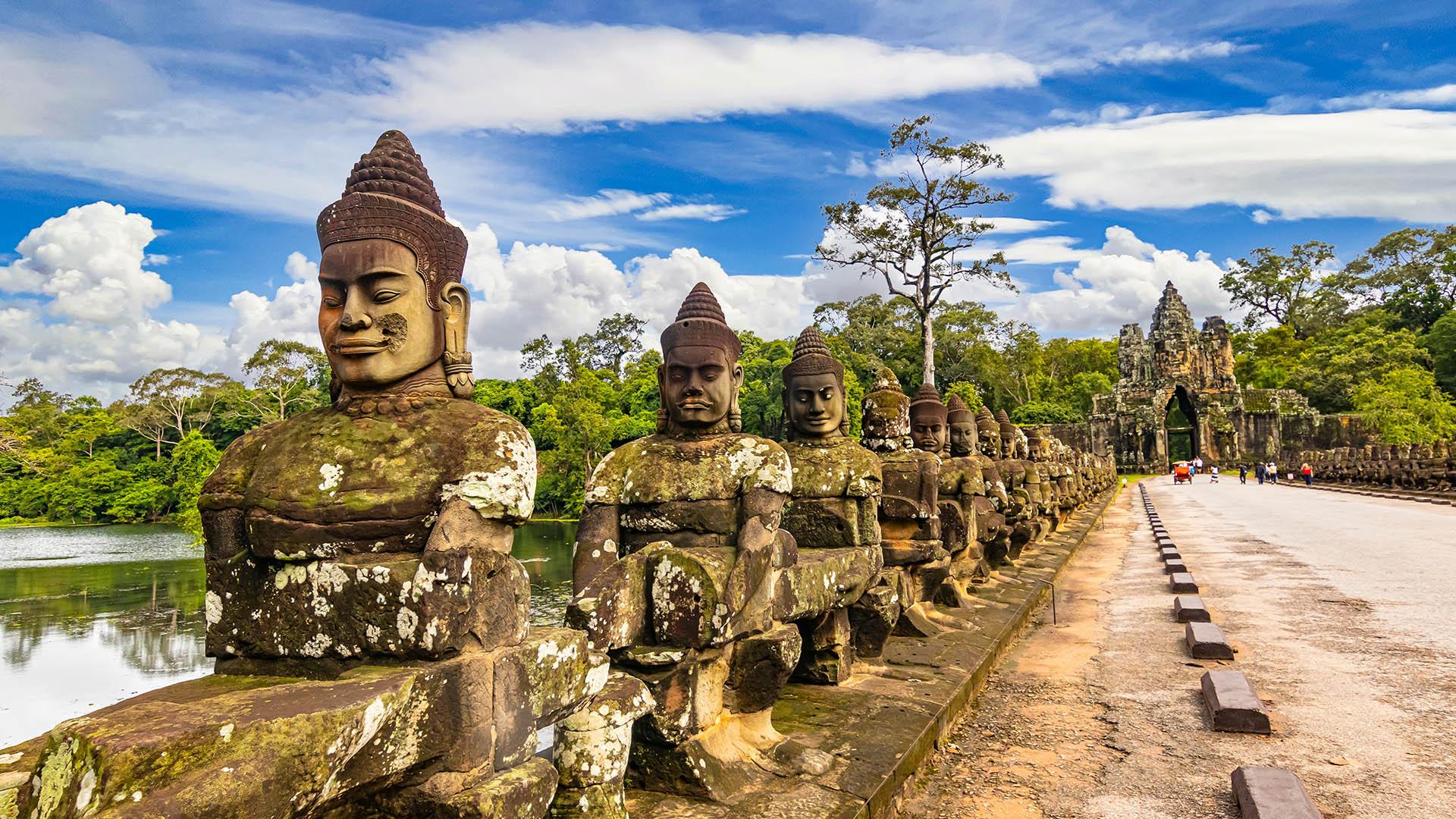
Laos and Cambodia
Departure: Oct 20, 2027
Price from $9,689 $9,614
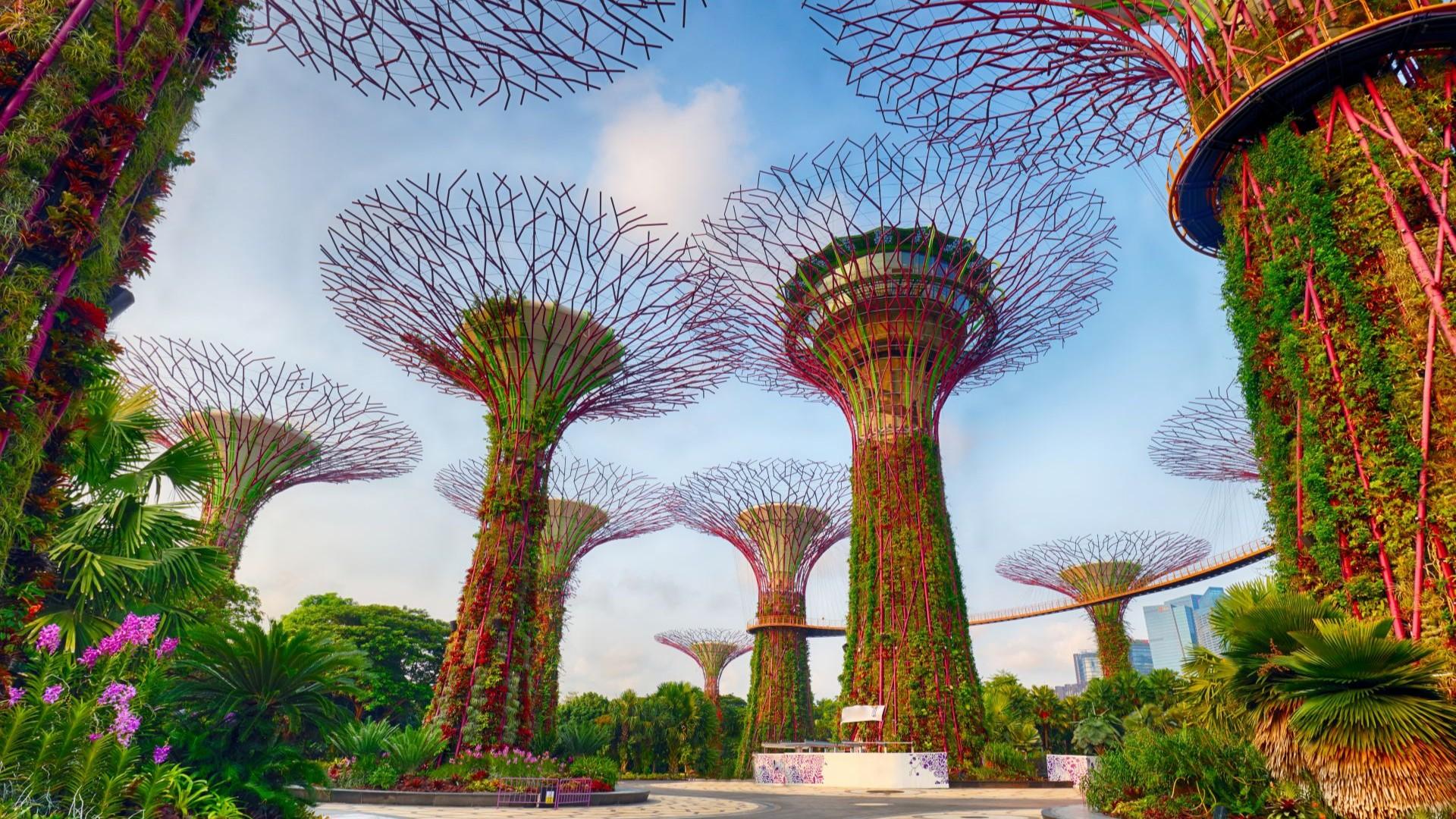
Asia
Departure: Jan 23, 2028
Price from $9,999 $9,924
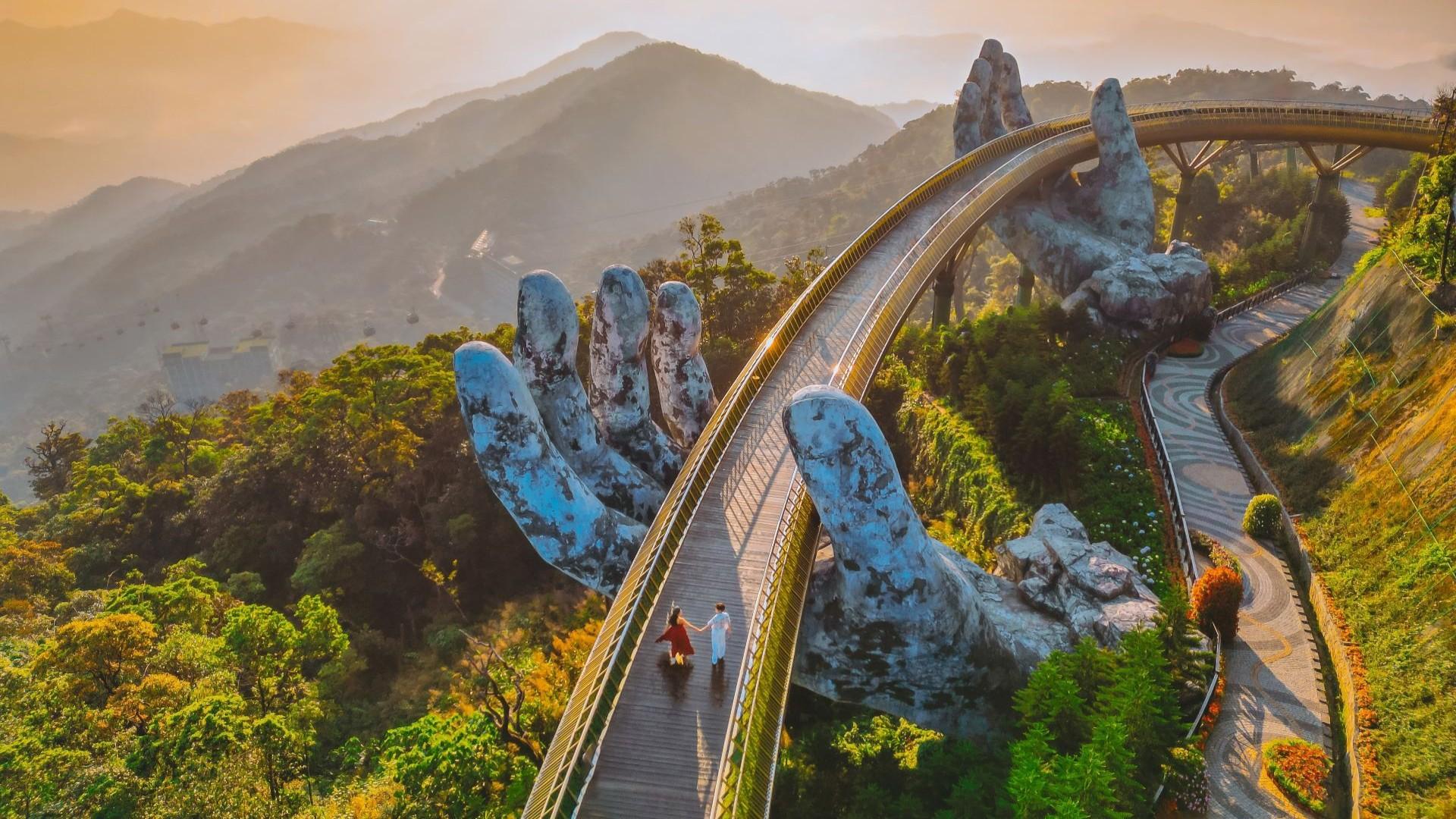
Asia
Departure: Mar 20, 2028
Price from $7,899 $7,824
Travel in complete peace of mind.
Fast, compliant and guaranteed service.
Useful for driving abroad.
Online application service.
Double-check the rules before you travel.
Suitcases, anti-theft bags, and more!
Create your personalized travel itinerary.
Road guides and road maps.


