
Vietnam Travel Guide

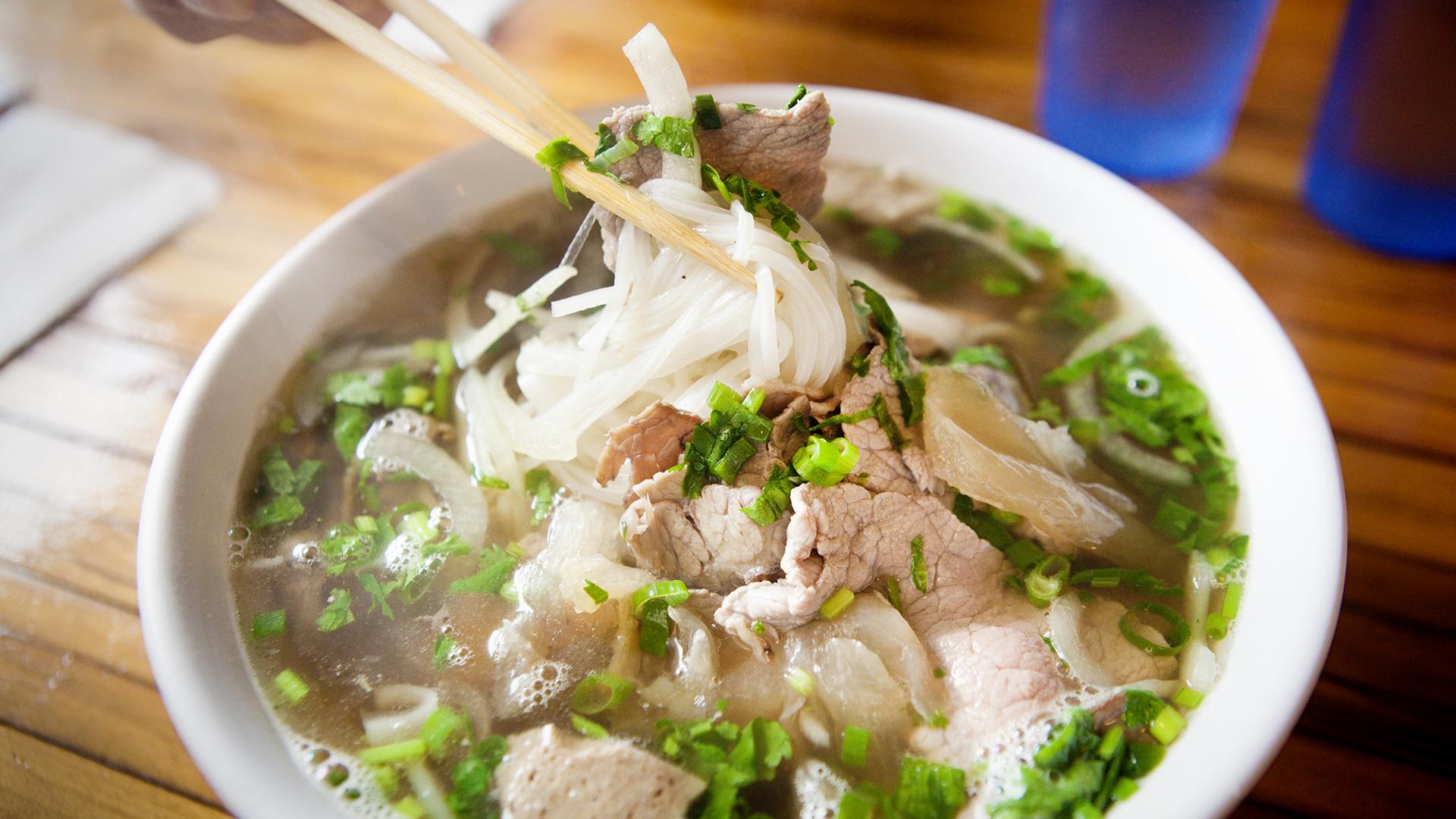
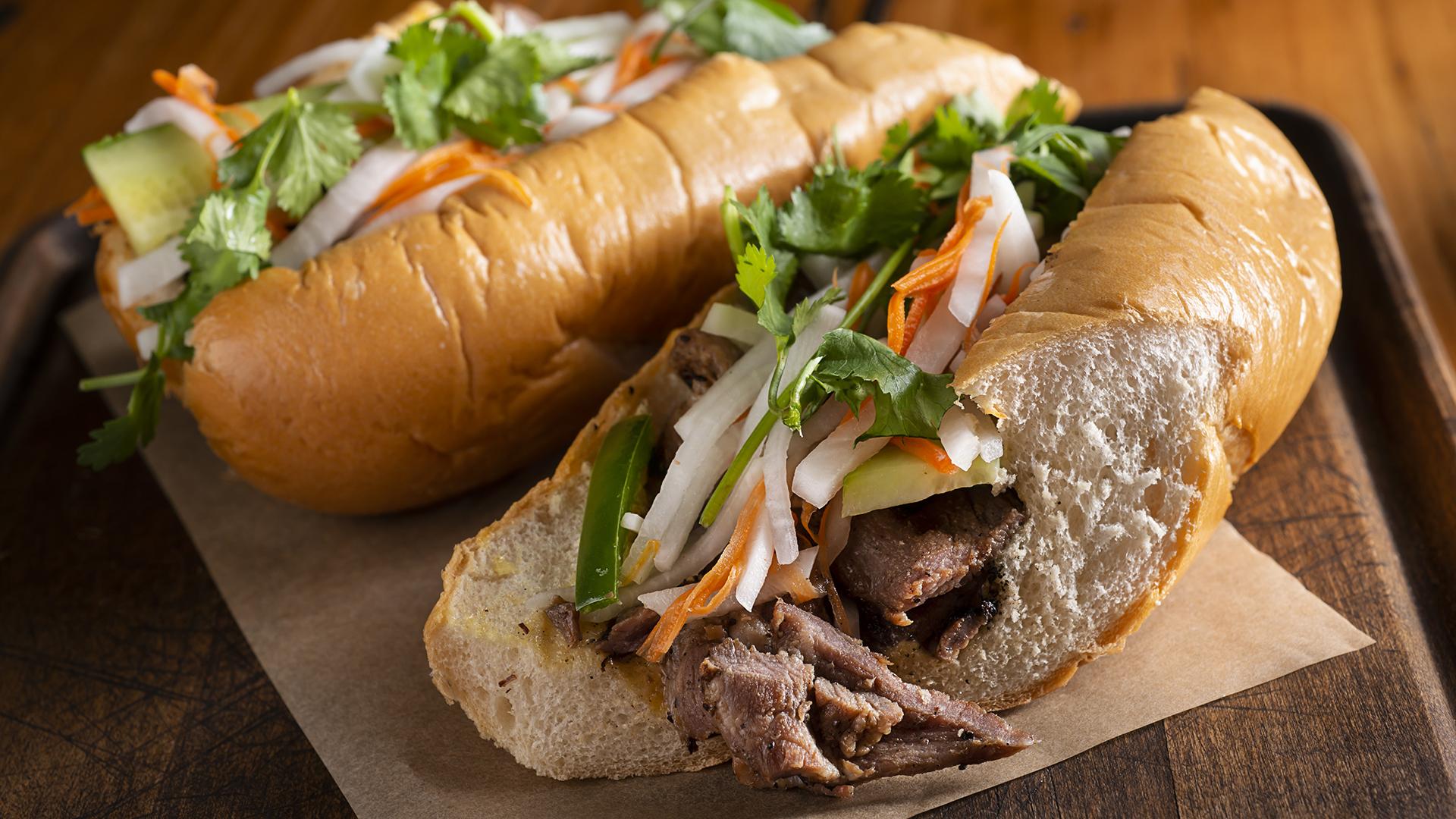
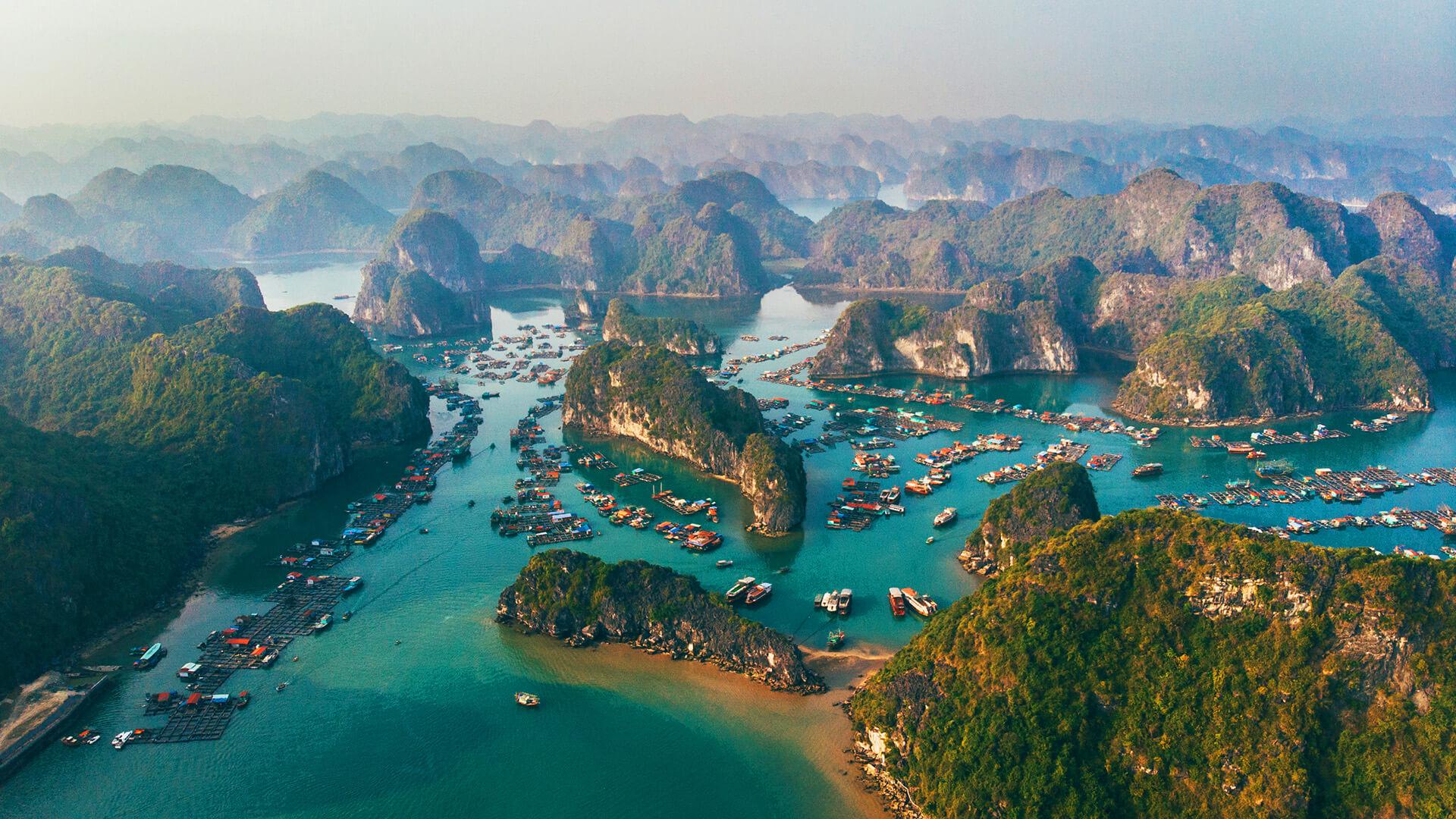
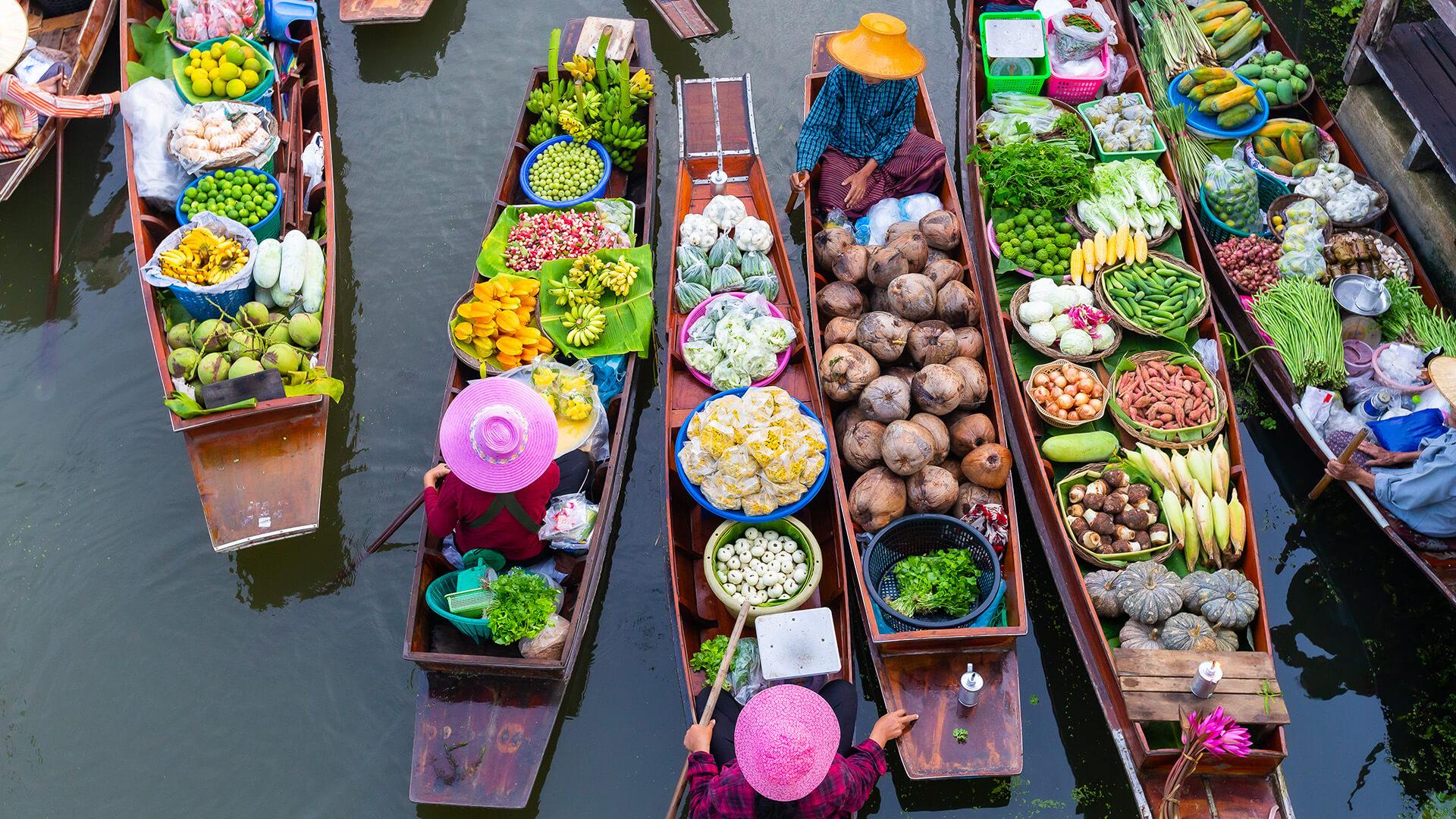
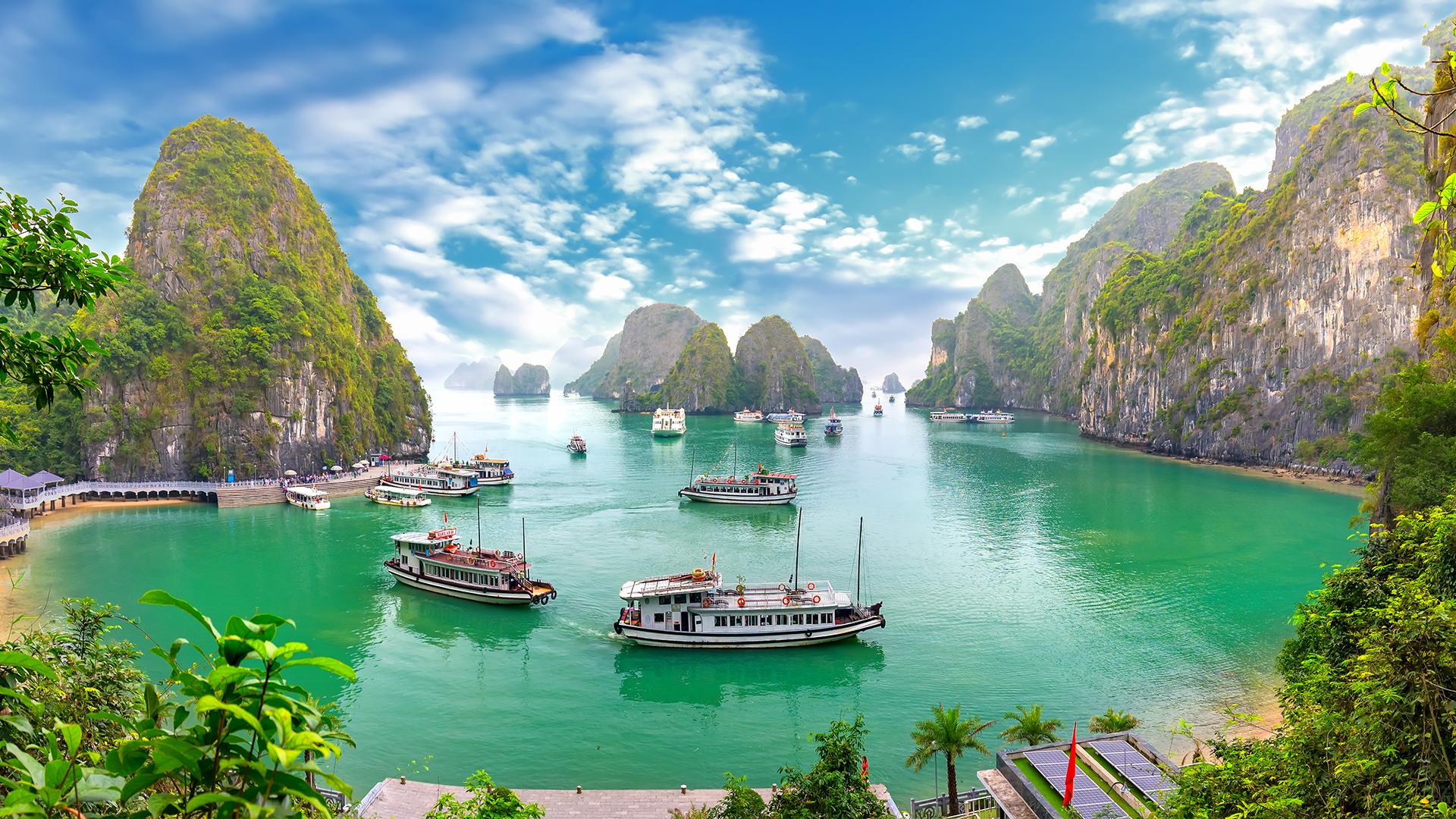
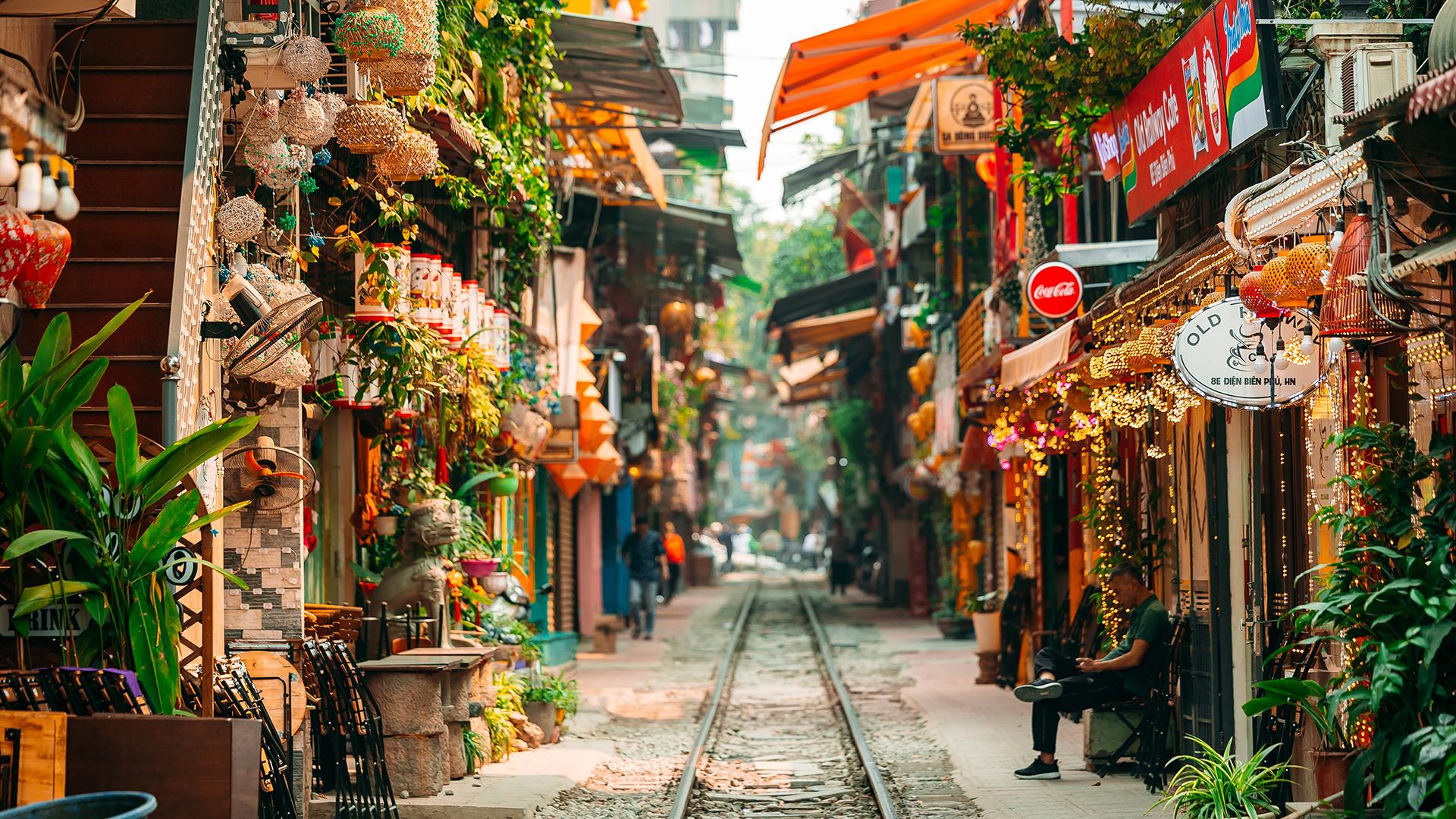
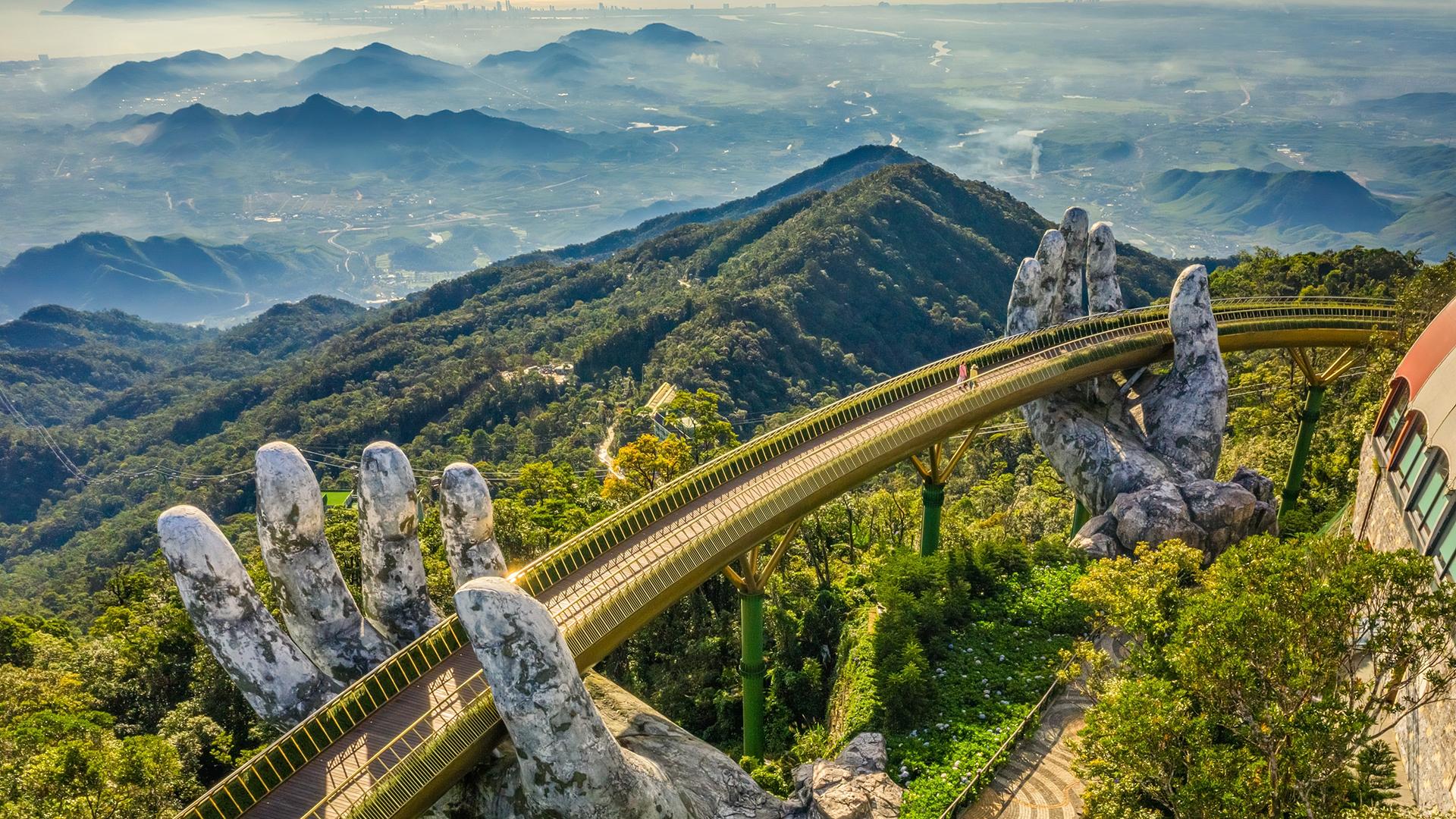
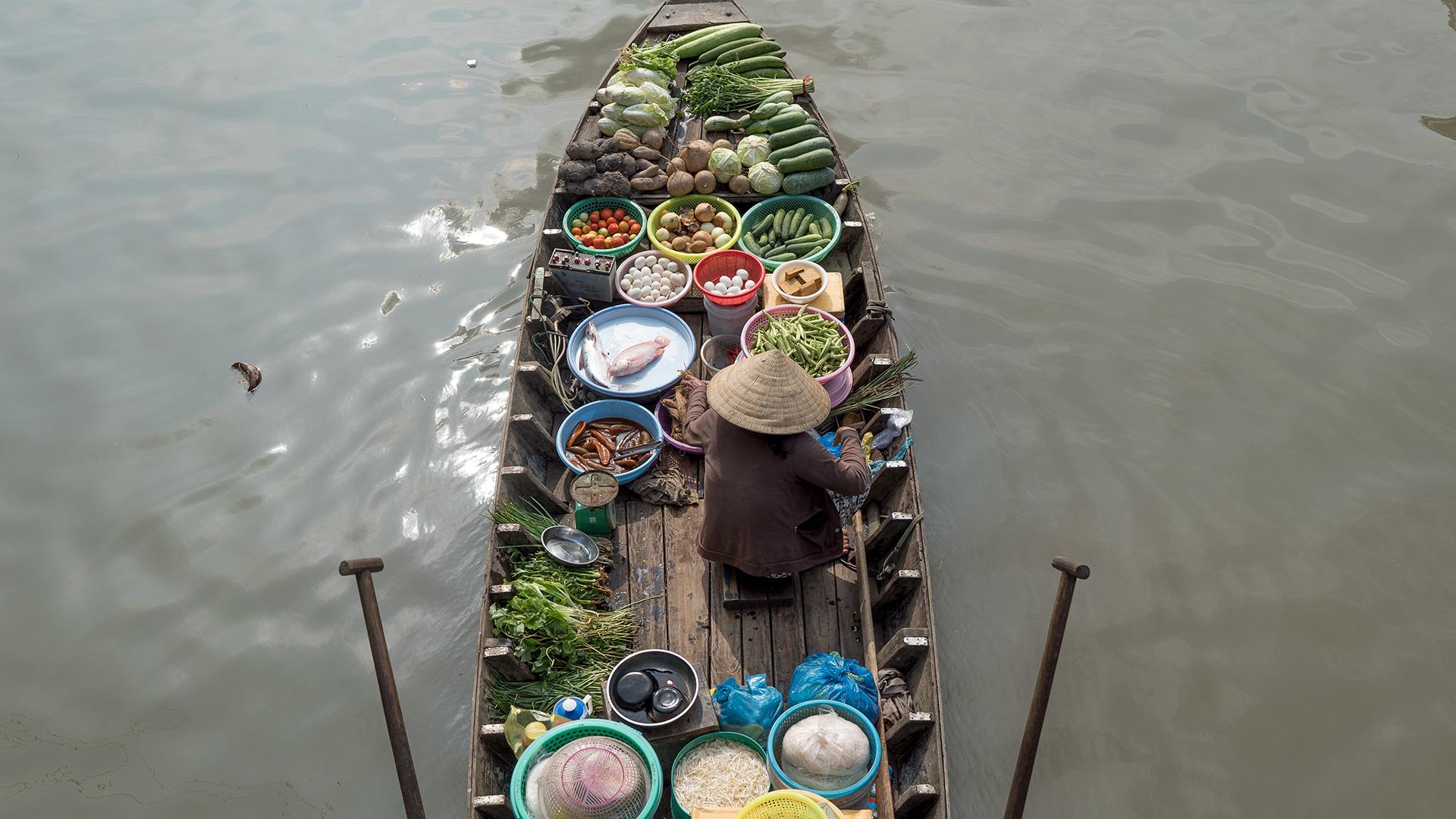
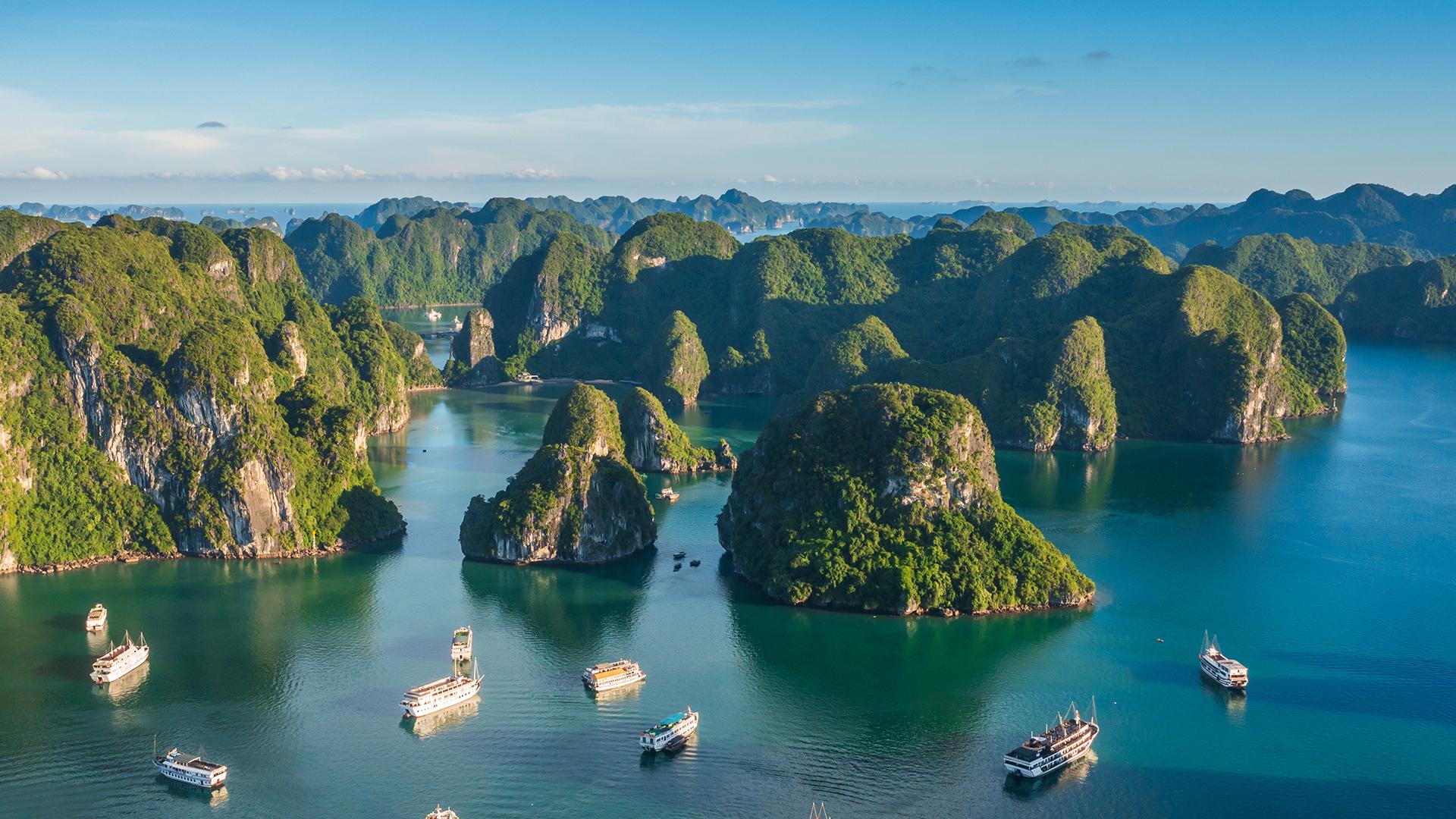
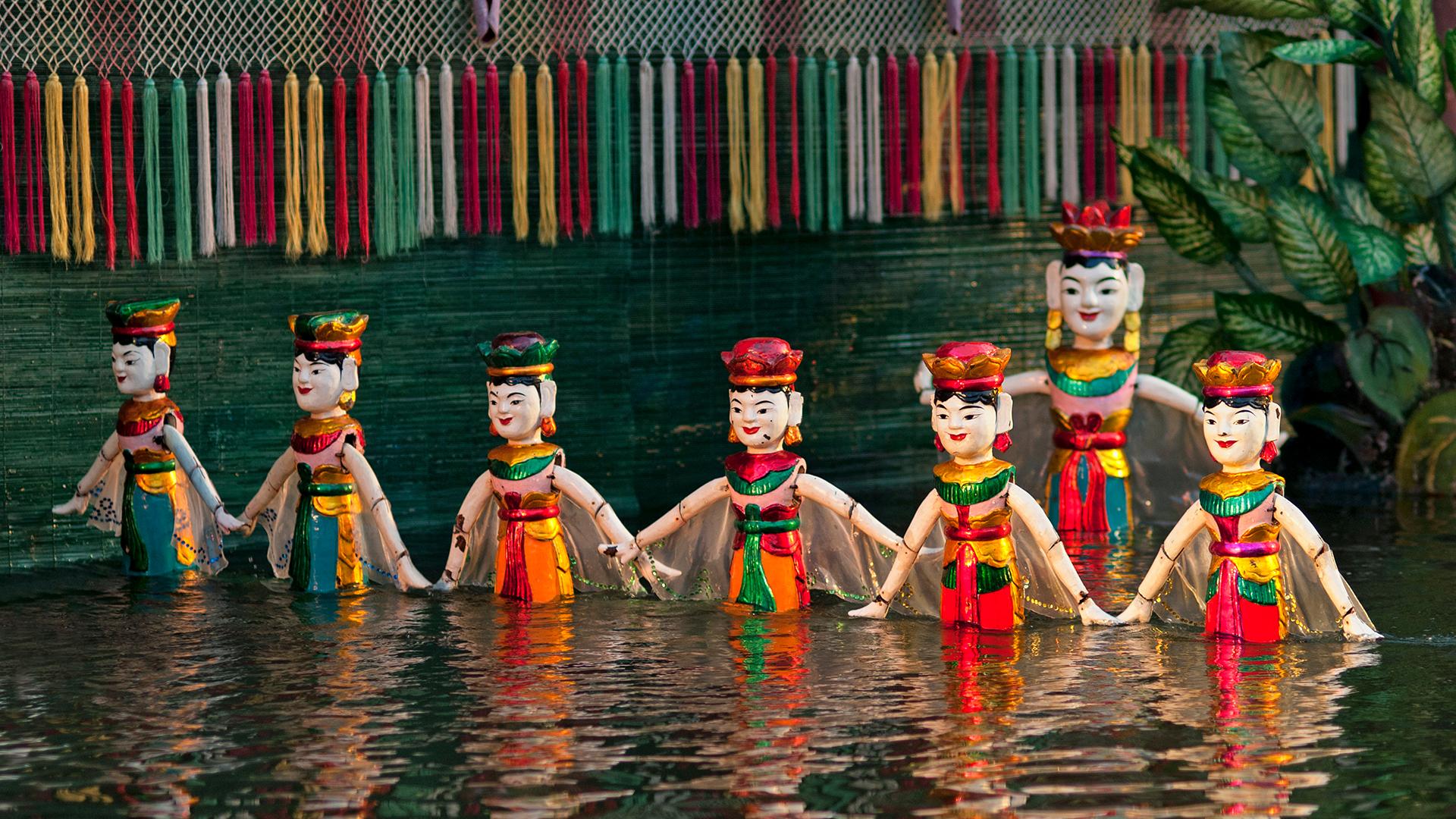
Travel to Vietnam, one of Southeast Asia’s most fascinating destinations. Explore Hanoi, cruise through Ha Long Bay, admire terraced rice fields, and discover the floating markets of the Mekong Delta. From pagodas and glowing lanterns to fragrant phở and fresh bánh mì, Vietnam promises an adventure filled with spectacular landscapes and unforgettable cultural discoveries.

Useful information

Official language(s)

Vietnam’s official language is Vietnamese. English is generally understood in tourist areas, but having a local guide is strongly recommended for transportation and communication.

Flight duration

Direct flight: No direct flights from Quebec
Connecting flight: 21h to 30h (depending on connection times)

Time zone difference

Vietnam time zone: UTC+7
12h ahead of Quebec (EST)
11h ahead of Quebec (EDT)

Currency

Vietnamese Dồng (VND)

Credit cards and U.S. dollars are accepted in hotels, restaurants, and upscale boutiques, but not on the street. It is important to carry Vietnamese Dồng for everyday purchases at small shops, street food stalls, and local markets, as well as for tips. Because this currency can be difficult to obtain in Quebec, it is best to exchange money upon arrival and use any remaining cash before returning home.

Tips

Tipping is not mandatory in Vietnam, but the tourist industry appreciates and often expects it. In restaurants, it is customary to leave 5% to 10% of the total bill or a few thousand VND in smaller establishments. For taxis, porters, and tour guides, small amounts in cash are sufficient. Tips are almost always given in cash.

Safety

In Vietnam, travellers should stay alert, particularly in tourist areas such as markets, train stations, and public transportation. Petty crimes, including pickpocketing and scams, are common. It is recommended to keep valuables secure and use a safe whenever possible. When using transportation, opt for official taxis and recognized ride-hailing apps.

Before any foreign trip, visit the Government of Canada’s Vietnam Travel Advice page to find out about the current situation in the country.

  • Small-sized country, making it easy to explore — plan to visit for about three weeks to see it all.
  • Low-cost destination offering excellent value for money.
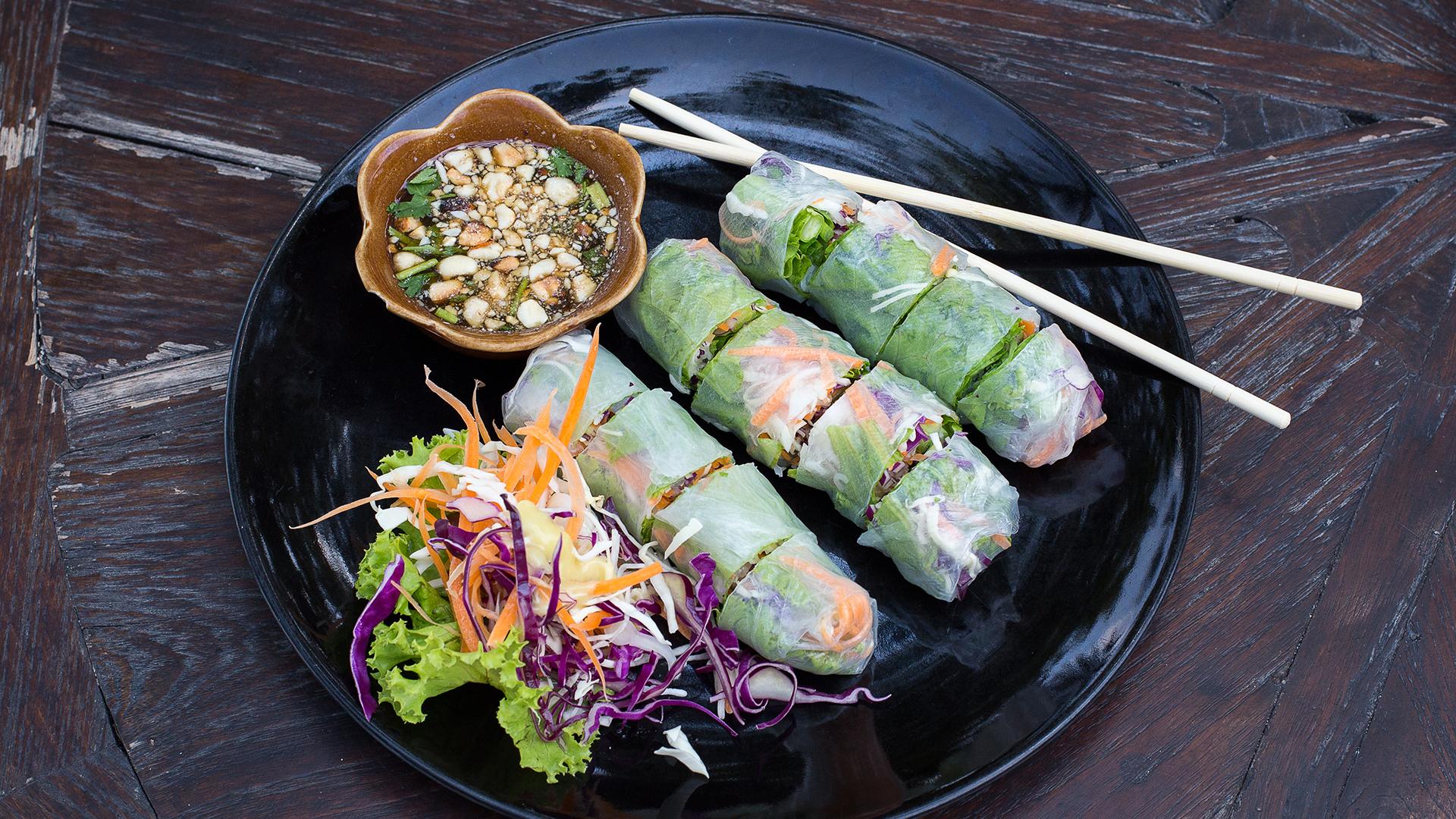
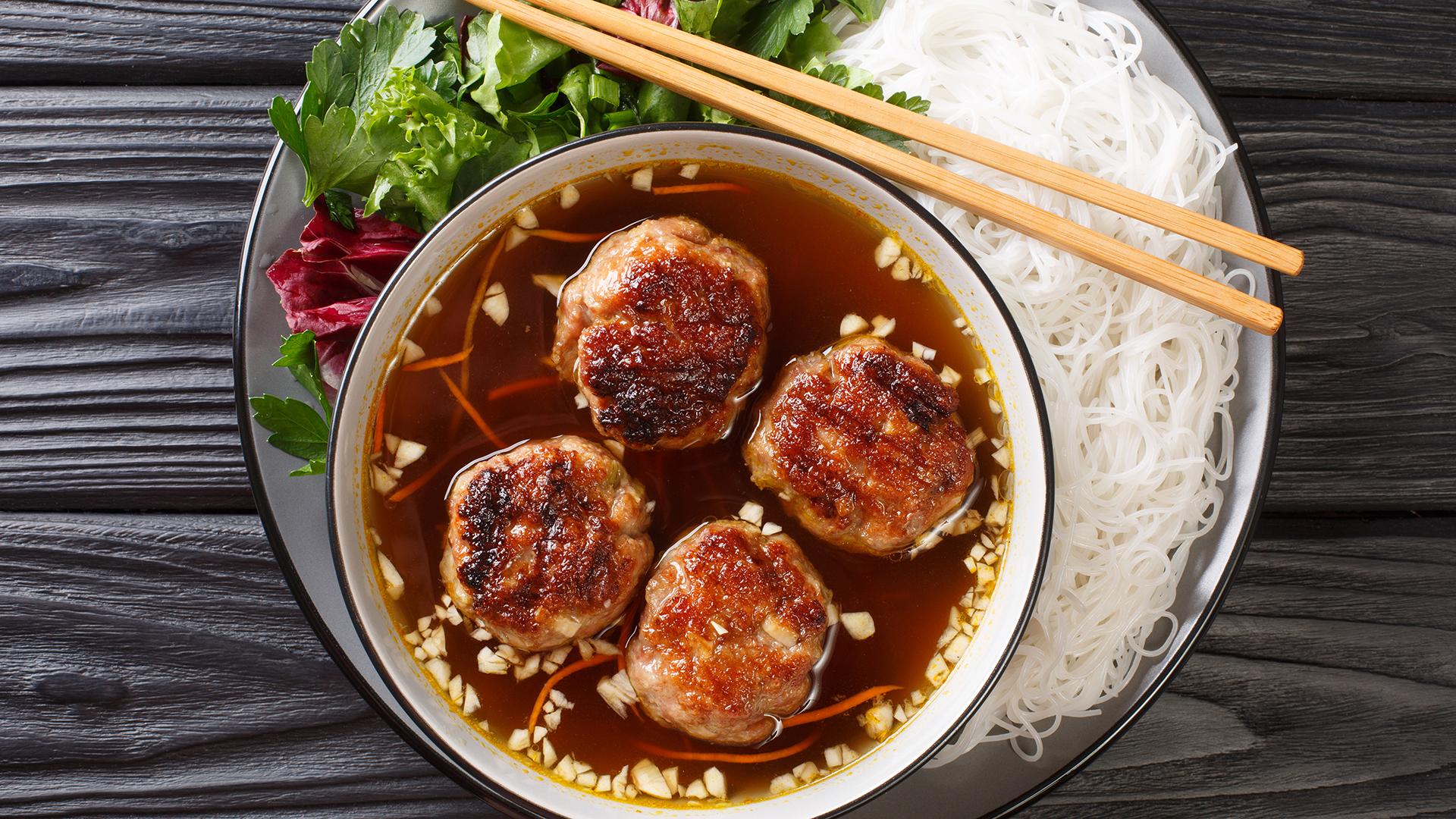
  • Cuisine renowned for its diversity and rich flavours.
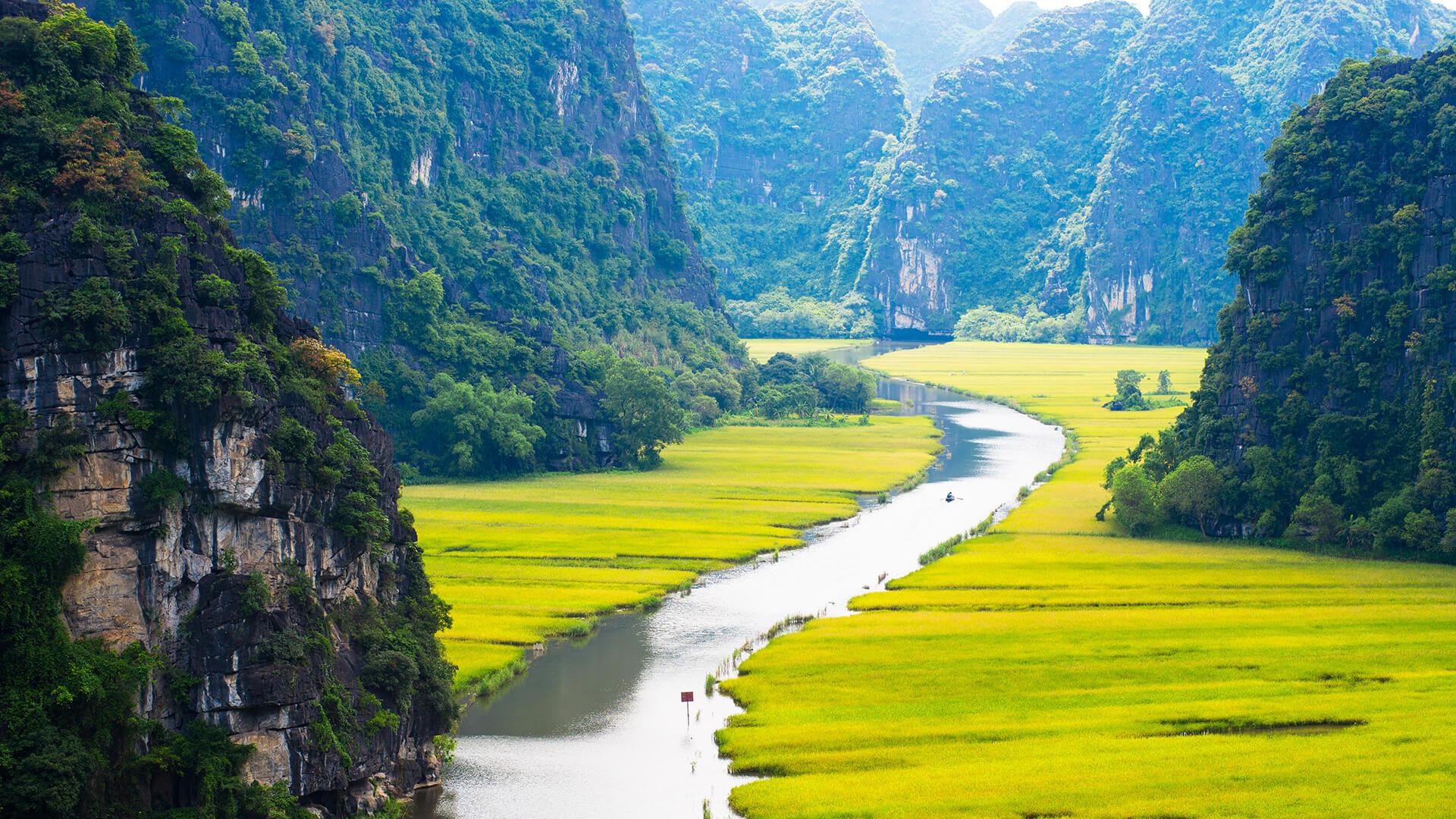
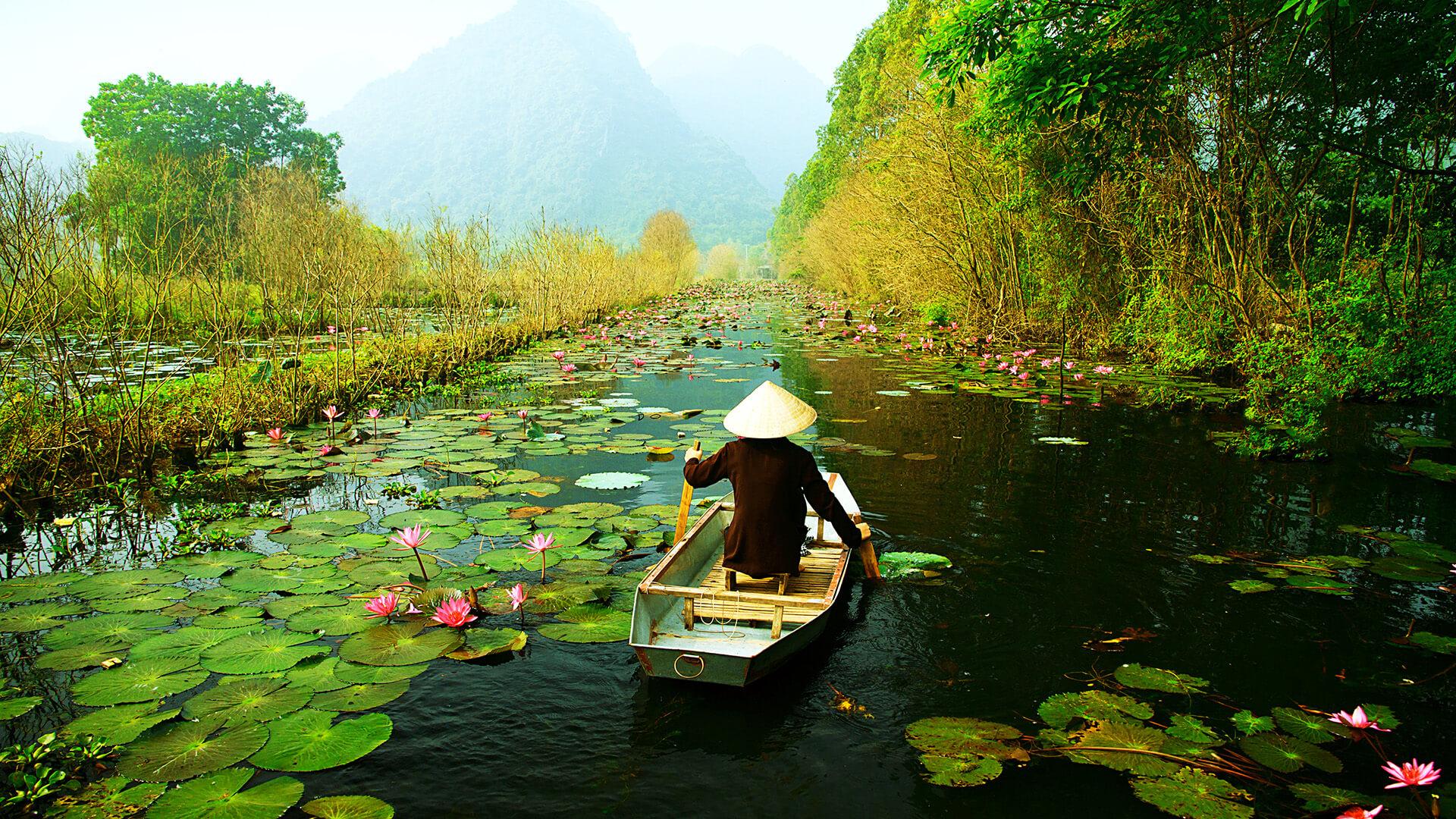
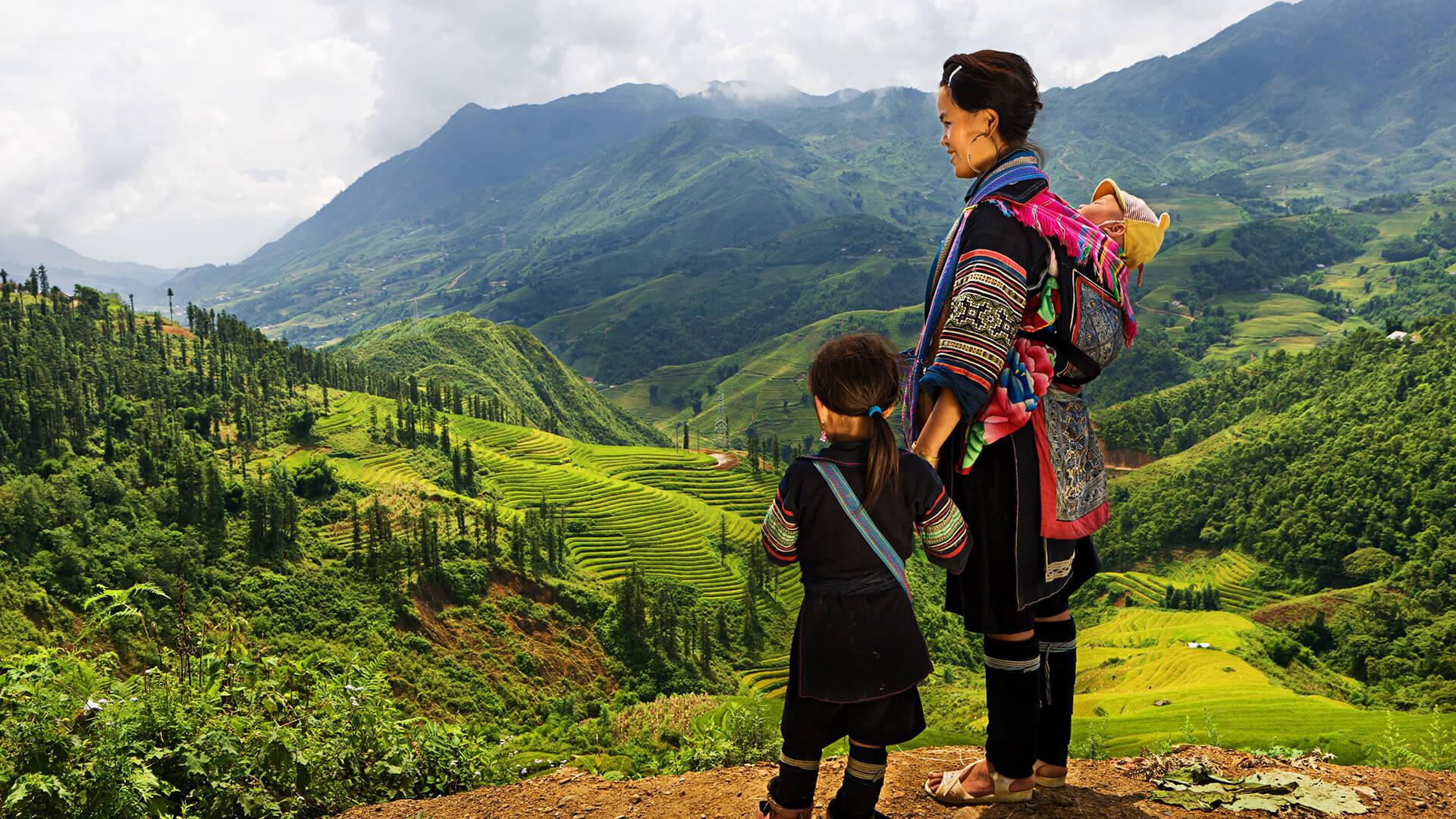
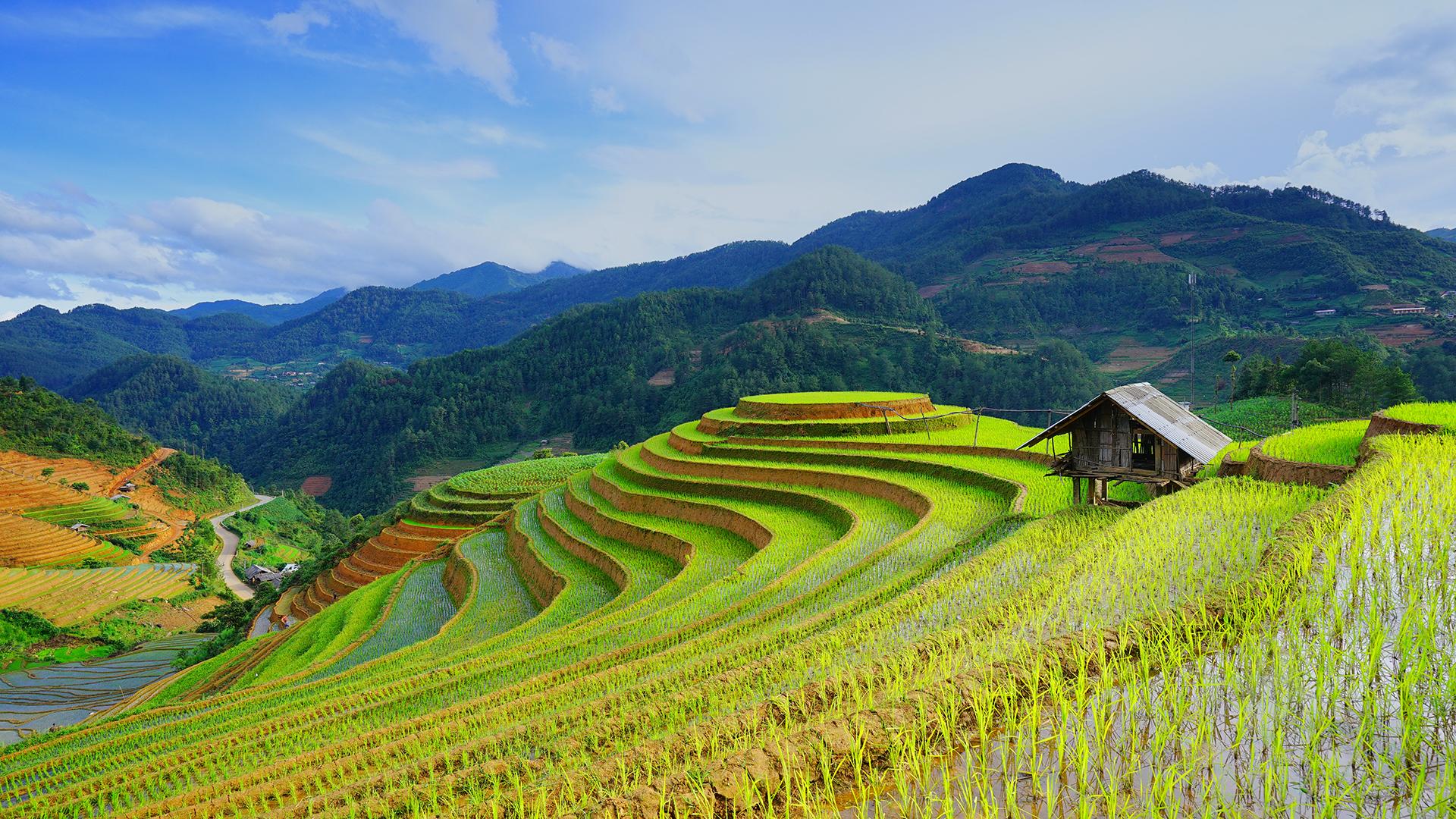
  • Varied landscapes: rice terraces, mountains, beaches, and waterways.

Keep in mind

  • Travellers with sensitive stomachs should exercise caution; hygiene standards in Vietnam differ from those in Canada.
  • Vietnamese is the primary language; having a local guide is strongly recommended for transportation and communication.
  • Due to the heat and humidity, Vietnam is not recommended for children under 12 or for travellers with health issues.
Top pick

“I was blown away by Vietnam’s postcard-worthy landscapes. Travelling through this country means experiencing its art and history while discovering a culture that is both fascinating and refreshingly different. I loved its cuisine, rich in flavours and vibrant colours. Every moment here fills you with wonder.”

Louis LeblondTravel Counsellor, Terrebonne Travel Centre

Good to know

  • The country is modernizing rapidly. It’s worth discovering Vietnam sooner rather than later to experience its authentic charm.
  • Markets and street food are an integral part of the culinary experience. Don’t hesitate to sample the local specialties.
  • The time difference with Quebec is significant and may require a few days of adjustment.
  • During the Vietnamese New Year, from late January to mid-February, flights and hotels are often fully booked well in advance.

Frequently asked questions

The best time to visit Vietnam is from November to March. During this period, the weather is generally pleasant: cool and humid in the north, mild and dry in the south. Outside these months, temperatures can be extremely high or it is the rainy season. It’s also important to note that during Têt (Vietnamese New Year, from late January to mid-February), flights and hotels are fully booked well in advance.

Vietnam’s road network can sometimes be underdeveloped, and traffic may feel chaotic: motorcycles, cars, pedestrians, and even animals share the road. In major cities, it is preferable to use “Open Tour” tourist coaches rather than local buses. The train is also a good option for travelling between major regions. For a more traditional experience, try a cyclo ride. For added peace of mind, travelling on an organized tour is recommended.

2 to 3 weeks.

This is the ideal amount of time to travel the country from north to south and fully enjoy off-the-beaten-track regions, trek in the northern mountains, relax on Central Vietnam’s beaches, and explore its vibrant cities.

  • Têt (Vietnamese New Year), between late January and mid-February, throughout Vietnam. The country’s most important celebration marks the beginning of the Lunar New Year, with traditional decorations, family gatherings, and a festive atmosphere in cities nationwide.
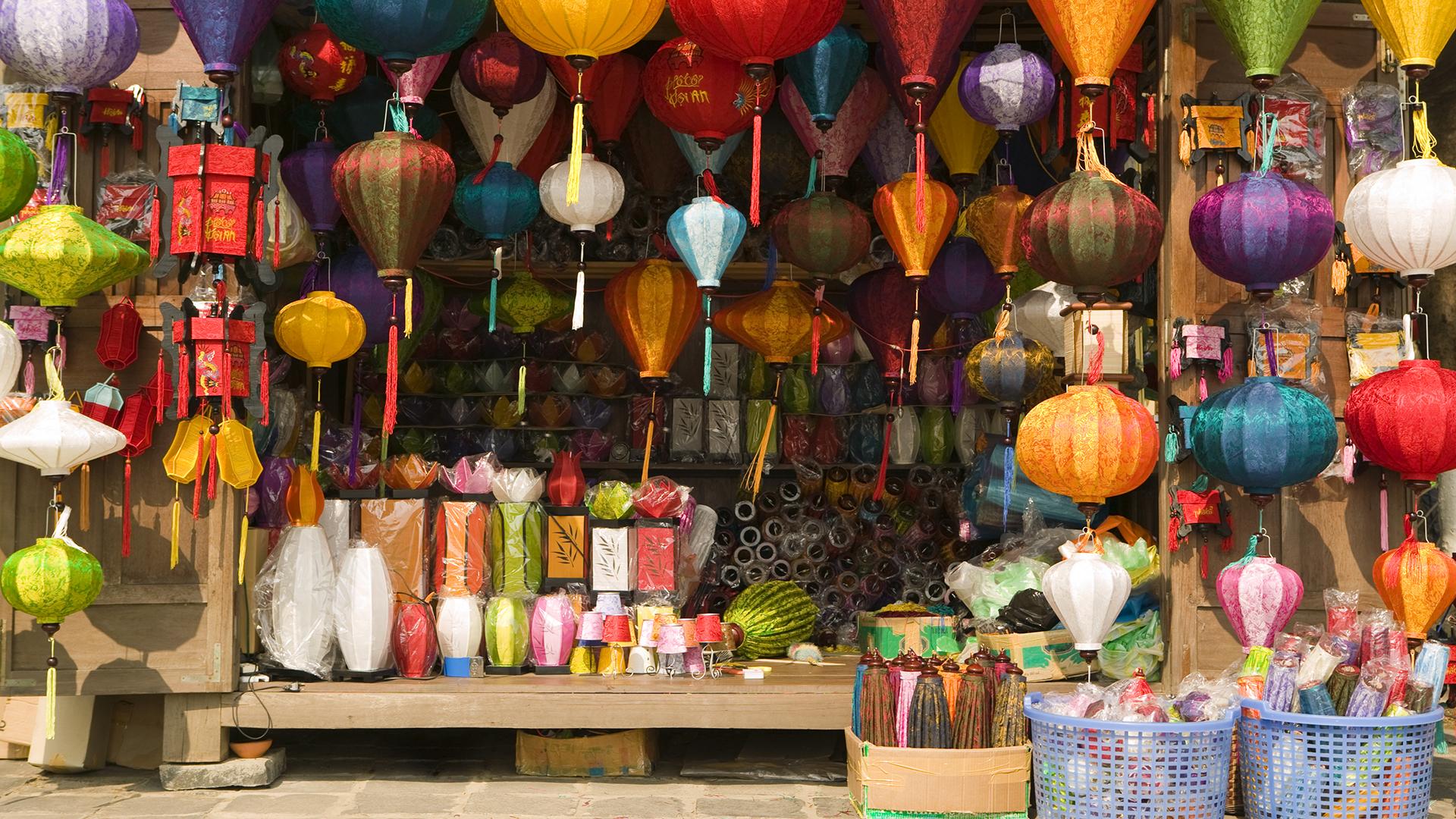
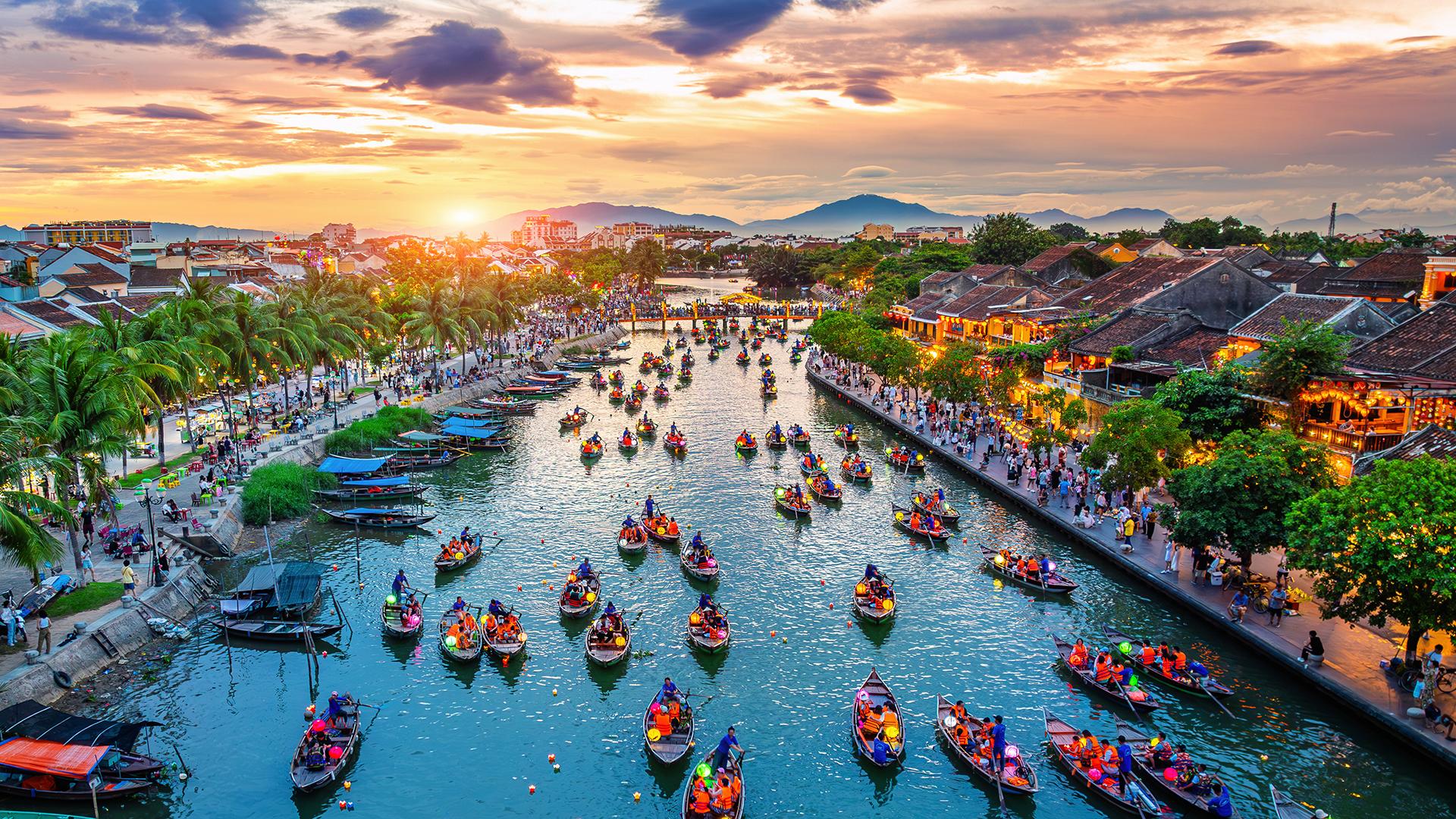
  • Hoi An Lantern Festival, held monthly during the full moon, in Hoi An. The Old Town turns off its electric lights and glows with hundreds of colourful lanterns, creating a magical atmosphere along the river.
  • Mid-Autumn Festival, in September or October, nationwide. This colourful and popular festival, beloved by children, features lanterns, dragon dances, and traditional sweet treats.