Highlights
- Safe environment, orderly people, and impeccably clean cities
- A fascinating culture to discover—very much unlike our own
- Exquisite, refined cuisine
- JR Pass: special transportation pass for foreign visitors


Japanese is the official language of the country.
English is partially understood in Japan and is commonly used in hotels, airports, and tourist areas.
Direct flight: 13h to 14h
Connecting flight: 17h to 20h (depending on connection times)
Japan time zone: UTC+9
14h ahead of Quebec (EST)
13h ahead of Quebec (EDT)
Japanese Yen (JPY)
Hotels, train stations, department stores, and some restaurants accept credit cards (Visa, Mastercard, etc.). Cash is essential for small shops, temples, local restaurants, markets, and regional transportation.
In Japan, tipping is not customary in restaurants, hotels, or taxis, as it is usually included in the bill. Offering a tip could make locals feel uneasy. A simple arigato (“thank you”) with a smile is more than enough.
Japan is one of the safest countries in the world but keep an eye on your belongings in crowded areas, follow local rules, and store your important documents in a safe place.
Before any foreign trip, visit the Government of Canada’s Japan Travel Advice page to find out about the current situation in the country.


Majestic shrines, ancient pagodas, and the Kasugayama Primeval Forest make Nara Park a true window into Japan’s past. It is home to nearly 1200 sacred deer that roam freely among momiji trees that blaze with red and orange hues during autumn.

Listed as a UNESCO World Heritage Site, the villages of Shirakawa-go offer a unique glimpse into rural Japan. Their traditional gassho-style houses with steep thatched roofs, surrounded by green rice fields and forested mountains, form one of the country’s most picturesque landscapes.

In northern Japan, the Aomori Prefecture is home to the famous Fuji apple. From September to November, its orchards offer a stunning sight—rows of trees heavy with red apples beneath blue skies, with mountains in the distance. It is a must-visit for those seeking natural beauty and culinary delight.
Majestic shrines, ancient pagodas, and the Kasugayama Primeval Forest make Nara Park a true window into Japan’s past. It is home to nearly 1200 sacred deer that roam freely among momiji trees that blaze with red and orange hues during autumn.
Listed as a UNESCO World Heritage Site, the villages of Shirakawa-go offer a unique glimpse into rural Japan. Their traditional gassho-style houses with steep thatched roofs, surrounded by green rice fields and forested mountains, form one of the country’s most picturesque landscapes.
In northern Japan, the Aomori Prefecture is home to the famous Fuji apple. From September to November, its orchards offer a stunning sight—rows of trees heavy with red apples beneath blue skies, with mountains in the distance. It is a must-visit for those seeking natural beauty and culinary delight.
Majestic shrines, ancient pagodas, and the Kasugayama Primeval Forest make Nara Park a true window into Japan’s past. It is home to nearly 1200 sacred deer that roam freely among momiji trees that blaze with red and orange hues during autumn.
Listed as a UNESCO World Heritage Site, the villages of Shirakawa-go offer a unique glimpse into rural Japan. Their traditional gassho-style houses with steep thatched roofs, surrounded by green rice fields and forested mountains, form one of the country’s most picturesque landscapes.
In northern Japan, the Aomori Prefecture is home to the famous Fuji apple. From September to November, its orchards offer a stunning sight—rows of trees heavy with red apples beneath blue skies, with mountains in the distance. It is a must-visit for those seeking natural beauty and culinary delight.

“I fell in love with Japan, especially Osaka, which is a perfect blend of Tokyo’s vibrant energy and Kyoto’s serenity. Japan is a land where cultural heritage and ultramodern city life intertwine, creating a fascinating contrast between age-old traditions and bold contemporary innovation.”

Sushi, iconic dish of Japanese gastronomy, embodies both good taste and refinement. It comes in a wide range of forms and flavours, all made with the freshest ingredients: vinegared rice, raw fish, shrimp, seaweed, fish roe (ikura), vegetables, soy sauce, wasabi, and ginger.

Ramen is a beloved comfort food in Japan. Served in a generous bowl, the noodles soak in a rich steaming broth accompanied by meat, vegetables, and seasonings. Typical toppings include slices of pork, soft-boiled eggs, bamboo shoots, seaweed, ginger, and chopped green onions.

Tempura is a classic of Japanese cuisine—vegetables and seafood dipped in a light batter, then fried to golden perfection. The result is crisp yet delicate, often served with soy sauce or a light dipping broth for a perfectly balanced, flavourful bite.

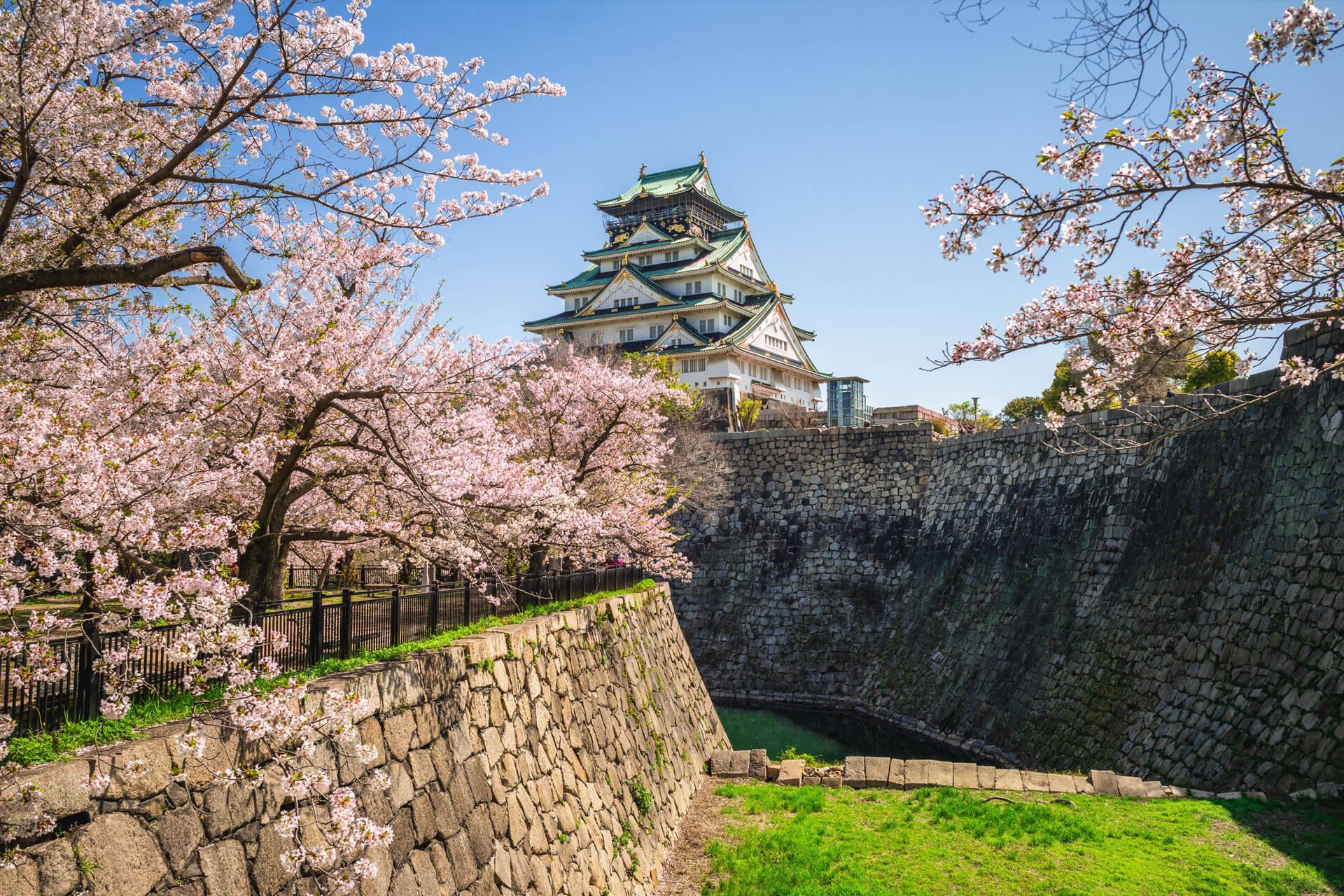
The okonomiyaki, a popular savoury pancake originating from Osaka and Hiroshima, is made with a batter of flour, cabbage, and eggs and a mix of meat, seafood, or vegetables. Topped with mayonnaise, dried bonito flakes, and seaweed, it offers rich umami flavours with a crispy texture and smoky taste.

Matcha is made from finely ground green tea powder. In Japanese tradition, it is used in many ways: as a hot or iced drink or in pastries, ice cream, or desserts. Its flavour is unique—bitter, vegetal, and slightly sweet.
Sushi, iconic dish of Japanese gastronomy, embodies both good taste and refinement. It comes in a wide range of forms and flavours, all made with the freshest ingredients: vinegared rice, raw fish, shrimp, seaweed, fish roe (ikura), vegetables, soy sauce, wasabi, and ginger.
Ramen is a beloved comfort food in Japan. Served in a generous bowl, the noodles soak in a rich steaming broth accompanied by meat, vegetables, and seasonings. Typical toppings include slices of pork, soft-boiled eggs, bamboo shoots, seaweed, ginger, and chopped green onions.
Tempura is a classic of Japanese cuisine—vegetables and seafood dipped in a light batter, then fried to golden perfection. The result is crisp yet delicate, often served with soy sauce or a light dipping broth for a perfectly balanced, flavourful bite.
The okonomiyaki, a popular savoury pancake originating from Osaka and Hiroshima, is made with a batter of flour, cabbage, and eggs and a mix of meat, seafood, or vegetables. Topped with mayonnaise, dried bonito flakes, and seaweed, it offers rich umami flavours with a crispy texture and smoky taste.
Matcha is made from finely ground green tea powder. In Japanese tradition, it is used in many ways: as a hot or iced drink or in pastries, ice cream, or desserts. Its flavour is unique—bitter, vegetal, and slightly sweet.


The best time to visit Japan is in the spring or autumn.
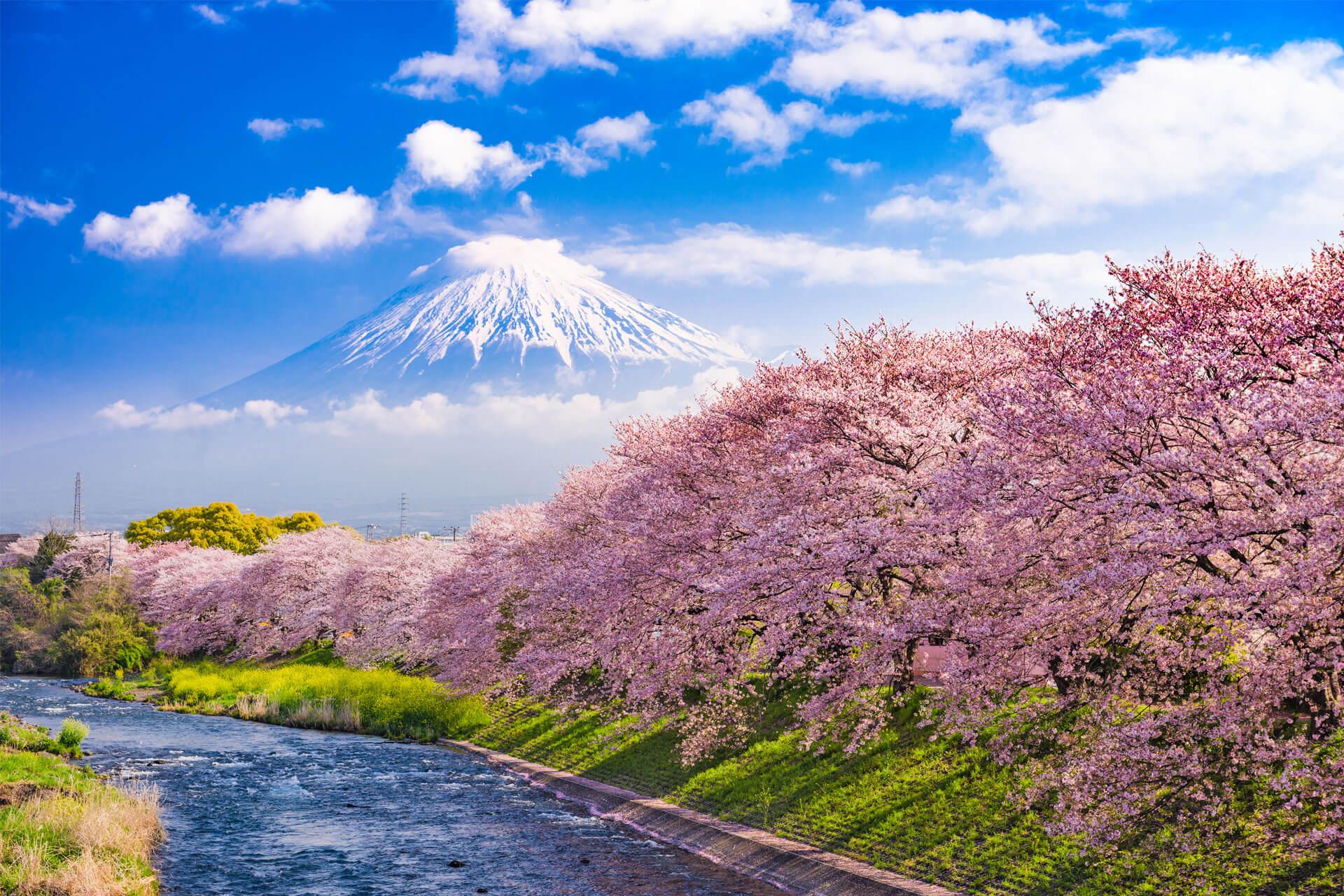
From March to May, the weather is mild, and in April, the cherry trees are in bloom. From September to November, the maple trees turn vibrant shades of red and gold, and the temperatures are comfortable. These two seasons offer the best combination of pleasant weather and stunning scenery.
It is best to avoid summer, from June to July, because the weather is hot, rainy and misty.
In Japan, the most recommended and efficient way to travel long distances between major cities is by high-speed train (Shinkansen). Tourists can purchase a JR Pass before entering the country to benefit from discounted fares. Local trains and subways are ideal for navigating cities, with station signs often translated into English.
Car rental is not recommended, as road signs are nearly impossible to decipher.
10 to 14 days.
This is the perfect amount of time to explore Japan’s big cities, venture into its remote regions, and see its most iconic sights.

Japan and South Korea
Departures: Oct 15, 2026, Oct 21, 2027
Price from $10,199 $9,959
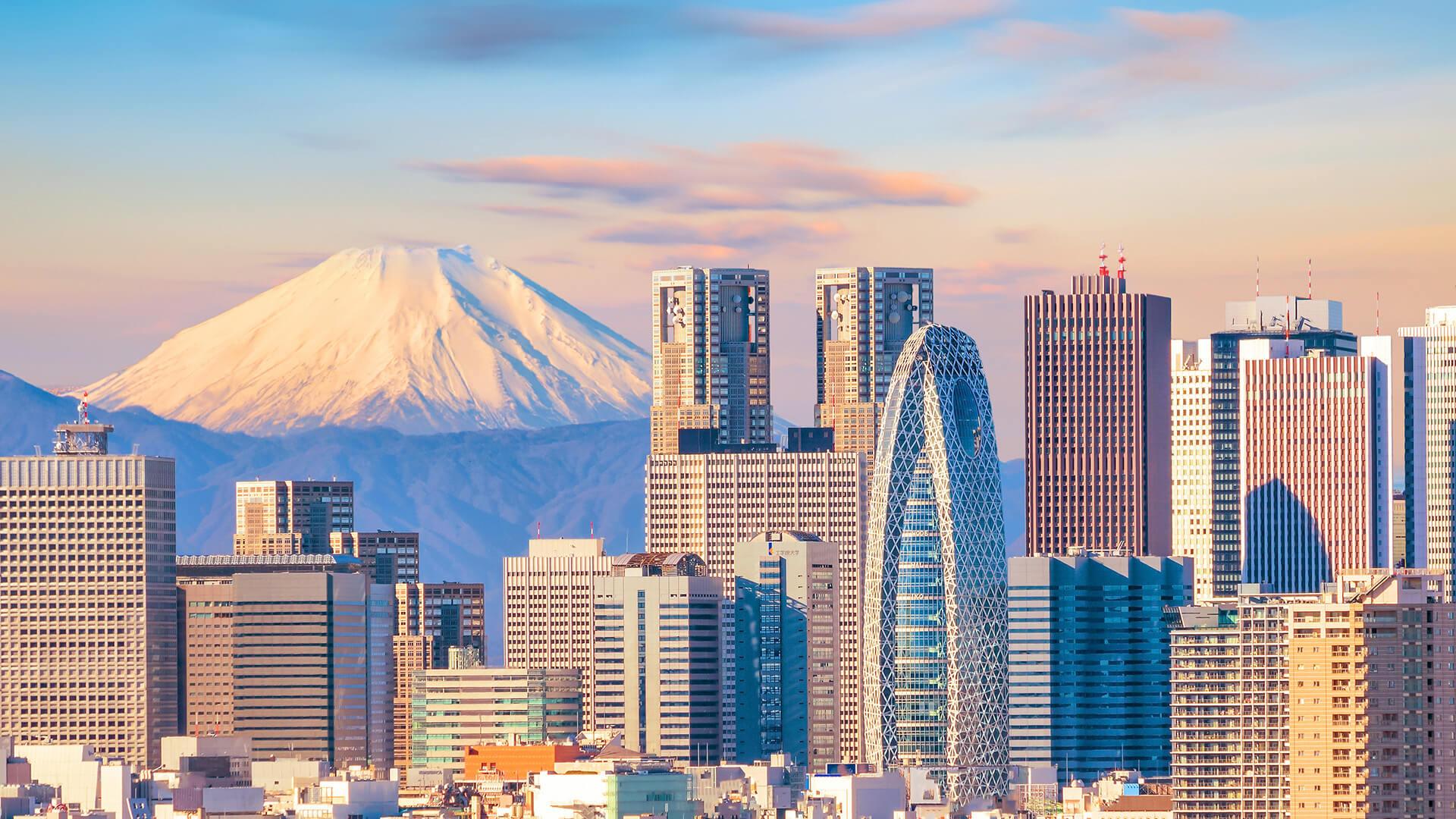
Asia
Departure: Mar 22, 2027
Price from $12,299 $12,224
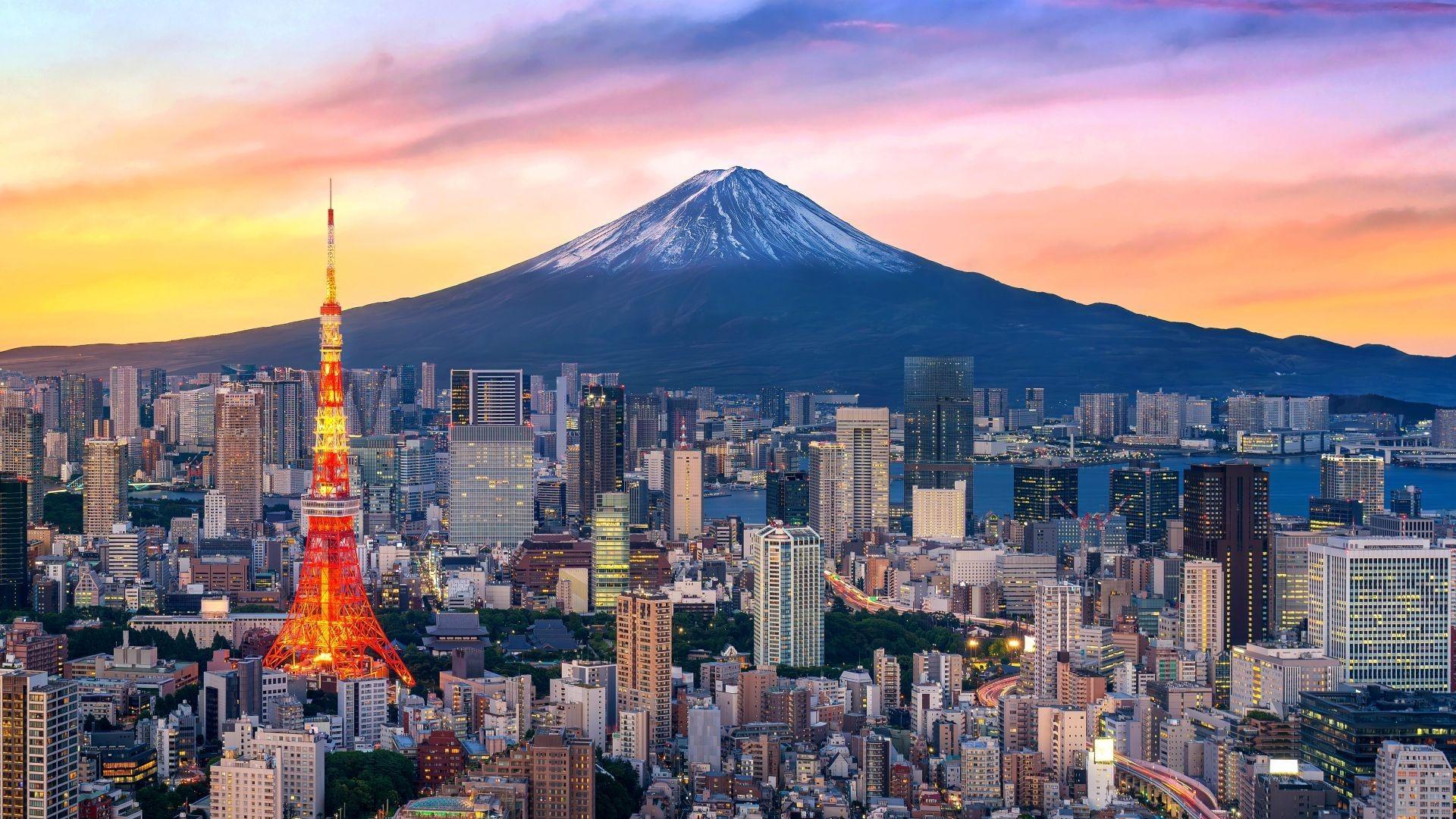
Japan
Departures: Apr 11, 2027, Nov 07, 2027
Price from $14,899 $14,824
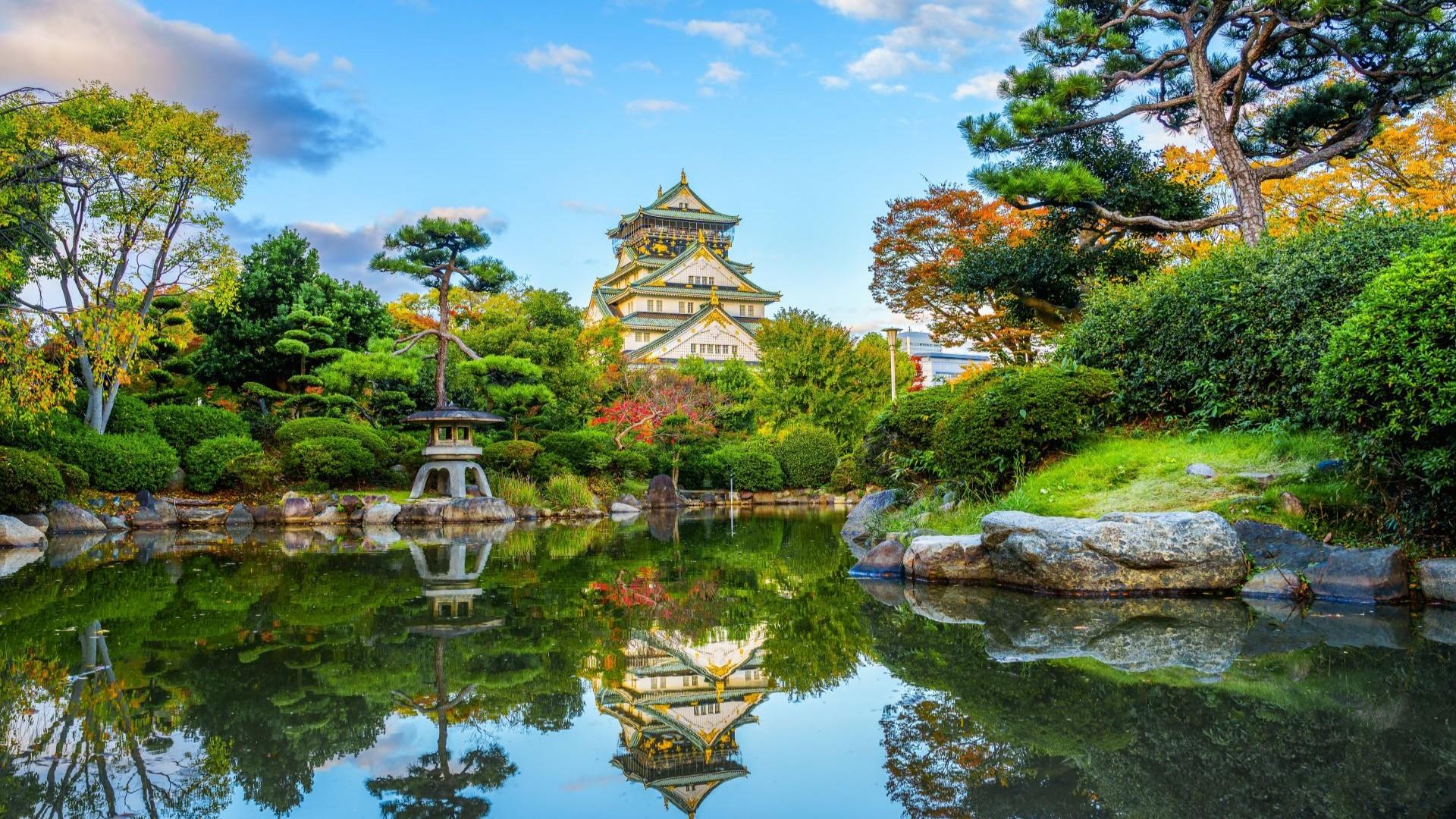
Japan and South Korea
Departure: Apr 16, 2027
Price from $26,899 $26,824
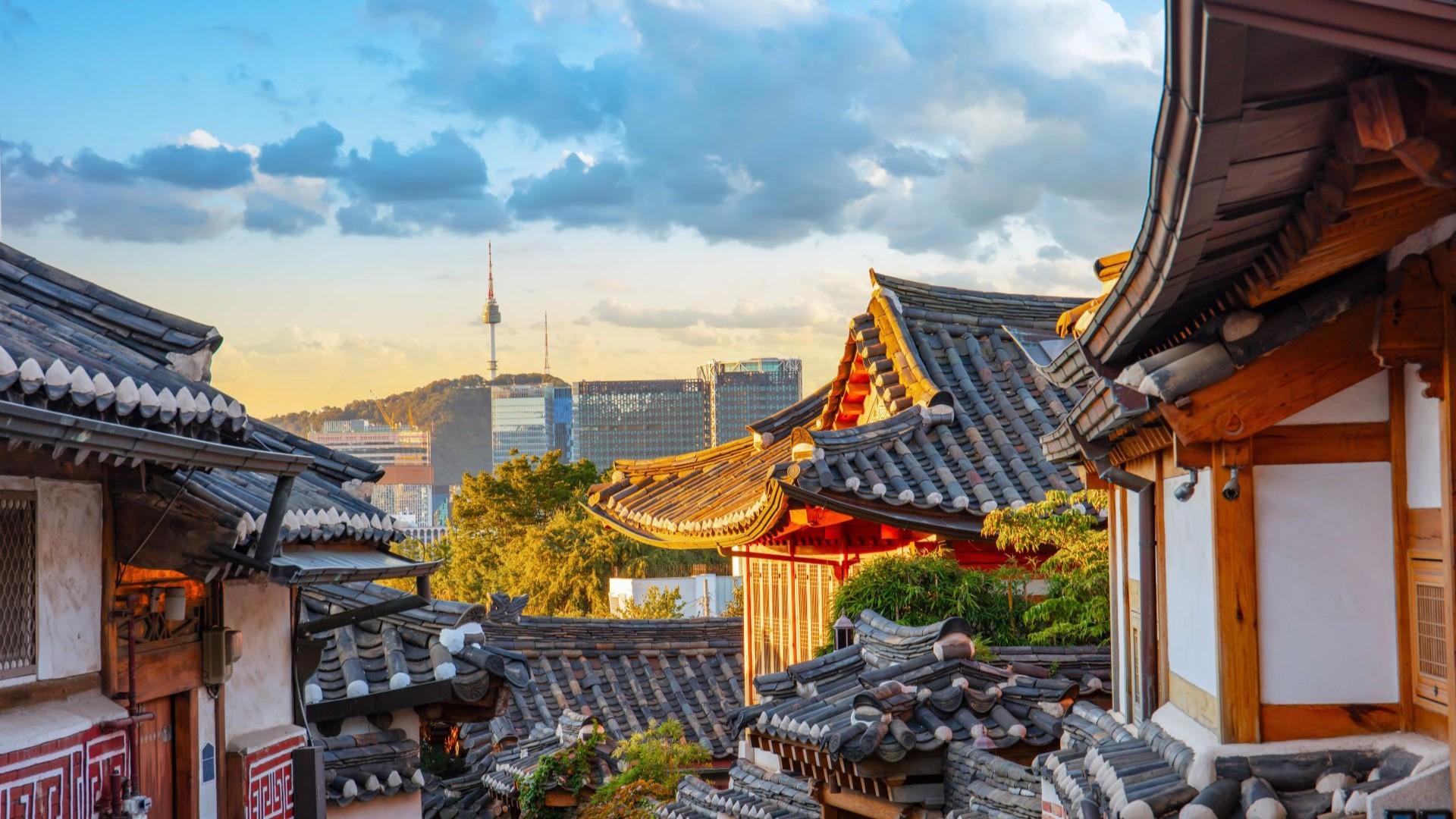
Asia
Departure: May 09, 2027
Price from $12,509 $12,434
Travel in complete peace of mind.
Fast, compliant and guaranteed service.
Useful for driving abroad.
Online application service.
Double-check the rules before you travel.
Suitcases, anti-theft bags, and more!
Create your personalized travel itinerary.
Road guides and road maps.


