Highlights
- A destination that feels worlds away
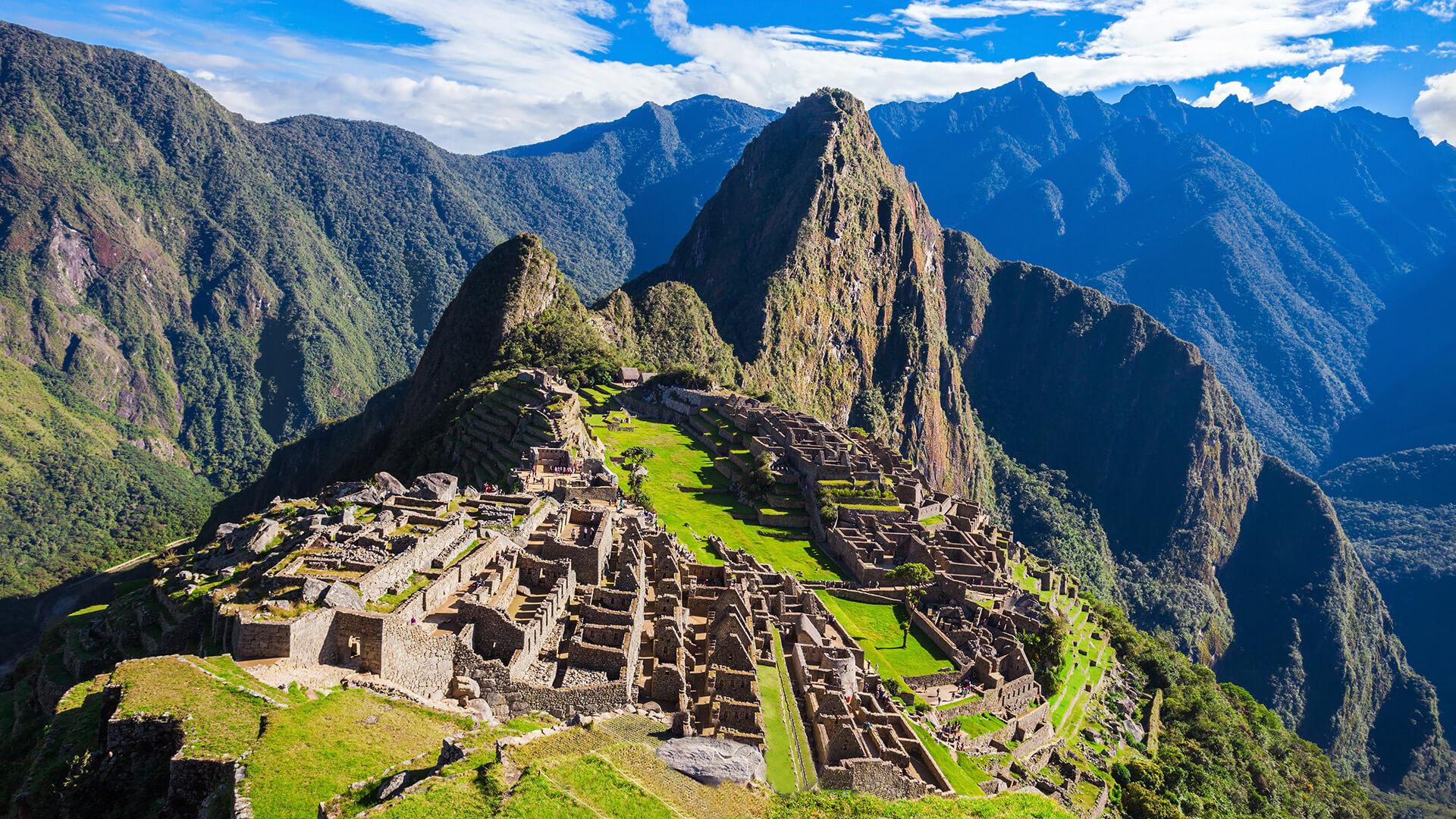
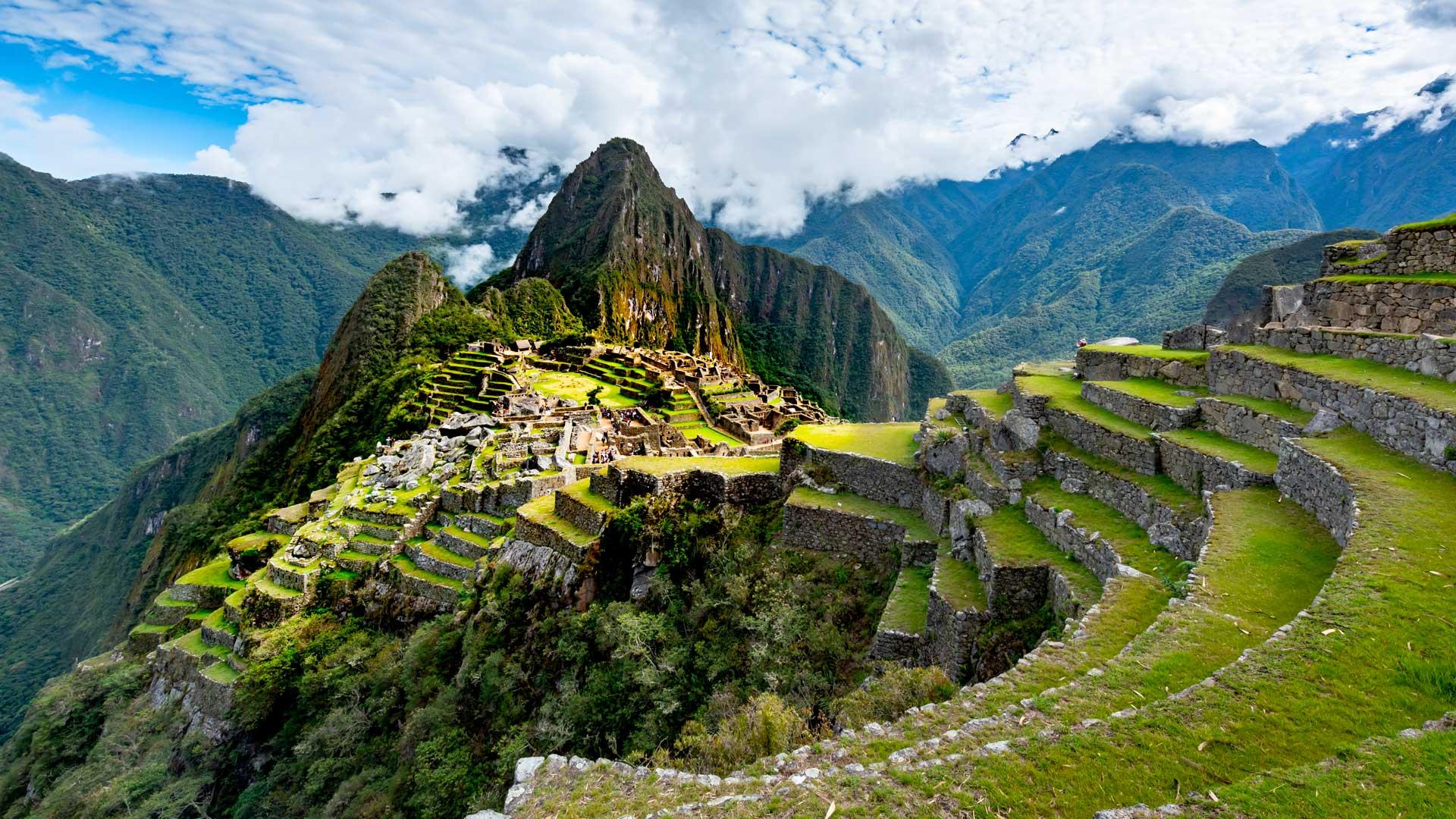
- Rich in archaeological and historical heritage
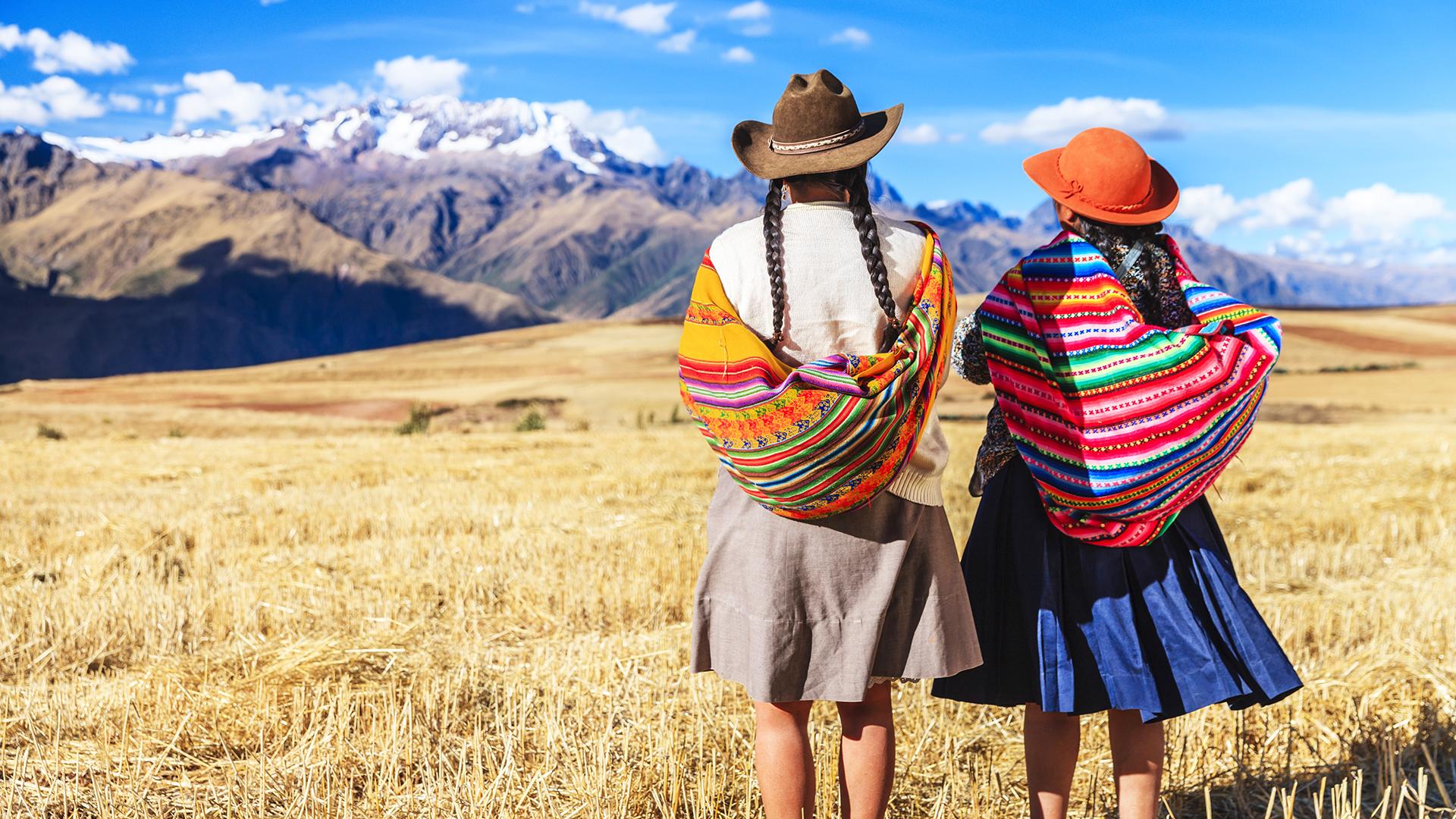
- Warmth and smiles of the local people
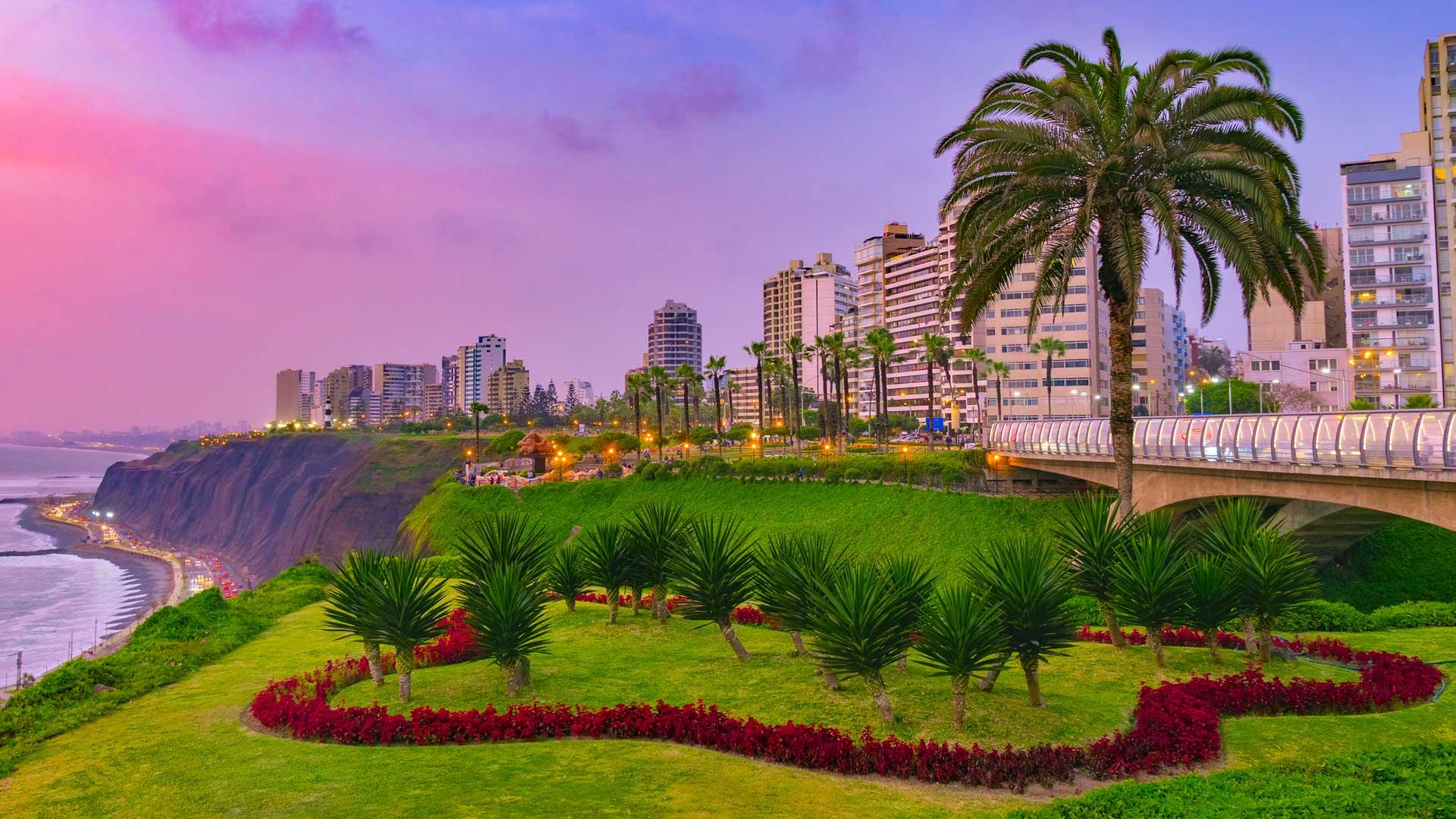
- Breathtaking landscapes
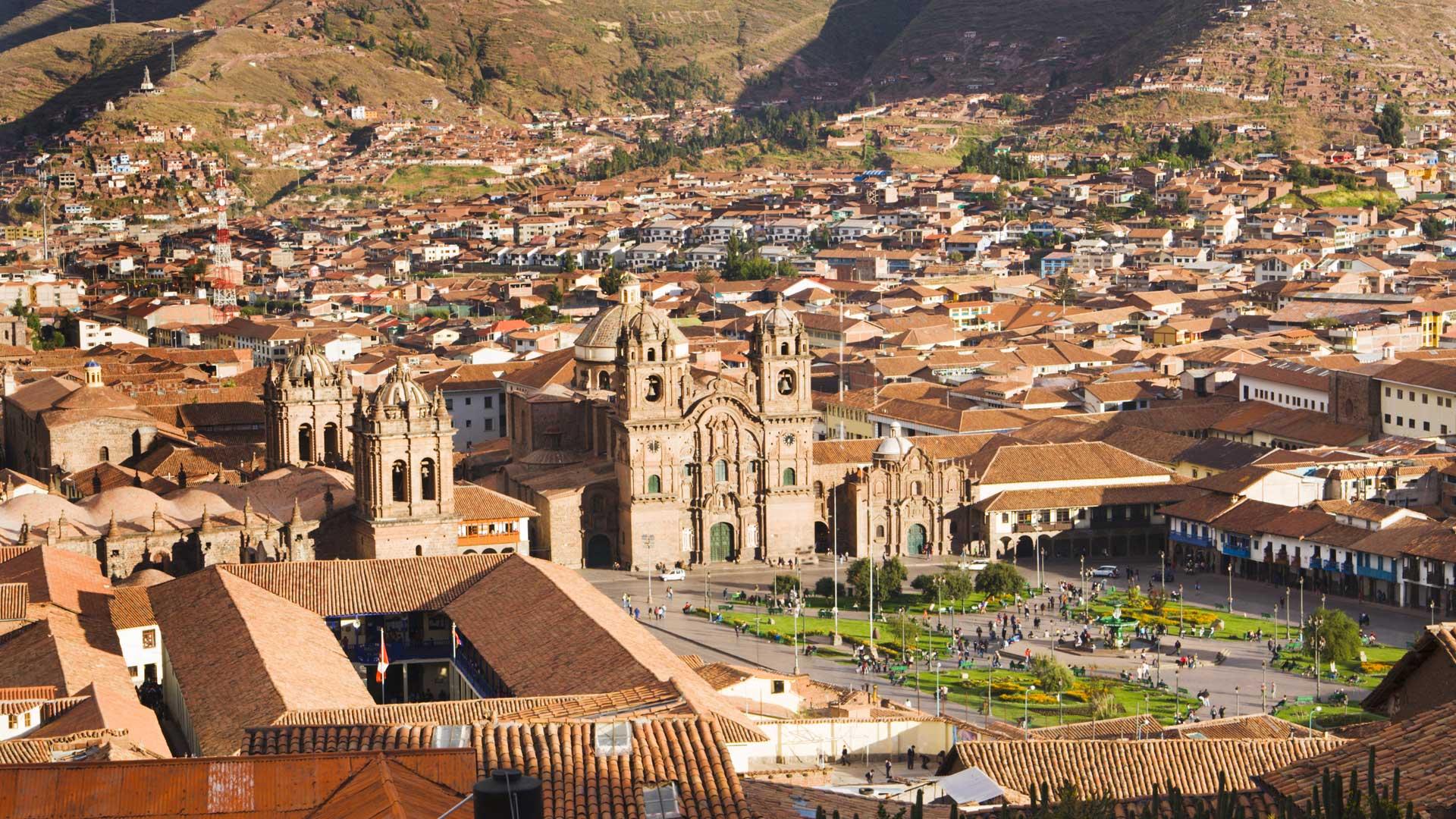
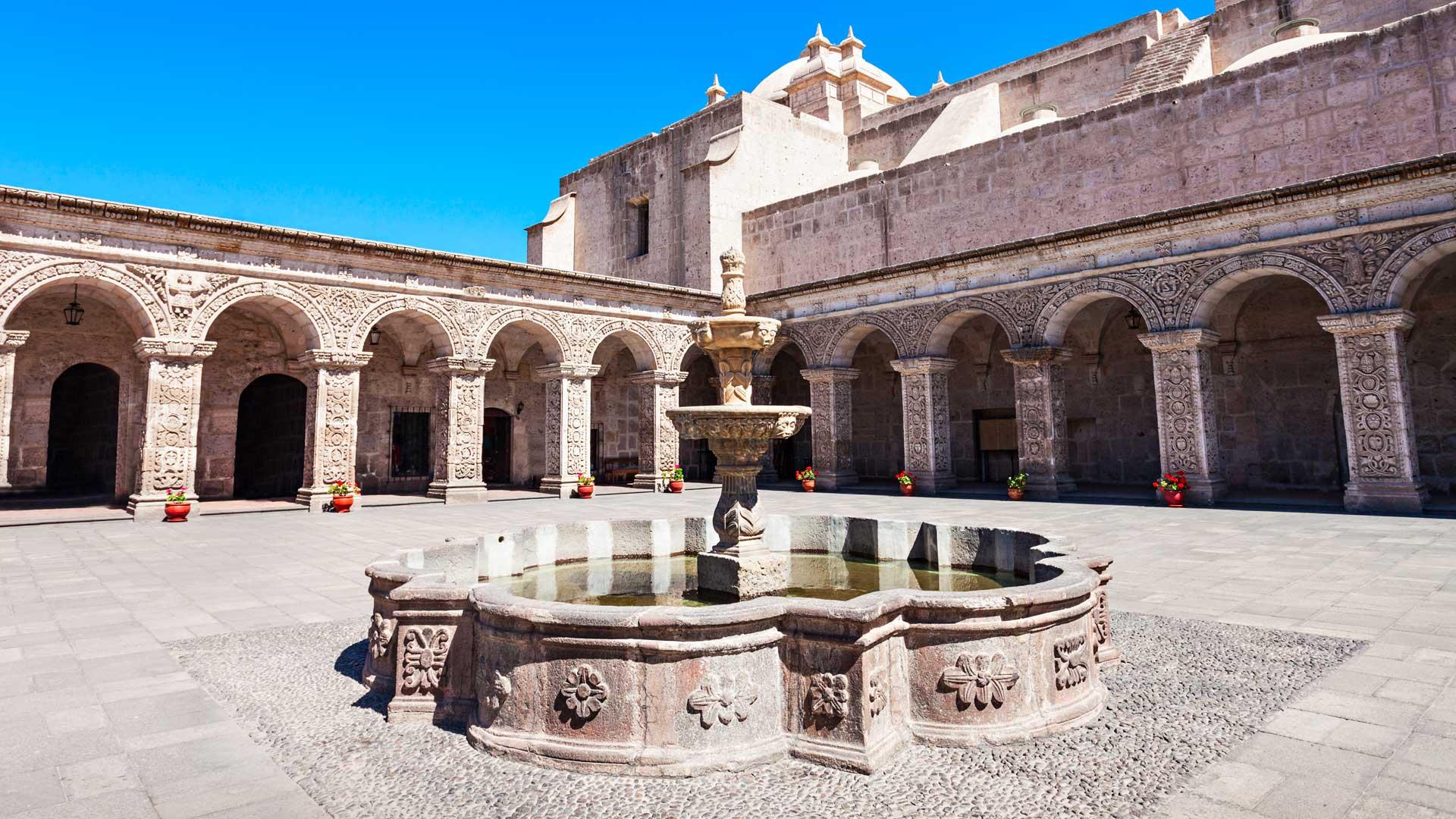
Peru has three official languages: Spanish, Quechua, and Aymara. Spanish is the most widely spoken language across the country, whereas Quechua and Aymara are more commonly used in rural and cultural communities.
Direct flight: There are no direct flights from Quebec.
Connecting flight: 11h30 to 20 hours (depending on connection times)
Peru time zone: UTC-5
0h behind Quebec (EST)
1h behind Quebec (EDT)
Peruvian Sol (PEN)
Credit cards (Visa, Mastercard, etc.) are widely accepted in hotels, restaurants, and shops in cities such as Lima, Cusco, and Arequipa, but it is recommended to carry some cash for local markets, remote villages, or certain nature excursions.
In Peru, tipping is appreciated as a gesture of gratitude but is not mandatory. In restaurants, a tip of around 10% of the total bill is recommended if service is not already included. For taxis, tour guides, and excursions, 5–10% is customary. In hotels, it is common to leave 1–2 soles for staff if the service is satisfactory.
In Peru, it is recommended to exercise caution. Minor crimes, such as pickpocketing and bag snatching, are common in cities such as Lima, Cusco, Arequipa, and Puno. Although tourist sites are generally monitored, it is advised not to display valuables, to stay alert in crowded areas, and to avoid isolated neighborhoods. For all travel, use official taxis, transportation recommended by your hotel, and organized tours with guides, especially for hikes and visits at high altitudes.
Before any foreign trip, visit the Government of Canada’s Peru Travel Advice page to find out about the current situation in the country.


Perched at greater than 5,000 metres above sea level, Vinicunca, the Rainbow Mountain, reveals spectacular slopes streaked with natural red, ochre, yellow, and green layers. The hike is challenging, but every step leads to a breathtaking panorama, where the raw beauty of the Andes Mountains more than makes up for the effort.

Less visited than the major Inca sites, Raqchi is remarkable for the ingenuity and scale of its constructions, including the imposing Temple of Wiracocha, monumental walls, and sophisticated food storage systems. This archaeological site invites visitors to explore the remarkable genius of the Inca civilization.

Perched on the shores of Lake Umayo, the Sillustani Necropolis captivates visitors with its chullpas, tall stone funerary towers. This enigmatic archaeological site showcases the rituals and craftsmanship of pre-Inca civilizations set against a landscape that is both austere and serene.

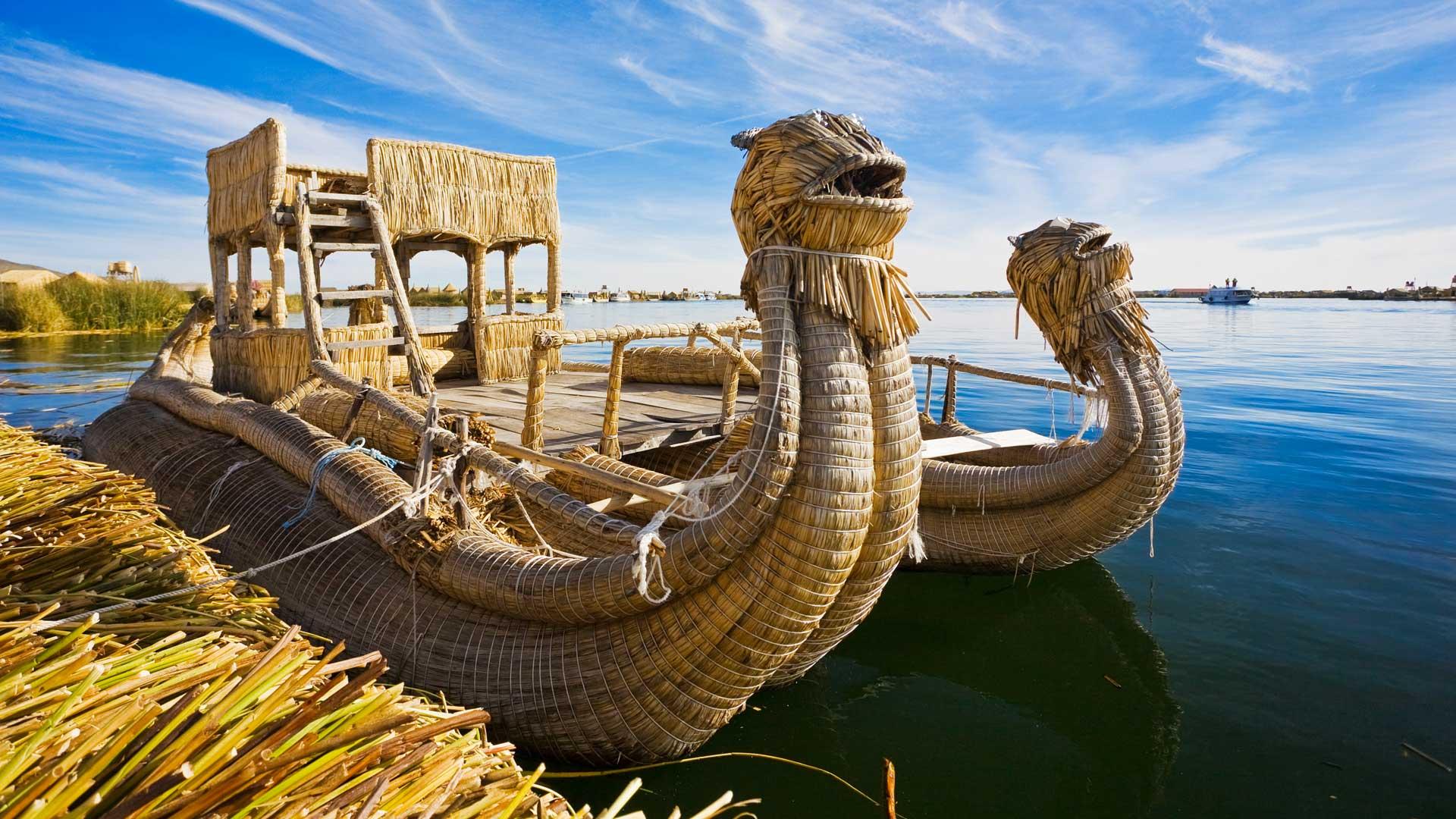
Set on Lake Titicaca at nearly 3,950 metres above sea level, Taquile Island enchants visitors with its sunlit hills, stone paths, and sweeping panoramas. Home to an indigenous community, the island offers a glimpse into a preserved way of life and ancestral textile craftsmanship recognized by UNESCO.
Perched at greater than 5,000 metres above sea level, Vinicunca, the Rainbow Mountain, reveals spectacular slopes streaked with natural red, ochre, yellow, and green layers. The hike is challenging, but every step leads to a breathtaking panorama, where the raw beauty of the Andes Mountains more than makes up for the effort.
Less visited than the major Inca sites, Raqchi is remarkable for the ingenuity and scale of its constructions, including the imposing Temple of Wiracocha, monumental walls, and sophisticated food storage systems. This archaeological site invites visitors to explore the remarkable genius of the Inca civilization.
Perched on the shores of Lake Umayo, the Sillustani Necropolis captivates visitors with its chullpas, tall stone funerary towers. This enigmatic archaeological site showcases the rituals and craftsmanship of pre-Inca civilizations set against a landscape that is both austere and serene.
Set on Lake Titicaca at nearly 3,950 metres above sea level, Taquile Island enchants visitors with its sunlit hills, stone paths, and sweeping panoramas. Home to an indigenous community, the island offers a glimpse into a preserved way of life and ancestral textile craftsmanship recognized by UNESCO.

“Peru is a destination that truly rewards those who visit. The high altitude can be demanding, but the breathtaking landscapes quickly make the effort worthwhile. Spectacular panoramas, vibrant colours, rich culture, unforgettable flavours—everything is memorable. My highlight? Climbing Vinicunca! At greater than 5,000 metres above sea level, this site offers an otherworldly setting: a mineral rainbow laid across the Andes Mountains suspended between sky and earth.”

A traditional Peruvian dish, ceviche combines raw fish marinated in lime juice with red onions, ají chili, and cilantro. Served with corn and potatoes, it delights with its freshness and vibrant flavours. An unmissable culinary experience, it reflects the deep connection between Peruvian cuisine and the ocean.

Colourful and elegant, Peruvian causa rellena consists of layers of mashed yellow potatoes seasoned with lime and ají filled with tuna, chicken, or vegetables. Fresh, vibrant, and flavourful, it delights as much with its appearance as with its balanced, refreshing taste.

Pollo a la brasa is slow-roasted chicken with golden, crispy skin and tender, juicy meat. Marinated in a blend of garlic, cumin, paprika, and herbs, it has a slightly smoky, aromatic, and tangy flavour. It is served with golden potatoes and savoury sauces.

Chicha morada is made from purple corn, which gives it its deep colour. Infused with fruits and spices, it has a sweet, fruity flavour with a hint of spice and is refreshingly light. Served well chilled, this non-alcoholic drink can be enjoyed any time of day.

A classic Peruvian street dessert, picarones are golden, ring-shaped doughnuts made from squash and flour. Fried until perfectly crispy on the outside and soft on the inside, they are drizzled with sweet chancaca syrup—a true delight.
A traditional Peruvian dish, ceviche combines raw fish marinated in lime juice with red onions, ají chili, and cilantro. Served with corn and potatoes, it delights with its freshness and vibrant flavours. An unmissable culinary experience, it reflects the deep connection between Peruvian cuisine and the ocean.
Colourful and elegant, Peruvian causa rellena consists of layers of mashed yellow potatoes seasoned with lime and ají filled with tuna, chicken, or vegetables. Fresh, vibrant, and flavourful, it delights as much with its appearance as with its balanced, refreshing taste.
Pollo a la brasa is slow-roasted chicken with golden, crispy skin and tender, juicy meat. Marinated in a blend of garlic, cumin, paprika, and herbs, it has a slightly smoky, aromatic, and tangy flavour. It is served with golden potatoes and savoury sauces.
Chicha morada is made from purple corn, which gives it its deep colour. Infused with fruits and spices, it has a sweet, fruity flavour with a hint of spice and is refreshingly light. Served well chilled, this non-alcoholic drink can be enjoyed any time of day.
A classic Peruvian street dessert, picarones are golden, ring-shaped doughnuts made from squash and flour. Fried until perfectly crispy on the outside and soft on the inside, they are drizzled with sweet chancaca syrup—a true delight.


The best time to visit Peru depends on the regions you plan to explore. The coast is best visited from November to March with temperatures ranging from 25 to 30°C and little fog despite some rainfall during the wet season. The Andes and the Amazon are best explored during the dry season, from April to November, when the climate is more stable with limited rainfall, making sightseeing and hiking easier. The most balanced period is from mid-January to early February, when it is less crowded. Note that prices increase during the holiday season (late December) and during the school break in February.
The best way to get around Peru is by bus or train. It is recommended to purchase tickets in advance to secure a seat and obtain better fares. In cities, local buses and minibuses (known as combis or colectivos) are widely used but can be confusing with poorly marked stops, routes displayed on stickers, and variable schedules. Renting a car is not recommended due to poor road conditions.
10 to 21 days.
In 10 days, it is possible to discover Peru’s must-see highlights, including Lima, Cusco, the Sacred Valley, and Machu Picchu. A stay of 2–3 weeks allows for a more relaxed pace and a deeper experience with additional stops such as Lake Titicaca, Arequipa, Colca Canyon, the Amazon, and hiking in the Andes.
Travel in complete peace of mind.
Fast, compliant and guaranteed service.
Useful for driving abroad.
Online application service.
Double-check the rules before you travel.
Suitcases, anti-theft bags, and more!
Create your personalized travel itinerary.
Road guides and road maps.
The world is full of wonders waiting to be discovered. After exploring the beauty of Peru, let yourself be captivated by new places that promise unforgettable experiences.