Brazil Travel Guide

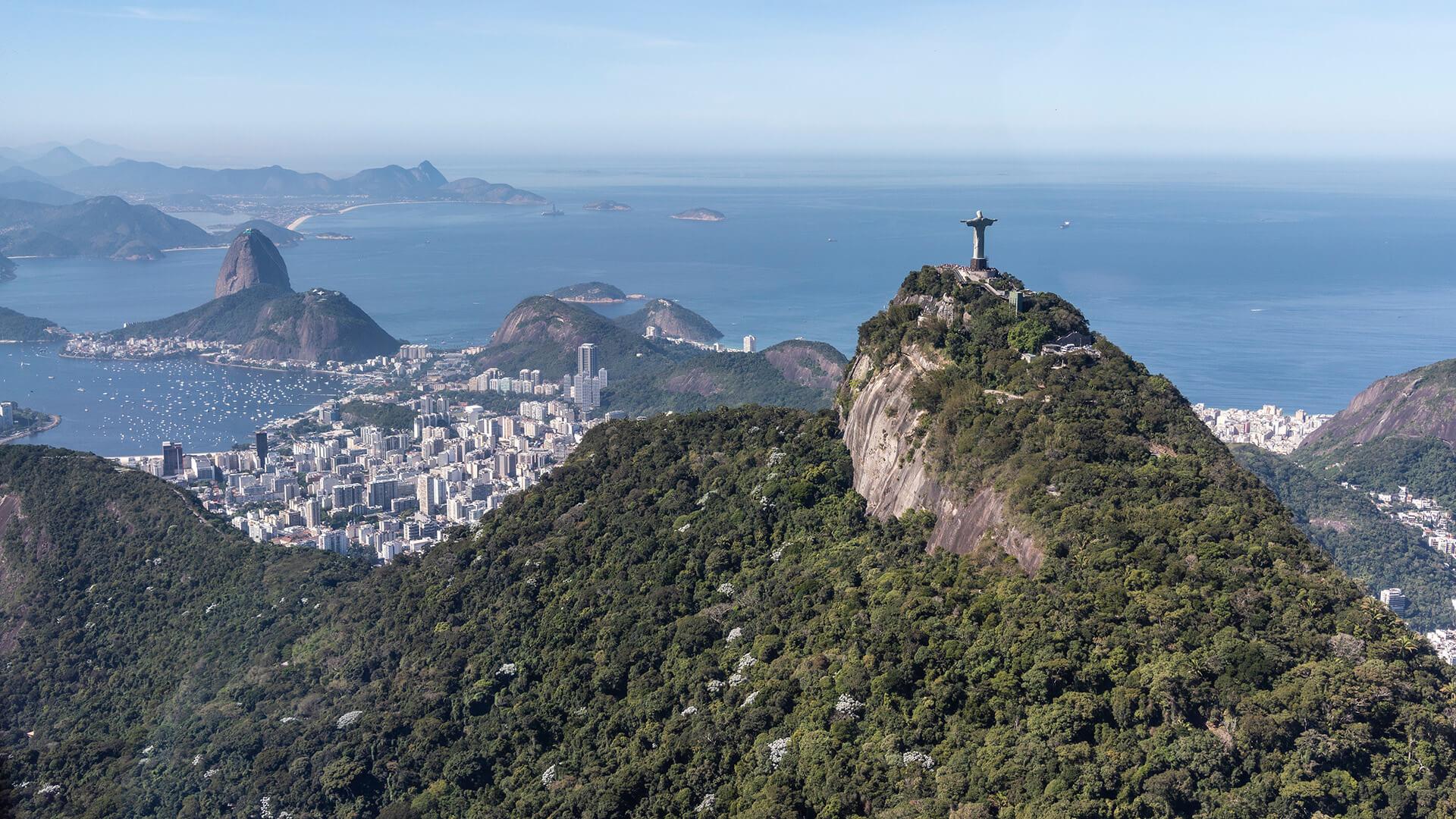
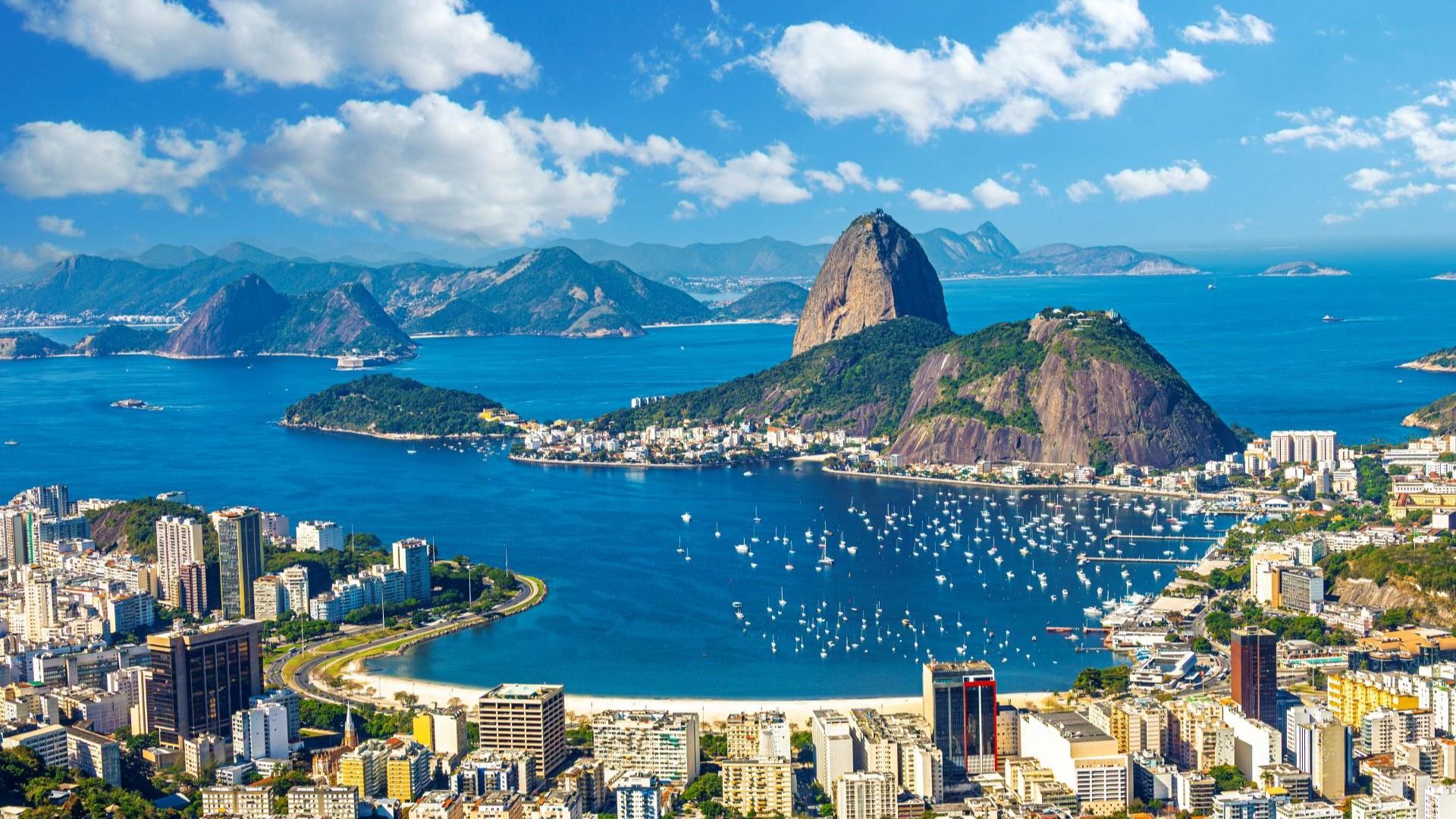
Vast and captivating, Brazil blends breathtaking nature with vibrant culture. From the sandy shores of Copacabana to the Amazon rainforest, from spectacular Iguazu Falls to the Pantanal wetlands, and through the lively streets of Rio de Janeiro with its Rio Carnival, the country invites you to experience its culture, energy, and natural wonders.

Useful information

Official language(s)

The official language of Brazil is Portuguese. Brazilian Portuguese is known for its melodic accent and local expressions. English and Spanish are understood in major cities and tourist areas, but less so outside these zones.

Flight duration

Direct flight: 10h30

Connecting flight: 15 to 22 hours (depending on connection times)

Time zone difference

Brazil time zone: UTC-2 to UTC-5 

1–3 hours ahead of Quebec (EST) 
1–2 hours ahead of Quebec (EDT) 

*Like in Canada, Brazil spans multiple time zones. The time difference varies depending on the region. 

Currency

Real, plural form reais (BRL/R$) 

Credit cards are widely accepted in major cities, hotels, and restaurants. However, it is recommended to carry cash for small shops, local markets, or remote areas where card terminals and ATMs may not be available.

Tips

Tipping in Brazil is not mandatory, but it is appreciated for good service. In restaurants, a tip of around 10% is usually included in the bill. For taxis, it is common to round up the fare, and for parking attendants, leaving a few reais (4-5) is customary.

Safety

In Brazil, it is recommended to stay vigilant, especially in major cities and crowded areas, where pickpocketing and scams can occur. Avoid displaying valuables, always use official transportation, and research which neighbourhoods are safe to visit (vulnerable areas should be avoided). In natural settings, such as the Amazon jungle or beaches, follow local guidelines and respect the environment and wildlife.

Before any foreign trip, visit the Government of Canada’s Brazil Travel Advice page to find out about the current situation in the country.

  • The beauty and diversity of landscapes: beaches, tropical rainforests, savannas, and mountains
  • Monuments and historic colonial districts
  • Warm hospitality and a legendary festive spirit
  • Iconic music and dances: Samba, Bossa Nova, Forró, Frevo

Keep in mind

  • Long distances between regions and main tourist attractions
  • Destination not very family-friendly: few child-specific activities and large crowds; heightened vigilance is recommended
  • Presence of mosquitoes and tropical diseases in certain areas

Good to know

  • Lightweight clothing is recommended to cope with the heat, and sturdy shoes are advised for walking on the many cobblestone streets.
  • There are many mosquitoes due to the proximity of the tropical rainforest. Bring effective insect repellent and consult the Government of Canada’s recommendations regarding the Zika virus.
  • It is important to stay vigilant: avoid walking alone at night or displaying valuables.
  • A visa is required to enter Brazil.

Frequently asked questions

Brazil can be visited year-round, but the climate varies by region. The best time to visit depends on the type of trip you are seeking. For a first-time visit, October and November are ideal: the weather is pleasant, nature is lush, and crowds are moderate.

Brazilian summer, from December to March, is hot, humid, and sunny, with temperatures reaching up to 40 °C (104 °F). This period is recommended for beach lovers. However, it also coincides with the Rio Carnival and the high tourist season, meaning larger crowds and higher prices.

There are several effective ways to get around Brazil. Due to the country's vast size, flying remains the fastest and most convenient option for long distances, especially between major cities like Rio de Janeiro and São Paulo. The bus network is also well-developed and offers an economical and reliable alternative for long-distance travel.

In large cities, taxis and services like Uber are widely available, but it is advisable to remain cautious of scams and to choose official services. Renting a car can be an excellent option for exploring certain regions at your own pace, particularly coastal or more remote areas. However, traffic can be heavy, and local driving can be unpredictable. It is recommended to have an international driver's licence and full insurance coverage.

10 to 15 days

This is the recommended duration for a first trip, allowing you to visit two or three must-see destinations such as Rio de Janeiro, Salvador, or the spectacular Iguazu Falls, while still enjoying some relaxing time at the beach.

  • Rio Carnival, in Rio de Janeiro, in February or March. This is Brazil's most famous cultural experience, known worldwide. For four days, you can watch the spectacular parades of the samba schools, join street parties, and soak in the unmatched festive atmosphere.
  • Festa Juninaacross Brazil, in June. To celebrate the saints of June, traditional rural Brazilian festivities take place, featuring folk dances, bonfires, typical foods, games, and contests in a colourful setting.
  • Campeonato Brasileiro, local soccer (futebol) championships, from May to December. Rio de Janeiro and São Paulo offer the most spectacular atmospheres, with chanting fans, contagious enthusiasm, and the unique energy of Brazilian stadiums. For the best experience, it is recommended to book tickets in advance and choose official sections for safety.