Ecuador Travel Guide

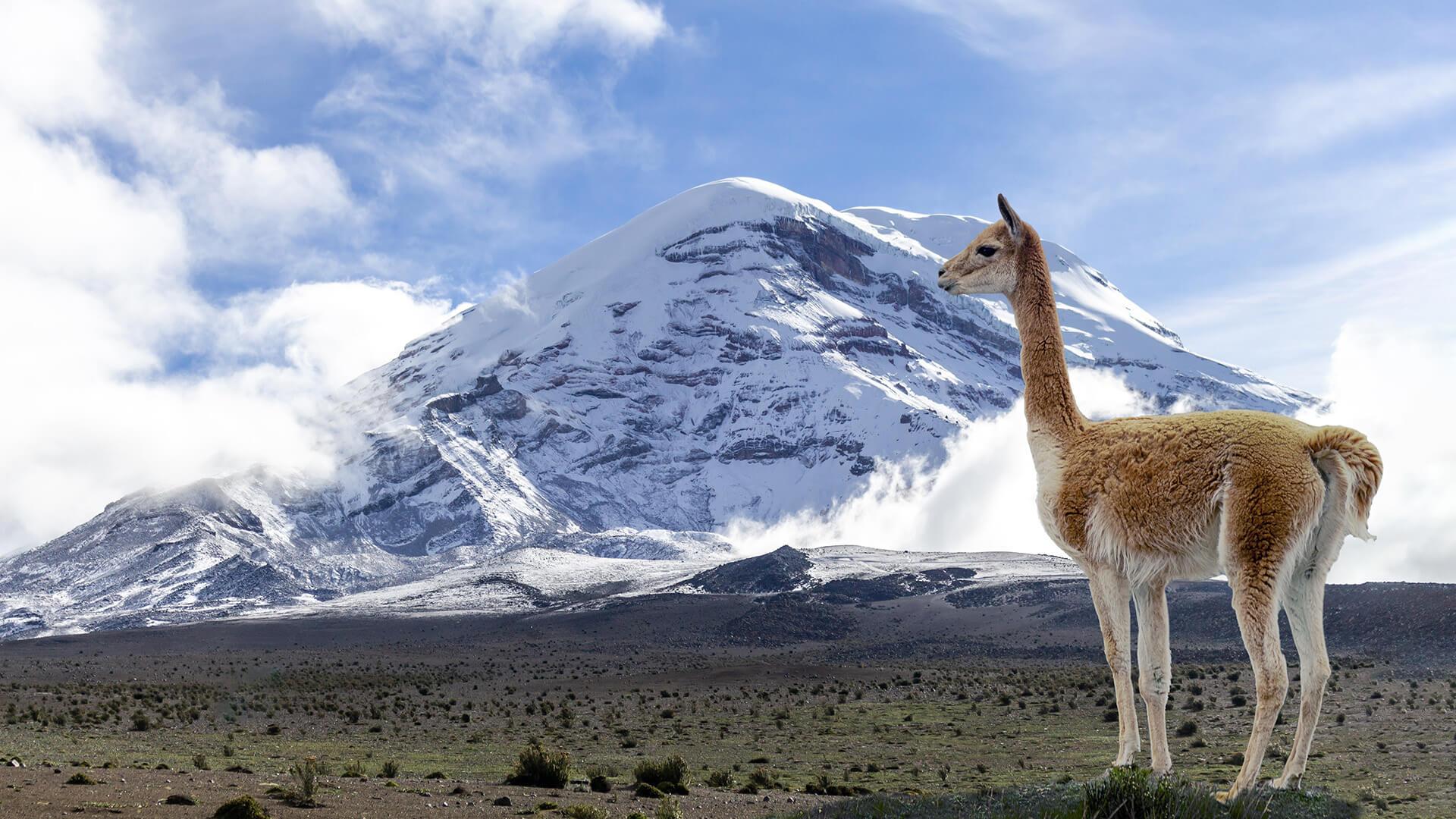
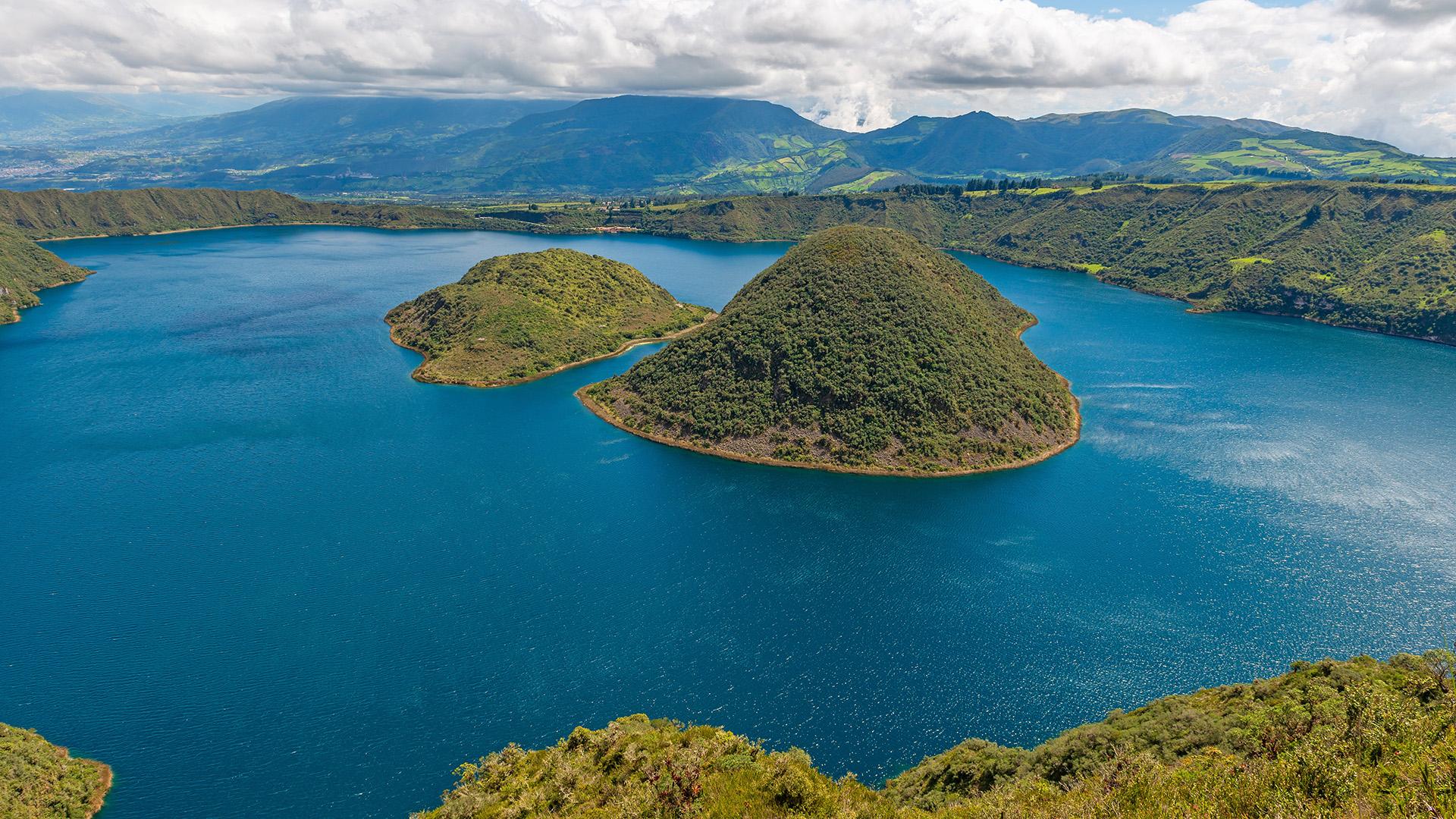
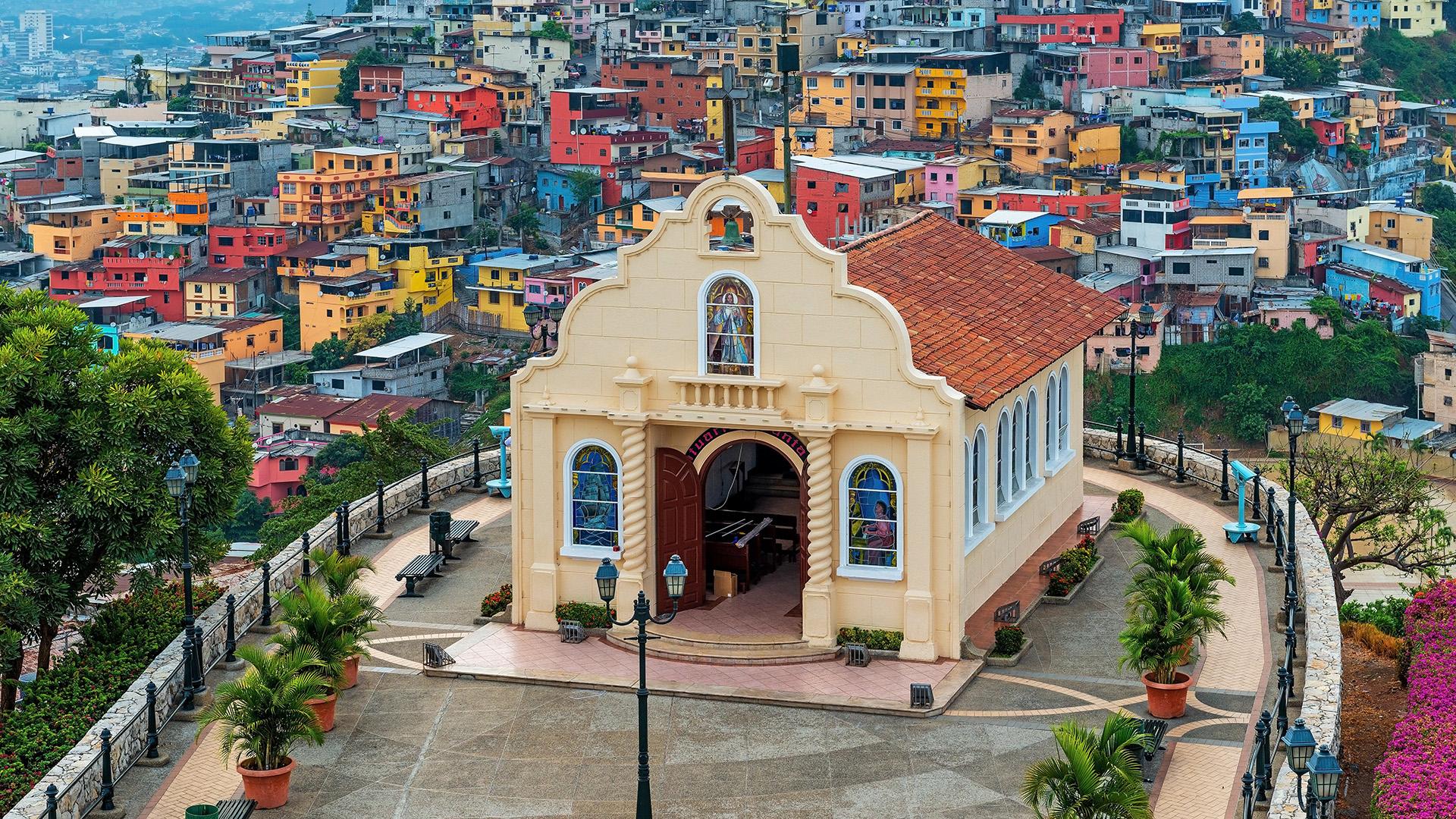
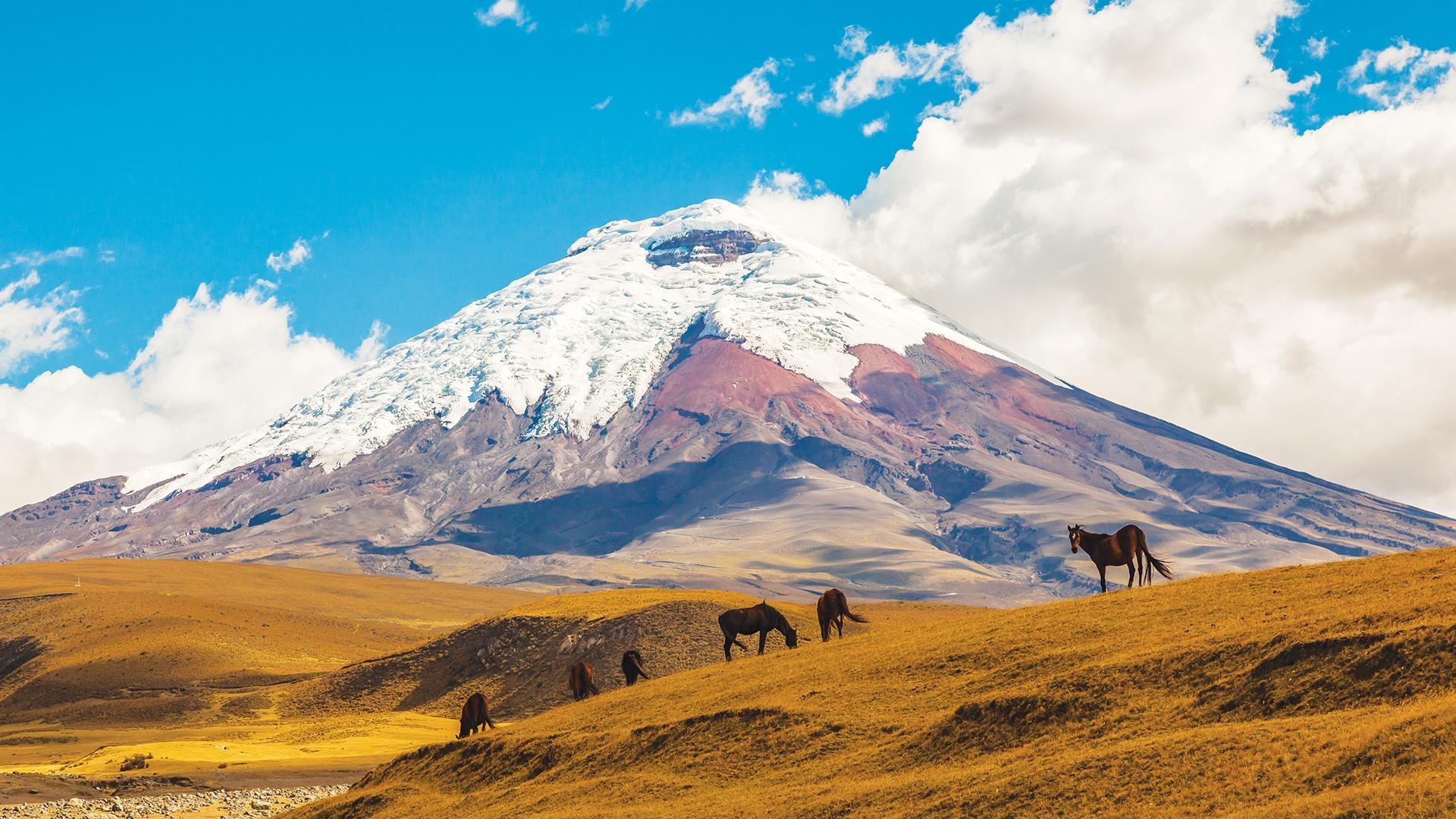
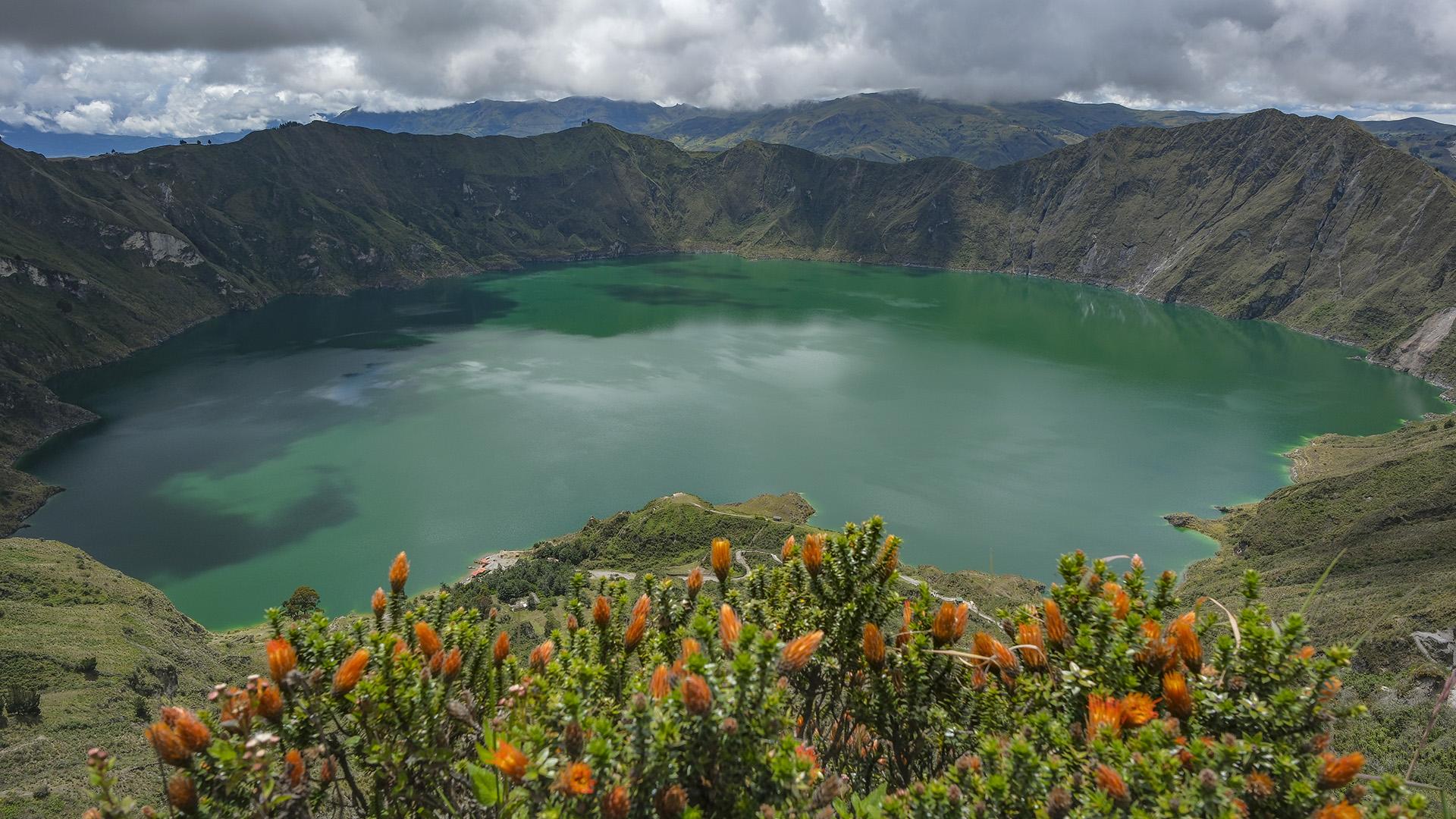
Ecuador, where volcanoes and lush forests reign supreme, amazes at every turn. Explore Quito and Cuenca, while strolling through colourful markets. Behold the sparkling Andean lagoons, sail among the Galápagos Islands, and get swept up in the traditions that are the lifeblood of this fascinating country. Each region brings its own unique discoveries.

Useful information

Official language(s)

Spanish is the official language of Ecuador. English is used in popular tourist destinations but is rarely spoken or understood in smaller towns, markets, and rural areas.

Flight duration

Direct flight: No direct flights from Quebec

Connecting flight: 10 to 25 hours (depending on connection times)

Time zone difference

Ecuador time zone: UTC-5

No time difference with Quebec (EST)
1 hour behind Quebec (EDT)

Currency

US dollar (USD)

Bank cards (Visa, Mastercard, etc.) are generally accepted in hotels, restaurants, and major tourist establishments. However, it is a good idea to carry some cash for small shops, markets, taxis, and certain excursions.

Tips

Tipping is not mandatory in Ecuador, but it is appreciated for good service. In restaurants, a 10% service charge is often included in the bill, so check before leaving anything extra. Tips for guides and drivers generally depend on the quality of service. For taxis, rounding up the fare is common.

Safety

Travellers should exercise caution when visiting Ecuador. Extra vigilance is recommended in major cities and crowded areas, where pickpocketing and snatch theft can occur. Keep valuables out of sight and avoid carrying large amounts of cash. It is also best not to travel alone at night and to use official taxis or reputable transportation services. For excursions and outdoor activities, choose reputable operators and follow your guide’s instructions at all times.

Before any foreign trip, visit the Government of Canada’s Ecuador Travel Advice page to find out about the current situation in the country.

  • Exceptional biodiversity, including endemic wildlife, tropical forests, volcanoes, and ecosystems found nowhere else in the world.

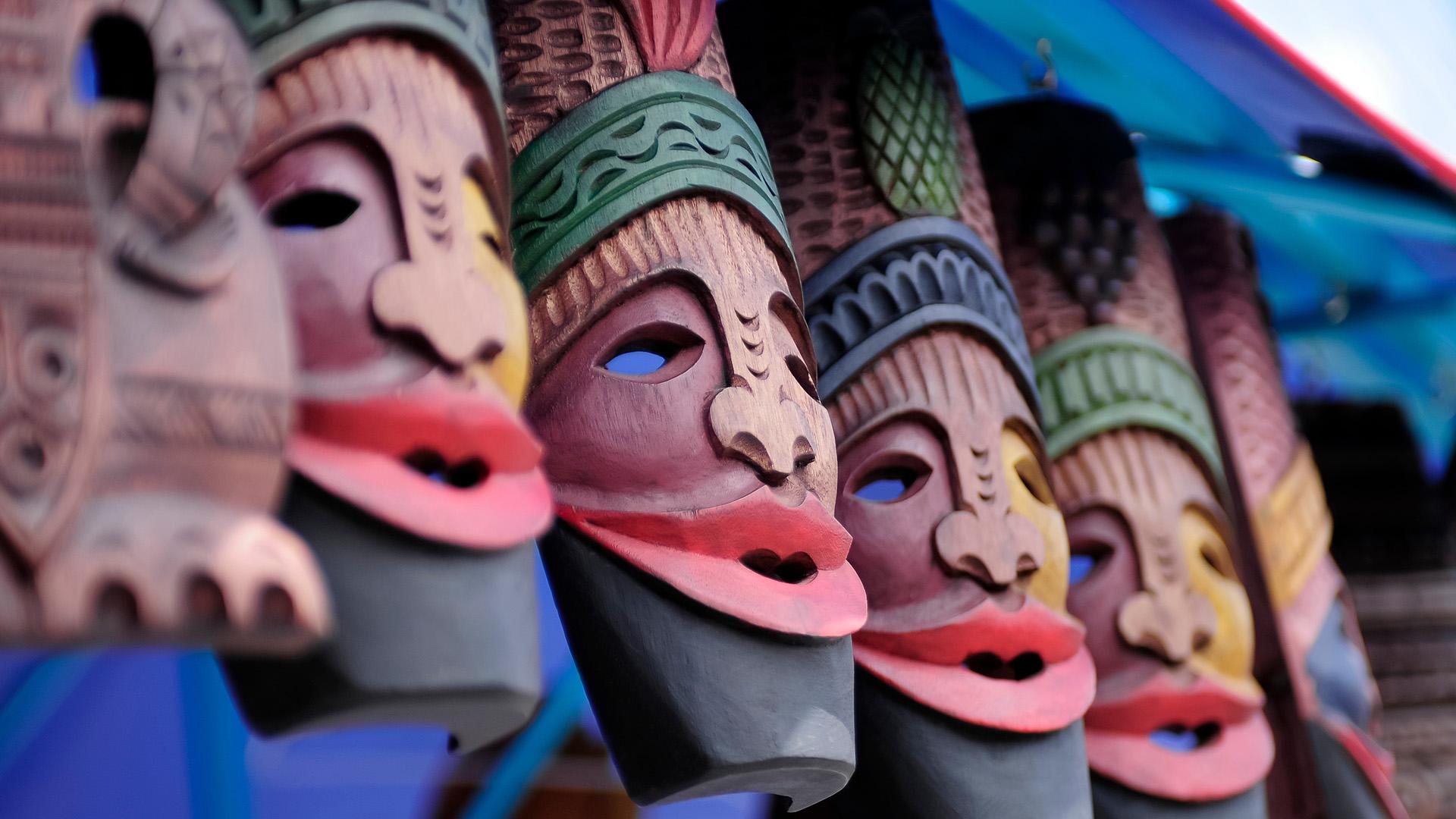
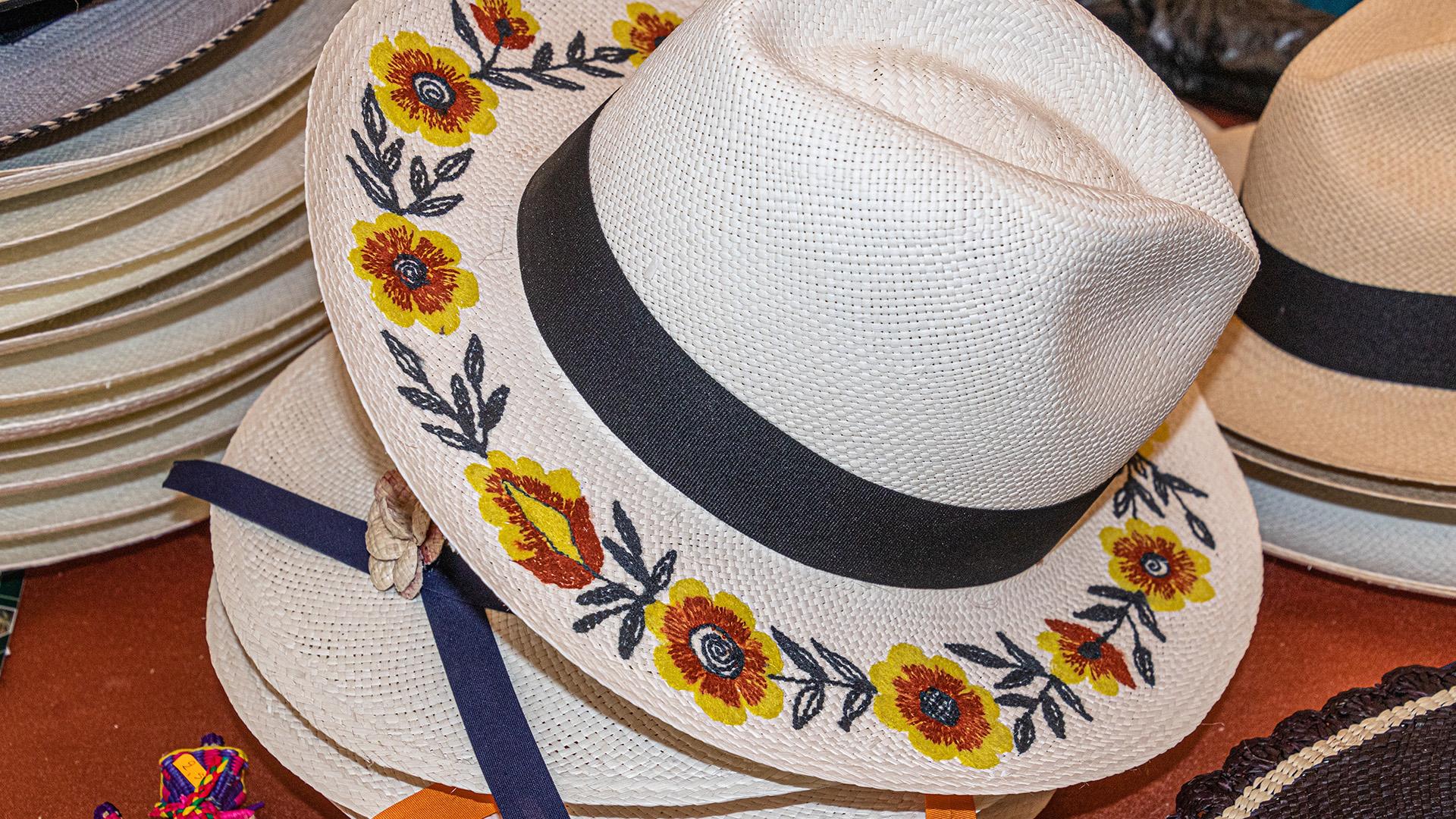
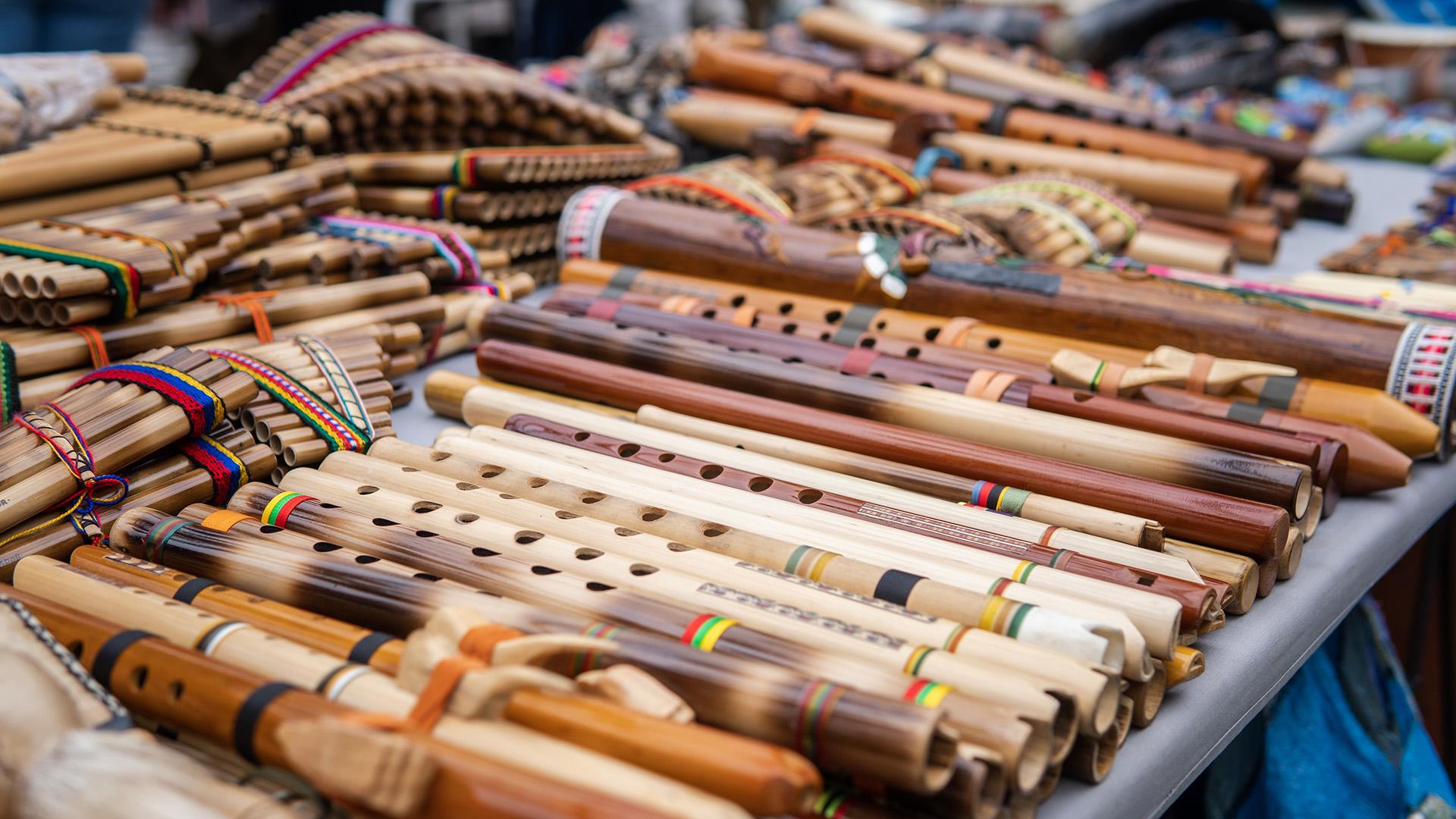
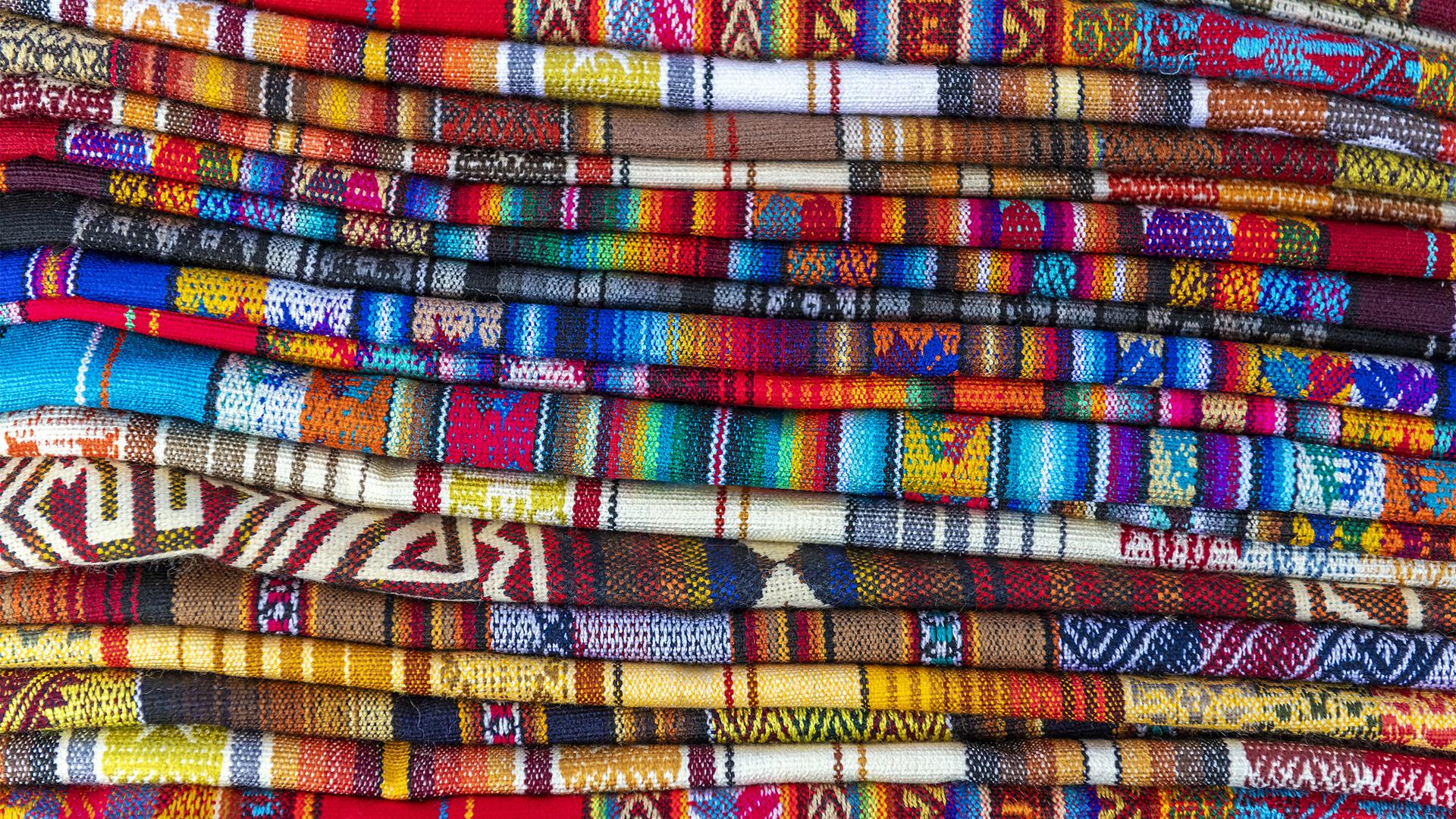
  • Vibrant Indigenous cultures expressed through markets, crafts, traditions, and festivals.

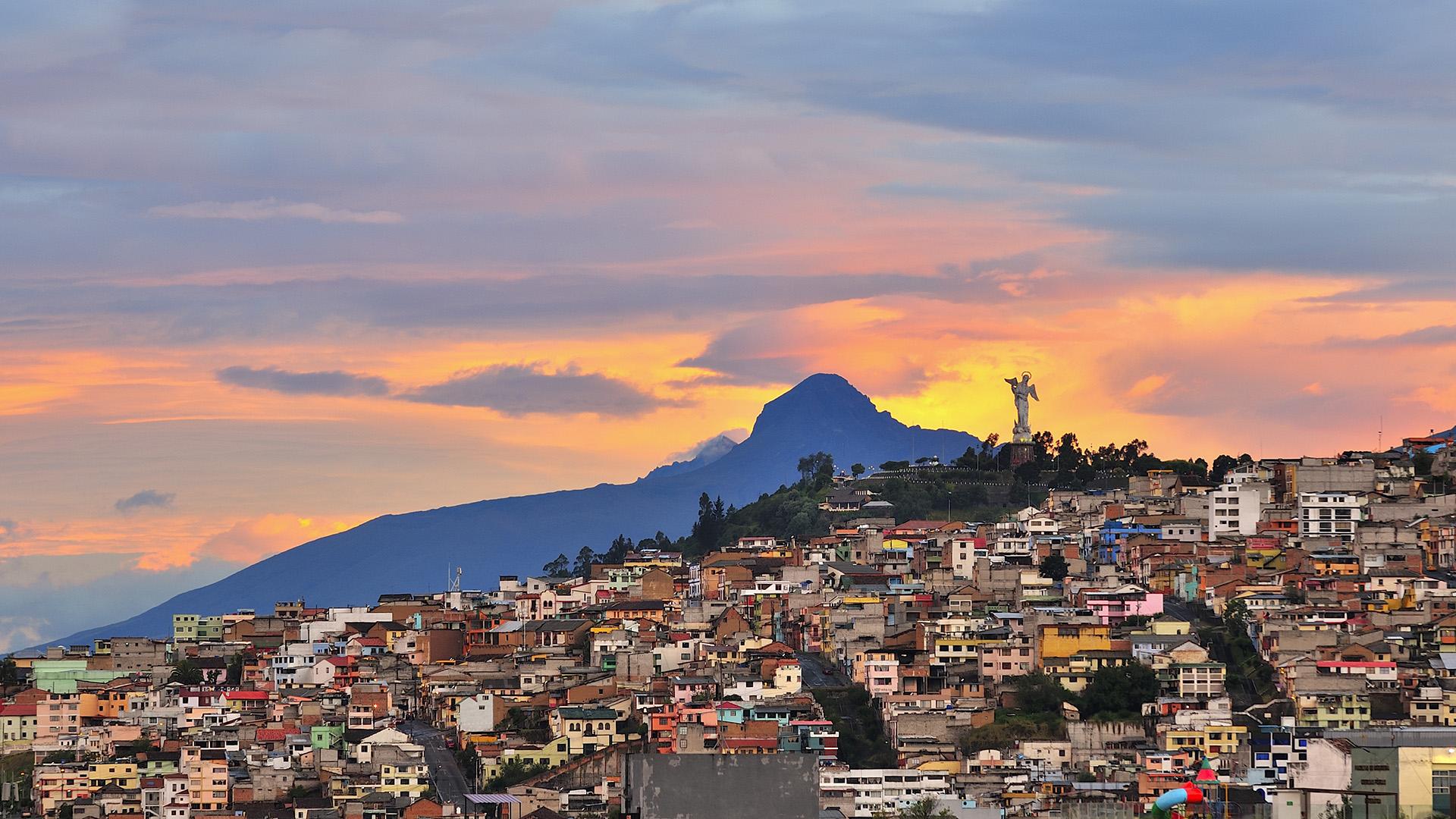
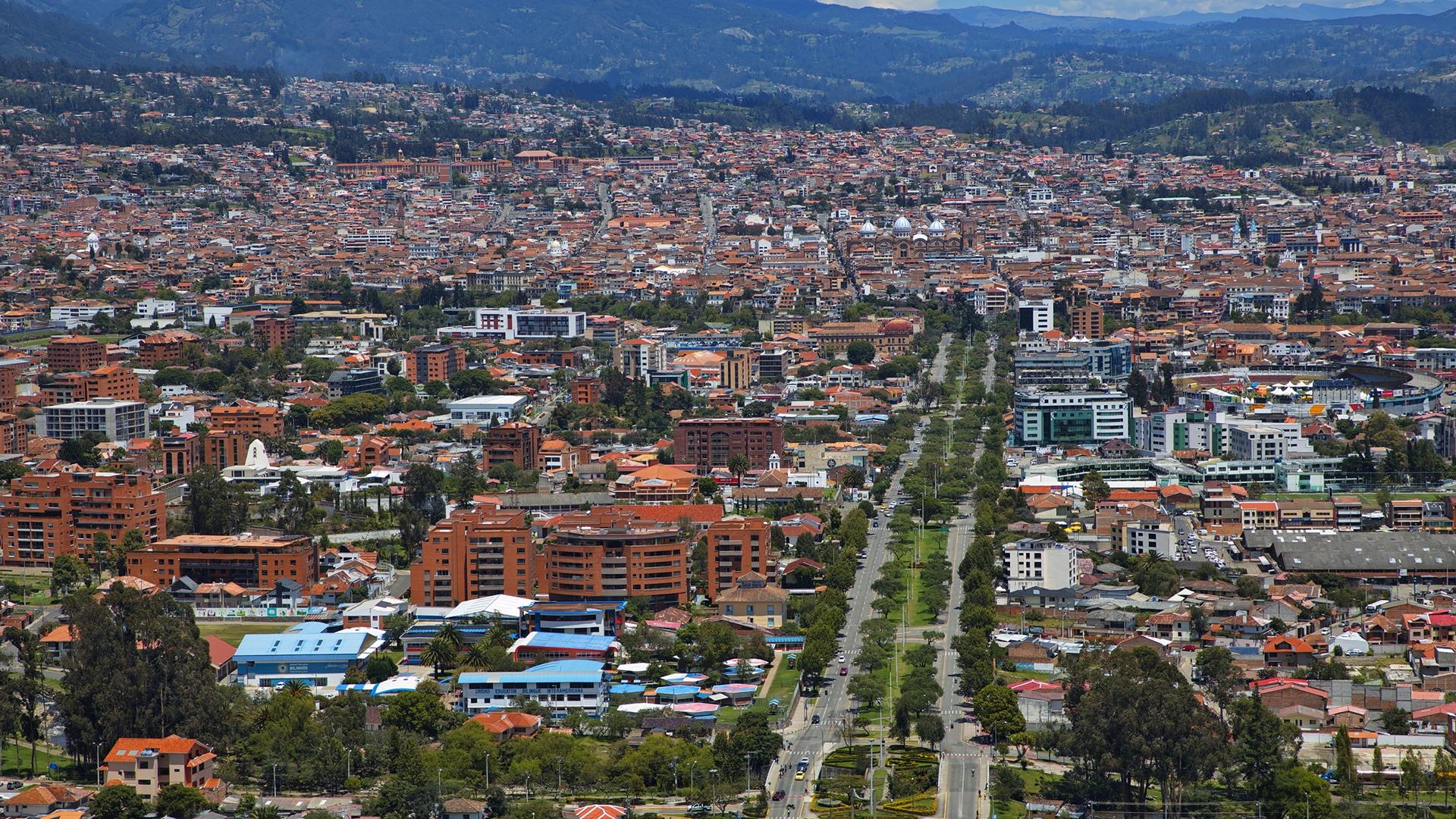
  • A rich cultural heritage and remarkable historic cities such as Quito and Cuenca.

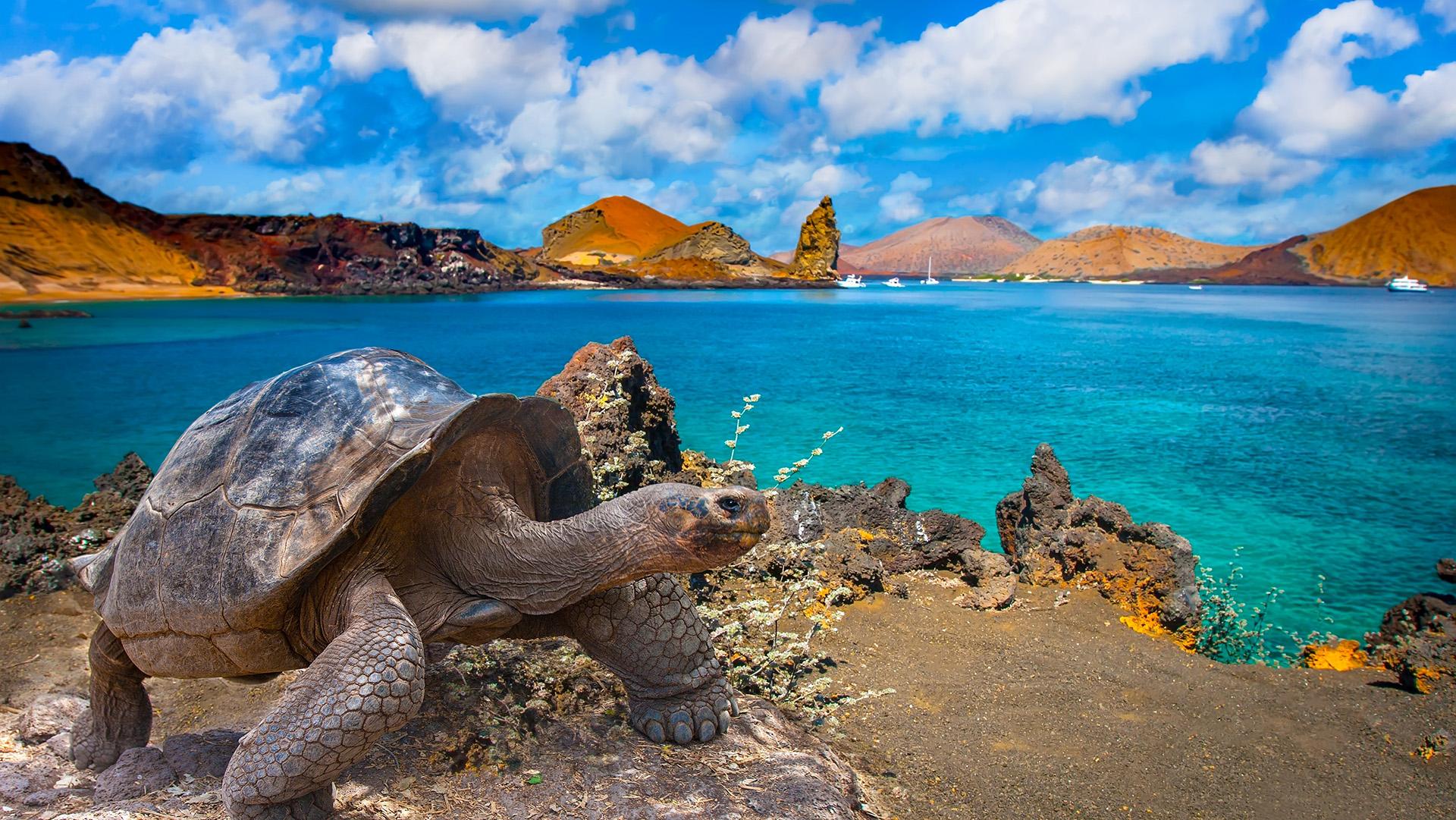
  • Gateway to the Galápagos Islands.
Keep in mind

  • Getting around can take time. Ecuador’s mountainous terrain can turn relatively short distances into journeys of several hours.

  • In Quito and the Andes, the altitude can take some getting used to, and some travellers may experience mountain sickness.

  • A visit to the Galápagos Islands can quickly increase the cost of a trip to Ecuador, with flights, accommodations, entrance fees, access charges, and excursions adding up.

Good to know

  • Ecuador is divided into four main travel regions: the Galapagos Islands, the Pacific coast, the Andes, and the Amazon.
  • To visit the Galapagos Islands, foreign visitors aged 13 and over must pay a US $200 entrance fee and obtain a US $20 Transit Control Card.
  • Weather conditions vary greatly across the country. It is recommended to pack for mountain climates, tropical heat, and rain, depending on your itinerary.
  • Albatross courtship displays are best observed in March and April on Española Island.
  • Humpback whales can be seen in the Bolívar Channel, between Isabela and Fernandina islands, from June to December, with peak sightings from July to October.

Frequently asked questions

Ecuador is a year-round destination, but the best time to visit depends largely on the regions you plan to explore. From June to September, conditions are generally drier in the Andes, making this a great time to visit Quito, Cuenca, and the country’s volcanoes. Along the Pacific coast, the warmer months from November to April are ideal for swimming. The Amazon remains hot and humid throughout the year. In the Galápagos Islands, the sea is typically warmer and calmer from December to May while June to November is especially favourable for observing marine life. Overall, May to November is a good period for travelling across several regions of Ecuador.

The bus network is one of the most efficient and affordable ways to travel across much of Ecuador. For longer distances, flying can be a good option, particularly between Quito and Guayaquil, and flying is essential for reaching the Galápagos Islands. In cities, travellers can easily use taxis, public transit, or ride-hailing services. When taking a taxi, ask the driver to use the meter or agree on the fare before setting off.

10 to 16 days

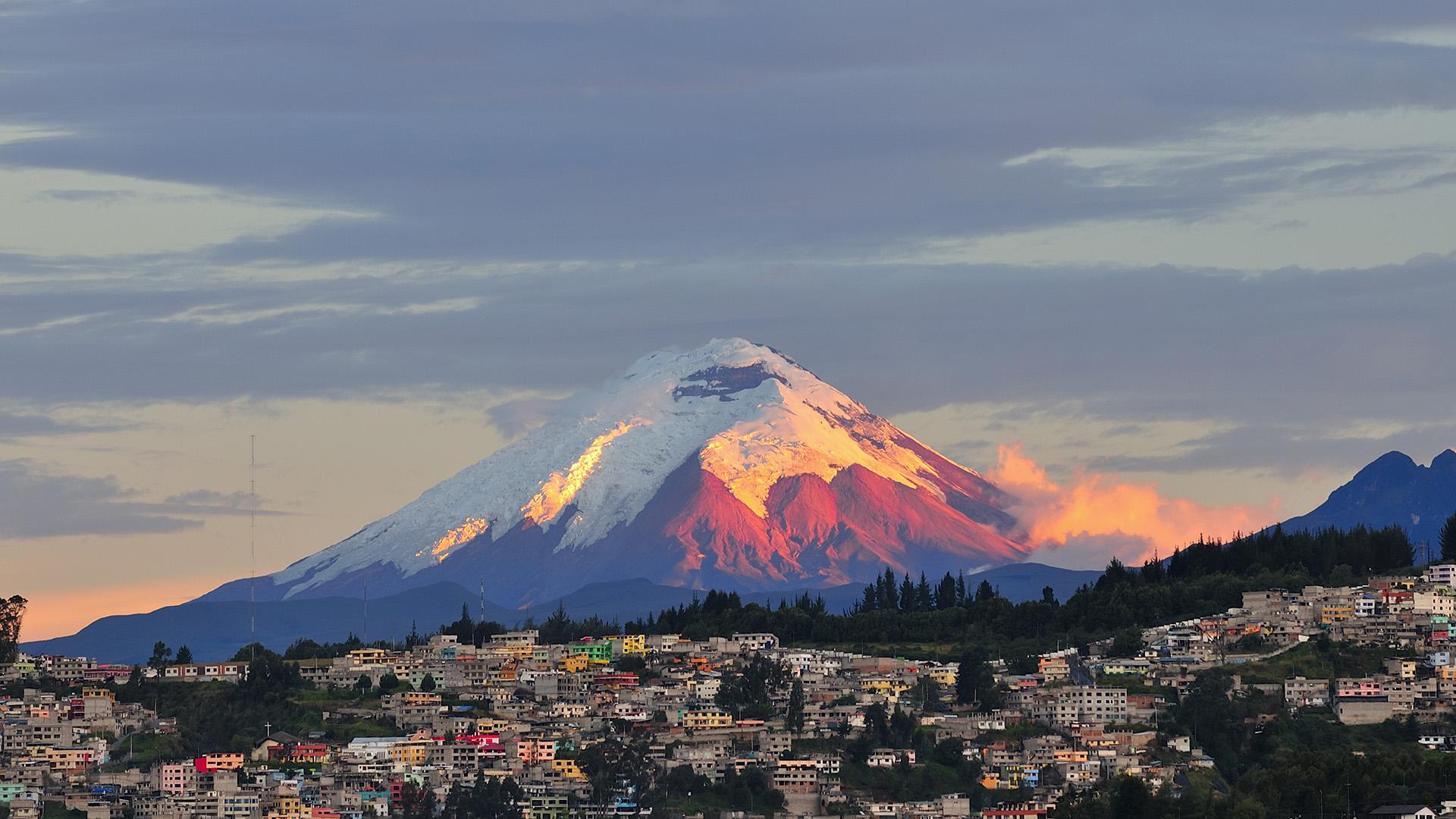
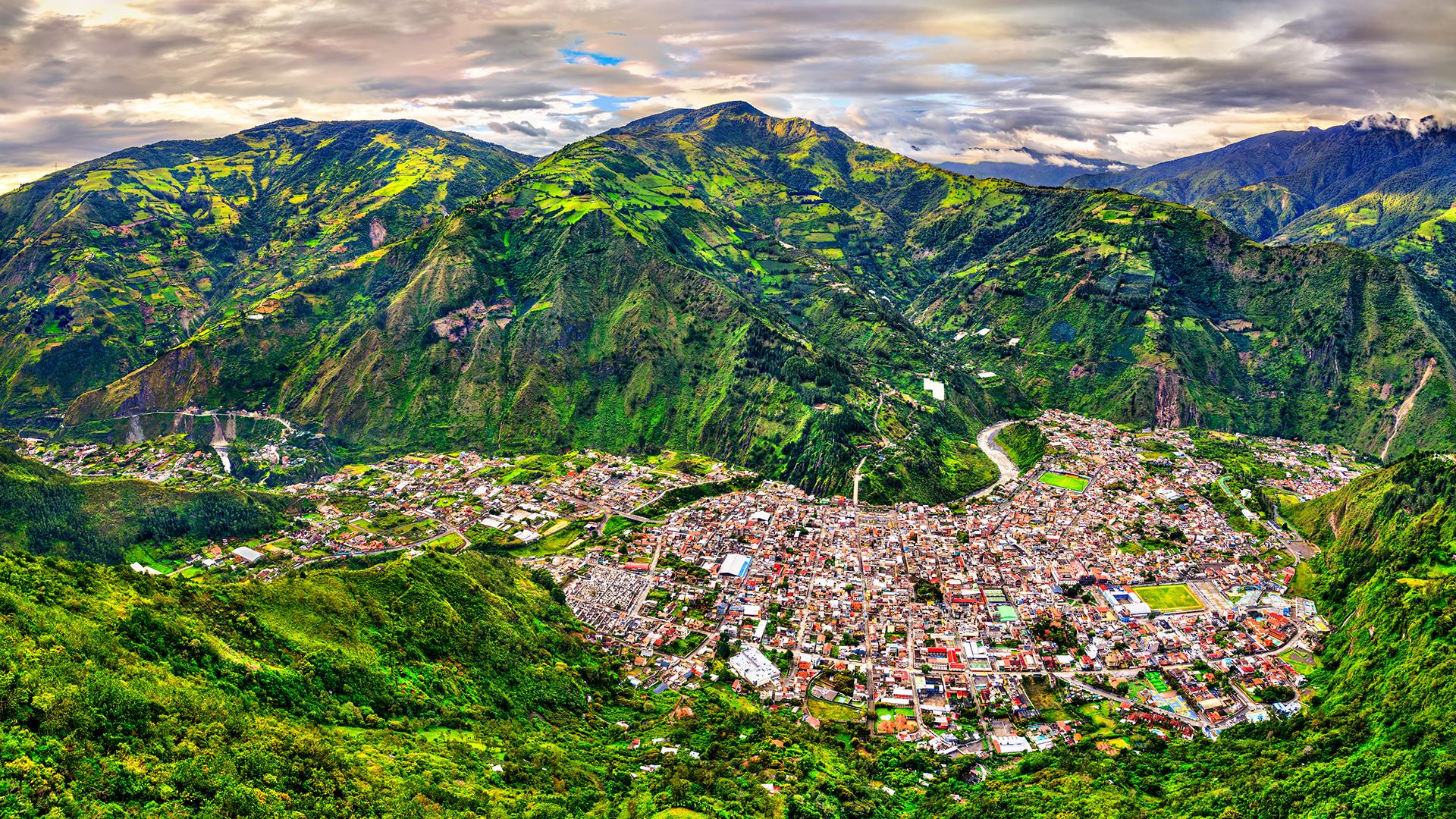
Ten days allow you to discover many of mainland Ecuador’s main highlights, including Quito, Cotopaxi, Quilotoa, Baños, and Cuenca. With the remaining days, you can add a stay in the Galapagos Islands.

  • Ecuador Carnival runs from late February to early March throughout the country. Colourful parades, floats, puppets, and traditional water, foam, and sometimes flour fights create a lively and festive atmosphere. Baños is especially well known for its celebrations.
  • Diablada de Píllaro occurs in early January in Tungurahua Province. This vibrant festival is known for its dramatic devil masks, elaborate costumes, and lively folkloric parades.
  • Inti Raymi runs from June 21 to 24, mainly in Otavalo and Cotacachi. Deeply rooted in Andean traditions, this Festival of the Sun celebrates the solstice, the harvest, and the cycle of nature. Communal feasts, ritual dances, traditional clothing, and offerings are central to the festivities.
  • Mama Negra takes place in September and November in Latacunga. This colourful celebration brings together religious, Indigenous, and mestizo traditions. Its main parade features the iconic Mama Negra, surrounded by musicians, costumed performers, concerts, and cultural activities.