
Benefit from personalized advice
Do you have questions about gas-powered or electric vehicles, driving, or need recommendations to find an Approved Auto Repair Service?
To contact our Mobility Advisory Services:
1-888-471-2424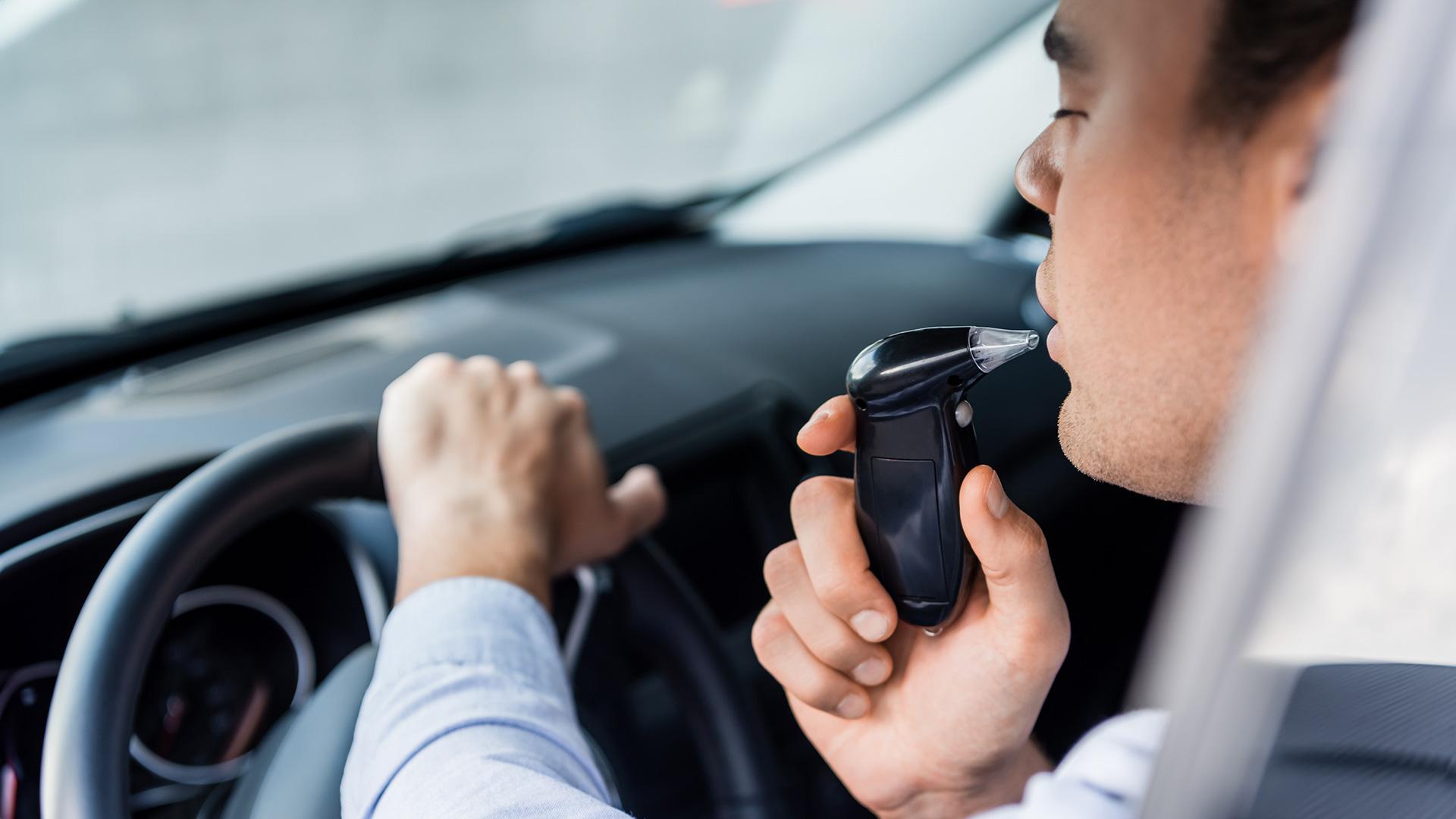
Can you drink a non-alcoholic beer while driving? Is it legal to flash your headlights to warn about a speed radar? We untangle common driving myths and road safety rules to help you avoid mistakes and violations of the Highway Safety Code of Quebec.
Yes—but it’s really not a good idea. In the event of a minor collision, a witness could notice the smell of beer. Because yes, even a 0.5% beer still smells like beer. That alone can raise suspicion related to impaired driving laws and zero tolerance alcohol expectations.
You may have to explain yourself at a police checkpoint, receive an unnecessary ticket and have consequences for your auto insurance. It’s best to stay cautious, even if a drink with less than 0.5% alcohol is not considered alcoholic. This way, you avoid wasting time on needless procedures.
Tip: Drink water. It’s the best way to quench your thirst behind the wheel and maintain your ability to drive safely.
No. In Quebec, it is illegal to have care or control of a vehicle while impaired by alcohol, starting at 8mg/100ml of blood. It is just as illegal to drive in that condition. This rule applies to everyone, including drivers aged 21 and under, who are subject to zero tolerance.
Simply put: You must not be in a situation where someone could believe you are about to start your vehicle. This includes having the keys within reach, having access to them, or sleeping in your car after drinking. In addition, no occupant of a road vehicle may consume alcoholic beverages inside it.
Yes and no. Even though the Highway Safety Code does not specifically provide a penalty, flashing headlights may still be considered illegal.
Tip: To avoid dazzling other drivers, dim your headlights when you are within 150 metres of another vehicle. Otherwise, you could face a fine.
No. Even at a red light, it is illegal to hold a cellphone or any portable electronic device in your hand. The law applies as soon as the vehicle is running, even if it is not moving. Simply checking a message or changing a song can lead to a ticket.
Tip: Use a phone mount (available at the CAA-Quebec Boutique) and activate hands-free driving mode before leaving. For any manual operation, wait until you are parked with the engine turned off.
Not always—but in most situations, yes. The law requires drivers to exercise increased caution toward more vulnerable road users, such as pedestrians and cyclists. You must stop your vehicle when a pedestrian enters or clearly shows their intention to enter a crosswalk.
Tip: Adopt defensive driving habits and slow down when approaching a pedestrian crossing, especially in school zones or residential areas. Use your turn signal, respect pedestrian crosswalk rules, and maintain proper stopping distance. You’ll avoid many misunderstandings … and incidents.
No. On Quebec highways, vehicle speed must be between 60 and 100km/h. Below that, you risk obstructing traffic; above that, you are breaking the law. For your safety and that of other road users, adjust your speed to weather conditions and road conditions.
Tip: Respect speed limits! Contrary to popular belief, a police officer can pull you over for speeding if you’re driving 117km/h on the highway.
No. In Quebec, hazard lights may only be used for safety reasons, such as:
Tip: To avoid confusion during heavy rain or fog, use low-beam headlights or fog lights instead. If visibility is truly reduced, take a break in a safe location.
No! The Highway Safety Code prohibits pedestrians from being on highways or access ramps. They may neither walk nor request a ride. Drivers are also prohibited from stopping on roads where the speed limit is 60km/h or higher, except in emergencies. In other words, hitchhiking is illegal—and picking up a hitchhiker is too.
Tip: Choose carpooling services, car-sharing, or rent a vehicle if you need to travel on a highway.
What seems harmless behind the wheel can sometimes lead to costly consequences, including accidents. Hopefully, these clarifications will help you better understand Quebec driving rules and adopt safer driving habits. Discover our our myths specific to summer driving as well.
Do you have questions about gas-powered or electric vehicles, driving, or need recommendations to find an Approved Auto Repair Service?