Who has the right of way when turning?

Updated on June 19, 2026
3 mins reading time
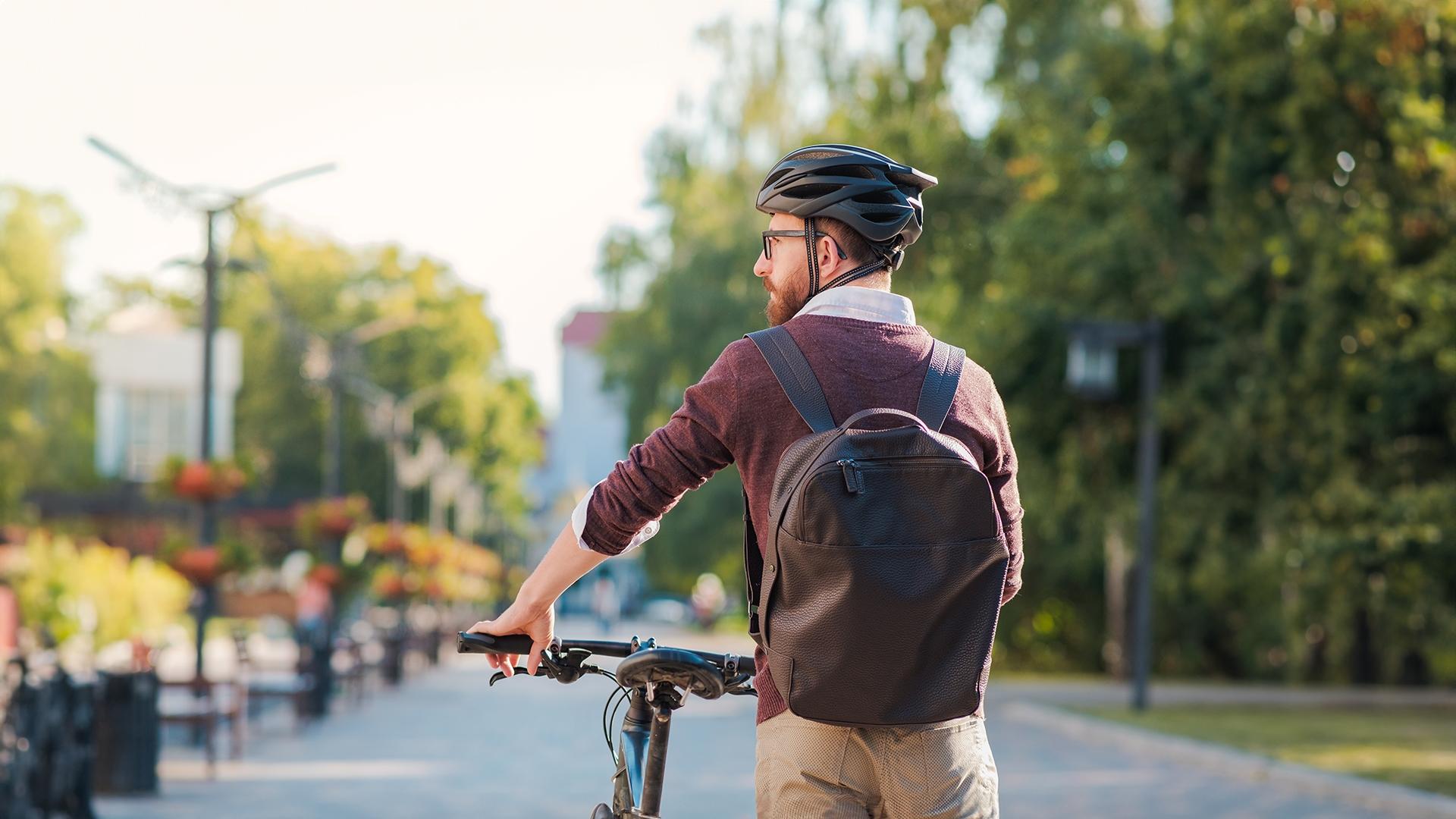
A man standing next to his bike looks to the left, seemingly wondering if it’s a good idea to cross.

When turning at an intersection, knowing who has the right of way ensures the safety of everyone involved —vehicles, cyclists and pedestrians alike. Here is a guide to help you understand the rules of the Highway Safety Code, including cyclists’ hand signals, common high-risk situations, and practical tips to reduce accidents.

1. Pedestrians and cyclists: Who has the right of way at intersections when turning?

Pedestrians always have the right of way at intersections when a vehicle is turning—this reflects the principle of protecting the most vulnerable road users—followed by cyclists. Under Section 349 of the Highway Safety Code, as the driver of a road vehicle, you must yield to pedestrians and cyclists crossing the roadway when making a turn at an intersection.

  • If a cyclist is going straight, they have the right of way over you and over other cyclists turning right.
  • If a cyclist is turning left, they must yield to oncoming traffic.

Good to know: Some intersections include pavement markings such as turning lanes, directional arrows, or bicycle pictograms. These visual markers indicate the path to follow and help all road users share the roadway more safely.

Pro tip

“If you are cycling, it is recommended that you cross the intersection in a straight line from the far right of the roadway, then complete your left turn. This method is particularly safe at busy intersections.”

Daniel FrappierSupervisor, CAA-Quebec Driving Schools

2. How to turn right on a red light safely

Before turning right at a red light:

  • Make sure the manoeuvre is permitted and safe, whether you are a driver or a cyclist. It is not allowed everywhere and is prohibited on the island of Montréal.
  • As a cyclist, you may find yourself between two lanes of traffic when the right lane is reserved for turning vehicles.

3. How to avoid blind spots and dooring collisions

Are you a driver?

  • Always check your vehicle’s blind spots before turning.
  • Open your door with your opposite hand for added safety.

Are you a cyclist?

  • Keep at least one metre of distance from parked vehicles to avoid collisions with opening doors.

4. What hand signals should cyclists use to indicate their intentions?

As a cyclist, here are the main hand signals you should use to communicate your intentions to other road users:

  • Right arm extended or left forearm bent upward: Right turn
  • Left arm extended: Left turn
  • Left forearm bent downward: Stop

Drivers, always maintain eye contact with cyclists to understand their intentions and anticipate their movements.

5. Safe turning in school zones, construction zones and at intersections

Certain situations call for extra vigilance when turning left or right:

  • In a school zone: extra caution is required. Children can appear unpredictably, especially at drop-off and pick-up times.
  • Near a road construction zone: temporary signage takes precedence. Follow the instructions on signs and from flaggers carefully, even if they differ from standard traffic rules.

6. What are the most common high-risk situations at intersections?

Certain intersections or behaviours increase the risk of accidents:

  • Busy intersections: Multiple lanes, multiple traffic lights, and simultaneous movement of vehicles and cyclists.
  • Right turn on a red light: Cyclists and pedestrians may be in the vehicle’s path.
  • Right lane reserved for turning: A cyclist going straight may find themselves between two lanes of traffic.
  • Vehicles parked along the side of the road: Unexpected door openings or cyclists riding too close.
  • Blind spots: cyclists are less visible, especially when making a quick turn.

For greater safety, stay alert and always anticipate these situations to avoid collisions and protect all road users.

Do you have questions about gas-powered or electric vehicles, driving, or need recommendations to find an Approved Auto Repair Service?

To contact our Mobility Advisory Services:
1-888-471-2424