12 tips to extend the life of your vehicle

Today’s vehicles— gas-powered and electric alike—can travel up to 300,000km without major repairs when properly maintained. Good daily habits often make all the difference when it comes to keeping your car longer, reducing premature wear, and avoiding costly breakdowns. Here are 12 effective tips to extend the life of your vehicle.
1) Follow the manufacturer’s maintenance schedule
The best way to extend the life of your vehicle is to keep your manufacturer’s warranty valid and follow the recommended maintenance schedule. Oil changes, filter replacements, brake inspections, fluid checks, and other preventive maintenance items are listed by time or mileage.
This follow-up is especially important during the warranty period. Afterward, tailor your maintenance to your driving reality: city driving, short trips, gravel roads, towing, or long highway journeys.
Tip: Consult your owner’s manual for maintenance tips and the recommended replacement intervals for fluids (oil, coolant, and other EV fluids) and filters.
2) Act quickly on dashboard warning lights
A dashboard warning light should never be ignored. The check engine light, ABS, battery, or temperature alerts can signal a minor issue—or an urgent one.
Refer to your owner’s manual to understand the message and determine whether a quick visit to the repair shop—or even a tow—is needed.
Good to know: If a warning light stays on for too long, a new problem could go unnoticed, since your indicator will already be lit.
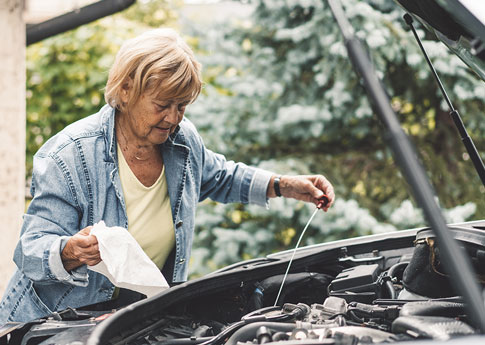
3) Check fluids and have your vehicle inspected
4) Wash your vehicle regularly
A clean vehicle lasts longer! Winter or summer, wash your car regularly. Keep the body clean and rinse the wheels, trim, and undercarriage thoroughly with a high-pressure jet of water. Pay special attention to the undercarriage, where dirt and road salt tend to build up in winter.
Tip: At an automatic car wash, choose the option that includes an undercarriage wash.
5) Apply car wax twice a year
Car wax protects the paint, makes cleaning easier, and helps prevent dirt from sticking. Two applications a year, ideally in spring and fall, can help preserve a better finish. Always follow the manufacturer’s instructions.

“Avoid applying wax in direct sunlight or on a warm body panel. Heat causes the product to dry too quickly, making it harder to buff off and leaving streaks. For best results, apply wax in the shade on a cool surface and follow the recommended drying time.”
6) Get a rust-proofing treatment
A rust-proofing treatment can help slow corrosion and extend the life of your vehicle, especially in Quebec where road salt is heavily used in winter. Late summer and early fall are often good times to apply it, but it’s never too late to start. CAA-Quebec members also benefit from a discount on a complete rust-proofing treatment.
Is your dealership telling you that a rust-proofing treatment is not recommended for your electric vehicle, or that it could void the manufacturer’s warranty? Take the time to verify this in your owner’s manual. If there’s an issue, it will be up to the manufacturer to prove that the rust-proofing treatment was the cause.
7) Lubricate rubber weather seals
The rubber weather seals on doors, the trunk, and the hatch can dry out, harden, or crack over time. Lubricating them helps prevent water infiltration, wind noise, and doors frozen shut, particularly during freezing rain.
Apply an automotive-grade lubricant twice a year, ideally at the change of seasons.
Tip: Choose a product specifically designed for automotive rubber weather seals.
8) Maintain your vehicle’s brakes
Have the braking system on your gas or electric vehicle inspected at least once a year. This allows you to check brake pad wear, rotor condition, and proper brake caliper function.
Electric vehicle brakes experience less wear due to regenerative braking technology, which makes regular maintenance all the more important.
Good to know: Without regular maintenance, any issues that arise could offset the fuel savings you’ve realized with your electric vehicle.
9) Monitor your electric vehicle’s air-conditioning system
On many electric vehicles, the air-conditioning system does more than cool the cabin—it also contributes to battery thermal management. A malfunction can affect battery performance or longevity. Have any air-conditioning issues checked promptly.
10) Use an engine block heater in winter
An engine block heater makes cold-weather starts easier and improves comfort. It can also reduce fuel consumption by approximately 15% over the first 20 kilometres. In extreme cold, cold starts are harder on mechanical components. Oil flows less freely and the engine works harder.
11) Install quality auto parts
When repairs are needed, opt for quality parts rather than the cheapest options. Quality auto parts can last longer and better protect your vehicle’s other components.
You can also choose used or reconditioned parts (with a warranty!) from reputable suppliers.
Tip: keep all maintenance, repair, and parts purchase receipts—new or used. This can make a future sale much easier.
12) Choose a vehicle known for its reliability
When shopping for a vehicle—new or used—look for makes and models with a proven reliability record. Consult CAA-Quebec’s Mobility Advisory Services or annual reliability surveys on the subject.
Good to know: CAA-Quebec’s road tests give you unbiased opinions from our specialists.
To extend the life of your vehicle, focus on regular maintenance, prevention, and quick action when something seems off. A few good habits can go a long way toward keeping your car in good shape for the long term.