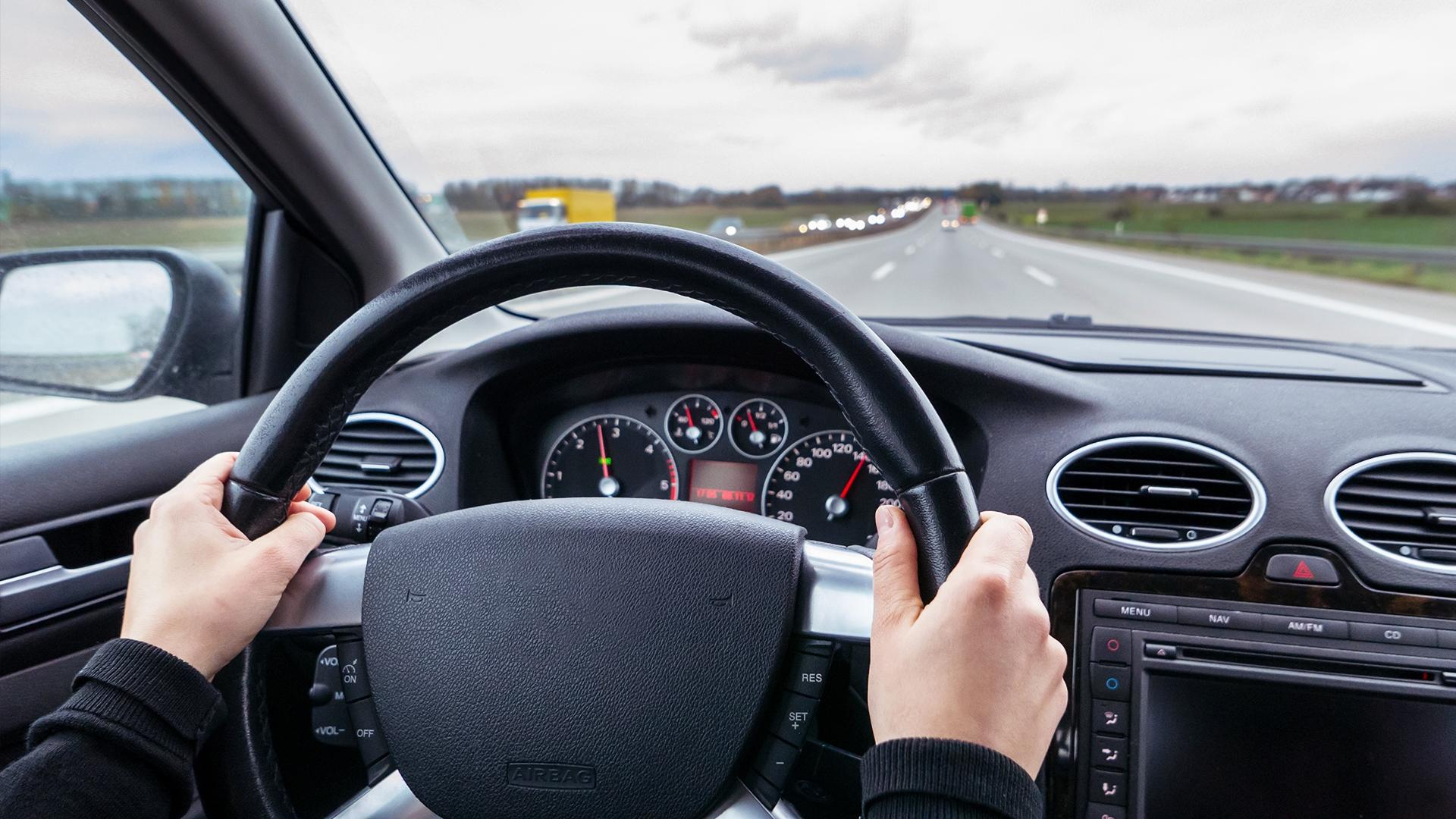
A warning light just appeared on your car’s dashboard? It could signal a simple reminder or a critical problem that needs immediate attention. Understanding what each dashboard icon means can help you avoid major car breakdowns or even accidents. Here’s how to decode the main dashboard warning lights, whether they’re red, orange, yellow, green, or blue.
What are the main dashboard warning lights?
Charging system
Colour
Red
Meaning The battery light may indicate a problem with the battery or the charging system. It could also mean a loose or broken alternator drive belt.
Risks If this system fails, all electrical assistance could stop working, greatly increasing the risk of an accident.
What to do
Turn off electrical accessories (radio, heater, air conditioning) or reduce their use.
Pull over as soon as possible in a safe place.
Have your vehicle towed to an auto repair shop.
Coolant temperature
Colours
Red
Orange (some models)
Blue (some models)
Meaning The thermometer-in-liquid icon means the coolant temperature is too high or there’s a coolant leak. It could also point to a faulty thermostat, sensor, or water pump. If the light is blue, it means the engine hasn’t reached optimal temperature yet—accelerate gradually.
Risks
Engine overheating
Blown head gasket
Excessive fuel consumption
Premature wear of internal engine components
What to do
Stop the vehicle safely.
Turn off the engine and let it cool down (never open the radiator cap while hot).
Check the coolant level in the reservoir and top up if needed.
Tow your vehicle if necessary. A professional mechanic should inspect it to identify the cause.
Engine oil pressure
Colour
Red
Meaning The oil can icon signals insufficient engine oil pressure.
Risk
Engine damage
What to do
Stop in a safe place immediately.
Turn off the engine.
Once it cools, check the oil level and add more if needed.
If the light stays on after restarting, turn off the engine right away and have the car towed to a repair shop.
Brake system
Colours
Red
Orange
Meaning A red circle with an exclamation mark means brake system failure. Often caused by low brake fluid or reduced brake pressure. It may also mean the parking brake is on, stuck, or the brake pads are worn out.
Risks
Overheating brakes
Accelerated brake pad wear
Increased braking distance
Damaged brake discs
Wheel lockup
Brake failure
Loss of vehicle control
What to do
Press the brake pedal firmly and observe its response.
Engage and release the parking brake.
If the brake light stays on, stop your vehicle and check the brake fluid level.
If there’s a leak, have your car towed or visit a mechanic quickly. A professional can check for damaged brake hoses or faulty components like a brake caliper.
Hood, trunk, or door open
Colours
Red
Orange (some models)
Meaning These icons appear if a door, the hood, or the trunk is not properly closed.
Risks
Hood: reduced visibility, windshield damage
Trunk: lost objects, danger to other drivers
Door: danger to passengers, noise, exhaust gas entering the cabin
What to do
Stop in a safe place.
Close the hood properly.
If the light stays on, have it checked by a professional.
Yellow and green warning lights
These warning lights indicate major issues related to passenger safety. They also draw the driver’s attention to potentially dangerous situations.
Seat belt
Colours
Yellow
Red
Meaning The seated figure with a belt lights up if the seat is occupied but the seat belt isn’t fastened.
Risks
Serious injury or death in the event of an accident or sudden braking
What to do
Always fasten your seat belt properly.
Airbag system
Colours:
Yellow
Red
Meaning The airbag icon signals a malfunction in the supplemental restraint system (SRS), including airbags or seat belt pretensioners.
Risks
Airbags won’t deploy in a collision
Airbags may deploy unexpectedly
Seat belts may lose tension support
What to do
Contact your dealer or mechanic as soon as possible.
Check engine light (Malfunction indicator)
Colours
Yellow
Red
Meaning The engine-shaped icon indicates an emissions control system malfunction.
Risks
Poor emissions control
Increased fuel consumption
Catalytic converter damage
Loss of engine power
What to do
If steady: Ensure the gas cap is tightened until it clicks. If the light remains there, visit a repair shop.
If flashing: Stop the vehicle in a safe spot and have it towed to the nearest garage.
Tire pressure monitoring system (TPMS)
Colours
Yellow
Orange
Meaning The exclamation mark inside a tire means one or more tires have low air pressure.
Check your tire pressure (keep a tire gauge in your car).
Inflate the affected tire(s) as needed.
Some vehicles display tire pressure directly on the onboard computer.
Electric power steering (EPS)
Colours
Yellow
Orange
Red (some models)
Meaning A steering wheel with an exclamation mark signals a problem with the power steering system.
Risks
Difficult manoeuvring
Steering wheel lock
Loss of control
What to do
Have your vehicle towed to the nearest repair shop. A mechanic must diagnose the issue.
Anti-lock braking system (ABS)
Colours
Yellow
Orange
Meaning The ABS letters inside a circle mean the anti-lock braking system is malfunctioning or deactivated. Basic brakes still work, but without ABS assistance.
Risks
Wheel lockup
Loss of traction
Loss of control
What to do
Avoid hard braking if possible. In an emergency, brake just before the wheels lock.
Visit your vehicle’s manufacturer/dealer or mechanic immediately to fix the ABS system.
Winter mode
Colours
Yellow
Orange
Blue (some models)
Meaning The snowflake on a road icon signals possible dangerous road conditions when the temperature drops below freezing. In most vehicles, this light turns on when it falls below 4°C.
Risks
Reduced traction
Loss of control
Hydroplaning
Longer braking distances
What to do
Drive cautiously in winter conditions and equip your car with winter tires when the time comes (the earlier the better).
Electronic stability control (ESC)
Colours
Yellow
Orange
Green (some models)
Blue (some models)
Red (some models)
Meaning
Depending on the colour, the car-with-squiggly-lines icon means ESC is active, off, or malfunctioning. ESC improves traction and stability to reduce skidding risks.
Risks
Skidding on rain, snow, ice, or gravel
Loss of vehicle control
What to do
If steady: Ease off the accelerator to regain traction.
If flashing: The traction control system (ESC, TCS) is actively correcting a loss of grip.
What do the dashboard light colours mean?
Red lights
Immediate danger (low oil, overheating engine, brake failure, etc.). Stop safely, have the car towed if needed, and get it inspected by a professional mechanic.
Issues that need attention soon (engine, windshield washer fluid, low tire pressure). You can still drive your vehicle briefly, but ignoring them increases risks. However, these situations can be dangerous if you decide not to deal with them.
Green or blue lights
Information or activated functions (high beams, cruise control, eco-driving mode). No need to worry—you can keep driving safely.
What if you don’t recognize a warning light?
Dashboard warning lights vary by car model. If you don’t recognize a symbol: