Highlights
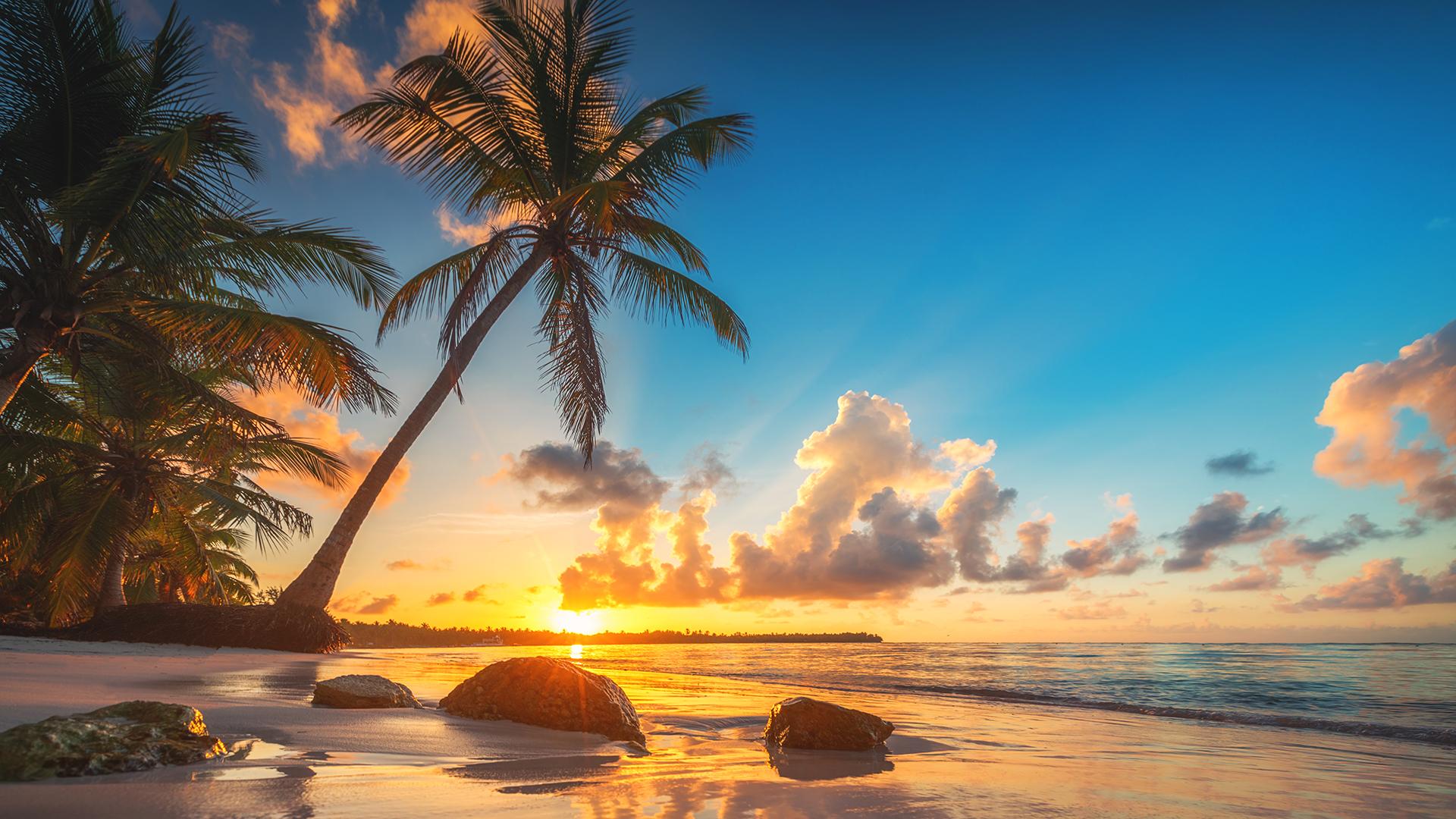
Stunning white-sand beaches and turquoise waters.
Flavourful cuisine with tropical influences.
Warm, hospitable nature of the Dominican people.
Spectacular golf courses between sea and mountains.


Spanish is the official language of the Dominican Republic.
English is widely spoken in tourist areas.
Direct flight: 4h30
Connecting flight: 7h to 12h (depending on connection times)
Dominican Republic time zone: UTC-4
1h ahead of Quebec (EST)
0h ahead of Quebec (EDT)
Dominican peso (DOP)
Credit cards are widely accepted in hotels, restaurants, and shops in tourist areas. The US dollar is often accepted, but the Dominican peso is recommended for small purchases, taxis, local markets, and rural areas. Canadian dollars can be exchanged, or pesos withdrawn, at hotel exchange counters.
A 10% service charge is often added to restaurant bills, but an extra tip is always appreciated. In hotels, tipping USD $1–$2 (around 100 pesos) for porters or staff is customary. For drivers and tour guides, a 5%–10% tip is appreciated. Rounding up the fare is common when paying for taxis.
Travellers should remain vigilant in the Dominican Republic, as tourists can be targets for petty theft. Avoid displaying valuables, and use the hotel safe. It is recommended to not walk alone at night, to use official taxis, and to never leave drinks unattended in bars or nightclubs.
Zika virus and dengue fever are present. Using insect repellent and wearing protective clothing in high-risk areas is advised. Pregnant women should take extra precautions.
Before any foreign trip, visit the Government of Canada’s Dominican Republic Travel Advice page to find out about the current situation in the country.


Considered the most beautiful beach in the Dominican Republic, Bahía de las Águilas stretches for eight kilometres of pristine white sand beside dazzling turquoise waters. Preserved in its wild state and accessible only by boat or 4x4, it offers peaceful escapes, snorkelling, and encounters with marine life.

Nestled at 1200 metres in the Cordillera Central mountain range, Constanza stands out for its refreshing climate and lush, mountainous landscapes. An important agricultural hub for the country, the village invites visitors to enjoy scenic hikes, discover cascading waterfalls, and explore vibrant local farmers markets.

Bordering Haiti, the coastal region of Monte Cristi charms travellers with its unique landscapes and dry climate. Preserved and striking, its scenery ranges from golden-sand beaches to cliffs and mangroves of El Morro National Park. History lovers will enjoy the town centre and its historic landmarks.

Located on the northeast coast of the Dominican Republic, Los Haitises National Park invites nature lovers on a boat excursion to discover its mangroves, caves adorned with petroglyphs, tropical forests, and spectacular limestone islets. A refuge for seabirds, this natural jewel never fails to impress.
Considered the most beautiful beach in the Dominican Republic, Bahía de las Águilas stretches for eight kilometres of pristine white sand beside dazzling turquoise waters. Preserved in its wild state and accessible only by boat or 4x4, it offers peaceful escapes, snorkelling, and encounters with marine life.
Nestled at 1200 metres in the Cordillera Central mountain range, Constanza stands out for its refreshing climate and lush, mountainous landscapes. An important agricultural hub for the country, the village invites visitors to enjoy scenic hikes, discover cascading waterfalls, and explore vibrant local farmers markets.
Bordering Haiti, the coastal region of Monte Cristi charms travellers with its unique landscapes and dry climate. Preserved and striking, its scenery ranges from golden-sand beaches to cliffs and mangroves of El Morro National Park. History lovers will enjoy the town centre and its historic landmarks.
Located on the northeast coast of the Dominican Republic, Los Haitises National Park invites nature lovers on a boat excursion to discover its mangroves, caves adorned with petroglyphs, tropical forests, and spectacular limestone islets. A refuge for seabirds, this natural jewel never fails to impress.
Stunning white-sand beaches and turquoise waters.
Flavourful cuisine with tropical influences.
Warm, hospitable nature of the Dominican people.
Spectacular golf courses between sea and mountains.
The sand on Puerto Plata’s beaches is brown rather than white, and seaweed is often present.
Road conditions can be poor; booking a guided excursion with a driver is recommended over renting a car.

La bandera Dominicana, meaning “the Dominican flag,” is the country’s national dish. It features fluffy white rice; stewed red beans; and tender, seasoned chicken. Simple, balanced, and flavourful, it is enjoyed daily throughout the Dominican Republic.

Dominican sancocho is a hearty stew made with a variety of meats (chicken, beef, pork, etc.) simmered in a thick, golden broth of root vegetables such as cassava and sweet potato. Corn and plantains are often added, then the stew is seasoned with coriander, garlic, and lime.

Mangú is the star of the Dominican breakfast. This rich, creamy mashed green plantain dish is served with pickled onions, fried cheese, sunny-side-up eggs, and salami. This mix of local flavours beautifully captures the warmth and generosity of the island’s cuisine.

A staple of Dominican cuisine, tostones are slices of green plantain that are smashed and fried twice to achieve a crispy exterior and a tender interior. Lightly salted, they pair perfectly with fish, meats, and local sauces.

The bizcocho dominicano is traditional Dominican cake that has a light, soft texture and a rich golden colour. Filled with pineapple or guava jam or dulce de leche and topped with airy meringue, it practically melts in your mouth. It’s a must at Caribbean celebrations.
La bandera Dominicana, meaning “the Dominican flag,” is the country’s national dish. It features fluffy white rice; stewed red beans; and tender, seasoned chicken. Simple, balanced, and flavourful, it is enjoyed daily throughout the Dominican Republic.
Dominican sancocho is a hearty stew made with a variety of meats (chicken, beef, pork, etc.) simmered in a thick, golden broth of root vegetables such as cassava and sweet potato. Corn and plantains are often added, then the stew is seasoned with coriander, garlic, and lime.
Mangú is the star of the Dominican breakfast. This rich, creamy mashed green plantain dish is served with pickled onions, fried cheese, sunny-side-up eggs, and salami. This mix of local flavours beautifully captures the warmth and generosity of the island’s cuisine.
A staple of Dominican cuisine, tostones are slices of green plantain that are smashed and fried twice to achieve a crispy exterior and a tender interior. Lightly salted, they pair perfectly with fish, meats, and local sauces.
The bizcocho dominicano is traditional Dominican cake that has a light, soft texture and a rich golden colour. Filled with pineapple or guava jam or dulce de leche and topped with airy meringue, it practically melts in your mouth. It’s a must at Caribbean celebrations.


For warm, sunny weather, the best time to visit the Dominican Republic is from December to April, during the dry season. Temperatures are warm without being overwhelming, making it ideal for beach time and excursions.
From May to October, the weather remains pleasant, but rainfall is more frequent as it is the wet season.
The hurricane season, from September to October, is best avoided, as is early January, which is often rainy.
The easiest way to get around in the Dominican Republic is by booking organized excursions. This allows you to explore the country with peace of mind. Renting a car is not recommended because of fast driving habits and variable road conditions. Guaguas—small vans running fixed routes—offer inexpensive transportation. However, they are popular with locals and are often crowded.
10 to 14 days.
This time frame is ideal for exploring beaches, the mountains of Jarabacoa, colonial towns, tropical forests, and the island’s major cities at a relaxed pace.
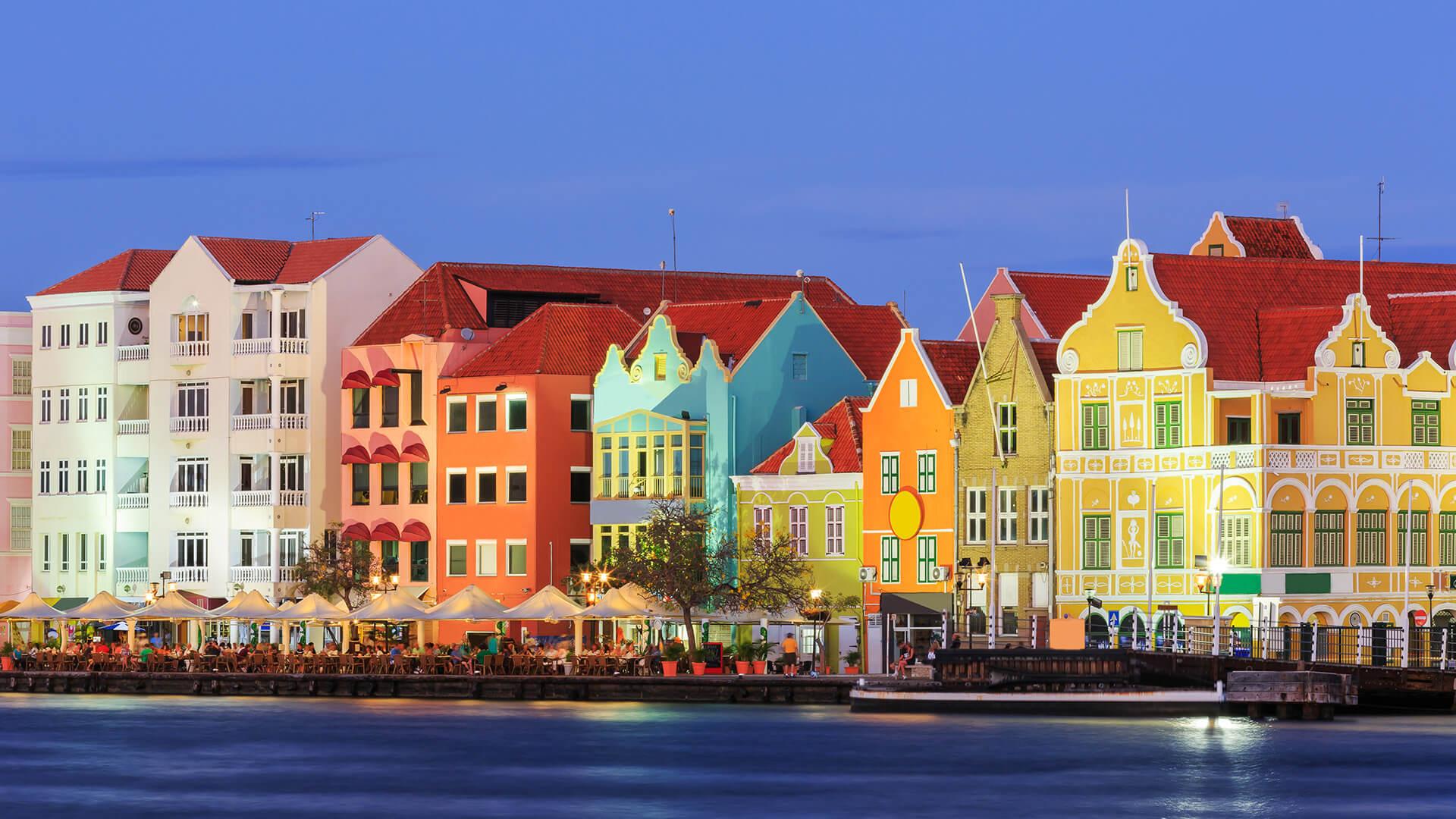

Panama Canal and the Caribbean
Departures: Mar 07, 2027, Feb 13, 2028 + 2 other dates
Price from $6,959 $6,884
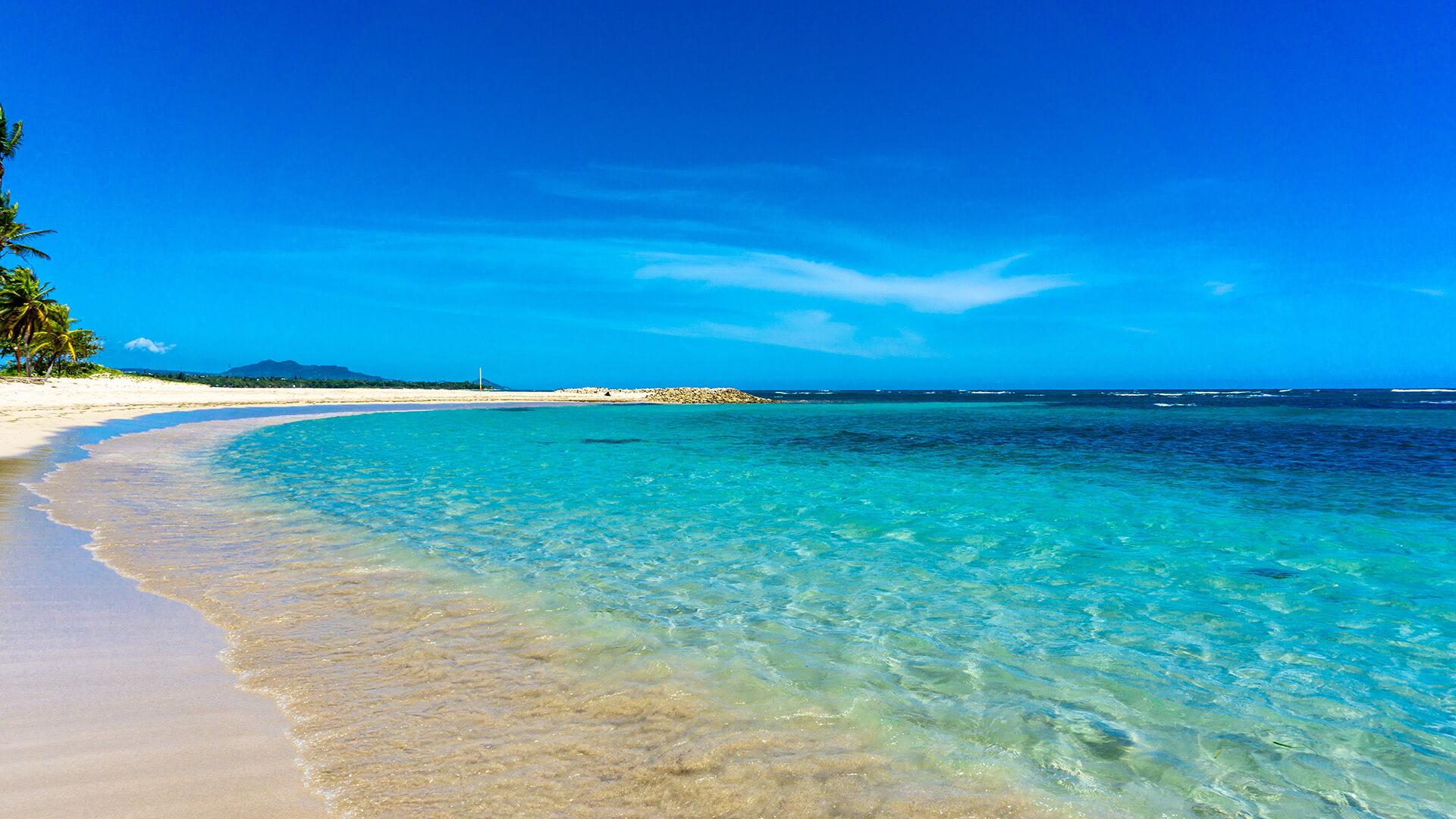
Caribbean
Departures: Mar 20, 2027, Apr 10, 2027 + 2 other dates
Price from $4,999 $4,924
.jpg&w=3840&q=75)
Caribbean
Departure: Mar 31, 2027
Price from $5,559 $5,484
Travel in complete peace of mind.
Fast, compliant and guaranteed service.
Useful for driving abroad.
Online application service.
Double-check the rules before you travel.
Suitcases, anti-theft bags, and more!
Create your personalized travel itinerary.
Road guides and road maps.
The world is full of wonders waiting to be discovered. After exploring the beauty of the Dominican Republic, let yourself be captivated by new places that promise unforgettable experiences.


