Highlights
- Laid-back lifestyle, Rastafari culture, and reggae heritage.
- Warm, sunny weather all year round.
- Flavourful and spicy local cuisine.
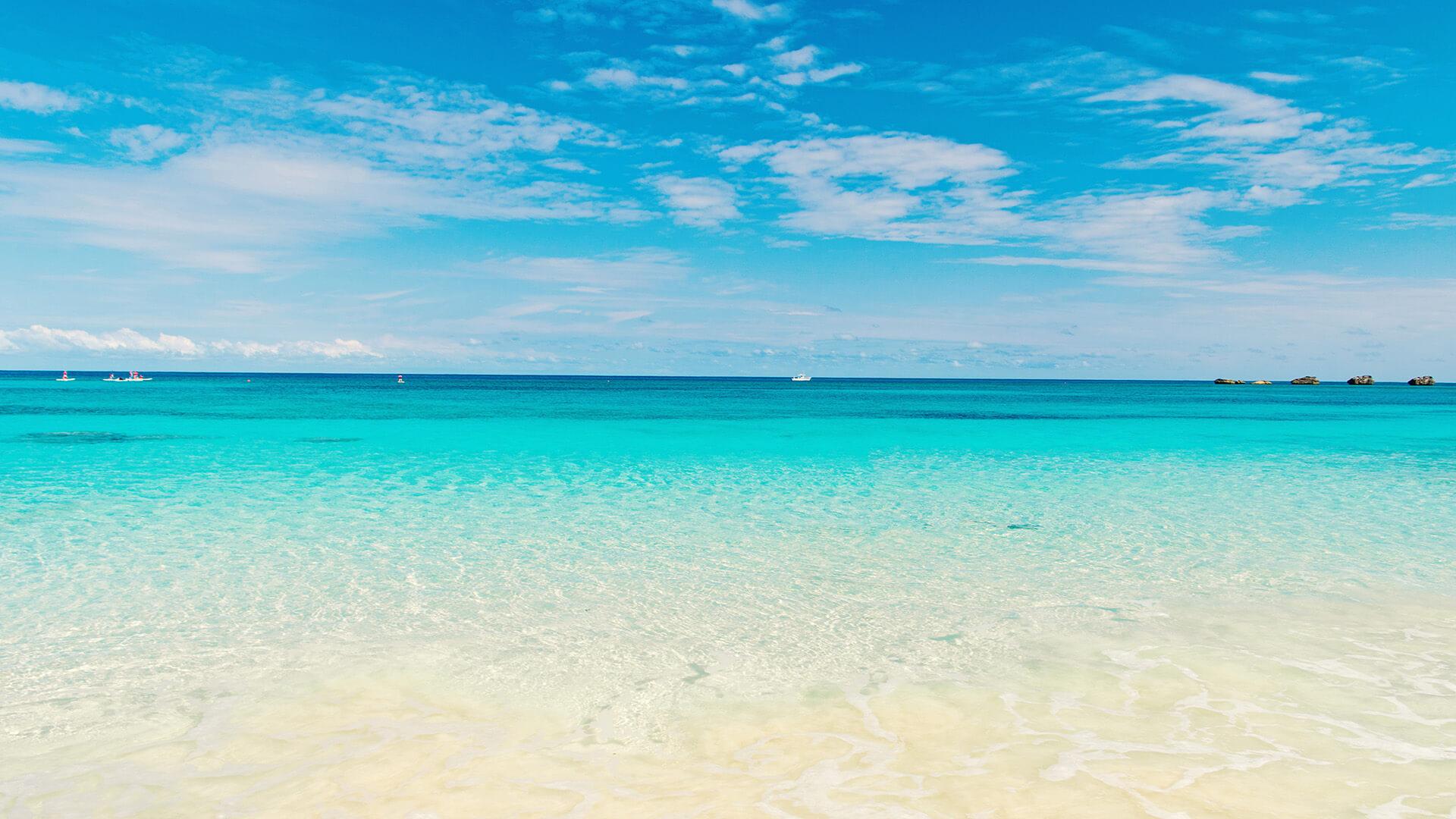
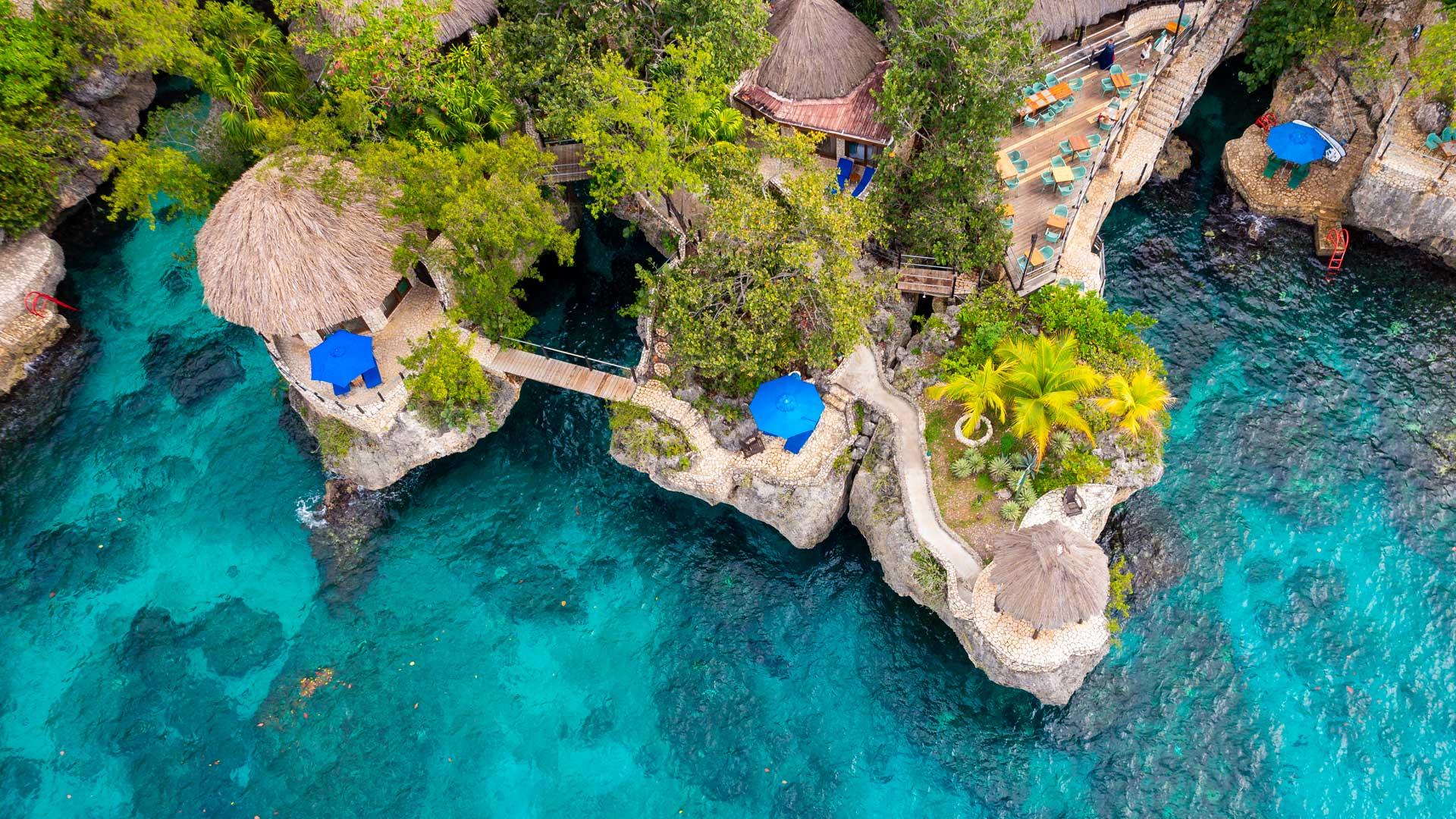
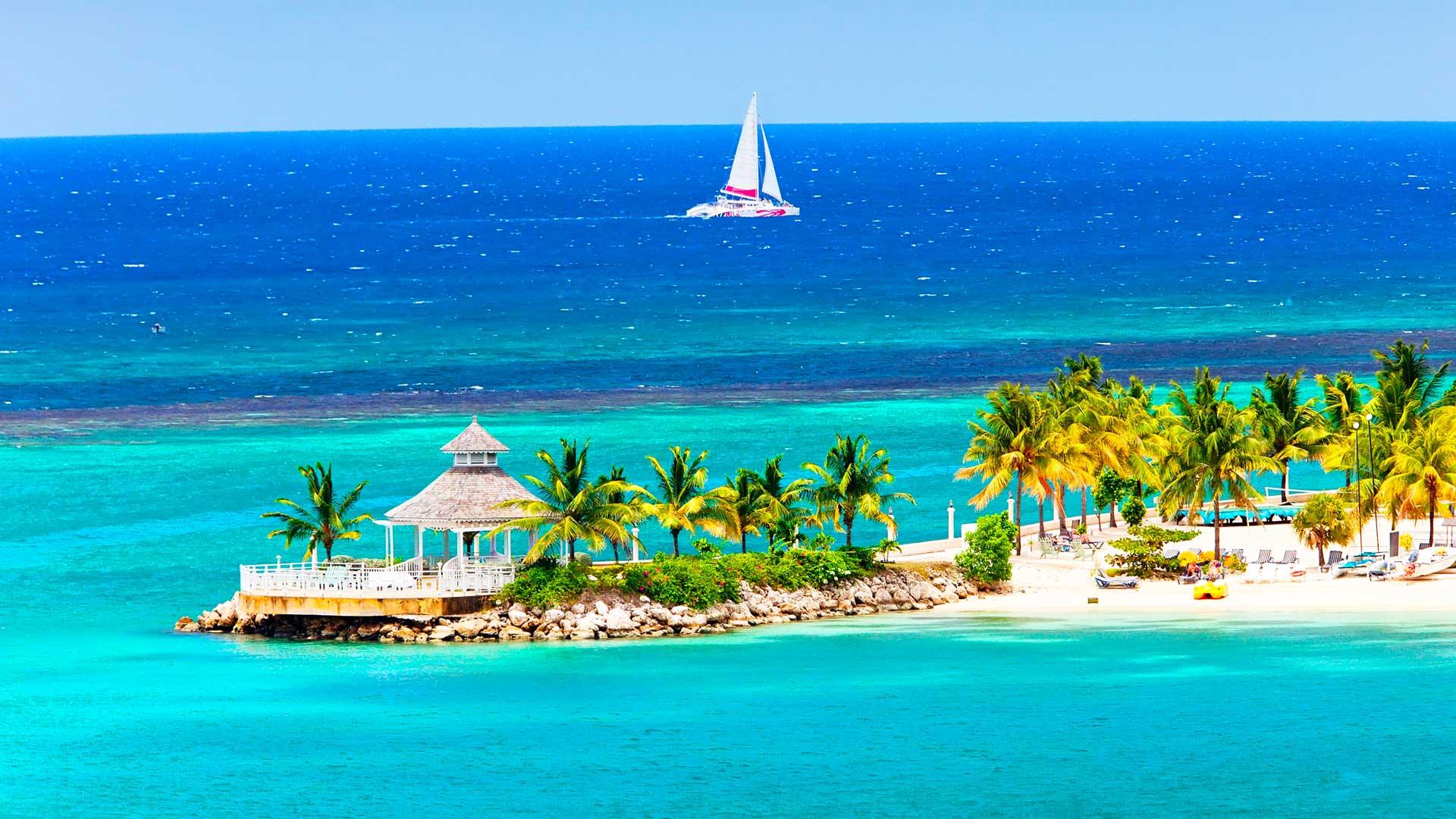
- White-sand beaches and turquoise Caribbean waters.
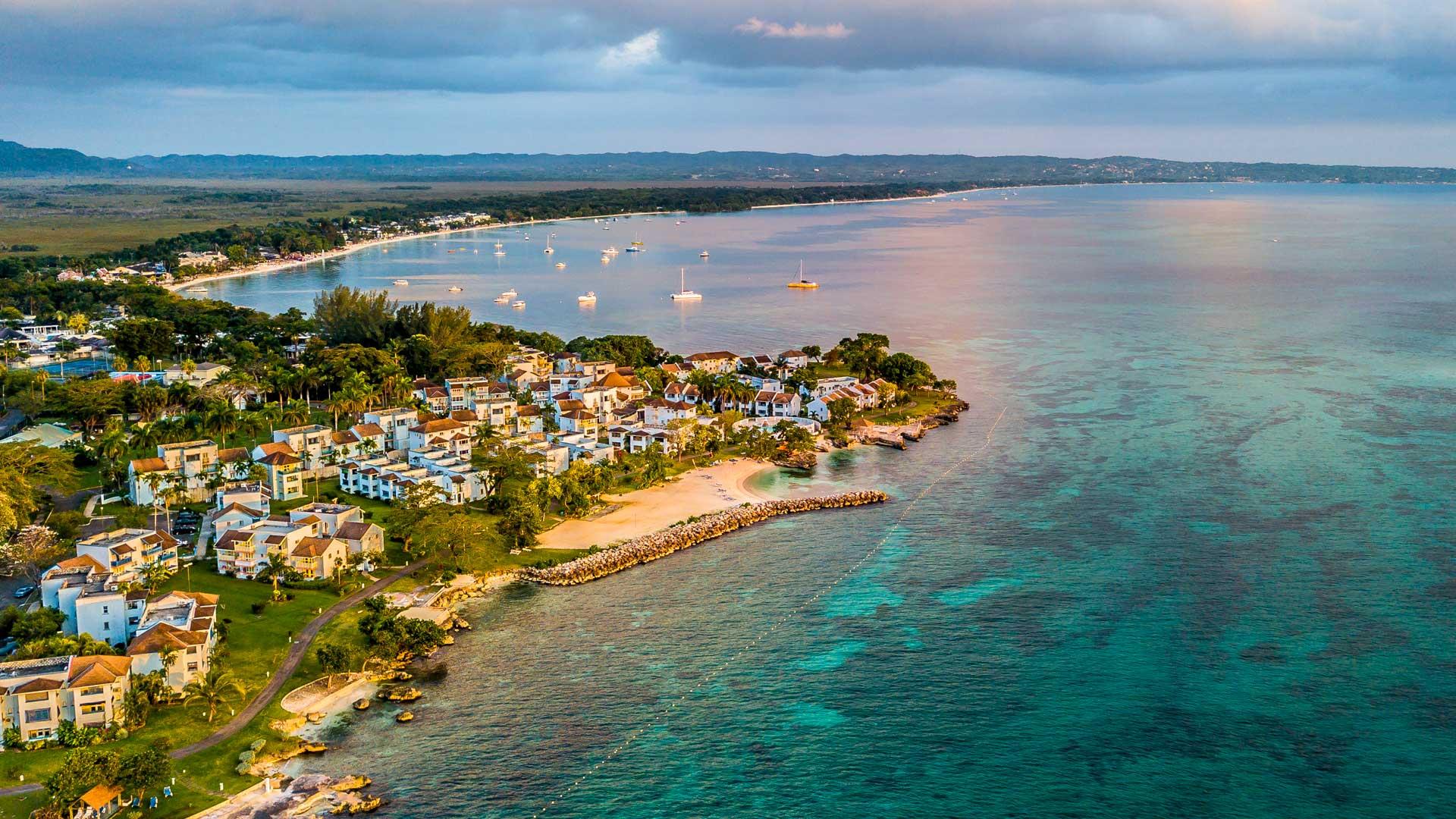
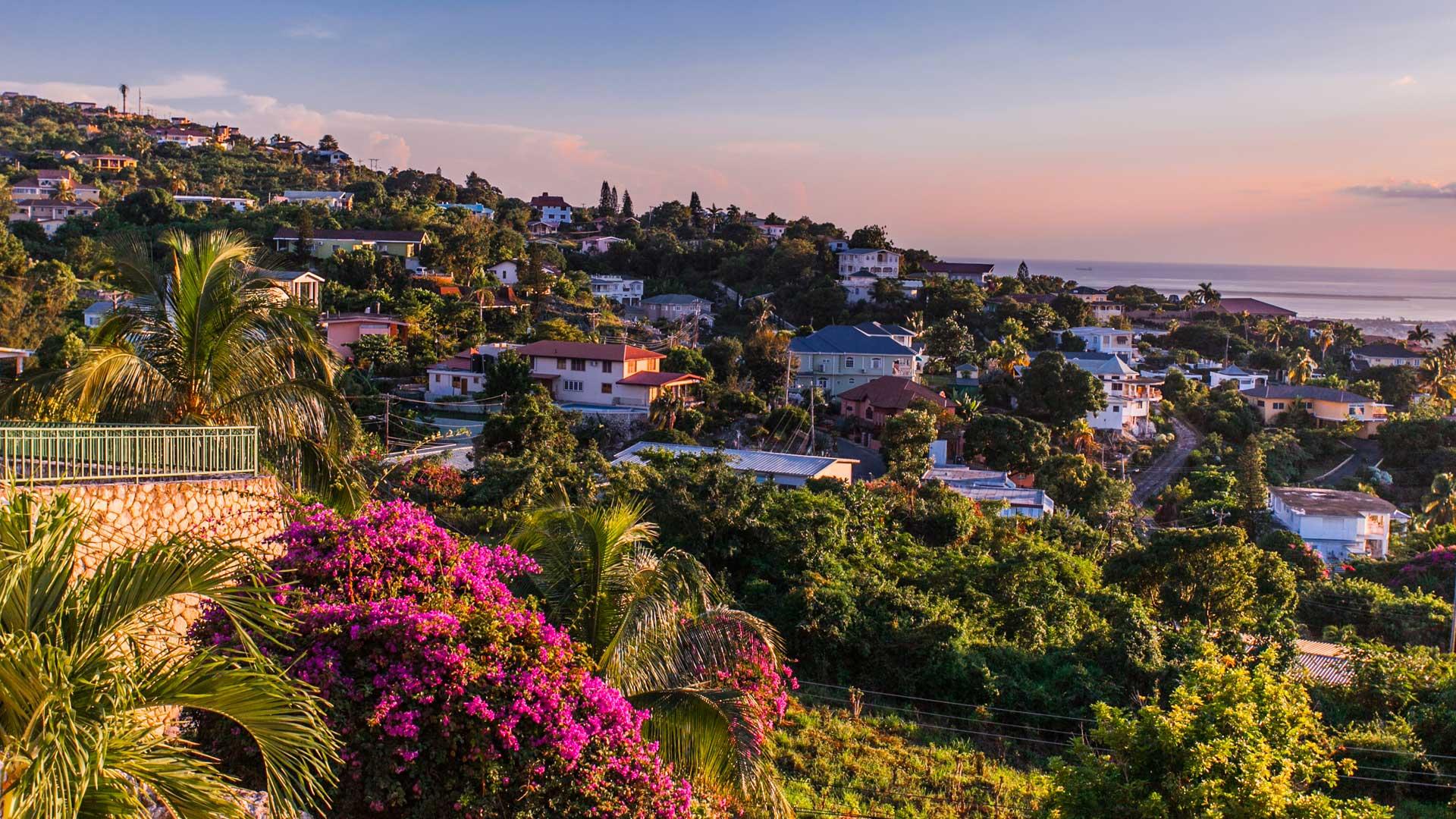
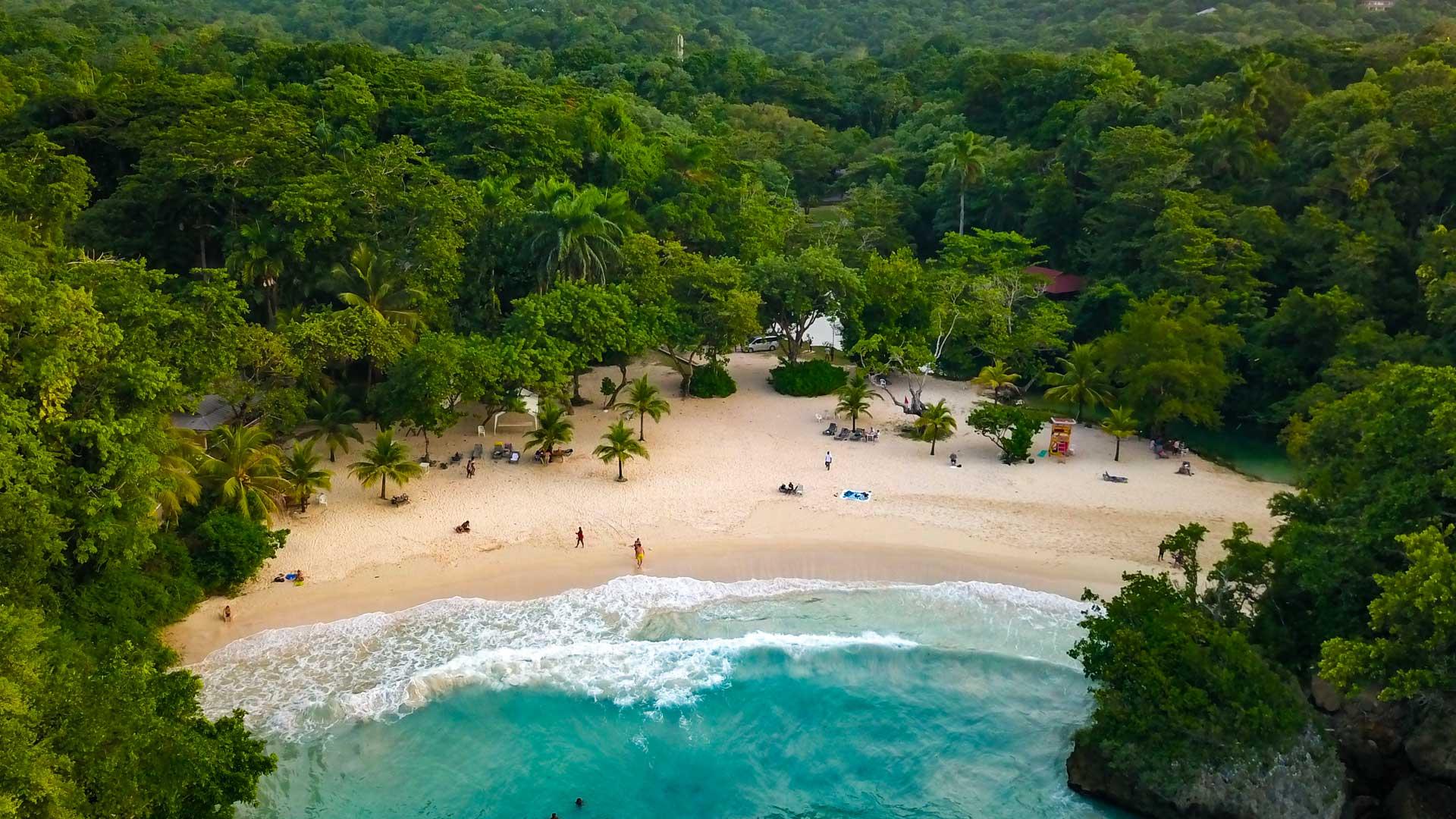
English is the official language of Jamaica.
Most Jamaicans also speak Jamaican Creole, known as Patois, which blends English with African, Spanish, Portuguese, and Indigenous influences.
Direct flight: approximately 4h30
Connecting flight: 7 to 10h (depending on connection times)
Jamaica time zone: UTC -5
0h ahead of Quebec (EST)
-1h ahead of Quebec (EDT)
Jamaican Dollar (JMD)
Credit cards (Visa, Mastercard, etc.) are widely accepted at hotels, restaurants, and tourist shops. However, it is a good idea to carry some cash for local markets and small purchases.
Tipping is common in Jamaica and appreciated to recognize good service. In restaurants, it is recommended to leave 10–15% if service is not already included. In bars, 100–200 JMD per drink is sufficient. For taxis, tour guides, or excursions, a tip of 10–15% is typical.
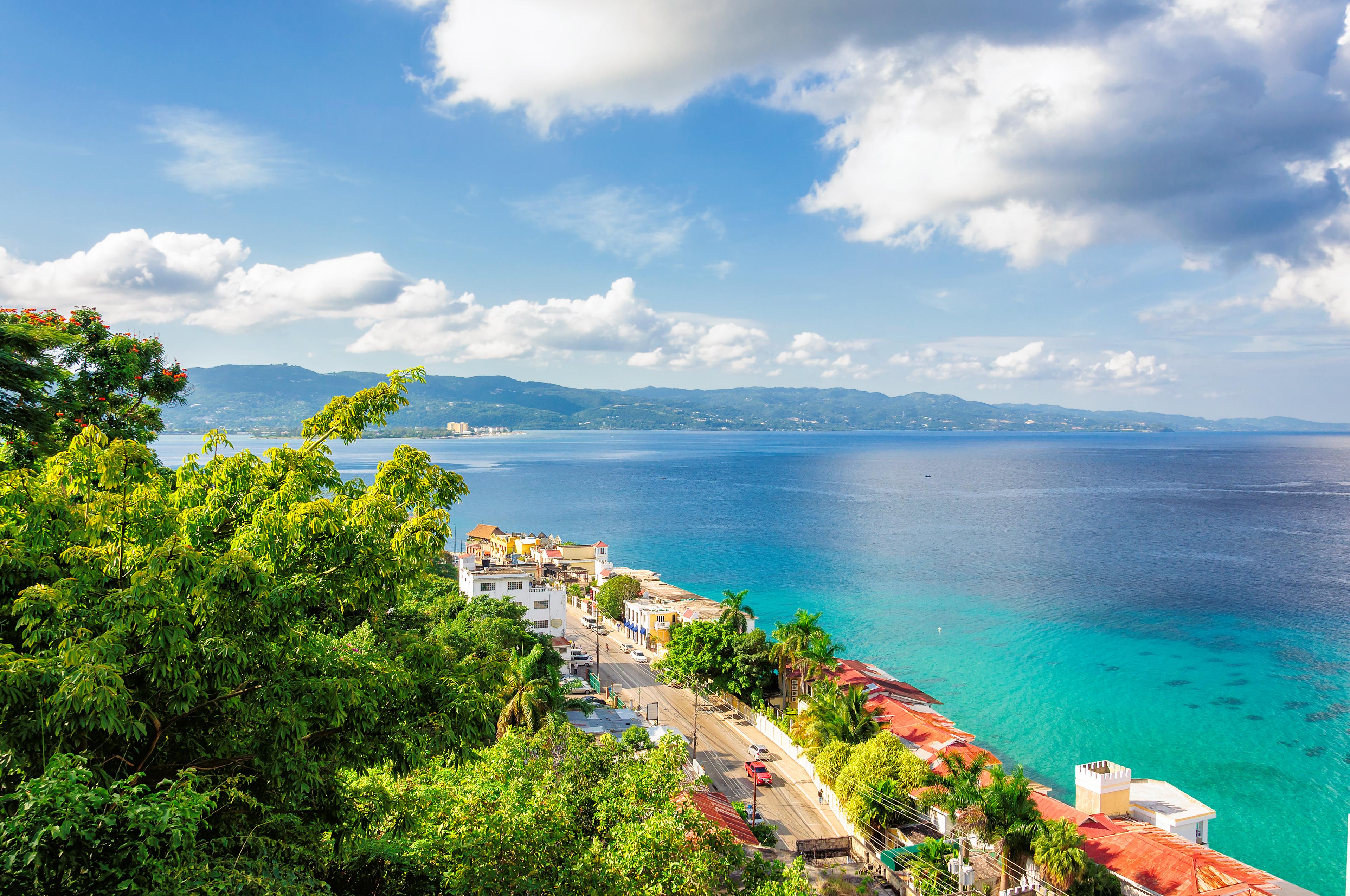
While Jamaica is a very popular tourist destination, travellers are advised to be cautious. Popular areas such as Montego Bay, Negril, Ocho Rios, and Port Antonio are generally safe, with tourist sites well secured. However, travellers should stay vigilant, avoid leaving valuables in sight, and avoid certain urban areas. For transportation, use taxis recommended by hotels and excursions with certified operators.
Before any foreign trip, visit the Government of Canada’s Jamaica Travel Advice page to find out about the current situation in the country.


Reach Falls is a natural waterfall tucked in the heart of the tropical rainforest near Port Antonio. The site features clear-water pools, caves to explore, and a tranquil atmosphere. It offers an authentic nature experience in a pristine setting, far from the crowds.

The Luminous Lagoon, near Falmouth, is one of the world’s few bioluminescent lagoons. Visible year-round, this unique natural phenomenon lights up the water with blue glows with every movement. Experience it at night on a boat tour for a truly magical and unforgettable adventure.

Treasure Beach is a peaceful destination on Jamaica’s south coast. Known for its untouched beaches, scenic coastline, and relaxed vibe, it is the perfect place to slow down and experience a side of Jamaica far from the usual tourist spots. Where soft cliffs meet clear sand and the wild Caribbean waters.

Lover’s Leap, in St. Elizabeth, is a spectacular site where sheer cliffs over 500 metres high plunge into the vast Caribbean Sea. Steeped in a romantic and tragic legend, this lookout offers breathtaking views and the perfect spot to watch the sunset.
Reach Falls is a natural waterfall tucked in the heart of the tropical rainforest near Port Antonio. The site features clear-water pools, caves to explore, and a tranquil atmosphere. It offers an authentic nature experience in a pristine setting, far from the crowds.
The Luminous Lagoon, near Falmouth, is one of the world’s few bioluminescent lagoons. Visible year-round, this unique natural phenomenon lights up the water with blue glows with every movement. Experience it at night on a boat tour for a truly magical and unforgettable adventure.
Treasure Beach is a peaceful destination on Jamaica’s south coast. Known for its untouched beaches, scenic coastline, and relaxed vibe, it is the perfect place to slow down and experience a side of Jamaica far from the usual tourist spots. Where soft cliffs meet clear sand and the wild Caribbean waters.
Lover’s Leap, in St. Elizabeth, is a spectacular site where sheer cliffs over 500 metres high plunge into the vast Caribbean Sea. Steeped in a romantic and tragic legend, this lookout offers breathtaking views and the perfect spot to watch the sunset.

“Ocho Rios was an absolute favourite. I was captivated by its stunning beaches, delicious cuisine, laid-back vibe, and reggae music. From enjoying a Blue Mountain coffee by the sea to tasting spicy local flavours and soaking up the relaxed energy, Ocho Rios perfectly embodies the Jamaican way of life. As the locals say, “Ya Mon!””

Jerk chicken is a must-try of Jamaican cuisine that everyone loves. Marinated in a blend of jerk spices—garlic, thyme, Scotch Bonnet peppers, allspice, and other local seasonings—the chicken is slow-grilled to bring out smoky, spicy, and slightly sweet flavours.

Jamaica’s national dish, ackee and saltfish combines ackee—a tropical fruit with a creamy, scrambled-egg-like texture—with salted cod. Flavoured with onions, peppers, tomatoes, and spices, this savoury dish is often enjoyed for breakfast, served with plantains or Jamaican fried dumplings.

Fried plantains are a staple of Jamaican cuisine. Golden and crispy on the outside, tender and sweet on the inside, they offer a perfect balance of flavours. Served as a snack or side dish, they help offset other dishes’ spiciness.

Curry goat is an iconic Jamaican dish. Made with tender goat meat simmered in a rich sauce of curry, garlic, onions, thyme, ginger, and Scotch Bonnet peppers, it is fragrant, bold, and full of flavour. This dish is traditionally served with rice and peas or a Jamaican flatbread called roti.

Grown on the slopes of the Blue Mountains, Blue Mountain coffee is a Jamaican Arabica cherished by coffee lovers for its delicate flavour and perfect balance. Smooth and mellow, with floral and chocolate notes, it offers a silky, refined cup and is recognized as one of the world’s best coffees.
Jerk chicken is a must-try of Jamaican cuisine that everyone loves. Marinated in a blend of jerk spices—garlic, thyme, Scotch Bonnet peppers, allspice, and other local seasonings—the chicken is slow-grilled to bring out smoky, spicy, and slightly sweet flavours.
Jamaica’s national dish, ackee and saltfish combines ackee—a tropical fruit with a creamy, scrambled-egg-like texture—with salted cod. Flavoured with onions, peppers, tomatoes, and spices, this savoury dish is often enjoyed for breakfast, served with plantains or Jamaican fried dumplings.
Fried plantains are a staple of Jamaican cuisine. Golden and crispy on the outside, tender and sweet on the inside, they offer a perfect balance of flavours. Served as a snack or side dish, they help offset other dishes’ spiciness.
Curry goat is an iconic Jamaican dish. Made with tender goat meat simmered in a rich sauce of curry, garlic, onions, thyme, ginger, and Scotch Bonnet peppers, it is fragrant, bold, and full of flavour. This dish is traditionally served with rice and peas or a Jamaican flatbread called roti.
Grown on the slopes of the Blue Mountains, Blue Mountain coffee is a Jamaican Arabica cherished by coffee lovers for its delicate flavour and perfect balance. Smooth and mellow, with floral and chocolate notes, it offers a silky, refined cup and is recognized as one of the world’s best coffees.


Jamaica is enjoyable year-round, with sunny skies and temperatures between 22°C and 29°C, but the best time to visit and enjoy its beaches is from December to April. It is best to avoid the wet season from June to November as well as peak periods such as Christmas, New Year’s, and spring break when tourist numbers are higher.
In Jamaica, the best way to get around is by booking a guided tour or using official taxis or private transport affiliated with JUTA (Jamaica Union of Travellers Association) or JCAL (Jamaica Co-operative Automobile & Limousine Tours). These services provide experienced and reliable drivers. Renting a car is generally not recommended because driving is on the left, road conditions vary, and local driving habits can be challenging.
10 to 14 days
This is an ideal length of time to explore Jamaica. It allows you to enjoy the beaches, visit one or two regions such as Montego Bay, Negril, or Ocho Rios, and experience a mix of culture and nature, while still leaving time to relax.
Travel in complete peace of mind.
Fast, compliant and guaranteed service.
Useful for driving abroad.
Online application service.
Double-check the rules before you travel.
Suitcases, anti-theft bags, and more!
Create your personalized travel itinerary.
Road guides and road maps.
The world is full of wonders waiting to be discovered. After exploring the beauty of Jamaica, let yourself be captivated by new places that promise unforgettable experiences.