
Benefit from personalized advice
Do you have questions about gas-powered or electric vehicles, driving, or need recommendations to find an Approved Auto Repair Service?
To contact our Mobility Advisory Services:
1-888-471-2424
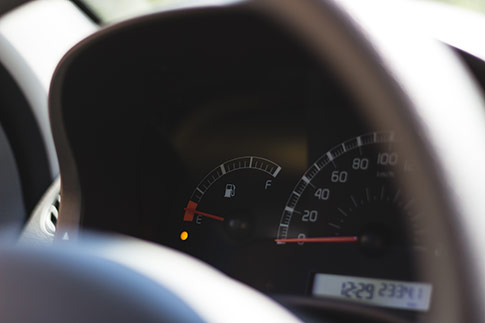
Your car is starting to run on its fuel reserve. How many kilometres can you drive before running out of gas? Find out what you need to know to protect your car and avoid unpleasant surprises.
On average, about 8 to 10 litres of fuel remain when the warning light appears on your dashboard. The exact amount of fuel varies depending on the model, engine type, and tank size. This reserve is designed to help you reach a gas station in case of urgent need.
In practice, you could drive between 89 and 132km before the engine stops. A 50km trip is therefore possible in most cases, except under extreme conditions.
Yes. Frequently running on empty can damage the fuel pump, which needs fuel to stay lubricated and cooled. In addition, when the tank is nearly empty, debris that has settled at the bottom can be drawn in and cause:

“Running your vehicle on empty can lead to premature wear and costly breakdowns. I recommend keeping your fuel level at least a quarter full to protect your fuel system.”
Running on empty is riskier with a diesel engine, as the fuel and its associated systems are more sensitive. Diesel fuel, which is heavier and oilier than gasoline, can cause several problems when the tank is nearly empty:
When your trip computer displays “0km remaining,” it’s providing an approximate estimate of your remaining range. There is always a little fuel left, but you should not rely on this margin to travel long distances.
Several factors influence fuel consumption:
Always keep your gas tank at least a quarter full to avoid breaking down. This will extend the life of your engine components and help you avoid a tow, costly repairs, or worse, putting your life or others’ lives at risk.
Tip: In very cold winter weather, keep your fuel tank at least half full to reduce the risk of condensation and freezing.
Discover our other tips to save on gas.
Running on empty carries risks, especially for diesel vehicles. To protect your engine, reduce repair costs, and avoid running out of gas, always keep your tank at least a quarter full. Plan your gas station stops ahead of time. By adopting these best practices, you can optimize your fuel consumption and extend the life of your vehicle.
Do you have questions about gas-powered or electric vehicles, driving, or need recommendations to find an Approved Auto Repair Service?