
Benefit from personalized advice
Do you have questions about gas-powered or electric vehicles, driving, or need recommendations to find an Approved Auto Repair Service?
To contact our Mobility Advisory Services:
1-888-471-2424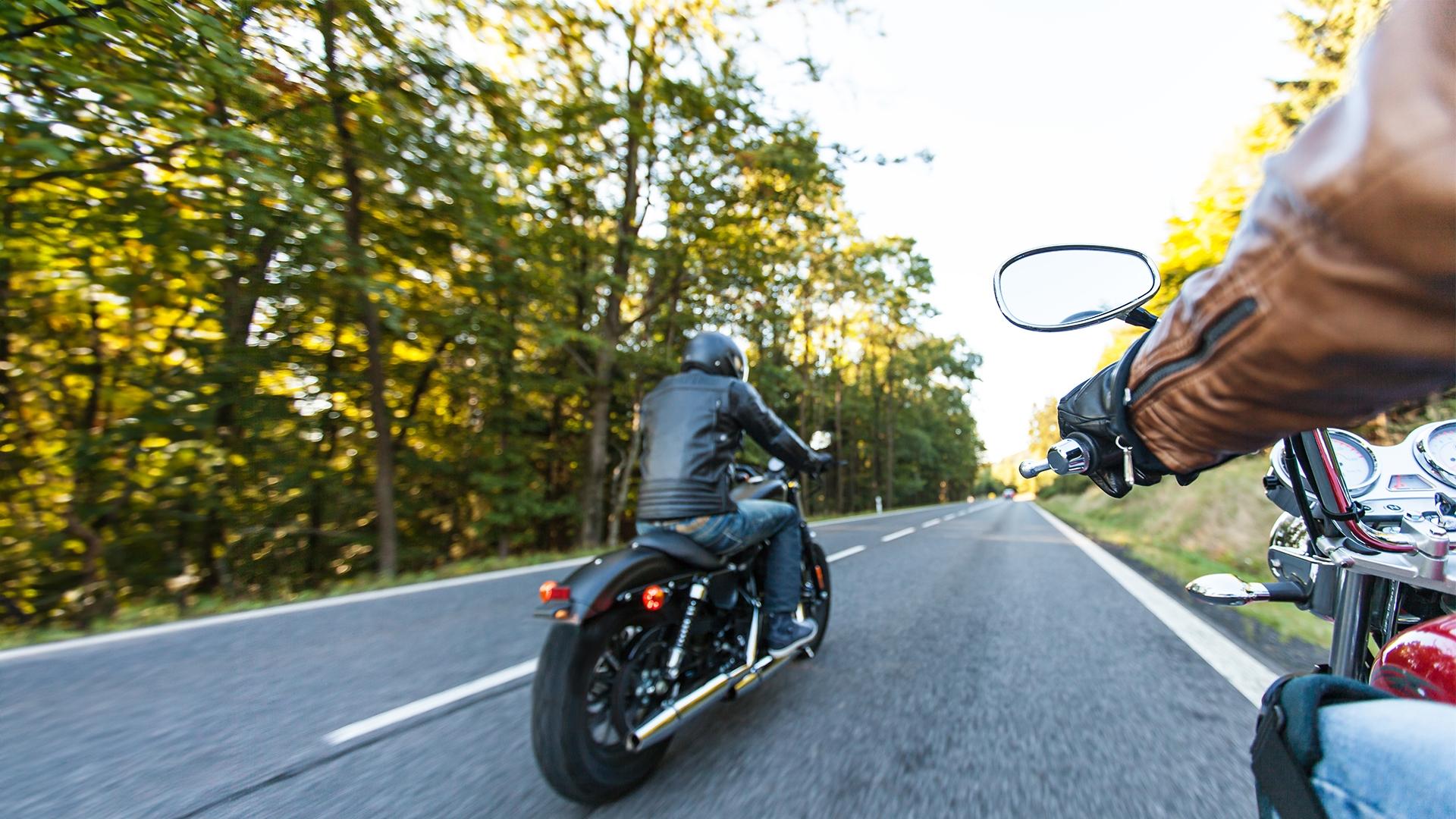
Whether you’re driving a car or riding a motorcycle, properly assessing the distance between your vehicle and other road users can help prevent accidents. Learn how to maintain a safe following distance and adopt the right reflexes on the road.
The more time you have, the better you can anticipate what’s coming—and react in time. Anticipation is the key to road safety, whether you’re riding a motorcycle, driving a car, or operating any other type of motor vehicle on the road.
As a motorcycle rider, you are less visible on the road. To stay clearly visible:
Don’t forget to wear a standards-approved motorcycle helmet that complies with the Highway Safety Code.
A motorcycle can stop more quickly than a passenger vehicle. If you’re driving behind a motorcycle, maintain a greater following distance to ensure your safety.
To assess this distance, choose a roadside reference point such as a tree or a streetlight. When the motorcycle passes that point, count the number of seconds it takes for you to reach it. If it’s less than three seconds, you’re following too closely.

“The 3-second rule remains a reliable benchmark for evaluating a safe following distance between a car, a motorcycle, or even a truck. Adjust your distance based on your speed, traffic density, road conditions, and weather. The same applies when construction zones are in place.”
Speed | Car | Motorcycle |
|---|---|---|
50km/h | 28m | 23m |
70km/h | 50m | 40m |
100km/h | 90m | 75m |
Following too closely
Whether you’re driving a car or riding a motorcycle, tailgating reduces your reaction time. Even at low speeds, it can lead to a preventable collision.
Ignoring road conditions
A wet road, a downhill slope, or loose gravel increases braking distances. Adjust your following distance accordingly—especially when riding a motorcycle.
Forgetting about blind spots
As a driver, watch carefully for motorcycles around you—they can easily disappear from your field of vision. As a rider, position yourself to remain visible, especially near bike lanes or shared areas with vulnerable road users.
Misreading multiple stops
In a queue, especially at a stop line, don’t rely solely on the vehicle ahead of you. Make sure every road user clearly intends to stop or yield the right of way.
Before hitting the road—especially on a motorcycle—take one last look around. Adjust your riding or driving to current conditions. It’s often simpler than it seems, but you still have to think about it! Check out our advice 6 tips to enjoy motorcycle season to get off to a strong start.
Do you have questions about gas-powered or electric vehicles, driving, or need recommendations to find an Approved Auto Repair Service?