
Benefit from personalized advice
Do you have questions about gas-powered or electric vehicles, driving, or need recommendations to find an Approved Auto Repair Service?
To contact our Mobility Advisory Services:
1-888-471-2424
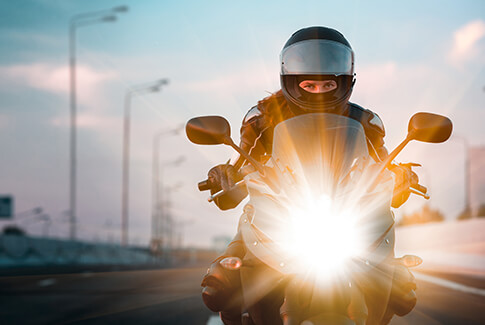
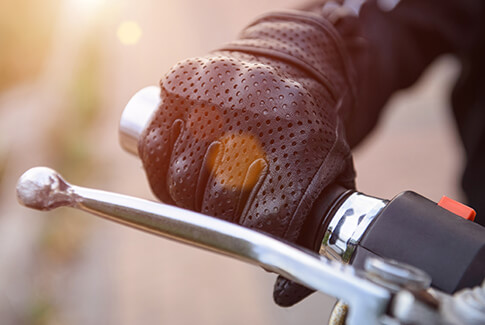
Motorcycle safety starts with good habits—even before you start the engine. From choosing the right motorcycle to maintenance, licensing, motorcycle insurance, and protective motorcycle gear, every step matters to help prevent accidents. Here are 6 essential tips for riding safely this summer.
Are you planning to buy a new motorcycle or replace your current model? Start by setting a budget.
A new motorcycle can cost between $7000 and $40,000, or even more. Choosing a used motorcycle is also an option and is often more affordable. Don’t hesitate to have any motorcycle you plan to buy inspected by a mechanic.
Tip: Make sure you obtain the correct motorcycle licence class required under Quebec motorcycle rules before driving a motorcycle.
Think about how you plan to use your motorcycle. Will you ride with a passenger or go on long trips? Make sure the model you’re considering offers good two-up comfort.
Do you enjoy trails and rough terrain? An off-road motorcycle or dual-purpose motorcycle may be a better choice.
Riding position also varies depending on the motorcycle type (cruiser, touring bike, sport bike, or utility motorcycle, etc.). Some models lean you forward, while others allow a more upright posture. Choose what feels best for you while keeping road safety principles in mind.
Also consider the size and height of the motorcycle. The larger or taller it is, the more difficult it may be to handle.
Respect your abilities to help prevent accidents. Don’t hesitate to take test rides at dealerships. Some require registration for demo days, so be sure to ask in advance.
If you plan to ride a three-wheel motorcycle (Class 6E licence), you must hold a Class 5 driver’s licence and complete a 7-hour training course specific to this type of motorcycle.
Already have a motorcycle licence but feel a bit rusty? We highly recommend that you test your knowledge with the SAAQ online quiz or take a refresher riding course offered by a driving school.
Every year in April, you must renew your motorcycle registration. The amount includes duties, administrative fees, and the insurance contribution. Depending on engine displacement and the model’s risk level, costs can easily reach around $2600.
When it comes to damage insurance, the law requires you to carry civil liability insurance of at least $50,000. However, you can enhance your coverage based on your needs.
To better anticipate hazards, use the “look far ahead” riding technique. It helps you adjust your riding and avoid unpleasant surprises.
Also maintain a minimum following distance of 4 seconds from the vehicle ahead when conditions are good. This safety buffer is crucial, especially at higher speeds.
A motorcycle weighs an average of 400 pounds. If you experience a breakdown or a flat tire, it’s unlikely you’ll be able to push it to the nearest garage. A weak motorcycle battery or a flat tire can quickly ruin a ride.
For peace of mind, consider subscribing to a roadside assistance service. This simple step can make all the difference.
Before hitting the road for the summer, make sure everything is in order:
Never forget that only two tires connect you to the road. They deserve your full attention.
At the end of your motorcycle season, store your bike in a place protected from the elements. Most importantly, remember to notify the SAAQ to activate the official motorcycle storage status.
Whether you’re an experienced motorcyclist or starting your very first season, every detail matters when it comes to safe motorcycle riding.
Proper riding gear, a well-maintained motorcycle, valid insurance, and good riding habits are essential. They help you enjoy every ride with confidence and safety.
Do you have questions about gas-powered or electric vehicles, driving, or need recommendations to find an Approved Auto Repair Service?