
Benefit from personalized advice
Do you have questions about your home, need specific information, or are you looking for referrals to find an Approved Supplier?
To contact our Residential Advisory Services
1-877-803-1118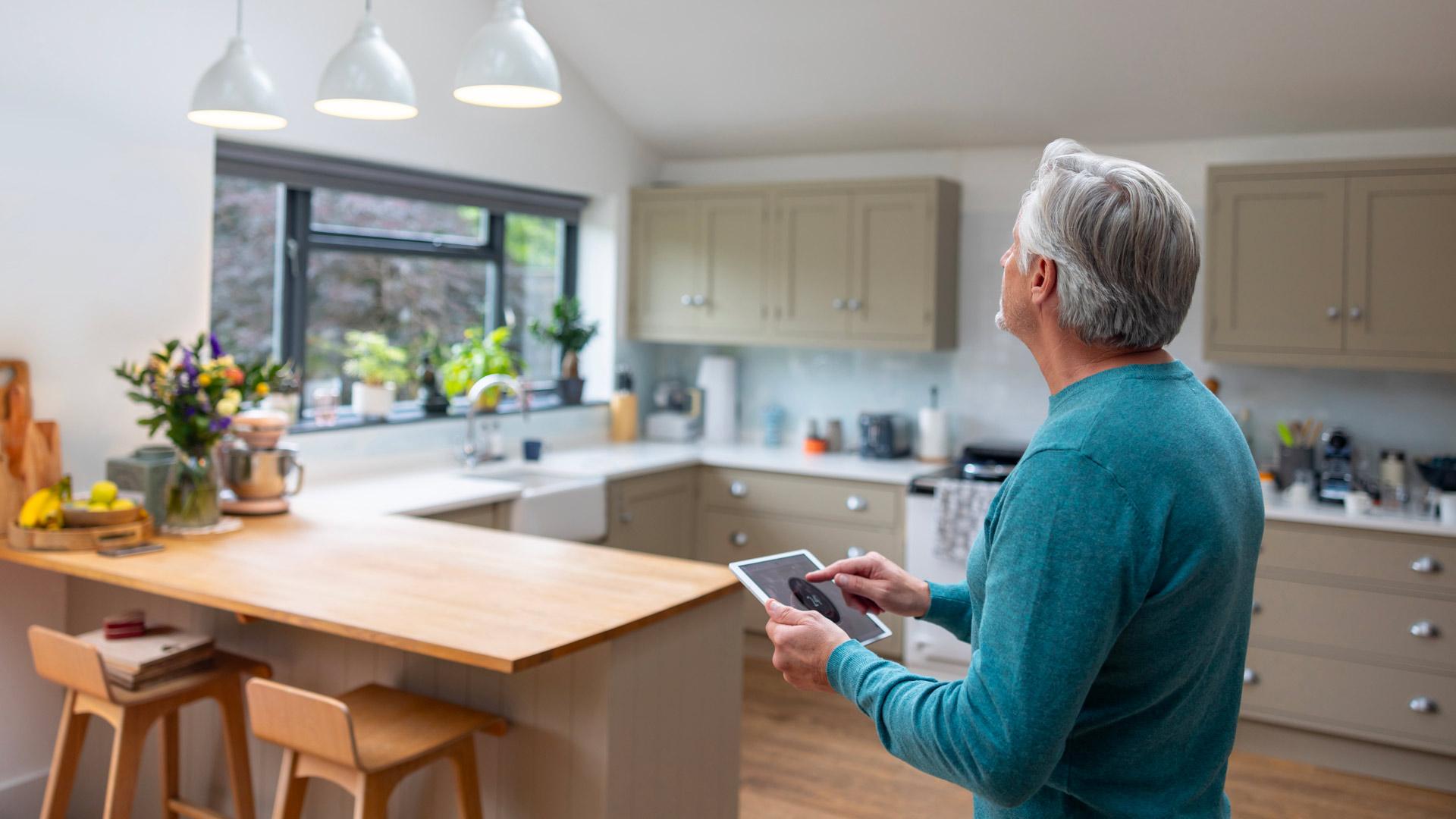
Artificial intelligence (AI)-powered smart home automation creates fully interconnected ecosystems. Homes are becoming safer, more functional, energy-efficient, comfortable, and personalized. Discover how intelligent automation can transform your living space into a truly connected and innovative home.
Home automation is the automation of household devices. It helps you save energy and time while improving comfort, enhancing security, and overall well-being. Here are a few examples of smart home devices:
Artificial intelligence (AI) enhances residential home automation, creating a new generation of high-performance and energy-efficient homes. Much like the human brain, AI gathers and analyzes your home’s data to adapt to your daily habits and preferences.
The advantages of a connected home are many:
The cost of purchasing and installing a home automation system varies depending on your home’s size, the type of system, and other factors such as:
These home automation costs are often offset by long-term energy and heating savings.
Good to know: AI can even recommend ways to lower your electricity bill through automated energy management.
Yes. Some home insurance providers offer discounts to homeowners equipped with connected devices, such as smart leak detectors or alarm systems. Check with your insurer to find out.
Even without discounts, an AI-assisted home automation system can save you money by helping prevent damage that could otherwise raise your insurance premiums.
Yes. Smart home technologies rely on data collection and process a wide range of sensitive data—such as your routines and movements. If your system isn’t properly secured, it could leave you vulnerable to cyberattacks.
Innovation must respect your data privacy and protect your personal information.
Tip for greater protection: Choose devices that use advanced data security and encryption protocols. Use strong passwords and activate firewalls to reinforce your system’s protection.
Thanks to rapid technological progress, artificial intelligence and home automation are evolving at an incredible pace. Many ongoing AI research projects are showing great promise. Two trends stand out:
In short, AI-powered home automation promises a future where technology meets your needs more precisely—in a home that adapts seamlessly to your lifestyle. And this is only the beginning of what this technology can do to simplify your life.
Do you have questions about your home, need specific information, or are you looking for referrals to find an Approved Supplier?