
Benefit from personalized advice
Do you have questions about your home, need specific information, or are you looking for referrals to find an Approved Supplier?
To contact our Residential Advisory Services
1-877-803-1118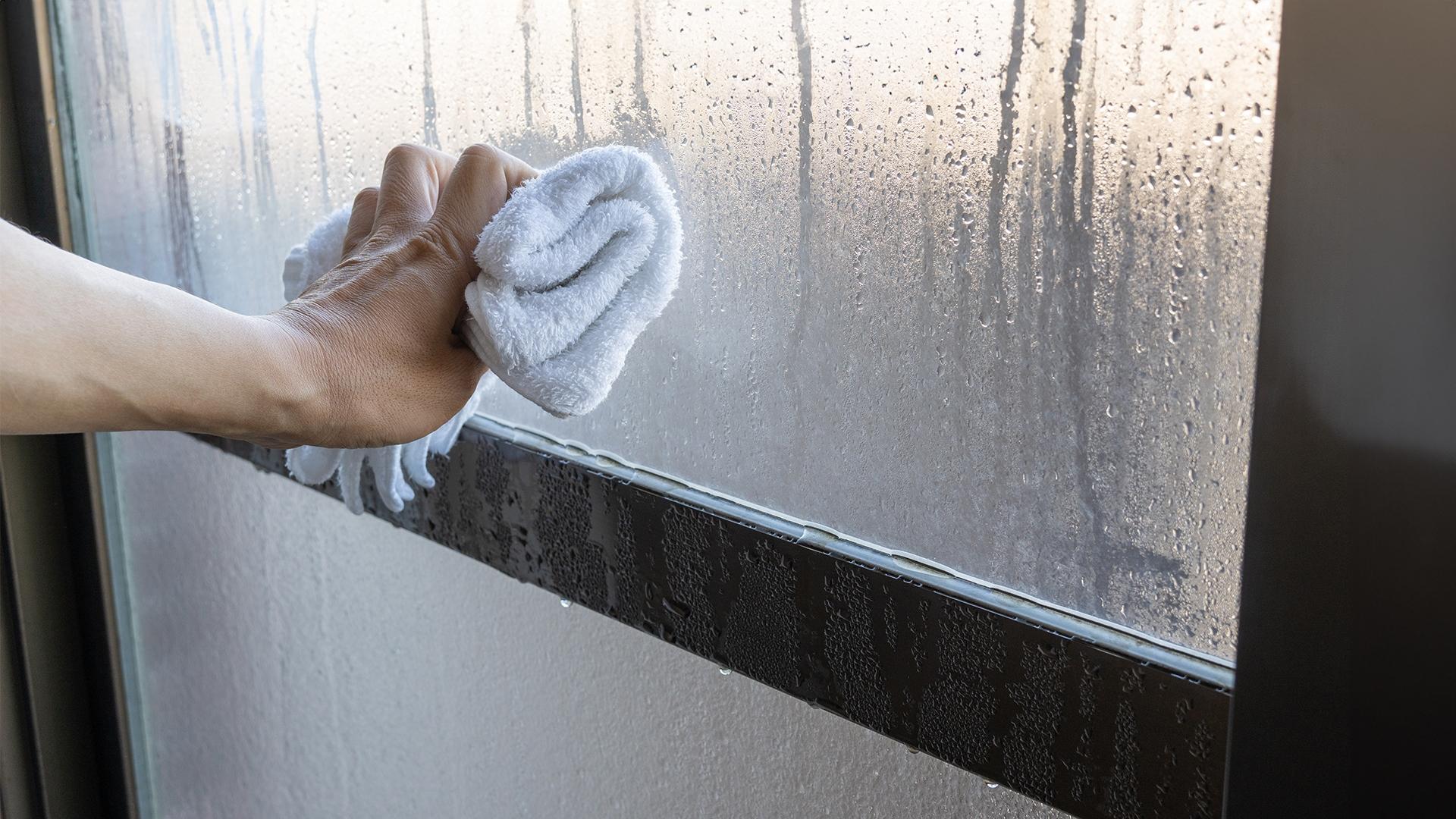
Is the air in your home feeling damp or heavy? A portable dehumidifier can help reduce humidity, improve your comfort, and protect your home from moisture problems like mould. But how do you choose the right model and use it effectively day to day? Capacity, placement, maintenance, ideal humidity levels—here’s what you need to know.
A portable dehumidifier’s capacity refers to the amount of water it can remove from the air in a single day. It is expressed in litres or pints (1 US pint equals approximately 0.5 litres) and depends primarily on room size and humidity level.
Plan for approximately 0.5 litres (1 pint) per 150sq. ft., for a home of roughly 2000sq. ft. with 8-foot ceilings. If the moisture level is very high or the room is cooler, you may need a more powerful unit. Ideally, aim for a humidity level between 45% and 55% for the best balance.
For a basement, the ideal dehumidifier is one capable of removing between 12 and 35 litres of water per day (28 to 72 pints).

“If you are torn between two dehumidifier sizes, go with the larger one. A larger dehumidifier will reach the target humidity level more quickly and shut off automatically. A smaller model, by contrast, will run continuously, consuming more electricity and wearing out sooner.”
CAA-Quebec members can get support choosing the right dehumidifier through CAA-Quebec’s Residential Advisory Services.
Yes, if you want a self-sufficient unit that requires minimal monitoring. That said, this type of dehumidifier costs more. It is often noisier, and the pump may wear out before the rest of the unit.
If you opt for this type of portable model, follow the manufacturer’s installation instructions carefully.
A dehumidifier works similarly to an air conditioner.
For best results:
To keep your dehumidifier running efficiently:
Good to know: A well-maintained dehumidifier can last up to 10 years. A poorly maintained unit may break down after about 4 years, often due to compressor overheating.

The ideal home humidity level varies by season:
Use a hygrometer to measure the relative humidity level in your home. A level that is too high can:
To reduce humidity on a daily basis:
1. Why is my dehumidifier freezing up?
A dehumidifier can freeze for several reasons:
2. How do you remove mineral deposits from a dehumidifier?
To remove mineral deposits from a dehumidifier, gently clean the surfaces with an equal-parts mixture of vinegar and water (1:1).
3. Can you use essential oils in a dehumidifier?
No. Manufacturers advise against using essential oils in a dehumidifier.
Do you have questions about your home, need specific information, or are you looking for referrals to find an Approved Supplier?