1 - Chemin Pink
Gatineau - Outaouais

For the eleventh edition, the “Worst Roads” campaign allowed Quebec residents to report the roads they consider to be in the worst condition in the province. Regional rankings
Here are the provincial rankings
Gatineau - Outaouais
Gatineau - Outaouais
Gatineau - Outaouais
Saint-Hubert-de-Rivière-du-Loup - Bas-Saint-Laurent
Gatineau - Outaouais
Chelsea - Outaouais
Saint-Boniface - Mauricie
Saguenay - Saguenay–Lac-Saint-Jean
Chelsea - Outaouais
Sainte-Croix - Chaudière-Appalaches
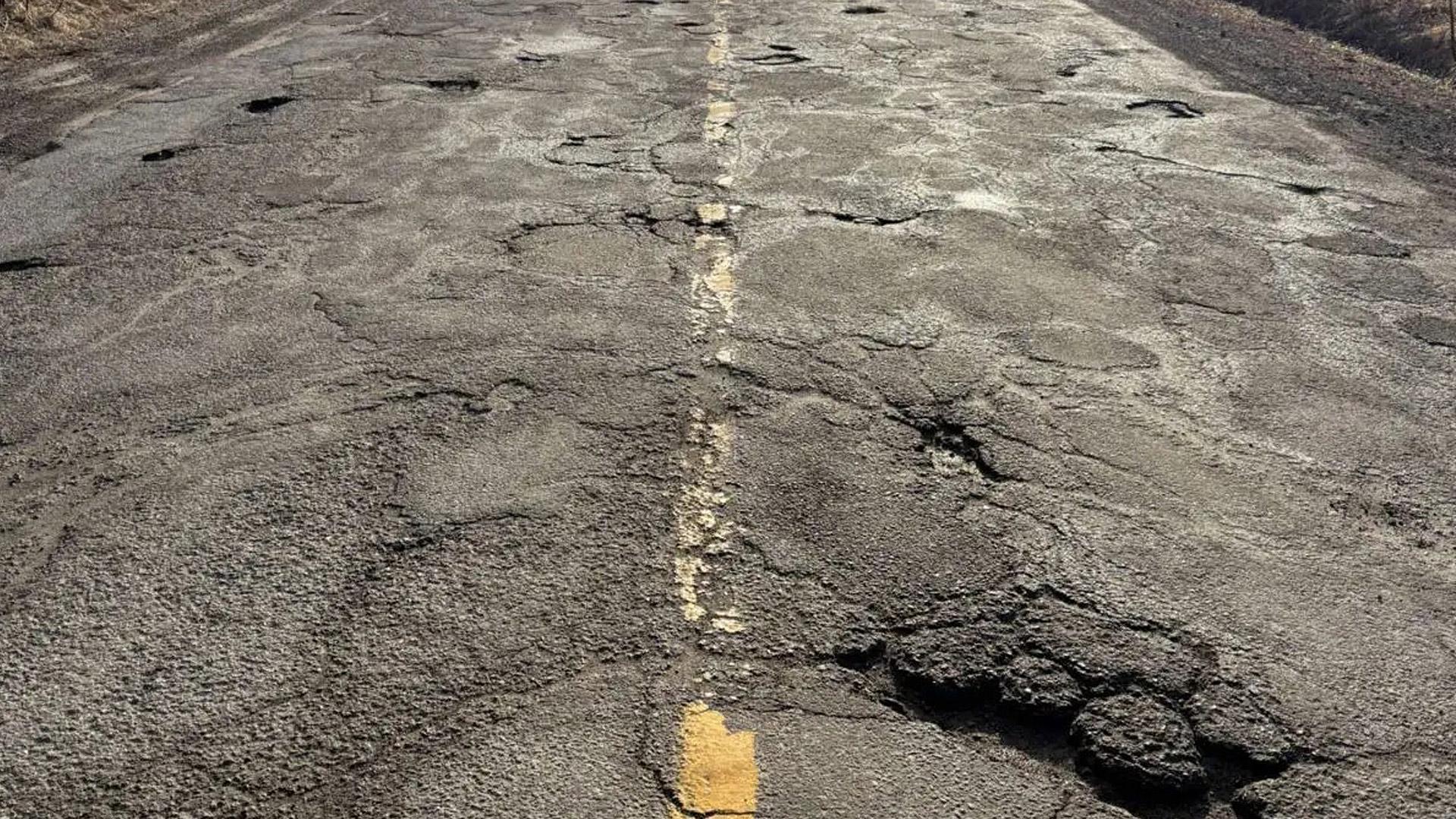
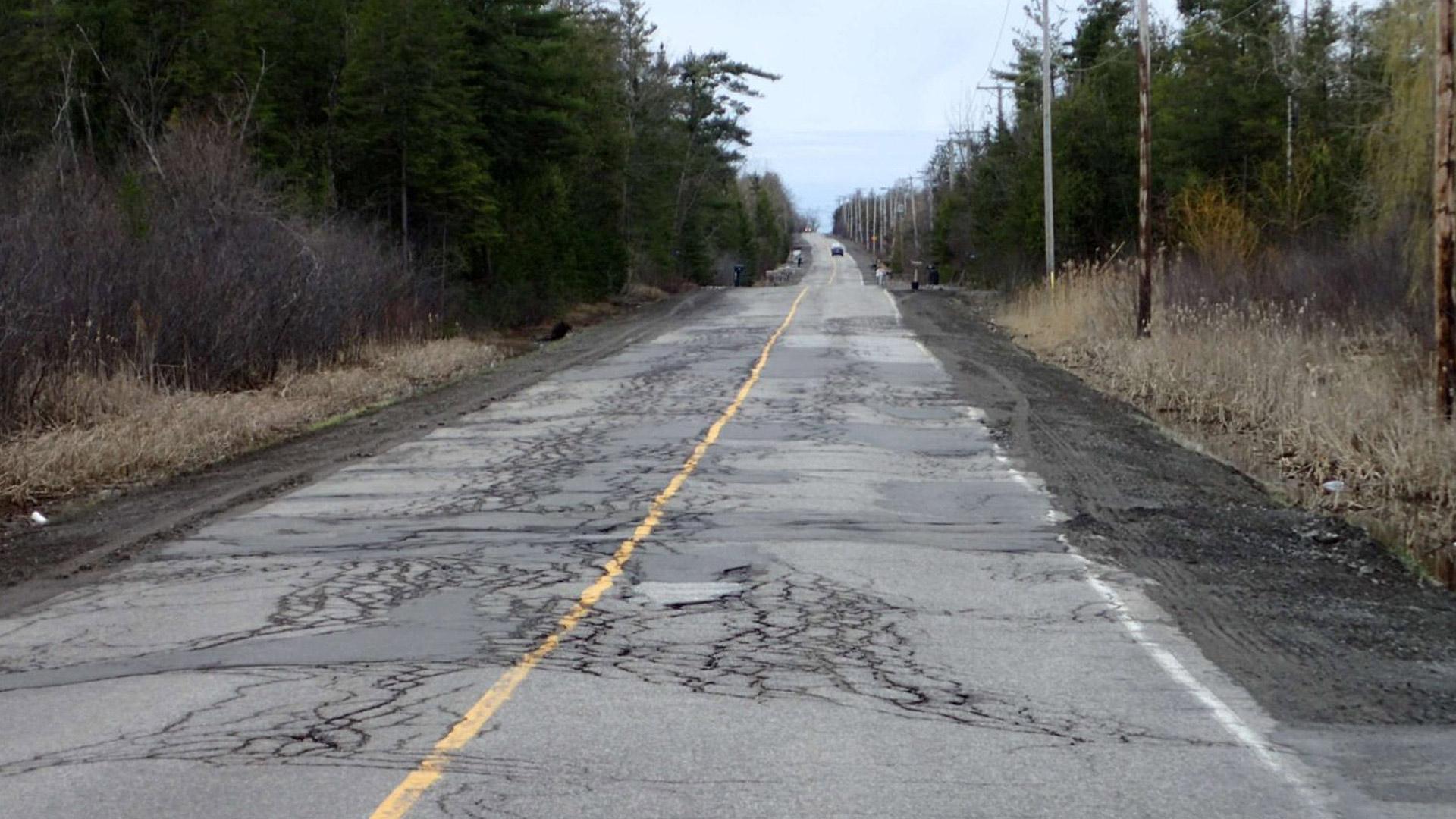
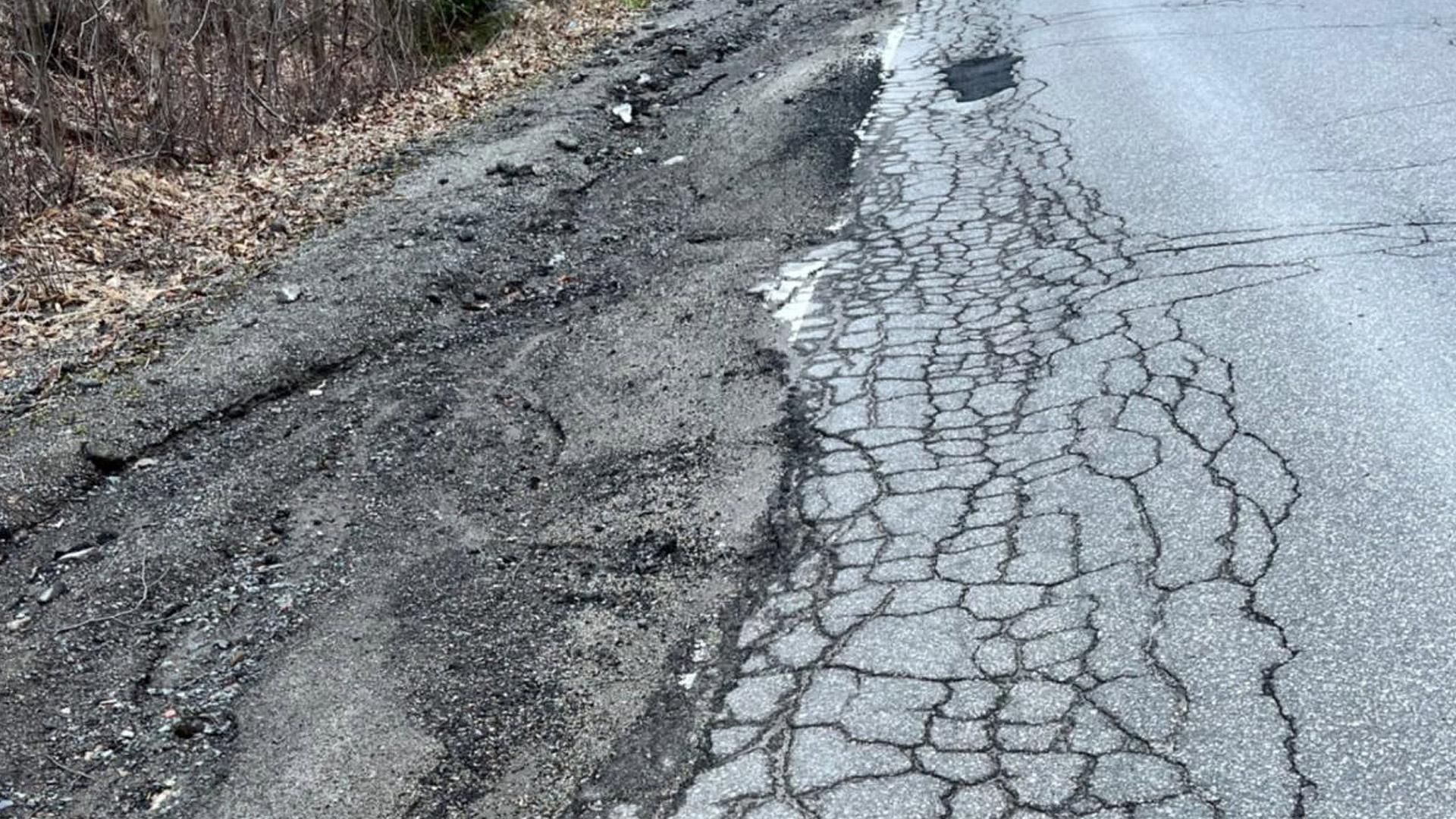
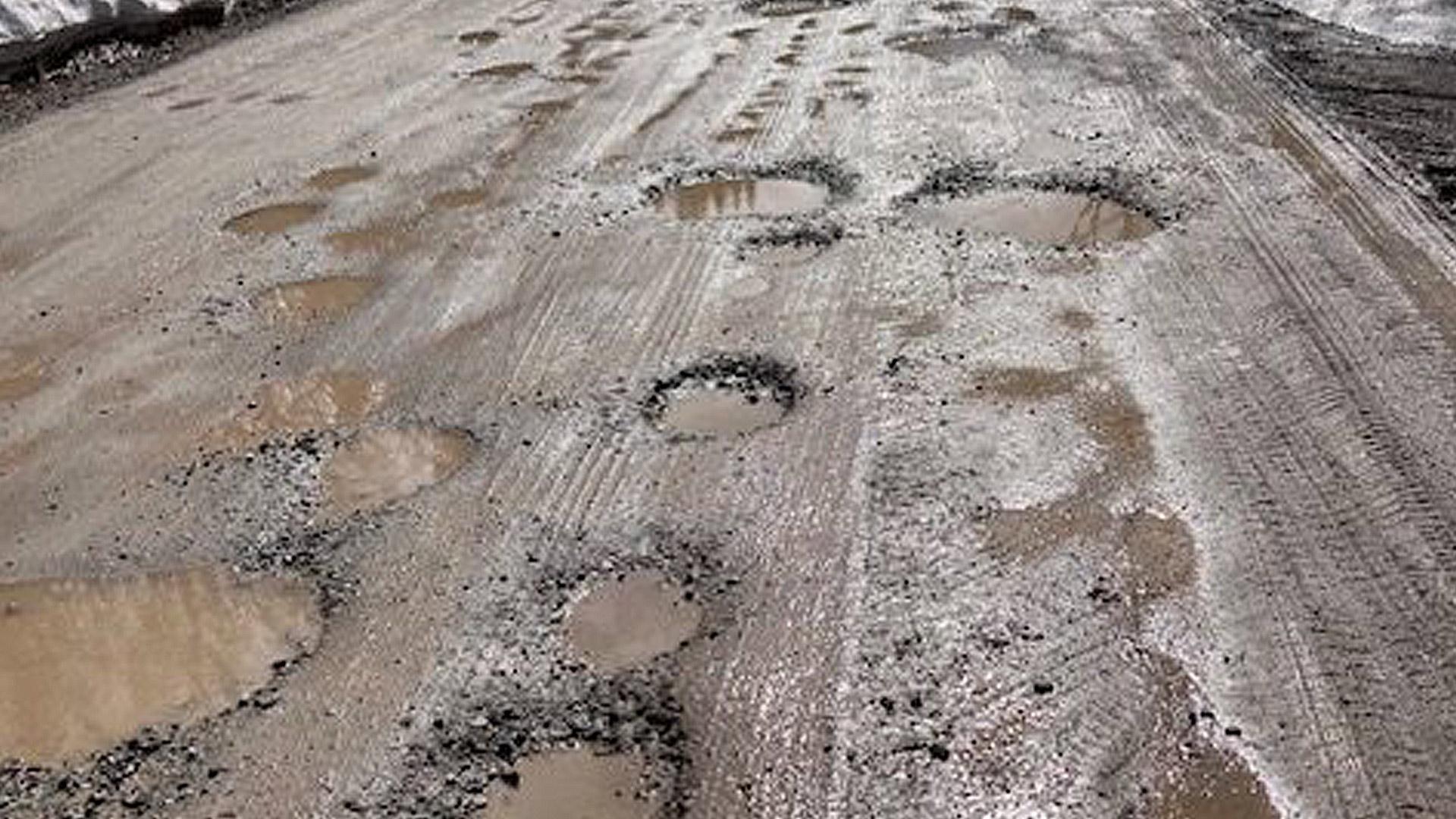
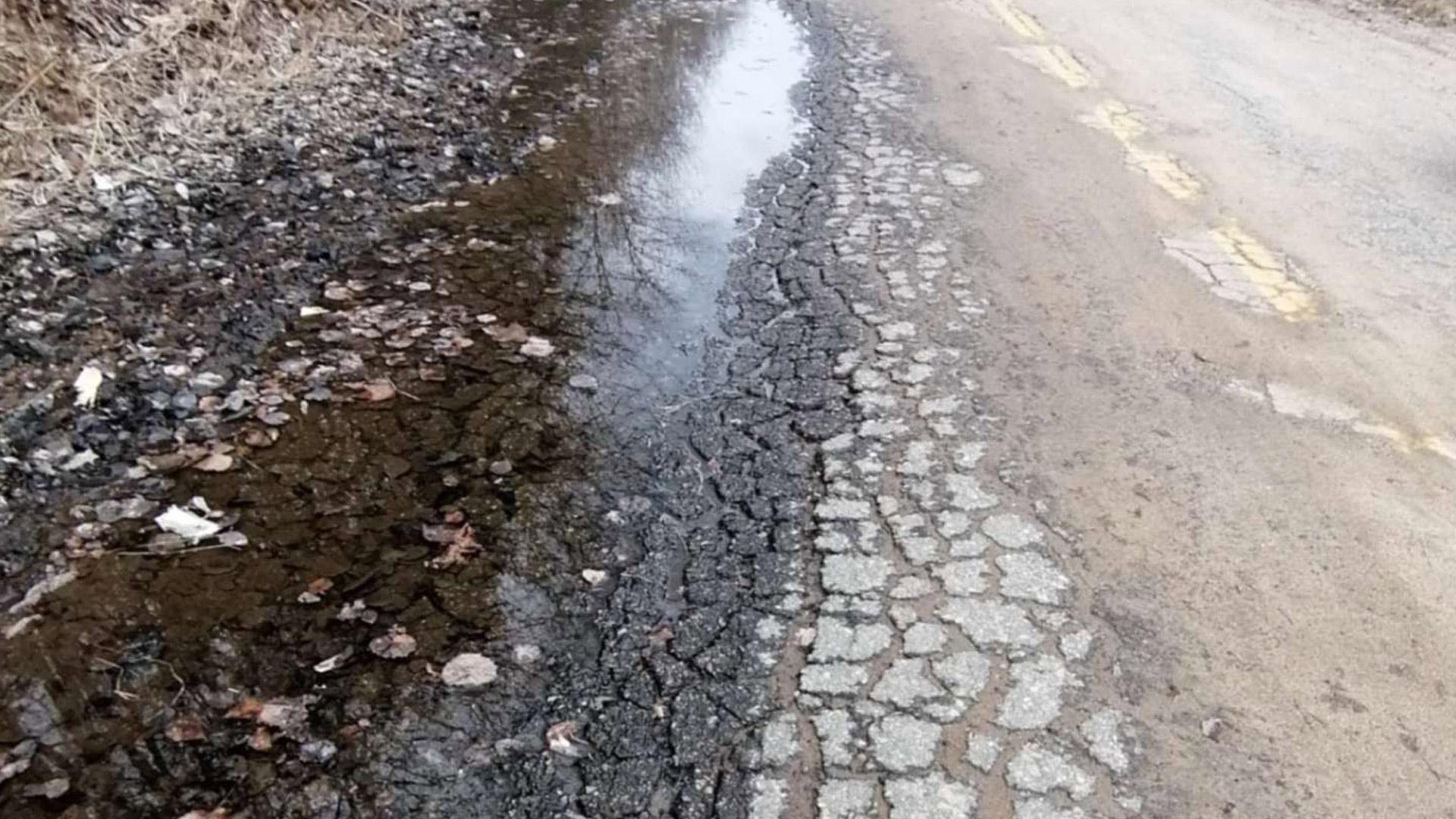
Provincial jurisdiction.
Total investment: Unavailable.
With the aim of improving ride comfort, further mechanized patching work will be carried out as required.
Maintenance agreement between the MTMD and the municipality.
Road asphalting project in planning.
Required investment: Unavailable.
Required investment: Unavailable.
*Note that Chemin Kilmar appears on the list for the second year in a row. Although major work was done on various stretches of the road in 2015, other sections are in need of extensive repairs.
You’ve probably already wondered about the state of our roads in Quebec. Why do they seem to be in worse shape than the roads in the United States or other provinces? Why does it feel like all the money invested in maintaining them just isn’t enough?
CAA-Quebec talked to some experts to get answers to these questions.
Alan Carter is a professor and head of the Pavement and Bituminous Materials Laboratory at the École de technologie supérieure (ÉTS). Guy Doré is a full professor in the Faculty of Civil Engineering at Université Laval. They’ve got answers to all our questions!
Alan Carter: Not exactly. While road conditions can differ from one province to another, the overall situation is quite similar. Generally speaking, between 15 and 25 percent of the roads are in bad or very bad shape. The numbers are certainly too high, but they’re going down. It’s important to mention, however, that it’s hard to produce a comprehensive analysis of Canada’s roads, since we don’t have a database for that information, and the quality criteria vary from one province to the next.
Guy Doré: The few studies on the subject place Quebec at the back of the pack when compared with other provinces. But we need to be careful with these statistics because the provinces and territories don’t all use the same criteria to evaluate and report on road conditions.1
Alan Carter: My understanding is that they have better road maintenance.
Guy Doré: The comparison is highly skewed, though, because Quebecers travel on local and regional roadways before crossing the border to the U.S. or Ontario, where they immediately begin driving on Interstates or major highways. And also bear in mind that the U.S. Interstate network is heavily financed by the federal government.
Alan Carter: Our highways are in better repair than our municipal roads because of a serious lack of funding for the latter. Plus, in some municipalities there may be a lack of knowledge regarding how to optimize pavement quality and lifespan.
Guy Doré: Our municipal roads are generally in worse shape than our highways. Among the main factors separating the two systems are the frequent excavation work for the installation and maintenance of underground utilities (sewer, aqueduct, gas, etc.) and the intense traffic created by city buses and heavy commercial vehicles. And rural roads are often severely under-maintained.
Alan Carter: The effect of freeze-thaw cycles, frequent in Quebec, accelerates road degradation. Potholes appear after the water has entered the pavement structure. Any crack on the road surface – due to the pavement’s age and condition, poor design/construction, or subpar material choice – will allow the water to infiltrate and create potholes.
Guy Doré: In the spring, all the conditions come together to create potholes in our already damaged roads: freeze and thaw cycles push the pavement up, there’s a lot of subsurface water, and there are cars on the road.2
Alan Carter: It’s essential to ensure road-user safety and slow down road degradation.
Guy Doré: It’s also a short-term fix to ease traffic flow.
Alan Carter: Our highways have fewer wheel ruts than they used to. There are two types: those due to a structural problem and those due to shoddy materials or roadwork.
Guy Doré: Wheel ruts that appear soon after construction are the result of poor bituminous mix design or subpar work—i.e., low-quality construction, especially in terms of compacting. But this is rare because rutting usually forms at the end of a road’s lifespan (20 to 30 years), as part of its normal aging.
On the other hand, it’s a growing problem today caused by the increasing use of studded tires.3
Alan Carter: A combination of climate and heavy-truck traffic. In reality, cars and abrasives have little impact on the road infrastructure. Our studies show that the real culprit is the freeze-thaw cycles.
Guy Doré: Municipal roads are generally more affected by the climate, especially the freeze-thaw cycle. Highways and national roads are further stressed by heavy trucks. Soil types are another important factor: The more susceptible to frost and water, the more damage they will cause.
Alan Carter: Maintenance work itself does little damage. But some snow removal techniques can cause surface wear. Direct contact between snow-plow blades and the road surface can accelerate road degradation.
Guy Doré: Snow removal also exposes the road surface to the effects of frost, allowing it to enter the ground underneath. De-icing salts can also cause damage when they penetrate through cracks into the pavement foundation.
Alan Carter: A great deal! We must take into account not just soil stiffness but also its susceptibility to frost. In Quebec, the thickness of pavement structures is highly influenced by the depth of frost penetration and soil type.
Guy Doré: Yes, Some frost-and-water-susceptible soils will cause further damage. Others, mechanically weak or compressible, will worsen the damage caused by heavy vehicles.
Alan Carter: It depends. A number of roads built in the 1950s and 1960s with a 15-year lifespan in mind still exist. They have since been upgraded, but not designed to support further traffic increase.
Guy Doré: When roads are built, the engineers generally plan for an increase in traffic in their calculations. But that’s hard to determine with any real precision.
Alan Carter: There are several types of markings, though none of them are permanent. The painted markings must be visible without being slippery.4
Guy Doré: One major reason is the use of road-surface abrasives and studded tires.
Alan Carter: Of course we can! But very few new roads are being built in Quebec. We mostly repair existing ones, sometimes rebuilding the top layers. Obviously, in-depth reconstruction – involving thicker layers and using good materials – can produce longer-lasting roads.
Guy Doré: Solutions for building durable roads are well known, but such a network would be out of reach.
Alan Carter: The quality used here is equivalent to that used elsewhere. We have excellent aggregates in Quebec, and the bitumen-selection criteria are the same throughout North America. So yes, it’s possible to build longer-lasting roadways, that is, if we’re willing to pay more. But since each case is unique, it would be preferable to assess the respective life cycles to optimize investments.
Guy Doré: Roadway designers look to maximize performance within the imposed constraints, the most important of which are the construction budget followed by maintenance costs.5
Alan Carter: Well-built concrete pavements can be durable. But repairs are difficult, especially in a city setting. There’s no universal solution. Concrete may be ideal in one place, asphalt in another. Sometimes both materials can be combined.
Guy Doré: Both concrete and asphalt mixes are quality materials. They must be used appropriately and correctly.6
Alan Carter: The use of recycled materials is an interesting option – technically, financially and environmentally speaking. We’re talking about products like glass, recycled plastics, asphalt shingles, fibres, lignin, additives for asphalt warm mixes, anti-stripping agents, and the like.
Guy Doré: There are a number of promising technologies (recycled glass, foam glass, etc.) that could wind up being good alternatives.7
Alan Carter: Yes. Infrastructure building, maintenance and repair are all indispensable engines for economic recovery. The longer we wait to update our infrastructure, the higher the costs will rise. It may seem costly in the short term, but the investment will pay off in the long term.
Guy Doré: Definitely.
Alan Carter: We need to invest even more to avoid further road degradation. Current investments are barely enough to maintain the status quo at best.8
Guy Doré: No, as road conditions worsen, we have no choice but to invest further and do better.
Alan Carter: Yes and no. The principle of the lowest compliant bidder can work for smaller jobs, as long as you have the right requirements in place. But it keeps companies from innovating and testing new materials and techniques that could improve our roads.
Guy Doré: Several innovative management models merit consideration. But it’s very hard to change the way we do things. The “lowest bidder” model can work if compliance is established based on strict requirements.
Guy Doré: A road network that they can afford. Quebec is a vast territory, with a relatively small population and a harsh climate. Each new road reduces our ability to properly maintain the existing network. Users should adopt reasonable expectations, all the while insisting that resources be devoted to upgrading and preserving the existing network.
In 2022–2023, a total of $759.4 million was invested to preserve the Quebec road network. This investment made it possible to carry out work on 1,478 km of pavement in 2022, including 897 km of repair work to correct pavement deficiencies, 314 km of palliative work to temporarily restore severely deteriorated pavements to good condition, and 267 km of preventive work to preserve pavements in good condition and thus extend their useful life.
Also in 2022–2023, to preserve structures of the major road network, investments amounted to more than $1,189.1 million for all of Quebec, plus $122.6 million for municipal bridges managed by Ministère des Transports et de la Mobilité durable (MTMD).
1. According to Ministère des Transports et de la Mobilité durable du Québec (MTMD), the road network comprises more than 31,000 km, including 6,000 km of highways and 9,000 km of national roads. This network extends over a huge territory, for a limited population pool.
Particular attention is paid to high-volume roads with rutting phenomena (grooves worn into the pavement).
Quebec’s major road network consists of nearly 5,700 structures, whose average age is 41 years. From 2009 to 2022, the number of such structures in good condition increased from 61.8% to 77.6%.
MTMD would like to point out that producing a comparative analysis based on data from different bodies is problematic, since these bodies don’t use the same definitions.
2. On average, MTMD invests nearly $10 million each year in pothole repairs and uses nearly 15,000 tonnes of asphalt to patch pavements.
3. Unlike drivers in Southern Ontario, drivers in Quebec are allowed to use studded tires to reduce the risks of accidents in the winter conditions encountered in Quebec. This type of tire most likely contributes to the faster degradation of road surfaces. MTMD is currently carrying out a research project to determine the impact of studded tires on pavements.
4. Each year, MTMD refreshes approximately 85,000 km of road markings with water-based paint. For new asphalt or concrete pavements, MTMD uses epoxy resin products to mark around 4,000 km of lines. After October 15 and for palliative work in winter, less than 1,000 km of lines are painted with alkyd paint.
The glass microbeads added to marking products act as small mirrors that reflect the light from the headlights back to the driver’s eye, making the lines brighter. Since the beads are scraped off by snowplows, roads have to be repainted after the thaw.
Thanks to the technique of applying the marking product in an inlay (groove), it is protected from snow removal operations and vehicle traffic, thereby increasing its long-term durability. However, this technique is used only when the average annual daily traffic (AADT) is greater than 50,000 vehicles/day.
5. MTMD has developed a pavement preservation response planning strategy designed to maximize the long-term benefits of its investments. The challenge is to invest in the right road, at the right time, with the right technique through optimal response planning and to avoid the “worst first” reflex.
6. To determine which type of pavement (asphalt or concrete) represents the best long-term investment, MTMD relies on the ministerial guideline for choosing pavement types. The best long-term investment is based on economic, social, and environmental analyses. Certain criteria such as cost trends affecting the return on investment, traffic conditions, improved knowledge or expertise, or consideration of the effect of pavement types on the environment are therefore all taken into account in the final choice.
7. The recycling and reuse of road surfacing materials is a subject of great interest to MTMD. There is no doubt that recycling these materials has many environmental and financial benefits. However, in a context of sustainable development, this practice must not be at the expense of the quality and durability of new road surfaces. Provisions are already included in MTMD’s contract documents to allow the use of these materials in the manufacture of hot mix asphalt, in cold-in-place recycling and in-place asphalt recycling techniques, and as granular materials.
8. Over the 2024–2026 period , $1.5 billion will be invested in projects aimed at ensuring that roadways remain in good condition. MTMD is basing its response planning on modern principles of sound road asset management. It is based on five complementary components:
Immediately initiate work on pavements whose condition could compromise safety.
Carry out preventive work aimed at preserving pavements in good condition and extending their useful life through cost-effective interventions.
Carry out minor rehabilitation work with a high benefit-cost ratio, depending on the remaining life of pavements.
Carry out major rehabilitation work with a high benefit-cost ratio, depending on the remaining life of pavements.
Limit work that responds to other considerations and imponderables through interventions that do not fit into the other components.
Most of MTMD’s road infrastructure was built in the 1960s and 1970s. For many years, regardless of the administration in place, Quebec has experienced a deficit in investment and maintenance of its network.