Summer vacation: Quebecers under-informed about insurance
For many Quebecers, summer is a time for sports and outdoor activities. Whether it’s a friendly neighbourhood soccer game or a high-stakes rock climbing expedition, accidents can happen in the blink of an eye, near or far from home.
The results of CAA-Quebec’s 12th annual survey on Quebecers’ vacation plans(1) are clear: this summer is going to be filled with outdoor sports and activities like hiking, camping, biking, hunting, fishing, golf, and tennis, to name but a few. Which raises an important question: Am I properly covered by my insurance if I get into an accident?
What is accident insurance for?
Accidents are, by definition, unpredictable. Whether you sprain your ankle hiking in the mountains, break your arm in a bad fall on a pool deck, or lose your balance while cleaning your boat, accident insurance provides financial protection for accidental injury or death. Public insurance plans, such as your RAMQ (Régie de l’assurance maladie du Québec) insurance, don’t cover all the costs of outdoor activity–related injuries. RAMQ covers necessary care, such as your time in the hospital, surgery, follow-up appointments with a doctor, and so on. But the coverage isn’t all-encompassing.
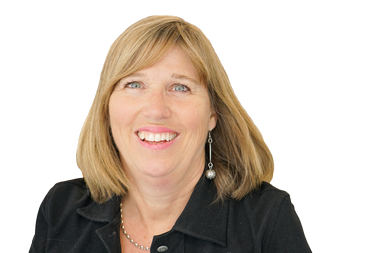
“People tend to think RAMQ covers all expenses when you’re in an accident, but that simply isn’t true. If I sprain my ankle hiking in Charlevoix, RAMQ won’t pay for my ambulance ride or my physiotherapy appointments. And the cost of those services can add up very quickly. For less than $50 a year, you can play sports and enjoy the great outdoors with total peace of mind, knowing you’re covered.”
- Suzanne Michaud, Vice President, Insurance, CAA-Quebec
Whether you’re relying on RAMQ coverage, group insurance, or the insurance provided by a sports federation, it’s important to ask questions and understand what is and isn’t covered.
Do I need insurance when travelling outside Quebec?
Many Quebecers think their insurance coverage stays the same when they travel outside Quebec. According to the same CAA-Quebec survey on vacation plans, 43% of Quebecers are unaware that both RAMQ and AMF (Autorité des marchés financiers) recommend taking out travel insurance whenever you travel outside the province.
Only 19% of those who travelled in Canada without insurance before the pandemic now say they’ll likely get insurance for their next trip. That’s half as many people as in 2020 (38%).
Yet RAMQ doesn’t provide a full refund for healthcare received outside the province, even if you’re still in Canada. Some services aren’t covered at all by our provincial health insurance. If the costs of the care you receive in another province are higher than what RAMQ will refund, you’ll have to pay the difference.
Travel insurance in the time of COVID-19: Don’t go without it!
Insurance companies have adapted their coverage to contend with the pandemic. It’s always a good idea to go over what your insurance does and doesn’t cover.
CAA-Quebec recommends you ask your insurer the following questions:
- Does my insurance cover all the costs of medical care and trip interruption due to COVID-19 or do I have to add a specific rider?
- Do you have to qualify for coverage? (Are you required to have received one or two doses of a COVID-19 vaccine, for example.)
- What is the coverage amount for medical care?
- What’s excluded from the insurance policy?
- What are the conditions for being reimbursed for a trip if it’s cancelled due to COVID-19?
Things can change quickly during a pandemic, so it’s important to keep track of the latest rules and make sure you’re properly insured before you leave on a trip.
About CAA-Quebec
CAA-Quebec is a not-for-profit organization that assists each of its members by providing mobility, travel, insurance, and residential benefits, products, and services. CAA was named Canada’s most trusted brand in the annual Brand Trust Index for 2021 by the Peter B. Gustavson School of Business at the University of Victoria.
–30–
________
(1) The survey was conducted by Leger for CAA-Quebec between May 7 and 16, 2021, with 1,000 respondents representative of Quebec’s general population.