
Benefit from personalized advice
Do you have questions about your home, need specific information, or are you looking for referrals to find an Approved Supplier?
To contact our Residential Advisory Services
1-877-803-1118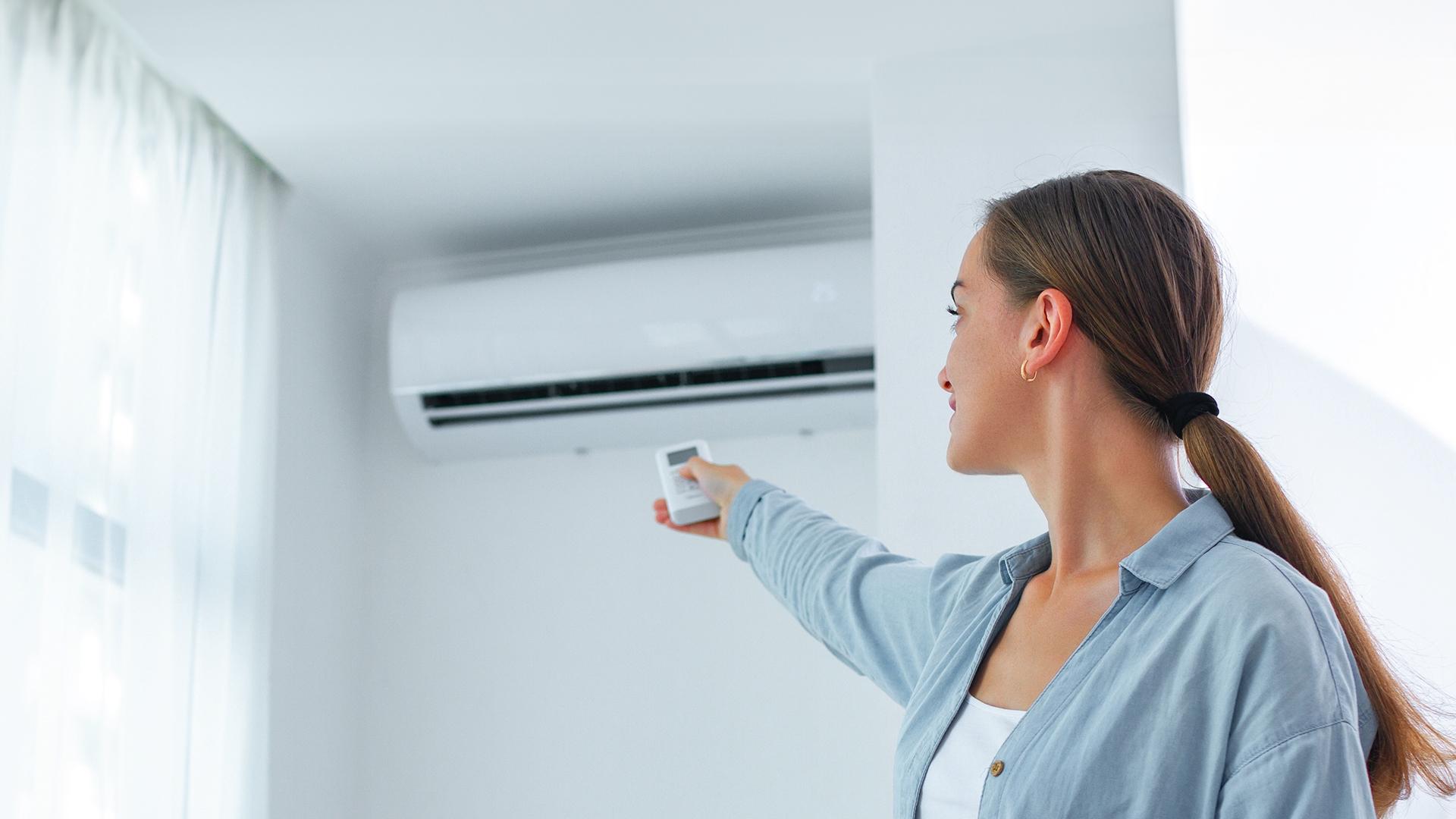
Do you want to choose the best air conditioner for your comfort this summer? Many models are available—from wall AC units to portable AC units, including apartment air conditioners and central air-conditioning systems. This guide outlines the pros and cons of each type of air conditioner. Find the unit that best fits your home by considering cooling capacity, noise level, and energy efficiency.
Before purchasing an air conditioner, always evaluate its cooling capacity, energy consumption, energy-saving potential, and noise level. These elements will help you choose an efficient, quiet air conditioner that’s well suited to your home.
1. Cooling capacity
Choose a unit with a cooling capacity suited to the size of your home. An air conditioner that is too powerful will turn on and off frequently. On the other hand, a properly sized unit will run longer and regulate humidity more effectively (30% to 50%). This ensures optimal comfort and better indoor air quality.
2. Energy efficiency
Choose an energy-efficient air conditioner to reduce your utility bills. The EnerGuide label and SEER rating indicate energy performance: the higher the number, the lower the energy consumption. For a single-family home, an ENERGY STAR® air conditioner must have a SEER of at least 14.
3. Noise level
Before purchasing and installing an air conditioner, carefully check the noise level indicated on its technical sheet. A unit that is too loud can quickly affect your comfort and sleep.

“Make sure your air conditioner complies with your municipality’s or building’s noise regulations. Above 80 decibels, your peace—and that of your neighbours—may be compromised. I recommend choosing a quieter model for long-lasting everyday comfort.”
Your choice depends on the area you want to cool. For a small space, opt for a wall-mounted AC, portable AC, mobile unit, or a vertical window air conditioner. Make sure the unit meets these technical specifications: 100 to 550 sq. ft. / 5,000 to 12,000 Btu/h.
For a whole house, consider a central air-conditioning system, which is much more expensive.

Discover the pros and cons of each type.
Window air conditioner (vertical or horizontal)
Wall-mounted air conditioner
Portable or mobile air conditioner
If you want to cool your entire home, several options are available. Here are the pros and cons:
Ductless split air conditioner
Ceiling-mounted unit
Central heat pump
Central air conditioner
Hiring a professional HVAC installer ensures that your wall-mounted, ductless split, or central air conditioner operates at peak performance. Professional installation guarantees proper operation and compliance with safety standards. It is also essential for maintaining your AC’s warranty.
Good maintenance ensures efficiency and longevity, whether your AC is portable, wall-mounted, or central. Clean the filters regularly and schedule an annual tune-up. These simple steps help prevent breakdowns, maintain energy efficiency, and keep you comfortable all summer long. Read our advice on How to properly maintain your air conditioner for the summer.
Make sure your air conditioner is backed by a solid warranty. Depending on the type of air conditioner or HVAC system, coverage typically ranges from 5 to 10 years:
Avoid cheap models with only a one-year warranty.
To maximize your chances of making a good purchase:
Need more home maintenance tips? See our Seasonal home maintenance guide.
Don’t want to invest in an air conditioner? A well-chosen fan can make all the difference. For effective cooling, consider room size, noise level, and energy use. Read our tips to help you choose the right fan.
Do you have questions about your home, need specific information, or are you looking for referrals to find an Approved Supplier?