
Benefit from personalized advice
Do you have questions about your home, need specific information, or are you looking for referrals to find an Approved Supplier?
To contact our Residential Advisory Services
1-877-803-1118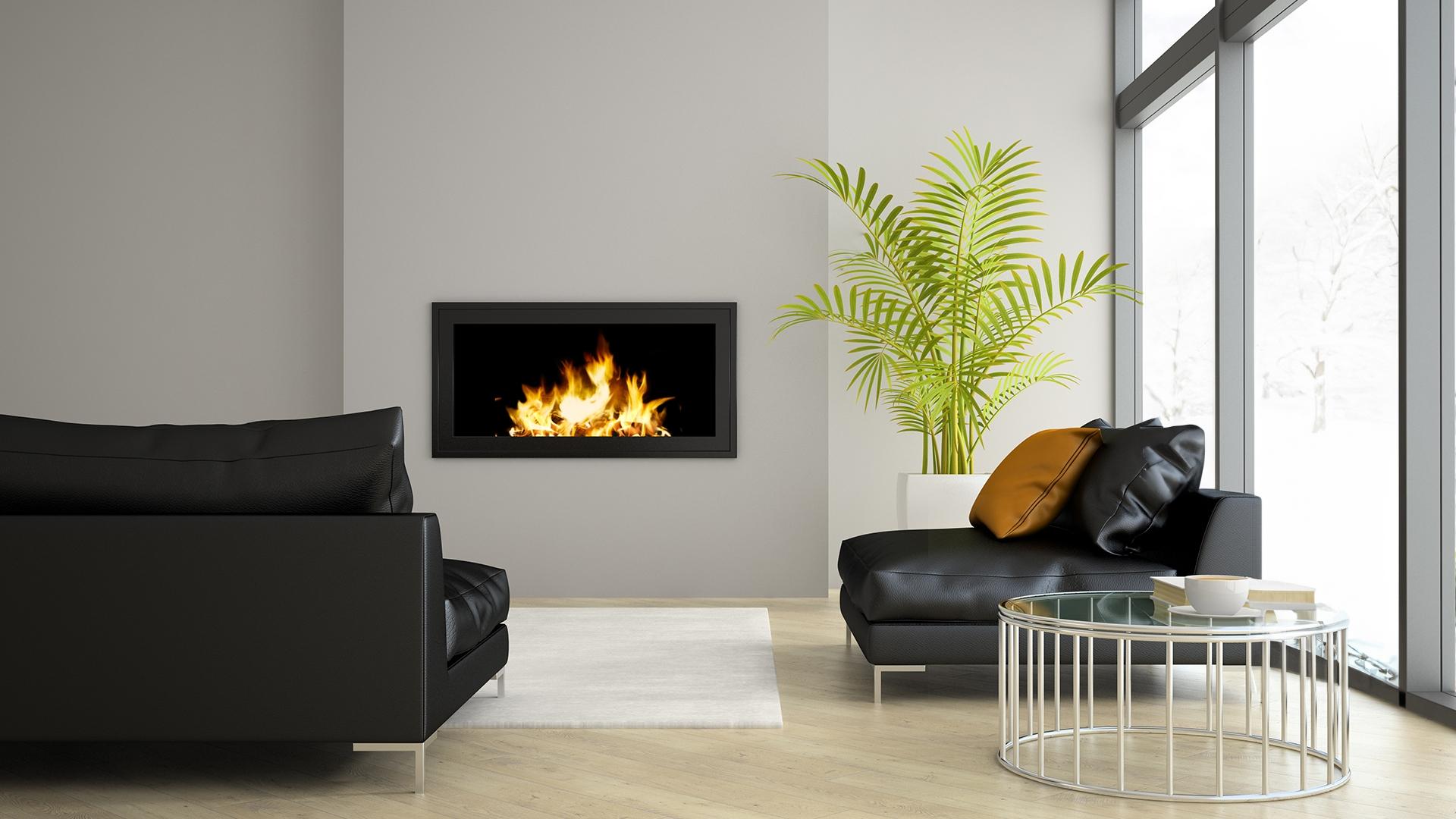
Dreaming of snuggling up in front of a fire this winter, but reluctant to install and maintain a wood-burning fireplace? It’s time to consider the alternatives! Find out more about electric fireplace, natural gas, propane, and pellet options.
A growing number of consumers are opting for these types of fireplaces. Rather than a chimney, they use an exhaust pipe or vent to expel combustion gases. When a house is already equipped with a natural gas distribution system, the fireplace can be powered by the same source as other gas appliances. Propane fireplaces require an outdoor tank that will need to be filled from time to time.
There are three types of gas or propane fireplaces:
The burners in natural gas and propane fireplaces should be professionally cleaned once per year. When the glass starts to turn brown, it’s time to call the cleaner.
The electrical ignition system can be powered by a backup battery. Many models don’t require electricity at all. All you need is a pack of matches to get the fire going.
Clever use of lights and reflective surfaces make the “flames” emitted by electric fireplaces glow and dance. Many models have built-in thermostats and come with remote controls that allow you to adjust the intensity of the light and flames and turn the fireplace on and off. Electric fireplaces are usually rated at 1,500 watts and produce 5,000 BTUs of heat. They’re not comparable to wood or gas fireplaces that can throw out up to 30,000 BTUs, but they have enough power to heat a 3m x 3m (10ft. x 10ft.) room.
You just need to change the bulbs every now and then.
They run on electricity, so you’ll be out of luck in a power outage.
Take the time to check whether you like the look and intensity of the flames before settling on a specific model.
Pellets are made of compressed waste wood and burn well because they are very dry. The pellets are put into a hopper and delivered to the burn chamber via an auger, so there is no wasted fuel or combustion time. The units stop on their own when they run out of pellets. Most pellet stoves are equipped with a thermostat to maintain the desired level of heat.
Pellets are sold in bags and are easier to store than traditional logs.
They require ongoing maintenance, including regular cleaning of the ducts, removal of ashes from the combustion chamber, annual maintenance of the motor and fans by a professionnal, and frequent washing of the glass panels.
The air circulation, combustion gas exhaust, and pellet supply systems run on electricity. Pellet stoves can’t be used for backup heating in the event of a power failure unless they are connected to a backup generator or battery.
No matter what type of fireplace you’re looking at, make sure it’s certified by the Underwriters Labratory of Canada (ULC) or the Canadian Standards Association (CSA). Gas-powered units should be approved by the Canadian Gas Association (CGA). If you want to make sure your unit is economical, efficient, and environmentally friendly, look for one that’s certified by the U.S. Environmental Protection Agency (EPA). It’s proof that the unit was designed to minimize indoor and outdoor emissions of particulate pollutants.
Have you decided to purchase a fireplace for your home? Remember to tell your insurance company. If you file a claim for damage caused by a fireplace that your insurer was not notified about, it may reduce your benefit. Before you start shopping around, don’t hesitate to call the experts at CAA-Quebec’s Residential Advisory Services.
Our thanks to: Les Foyers Mirabel for their participation in this article.
Do you have questions about your home, need specific information, or are you looking for referrals to find an Approved Supplier?