

Benefit from personalized advice
Do you have questions about your home, need specific information, or are you looking for referrals to find an Approved Supplier?
To contact our Residential Advisory Services
1-877-803-1118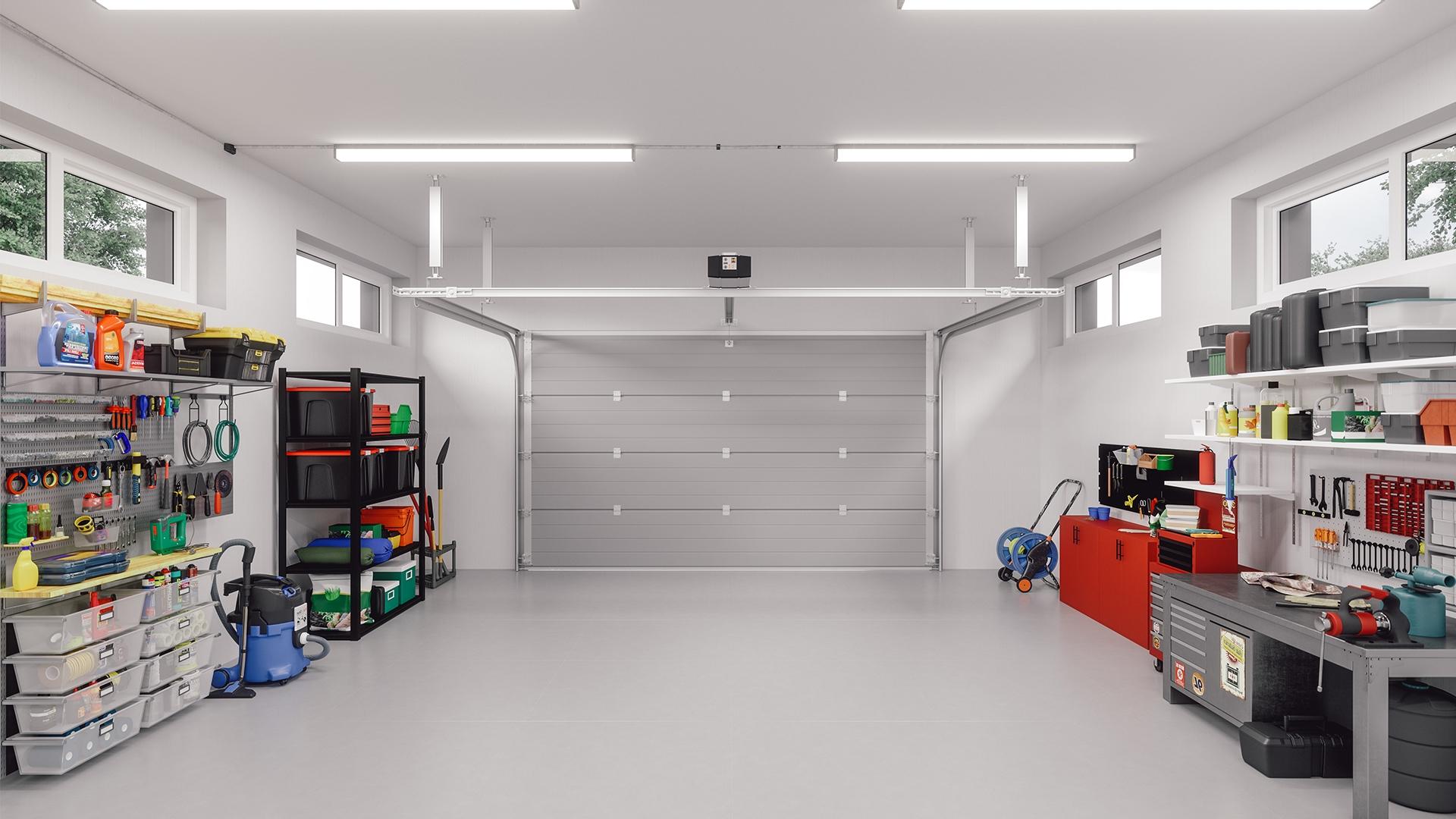
Looking for an attractive, heavy-duty, and easy-to-maintain resin garage floor? Polyaspartic and epoxy floor coatings offer long-lasting solutions to protect your concrete garage floor. Discover their advantages, disadvantages, as well as our garage floor installation and maintenance tips.
Pure resins originate from the industrial sector. When mixed with hardeners, they create a paint-like film that delivers an attractive, durable, and waterproof finish. Garage floor coating specialists use them to protect concrete floors against water, wear, impacts, and more.
The two main types of resin commonly applied to garage concrete surfaces are epoxy and polyaspartic coatings. Certain properties distinguish these two product families.
Comparison table of garage floor coatings
Comparison criteria | Epoxy garage floor | Polyaspartic coating |
|---|---|---|
Drying time | Requires patience: 3 to 5 days before using the garage again | Ultra-fast curing: Park your car the next day |
Cost | Affordable and economical solution: Between $4 and $7/sq. ft. installed | Higher investment for enhanced performance: Between $7 and $12/sq. ft. installed |
Installation | Can be applied starting at 10°C (not in winter) | Tight application window. Can be applied in cold weather, down to −7°C |
Resistance to chemicals | Ideal for workshops: Resists battery acids and solvents well | Excellent overall resistance (stains and chemicals), but more vulnerable to battery acid |
UV resistance | May turn yellow over time; better suited for indoor use | Remains stable and vibrant; also ideal for outdoor surfaces (balconies, terraces) |
Flexibility | More rigid: Less suitable for cracked concrete | More flexible: Tolerates minor movement and cracks |
Slip resistance | Naturally less slippery | Requires the addition of flakes or anti-slip particles |

“If your slab has minor cracks, I recommend polyaspartic flooring. Its flexibility absorbs concrete movement better than epoxy, making it an excellent option. For best results, apply it on a dry, thoroughly cleaned concrete slab.”
For a resin floor coating to adhere properly, the concrete slab must be dry and protected from moisture. A vapour barrier is essential; otherwise, water can rise through capillary action and cause the coating to lift over time.
Before installing a resin floor:
Thermosetting resins offer many benefits. Here’s why more homeowners are choosing a resin garage floor coating:
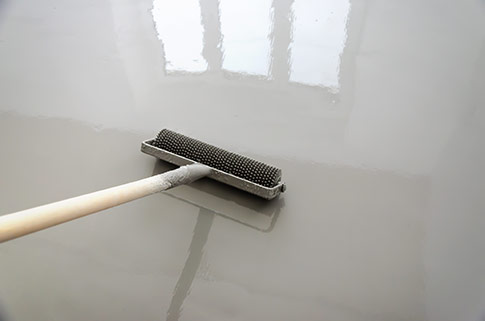
Resin flooring offers many benefits, but some drawbacks should be considered:
These products are available from certain retailers, allowing you to save a few hundred dollars on installation. However, be cautious: If you choose to do it yourself, proper concrete floor preparation is critical. Without a professional installer, the manufacturer’s warranty is often limited to one year.
Concrete slab preparation is crucial to the success of the project. Here are the steps every resin applicator (professional or not) should follow:
At this stage, application methods may vary.
Ideally, two or more experienced workers are required to meet application timelines, as polyaspartic coatings cure in under 30 minutes. The steps are as follows:
A resin garage floor requires minimal maintenance and is easy to clean. To keep it looking good and protected over time:
Over time, applying a new protective topcoat may be recommended to maintain gloss and extend the coating’s lifespan.
Do you have questions about your home, need specific information, or are you looking for referrals to find an Approved Supplier?