How to recognize and prevent drowsy driving
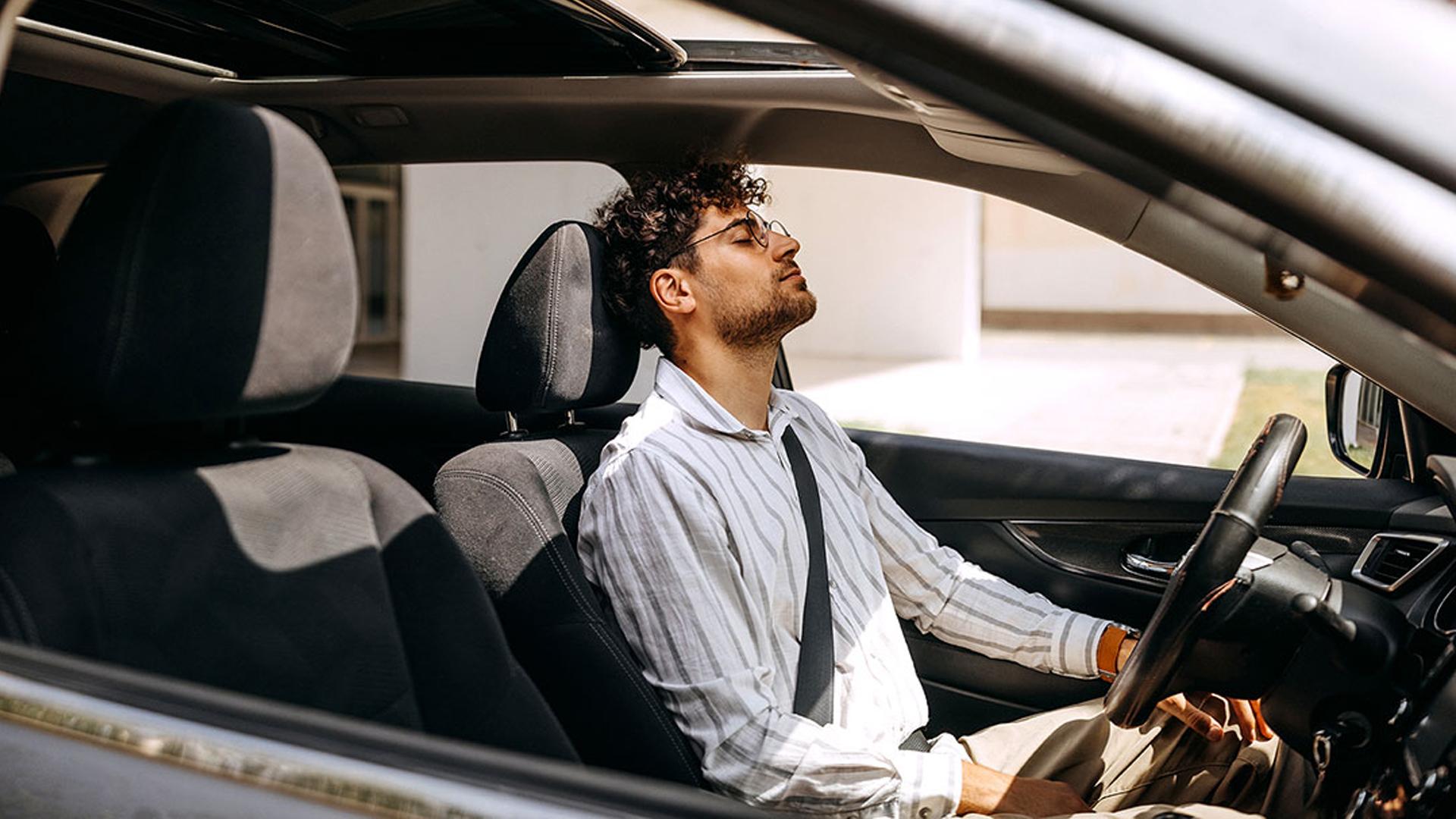
Every year in Quebec, nearly a quarter of injury-causing road accidents are linked to drowsy driving. But how do you recognize the signs of driver fatigue, respond appropriately and prevent these dangerous situations? This guide covers all the key points and offers practical tips to help you stay alert and safe on the road.
What are the first signs of drowsy driving?
The signs of drowsy driving can vary from person to person:
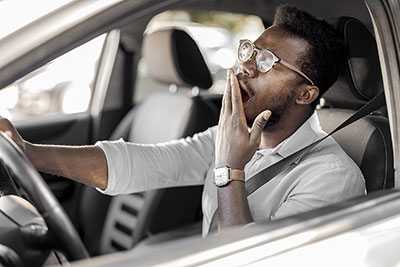
- Repeated yawning
- A tingling or burning sensation in the eyes
- Difficulty keeping your eyes open
- Blurry vision or a blank stare
- Microsleep episodes (nodding off)
- Loss of alertness for up to 15 seconds (an eternity on the road!)
- Slower reaction times, such as braking at the last second
- Restlessness due to back or neck pain and discomfort
- Inability to recall the last few kilometres driven
- Difficulty maintaining your speed or staying in your lane
How do you counter fatigue while driving?
Turning up the radio and drinking a coffee are not effective ways to counter drowsy driving. So what should you do?
- Hand the wheel over to another person if possible.
- Find a rest stop, a parking lot or a safe location to take a 15- to 20-minute nap and do some stretching.

“Have a small coffee just before your nap: the caffeine will kick in while you rest and help you stay awake for the remainder of your trip. While a nap is no substitute for a full night’s sleep, it can help you continue driving safely.”
What are the dangers of drowsy driving?
Drowsy driving impairs a driver’s concentration, affecting their judgment and reflexes—and ultimately their ability to drive safely. By ignoring fatigue, you put not only your own life at risk, but also the lives of other road users.
What can you do to avoid making your fatigue worse?
Here are a few tips to help you complete your trip without an accident. Please note: there are no guarantees!
- Reduce your speed.
- Dim your dashboard display.
- Avoid highways or monotonous stretches of road.
- Don’t force yourself to finish your trip at all costs. Knowing when to stop is often the best decision.
No longer fit to drive? CAA-Quebec members can request Roadside Assistance to get a Safe Ride Home Service. It’s included in your membership.
Is drowsy driving penalized by law?
Drowsy driving is not an offence under the Highway Safety Code. There is no fine or penalty for passenger vehicle drivers. Yet, according to recent SAAQ data, fatigue is one of the leading causes of Quebec road accidents, on par with speeding, distracted driving and alcohol. When fatigue sets in, alertness drops quickly.
This alarming reality has led the CAA-Quebec Foundation to step up its public awareness efforts. The Foundation is also working to dispel the common misconceptions that still persist on the subject.
Good to know: Sleeping fewer than five hours a night increases the risk of sleep deprivation. This risk is even greater for men aged 50 and over, who are more likely to have an undiagnosed sleep disorder such as sleep apnea. A restorative sleep should include a minimum of seven hours.
How do you prevent drowsy driving?
The best way to prevent drowsy driving is to maintain good sleep hygiene:
- Respect your sleep cycle and your body clock.
- Avoid caffeine, nicotine and alcohol four to six hours before bedtime.
- Get enough sleep in the days leading up to a long drive or road trip.
- Break up your itinerary with stops every two hours. If you drive an electric vehicle, take advantage of EV charging stops to squeeze in a nap.
- Eat light meals and stay hydrated throughout your trip.
- Avoid driving at night or driving in the dark.
- Favour travel in the morning or between 3p.m. and 10p.m.
Key takeaway: Managing fatigue is essential for everyone’s road safety. Take the time to rest rather than taking unnecessary risks on the road. Take a preventive approach—there are even personalized driving courses focused on preventive driving.
Frequently asked questions about drowsy driving
What is the main cause of drowsy driving?
A lack of sleep or poor sleep quality is the most common cause of drowsy driving. Sleeping fewer than five hours significantly increases the risk of an accident.
What should I do if I feel drowsy while driving?
Pull over in a safe location and take a 15- to 30-minute nap. Solutions like opening the window or turning up the radio simply don’t work.
Is drowsy driving a traffic offence?
No. Drowsy driving is not an offence, and the Highway Safety Code does not provide for any fine related to fatigue. That said, fatigue remains one of the leading causes of accidents in Quebec.