
Benefit from personalized advice
Do you have questions about gas-powered or electric vehicles, driving, or need recommendations to find an Approved Auto Repair Service?
To contact our Mobility Advisory Services:
1-888-471-2424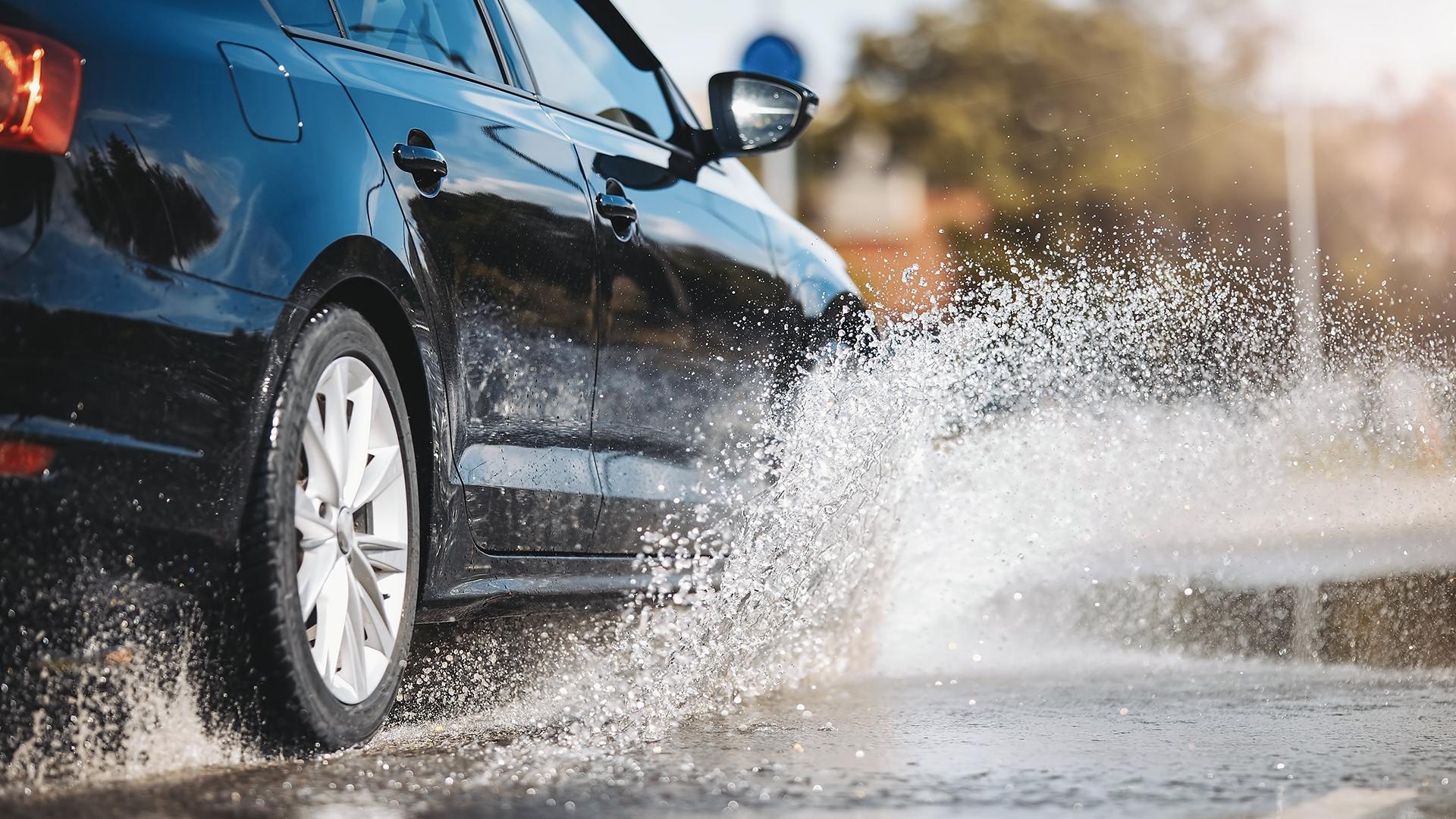
Snowmelt on roads, heavy rain, slush … when there is water accumulation on the roadway, there is a real risk of losing traction. Here’s how to recognize the signs of hydroplaning and how to react if your vehicle starts to skid.
Hydroplaning can happen anywhere water accumulates on the road surface. Be especially vigilant in the following situations:
Certain clues can help you detect an imminent risk of hydroplaning. Pay close attention—you may be able to anticipate it:
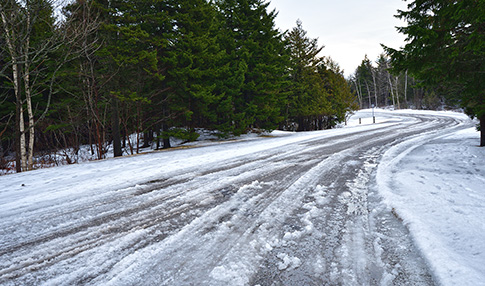
The risk of hydroplaning increases with speed. Reduce your speed as soon as wet road conditions are present or when you suspect standing water on the road. At higher speeds, tires have a harder time evacuating water, which increases the risk of floating.
Increase your stopping distances—you may even need to double the following distance behind the vehicle ahead. In short, adapt your driving in winter as well as in summer. This is part of good road safety habits.
Avoid driving with cruise control when the road surface is slippery or wet. Why? In the event of hydroplaning, cruise control may cause the wheels to accelerate instead of slowing down, making it harder to regain control.
Tip: Keep your foot close to the brake pedal so you can react quickly. Check your owner’s manual to learn how to turn off the ON/OFF or RESUME button.
Winter or summer tires with worn tread depth or patterns do not evacuate water effectively.

“To grip the road properly, your tires must be able to channel water away, especially to the sides. If they can’t, a thin wave of water forms in front of the tire and can cause you to slide, much like on black ice.”
Also check your tire pressure according to the manufacturer’s recommendations. Properly inflated tires significantly improve water drainage. Note that wide tires tend to hydroplane more easily than narrower ones.
Drive slightly to the side of wheel tracks or areas where water accumulates, which are more common near the edges of the roadway. These zones greatly increase the risk of skidding.
If you cannot avoid a puddle, brake before entering it—not while driving through it. Some puddles hide potholes that can damage your wheels or cause your vehicle to veer off course.
Ease off the accelerator and slow down when approaching puddles in the city. You’ll avoid splashing pedestrians and reduce the risk of losing control.
If your vehicle begins to skid despite your precautions:
Tip: In the event of a total loss of control, straighten the wheels and brake firmly until the vehicle comes to a complete stop.
In closing, remember that hydroplaning is a preventable hazard. Maintain proper tire pressure at all times. When faced with standing water, adjust your speed—even below posted speed limits. This will help you stay in control of your vehicle, regardless of weather conditions.
Is it winter? Discover our tips for driving on icy roads.
Do you have questions about gas-powered or electric vehicles, driving, or need recommendations to find an Approved Auto Repair Service?