Need advice on your Vehicle or Home Insurance?
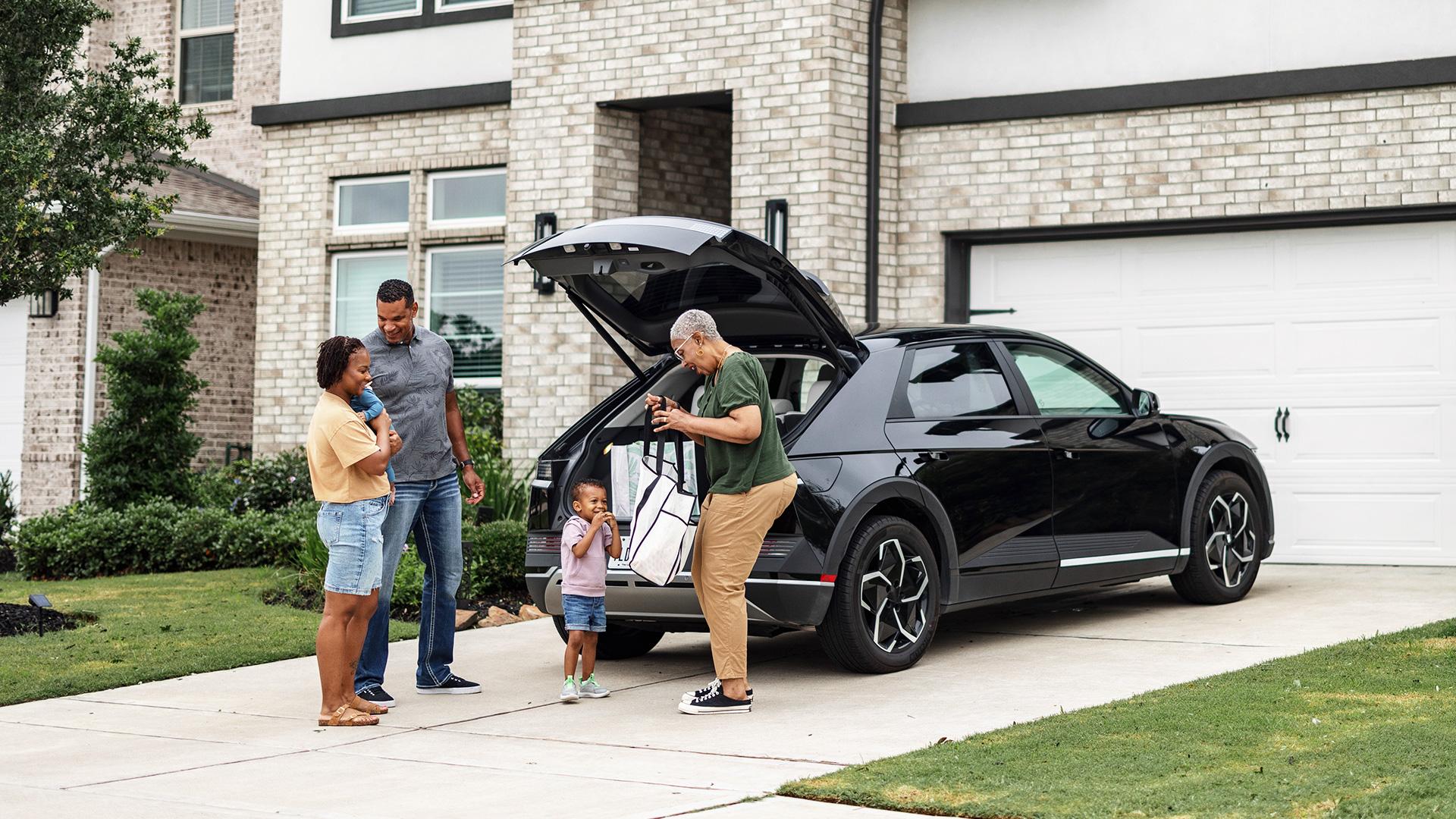
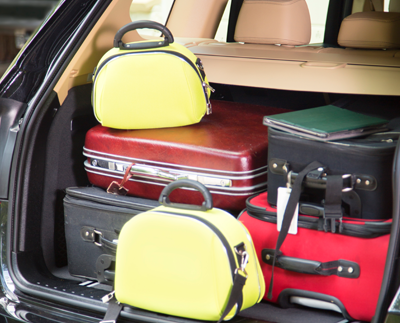
If your vehicle is broken into or damaged, both your auto insurance and your home insurance may apply—but each covers different belongings. Here’s a clear breakdown of their respective roles, so you understand exactly what each policy will reimburse. Knowing these key distinctions in property and casualty insurance can help you avoid unpleasant surprises.
Your automobile insurance plan generally covers permanent accessories and certain equipment on your insured vehicle. Physical damage to your personal belongings, such as a cellphone or handbag, isn’t covered unless it’s directly tied to the use of the vehicle.
Examples of items covered by your auto insurance in the event of a loss in your car:
Your home insurance covers all items that aren’t exclusively tied to the use of the vehicle. That makes it essential, even if you’re a renter.
Examples of items covered by your home insurance policy in the event of a loss in your car:
In the event of a loss, check your home insurance policy for any specific exclusions or limitations.
Imagine someone steals your roof box with your skis inside:
You’ll need to file two claims. If your home and auto insurance are bundled with the same insurance company, only one deductible will apply—usually the higher of the two. Otherwise, you’ll have to manage two separate claims and pay two deductibles.
Before purchasing insurance, check the limitations of your current coverage. For example, some home insurance policies limit coverage for a bicycle, which could fall short if you own an electric or high-end bike.
Be sure to:
If you’re unsure about your coverage, request a quote from your insurer or talk to a broker.
Certain accessories or cosmetic modifications can:
You can’t file a claim for an item that doesn’t belong to you. In the event of a loss, the owner’s insurance applies.
If you’re renting an item, your home insurance may cover certain damage or theft, but this isn’t automatic. Check before renting an item. Otherwise, the rental company may offer you coverage … or hold you responsible.
Generally, your policy covers damage to your insured belongings, but certain situations are excluded:
To help prevent theft from inside your vehicle:
In short, your auto insurance protects items fixed to or tied to the use of the vehicle. Your home insurance covers personal items you’re transporting.
To be properly compensated, make sure you have both types of insurance … and keep them up to date! This will also help you get better insurance rates for coverage tailored to your needs. Before filing a claim, weigh the value of your belongings against the deductible you’d have to pay. If the value is lower than, or only slightly higher than, your deductible amount, filing a claim may not be worthwhile.