


Protect your home
See how CAA-Quebec Home Insurance can meet all your needs.
To ask your questions:
1-844-446-3636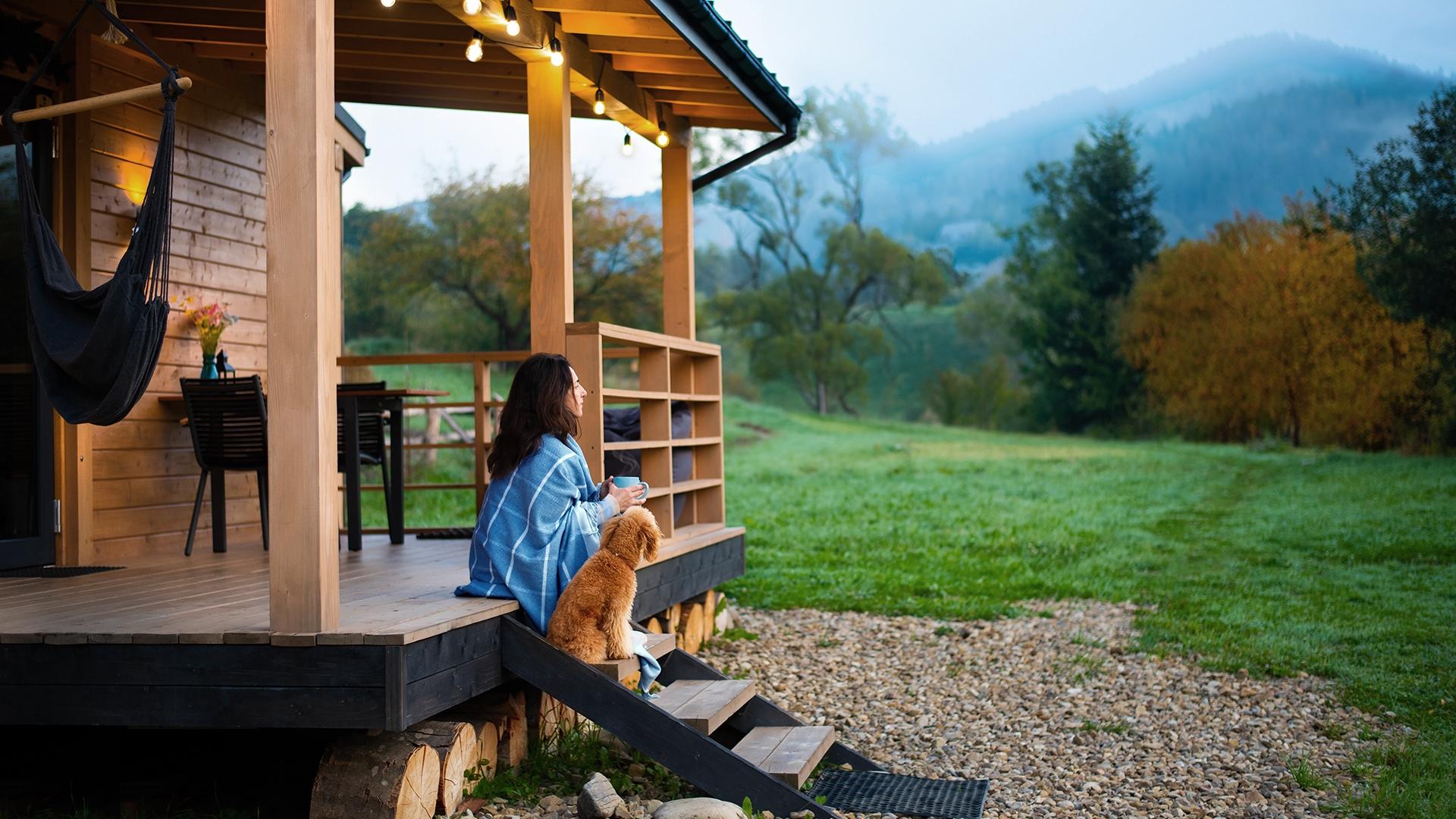
Whether you use your cottage year-round or only in the summer, having the right home insurance plan is essential. The right policy covers unexpected events, from theft to water damage. Here’s an overview of the insurance products available and the limitations to be aware of based on your situation.
Owning a cottage in the countryside or by a lake can seem idyllic. However, just like with a house, accidents or severe weather can happen at any time. The right cottage insurance helps protect your investment and gives you peace of mind in the long term.
Tip: Before purchasing cottage insurance, take the time to clearly identify your needs. Think about the pros and cons, replacement cost, how often you plan to use the property, and how you intend to enjoy it. Some insurance companies offer attractive savings when you bundle your coverage. Find out what works best for you!
The type of insurance you choose for your cottage will depend on how you use it. Will you stay there only in the summer or winter? Do you plan to visit every weekend with family members?
A) Frequent use for a cottage that meets current building standards:
B) Seasonal use:
Seasonal home insurance offers limited coverage options. The basic policy includes: fire, hail, lightning, and high winds. However, it does not include:
Do you own watercraft, fishing equipment, or other valuable belongings? Add an endorsement to cover these items, or bring them home after each visit.
C) In all cases:
Talk to your insurer to fully understand what is covered … and what isn’t. Prepare your questions ahead of time:
Good to know: Some municipalities require proof of insurance before issuing a building permit, renovation permit, or short-term rental permit. Check local regulations to avoid unpleasant surprises.
Speak with your insurance agent or broker, who can offer you the best coverage for your secondary residence based on your situation.
Your cottage renters are covered by the liability coverage of their own home insurance policy. If your tenant accidentally causes a fire, for example, their personal liability coverage will compensate for the damages caused.
Tip: Ask for a copy of the home insurance policy of anyone renting your cottage. If they don’t have one, it may be worth reconsidering before renting to them.
Regular maintenance is key to avoiding certain risks and protecting your real estate investment. Proper upkeep helps prevent many problems, including pest infestations, which are excluded from most policies.
If you only use your cottage in the summer, make sure to prepare it properly before and after each season. Read these tips:
These crucial steps could save you from many unwanted surprises when you’re ready to enjoy your property.
Install working smoke detectors, an alarm system, or real-time security cameras. This can not only reduce your risks, but may also entitle you to discounts on your insurance premium.
See how CAA-Quebec Home Insurance can meet all your needs.