CDPC or private dental insurance: The differences
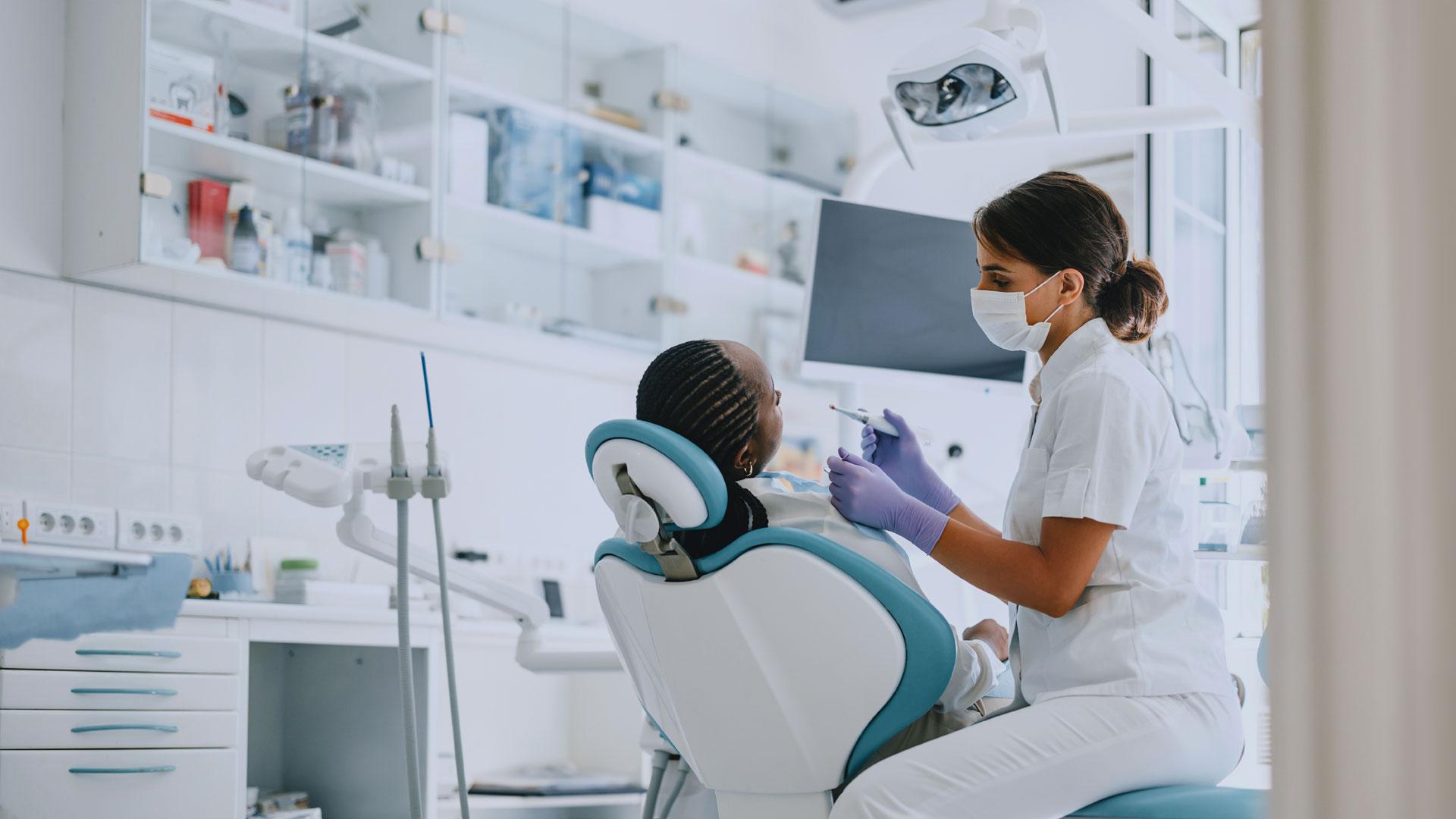
The Canadian Dental Care Plan (CDCP) is for uninsured people who meet certain eligibility criteria, including income. Private dental insurance, on the other hand, gives you more freedom to choose your coverage. The CDCP can be a good fit for eligible people who need routine dental care, while private insurance can offer broader protection, including some costly major dental work and orthodontic care. Find out about the coverage, costs and conditions of each option to decide which one is right for you.
What is the Canadian Dental Care Plan and who is it for?
The Canadian Dental Care Plan (CDCP) is a federal public program that helps eligible people pay for certain oral health care. It is managed by Health Canada, and claims are processed by Sun Life.
Important: The CDCP is a safety net for uninsured people.
Are you eligible for the CDCP?
To qualify for the CDCP, you must meet all of the following conditions:
- Be a Canadian resident
- Have filed an income tax return the previous year
- Have no access to private or group dental insurance (through an employer, an educational institution or a pension plan)
- Have an adjusted family net income under $90,000
A self-employed Quebecer or a retired person without group coverage may therefore be eligible, as long as their income is below the threshold.
Opt-out rule: CDCP eligibility is verified every year. If you voluntarily opted out of the dental coverage offered through your pension plan or employer after December 11, 2023, you are not eligible for the CDCP, even if you are no longer covered today.
What dental care does the CDCP cover?
The plan covers part of the cost of a wide range of oral health care. However, some treatments require prior authorization or are subject to strict limits.
Care that may be covered includes:
- Preventive care and diagnosis: Exams, X-rays, cleanings, fluoride and sealants
- Basic care: Fillings, certain root canal and gum treatments
- Major care: Certain crowns, repairs and removable dentures
What dental care is generally not covered by the CDCP?
- Orthodontics, unless it is a medically necessary procedure to treat health problems
- Dental implants
- Veneers
- Cosmetic treatments (e.g., teeth whitening)
- Certain surgical procedures
To see all the services covered by the Canadian Dental Care Plan, visit the CDCP web page.
Is the CDCP free?
There is no monthly premium for the CDCP, but your dental care is not necessarily free. Coverage depends on your income and on the fees charged by your oral health professional, so you may still have out-of-pocket costs. Your co-payment (the portion of the bill you pay yourself) depends on your adjusted family net income.
CDCP co-payment scale by income
Adjusted family net income | Your co-payment |
|---|---|
Under $70,000 | 0% |
$70,000 to $79,999 | 40% |
$80,000 to $89,999 | 60% |
Tip: Before any dental treatment, always ask your dentist for an estimate so you know which costs will be covered and how much you will have to pay.
How does private dental insurance work?
Private dental insurance, whether you buy it individually or get it through an employer, can be a good option if you are not eligible for the CDCP or want additional coverage. It can also extend to your family members. In exchange for a premium (the price of the insurance), the insurer reimburses part of your eligible dental expenses according to the terms of the contract.
A deductible or coinsurance may also apply. The deductible is a fixed dollar amount you must pay yourself before the insurance starts reimbursing eligible expenses. Coinsurance is the portion of the costs you must pay yourself. For example, if your coinsurance is 20%, you pay 20% of eligible expenses and the insurer reimburses 80%, subject to the limits set out in the contract.
After your treatment, a claim (a request for reimbursement) generally has to be submitted to the insurer, either by the dental clinic, when it offers this service, or by the insured person.
What dental care does private dental insurance cover?
Depending on the contract, coverage may include:
- Exams and preventive care
- X-rays and cleanings
- Fillings and other restorative care
- Certain major or orthodontic treatments
However, coverage has some limits. Depending on the contract, a maximum reimbursement percentage or an annual maximum may apply. Reimbursement may also be calculated using a reference fee guide. So even if a treatment is covered, part of the bill may remain your responsibility.
Private dental insurance in Quebec: How much does it cost?
Generally between $50 and $150 per month. The dental insurance premium can vary depending on several factors, including:
- The type of plan: Individual, family or group
- The level of coverage: Preventive care, basic care or major care
- The annual maximum and the reimbursement percentage
- The deductible, coinsurance and waiting periods
- The exclusions set out in the contract
- The number of people to cover
To find out whether individual insurance is worthwhile, compare the annual cost of premiums with the out-of-pocket costs you would still have to pay.
Private insurance or CDCP: Comparison
The CDCP and private insurance don’t offer the same coverage or the same conditions of access.
Criteria | Government plan (CDCP) | Private dental insurance |
|---|---|---|
Eligibility | Income < $90k No insurance | Available to everyone (through individual purchase or an employer) |
Premium | Free | Monthly or annual premium |
Your out-of-pocket costs | Co-payment of 0% to 60% depending on income | Deductible, coinsurance and costs above the annual maximum |
Flexibility | Fixed, preset coverage | Customizable plans and options |
Choice of dentist | Dentists who participate in the CDCP | Your choice |
What dental care does the RAMQ cover?
Quebec’s health insurance board (RAMQ) covers certain dental care in specific situations. This is the case for children and for some people who receive financial assistance. It also covers services including certain oral surgeries performed in a hospital.
For most adults, routine dental care is not covered by the RAMQ. The CDCP or private insurance can then fill that gap, depending on your situation.
Pros and cons of the CDCP and private insurance
CDCP
- Pros: No monthly premium; an essential safety net for low- and middle-income people without coverage.
- Cons: Strict eligibility criteria; frequent out-of-pocket costs (co-payment and dental fees); paperwork and authorizations required for some medical services.
Private insurance
- Pros: Wide choice of care and annual maximums; possible coverage of major care and orthodontics; complete freedom to choose your dental professional.
- Cons: Regular premium payments; annual maximums and waiting periods depending on the contract.
Can you cancel individual insurance to apply for the CDCP?
In theory, yes. If you cancel an individual dental insurance plan that you pay for yourself, you will no longer have private coverage. You could then meet the CDCP’s “no insurance” eligibility criterion.
However, you would be without coverage while your CDCP application is being approved, and there is no guarantee of acceptance! You must also meet the other eligibility criteria. In addition, some major care is restricted or excluded from coverage.

“Assess your dental needs for the next 12 months. Compare what you would pay out of pocket with the CDCP (uncovered costs and amounts above what the plan pays) versus with private insurance (monthly premiums, out-of-pocket costs after annual maximums and exclusions). The best option is the one that protects your teeth without breaking your budget!”
3 real-life examples to guide you
Case 1: Self-employed worker with no group plan and a family income under $90,000.
First, check your CDCP eligibility. If your needs are limited to basic care, the federal plan will significantly reduce your expenses. If you expect complex care that the CDCP doesn’t cover, consider switching to individual private insurance.
Case 2: Family with no group plan and a child who needs orthodontic care (braces).
The CDCP doesn’t cover routine orthodontics. If you can afford it, opt for a private plan including dedicated coverage so you can plan for these expenses and spread the costs over the year.
Case 3: Employee with a group dental plan.
Use your group plan first for your exams and cleanings. If this coverage doesn’t meet all your needs, consider topping it up with private dental insurance.
Compare to find the right plan
The CDCP protects those who have no insurance, while private coverage offers a more tailored fit. Eligibility, upcoming treatments, budget: compare your options carefully to make the most informed choice for your smile and your wallet!
FAQ – Canadian Dental Care Plan (CDCP)
1. Can I combine the CDCP and private dental insurance?
No. Having access to group or private dental insurance makes you ineligible for the CDCP. Check your situation before you apply.
2. Should I cancel my private dental insurance now that the CDCP exists?
No, this isn’t recommended without first getting an analysis from a financial security advisor or a life and health insurance representative. Canceling your insurance doesn’t necessarily make you eligible for the CDCP, and it doesn’t guarantee your acceptance into the plan. It can also leave you without essential protections (major care, orthodontics, no waiting period).
3. Does the CDCP cover all orthodontic costs?
No. Only orthodontic cases deemed medically necessary are assessed through preauthorization. Routine orthodontic treatments are not covered.
4. Does private dental insurance offer better coverage than the CDCP?
Very often, yes. Private insurance lets you choose higher annual maximums, include specialized care and avoid the restrictions tied to the family income threshold.
5. How do I check my CDCP eligibility?
Consult the official Government of Canada criteria. You will need to check, among other things, your access to dental insurance, your adjusted family net income, your tax residency status and your income tax return.