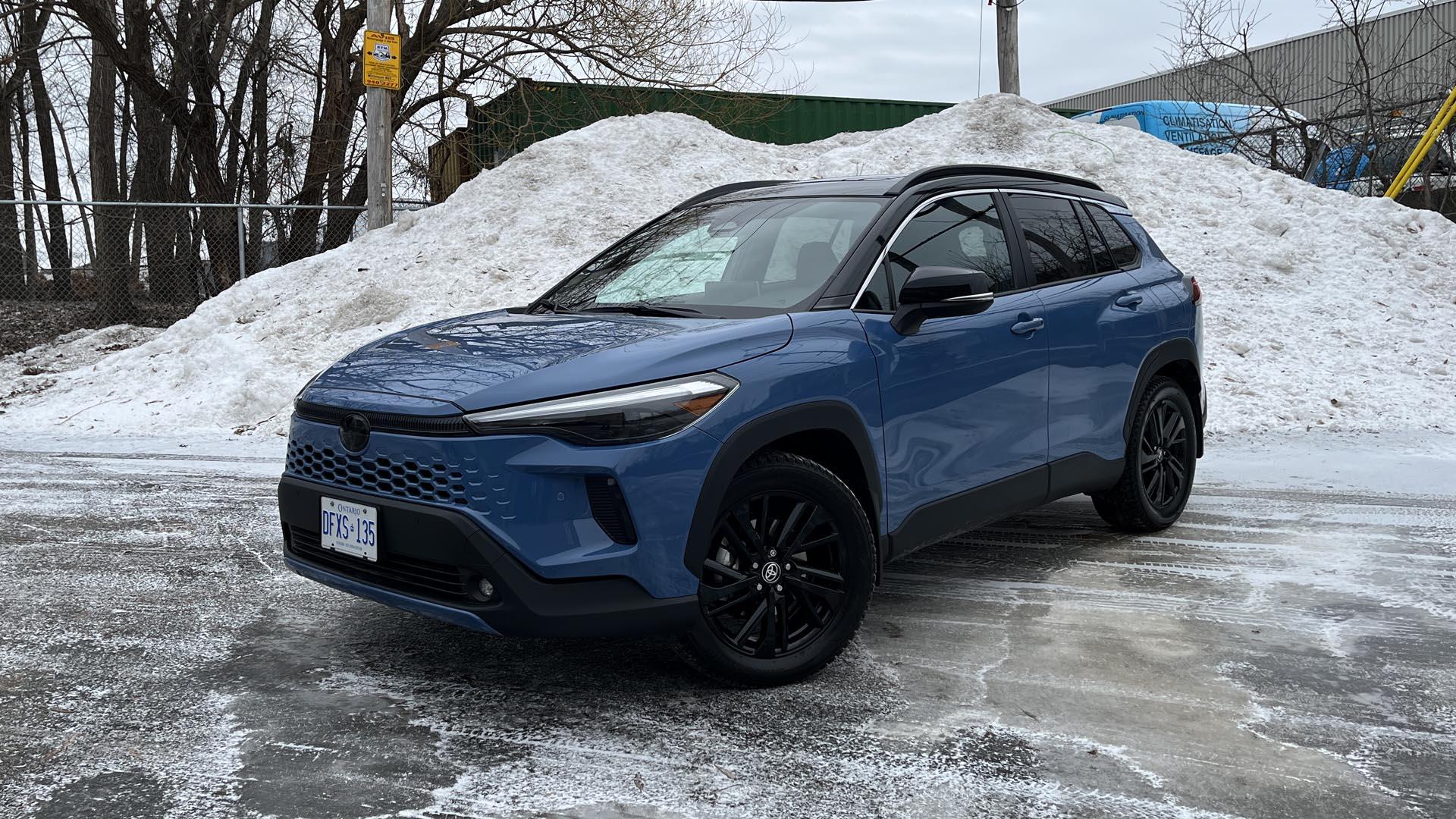
TOYOTA Corolla Cross 2026
The voice of reason among subcompact SUVs
Pros and cons
Pros
- Responsive hybrid engine
- Smooth ride
- Cabin rooomy for the size
- Simple controls
- Good visibility
- Proven reliability
Cons
- Noisy engine
- Range too short
- Fuel consumption higher than expected
- Unresponsive steering
- Short front seat cushions
Overview
Who remembers the Toyota Matrix?
This high-riding station wagon version of the Corolla, sold here from 2003 to 2014, had its share of fans because it offered undeniable practicality in a compact and economical format.
After the Matrix was discontinued, the Scion iM, later renamed the Corolla iM, held the fort in the compact hatchback segment within the Toyota group. Then came the Corolla Hatchback. However, their small size and, above all, their limited cargo space prevented them from claiming the same versatility as the Matrix.
Corolla Cross: the tall wagon turned subcompact SUV
That's where the Corolla Cross comes in. Launched for the 2022 model year, it picked up where the Matrix left off with its overall size and the availability of optional all-wheel drive. A hybrid version was added to the lineup for 2023.
Although its styling makes it look more like an SUV than a station wagon, the Corolla Cross' connection to the Corolla goes beyond simply using that well-known name. The platform, suspension, and interior are closely derived from those of the sedan. The purely gasoline-powered models also use the same powertrain.
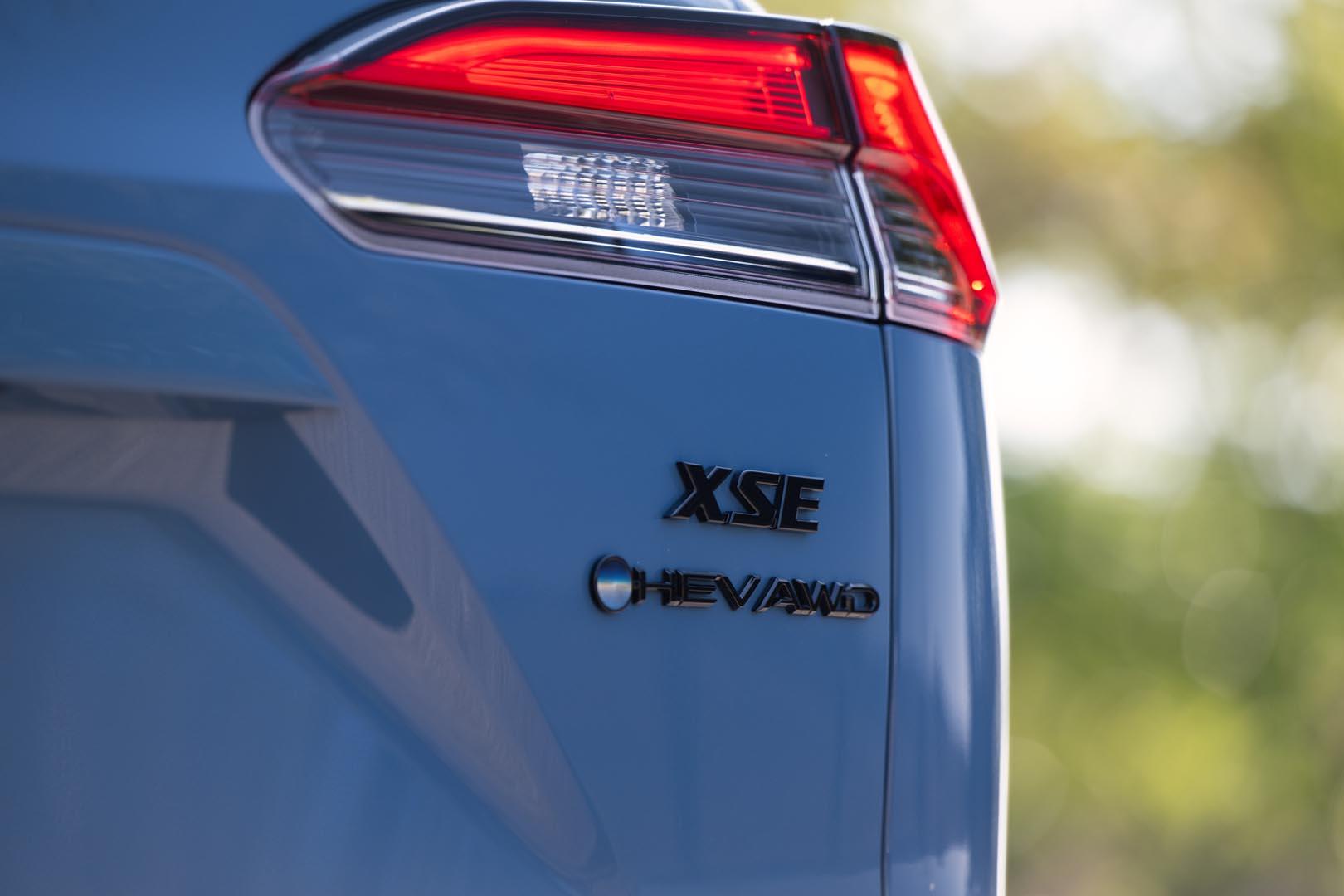
However, the two hybrid variants use the Prius' engine, which is significantly more powerful than the Corolla Hybrid's. This is undoubtedly why Toyota markets them exclusively in SE and XSE trims, two suffixes associated with the brand's moderately sporty models.
Hybrids: a near-exclusive option in the category
The subcompact SUV category is crucial in Quebec, as it now serves as the entry point for most manufacturers. The gasoline-powered Corolla Cross models have specifications comparable to those of several rivals, with their four-cylinder engine paired with a continuously variable transmission.
On the other hand, hybrid versions are almost unique in the segment. In fact, they were until Subaru launched its Crosstrek Hybrid for 2026. Unlike Subaru, which only offers this option at the top of the range, Toyota also offers a dual-motor Corolla Cross at a more accessible price point—if you can call a price tag of nearly $39,000 (including freight, PDI, and dealer fees) affordable.
High price, limited availability
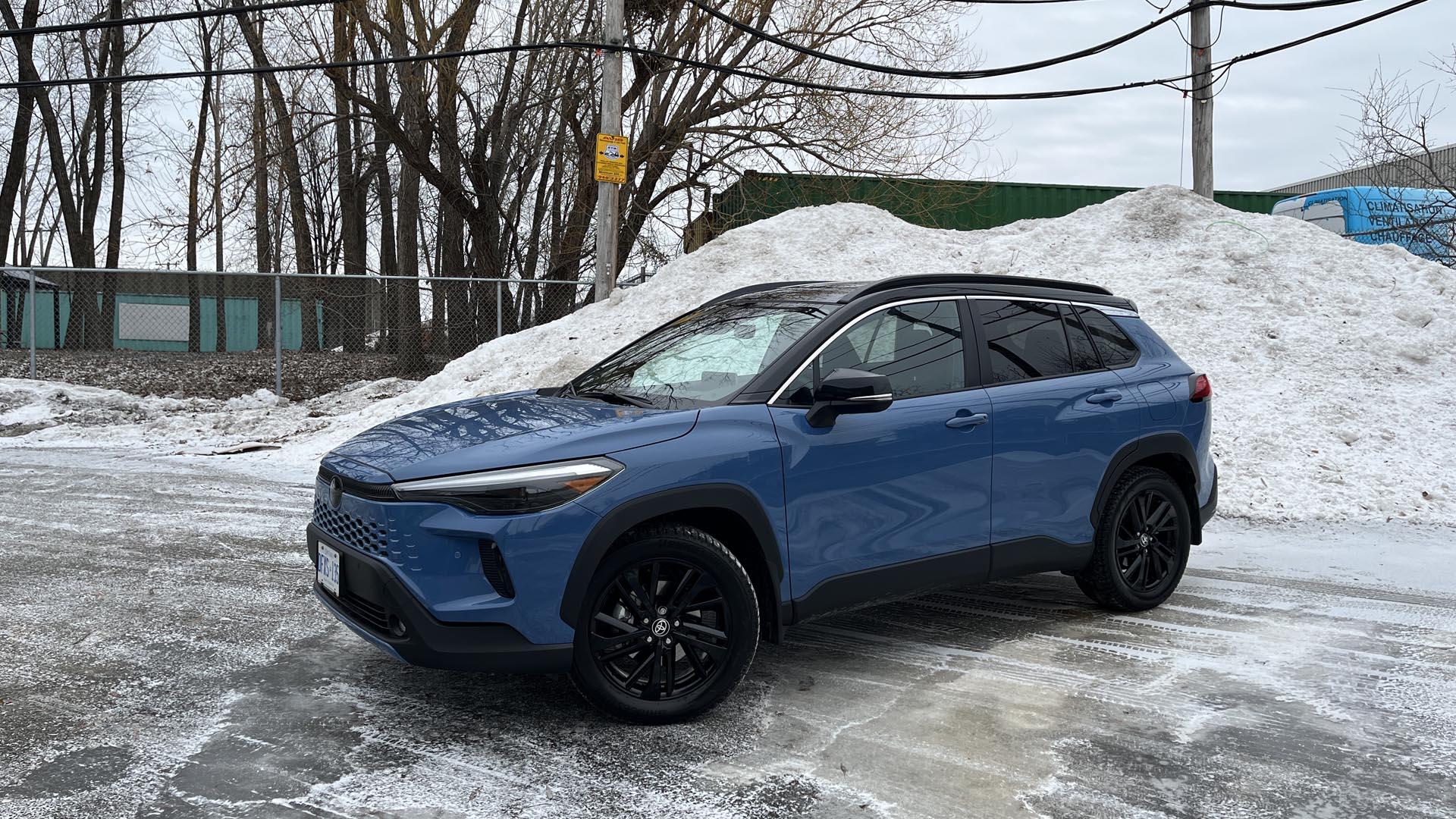
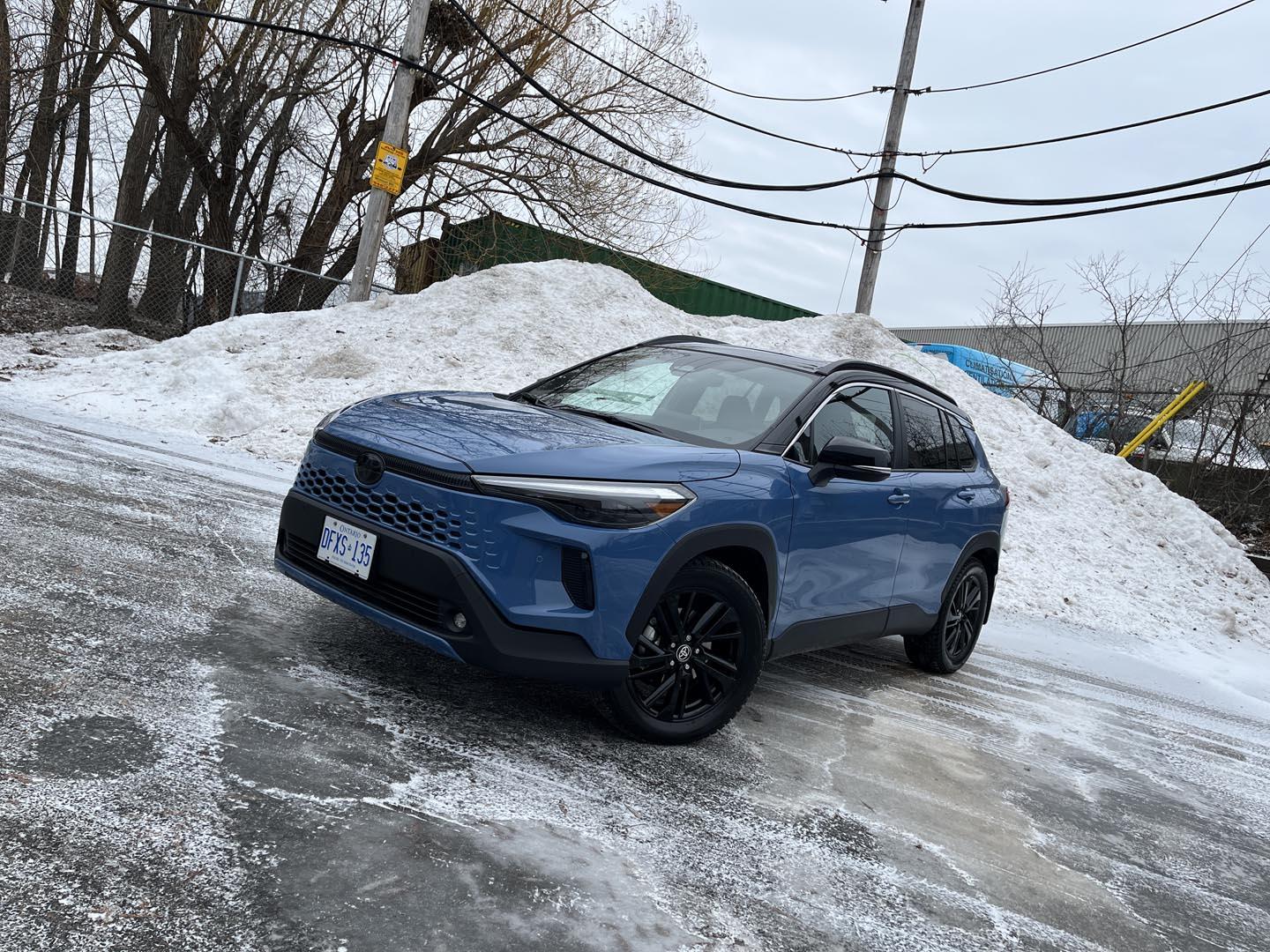
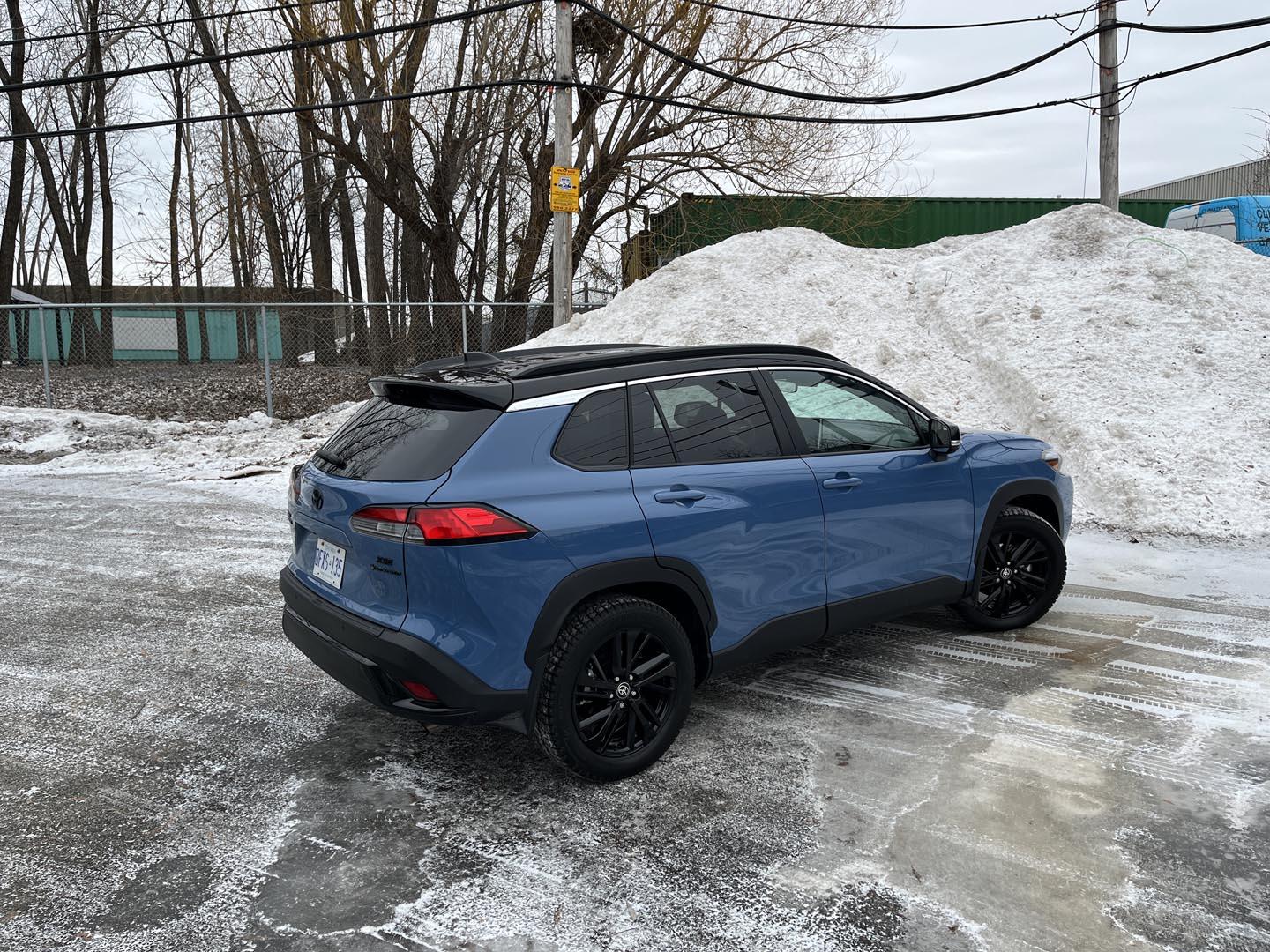
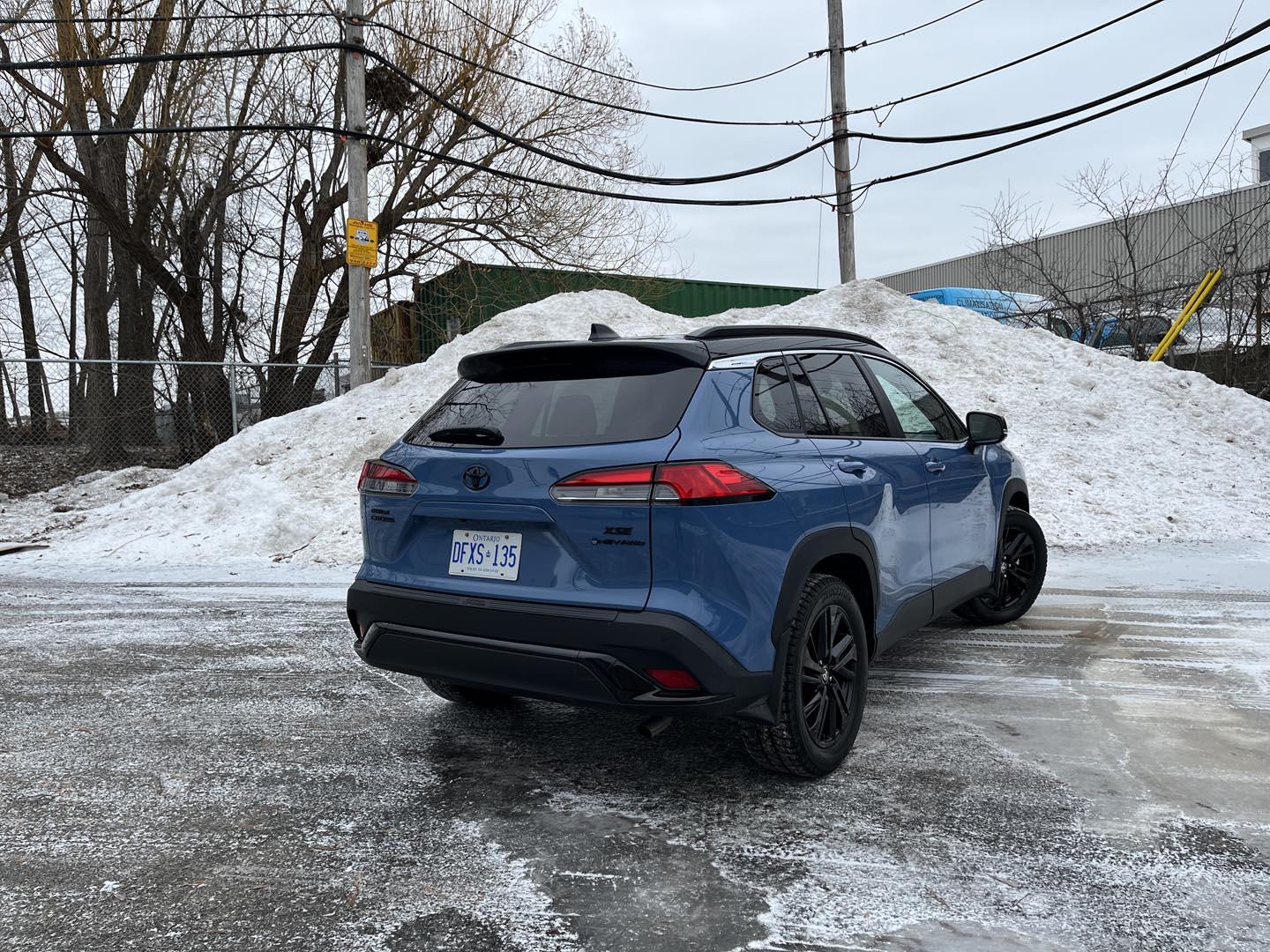
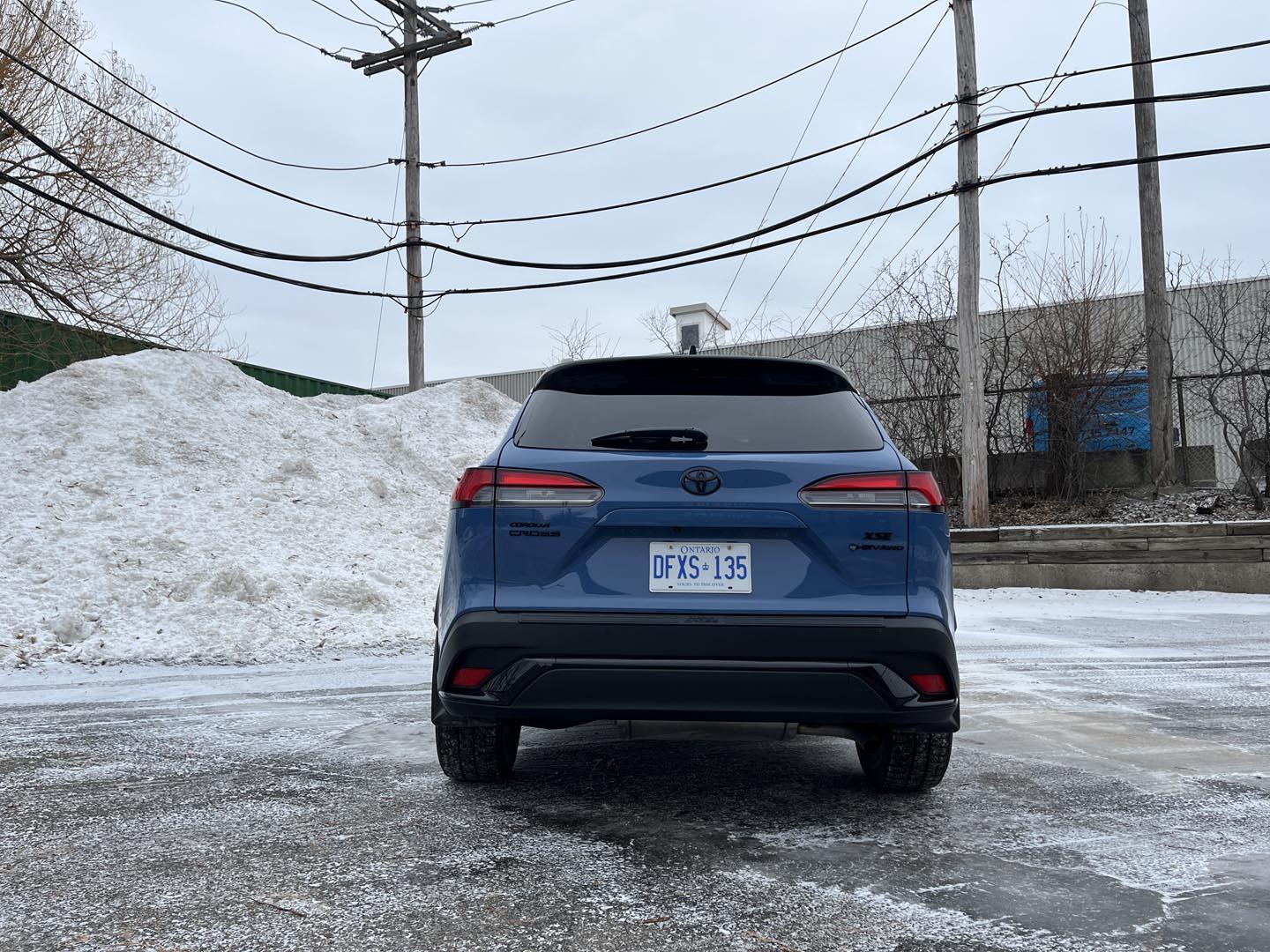
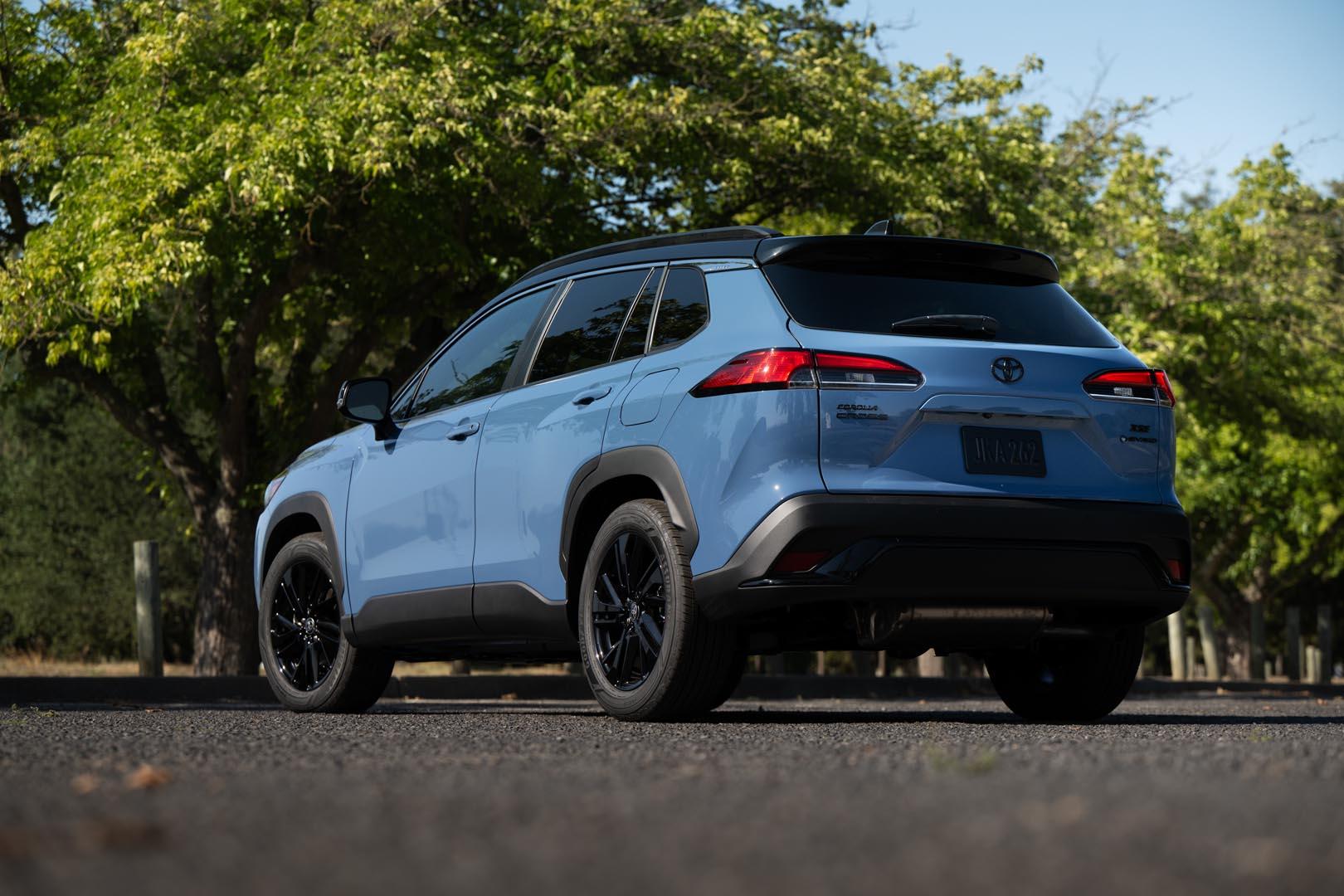
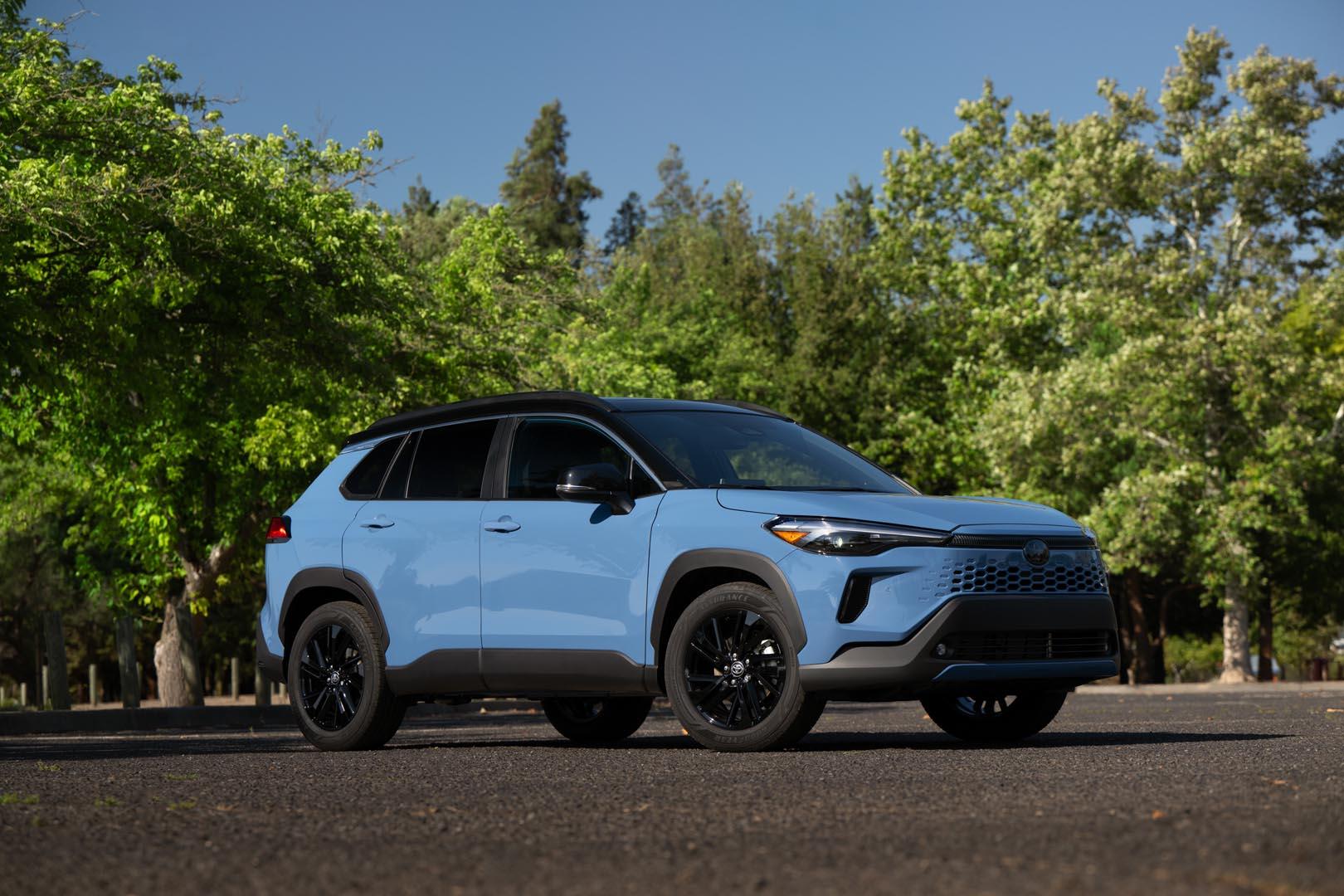
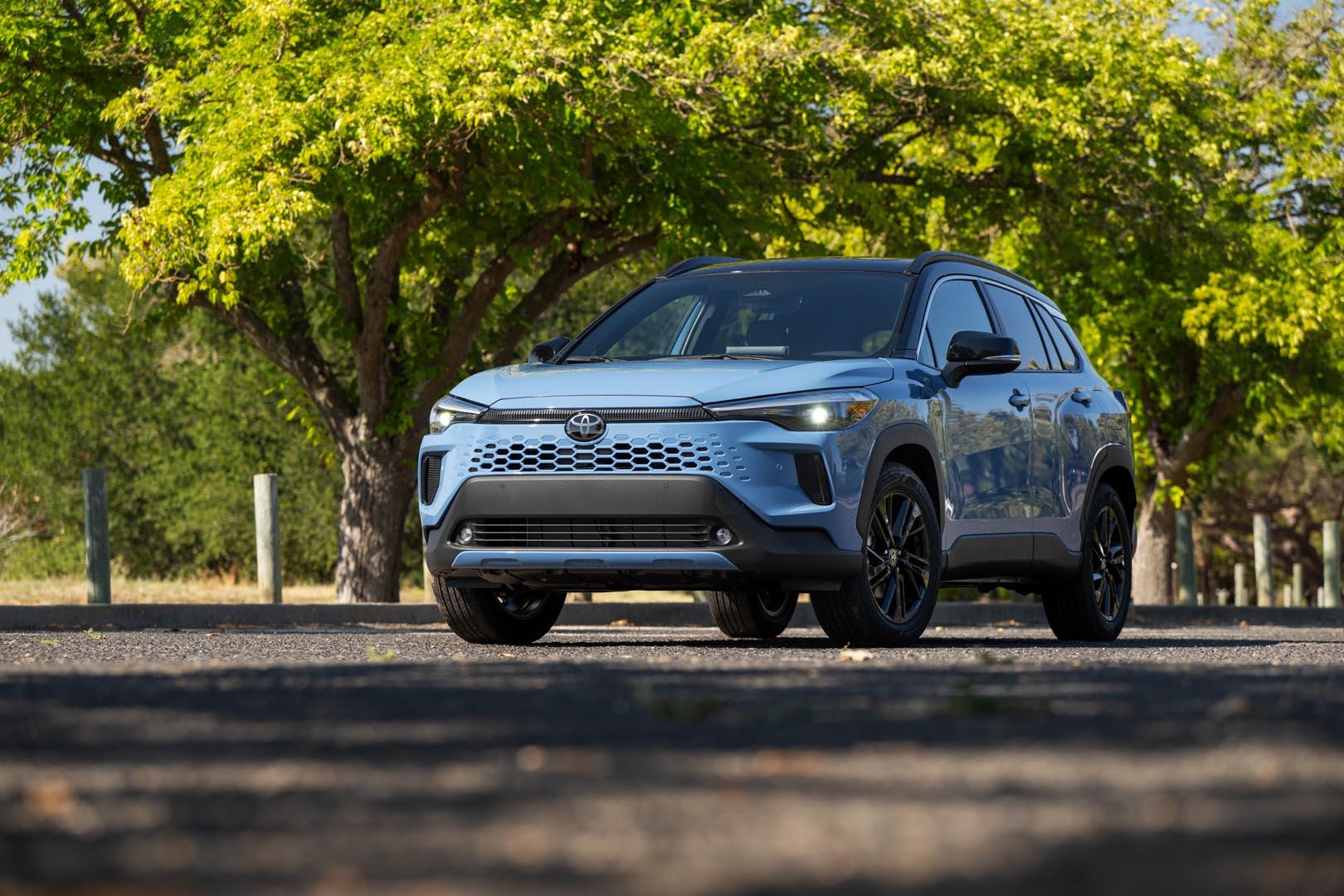
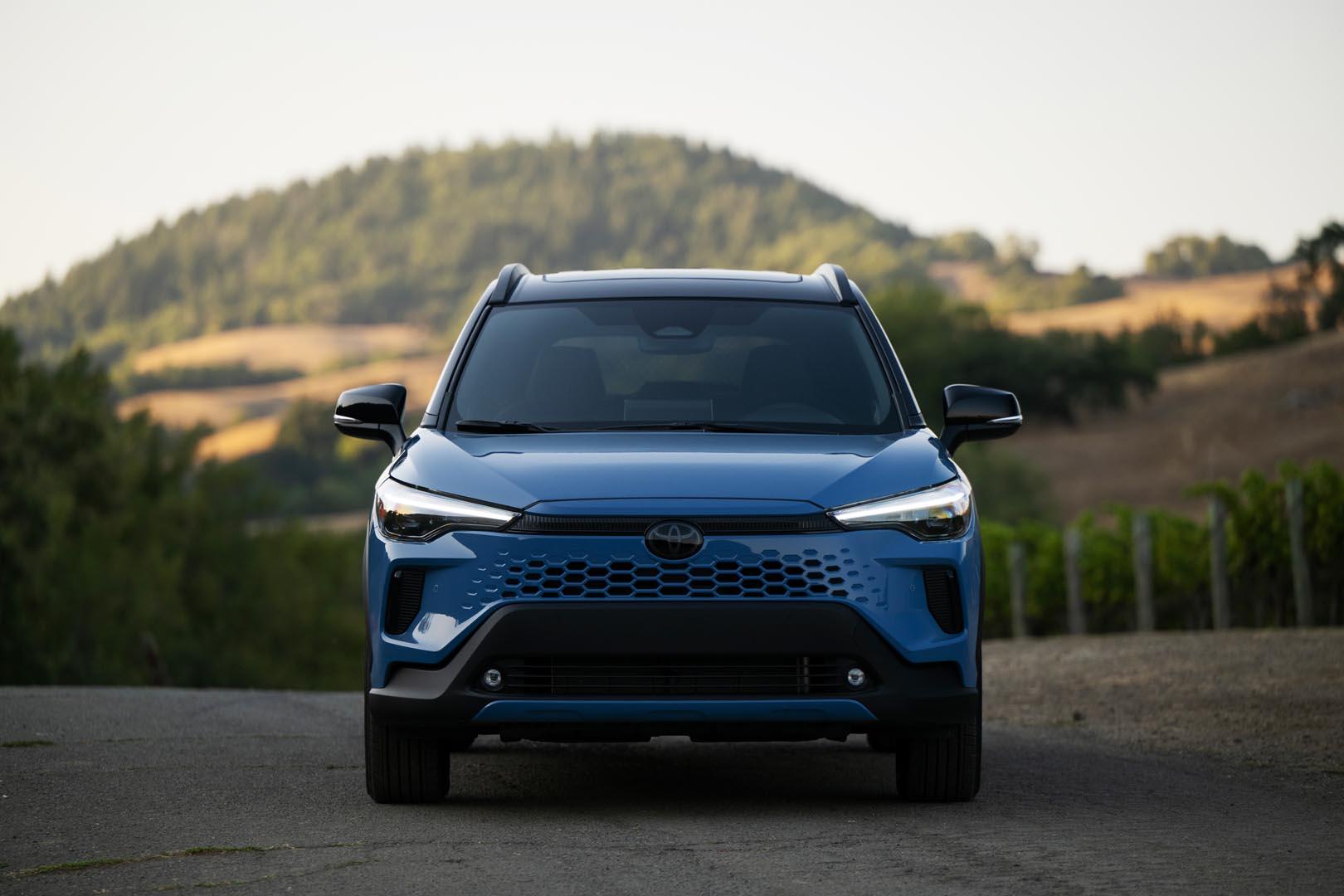
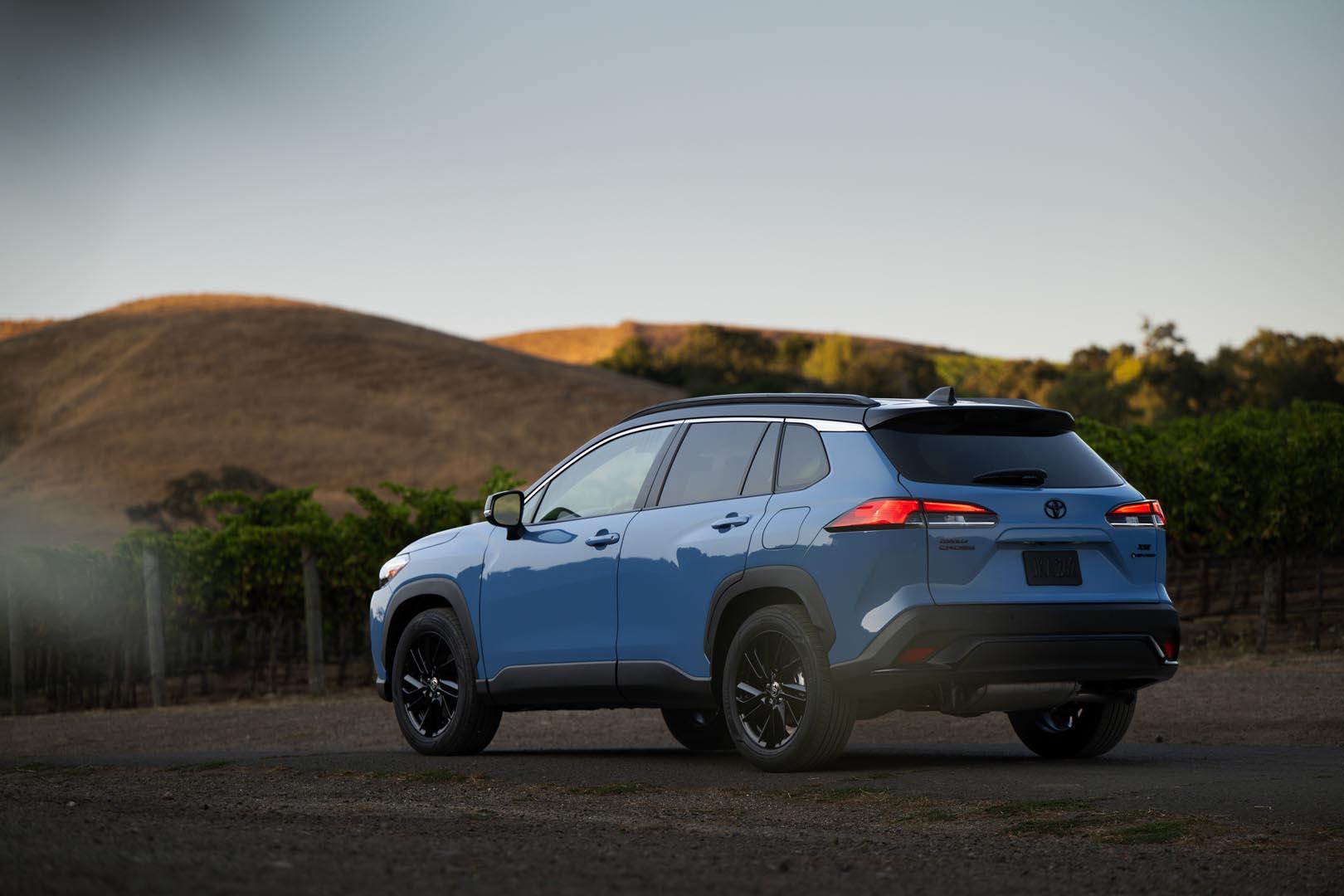
The Corolla Cross Hybrid XSE we tested during the holiday season, with its black-painted roof, had a price tag just over $42,000. Built in the United States, in a plant jointly owned by Toyota and Mazda, the small SUV consistently imposes long wait times on its buyers.
See the Review section for our experts' driving impressions, in five key highlights.
Verdict
Many Toyota vehicles have recently acquired a distinctive "personality" thanks to their dynamic styling and driving dynamics. Cases in point, the Prius and Camry, both exclusively hybrids.
This is not the case with the Corolla Cross, even though its hybrid versions use the same powertrain as the Prius. Though effortless, this drivetrain alone cannot compensate for the light steering or the bland handling.
Fuel consumption doesn't seem to be a reward either, as it nearly matched that of a previous-generation non-hybrid RAV4 during our test drive. The resulting limited driving range is a serious annoyance.
Insufficient sound insulation also hurts refinement, although the gasoline-electric powertrain proves quieter than the regular four-cylinder.
A rational choice
The Corolla Cross's undeniable appeal lies in the numerous practical attributes that have made Toyota famous.
Comfort, for one, is key, thanks to a suspension supple enough to absorb road imperfections without jarring the occupants. Interior space also sets this model apart from many competitors, although a subcompact SUV struggles to accommodate a family and all their belongings for a holiday road trip.
And then there's reliability, a hallmark of Toyotas that is fully evident in the Corolla Cross. Furthermore, a quick look at a few used car websites reveals the strong resale value of this model, making it an ideal choice for a medium- to long-term purchase.
Evaluation
A lively, but still noisy hybrid powertrain
The Corolla Cross isn't much heavier than the simirlay-named sedan. Therefore, the gasoline versions perform honorably with the same 2.0-liter engine as the sedan, even with the optional all-wheel drive.
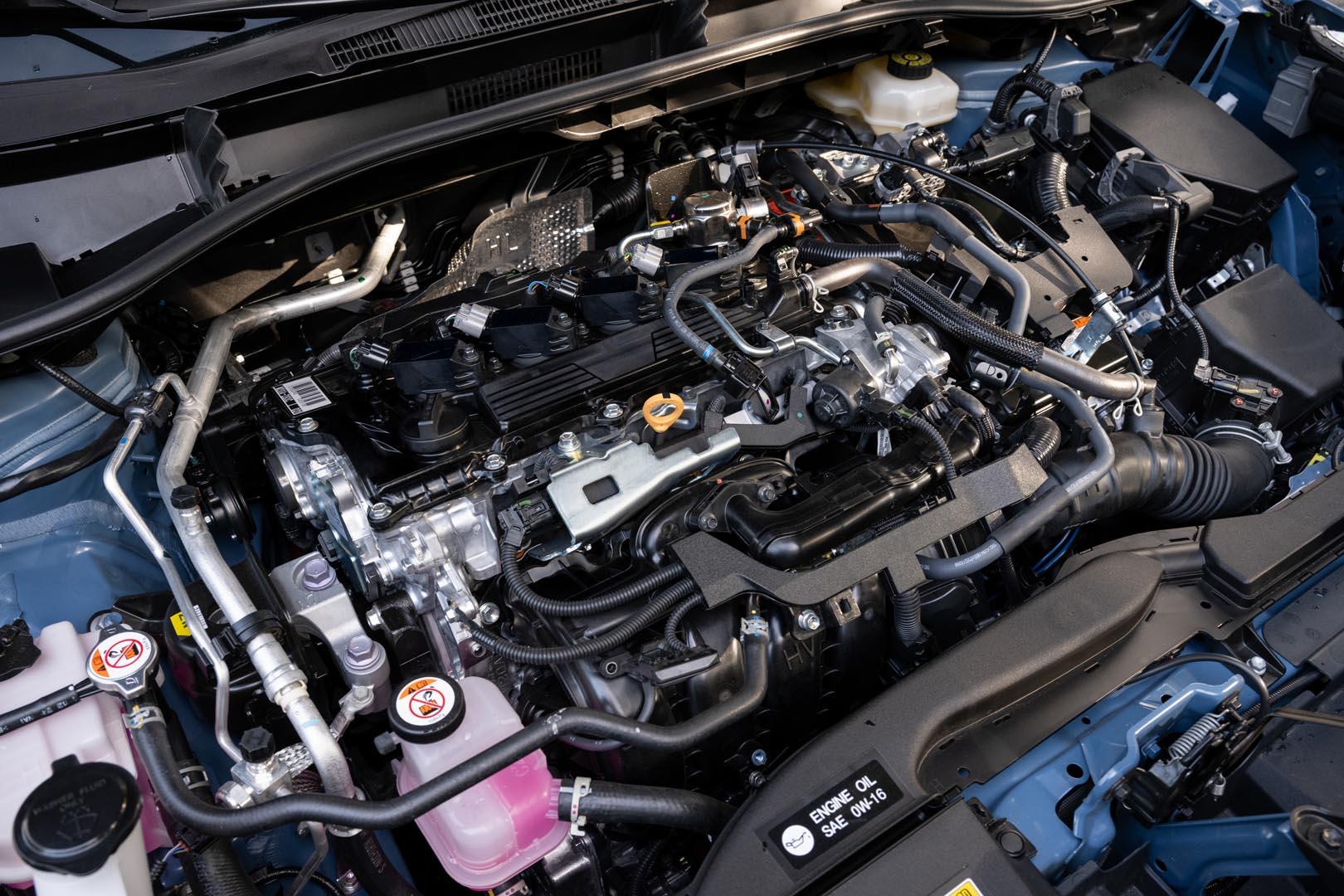
Yet Toyota has chosen to equip the hybrid variants with a more powerful powertrain than the same-type Corollas. Also used in the Prius, this powertrain produces 196 horsepower from the combination of a gasoline engine and three electric motors. That's nearly 60 horsepower more than the Corolla Hybrid's powertrain.
The result is consistently vigorous acceleration and passing power, thanks to the immediate response of the electronically controlled continuously variable transmission (CVT). Lacking the usual belt found in this type of transmission, the CVT in the Corolla Cross Hybrid–and in most dual-motor Toyotas–avoids any rubber-band effect.
On the other hand, it doesn't simulate any gear changes under hard acceleration, which often leaves the engine working at high RPMs. The resulting noise is anything but pleasant, especially since it's noticeable at the slightest incline on the highway.
More fuel, less range than expected
Toyota hybrids usually yield significant savings at the pump, except for pickup trucks. Strangely, the Corolla Cross gave us a completely different experience.
We measured 8.4L/100km after a test drive of approximately 1,700km, three-quarters of which was on the highway during the 2025-2026 holiday season. That's not bad for temperatures ranging from -20°C to -5°C, but still significantly higher than the 6.1L/100km rating given by Natural Resources Canada for highway driving.
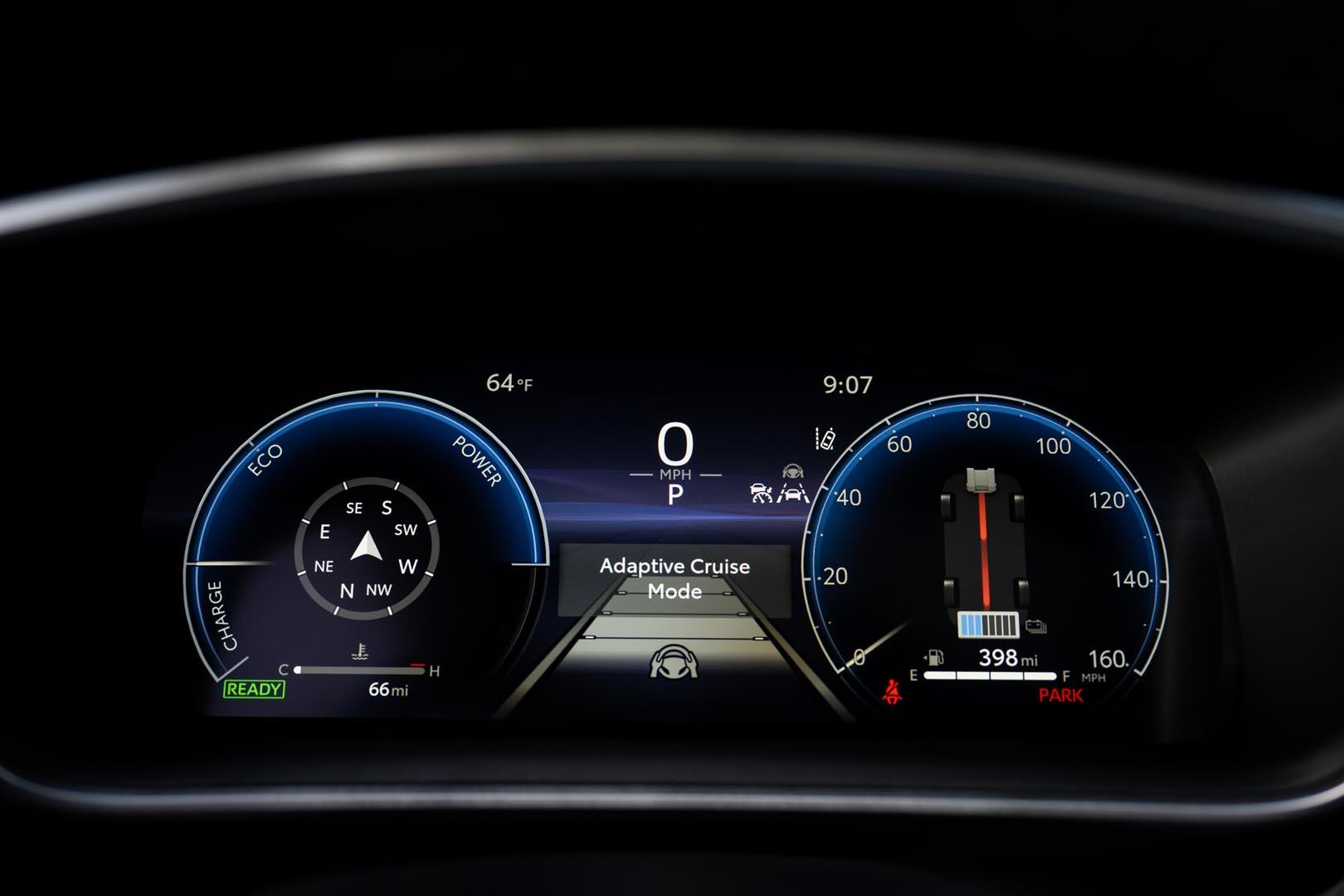
Combine this fuel consumption with the Corolla Cross Hybrid's mere 40-liter fuel tank, and you'll barely travel 350km before the gas level drops to a quarter of its capacity. This leads to very frequent stops at the pump, which quickly becomes irritating on long trips.
Mundane road manners
The apple doesn't fall far from the tree. You know the saying?
It applies perfectly to the Corolla Cross, which emulates in every way the placid handling of the Corolla sedan. Road holding is secure, and body roll remains reasonable in corners.
Furthermore, the independent rear suspension, which comes standard with all-wheel drive, ensures good directional stability, even when encountering a mid-turn pothole. It also absorbs shocks quite well, providing decent comfort on bumpy roads.
However, the disconcertingly light steering eliminates any notion of driving pleasure. Whether you're driving on dry pavement, snow, or ice, feedback through the steering wheel remains virtually nonexistent. In any case, understeer begins to appear as soon as you push it a little in a corner, encouraging you to curb your enthusiasm.
The lightning-fast response of the rear electric motor at least guarantees decent traction on slippery surfaces.
A simple and fairly versatile interior
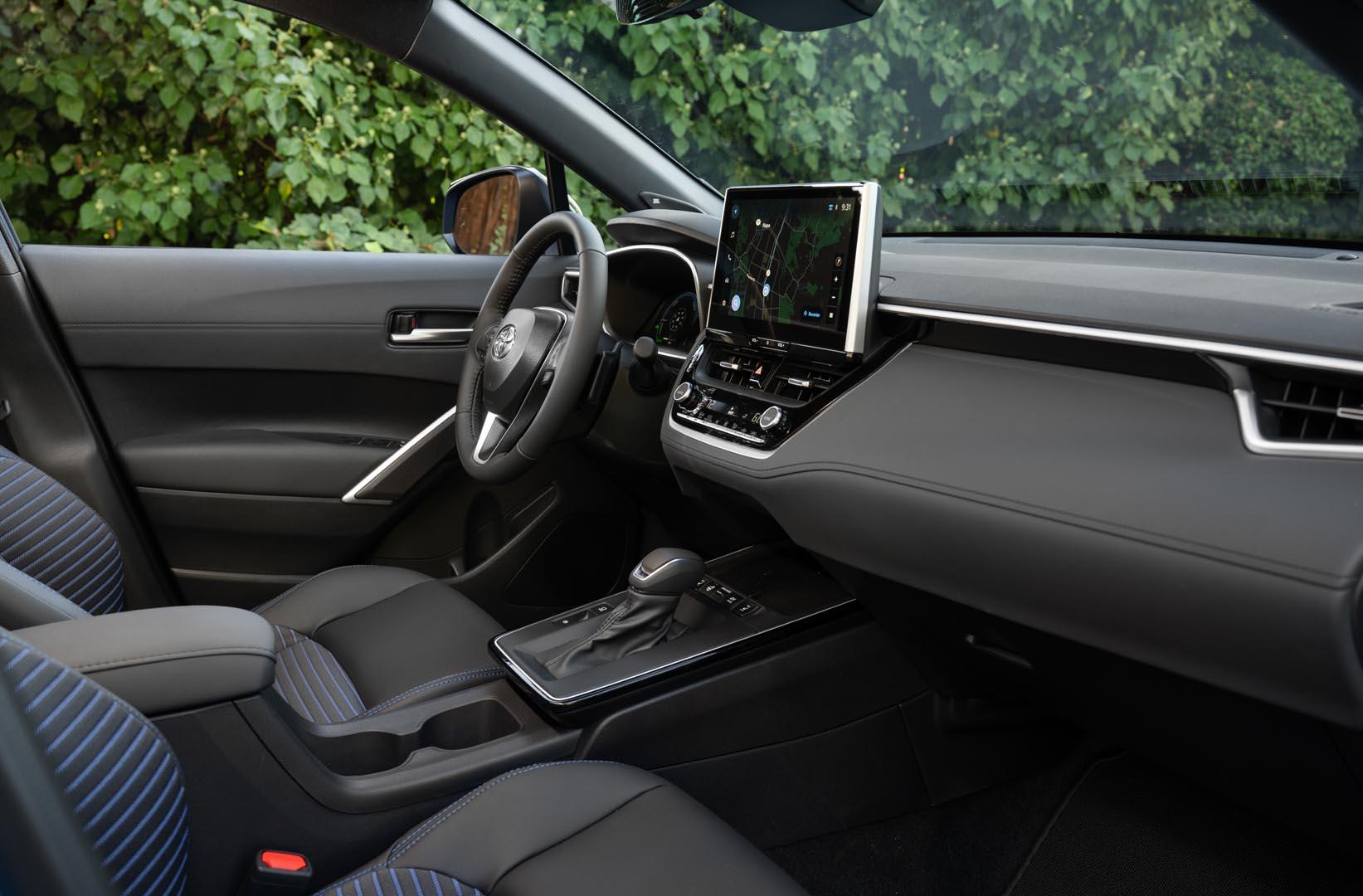
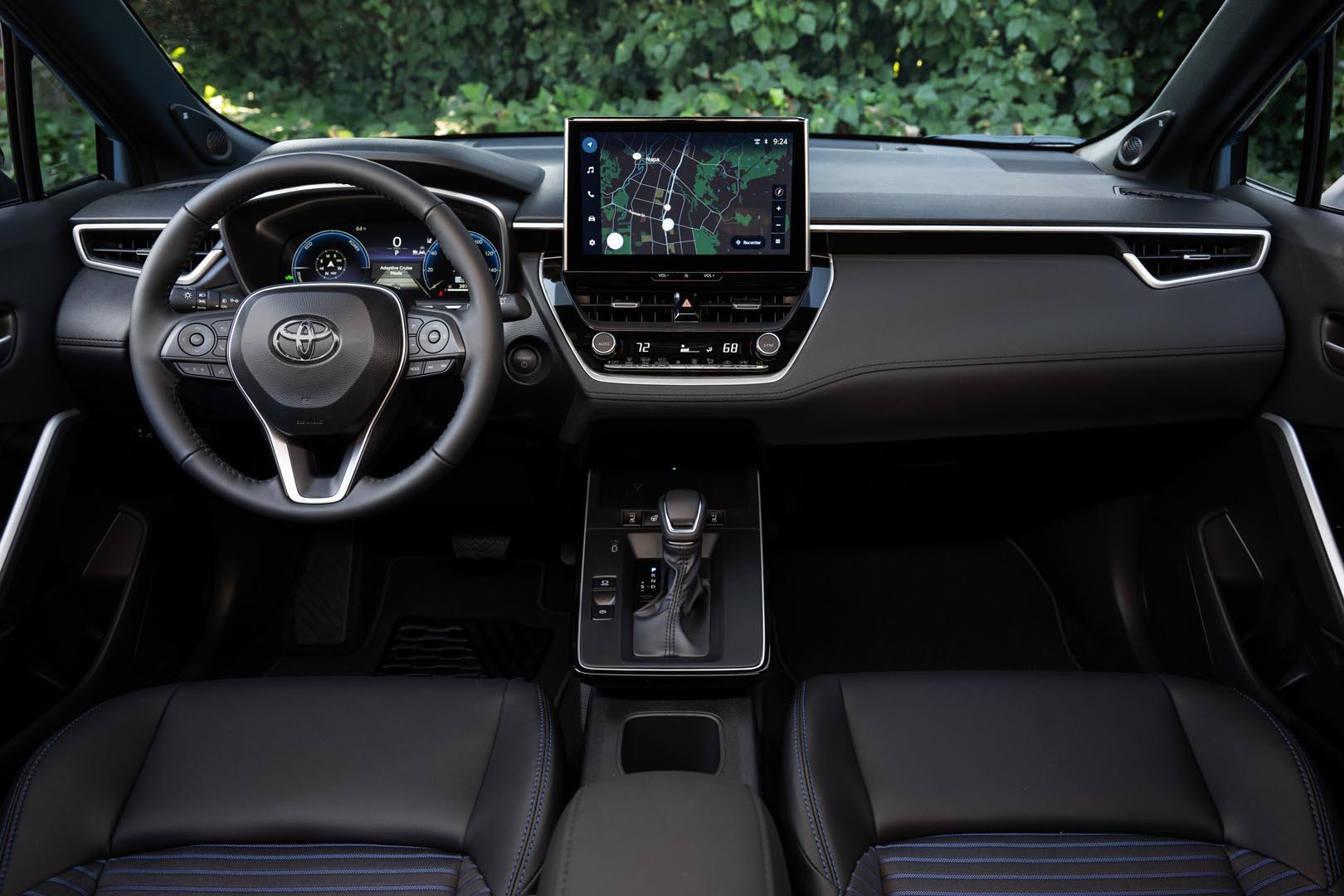
Toyota has slightly revised the Corolla Cross's cabin for 2026, primarily in the higher trim levels. Their central screen has increased from 8 to 10.5 inches, while their instruments are now displayed on a fully digital 12.3-inch screen.
These improvements add a touch of modernity to an interior that doesn't exactly exude excitement, even in the XSE trim with its additional decorative accents. Nevertheless, the build quality and materials are commendable for this entry-level segment.
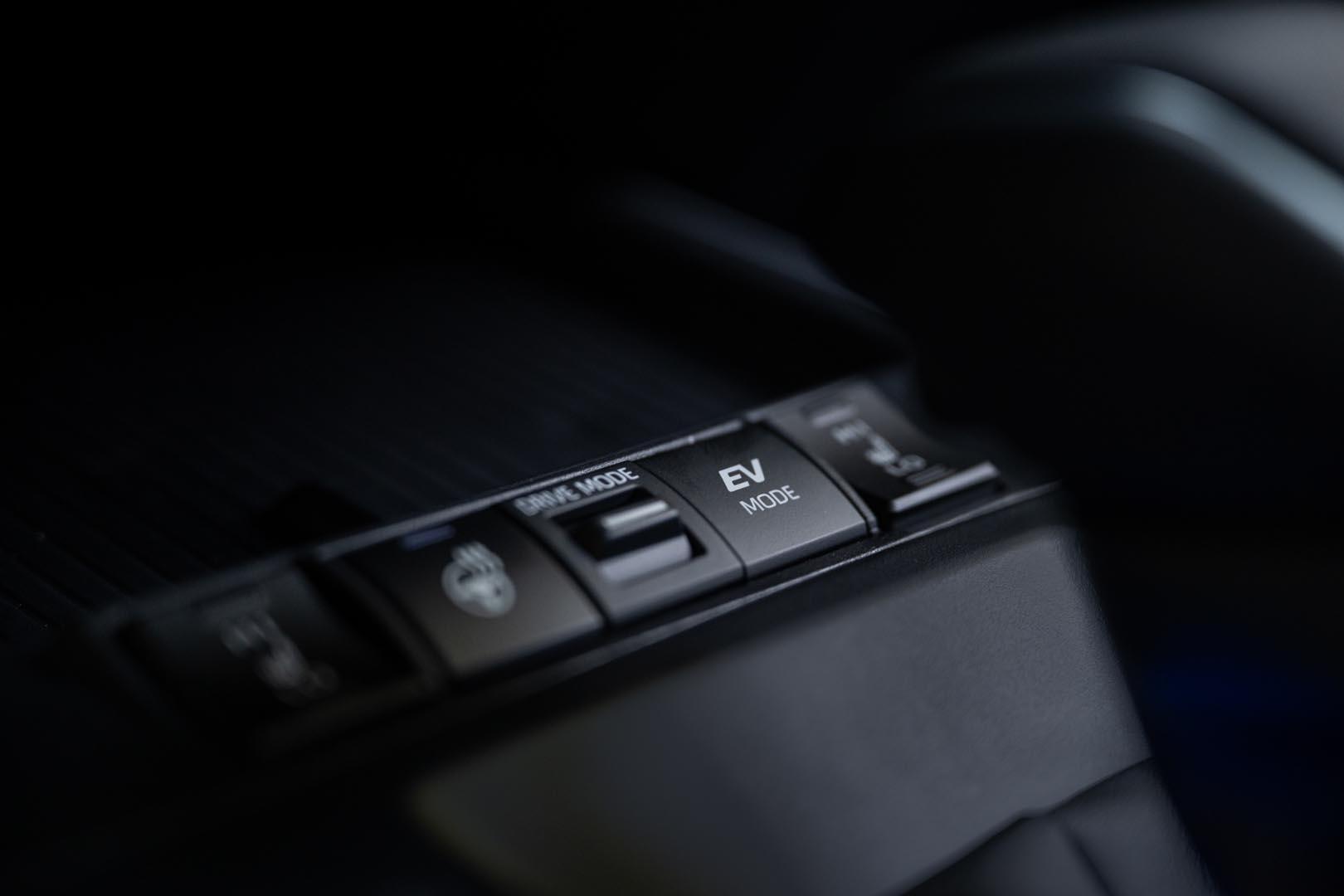
The interior's greatest strength lies in its ease of use, thanks in particular to the presence of a traditional gear selector and a dedicated area on the dashboard for climate control–complete with physical buttons and dials. Visibility is excellent, except perhaps to the rear due to the narrow rear window.
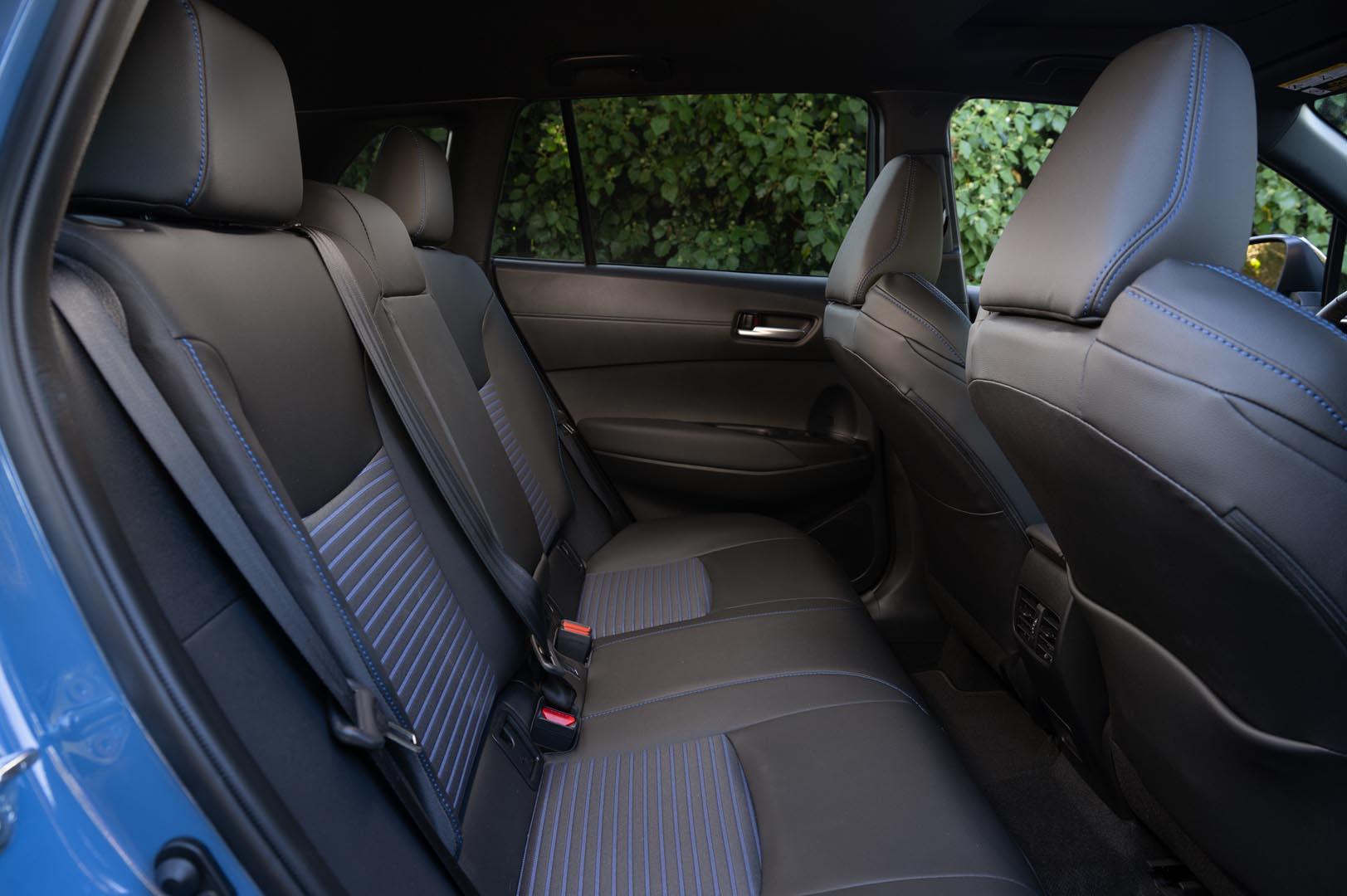
There's enough legroom to comfortably transport four average-sized adults. If two tall people sit in the front, it becomes difficult to install child seats in the back. This is a common issue with all subcompact crossovers.
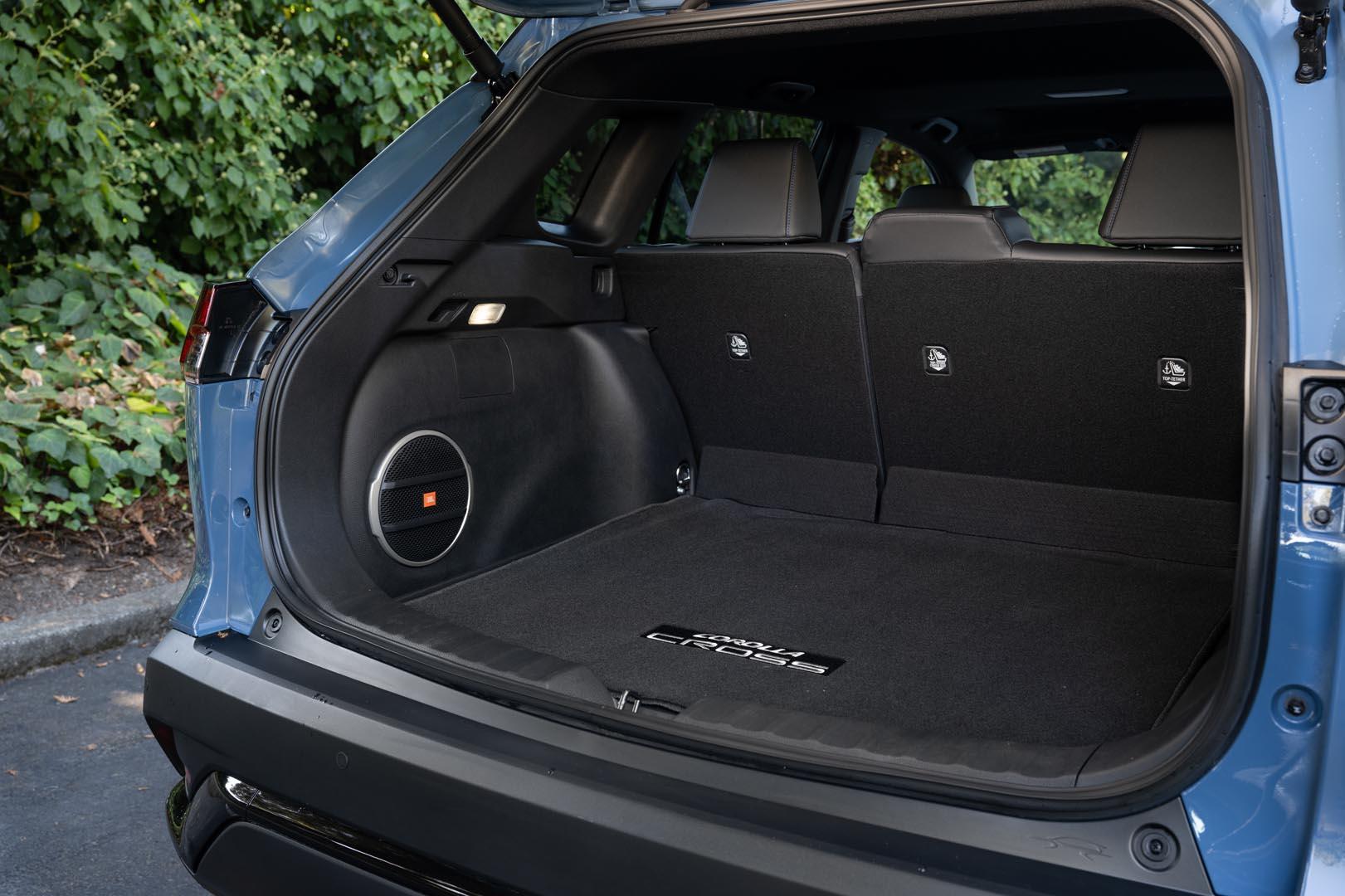
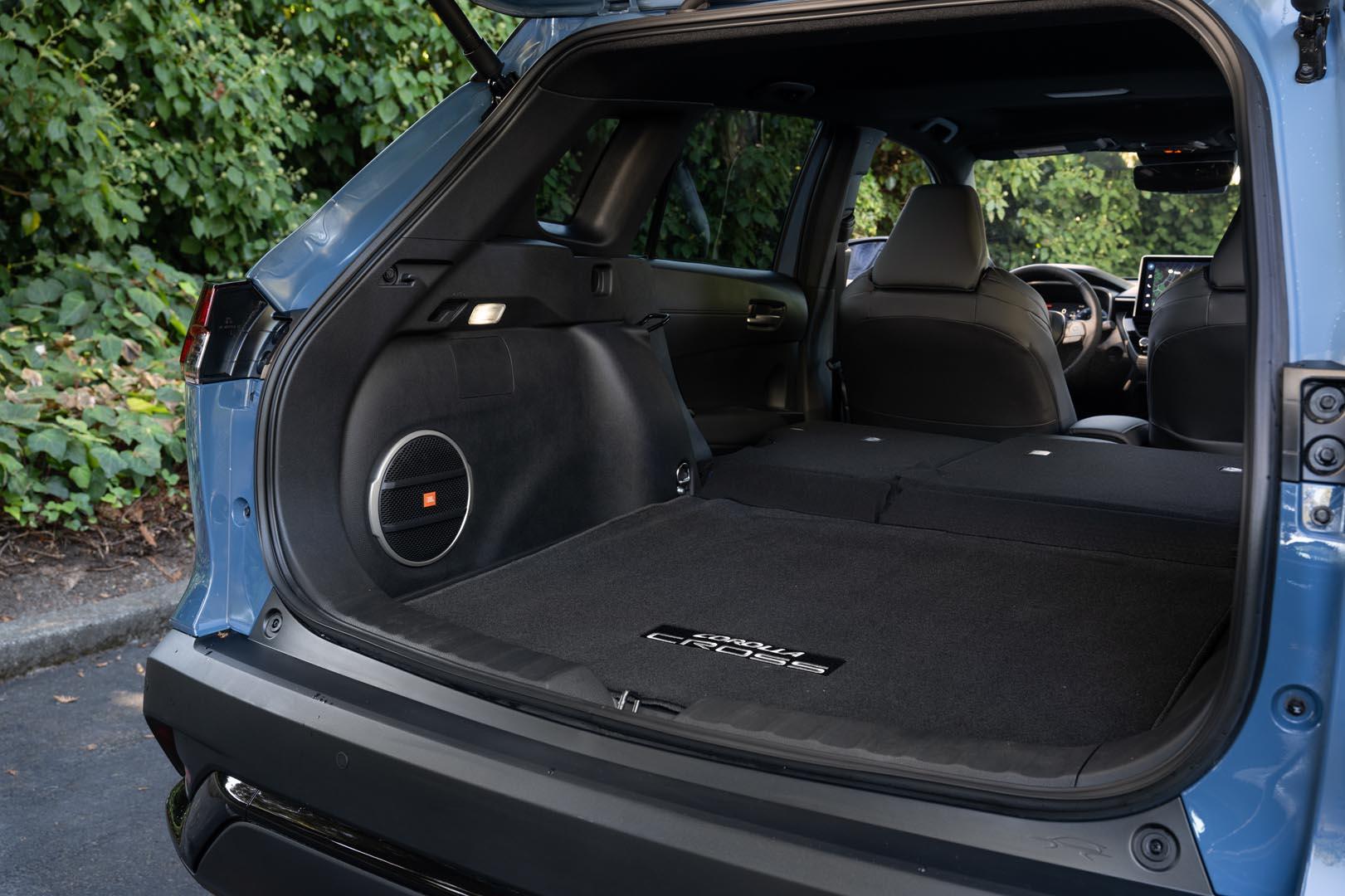
On the other hand, cargo space is among the most spacious in its class, with the exception of the Volkswagen Taos.
The short front seat cushions are a drawback, as is the sometimes confusing logic of the infotainment system. Toyota introduced a much more user-friendly interface in the 2026 RAV4; let's hope it quickly makes its way to its other models.
Exceptional reliability and resale Value
Some Toyota pickup trucks have recently deviated from the manufacturer's tradition of reliability in highly publicized cases of engine failure. However, the Corolla Cross's powertrain doesn't cause any concern, especially the hybrid version. It's worth remembering that Toyota has been perfecting its gasoline-electric hybrid system for over 25 years.
Moreover, the manufacturer says it has resolved the corrosion issue with the rear electric motor's power cable that affected several of its hybrid models up to 2023.
This makes the Corolla Cross an ideal purchase for years of use with no other concerns than regular maintenance.
The very low depreciation associated with Toyota vehicles, particularly hybrids, suggests excellent trade-in value. This is fortunate, because very high lease and finance rates quickly inflate monthly payments.
Safety features
- Antilock brakes with electronic brakeforce distribution and brake assist
- Stability and traction control
- Hill-start assist
- Front airbags
- Drivers's side knee airbag
- Front passenger seat cushion airbag (to avoid sliding under the seatbelt)
- Front side airbags
- Side curtain airbags
- Front seatbelt pretensioners
- Five adjustable head restraints
- Rearview camera
- Tire pressure monitor
- Forward collision alert
- Forward automatic emergency braking
- Lane departure alert with steering assist
- Lane centering assist
- Automatic high-beams
- Blind-spot monitoring with automatic steering assist and rear cross-traffic alert (standard, LE, XLE, SE and XSE; unavailable, L)
- Adaptive cruise control
- Front and rear parking sensors (standard, SE and XSE; unavailable, other trim levels)
Crash test results
National Highway Traffic Safety Administration (NHTSA)
Overall score: not tested
Frontal impact: not tested
Side impact: 4 / 5
Rollover resistance: not tested
Insurance Institute For Highway Safety (IIHS)
Small overlap frontal impact:
- driver side: 4 / 4
- passenger side: not tested
Side impact: 4 / 4
Among the best vehicles in its segment (Top Safety Pick award)
Features and specs
Price range (including shipping and preparation) | ||
| Minimum price | $31,659 | |
|---|---|---|
| Maximum price | $42,704 | |
| Price as tested | $42,354 | |
| Trim levels | L FWD
L AWD
LE FWD
LE AWD
XLE AWD
Hybride SE AWD
Hybride XSE AWD | |
Buick Encore GX and Envista | ||
Chevrolet Trailblazer and Trax | ||
Honda HR-V | ||
Hyundai Kona | ||
Kia Niro and Seltos | ||
Mazda CX-30 | ||
Mitsubishi Eclipse Cross and RVR | ||
Nissan Kicks | ||
Subaru Crosstrek | ||
Volkswagen Taos |
| Engine, horsepower and torque | 2.0L 4-cyl.; 169hp at 6600rpm; 151lb-ft from 4400 to 4800rpm
2.0L 4-cyl. with electric motors and 0.91kWh lithium-ion battery; 196hp combined; undisclosed combined torque |
|---|---|
| Transmission | Continuously variable automatic with manual mode |
| Front suspension | Independent with MacPherson struts |
| Rear suspension | Independent multilink |
| Front brakes | Ventilated disc |
| Rear brakes | Disc |
| Tires | 215/65R17
225/55R18 |
| Wheelbase | 264cm | ||
|---|---|---|---|
| Length | 447.4cm; 448.9cm (hybrid) | ||
| Width | 182.5cm | ||
| Height | 164.8cm | ||
| Curb weight | 1405-1530kg | ||
| Towing capacity | 680kg (1500lb) | ||
According to Natural Resources Canada | ||
| City | 5.2L/100km (hybrid) | |
|---|---|---|
| Highway | 6.1L/100km (hybrid) | |
As measured by CAA-Québec | ||
| City | 8.4L/100km (hybrid) | |
| Highway | N/A | |
| CO2 emissions | 2640kg/20,000km | |
| Fuel tank | 40 litres | |
| Recommended fuel | Regular-grade gasoline | |