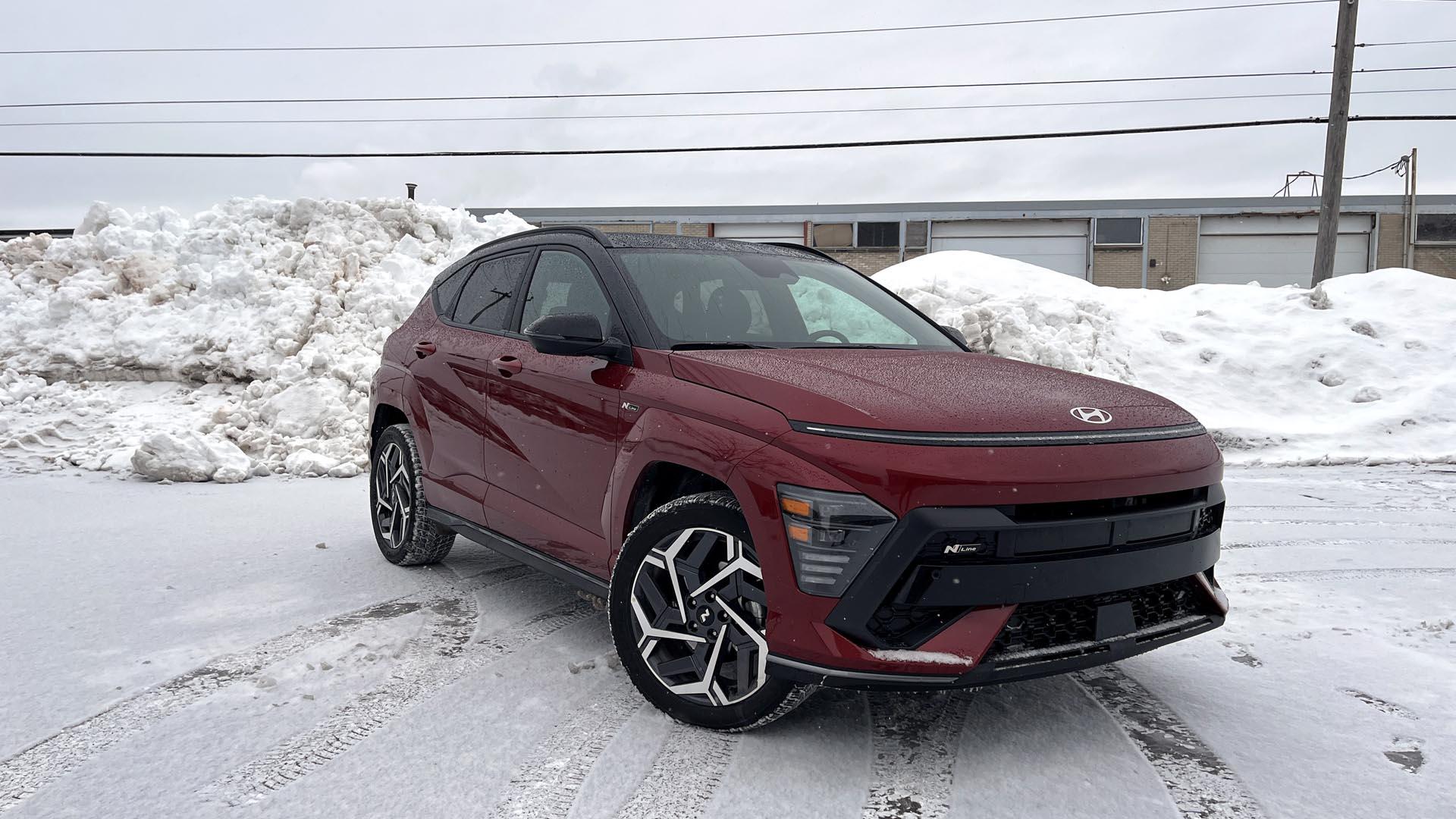
HYUNDAI Kona 2026
A little bit of spice in a very quiet segment
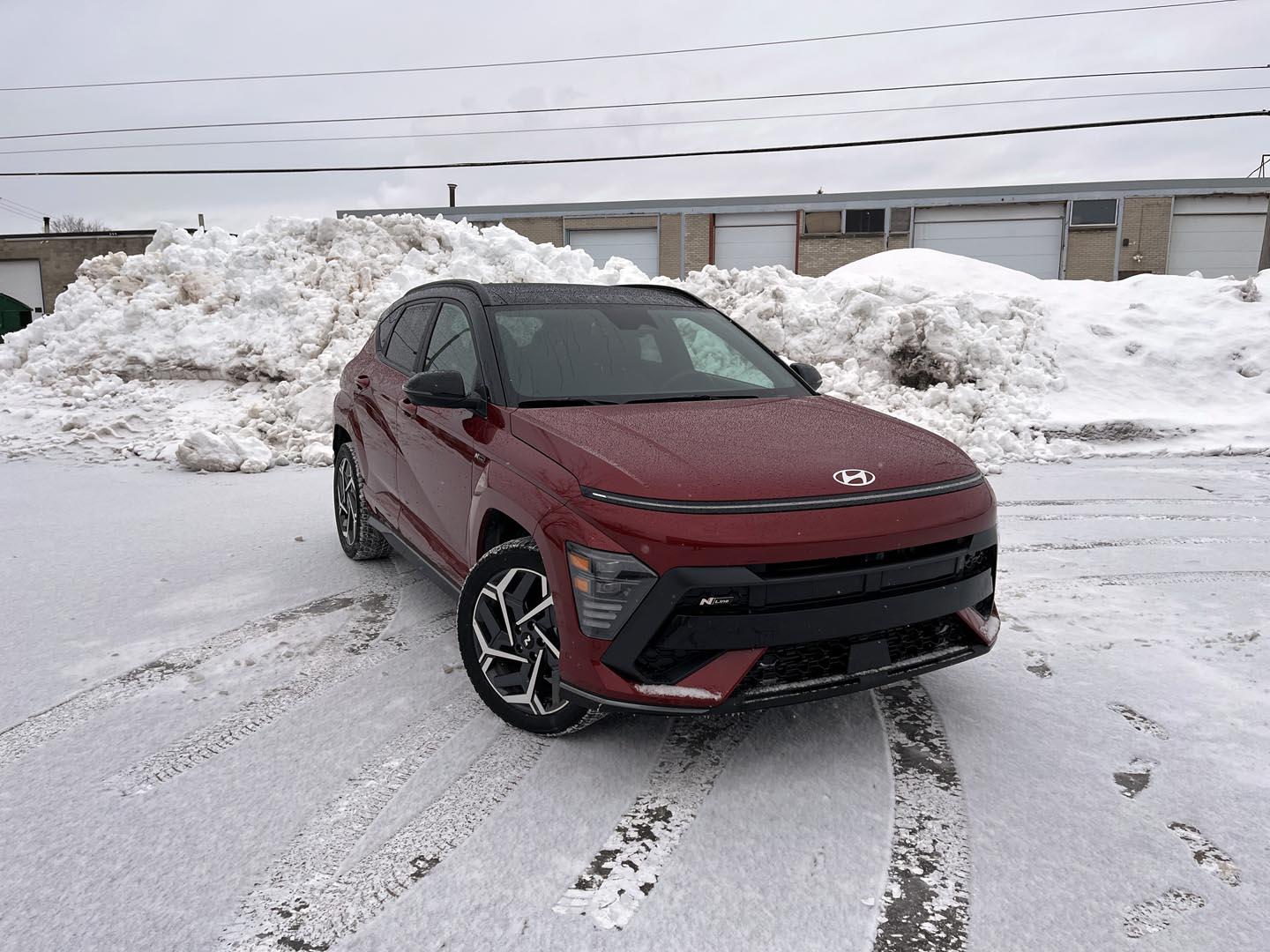
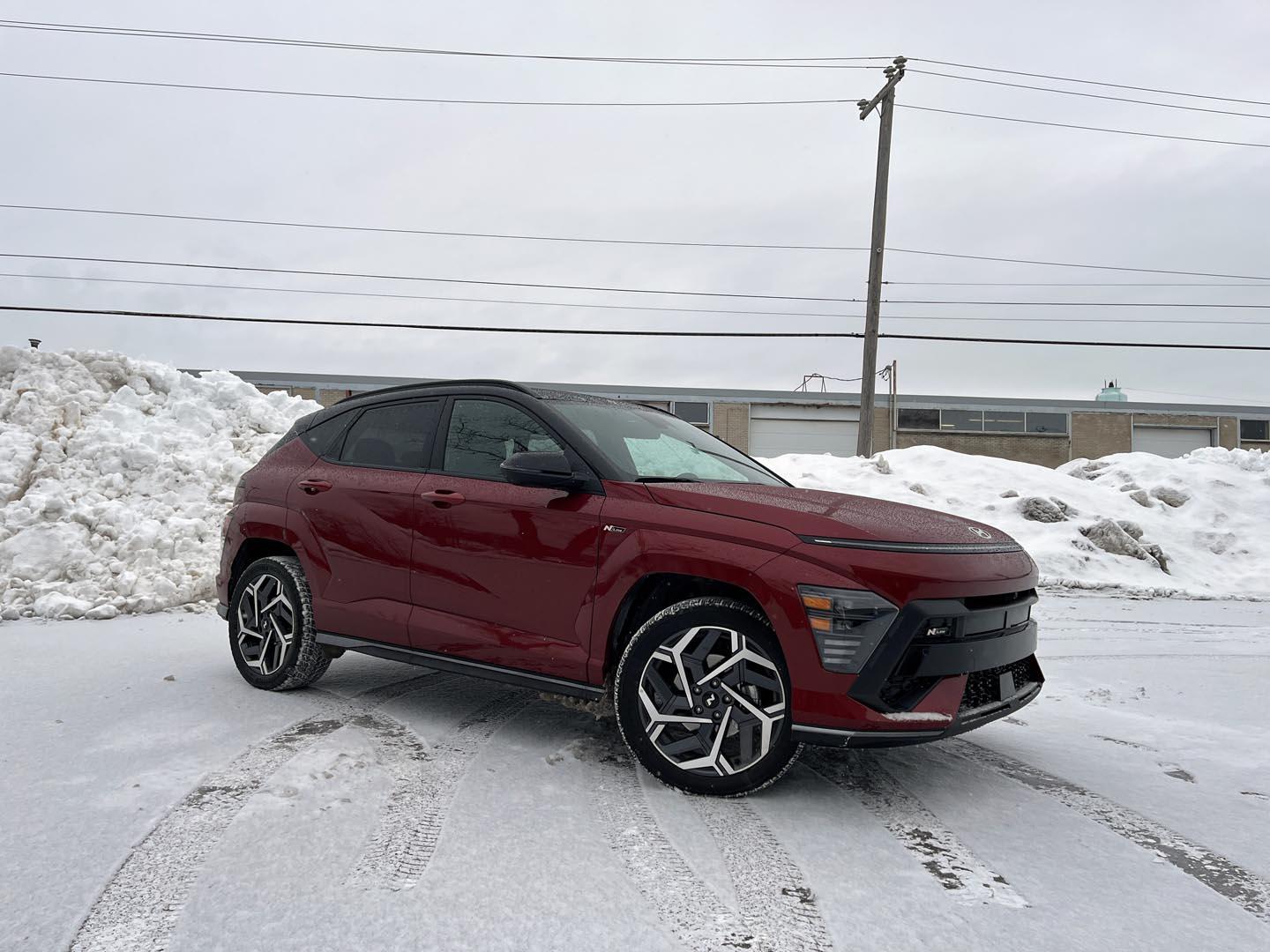
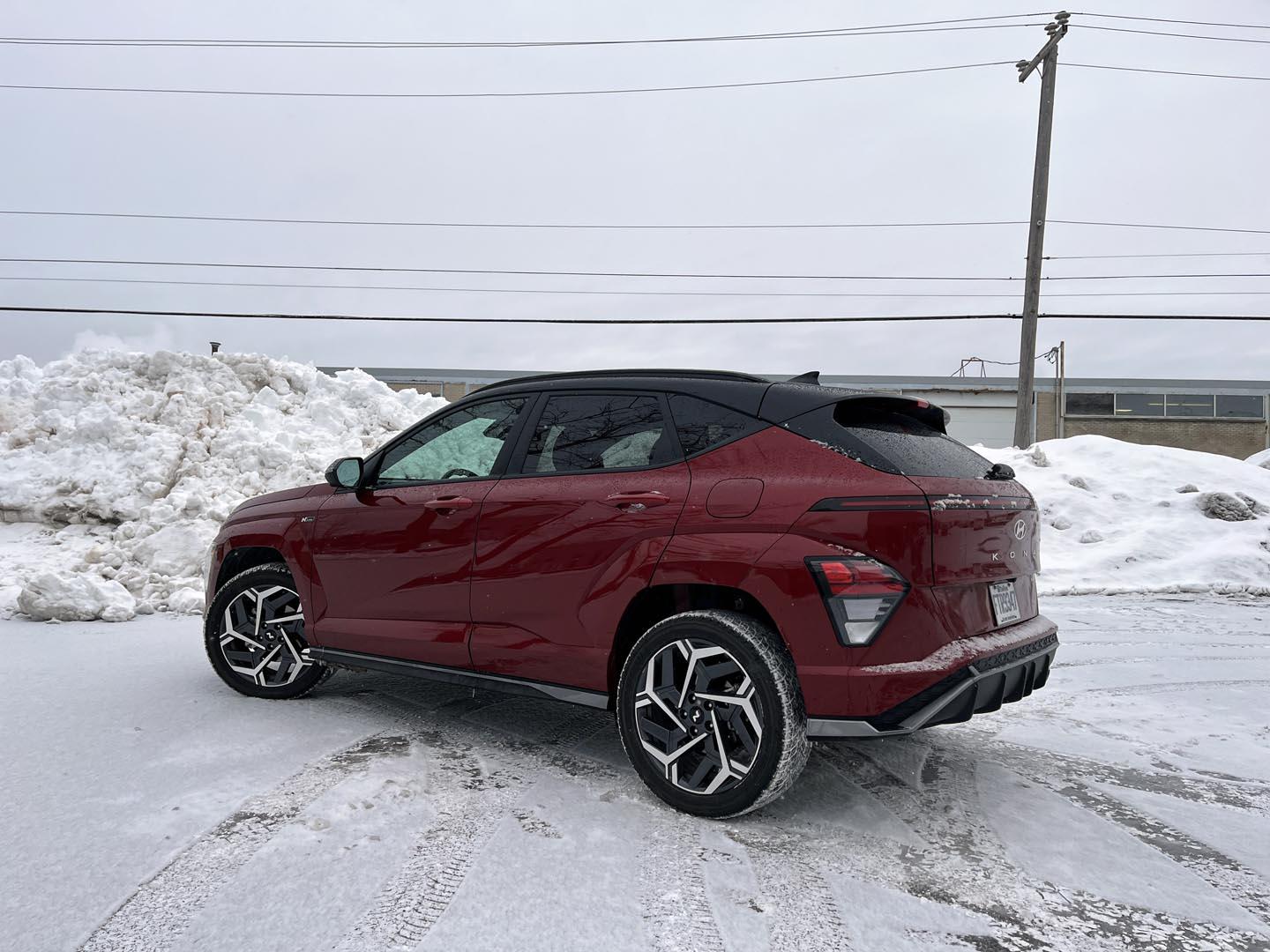
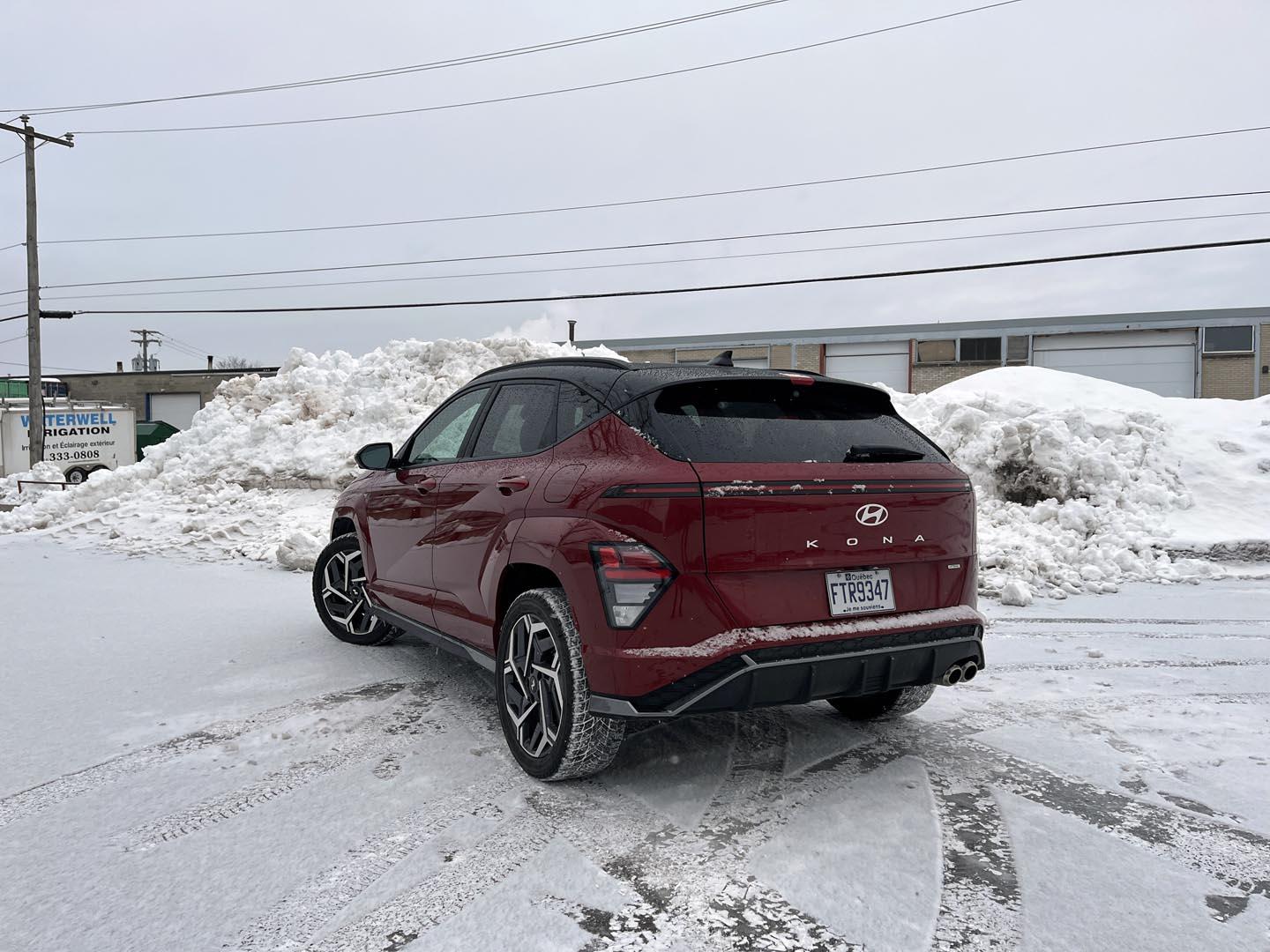
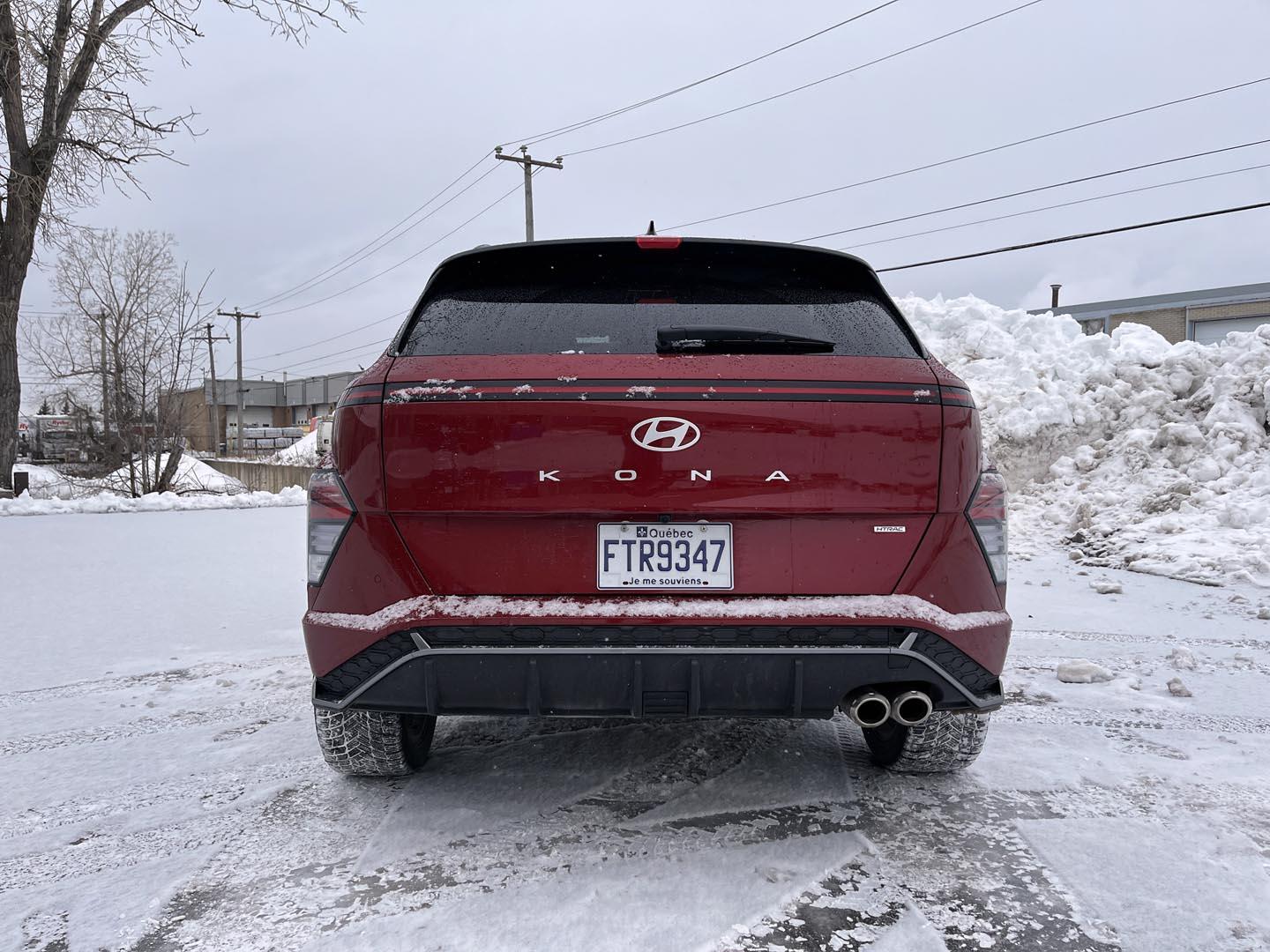
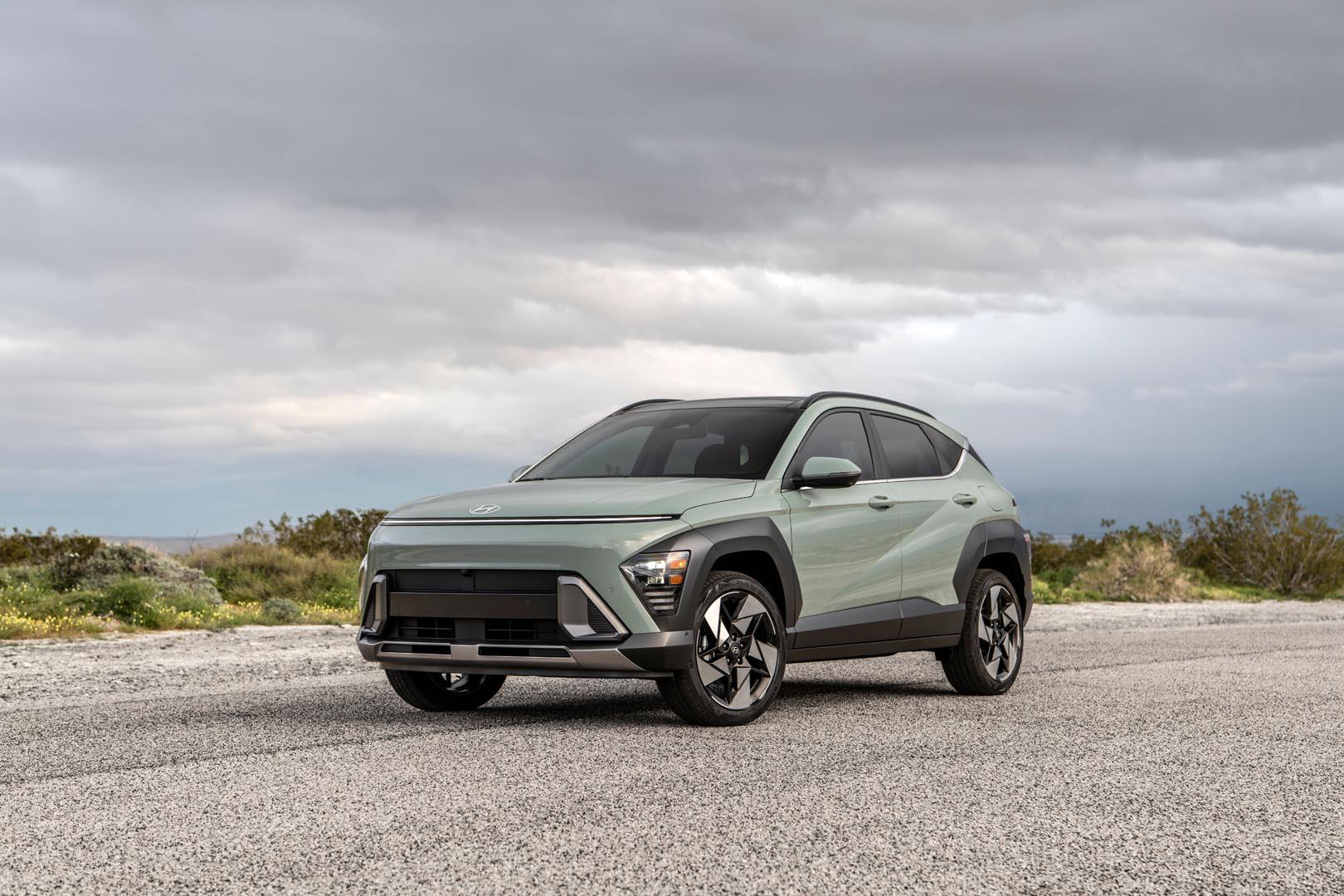
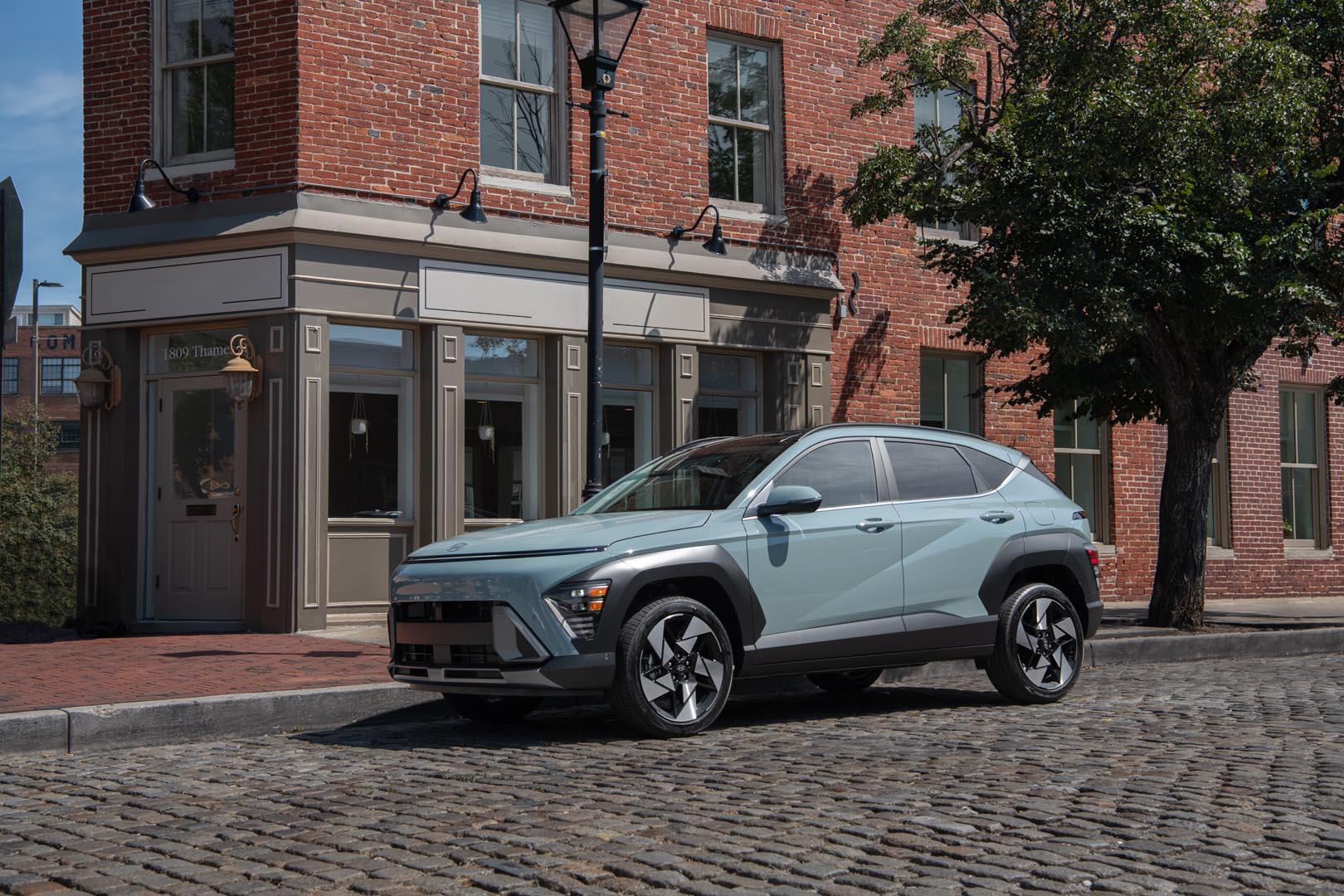
Pros and cons
Pros
- Well-suited turbo engine (N Line)
- Electric version more affordable than you might think
- Competitive interior space
- Straightforward controls
- Decent ride comfort
Cons
- Questionable driving position
- Insufficient rear visibility
- Basic finish
- Transmission sometimes sluggish (N Line)
- Uncertain reliability
Overview
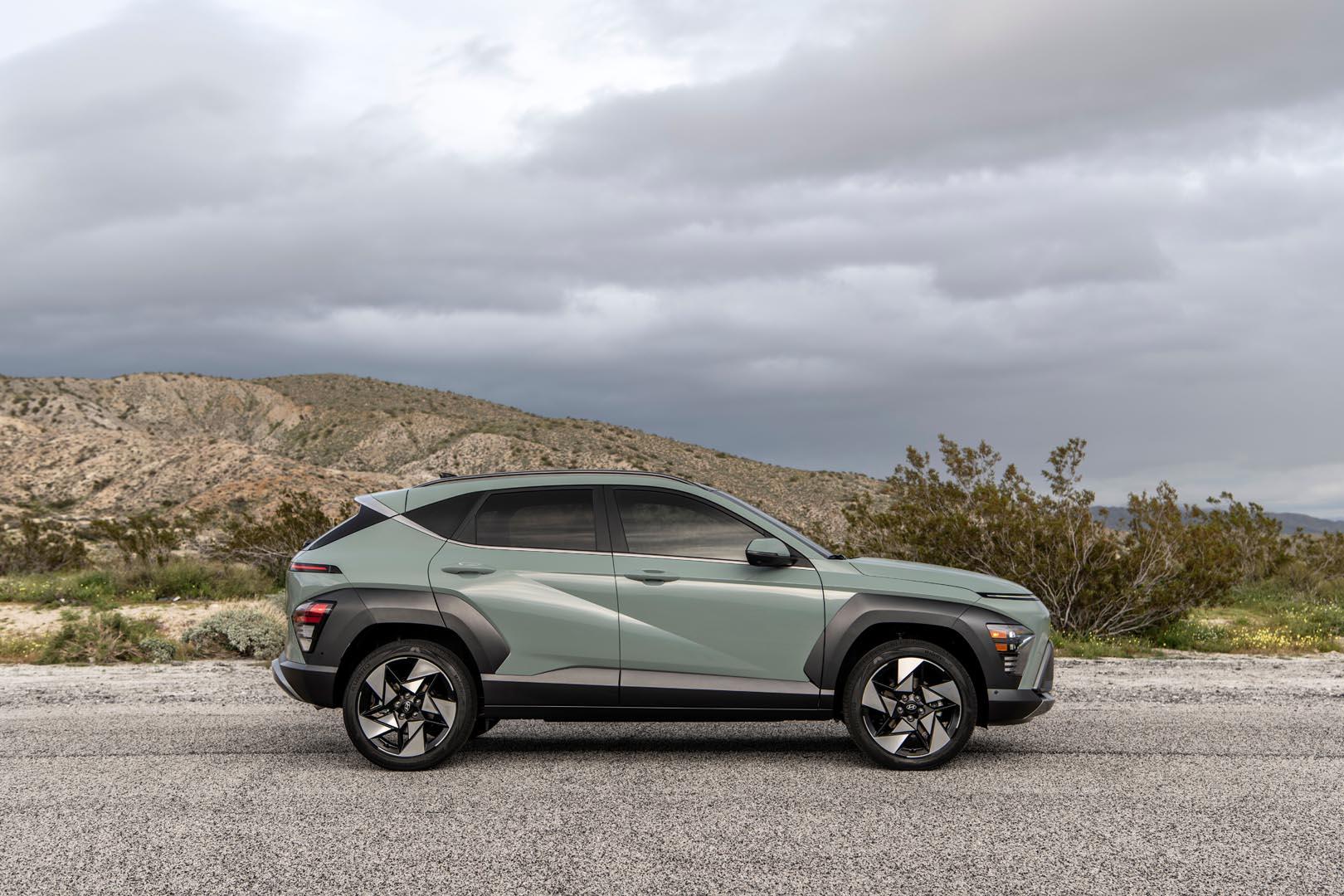
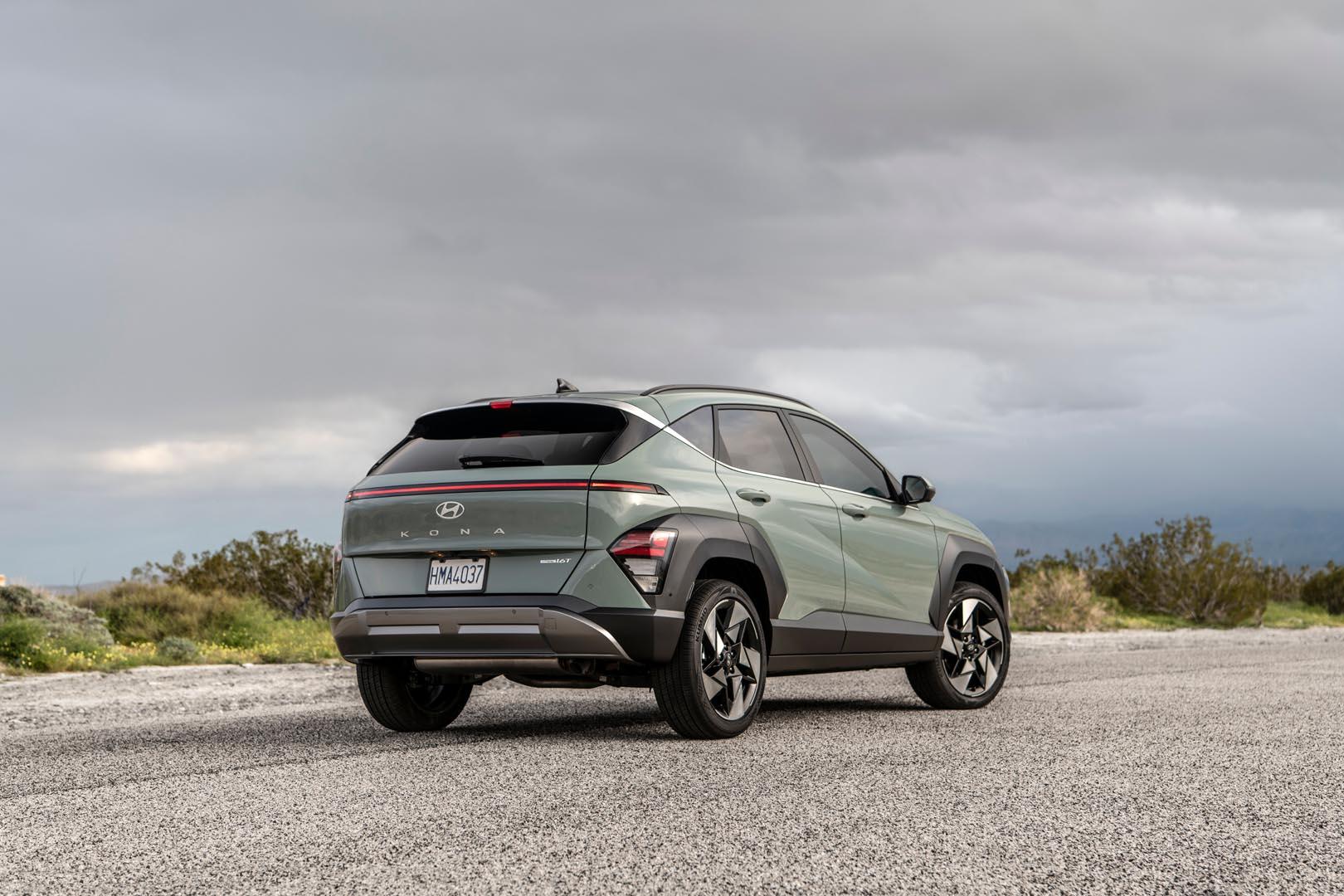
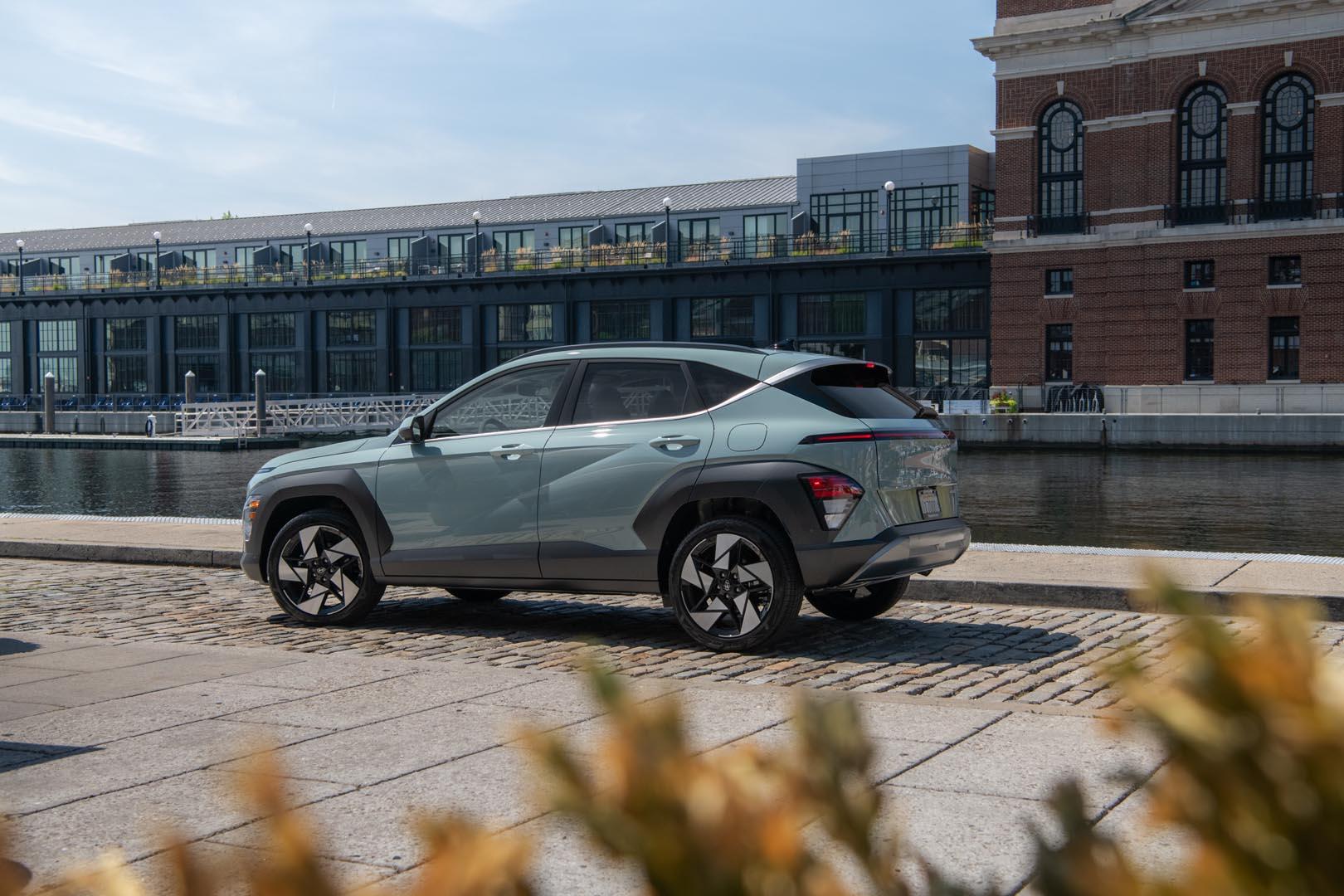
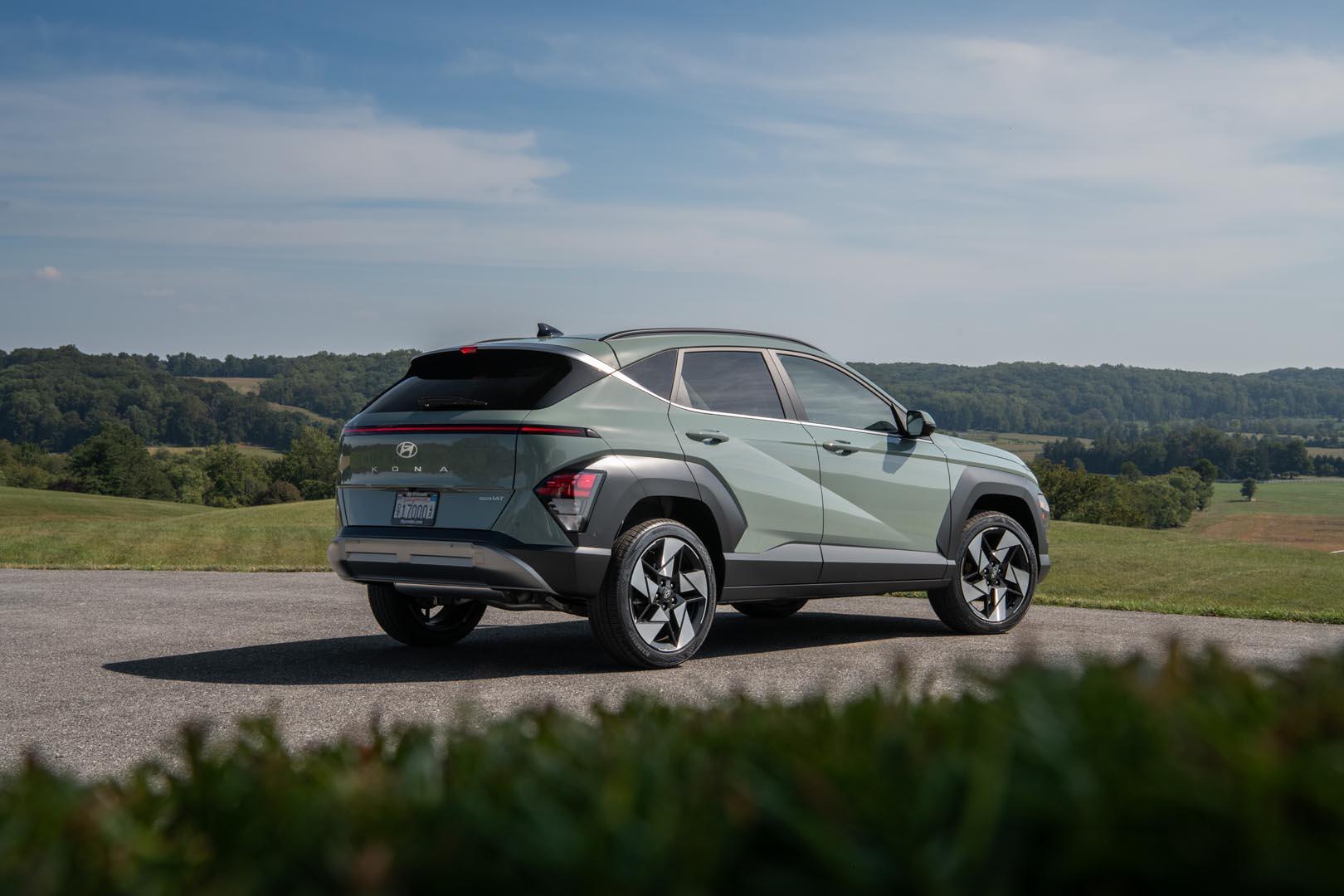
The second-generation Kona has already entered its third model year in 2026. Considerably larger and more refined than the original model, the current Kona stands out from other subcompact SUVs with an appealing selection of powertrains.
Two gasoline options
The core of the lineup uses a 2.0-liter four-cylinder engine paired with a continuously variable transmission (CVT). This is a common configuration in the segment, as it also powers the Honda HR-V, Nissan Kicks, and Toyota Corolla Cross, as well as the Kia Seltos, a close cousin of the Kona.
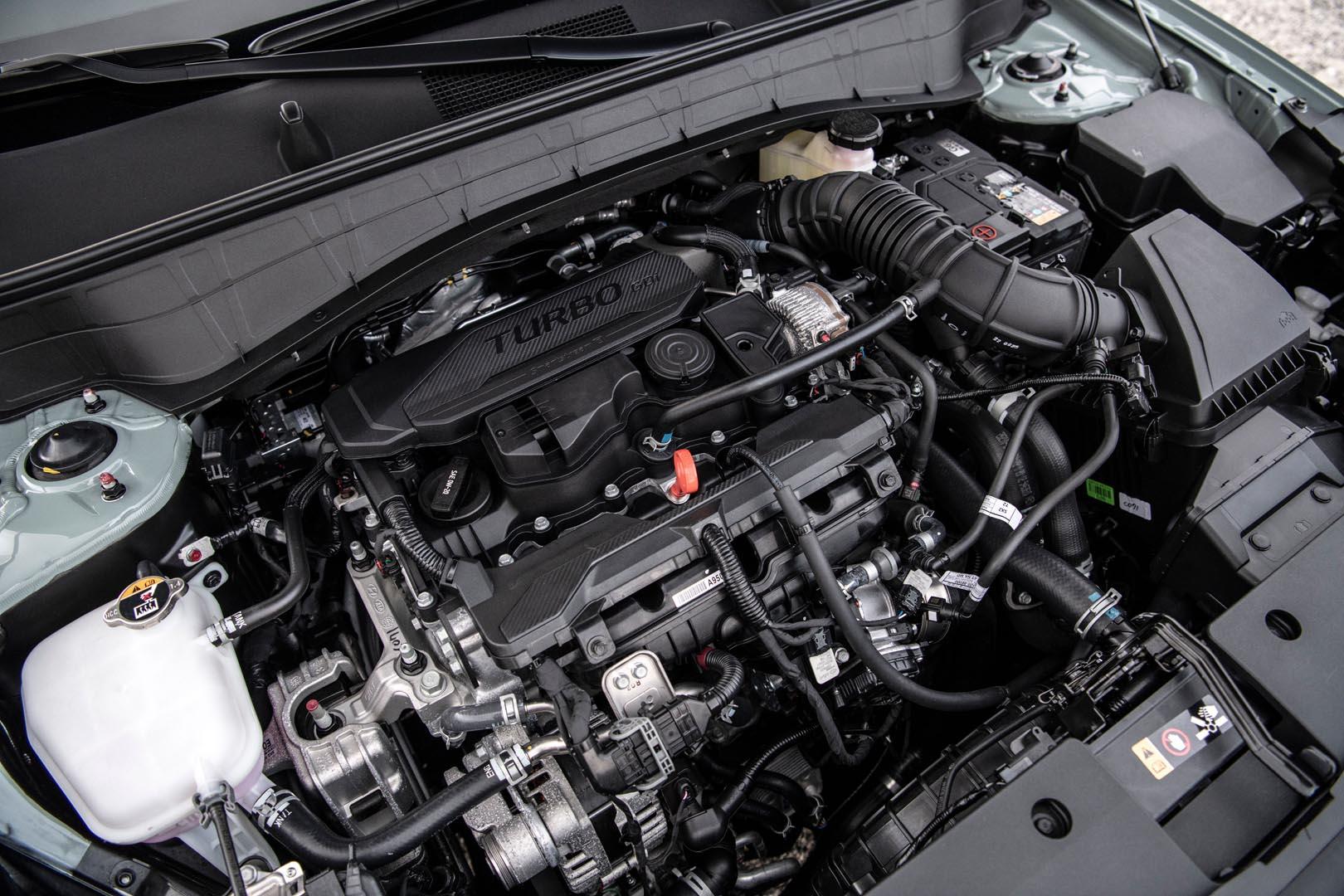
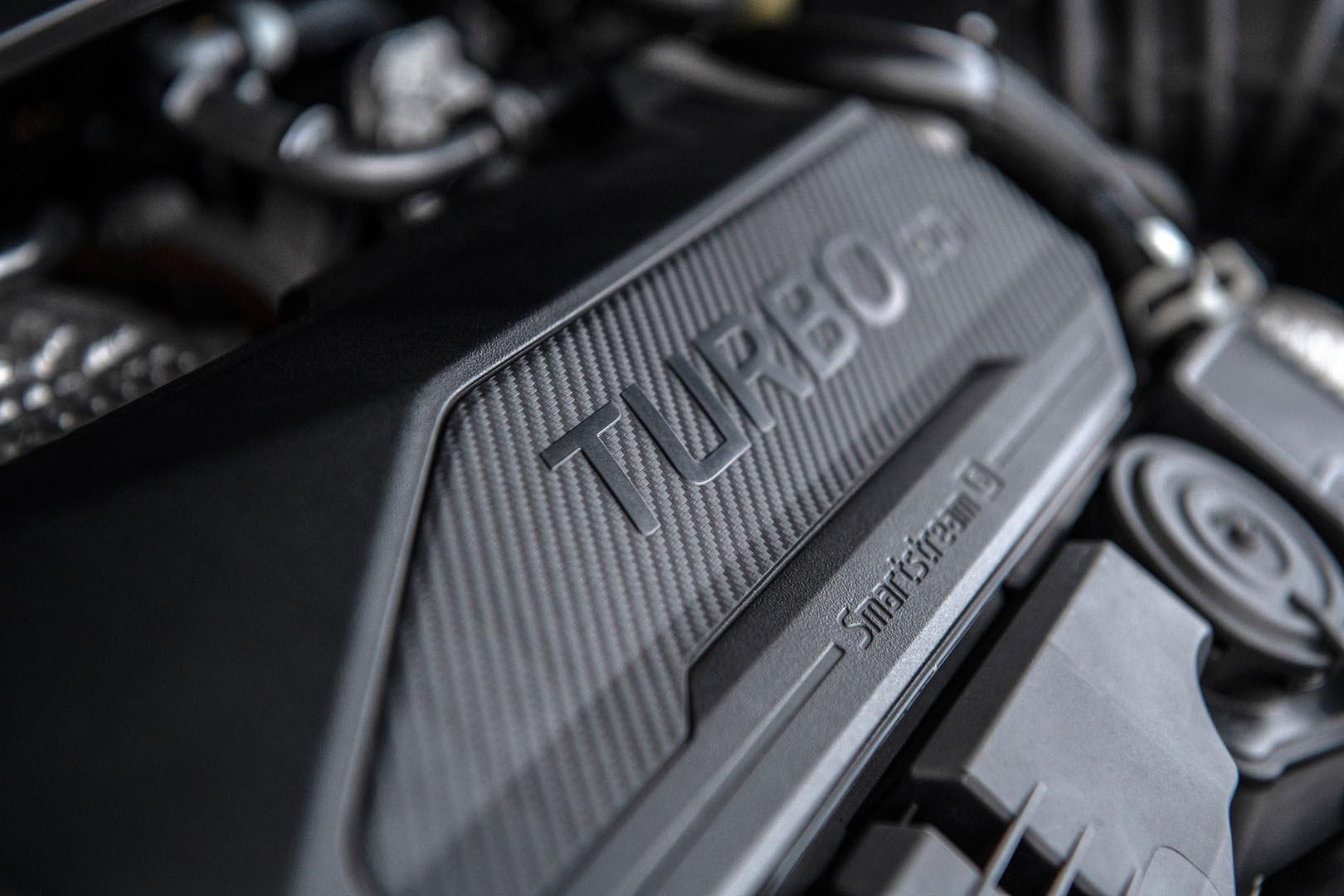
Hyundai, however, sets itself apart from many competitors by offering a higher-performance option under the hood. With its 190-horsepower 1.6-liter turbo engine, the Kona N Line bridges the gap between the Subaru Crosstrek and Volkswagen Taos, the most powerful of the "standard" models, and the Mazda CX-30 GT Turbo, whose 227 horsepower on regular gasoline eclipses the power of many compact SUVs.
More powerful, more expensive
Opting for this turbocharged engine raises the price to $39,548 (including freight, preparation, and dealer fees). That's $3,000 more than a Kona Preferred with all-wheel drive and the Trend package, equipped with similar features.
Nearly $40,000 for a subcompact crossover isn't cheap… But several rivals exceed this price point without offering the same level of performance as the Kona N Line. At the lower end of the spectrum, Hyundai remains one of the few manufacturers still offering a front-wheel-drive version for under $30,000.
An electric exclusive? Not anymore!
Until the end of 2025, Hyundai was the only one to market a 100% electric model in the Kona's segment. The rebirth of the Chevrolet Bolt for the 2027 model year is changing things somewhat, as is the redesign of the Nissan Leaf as a small SUV.
The return of a $5,000 federal rebate and the sudden increase in gas prices in March 2026 have reignited interest in electric vehicles of all kinds. Even though it's not exactly a newcomer, the Kona Electric is definitely worth a look if you need to replace an old car (or simply one whose lease is ending!).
See the Review section to find out why and to discover our auto experts' driving impressions on the Kona N Line, which they tested in January 2026.
Verdict
According to data from AutoMedia magazine, the Kona comfortably held the top spot in its segment for Quebec sales in 2025. Our test drive of the N-Line variant highlighted some of the reasons for this success.
Practical and refined
The Kona now easily rivals the average subcompact SUV in terms of space, as Hyundai significantly increased its size for 2024. This practicality, combined with intuitive screens and a multitude of traditional controls, creates an environment that is both user-friendly and modern.
On the road, the Kona bridges the gap between the comfort of a Subaru Crosstrek and the agility of a Mazda CX-30. It has lost the sharp handling of the first generation, but it compensates with a smoother and slightly quieter ride. Some competitors, however, offer better overall refinement.
Choosing the right engine
While it won't transform the vehicle into a rocket, the turbo engine makes the N Line variant more responsive than the others without significantly increasing fuel consumption. On the other hand, the base four-cylinder engine offers more linear acceleration and will be less expensive to maintain as it ages.
However, the reliability of this engine and its electrical components should be monitored: according to Consumer Reports data, it appears to deteriorate considerably after the warranty expires. Engine replacement cases are also quite common, even here in Quebec, according to the forums we consulted.
Evaluation
A little spicier with the turbo
The 1.6-liter turbo engine in the N Line adds 43 horsepower and, more importantly, 63 lb-ft of torque compared to the 2.0-liter engine in the Essential and Preferred trims. This extra power provides an ease of use that many subcompact crossovers lack (including other gasoline-powered Konas).
This is especially noticeable when merging onto the highway, passing on secondary roads, or driving in hilly terrain. You still won't be tearing up the asphalt from a stoplight, mainly due to the turbocharger's noticeable lag.
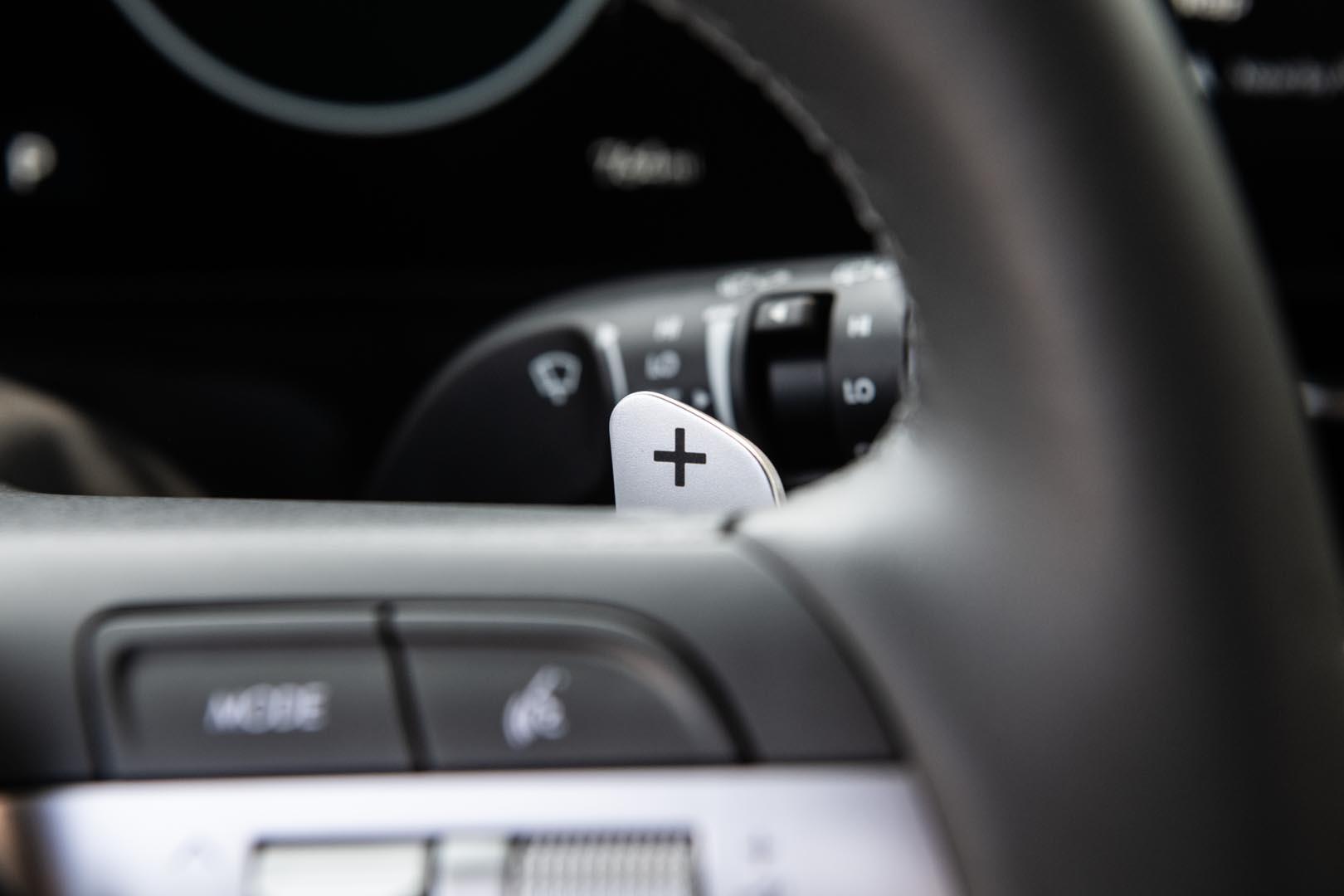
The transmission's sometimes delayed response amplifies this effect, but it remains smoother than the dual-clutch gearbox in the previous generation of the turbocharged Kona.
If you mainly drive in the city and suburbs, the base engine will be more than adequate and will save you a significant amount of money on the purchase price. Its fuel economy advantage of 0.4 L/100 km, according to Natural Resources Canada, is negligible.
More focused on comfort
Our test drive of the Kona took place in the middle of January 2026, when a warm spell followed by freezing temperatures prematurely created deep potholes in southern Quebec. We drove along Notre-Dame Street to get to the Montreal Auto Show, and we're still surprised we didn't get a flat tire on one of the 19-inch low-profile tires of the N Line series.
However, this situation did confirm what we had observed at the launch of the redesigned Kona in the fall of 2023: Hyundai has truly improved suspension comfort for this second generation.
It's hard not to feel the bumps when there are so many, with such thin rubber bands to isolate them. Nevertheless, the vehicle filters out most impacts without unduly jolting the occupants. Lateral body movements also remain well controlled.
Taking a corner with gusto doesn't unsettle the Kona either. You even get a certain pleasure from it, thanks to fairly precise steering, although it doesn't provide much road surface feedback. Braking is immediate and responsive.
Of course, the wide tires and large wheels of the N Line variant sharpen its handling compared to other versions.
A simple yet contemporary interior
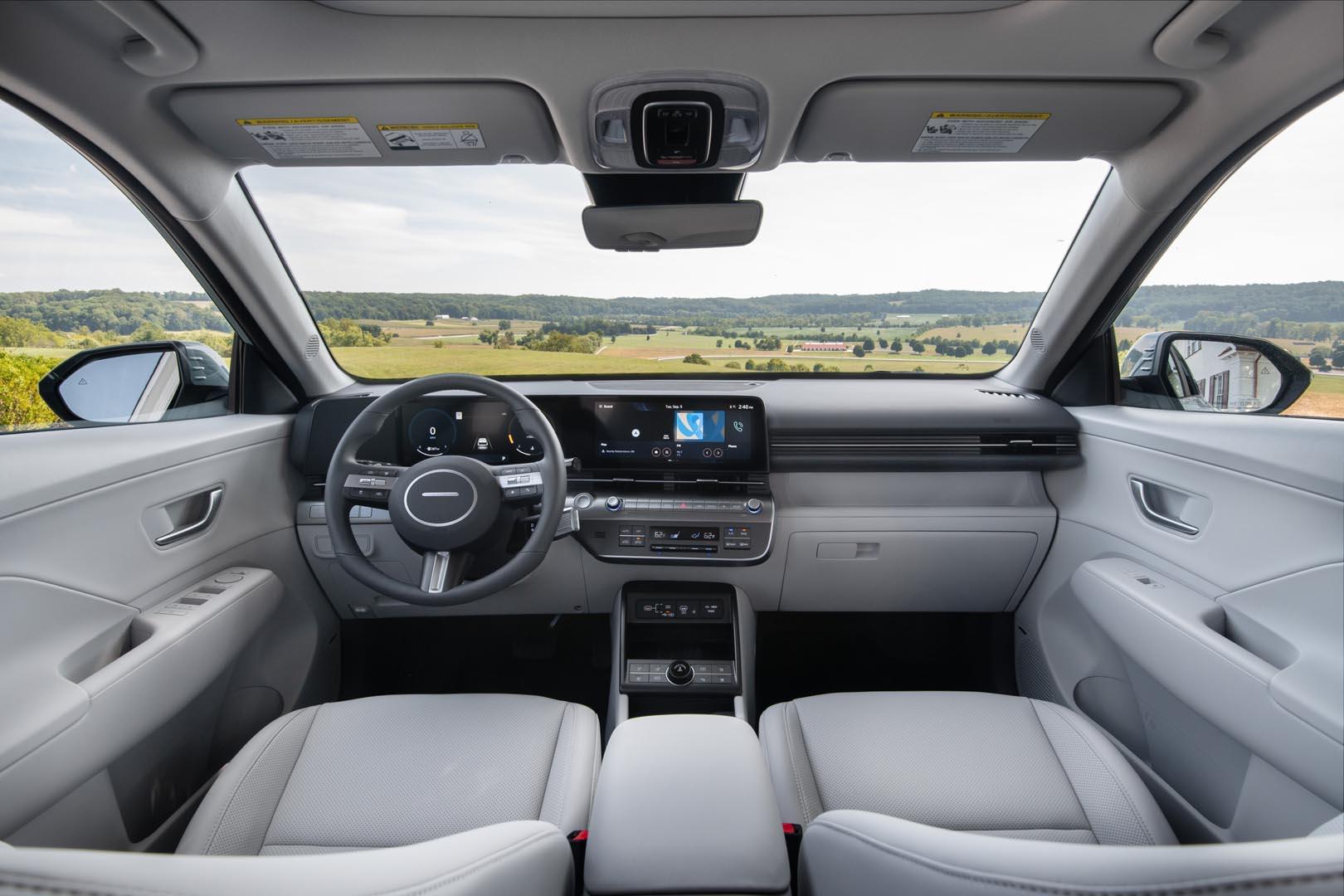
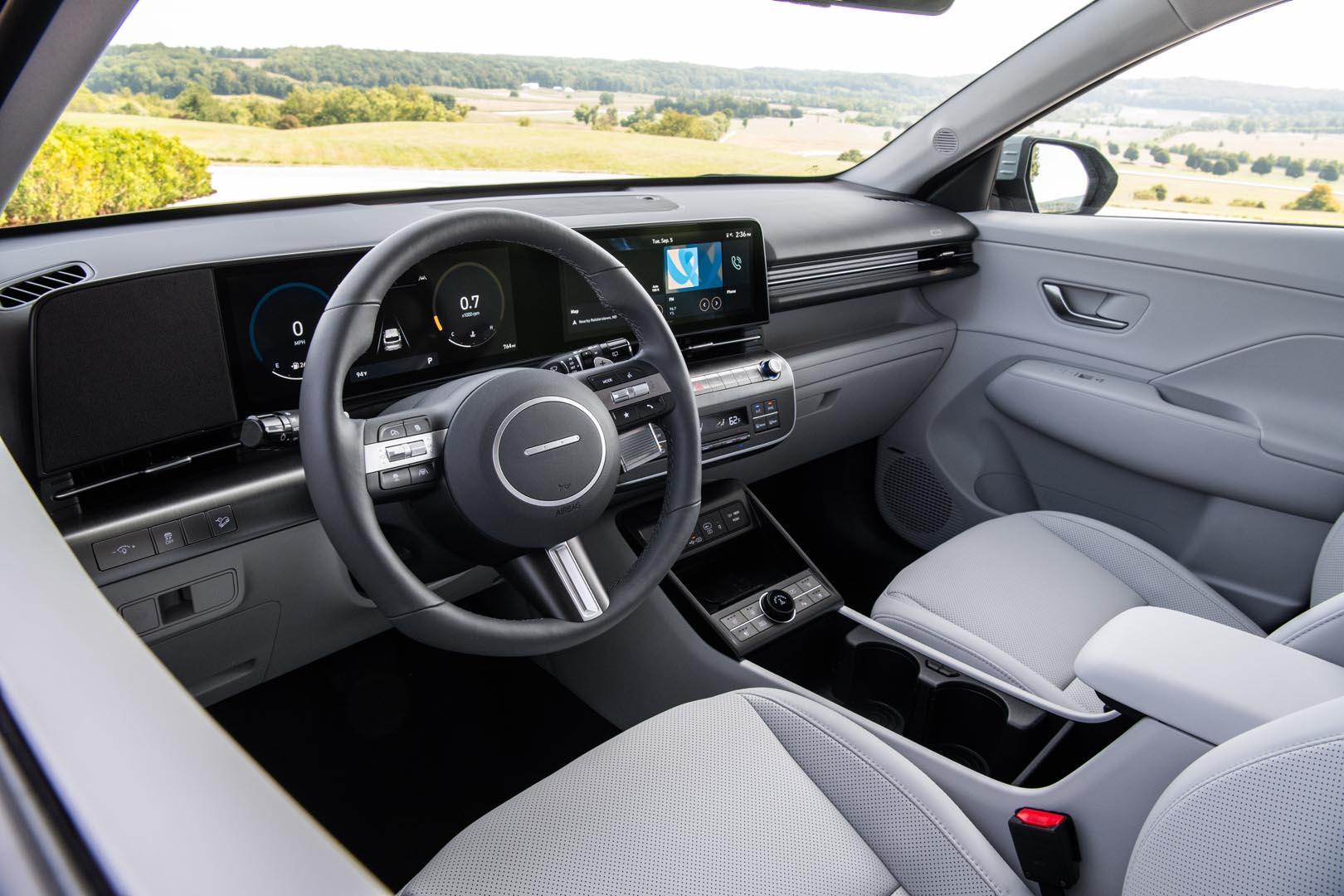
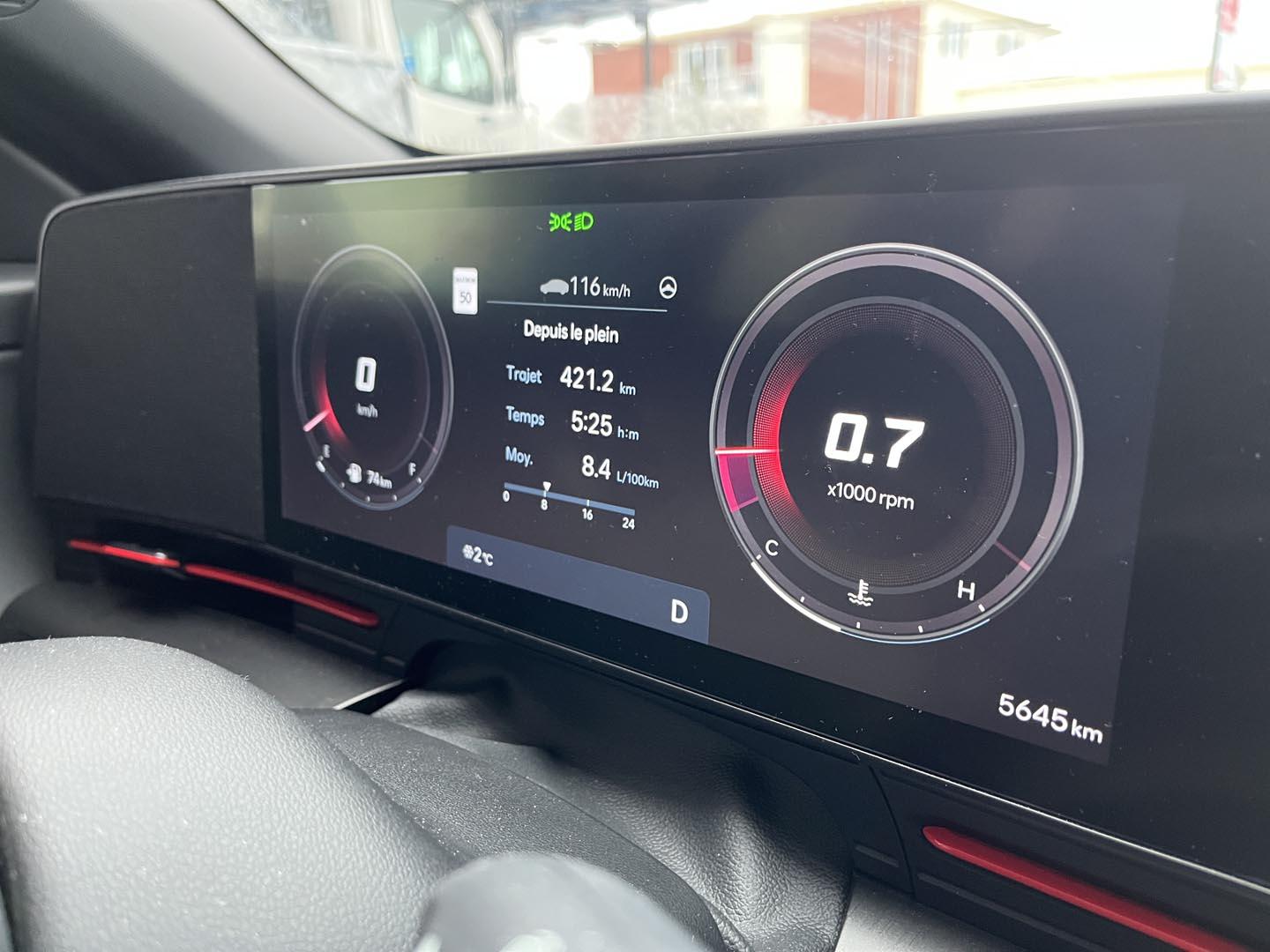
The Kona's dashboard combines the instrument cluster and multimedia system screens, each 12.3 inches, into a single, long rectangle, giving the impression that they are one. While undeniably stylish, this layout has the drawback of obscuring the top of the instruments behind the steering wheel rim.
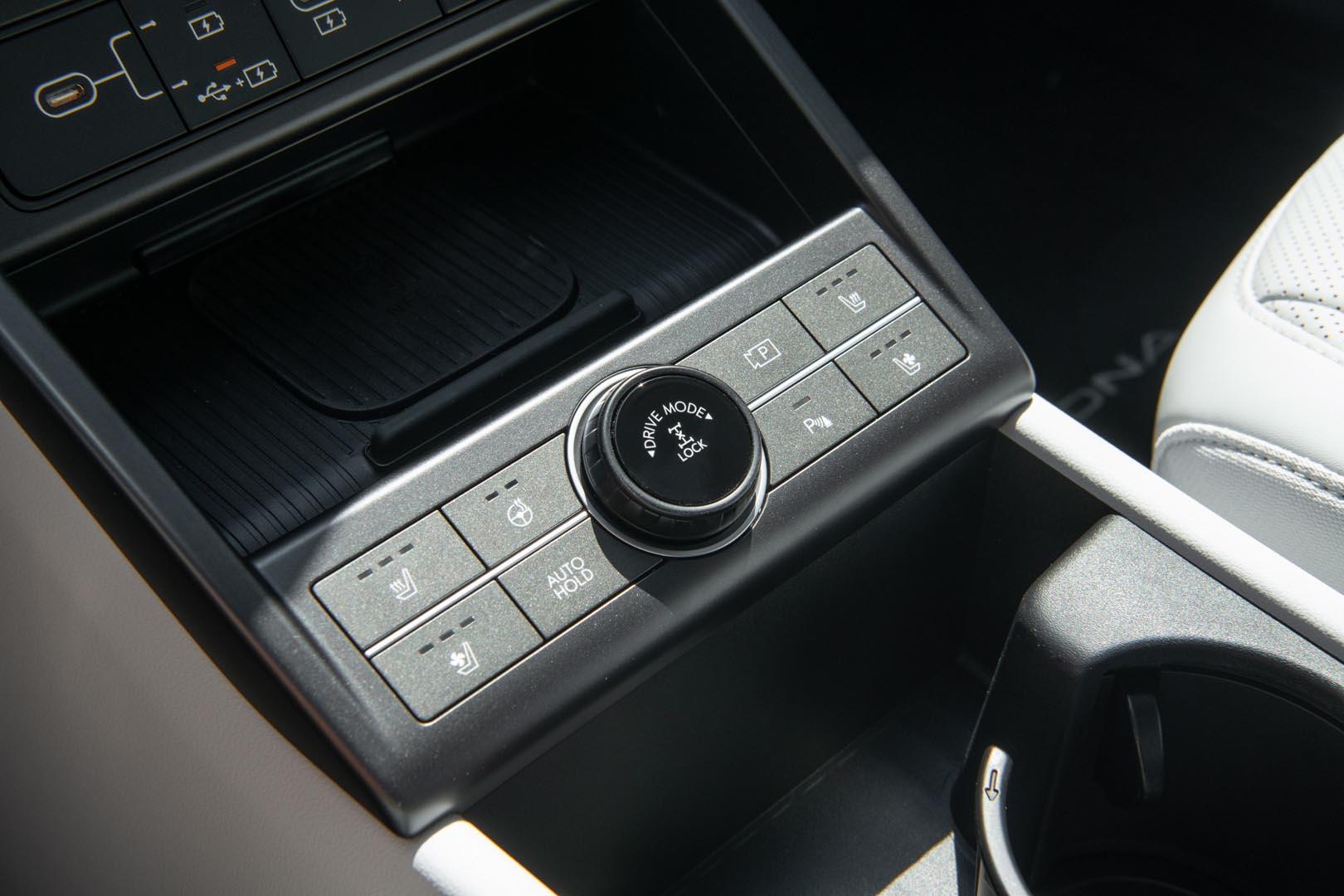
Except for this omission, common in its lineup, Hyundai was careful to combine good ergonomics with a high-tech style. For example, two distinct sets of physical buttons control the standard multimedia functions and all aspects of the climate control.
The Essential and Preferred trims include a traditional shifter. The steering-column-mounted electronic selector in the N Line and Electric variants requires a little getting used to, but it frees up a lot of storage space in the center console. Furthermore, it coexists harmoniously with the windshield wiper stalk to the right of the steering wheel, rather than replacing it, as in several GM vehicles, for example.
Some compromises on comfort
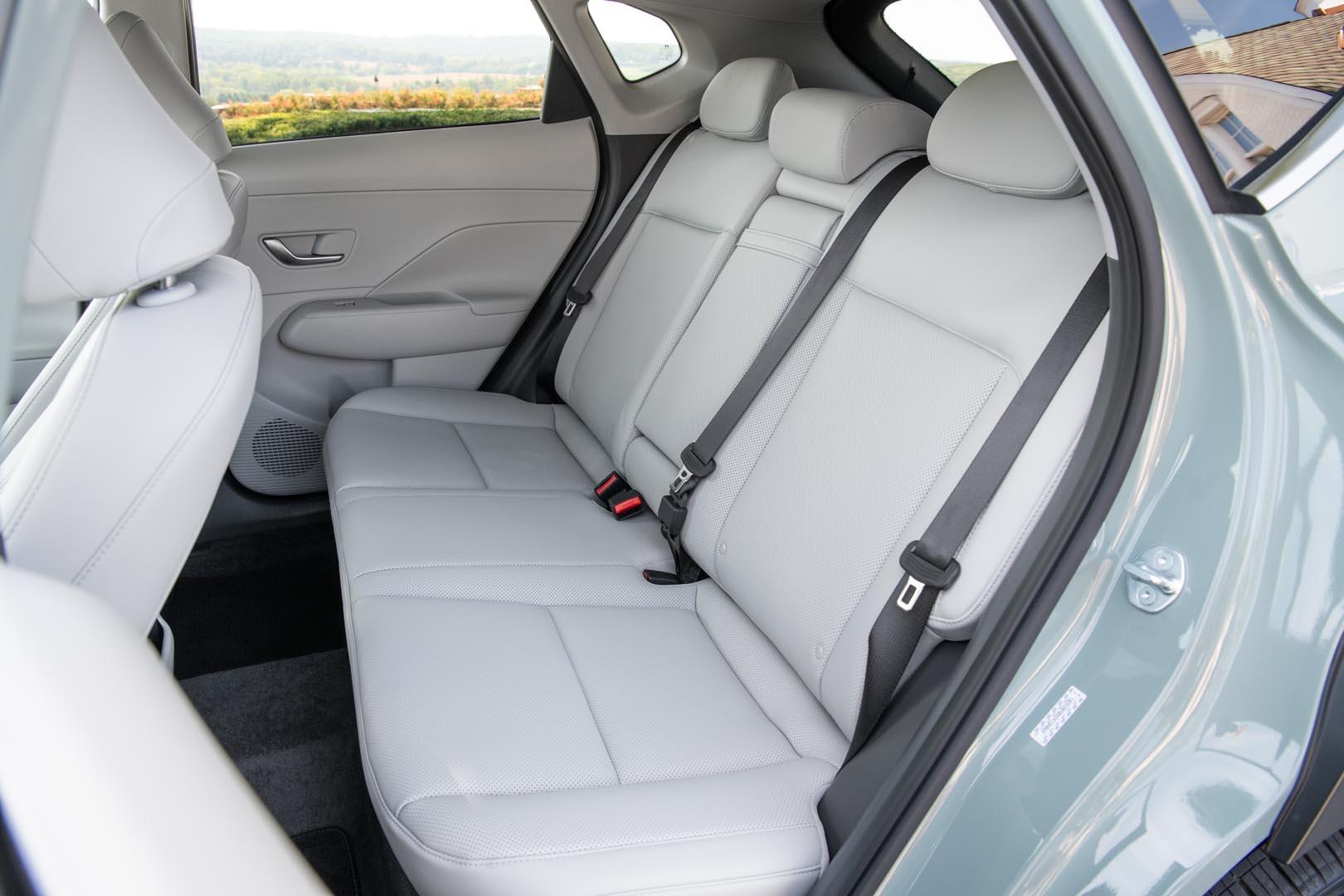
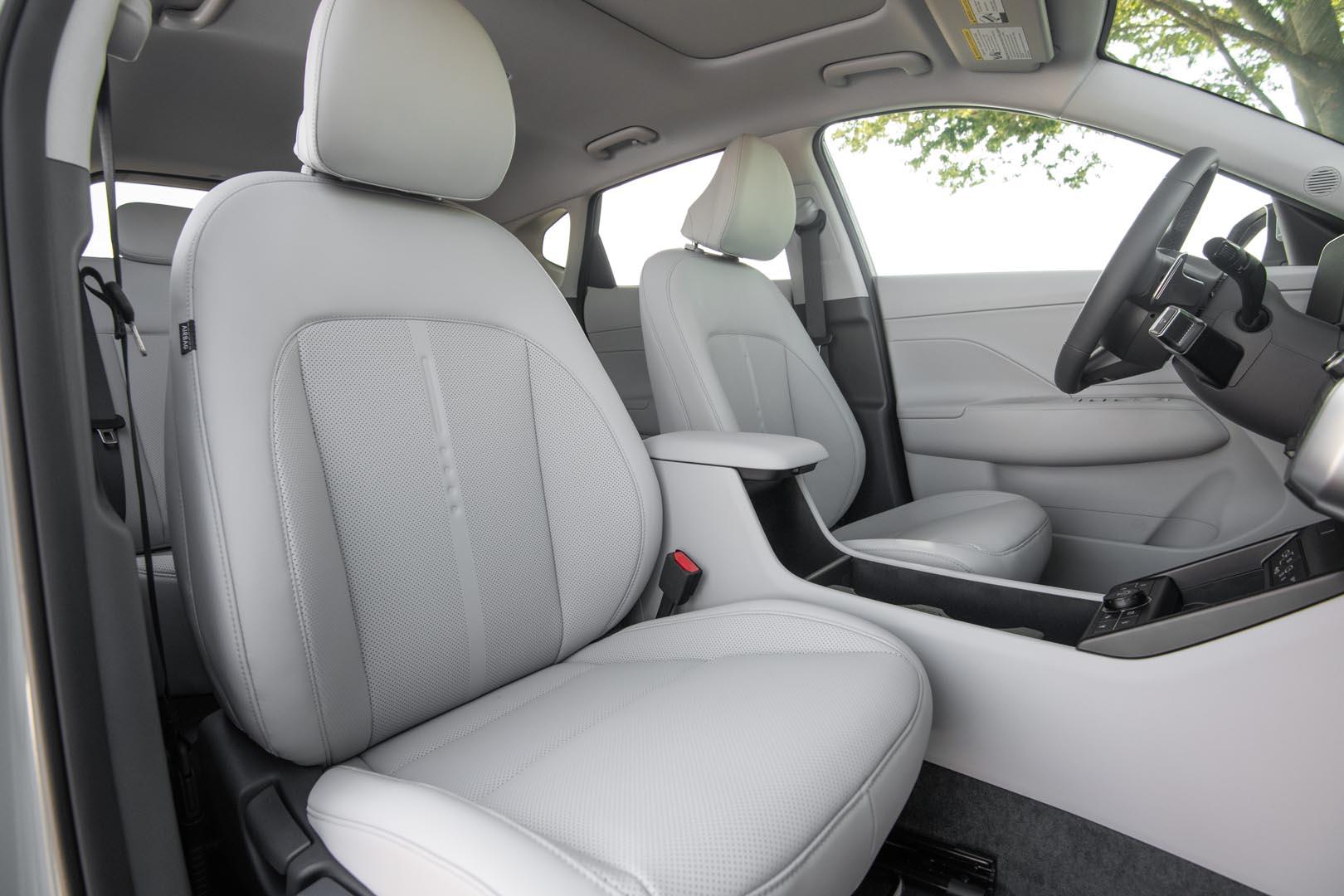
Compared to the Elantra, the Kona sits just high enough to ease access, and the cabin is quite spacious for four average-sized people. However, it imposes a strangely high driving position for an SUV of its size, coupled with a seat that's too short for taller individuals.
On the other hand, its center console intrudes much less than the Elantra's, which prevents you from rubbing your knee against it during long drives. This is a good thing, since the tight right-foot space when using cruise control forces you to spread your legs. This awkward driving position and the poor rear visibility are the main weaknesses of this cabin.
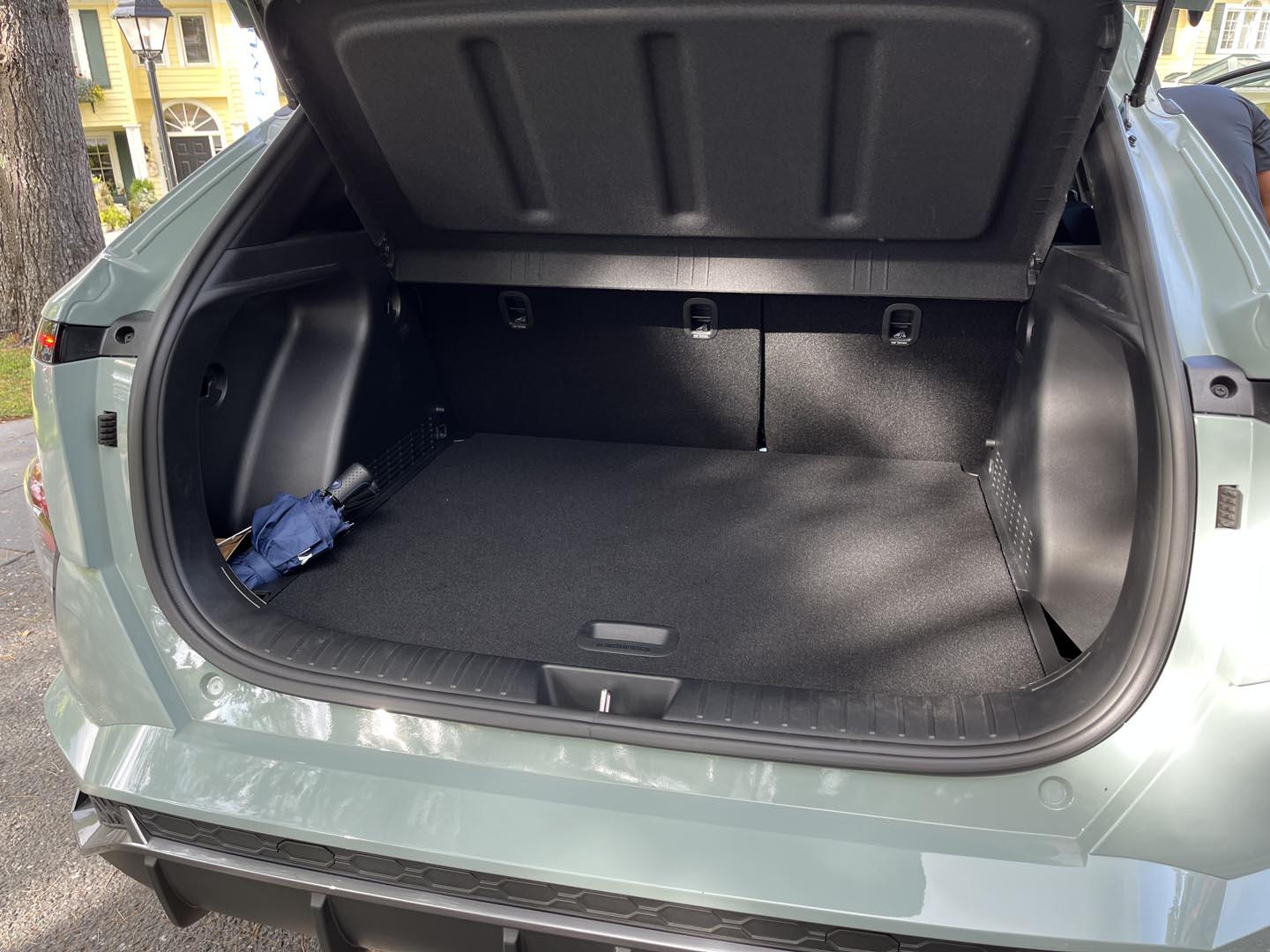
Some details, such as the abundance of hard plastic—even on the armrests—and the excessively thin cargo mat, suggest that the manufacturer had to cut corners somewhere to include screens, gadgets, and driver assistance features as standard equipment.
A tempting electric option
Theoretically, electrifying the Kona adds between $9,000 and $15,000 to the price of a similarly equipped gasoline model.
At the time of writing, in April 2026, combined manufacturer and government rebates reduced the price difference to around $6,000 between two front-wheel-drive Preferred trims, and almost eliminated it between a Kona Electric and a Kona N Line, both equipped with the Ultimate package.
Of course, the N Line model retains the advantage of all-wheel drive, which Hyundai does not offer in the electric version. Nevertheless, it's a compelling argument, considering that it costs approximately $2 to travel 100 km with an electric Kona plugged into a home charging station, compared to over $16 with an N Line filled at $1.80 per liter.
Safety features
- Antilock brakes with electronic brakeforce distribution and brake assist
- Stability and traction control
- Front airbags
- Front side airbags
- Side curtain airbags
- Front seatbelt pretensioners
- Five adjustable head restraints
- Rear seat occupant alert
- Rearview camera
- Tire pressure monitor
- Forward collision alert
- Forward automatic emergency braking with pedestrian and cyclist detection (cross-traffic detection standard on all trim levels except Essential)
- Lane departure alert with steering assist
- Lane centering assist
- Automatic high-beams
- Blind-spot monitoring with automatic steering assist and rear cross-traffic alert
- Adaptive cruise control
- Front, side and rear parking sensors, surround-view monitor and rear automatic emergency braking (included in the Ultimate package)
Crash test results
National Highway Traffic Safety Administration (NHTSA)
Overall score: 4 / 5
Frontal impact: 4 / 5
Side impact: 5 / 5
Rollover resistance: 4 / 5
Insurance Institute For Highway Safety (IIHS)
Moderate overlap frontal impact: 4 / 4
Small overlap frontal impact:
- driver side: 4 / 4
- passenger side: 4 / 4
Side impact: 4 / 4
Among the best vehicles in its segment (Top Safety Pick+ award)
Features and specs
Price range (including shipping and preparation) | ||
| Minimum price | $29,598 | |
|---|---|---|
| Maximum price | $52,148 | |
| Price as tested | $42,948 | |
| Trim levels | Essential
Preferred
N Line
Électrique Preferred | |
Buick Encore GX and Envista | ||
Chevrolet Trailblazer and Trax | ||
Honda HR-V | ||
Kia Niro and Seltos | ||
Mazda CX-30 | ||
Mitsubishi Eclipse Cross and RVR | ||
Nissan Kicks | ||
Subaru Crosstrek | ||
Toyota Corolla Cross | ||
Volkswagen Taos |
| Engine, horsepower and torque | 1.6L turbo 4-cyl.; 190ch at 6000rpm; 195lb-ft at 1700-4500rpm
2.0L 4-cyl.; 147hp at 6200rpm; 132lb-ft at 4500tr/min
Front electric motor with 64.8kWh lithium-ion polymer battery; 201hp; 188lb-ft |
|---|---|
| Transmission | 8-speed automatic with manual mode (1.6L turbo engine)
Continuously variable automatic (2.0L engine)
1-speed automatic (direct drive, electric motor) |
| Front suspension | Independent with MacPherson struts |
| Rear suspension | Independent multilink (AWD and Electric version)
Semi-independent with torsion beam (gas FWD) |
| Front brakes | Disc |
| Rear brakes | Disc |
| Tires | 215/60R17
215/55R18
235/45R19 |
| Wheelbase | 266cm | ||
|---|---|---|---|
| Length | 435-438.5cm
438.5cm (N Line) | ||
| Width | 182.5cm | ||
| Height | 158-161.5cm
161.5cm (N Line) | ||
| Curb weight | 1,363-1,765kg
1,590kg (N Line) | ||
| Towing | Not recommended | ||
According to Natural Resources Canada | ||
| City | 9.4L/100km (1.6L turbo engine) | |
|---|---|---|
| Highway | 8.4L/100km (1.6L turbo engine) | |
As measured by CAA-Québec | ||
| City | 9,2L/100km (moteur de 1,6L turbo) | |
| Highway | N/A | |
| CO2 emissions | 4,220kg/20,000km | |
| Fuel tank | 47 litres (2.0L turbo engine)
50 litres (1.6L turbo engine)
Not applicable (Electric motor) | |
| Recommended fuel | Regular-grade gasoline (1.6L turbo and 2.0L engine)
Not applicable (version Électrique) | |