Turkey Travel Guide

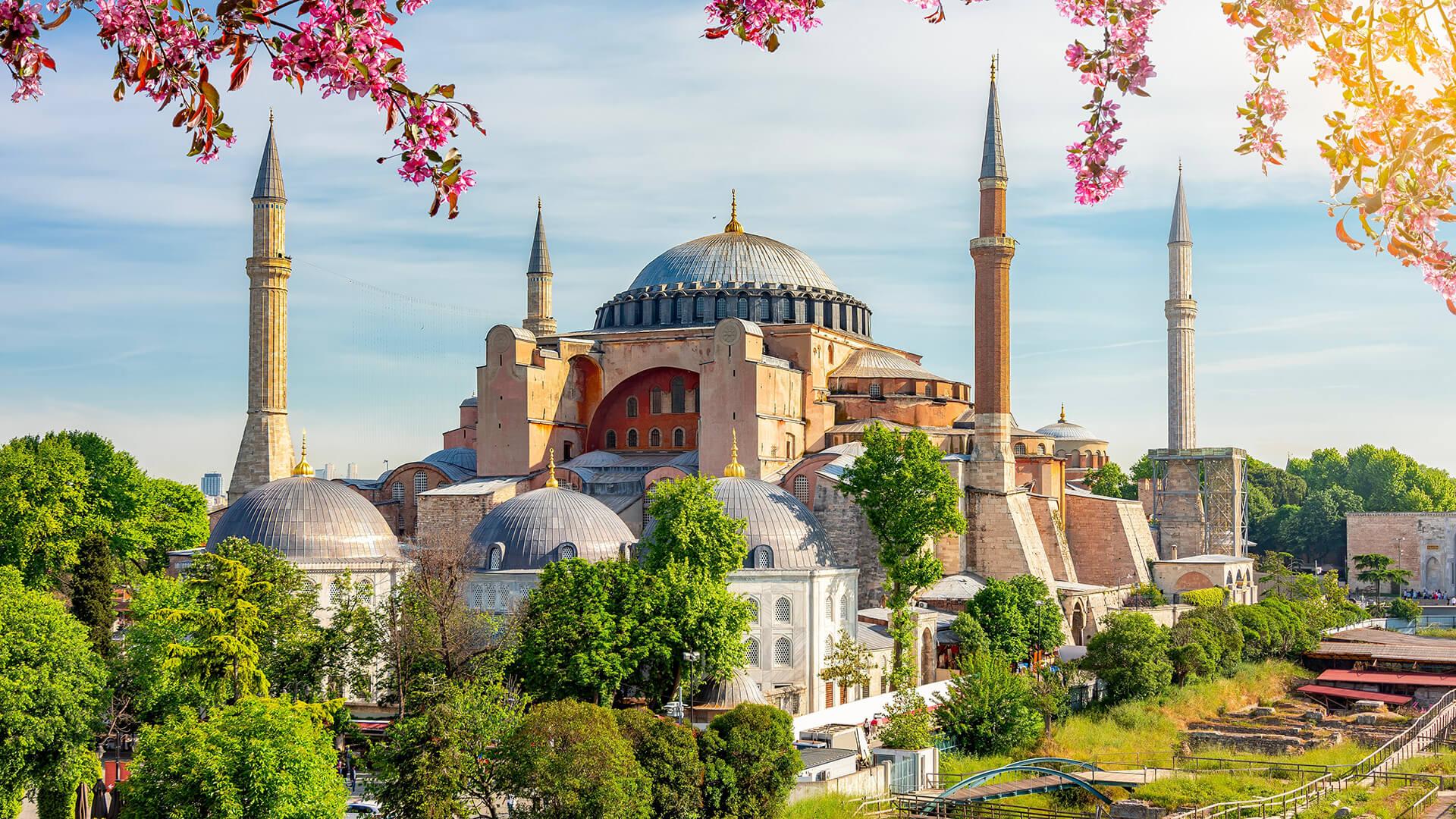
At the crossroads of East and West, Turkey captivates with its rich heritage and diverse landscapes. From Istanbul’s majestic mosques, Topkapi Palace, and bustling Turkish markets to Cappadocia’s hot air balloons, Ephesus’s ancient ruins, and the Mediterranean Sea’s golden beaches, every journey promises wonder and discovery.

Useful information

Official language(s)

Turkish is the country’s official language. English is generally understood in tourist areas, but we recommend having a guide for travel and interactions.

Flight duration

Direct flight: 9h30 to 10h30
Connecting flight: 12 to 16 hours (depending on connection times)

Time zone difference

Turkey time zone: UTC+3
8h ahead of Quebec (EST)
7h ahead of Quebec (EDT)

Currency

Turkish lira (TRY)

Credit cards (Visa, Mastercard, etc.) are accepted in most hotels, restaurants, and businesses in tourist areas. It is recommended to carry some Turkish lira for markets, bazaars, small shops and restaurants, public transportation, taxis, and other everyday purchases.

Tips

In Turkey, tipping is not mandatory, but it is appreciated and part of local customs, especially in tourist areas. In restaurants, it is common to leave 5–10% if the service charge is not included. Travellers usually tip guides and drivers between 250 and 450 TRY per day. For taxis, it is customary to round up the fare, and around 100 TRY is typically given to porters.

Safety

In Turkey, travellers are advised to exercise caution, especially in crowded places and tourist areas where scams and pickpocketing can occur. Border regions near Syria and Iraq should be avoided, and walking alone at night is not recommended. For transportation, it is best to use buses, ride-hailing apps, or official taxis. Modest clothing covering shoulders and knees is recommended outside seaside resorts.

*In the context of ongoing hostilities in the Middle East and the recent U.S. strikes in February 2026, we advise Canadian travellers to register with the Government of Canada’s Registration of Canadians Abroad service. This allows them to receive important updates during their stay regarding possible changes to the country’s security rating, transportation disruptions, and local emergency instructions.

Before any foreign trip, visit the Government of Canada’s Turkey Travel Advice page to find out about the current situation in the country.
  • Exceptional heritage: imperial mosques, ancient cities, Ottoman palaces, and UNESCO World Heritage Sites.
  • Cultural crossroads between East and West.
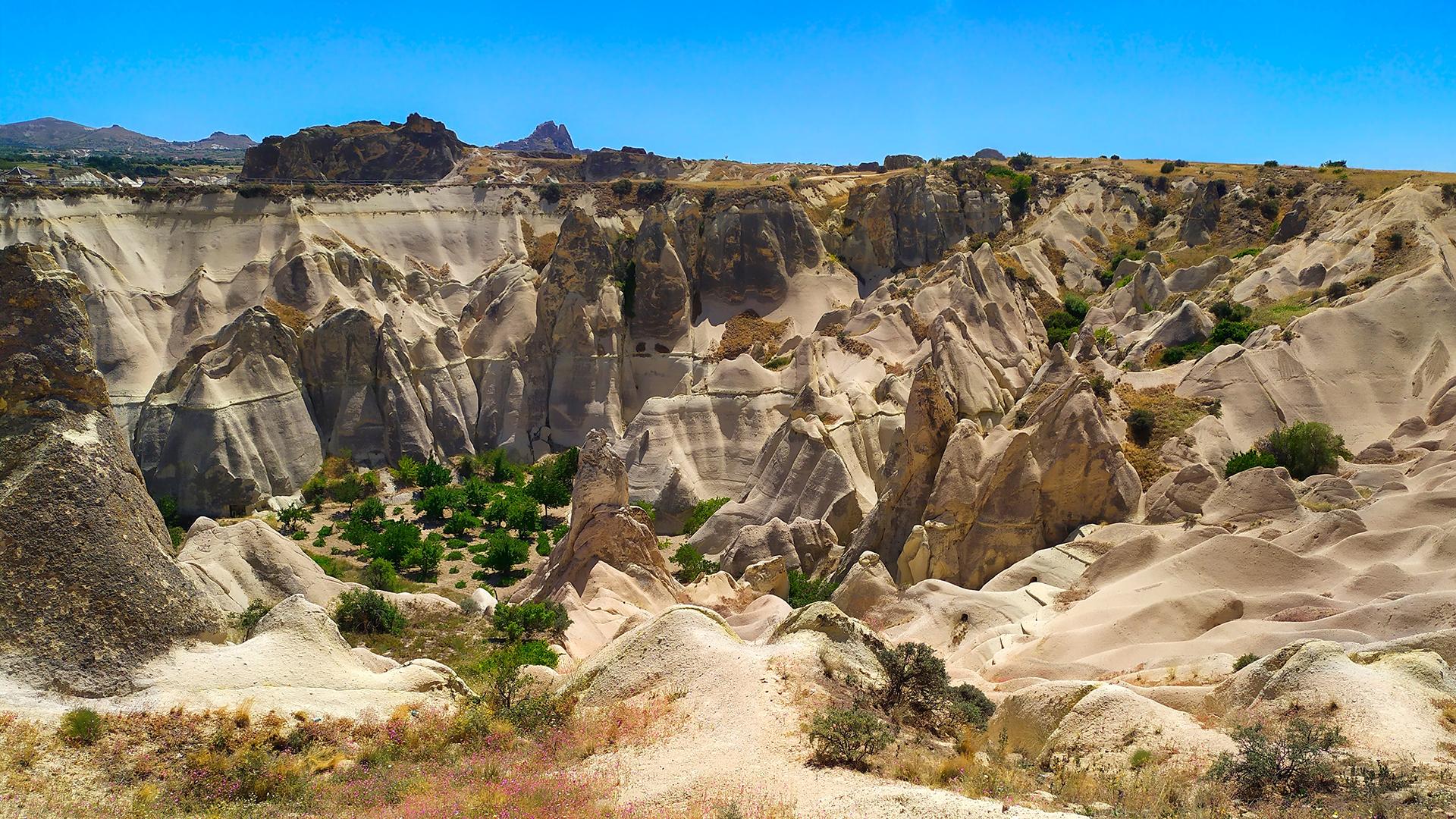
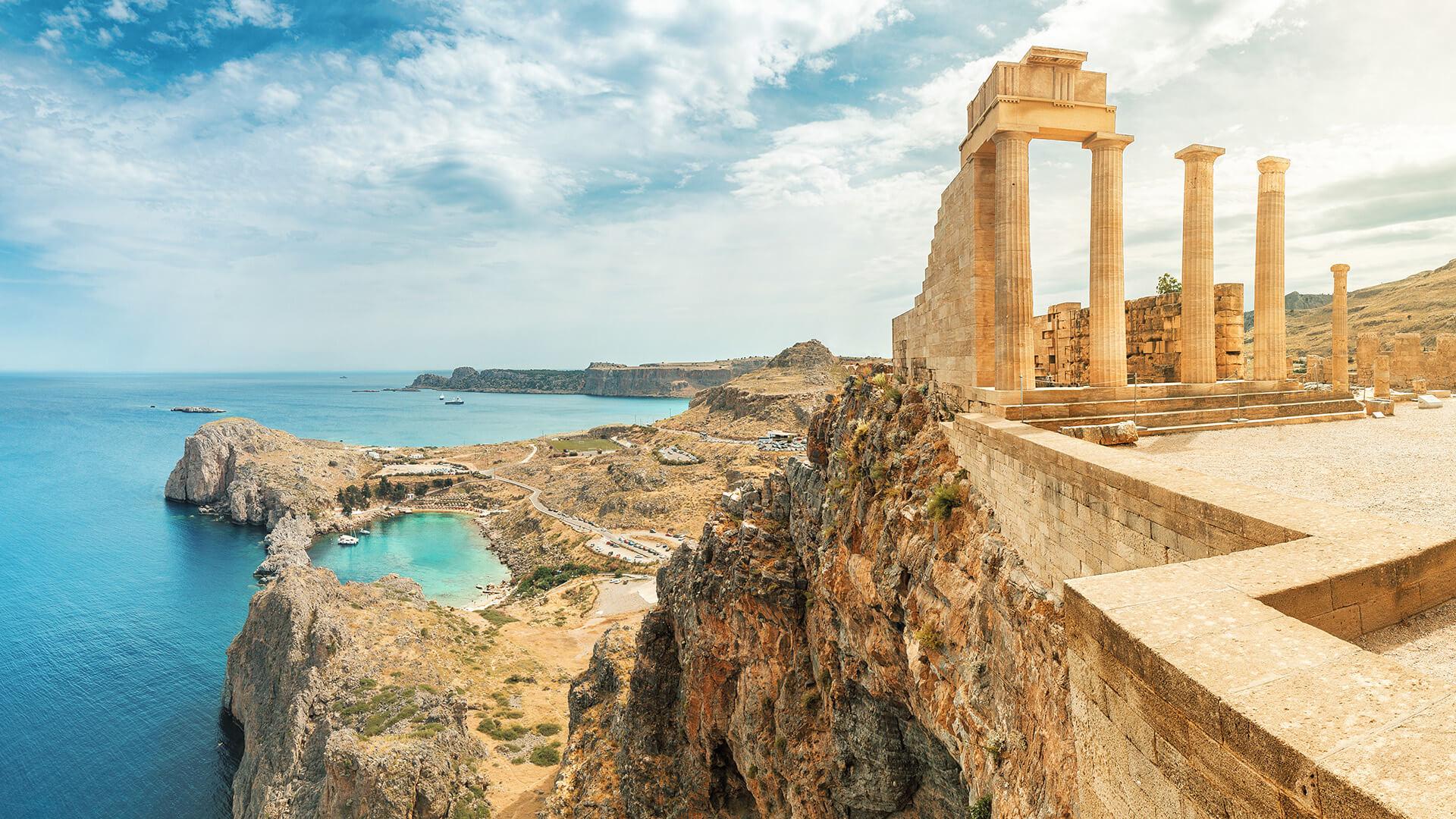
  • Diverse and spectacular landscapes: Cappadocia, the Turkish Riviera, mountains, Pamukkale, and the Aegean and Mediterranean Seas.
  • Rich and flavourful cuisine.

Keep in mind

  • The country is not ideal for families outside of seaside resorts. 
  • Conservative dress code in certain religious sites or rural areas. 
Top pick

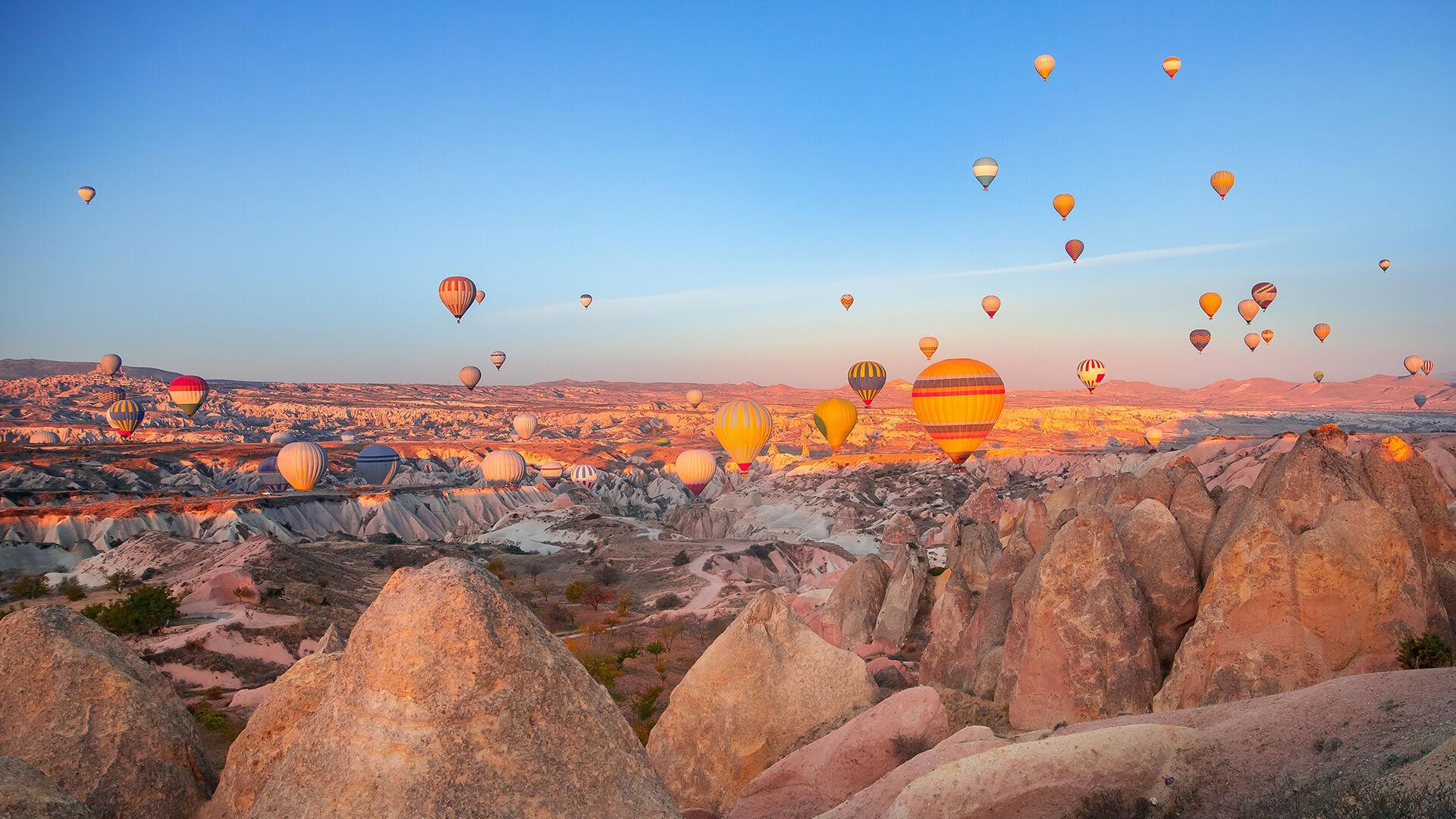
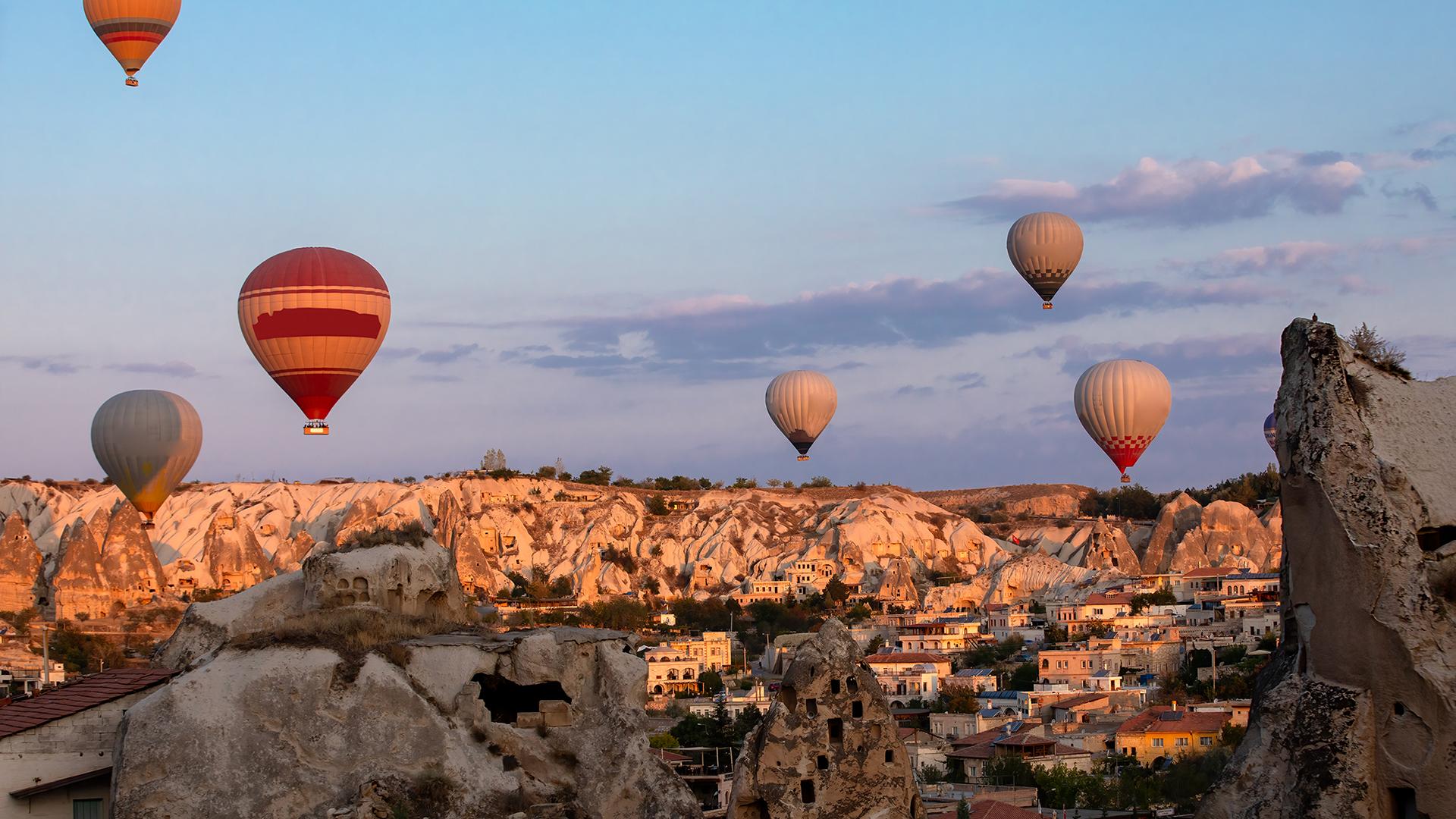
“I returned from Turkey with unforgettable memories. My favourites: a hot air balloon ride over Cappadocia at sunrise and the soothing turquoise waters of Pamukkale’s terraces, a truly unique natural haven in the world.”

Marie-Josée Pouliot Travel Counsellor, Terrebonne Travel Centre

Good to know

  • Bargaining is common in Turkish markets and bazaars.
  • It is best to drink bottled water only, even in top hotels.
  • The call to prayer takes place five times a day. If a mosque is located near your hotel, you may be woken up around 4–5 a.m.
  • When visiting mosques, you should wear clothing that covers your arms and legs, as well as a headscarf.
  • There is no risk in accepting the tea offered everywhere; in fact, it can be considered impolite to refuse.

Frequently asked questions

The best times to travel to Turkey are spring and autumn, particularly in May, September, and October. Temperatures are mild, the landscapes are stunning, and tourism is less crowded. These months are ideal for taking a hot air balloon ride over Cappadocia, strolling through Istanbul’s bazaars, or enjoying the Mediterranean beaches at a relaxed pace. It is recommended to avoid June through August due to intense heat and heavy tourist crowds.

Turkey has a diverse transport network that makes getting around easy. Flights quickly connect Istanbul, Cappadocia, Antalya, and Izmir. Long-distance buses and high-speed trains provide a comfortable and safe way to explore major cities, while renting a car is ideal for discovering the Mediterranean coast, the Lycian coast, and remote regions.

10 to 14 days. 

This duration allows you to visit the main regions such as Istanbul, Cappadocia, and the Mediterranean coast, while also exploring the beaches, Pamukkale, Ephesus, and a few charming villages. 

  • Istanbul Tulip Festival, held in April for three to four weeks. Gardens and parks are filled with millions of colourful tulips, celebrating the flower’s rich historical symbolism in Turkey. Exhibitions, concerts, and strolls make for an unforgettable experience, perfect for photography.
  • Cappadocia Hot Air Balloon Festival, held from April to May, mainly in the towns of Göreme, Ürgüp, and Avanos. Dozens of colourful hot air balloons float above breathtaking landscapes, creating a truly magical spectacle. Traditional and chamber music concerts, artisan exhibitions, local tastings, hikes, and guided tours make the experience unforgettable.