Highlights
- Charming, picturesque villages with authentic character.
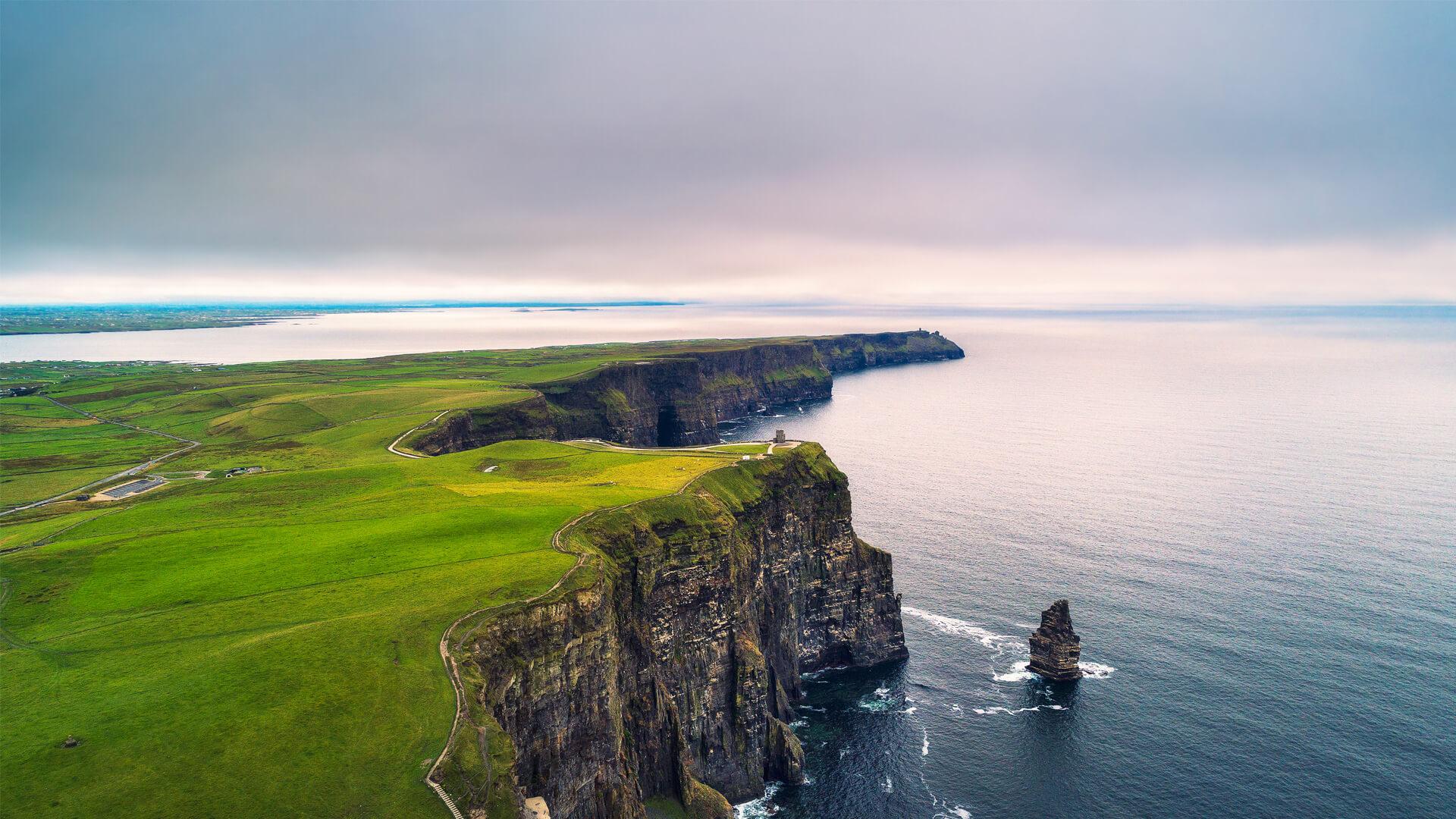
- Breathtaking green and wild landscapes.
- Warm and friendly hospitality of the Irish people.


In Ireland, both English and Irish (Gaelic) are official languages.
English is widely spoken in daily life, though the lilting accents in some regions may take a little getting used to, and Gaelic expressions are commonly heard.
Direct flight: 6 to 7 hours
Connecting flights: 8h to 12h (depending on connection times)
Ireland time zone: UTC +0 (winter) and UTC +1 (summer)
5h ahead of Quebec (EST)
5h ahead of Quebec (EDT)
Note: During the short period in spring when Quebec switches to daylight saving time, before Ireland also moves to daylight saving time (late March), the time difference is only 4 hours.
British Pound (GBP) and Euro (EUR)
The euro is used in the Republic of Ireland, whereas the British pound is in circulation in Northern Ireland, which is part of the United Kingdom. Credit and debit cards are widely accepted, even for small purchases, but it is useful to have some cash on hand for rural shops, tips, or parking.
Tips are not mandatory but are appreciated. In restaurants, it is common to leave 10–15% if service is not included. In pubs, it is not necessary to tip for every order.
Ireland is a safe destination. It is recommended to follow normal safety precautions.
Before any foreign trip, visit the Government of Canada’s United Kingdom Travel Advice page to find out about the current situation in the country.


Derry, in Northern Ireland, is famous for its 17th-century city walls, the Peace Bridge, and the political murals of the Bogside. Beyond its rich history, the city invites you to enjoy its pubs, the spectacular Halloween festival, and scenic drives along the Wild Atlantic Way and Causeway Coastal Route.

As Ireland's largest island, Achill reveals striking landscapes: the sheer cliffs of Croaghaun, the wild Keem Bay beach, scenic coastal trails, rolling green hills, and an abandoned stone village. A paradise for outdoor enthusiasts, it invites visitors to discover the raw beauty of Ireland.

Rising above the Irish countryside in County Tipperary, the Rock of Cashel looks straight out of a fairy tale. This ancient fortified medieval site, steeped in history, invites you to journey back to the age of kings and knights, set against lush, breathtaking landscapes.

Situated on the Atlantic coast, Cobh enchants with its colourful terraced houses, lively harbour, and majestic neo-Gothic cathedral. As the Titanic's last port of call, the town blends maritime history with a warm, welcoming atmosphere, offering a picturesque and moving stopover.

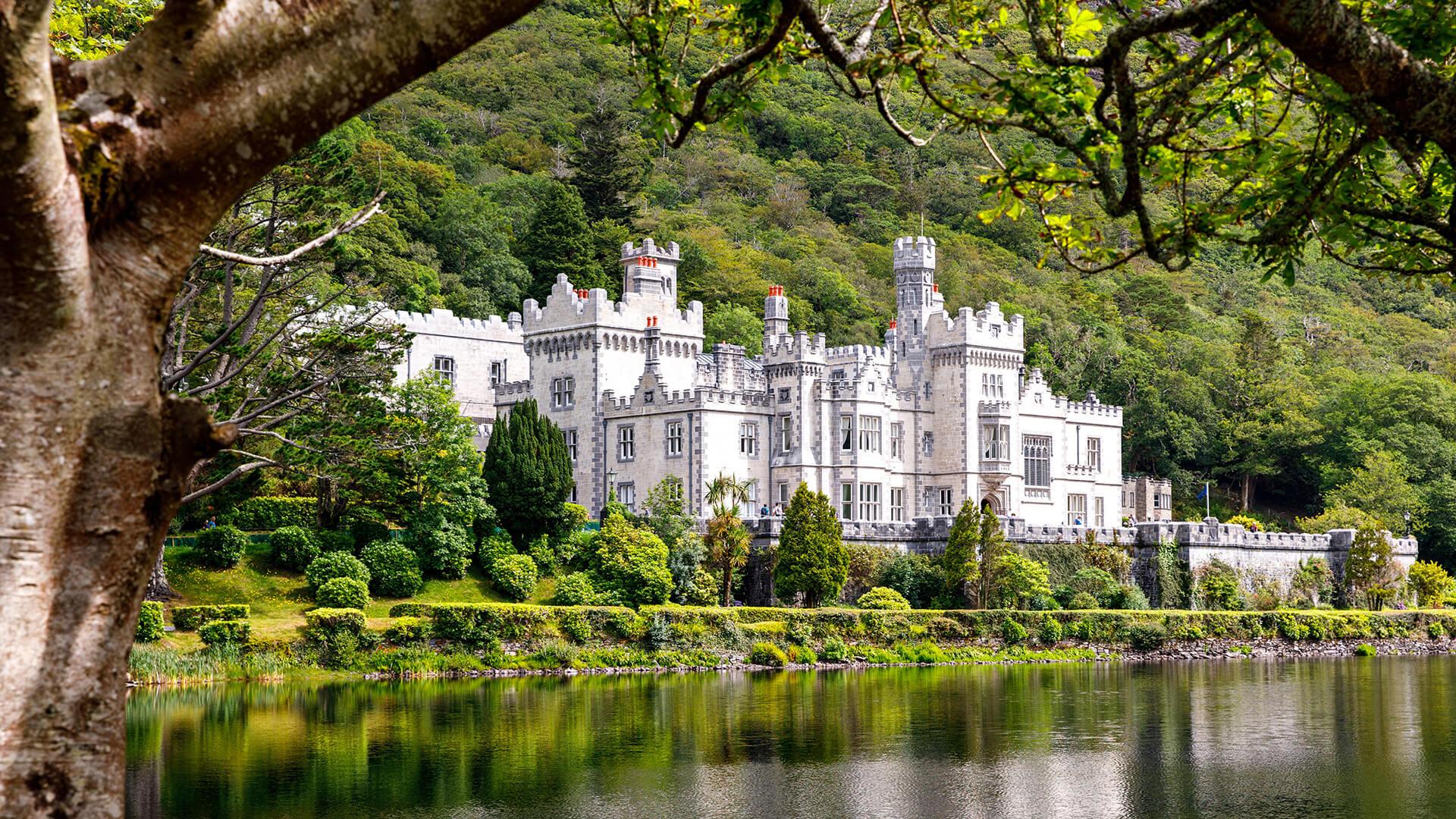
Located in Donegal, Glenveagh National Park is home to some of Ireland's most stunning landscapes. With mountains, lakes, and wild nature, it also features Glenveagh Castle. Popular for hiking and wildlife watching, the park offers an authentic immersion in the heart of Ireland.
Derry, in Northern Ireland, is famous for its 17th-century city walls, the Peace Bridge, and the political murals of the Bogside. Beyond its rich history, the city invites you to enjoy its pubs, the spectacular Halloween festival, and scenic drives along the Wild Atlantic Way and Causeway Coastal Route.
As Ireland's largest island, Achill reveals striking landscapes: the sheer cliffs of Croaghaun, the wild Keem Bay beach, scenic coastal trails, rolling green hills, and an abandoned stone village. A paradise for outdoor enthusiasts, it invites visitors to discover the raw beauty of Ireland.
Rising above the Irish countryside in County Tipperary, the Rock of Cashel looks straight out of a fairy tale. This ancient fortified medieval site, steeped in history, invites you to journey back to the age of kings and knights, set against lush, breathtaking landscapes.
Situated on the Atlantic coast, Cobh enchants with its colourful terraced houses, lively harbour, and majestic neo-Gothic cathedral. As the Titanic's last port of call, the town blends maritime history with a warm, welcoming atmosphere, offering a picturesque and moving stopover.
Located in Donegal, Glenveagh National Park is home to some of Ireland's most stunning landscapes. With mountains, lakes, and wild nature, it also features Glenveagh Castle. Popular for hiking and wildlife watching, the park offers an authentic immersion in the heart of Ireland.

“I was charmed by the friendliness and festive spirit of the Irish—they are always warm and welcoming. In Dublin’s pubs, conversations with locals happen naturally. With over 1,000 pubs, each has its own unique character, and all proudly serve the best Guinness in town!”

Irish stew is a traditional dish that is both simple and comforting. Chunks of lamb or mutton are slowly simmered in a fragrant broth with potatoes, carrots, onions, and parsley. Served hot, it can be enjoyed in both pubs and Irish homes.

Boxty is an Irish specialty made from potatoes, flour, milk, and eggs, seasoned with salt and pepper. Pan-fried, it becomes crispy on the outside and tender on the inside. It pairs perfectly with meat dishes or can be enjoyed on its own with butter or cream.

Colcannon is a delicious, creamy mashed potato dish mixed with sautéed cabbage, butter, cream, and often green onions or leeks. Rich and comforting, this classic of Irish cuisine is enjoyed hot in a warm, convivial setting.

There's nothing like a warm scone, split in half and generously spread with butter and jam, to start the day. This classic Irish pastry has a golden, slightly crisp and crumbly texture that melts in your mouth. It pairs perfectly with a steaming cup of tea.

Beneath a smooth layer of cream, Irish coffee blends the bold aroma of black coffee, the warmth of Irish whiskey, and the sweetness of brown sugar in perfect balance. With every sip, the contrast of heat, bitterness, and velvety texture creates a warm and comforting experience.
Irish stew is a traditional dish that is both simple and comforting. Chunks of lamb or mutton are slowly simmered in a fragrant broth with potatoes, carrots, onions, and parsley. Served hot, it can be enjoyed in both pubs and Irish homes.
Boxty is an Irish specialty made from potatoes, flour, milk, and eggs, seasoned with salt and pepper. Pan-fried, it becomes crispy on the outside and tender on the inside. It pairs perfectly with meat dishes or can be enjoyed on its own with butter or cream.
Colcannon is a delicious, creamy mashed potato dish mixed with sautéed cabbage, butter, cream, and often green onions or leeks. Rich and comforting, this classic of Irish cuisine is enjoyed hot in a warm, convivial setting.
There's nothing like a warm scone, split in half and generously spread with butter and jam, to start the day. This classic Irish pastry has a golden, slightly crisp and crumbly texture that melts in your mouth. It pairs perfectly with a steaming cup of tea.
Beneath a smooth layer of cream, Irish coffee blends the bold aroma of black coffee, the warmth of Irish whiskey, and the sweetness of brown sugar in perfect balance. With every sip, the contrast of heat, bitterness, and velvety texture creates a warm and comforting experience.


The best time to visit Ireland is from May to September, when the days are long and the landscapes are lush and green. Spring (May and June) is flowery and pleasant; summer (July and August) is busier, livelier, and warmer; whereas autumn (September and October) offers peace and beautiful colours. Winter (November to March) is less recommended because of cooler temperatures and shorter days; some tourist sites are closed, but you can still enjoy pubs and experience St. Patrick's Day festivities.
Driving is the best way to explore Ireland, especially for scenic routes like the Wild Atlantic Way and for discovering more remote sites at your own pace. However, keep in mind that driving is on the left, and rural roads are often very narrow. The train and bus network is also a good option for connecting major cities, but it remains limited in rural areas.
7 to 14 days
A 7- to 10-day trip allows you to see the must-see highlights, such as Dublin, Galway, the Cliffs of Moher, and Connemara. For a more complete itinerary including Donegal and Northern Ireland, 10 to 14 days is ideal to fully enjoy the landscapes and the local atmosphere.

Ireland
Departure: Sep 27, 2026
Price from $2,809 $2,668

Ireland and Northern Ireland
Departures: Apr 29, 2027, May 13, 2027 + 6 other dates
Price from $3,059
England, Wales, Ireland and Scotland
Departures: May 02, 2027, May 30, 2027 + 4 other dates
Price from $5,519
North Sea
Departure: May 03, 2027
Price from $8,619 $8,544
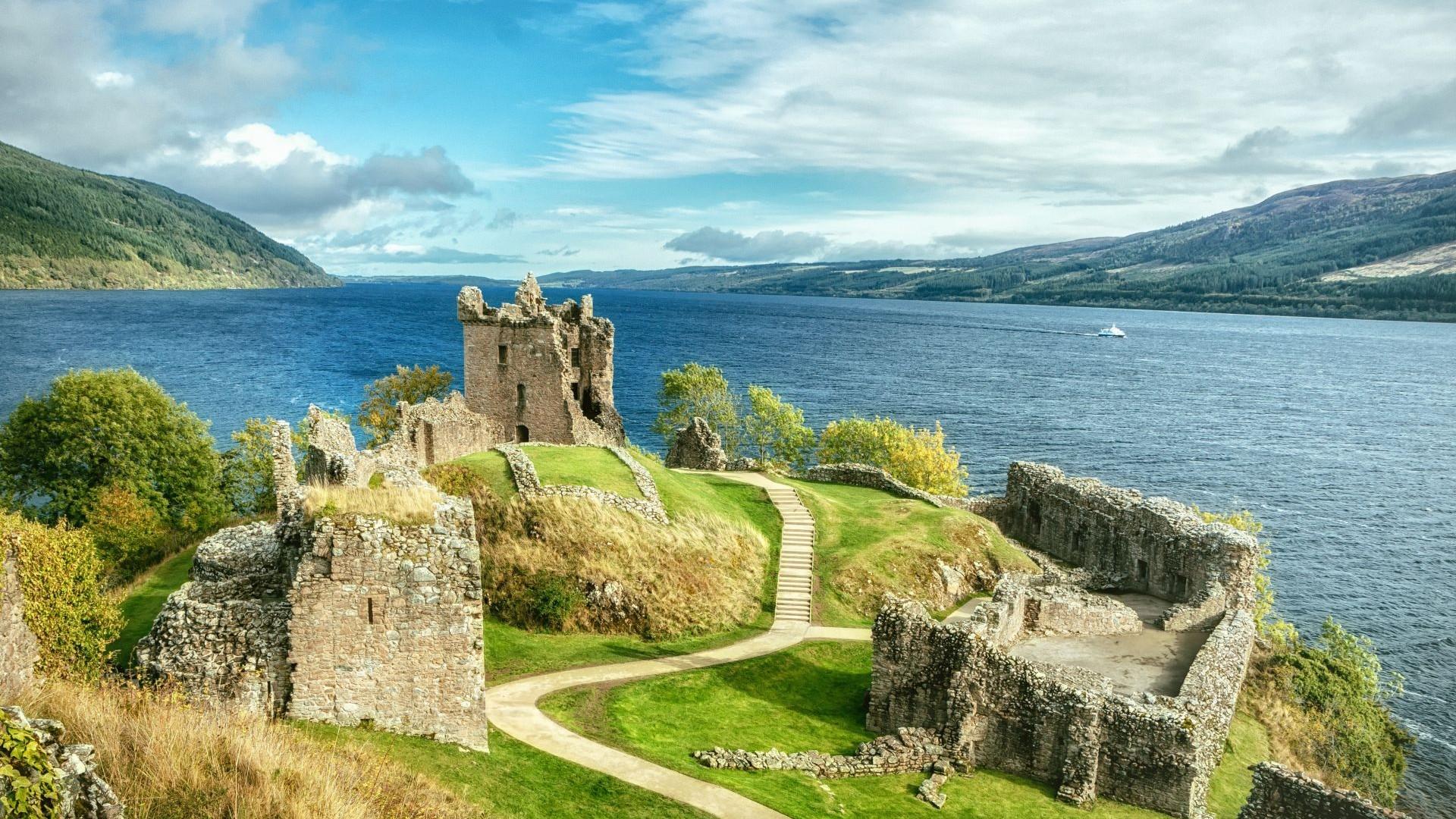
Ireland and Scotland
Departures: May 04, 2027, May 25, 2027 + 4 other dates
Price from $4,069
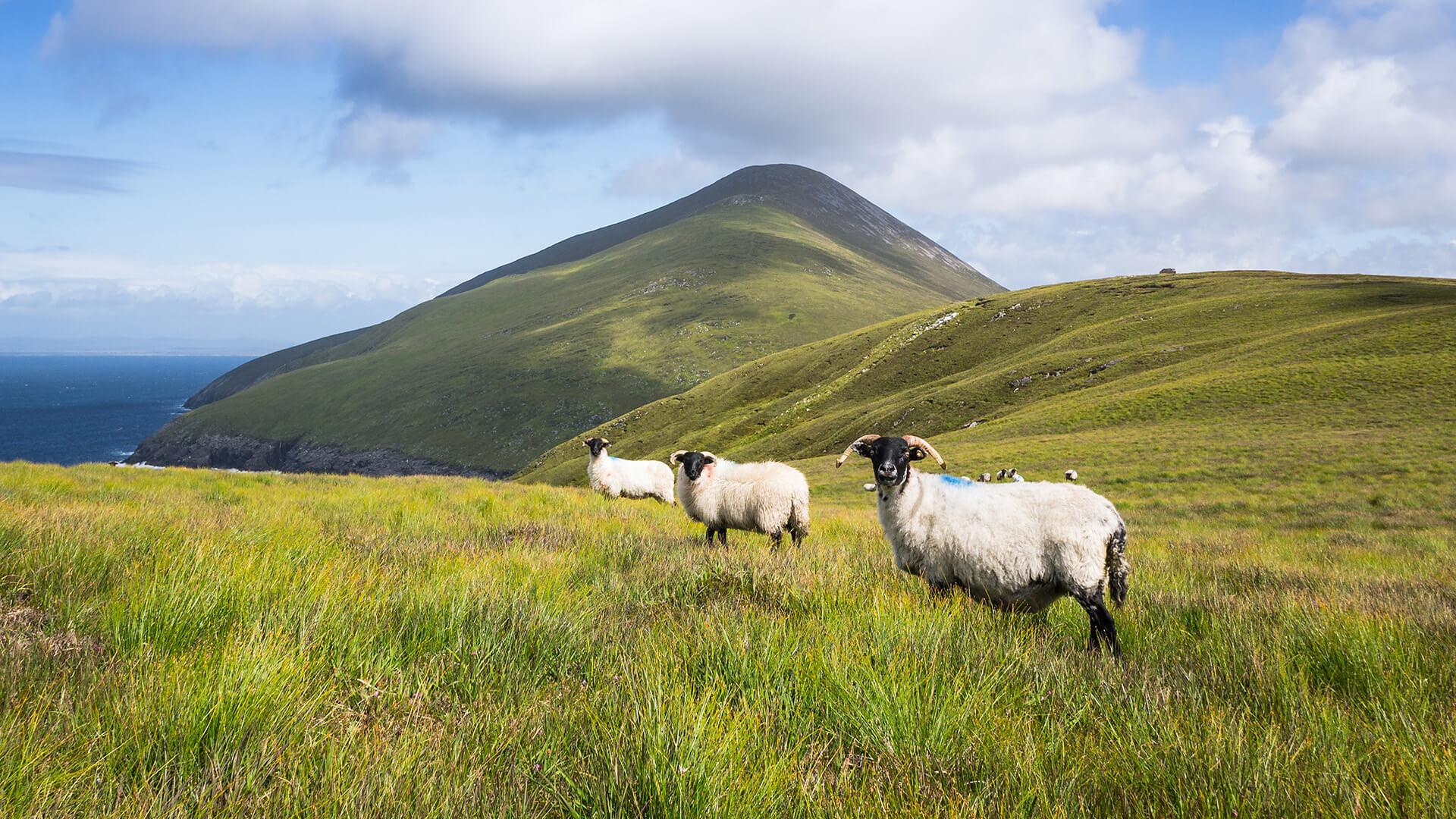
Ireland
Departure: Sep 20, 2027
Price from $8,699 $8,624
Travel in complete peace of mind.
Fast, compliant and guaranteed service.
Useful for driving abroad.
Online application service.
Double-check the rules before you travel.
Suitcases, anti-theft bags, and more!
Create your personalized travel itinerary.
Road guides and road maps.


