
Protect your dogs and cats
See how you could avoid spending so much on veterinary bills.
To ask your questions:
1-833-323-2454
Planning a trip abroad and want to bring your pet along? It’s possible—as long as you prepare properly. Entry requirements, transportation, health: Here’s a clear guide to travelling with your dog or cat without any unpleasant surprises.
Travelling with a pet doesn’t happen on a whim. Good preparation helps you avoid being turned away at the gate or the border. Here is what you need to do before departure:
The more you plan ahead, the smoother your trip will be.
The same rules apply whether you travel by air or by land. In most cases, you will need to present the following travel documents at customs:
Certain rules also apply to pet food at the border. It must be sealed in its original packaging. Lamb, goat, and mutton are prohibited.
It depends on the country. Some impose no quarantine if all entry conditions are met. Others require a mandatory quarantine, which can last anywhere from a few days to several weeks or even months. For more information before you go, visit the Canadian Food Inspection Agency website.
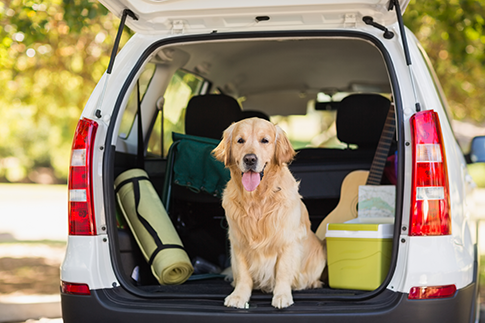
The rules are primarily focused on the safety and comfort of your pet in the car.
Here are the best practices:
Whether your pet travels in the cabin or in the cargo hold depends on its weight and size.
In the cabin
Small pets can travel in the cabin in a carrier placed under your seat. Fees and maximum weight limits vary by airline.
In the cargo hold
Larger pets travel in the cargo hold, in a pressurized freight compartment. Expect to pay a few hundred dollars, depending on the airline.
The carrier must meet International Air Transport Association (IATA) standards:
Your pet must be able to stand up, turn around, and lie down in its carrier. Without compliant equipment, boarding may be refused.
Yes. Certain breeds are restricted on flights, especially in the cargo hold.
Rules vary by airline.
No, unless your vet advises otherwise—which is why you should consult one before travelling. Why? Certain sedatives can cause health problems:
Some airlines will also refuse to transport heavily sedated animals.
Not all venues accept pets. This is the case for many hotels, restaurants, tourist attractions, and campgrounds in Quebec.
Rules are often more flexible in the United States and Europe, but it is best to check before booking. Consider locating a veterinary clinic near your accommodation.
Travelling with your pet can be an enjoyable and rewarding experience. With the right preparation, you can avoid the unexpected and make the most of your trip.
If you prefer to travel without your pet, know that boarding and concierge services are available to care for them in your absence. Take the time to choose an option that suits their needs.
1. Does my travel insurance cover my pet?
Not in most cases. The Travel Insurance offered by CAA-Quebec is an exception. It can reimburse up to $300 in emergency veterinary care if your pet is injured during the trip.
2. Can I cancel my trip if my pet dies?
It depends on your travel insurance policy. Some insurance companies do not cover this situation. Others, such as CAA-Quebec, offer “cancel for any reason” coverage if it is purchased within 72 hours of booking the trip.
3. What happens to my pet if I am hospitalized while travelling?
Some insurance policies cover the return of your pet to your home province in the event of an emergency evacuation.
Specialized assistance services or pet insurance can also help you arrange care for your pet. Read our article How to insure your dog or cat.
See how you could avoid spending so much on veterinary bills.