Water leak detectors: protecting your home against damage
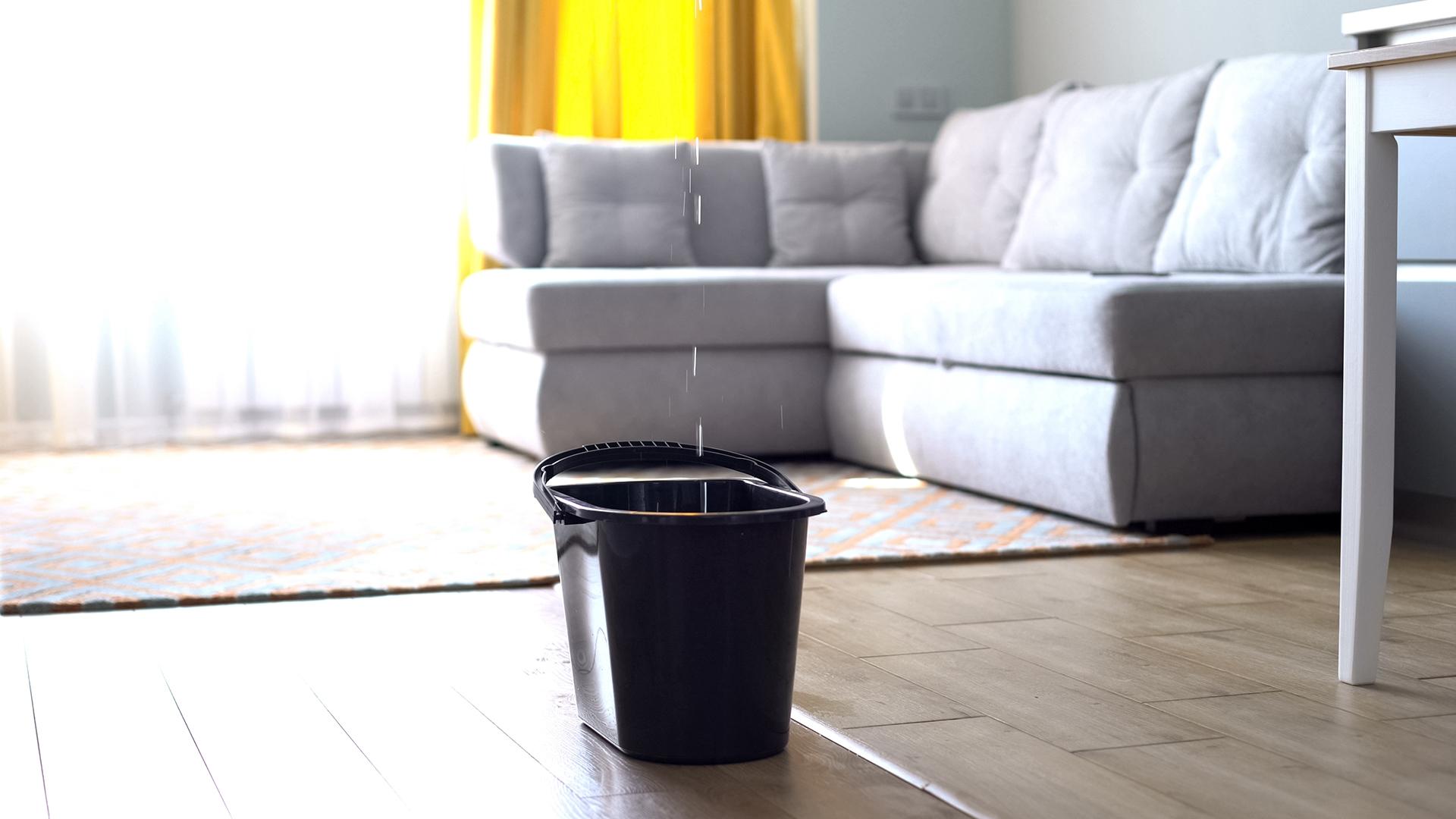
Water leaks account for a significant portion of home insurance claims. Find out how a water leak detection system can effectively prevent costly damage and protect your home.
Why install a water leak detector?
Anyone who has ever experienced a plumbing failure knows just how extensive the damage can be. In fact, water leaks represent approximately 40% of annual home insurance claims, according to the Chambre de l’assurance de dommages.
Installing a water leak detector is strongly recommended. While serious incidents are rare thanks to code-compliant installations, even a minor undetected leak can cause significant damage.
How do leak detectors work?
When a water leak is detected, the main control module receives a signal and triggers the automatic shut-off of the electric valve located at the water supply entry point. Water detectors are installed near plumbing fixtures and water-connected appliances—such as water heaters, dishwashers, and washing machines—as well as in high-risk areas like the bathroom.
Some smart models, compatible with smartphones, can send real-time alerts with the exact location of the leak. Additional benefits include an electric valve that can be powered by a backup battery in the event of a power outage. The faster a leak is stopped, the more damage and health hazards (such as mould) are minimized.
Once the risk has been addressed, the valve can simply be reopened manually.
What types of detectors are available?
There are several models of water leak detectors designed to suit different needs:
- Wired, wireless, or smart (connected to a smartphone).
- Battery-powered, plug-in, or equipped with a backup battery.
- Some models can detect water from just a few drops.
- Compatible with smart home and home automation systems such as Google Home, Amazon Alexa, Apple HomeKit, or a smart hub.
Some systems also integrate motion sensors or low-temperature sensors, which can shut off the valve if there is a risk of frozen pipes.
System installation
CAA-Quebec recommends having the electric valve installed by a licensed plumber. Take the opportunity to have them inspect your plumbing system to ensure everything is up to code. Some homeowners also choose a contractor who specializes in alarm or intercom systems.
Maintenance and inspection tips
- Test the system once a year.
- Clean the sensors to prevent false positives.
- Replace the batteries every two years.
Home insurance and water leak detectors: a positive impact
Much like a security alarm system, installing a water leak detection system can help reduce your home insurance premium. This is an especially valuable option for condominium managers, where a single water damage incident can affect multiple units.
According to the Insurance Bureau of Canada, water damage accounts for nearly half of all home insurance claims in Quebec, surpassing fire and theft.
Thanks to Inflotrolix for their collaboration on this article.
Looking for advice or coverage for your home?

Residential Advisory Services
Get answers to your questions about your home or recommendations for finding a CAA-Quebec Approved Residential Supplier.
Protect your home
See how CAA-Quebec Home Insurance can meet all your needs.