Do you need personalized advice on your home?
Our Residential Advisory Services counsellors are there to answer your questions and support you when you need it. Ask for their advice as often as you like. It’s one of the benefits of membership.

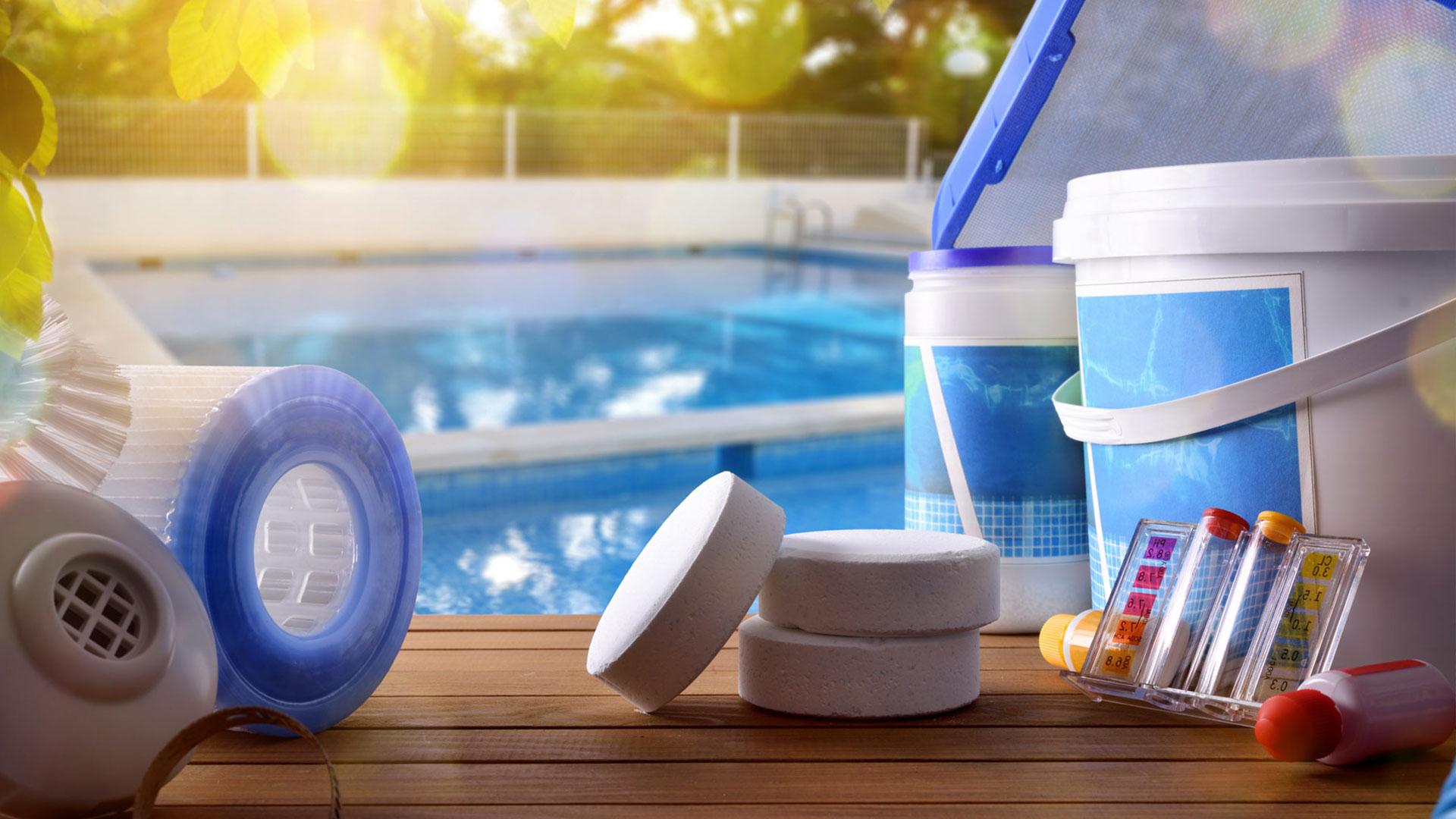
You should open your pool as early as possible in the spring (and close it as late as possible in the fall!). It’s best to start getting your pool ready before the water reaches 21 °C (70 °F), which can be as early as mid-April, depending on where you live and whether all the snow has melted. Warmer water will allow bacteria to proliferate and make it harder to clean. Obviously, before you even think about opening your pool, you should walk around and check it for structural issues.
Your pool needs a spring shock treatment to properly disinfect the water. You can find a variety of pool opening kits at big box stores, hardware stores, or your local pool store. Be sure to check how many litres the kit will treat. Some manufacturers offer different opening kits for aboveground pools, inground pools (inground pools require more product), and salt pools. Prices range from as little as $17 to as much as $50. Watch for sales and follow the manufacturer’s instructions carefully (especially on how long to wait before adding new products).
Make sure you have these accessories on hand:
Garden hose
Submersible pump (to remove excess water on the winter cover)
Skimmer net
Winter cover cleaner and another cleaner for the liner and steps
Silicone-based pool lubricant
Seam tape
Pool brush
Test strips or test kit
Whether you have an aboveground, inground, or semi-inground pool, the steps are basically the same, though there may be some differences depending on the equipment you have. Always consult the owner’s manual.
If this is your first time, you may want to entrust the job to the company that installed your pool. That way a technician can perform a full inspection and identify any issues before your warranties expire.
Carefully remove the cover and use the skimmer net to collect anything that falls in the water. Clean the cover with mild soap and water and allow it to dry before storing it.
Remove the plugs from the return lines and replace them with the proper valves. Remove the cover from the skimmer and reinstall the basket.
Take a good look at the pool. Is the cover attached properly? Does anything look broken, crooked, or out of place? Is the water level abnormally low after winter? If so, you might have a leak. Check that the following parts are in good working order:
Pump motor
Pump cover and basket
Hoses
Valves
Seals
Collars
Skimmer and return line
Pressure gauge (change every year)
Change or repair anything that seems worn out, cracked, broken, or too loud (like your pool motor).
We recommend changing the sand inside your pool filter every 4 years—or sooner if you notice any algae or dust appearing shortly after you clean the liner. Check the filter manufacturer’s guide to find out what sand they recommend and how much to use. An 85% silica sand that is washed, graded, and treated is a good choice because it holds up to chemicals. Don’t use construction or beach sand.
The cartridge should be replaced every 1 to 3 years depending on how often you use the pool, if there is oil or sunscreen in it, and if there are trees overhead. Pro tip: It’s time to replace the cartridge if your pressure gauge reading is higher than what is recommended in the filter manual.
Install your steps, ladder, diving board (make sure it still meets the standards), and pool lights if you have them. Check each accessory to make sure it’s still in good condition.
You need to shock your pool to disinfect the water. Let the pool sit for 24 hours after the treatment, with the motor running.
To clean the pool, remove as many of the leaves from the surface and the bottom as you can using a skimmer net and vacuum (set the filter to Drain or Waste). Empty the basket frequently. Use an appropriate degreasing agent to clean the water ring on the liner and wash the sides of the pool. Once you’re finished, do a light backwash.
When the water is clear again, it’s time to test it. You can use a kit to do this yourself. Remember to replace the OTO and Phenol bottles every year and check the expiry date on the test strips. Add the products you need to balance the pool water and keep it from turning green. Make sure the:
Alkalinity is between 80 and 120ppm (ideally check it every 6 weeks)
pH level is between 7.2 and 7.8
Hardness is between 200 and 300ppm
Chlorine level is between 1.0 and 3.0ppm
You can also have a specialist test your pool water. They can recommend the right products to use.
Some pool service companies offer training on how to open and close a private pool.
You can hire a specialized pool service company to open your pool in the spring and close it in the fall. Technicians will reconnect everything and add the right products—you’ll just have the cleaning to do. Or you can get a turnkey package that includes the final cleaning. Packages range from $175 to over $400 (with cleaning).
Taking good care of your pool over the summer is the key to making sure it lasts for many years to come.
Our Residential Advisory Services counsellors are there to answer your questions and support you when you need it. Ask for their advice as often as you like. It’s one of the benefits of membership.